
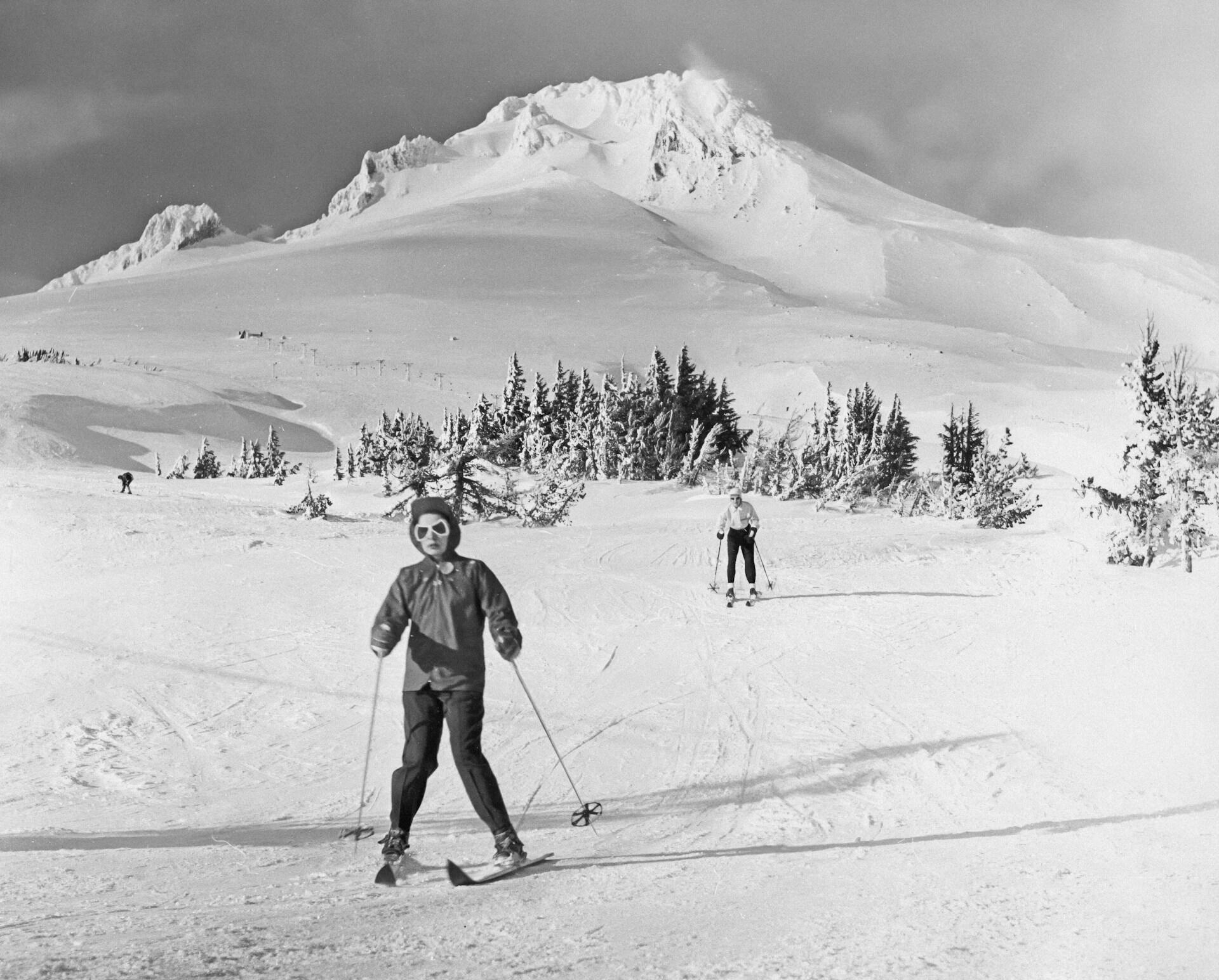

The Winter Olympics are one of the most fascinating and complex sporting events on the international scene. Unlike the Summer Games, here the protagonist is not only the athlete, but also the environment: snow, ice, mountains, and extreme climates become an integral part of the competition ❄️🏔️.
But the Winter Olympics have not always been the major global event we know today. Their history is one of experimentation, interruptions, rebirths, and profound transformations. From the first competitions, organized in an almost artisanal way, to the modern, hyper-technological Games followed by millions of spectators around the world, the journey has been long and anything but linear.
In 1924 in Chamonix, France, with the International Winter Sports Week, later recognized by the International Olympic Committee as the first edition of the Winter Olympic Games. Since then, the event has grown to include new disciplines, more athletes, and an increasing number of participating nations.
In this article, we retrace the history of the Winter Olympics, starting from their origins in the early 20th century, passing through the editions that marked decisive turning points, up to Milan-Cortina 2026, which represents a new chapter in this evolution. A journey that is not only about sport, but also about culture, society, and change, told in a clear and accessible way, even for those approaching this world for the first time.


The Origins of the Winter Olympics
The Winter Olympics did not start out as an independent and inevitable event. On the contrary, they are the result of a long process of compromise, experimentation, and even a certain initial distrust of sports practiced on snow and ice1.
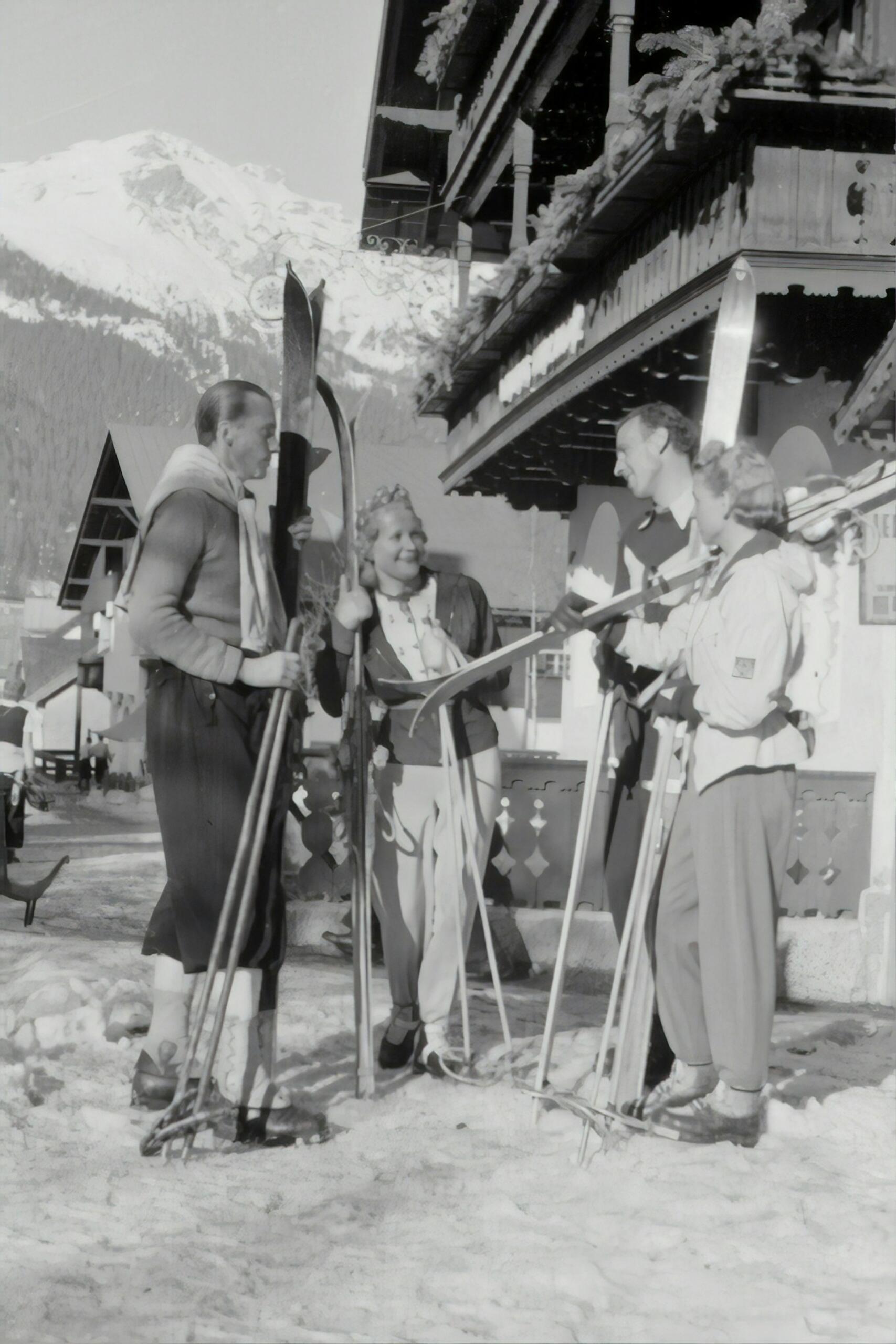
At the beginning of the 20th century, the Olympic movement was still strongly linked to the idea of the Summer Games as the centerpiece of international sport.
Winter sports, although widely practiced in some areas of Europe, were considered too tied to the territory and climatic conditions to become truly “universal.”
So how did the Winter Olympics come about? This summary timeline, which we will explore in more detail later in the article, gives us an idea of the important stages in this evolution:
1901–1926
The Nordic Games (Nordiska Spelen)
In Scandinavia, particularly in Sweden, the Nordic Games are held, which are international competitions dedicated to snow and ice sports. Although not Olympic events, they represent the true predecessor of the Winter Olympics and demonstrate that there is an international audience for this type of event.
1924
Chamonix, France
The International Winter Sports Week is established, later recognized as the first official Winter Olympics. Sixteen countries participate.
1928–1936
Consolidation
The Winter Olympics become a regular event. The number of disciplines, athletes, and international interest grow.
1940–1944
World War II
The planned editions are canceled due to the conflict that is bringing Europe and the entire world to its knees.
1960-80
Global Expansion
The number of participating nations is increasing, facilities are improving, and winter sports are becoming popular outside Europe as well.
1990s
New Disciplines
Sports such as snowboarding and freestyle are included, marking an opening towards more modern and spectacular disciplines.
2026
Milan-Cortina
A sustainable and distributed Olympics, with the debut of ski mountaineering and a strong focus on future legacy.
Yet, over time, this strong connection with the natural environment would become one of the distinctive features of the Winter Olympics.
The Predecessors of the Winter Games 🕰️
Before 1924, winter sports already had a long competitive tradition, especially in Northern European countries. However, there was no global event comparable to the Olympics.
Among the main precursors were:
- The Nordic Games, organized since 1901 in Scandinavian countries
- International competitions in cross-country skiing, ski jumping, and Nordic combined
- Ice skating tournaments already included, on an occasional basis, in the Summer Olympic program
Figure skating made its Olympic debut in 1908 in London, while ice hockey appeared at the 1920 Summer Games in Antwerp. This was because there was not yet a dedicated Winter Olympics.
However, not everyone was in favor of creating separate Winter Games. In particular, the Scandinavian countries feared that a new Olympics would overshadow the Nordic Games, which were considered a cultural as well as a sporting pillar.
The First Edition in Chamonix 1924 🏔️
The turning point came in 1924, when France proposed to organize an International Winter Sports Week2 in Chamonix, at the foot of Mont Blanc. Formally, the event was linked to the Summer Olympics in Paris, almost like a “satellite” event.
The numbers, for the time, were significant:
🌍 16 Nations
⛷️ Around 250 Athletes
🎿 9 Disciplines
The competitions included cross-country skiing, ski jumping, figure skating, ice hockey, bobsleigh, and Nordic combined. We are still a long way from the 16 disciplines featured today, but it was certainly a good starting point. The public responded enthusiastically, and the international press gave the event extensive coverage.
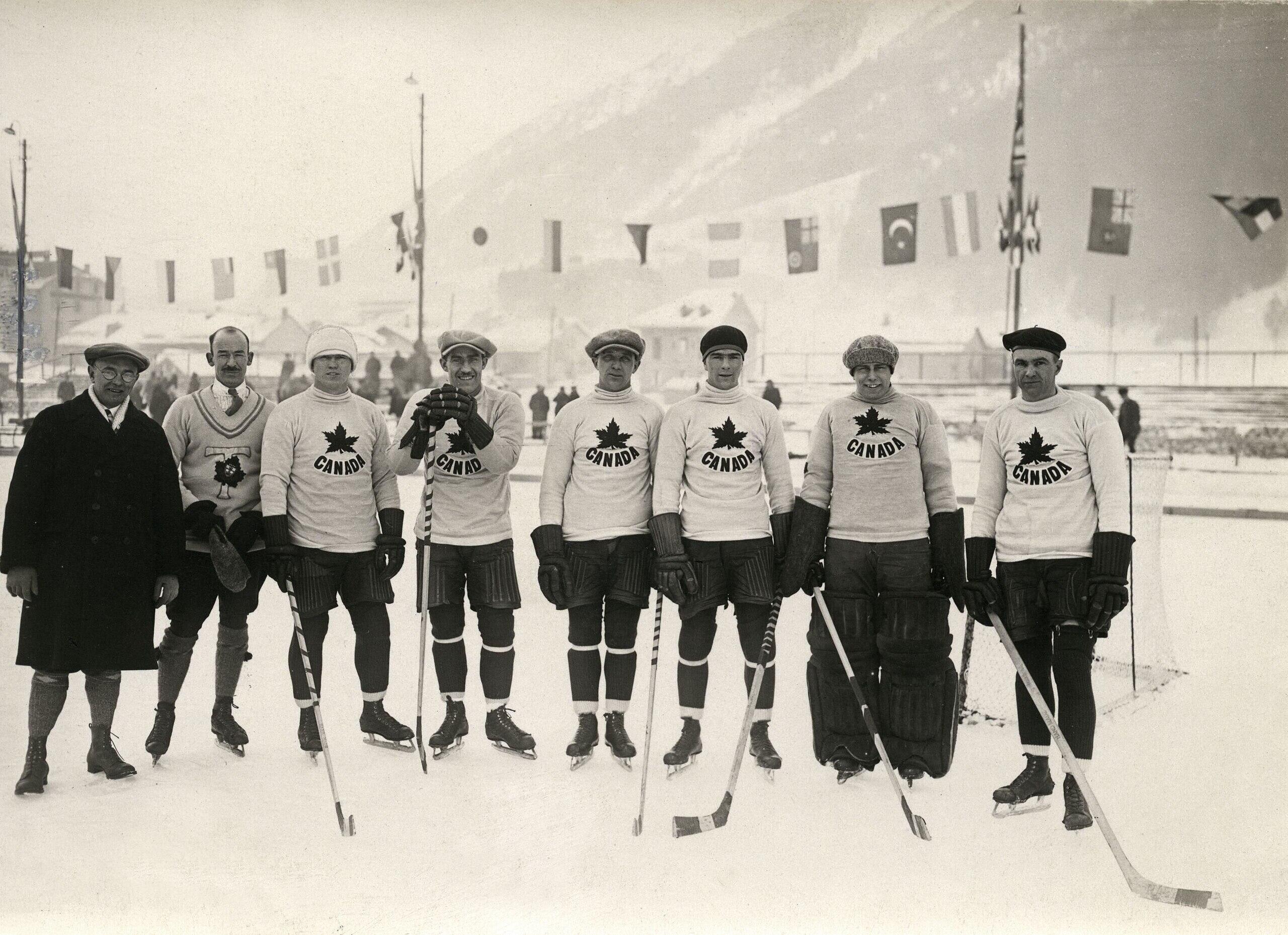
Only later, given the organizational and sporting success, did the International Olympic Committee decide to officially recognize Chamonix 1924 as the first edition of the Winter Olympic Games.
What began as a “sports week” thus became the start of a new Olympic tradition, destined to grow rapidly throughout the 20th century.
The Evolution of the Winter Olympics Over Time 🕰️
After the success of Chamonix 1924, the Winter Olympics ceased to be an experiment and began a path of gradual but steady growth. Within a few decades, the Games went from being a European event to a global one, reflecting the political, technological, and cultural changes of the 20th century.
This evolution was not linear: it was marked by sudden accelerations, abrupt interruptions, and profound transformations in the way sport and its role in society were understood.
Growth and Development Between the Two World Wars (1928–1936)
Between the late 1920s and the mid-1930s, the Winter Olympics began to take shape as a recurring event. The editions of this period show clear growth in several respects:
- Increase in the number of participating countries
- Expansion of the disciplines in the program
- Improvement of sports infrastructure
The Winter Olympics are still linked, symbolically and organizationally, to the Summer Games, but they are beginning to build their own identity. Nordic sports continue to play a central role, while disciplines such as alpine skiing are beginning to gain popularity.
It was during these years that the Winter Games began to be perceived not only as a sporting competition, but also as a source of international prestige for the host countries.
The Impact of World War II
The outbreak of World War II abruptly interrupted this phase of growth. The editions scheduled for 1940 and 1944 were canceled, leaving a twelve-year gap without Winter Olympics.
This period of suspension had profound consequences:
- Many sports facilities are destroyed or abandoned
- Entire generations of athletes see their Olympic opportunities vanish
- The international sports movement suffers a long setback
When the Games resume, the world will have changed profoundly. And the Winter Olympics will also have to adapt to a new reality.
Post-war Revival and Modernization 📺
The return of the Winter Games in 1948 marked the beginning of a new era. In the post-war period, the Olympics gradually became more modern, more visible, and more popular.
Among the most significant changes:
- Exponential increase in the number of athletes and participating countries
- Introduction of new technologies in facilities and equipment
- Growth in media coverage, particularly television
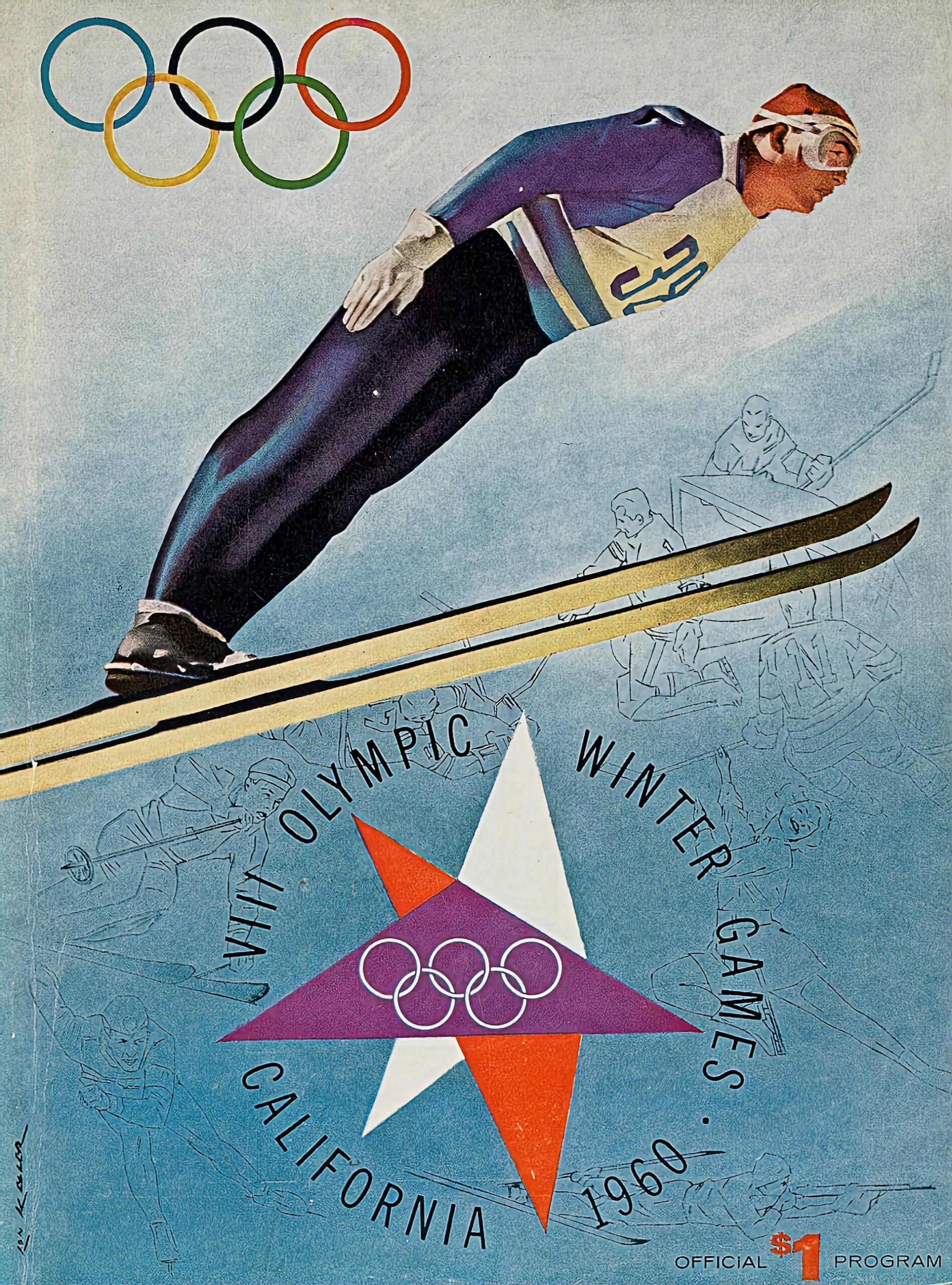
Towards the Modern Winter Olympics
From the second half of the 20th century onwards, the Winter Olympics became increasingly complex to organize, but also more influential. Decisions on venues, disciplines, and formats began to have an impact that went far beyond sport, touching on issues such as regional development, the environment, and national identity.
Television plays a decisive role: for the first time, millions of people can follow the competitions from home. Winter sports thus enter the global collective imagination, becoming entertainment as well as competition.
It is in this context that the most memorable editions are born, some of which have left an indelible mark on the history of the Games3.
Memorable Editions of the Winter Olympics ⭐
Throughout their history, the Winter Olympics have seen very different editions. Some have passed almost unnoticed, while others have marked turning points: for technological innovations, for the historical context, or for the impact they have had on the local area.
Among these, some editions have become true benchmarks, still cited today when talking about the Winter Games.
Cortina d'Ampezzo 1956 ❄️🇮🇹
The Cortina d'Ampezzo 1956 edition is a milestone in the history of the Winter Olympics and Italian sport. It was the first Winter Olympics hosted in Italy and one of the first to be broadcast internationally on television.
For the first time:
- Millions of people follow the Games from home
- Images of the competitions are broadcast around the world
- The Olympics become a true media event
Cortina 1956 contributes to building the modern image of winter sports: athletes, mountains, and competitions become a permanent part of popular culture. For Italy, it was also a moment of symbolic rebirth in the post-war period, capable of showing the world a country in recovery.
Turin 2006 🏙️❄️
With Turin 2006, the Winter Olympics enter a new phase. It is an Olympics that is profoundly different from previous ones: urban, widespread, and integrated with the fabric of the city..
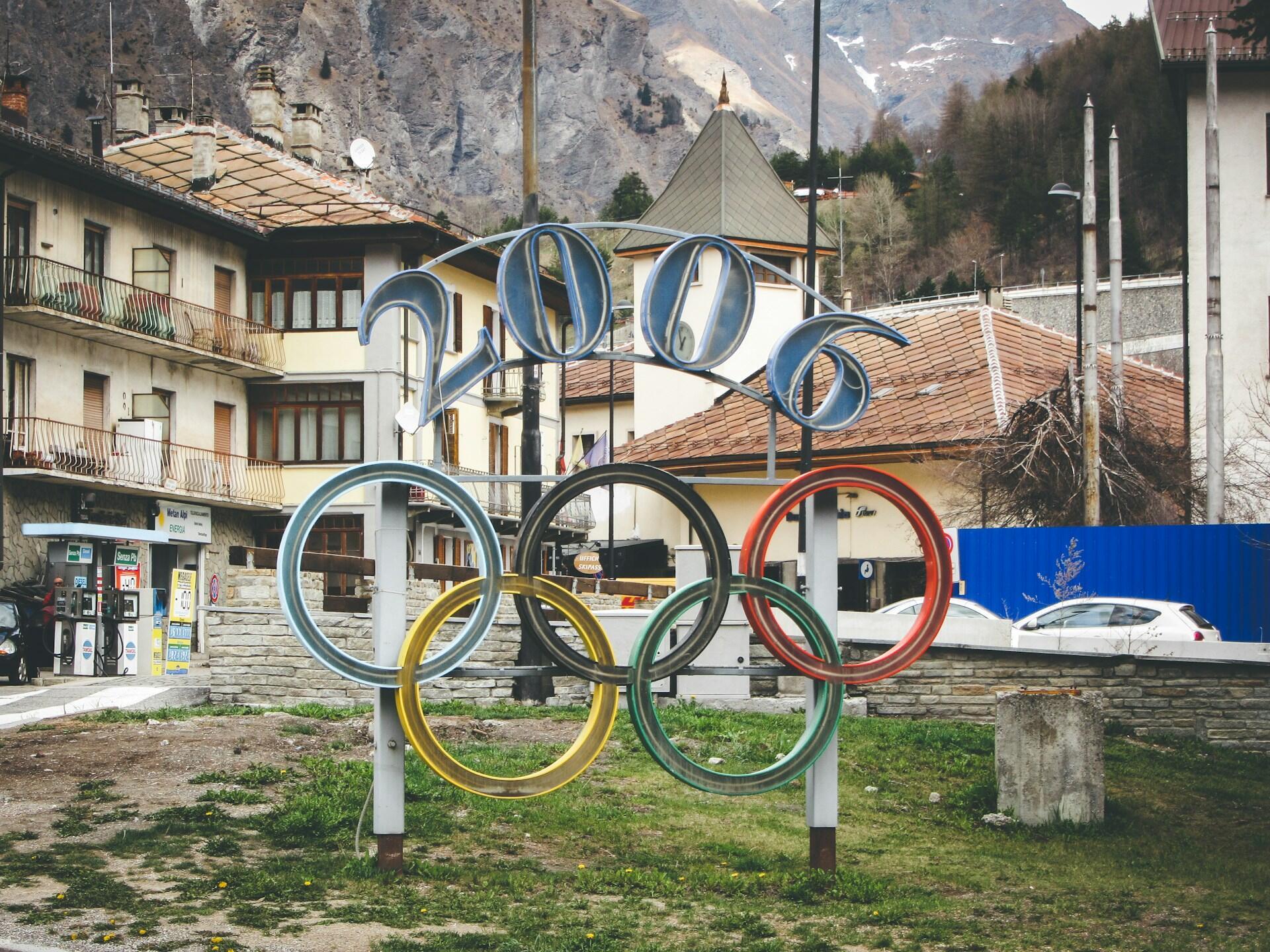
Turin uses the Games as a lever to:
- Redevelop entire urban areas
- Rethink its post-industrial identity
- Improve infrastructure and transport
The competitions take place between the city and the Alpine valleys, creating a model that will be replicated in subsequent editions. Turin 2006 demonstrates that the Winter Olympics do not necessarily have to be isolated in the mountains, but can interact with large cities.
Milan-Cortina 2026 🏔️🏙️
Milan-Cortina 2026 represents a further step forward. It is not only a return of the Winter Games to Italy, but also a new interpretation of the Olympic format.
This edition stands out for:
- An Olympics spread across multiple territories
- The involvement of large cities and Alpine resorts
- A strong focus on sustainability and legacy
Milan-Cortina 2026 was conceived in a complex historical context, in which the Games must prove that they can be useful, sustainable, and integrated in the long term. It is also the edition that introduces a new Olympic discipline, ski mountaineering, strengthening the link between sport and the territory. Find out all the dates and venues for this edition by reading our article.
The United States and the Winter Olympics ❄️🇺🇸
The relationship between the US and the Winter Olympics is not only measured in terms of editions hosted or medals won, but above all through the athletes who have made history. Over the decades, certain figures have become symbols not only of American sport, but of the entire Winter Olympic movement.
Participation and Successes of American Athletes 🏅
The United States has participated in the Winter Olympics since the first edition in Chamonix in 1924 and has never missed a winter Olympic event. The most important results have come in specific disciplines, often linked to the country's Alpine tradition.

Bonnie Blair
Bonnie Blair was the face of U.S. women's speed skating in the 80s and 90s. She graced the stage during the Sarajevo 1984 Winter Olympics, and finished her career as the most decorated female American Winter Olympian of all time. She won five gold medals and one bronze during her speed skating career.
Shaun White
Shaun White brought snowboarding and the Winter Olympics to global superstar status for his skill and expertise. Not only has White won three Olympic gold medals, but he also holds the world record for the most X Games gold medals and Olympic gold medals for a snowboarder.

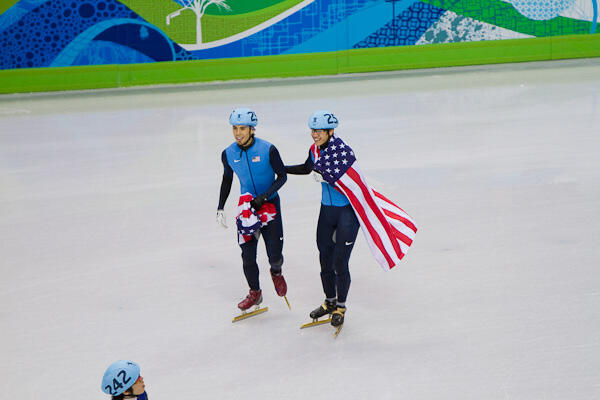
Apolo Ohno
Apolo Ohno is the most decorated U.S. Winter Olympian for his talent in Short Track Speed Skating. Winning eight medals in the Olympics helped earn Ohno a spot into the International Sports Hall of Fame in 2017 and the U.S. Olympic Hall of Fame in 2019.
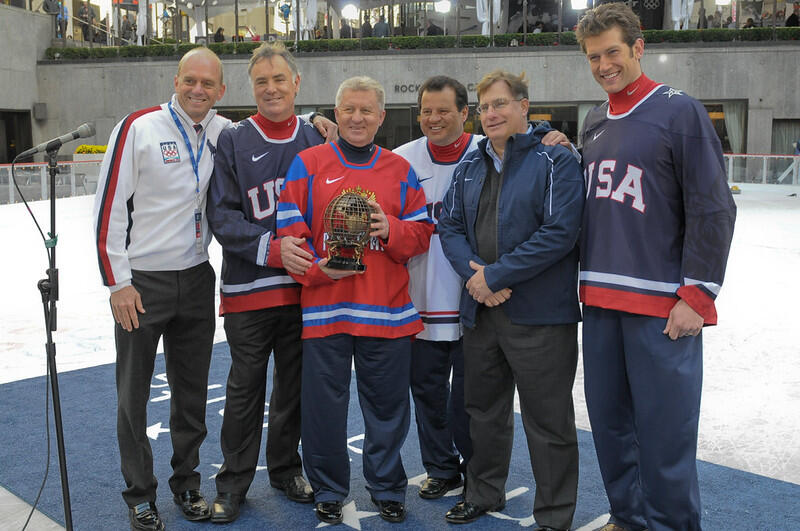
1980 Men's Hockey Team
Known as the "Miracle on Ice" the 1980 Winter Olympics hockey team left their hearts on the ice to earn the first gold medal in hockey for the US in 20 years.
The game was between the US and Soviet Union who were the four-time defending gold medalists. This upset marked history and even inspired the 2004 movie, "Miracle."
The Impact of the Winter Olympics on U.S. Sports 📈
The achievements of these athletes have had an effect that goes beyond individual results. Their victories have contributed to:
- Increasing public interest in less popular disciplines
- Increasing the number of participants, especially among young people
- Strengthening the United States' reputation as a leading and versatile nation in winter sports
Each generation has had its protagonists, creating a continuity in sport that has lasted from the beginning of the last century to Milan-Cortina 2026.
The Evolution of Olympic Winter Sports
The history of the Winter Olympics is also the history of the sports that are part of it. Unlike the Summer Games, the winter program changes very cautiously: each sport introduced must demonstrate stable international popularity, a solid competitive structure, and consistency with the Olympic spirit.
For this reason, every change to the program takes on significant historical weight.
Traditional Sports and New Additions
For many decades, the core of the Winter Olympics remained virtually unchanged. Disciplines such as:
- cross-country skiing
- ski jumping
- ice skating
- hockey
Starting in the second half of the 20th century, however, the IOC gradually began to open up to more modern sports, often originating outside traditional Olympic contexts. This was the case with snowboarding and freestyle skiing, which were introduced to make the Games more dynamic and attract a younger audience.
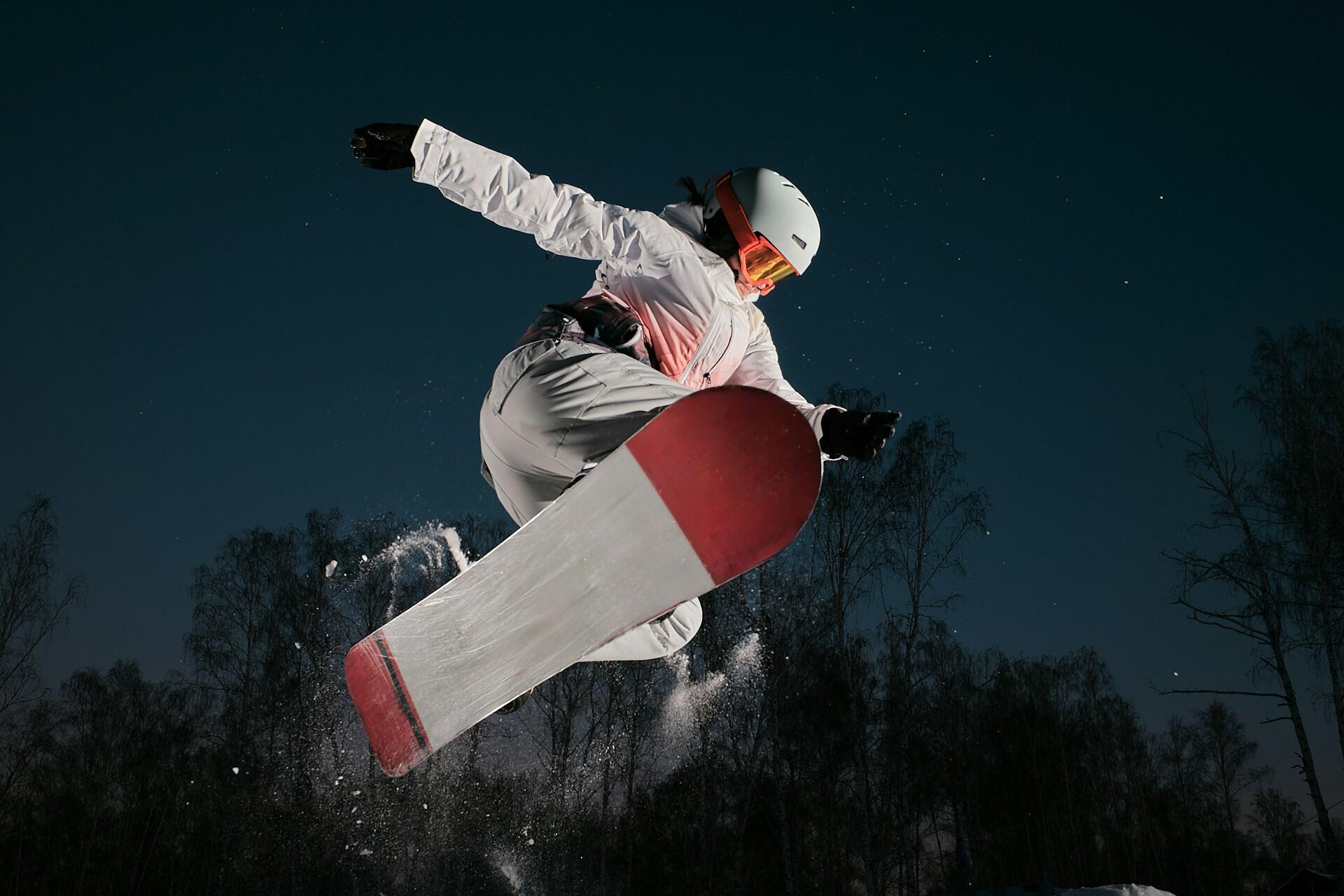
New disciplines never replace historical ones, but rather complement them, expanding the Olympic narrative without distorting it.
The Inclusion of Ski Mountaineering in Milan-Cortina 2026 🆕
The inclusion of ski mountaineering in the Milan-Cortina 2026 Olympic program is a rare event. In fact, the Winter Olympics have introduced very few new disciplines in recent decades.
This choice is significant for three reasons:
- It recognizes a sport that is growing rapidly at the international level
- It strengthens the link between the Olympics and the real alpine territory
- It marks a new openness towards disciplines more closely linked to the natural environment
Milan-Cortina 2026 thus becomes not only a return of the Games to Italy, but also an edition that actively contributes to the evolution of the Olympic program.
Everything clear so far? Test your knowledge:
The Winter Olympics in a Global Context 🌍
Over time, the Winter Olympics have gone beyond the purely sporting dimension, becoming a global cultural, political, and economic phenomenon.
The Cultural and Political Importance of the Games
Like all Olympics, the Winter Olympics have often been a reflection of their time. In some editions:
- They have represented moments of dialogue between opposing nations
- They have been used as an international showcase by the host countries
- They have helped to redefine the image of entire geographical areas
In this context, sport becomes a universal language, capable of transcending borders and tensions.
Challenges and Controversies Over the Years
Alongside moments of celebration, the history of the Winter Olympics has also been marked by critical issues:
- Debates on organizational costs
- The environmental impact of infrastructure
- Issues related to sustainability and legacy
In recent years, these issues have become central. Editions such as Milan-Cortina 2026 arise precisely from the need to rethink the Olympic model, making it more compatible with the needs of local areas and communities.
Knowing the history of the Winter Olympics allows us to look to the future of the Games with greater awareness, understanding that each edition does not come out of nowhere, but is the result of a continuous evolution made up of sports, people, and places. And don't forget to take a look at the history of the equally important Winter Paralympics.
Sources
- “Enter the Digital Community.” Fan26 Landing Page | Milano Cortina 2026, fan26.olympics.com/en/fan26. Accessed 29 Jan. 2026.
- Istituto della Enciclopedia Italiana Treccani. Olimpiadi invernali. I primordi. Enciclopedia dello Sport,
https://www.treccani.it/enciclopedia/olimpiadi-invernali-i-primordi_(Enciclopedia-dello-Sport)/ - Cober Active. La storia delle Olimpiadi Invernali. Cober-active.com,
https://www.cober-active.com/it/keepingup/la-storia-delle-olimpiadi-invernali/?srsltid=AfmBOorS3HdVeKcd-ZkqGV4HxlAwNvE8M_pZDRVXz50WEXTefniUCweX
Summarize with AI:
Did you like this article? Leave a rating!

 Loading...
