
Somewhere between botany and self-reflection lies a question that reveals surprisingly a lot about us: What kind of flower am I, really? Not in the sense of a favorite flower or gardening taste—but as a mirror. For thousands of years, flowers have served a dual purpose: they are beautiful to look at, and they tell stories. About cultures, about feelings, about people. Our quiz helps you find your flower. But first: a look at the five personalities behind them.
Whether you radiate the kind of energy that brightens a room or embody the quiet reliability everyone counts on—somewhere in the plant world, there’s a flower that knows you. The question “Which flower suits me?” has no wrong answer. But it has yours.
Quiz
Quiz :


Five Flowers, Five Personalities — and What Lies Behind Them
The connection between flowers and human traits is not a modern invention. In Victorian England, there was a complete language of flowers—known as floriography—that people used to convey messages considered improper to voice at the time. A certain bouquet on the windowsill signified affection. Another signified rejection. Flowers were a code. And this code still works today—only more subtly.
The Sunflower: Radiant, Sociable, Life-affirming
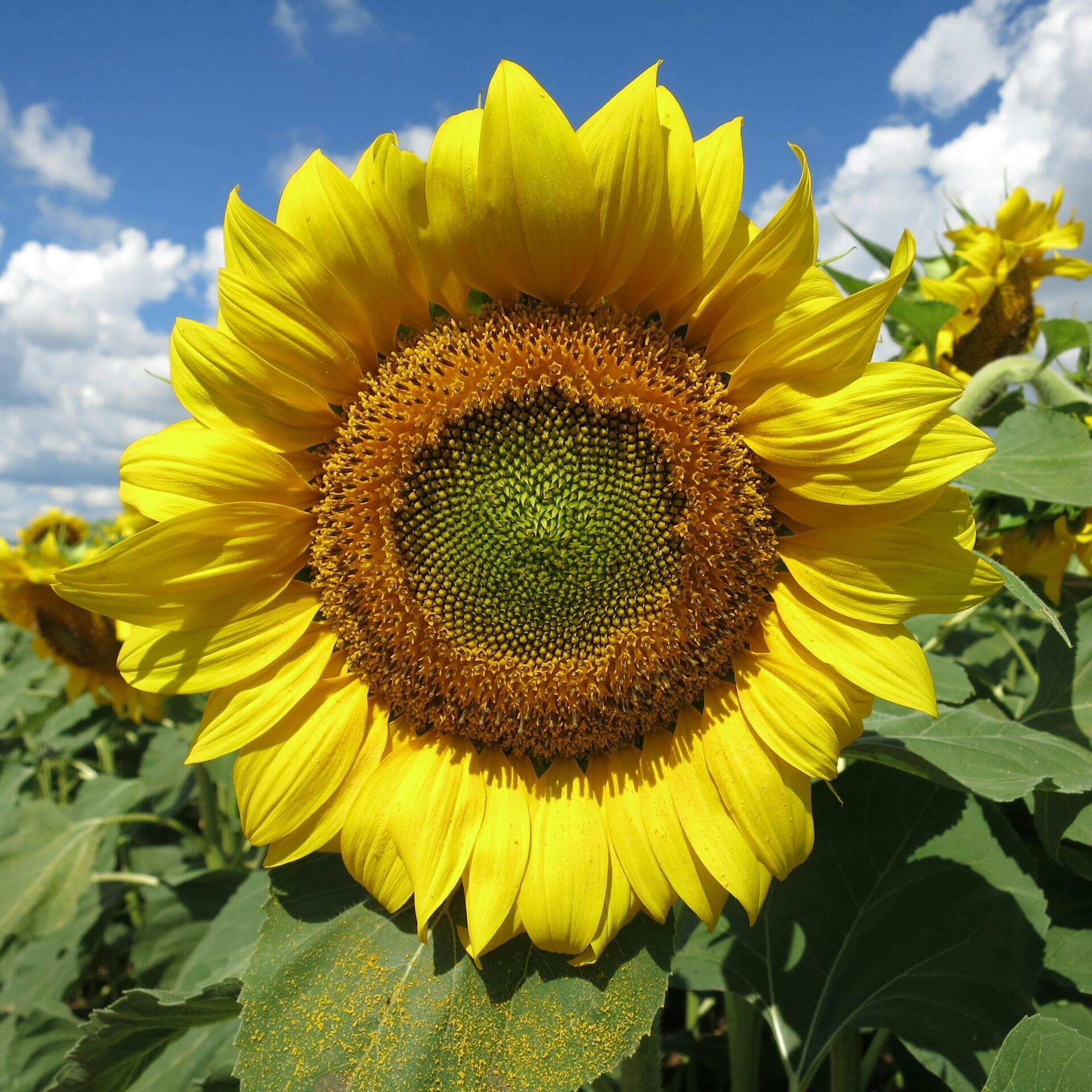
The sunflower doesn't do things by halves. It grows several feet tall, turns its face toward the sun when young—a behavior scientists call heliotropism—and is so striking that you simply can't miss it. Since the 16th century, when it was brought from the Americas to Europe, it has been regarded as a symbol of loyalty, admiration, and joie de vivre.
As a personality type, the sunflower represents people who not only have energy but also share it with others. They’re the kind of person who calls before you even realize you need someone. The kind who somehow turns every Wednesday night into a story. Their strength lies not in the depth of their silence, but in the warmth of their presence.
Lavender: Calm, Dependable, Grounded
You can smell lavender before you see it. It’s never flashy—but it leaves a lasting impression. In ancient times, it was used to purify temples; in the Middle Ages, it was considered a protective herb; and today, science has shown that the linalool compounds found in lavender have a proven anxiolytic effect on the nervous system.
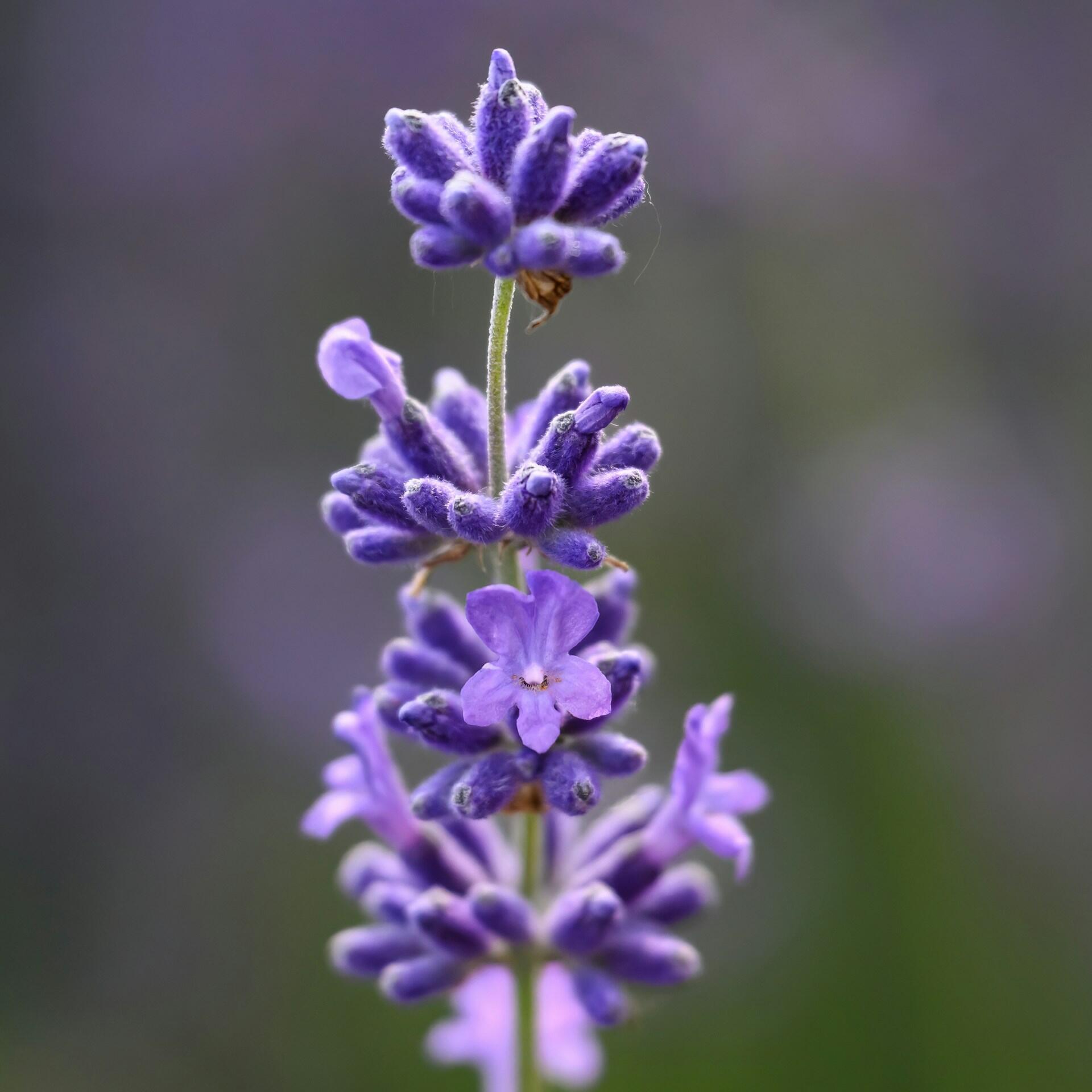
Lavender is one of the most widely used medicinal plants in the world. In a study involving MedUni Vienna, an oral lavender oil supplement (Silexan) demonstrated efficacy comparable to that of an antidepressant in treating anxiety disorders—without the risk of dependency.
As a person, the lavender type is someone you can always count on—quiet, unassuming, and without fanfare. Not because they have no needs, but because they have learned to act first and speak later. People seek their company in times of crisis, not because they offer the loudest solution, but the calmest one.
The Rose: Passionate, Complex, and Prickly
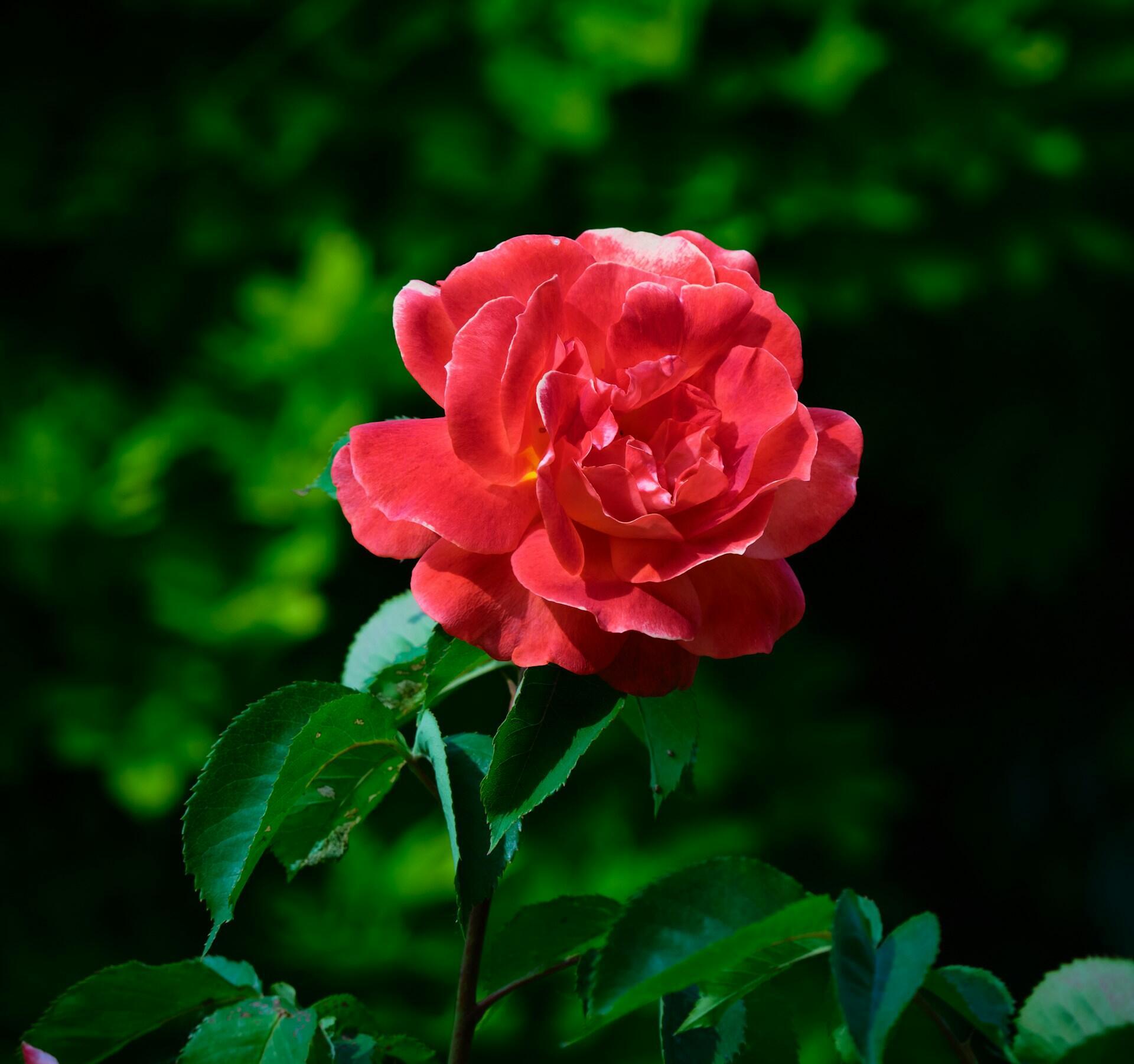
Few flowers carry as much cultural significance as the rose. It appears in the Bible, the Quran, Shakespeare’s sonnets, Persian poetry, on coats of arms, and in tattoos. Its symbolism varies depending on its color: red for passion, white for purity, yellow for friendship, black for farewell. What remains constant: the thorns. The rose is beautiful—and it says so too.
As a personality type, the rose represents people who are complex and know it. They think in layers, feel deeply, and have an inner world that is richer than what they show on the outside. This makes them demanding—of themselves and of others. But those who make their way through the thorns will find something genuine.
The Forget-Me-Not: Caring, Empathetic, Unforgettable
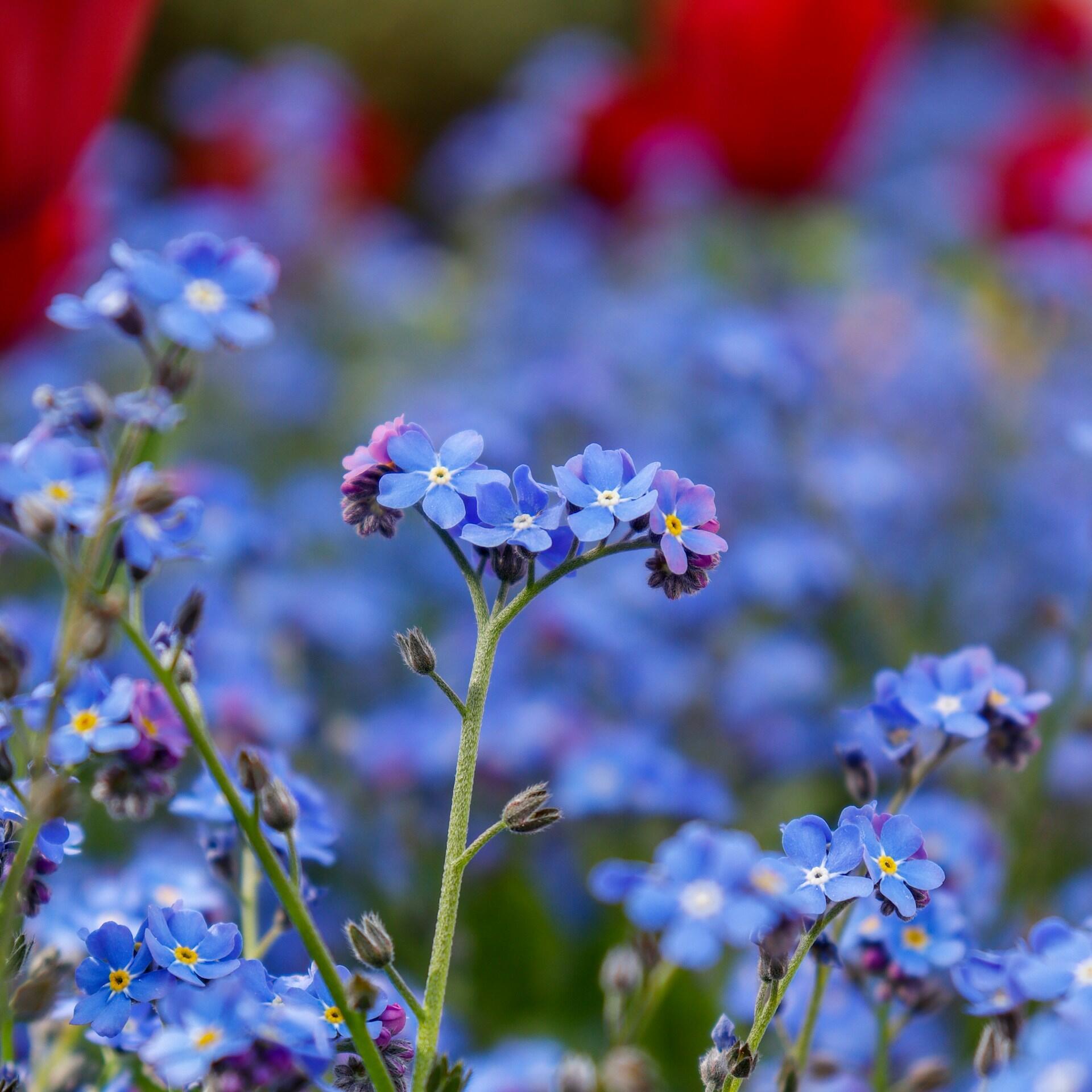
The forget-me-not is one of the most unassuming flowers there is: tiny, pale blue, barely larger than a fingernail. And yet, you never forget it. It is the symbol of Alzheimer’s research and, in many cultures, a sign of eternal fidelity. Legend has it that a knight threw one to his beloved before drowning in a river—with the words: “Do not forget me.”
Loyalty
In almost all European cultures, the forget-me-not symbolizes an enduring bond—even across distance and time.
Reminder
Used worldwide as a symbol of remembrance—in times of mourning, in dementia research, and in literature.
Quiet Strength
Tiny but tough: Forget-me-nots grow in cracks and along roadsides—they don’t need ideal conditions.
As a person, the forget-me-not type is someone who gives before being asked. Their care isn’t an act; it’s simply there—as if it were a given, and yet anything but. The only danger is that someone who gives so much sometimes forgets about themselves.
The Cactus Flower: Independent, Resilient, Surprising
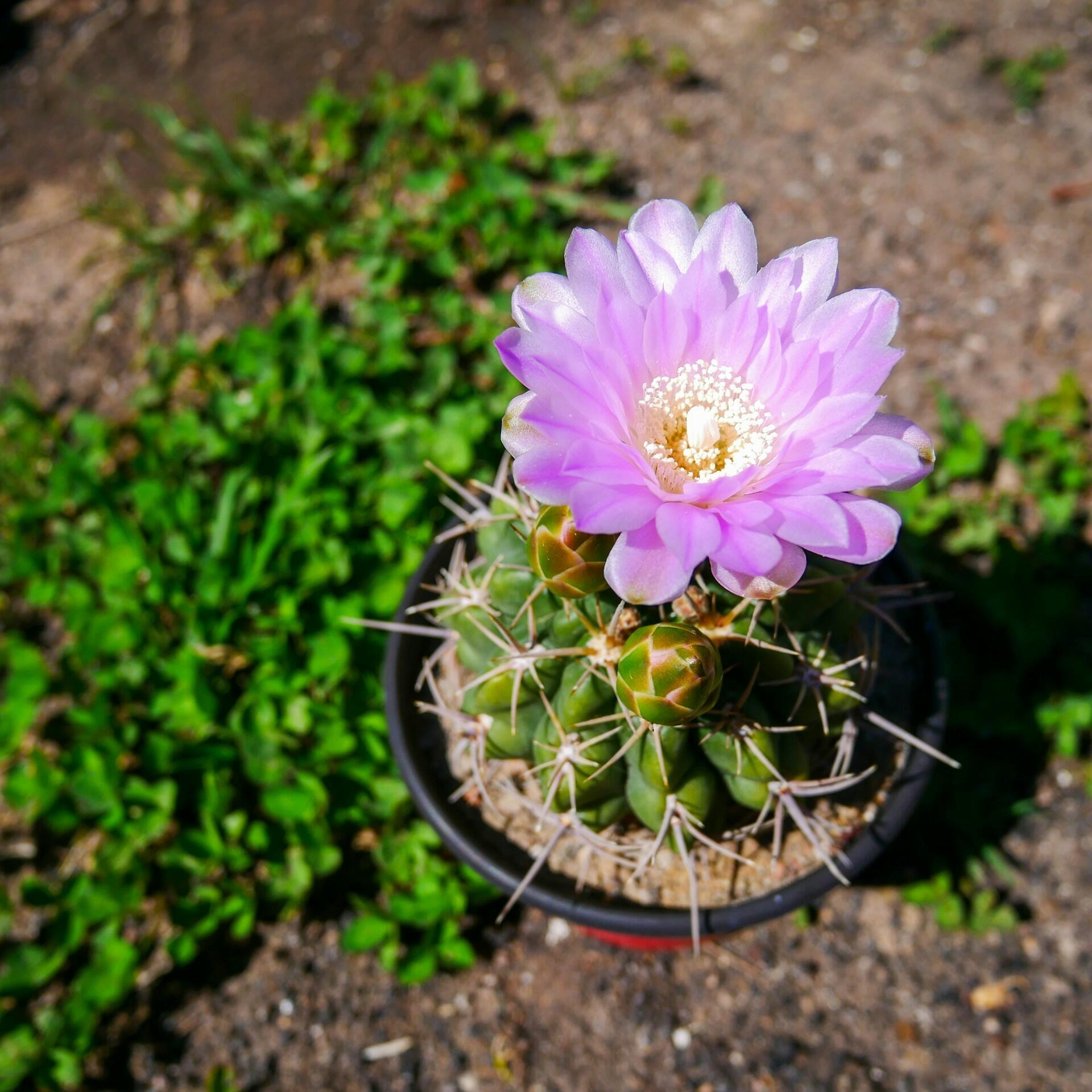
The cactus needs no water, no fertile soil, no mild climate. It grows where other plants have long since given up—in the scorching heat of the desert, on barren rocks, in extreme aridity. And then, when no one expects it, it blooms. The cactus bloom is one of the most spectacular sights in the plant world: vibrant, fleeting, and utterly unforgettable.
Fully grown giant cacti, such as the saguaro, can store up to around 800 gallons of water.
The spines are not weapons, but rather a form of air conditioning: they reduce air movement and protect against dehydration.
Some cactus species live to be over 200 years old—endurance as a botanical principle of life.
The Queen of the Night cactus (Selenicereus grandiflorus) blooms exactly once a year—only at night, for a few hours.
As a personality type, the cactus flower represents people who don’t need validation to thrive. They set boundaries without much explanation, don’t need applause for what they do—and surprise you with warmth and depth precisely when you least expect it. Their independence isn’t coldness. It is integrity.
Why floral symbolism works—and what science has to say about it
Why do we project personalities onto plants in the first place? The answer lies in a concept that biologist Edward O. Wilson called biophilia: humanity’s innate, evolutionary connection to nature. We read traits into animals and plants because we’ve been doing so for hundreds of thousands of years—as a survival strategy, as a means of communication, as a cultural glue.
Studies on biophilia show that people who regularly spend time in nature develop greater empathy and emotional stability. So the question “What flower am I?” is more than just a game—it’s an invitation to self-reflection with a botanical twist.
Floral symbolism is therefore not esotericism, but applied cultural history. When we say, “She’s like a rose,” we mean: complex, passionate, beautiful—and elusive. When we say “He’s like lavender,” we mean: calming, reliable, a bit timeless. These codes are deeply ingrained in the collective memory—and the quiz below brings them to life.
400,000+
Well-known flowering plant species from around the world—each with its own history and symbolism.
200 Years
Can some species of cactus live to a ripe old age? – Endurance as a botanical principle of life.
Each of these five flowers represents something real—a way of being in the world, a way of loving, acting, protecting, or blossoming. None is better or worse than the others. They’re simply different. Just like people.
Now it’s your turn. The quiz below will help you discover your flower in 12 questions—there are no right or wrong answers, just yours.
Summarize with AI:
Did you like this article? Leave a rating!

 Loading...