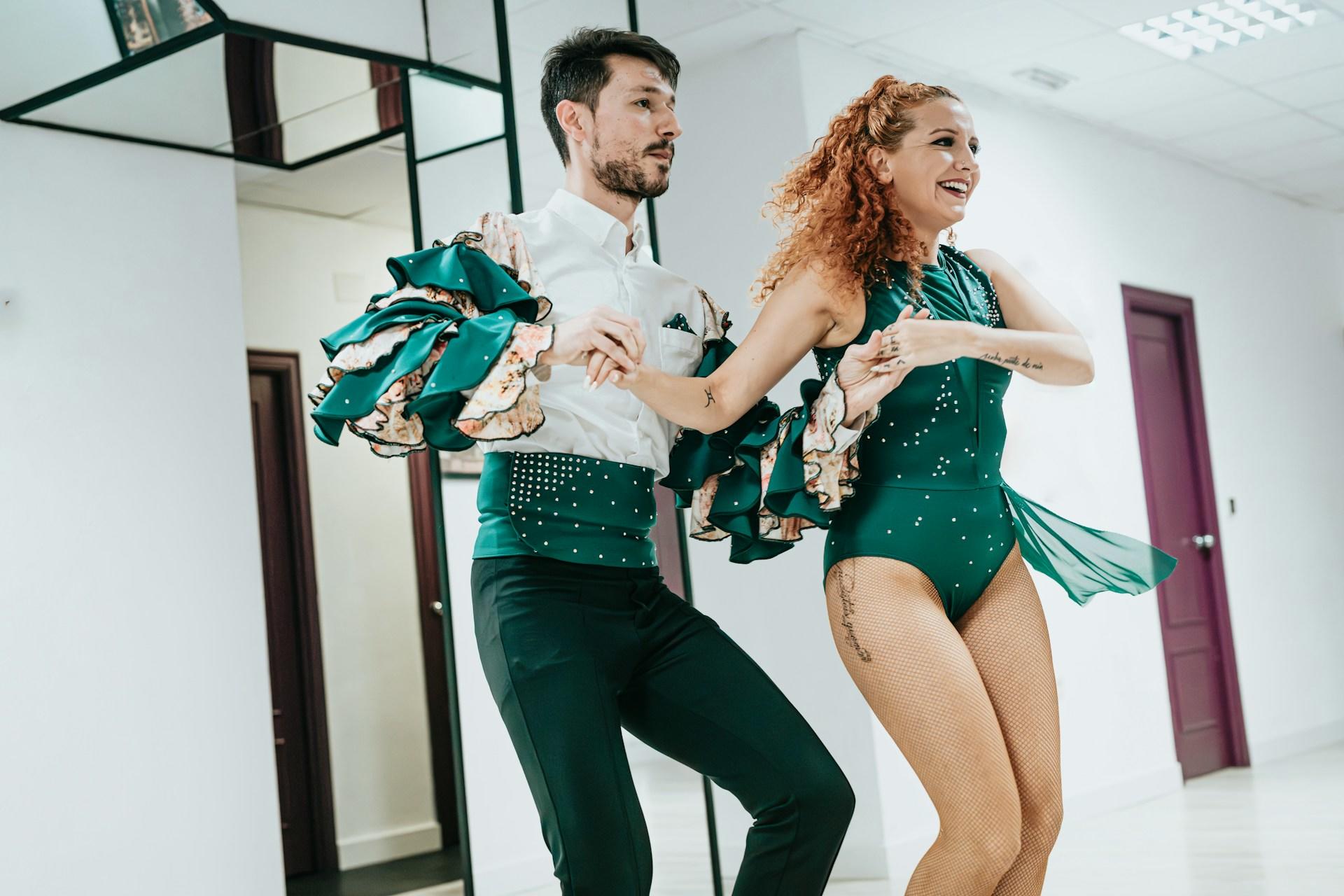

Salsa became popular in the United States during the 1970s, driven by the New York Latin community and the rise of Fania Records; though its roots stretch back to Cuban son in the late 19th century and its journey north began as early as the 1920s. Today, salsa is one of the most danced genres in the world, and understanding where it came from makes the music and movement even richer to experience. 💃
We didn't invent anything. We just gave it a name.
Johnny Pacheco, co-founder of Fania Records, on the origins of salsa music


The History of Salsa: From Cuban Son to Global Dance Phenomenon
There are many different theories as to where exactly salsa originated. However, there cannot be one exact moment, year, or place that can be pointed to as the exact origins of the genre and dance.
The truth is that salsa is such a historically complex music genre that all of the versions of its origins are true and false at the same time because there was not an exact time or place.
The only thing certain is that salsa is music and dance that evolved and all those years of accumulated characteristics have given us what we have today.
New York Style — also called 'On 2' or Mambo style; linear, sophisticated footwork
LA Style — also 'On 1'; theatrical, influenced by Hollywood and showmanship
Cuban Style — circular movements, Afro-Cuban roots, casino rueda popular in groups
Puerto Rican Style — similar to New York style with more African and jazz influences
The dance itself is said to have been first encountered by America when its soldiers witnessed the art during the Cuban War of 1898. However, it wasn’t until the 1920s when Cuban immigrants brought their musical traditions to New York City, particularly across neighborhoods like El Barrio and Washington Heights.
Once the infectious rhythm made its way to the US, it didn’t take much time for it to catch fire. The Cuban rhythms appealed to jazz musicians after the formation of Machito and hisAfro-Cubans, and they inspired musicians for generations to follow. From then it started to spread andbecame popular in the rest of the United States during the 1970s.
@simoneyangelica Bailando salsa 🇨🇺 Hace un año, desde otra perspectiva✨ #salsa#timba#salsacubana#salsa#dancecouple#salsadance#cubana#cuba#salsaybachata#parati#coupledance#musicalatina#bailando♬ Con la Punta del Pie - Sexteto Rumbahabana
Origins of Salsa: Cuban and Puerto Rican Roots
This complex music genre is popular for its upbeat rhythm and fascinating use of instruments. There are 14 classic instruments used to create salsa music. Some are the piano, guitar, trumpet, saxophone, congas, timbales, trombone, and more.
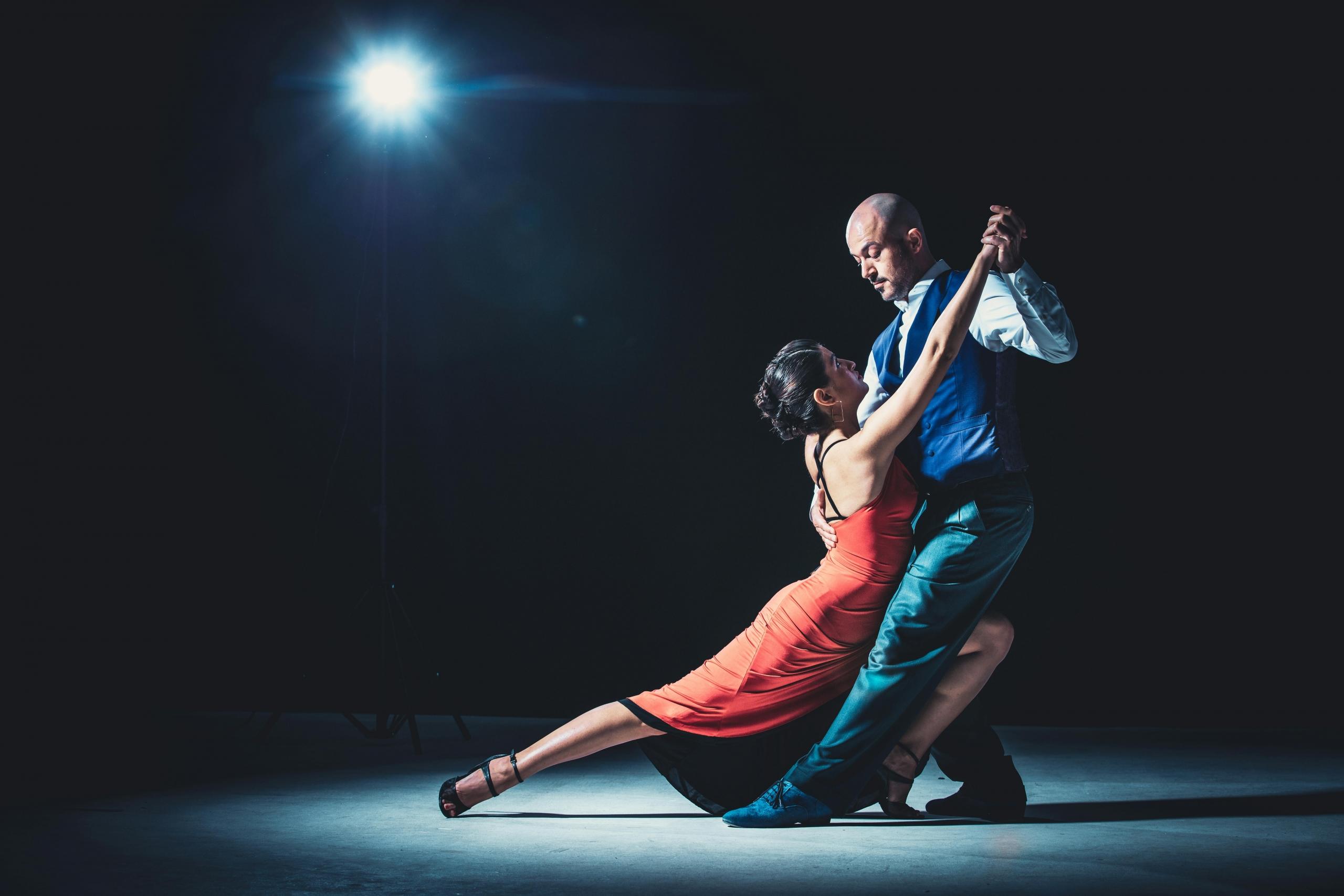
Before it evolved into the dance that we know and love today, salsa emerged a little further south with its deep roots deep in Cuban soil, where the rhythm of Son Cubano first emerged in the late 19th century.
This fusion of music would go on to have profound ramifications beyond what he could have foreseen at the time, leading to the birth of Salsa. Salsa music is played with a wide variety of instruments include bongos, timbales, and conga drums, all of which are instruments found in West African music.
The dance is thought to have been pioneered by Arsenio Rodríguez, a groundbreaking Cuban bandleader born in 1911 who played a big role in the development of son montuno who brought Spanish guitar-playing together with traditional African musical complexity.
To learn more, go check out our article aboutthe different salsa styles in the US.
Salsa music is also accompanied by Spanish-language lyrics. Vocalists in salsa are called soneros and they are known for singing mostly about love and romance. Although love is not the only thing they sing about, they also have lyrics talking about culture, life, and more.
The sound is characterized by being a combination of many other different genres like mambo, bolero, merengue, cumbia, rumba, Brazilian samba, and bossa nova.
When salsa began to come about in Cuba's social clubs, known as "Casinos Deportivos", during the 1950s, it evolved quite rapidly, taking on new dimensions. Partners moved in circular patterns and added folkloric movements from rumba and religious dances that honored African spirits.
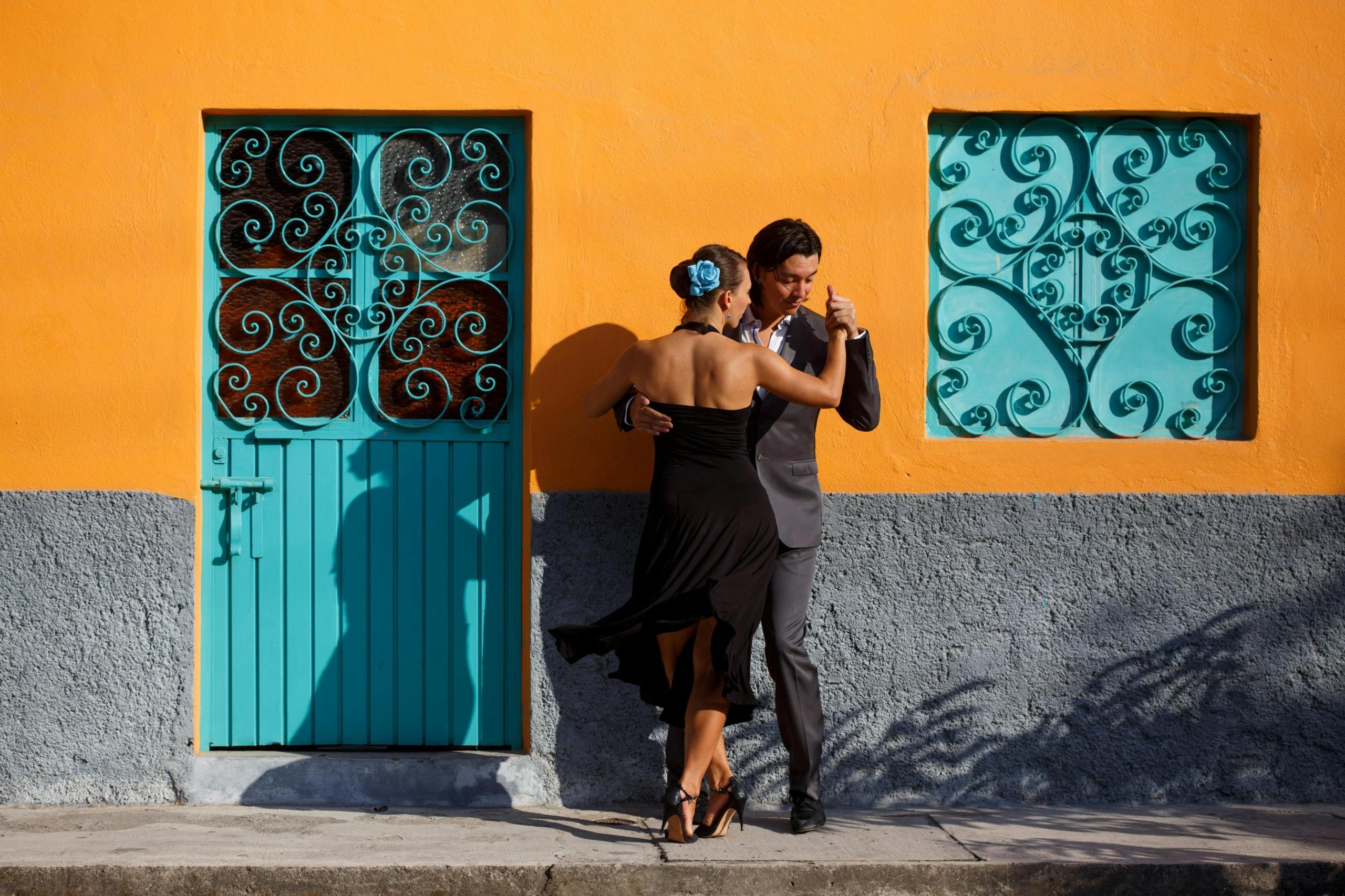
Puerto Rico played an equally vital role in shaping salsa. When Cuban musicians and Puerto Rican artists found themselves sharing the same New York neighborhoods in the 1950s and 60s, their musical traditions fused with remarkable results.
Puerto Rican artists brought their own rhythmic sensibility to the genre, and figures like Tito Puente (born in New York to Puerto Rican parents) became defining voices of what salsa would become. The New York salsa sound that emerged from this meeting of cultures is often described as more intense and percussive than its Cuban predecessor.
Perhaps one of the more definitive changes that came about was how the dance emphasized forward steps instead of backwards movements, something that is distinctive of traditional Cuban salsa today. You can get to know moreadult dance classes near me here.
Salsa Dance Throughout the Years
As we mentioned, the exact year of the origin of salsa music is highly debated. However, the origins of salsa dancing and salsa music date back to the early 1900s in Eastern Cuba.
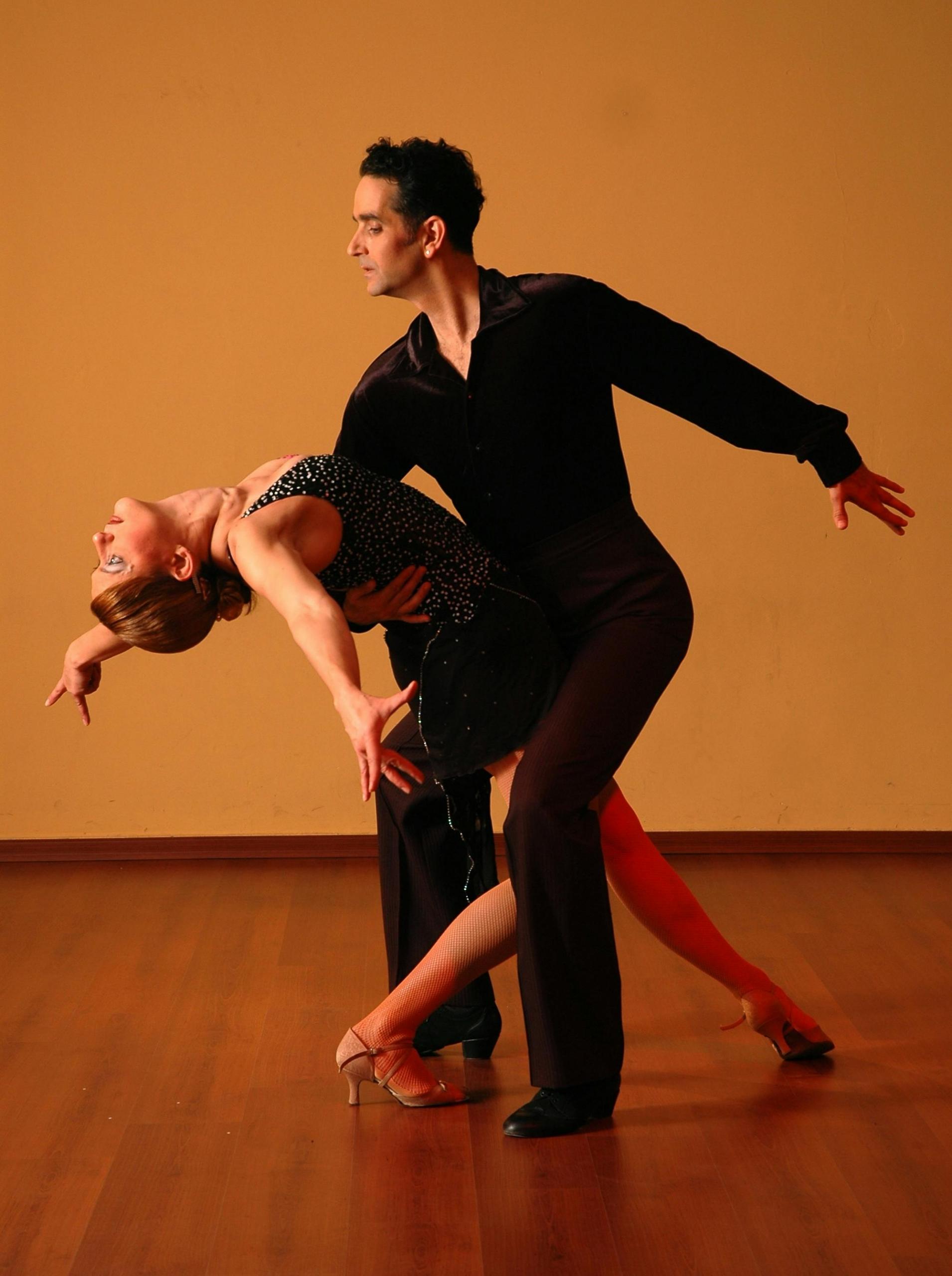
Salsa originated from combining different musical elements, rhythms, and styles.
It took a while for this genre to spread and become known; taking almost 50 years for it to make it to Havana.
From there, the music started to absorb influences from other local Cuban music and American jazz as it continued to evolve.
It made it to America due to the Cuban Revolution and the relocation of the Cuban population to the US.
Many think that most Cubans went to Miami but a large percentage of people (amongst them musicians) went to New York City. The Hispanic musician community found the best environment to develop the rhythm and music we would come to know as salsa.
That's how long Salsa has been around!
The record label called Fania Records (established in 1964) is usually given credit for popularizing the music in America. The label became famous for producing one hit after another.
Many of the artists who signed with this label are now regarded as legends of salsa, particularly the team of ''Fania All-Stars''. This group included celebrities such as Celia Cruz, Héctor Lavoe, Cheo Feliciano, and Rubén Blades, among others.
Late 1800s
Son Cubano emerges in Eastern Cuba
The rhythmic foundation on which salsa would be built
1898
American soldiers witness Cuban dance during the Spanish-American War
Salsa's first encounter with the US
1920s
Cuban immigrants bring their musical traditions to New York City
Particularly to El Barrio and Washington Heights
1930s-1940s
Mambo clubs flourish in New York
Cuban rhythms begin fusing with American jazz
1950s
Salsa evolves in Cuban social clubs (Casinos Deportivos)
Circular partner movements and folkloric elements added
1964
Fania Records established in New York
The label that would coin the term 'salsa' and define the golden era
1970s
Salsa's golden age
Fania All-Stars dominate; the genre spreads from New York across the US and internationally
1980s
Salsa romántica emerges
A softer, more melodic style reaching new mainstream audiences
1990s-2000s
Salsa goes global
International festivals and competitions bring the dance to every continent
Today
Salsa remains one of the most danced genres worldwide, with styles including New York, LA, Cuban, and Puerto Rican
What Fania Records did was create a rhythm based on the sounds brought from Cuba but edited some of it to make it sound more catchy and make it easier accepted by the Latin community in New York. To better merchandise their music, Fania called this new sound salsa.
This is whysalsa is popular in the United States, even if it might seem like it was brought to the US, many people don't know that what we know today was developed in New York.
Remember that you can learn how to dance if you hire a tutor now on Superprof. The tutors on our platform are highly experienced and you can learn all about their techniques, trajectories, and fees in their profiles.
Evolution of Salsa Music in the United States
Once Fania Records gave the genre its name and sound in the 1960s, salsa music evolved rapidly across different eras and styles. The 1970s golden age (driven by the Fania All-Stars and artists like Celia Cruz, Héctor Lavoe, and Willie Colón) produced what many consider the most authentic and politically charged salsa. These songs spoke directly to the experiences of Latin immigrants in New York: urban life, identity, displacement, and resistance.
The 1980s brought a gentler turn with salsa romántica; a smoother, more commercially oriented style that emphasized ballads and romantic themes over the harder rhythms of the previous decade. Artists like Marc Anthony and Gilberto Santa Rosa crossed over to mainstream audiences and helped salsa reach listeners well beyond the Latino community.
By the 1990s and 2000s, salsa had gone fully global. International festivals, competitive dance circuits, and streaming platforms have since carried the genre to every continent. Regional variants (salsa choke in Colombia, timba in Cuba, tropical salsa in Japan) show how the genre continues to evolve while remaining rooted in the same Cuban and Puerto Rican traditions that gave birth to it.
Learn to Salsa Dance with Superprof
Now that you know where salsa music came from and how salsa became popular, the best next step is to experience it yourself. Superprof connects you with qualified salsa dance instructors across the United States (many offering their first lesson free) whether you prefer to learn in person or online. Find your salsa tutor on Superprof today.
Summarize with AI:
Did you like this article? Leave a rating!


 Loading...