Did you just tell your friends that you’re learning to play the violin and now you’re scared? “But it takes 10 years to learn to play!” “My cousin gave up after a year” So how long does it take to learn to play the violin and stop making those horrible sounds? Here’s our take on the matter the time taken to learn violin or fiddle.
Have you ever listened to a budding violinist play awful note after awful note?Violin music can sound awful when played badly. This can be disheartening when you know that your friend started learning the violin 5 years ago. As you may have gathered, the violin is one of the most difficult classical instruments to learn. You’re not going to learn it overnight. While some beginners seem to turn into experts after just a couple of years practising, most people will take much longer to learn how to play the violin. Check out violin lessons for beginners. There’s no exact figure for how long it takes to learn to play the violin. Remember that before you start playing songs on the violin, you need to learn about:
Holding the violin bow and bowing technique
Positioning your wrist
Positioning your fingers
Your posture
Violin maintenance like tuning the violin or changing a violin string
You’ll also need to learn about music theory:
Learn to read music
Understand rhythm and tempo
Practising scales
This is more than just a year’s worth of learning. A beginner will need to study how to play violin for a few years before they understand all of these things and stop hitting those wrong notes. But don’t get disheartened just yet! Every musician is different and this will vary on your background in music. Some people are more gifted at music than others.What about you? Unfortunately, taking music and violin lessons won’t make you a virtuoso in just a few months. You have to be motivated.
Rule No. 2 for Violin Lessons: You Need Motivation
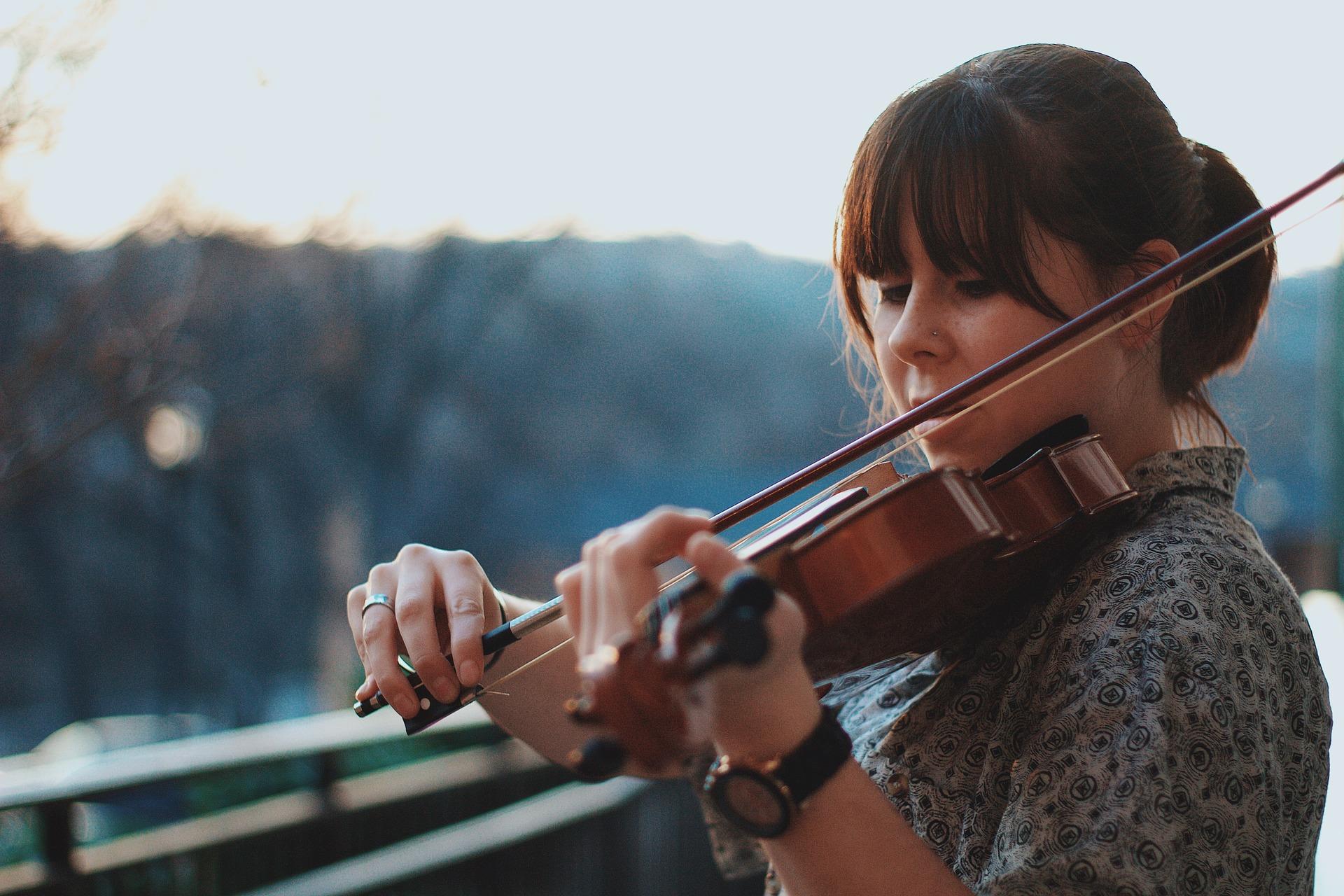
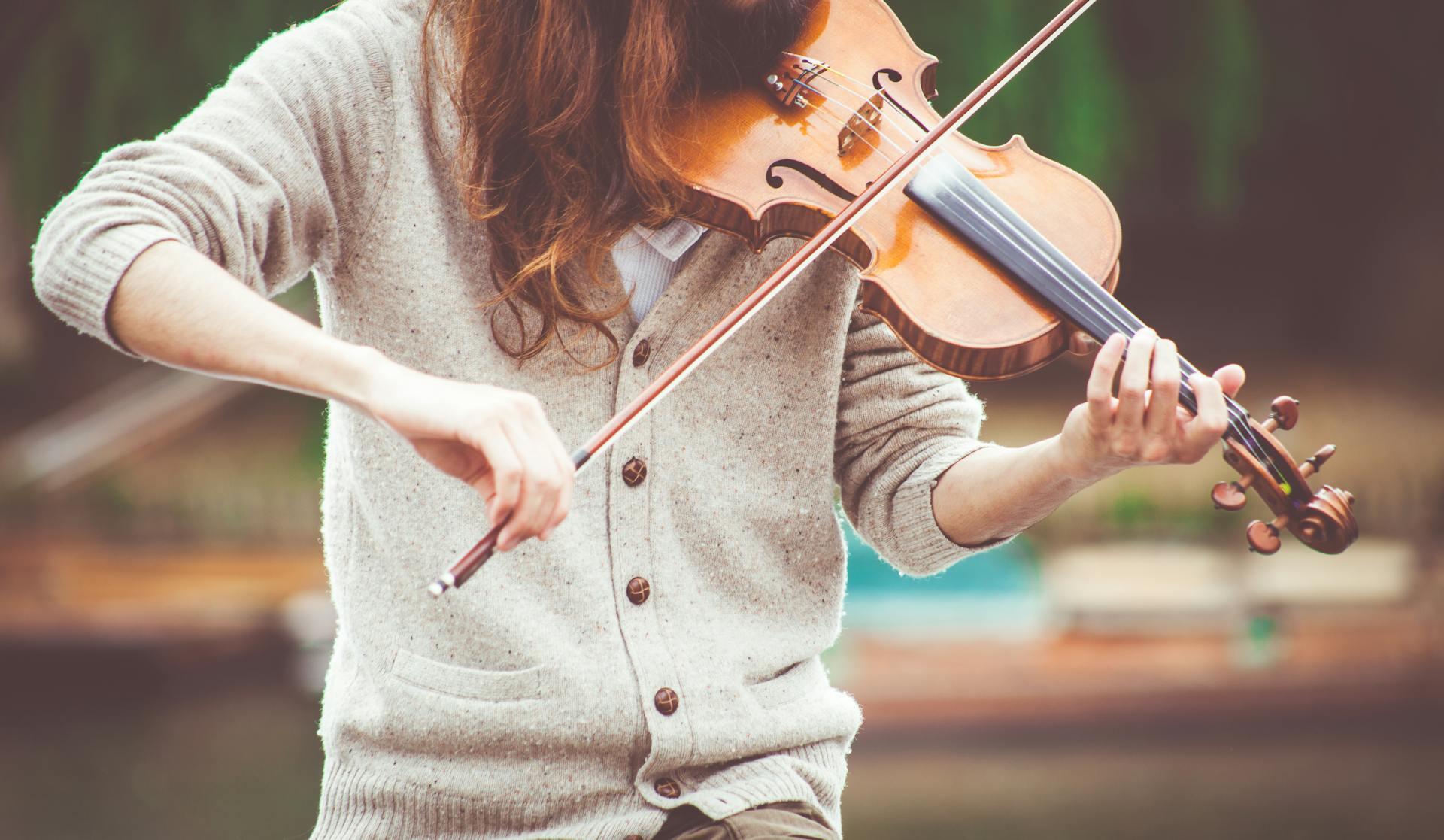
This is essential for anyone wanting to become a violinist and has nothing to do with your musical ability. Anyone can be motivated. Discover violin lessons philadelphia here. If you want to learn violin, you need to stay motivated. (Source: Sweetlouise) Every musician needs to be motivated. If you’re motivated, really motivated, nothing will stop you. The first mistake any violinist makes is giving up when things get tough. Can’t play the right notes?A sore back from a bad posture?Not able to use the bow correctly? When you’re not motivated, it doesn’t matter what the problem is. Motivation will also affect how often and for how long you practise playing violin. Only by practising can you become a great violinist. You need to work and work until every action becomes second nature to you. You need to be aware that time is a precious resource for a musician. You don’t need to grind away on a certain exercise. Have a break and pick it back up later on. Your brain needs time to assimilate new knowledge like:
Playing the right notes
Vibrato
Pizzicato
Glissando
Haste makes waste, after all. Take your time. Check out some of the best books for learning to play the violin.
Rule No.3 to Learn Violin: Your Background in Music
The time it takes a musician to learn to play the violin depends on their personality and their experience. A person who’s never touched an instrument in their life or studied music theory is definitely going to find violin playing harder than an intermediate or experienced pianist or saxophonist, for example. In fact, musicians will have already learnt a lot of the necessary theory when they learnt another instrument. Their brains and their ears are also open to learning musical concepts. They already know most of the important things and just need a quick reminder. Furthermore, if they already play the piano or guitar, for example, they should already have the necessary finger dexterity. This is an essential skill for playing the violin because the fingers need to quickly press the strings onto the neck of the violin in order to play different notes. This is good news for those who’ve already spent a lot of time learning other instruments (piano, guitar, flute, trumpet, etc.). However, there are also people who’ve never played an instrument but have a good idea of music theory. Music theory can be useful for getting over some of the difficulties encountered when learning an instrument. Try violin classes for beginners on superprof. Knowing to play another instrument will really help when learning violin. (Source: FirmBee) Again, this depends on the level of music theory. Knowing the notes will be an advantage but it won’t make immediately make you a violin virtuoso. You need to learn some of the key vocabulary, too:
Quaver
Crochet
Minim
Semibreve
Tempo
Rhythm
You’ll also need to know the definitions and their use in pieces. A musician needs to know how to read music more quickly and spend less time deciphering the piece. This is another thing to add to the long list of things you have to learn in order to play the violin. When talking about musicians, age is an important factor to consider, too. A recent American neuroscience study proved that you can learn a musical instrument after 60. However, it might be more difficult to do so. A child’s brain is more flexible than that of an adult. When you see that a child seems to be able to learn a new language in a fortnight, it’s hardly surprising that they can also learn a musical instrument almost as easily. Don’t worry, though... You can still learn the violin as an adult. Some violin sites and YouTube channel are available for those wanting to learn how to play the instrument.
Rule No.4 for Learning Violin: Learning is a Lifelong Journey
The violin is a difficult instrument to master. As we said before, it can take several years. But what does “master” really mean in this context?Does this mean playing a piece without hitting the wrong notes?Does this mean flawless technical ability, finger positioning, and posture?Learning to play violin can take your entire life. (Source: Annca) Each musician has their own criteria. A violinist can know everything they need to know about violins and still not have the necessary ability to play as part of an orchestra or professional group. This depends on why you want to learn the instrument and what your goals are. Do you want to play professionally, as a hobby, in a group, etc? Violin music comes in many shapes and sizes and if you want to become the next Mozart, you should at least be listening to the instrument's vast repertoire.
If your goal is changing each year, you’ll never stop learning to play the violin. Even after 20 years of practice, there’s still something else you can learn.
That’s what makes learning to play instruments so interesting. A musician is always learning. There’s new ways to play, new techniques to master, and new instruments to learn. Moving from the acoustic violin to the electric violin is one journey that many violinists decide to embark upon. So don’t put too much pressure on yourself and go at your own speed.
Rule No. 5 for Learning Violin: Advice for Learning more Quickly
It can be tempting to try and become the next Monteverdi as quickly as possible. However, it’s unlikely that you’ll start playing as well in such a short time. Be careful! It’s not recommended that you get hung up on your exercises. By trying to go to quickly, you can overlook several important steps. You'll pick up bad habits and you won’t have the time to assimilate all the new things you’re trying to. However, there are things you can do to help you save time if you take the time to do them. This might sound like a paradox.
Warm up Your Fingers
Like most stringed instruments (including the cello, bass, guitar, etc.), the violin requires a lot of work from your fingers and your wrists.Make sure that you practise regularly. (Source: StockSnap) In fact, your left hand (if you’re right handed) is used to press the violin strings onto the fingerboard. The wrist needs to turn and pivot next to the neck in order to get the fingering right. You need to improve your dexterity so that your fingers can move more accurately and more quickly. Don’t forget to warm up all these parts. Regular training will help you learn more quickly. You can look for good violin warm-ups online.
Use Violin Tabs
While not often used in online violin lessons, tabs can be a useful alternative for those who haven’t learnt music theory or how to read music yet. In fact, some teachers will use tabs to teach beginners how to play beginner violin pieces to those unfamiliar with sheet music or sight reading. They show where on the neck you need to put your fingers in order to play a given song. You won’t need to worry about spending time studying music theory before you can start playing. You can start playing a melody as early as your first violin lesson.
Get Private Violin Lessons
Whether you’re learning at a music school or teaching yourself, violin lessons near me can help you learn to play music on a daily basis. Some exercises require regular practise in order to get them right. A violin teacher at the music school may not have the time to go over these exercises with you. This is where a tutor coming to your house can help speed up the learning process. Private tutors can often help you practise some of the more advanced techniques like improvisation, rhythm, music theory, specialising in different musical styles, preparing for a concert or audition, or learning to read music, etc. If you're set on learning the violin on your own, you should remember that good violin teachers can also help correct any mistakes or bad habits you may have picked up without even realising. A teacher will also find music for your level, too, and answer any questions about the violin you might have. It’s not a waste of time asking for help, after all. While some of the best violin players taught themselves, the large majority of them have years of violin instruction under their belts and a private music teacher to help them.
Summarize with AI:
Did you like this article?Leave a rating!
5.00 (1 rating(s))
Loading...
Jon Clegg
Passionate writer dedicated to crafting captivating stories across a diverse range of subjects. My mission is to ignite a love for learning in students, empowering them to continuously explore new horizons and seize fresh opportunities.
I agree, people that ask such questions are asking because of an emotion or what they have heard from another violin player and they want to become a master violin player over night or just as quickly, and people often ask these questions for the wrong reasons, and they should be asking, why do I really want to play a violin? If you were smitten by some violin music so you can reproduce the sound for your friends, then you are certainly asking “how long does it take to play’ for the wrong reasons, however, if you have had a passion for this instrument before you were born, then I would find that some what acceptable. a simple question like how long does it take to play the violin is too vague, and does not deserve a proper response, for instance, how much passion do you really have to play one of the hardest instruments, ever! Are you really going to dedicate 1-2 hours per day practicing? Will you continue to see your violin instructor? I can go on and on what you need to learn before even touching the violin, now asking yourself, am I doing this for the money? ROFL. I can honestly say, if you are doing this for the money, then never touch a violin, because chasing money takes a complete different skill set. If you really want to play violin, then you need to really have to have a hard conversion with your self, and set some realistic goals and expectations what you are looking to get out of this, and to answer some questions, learning how to play highly depends on the player. I have seen a 2 year student playing what sounds like she just cut her first sound-track, simply amazing. I have seen people play for 10 years that simply should not be playing in front of other people. All of this depends on passion, ability and willingness to learn, skill set, and so many other factors, also note that ability to learn is very different from willingness to learn. You may have the ability to learn, but do you may not have a true willingness to learn.
Who Is Among the World’s Best Living Violinists? When learning to play any musical instrument, it can help to look for other musicians for inspiration, and the violin is no exception. In this article, we're looking at both the greatest living violinists and the greatest violinists of all time. We haven't been able to include […]
Best Symphony Orchestras in the US: A Comprehensive Guide The United States inherited the tradition of classical music from its European roots, with ensembles emerging since the mid-19th century. Today, many orchestras across the country rival the excellence associated with organizations such as the Vienna Philharmonic and the London Symphony Orchestra. Discover the top orchestras […]
The Top Violin Schools in the US For any violinist, choosing the right music school can significantly shape their musical development and profoundly impact their career path. Luckily, many world-class conservatories and universities are offering incredible violin programs to set you on the right path. Here are some of the best. Bienen School of Music […]
The Best Songs to Play on Violin Whether just starting with the violin or wanting to advance, your repertoire is essential. The right violin songs or pieces will help you improve your playing. Here, we've picked pieces for beginner, intermediate, and advanced violinists. Before You Start: Knowing Your Level Your mileage may vary, but throughout […]
How Do You Get Started Giving Violin Lessons? Being able to play the violin (either as a soloist or part of an ensemble) is quite the achievement. The violin, which is often thought of as an instrument for the elite, has a bit of an image problem. Being a violin teacher is quite different to […]
Playing the Violin: Advice for Going from Novice to Virtuoso Violin playing is a physical art with great traditions behind it. Vanessa Mae After the piano and the guitar, the violin is probably the third most popular instrument for people to learn. It would be more popular if it wasn't such a complicated instrument. That […]
How To Offer Violin Lessons For Children? The violin is a stringed instrument that has been an integral part of the music industry for centuries. It is an immensely versatile instrument used in classical and traditional music, as well as jazz, folk, rock, and world styles. Its unique sound has made it a crowd favorite […]
Violin Buying Guide For Beginners Are you a violin beginner who is just starting with this incredible instrument? The first thing you have to do is buy one. The idea of buying a new violin can be daunting for beginners, especially if you've never bought one before. So you might doubt yourself and think you […]
Learning to Play the Violin Choosing the right musical instrument to learn can often be a challenge. Whether it's woodwind, strung, brass or percussion - experimenting with a range of instruments will help to establish the best fit! Learning the violin to an intermediary or expert level is, also, far from an easy task. It […]








 Loading...

I agree, people that ask such questions are asking because of an emotion or what they have heard from another violin player and they want to become a master violin player over night or just as quickly, and people often ask these questions for the wrong reasons, and they should be asking, why do I really want to play a violin? If you were smitten by some violin music so you can reproduce the sound for your friends, then you are certainly asking “how long does it take to play’ for the wrong reasons, however, if you have had a passion for this instrument before you were born, then I would find that some what acceptable. a simple question like how long does it take to play the violin is too vague, and does not deserve a proper response, for instance, how much passion do you really have to play one of the hardest instruments, ever! Are you really going to dedicate 1-2 hours per day practicing? Will you continue to see your violin instructor? I can go on and on what you need to learn before even touching the violin, now asking yourself, am I doing this for the money? ROFL. I can honestly say, if you are doing this for the money, then never touch a violin, because chasing money takes a complete different skill set. If you really want to play violin, then you need to really have to have a hard conversion with your self, and set some realistic goals and expectations what you are looking to get out of this, and to answer some questions, learning how to play highly depends on the player. I have seen a 2 year student playing what sounds like she just cut her first sound-track, simply amazing. I have seen people play for 10 years that simply should not be playing in front of other people. All of this depends on passion, ability and willingness to learn, skill set, and so many other factors, also note that ability to learn is very different from willingness to learn. You may have the ability to learn, but do you may not have a true willingness to learn.