


The study of geography is about more than just memorizing places on a map. It’s about understanding the complexity of our world, appreciating the diversity of cultures that exists across continents. And in the end, it’s about using all that knowledge to help bridge divides and bring people together.
Barack Obama
Geography is the academic study of places and their relationships between people and their immediate environments; thanks National Geographic! Geographers enjoy a fantastic career examining the unique characteristics of the earth and the beautiful people that call it home. It is important to state that the academic discipline of geography has many subdisciplines and subtopics. What are the types of geography? Today, we will discuss all types of geography: the geographic subsections of human geography, physical geography and environmental geography, along with the similar academic subject of cartography. Get ready for a wild ride of exploring our beautiful planet!
What are the different kinds of geography?
- 🌏 Human Geography
- 🏔️ Physical Geography
- 🌱 Environmental Geography
- 🗺️ Cartography


Human Geography
History is a compass that you locate yourself on the map of human geography, politically, culturally, financially.
John Henrik Clarke
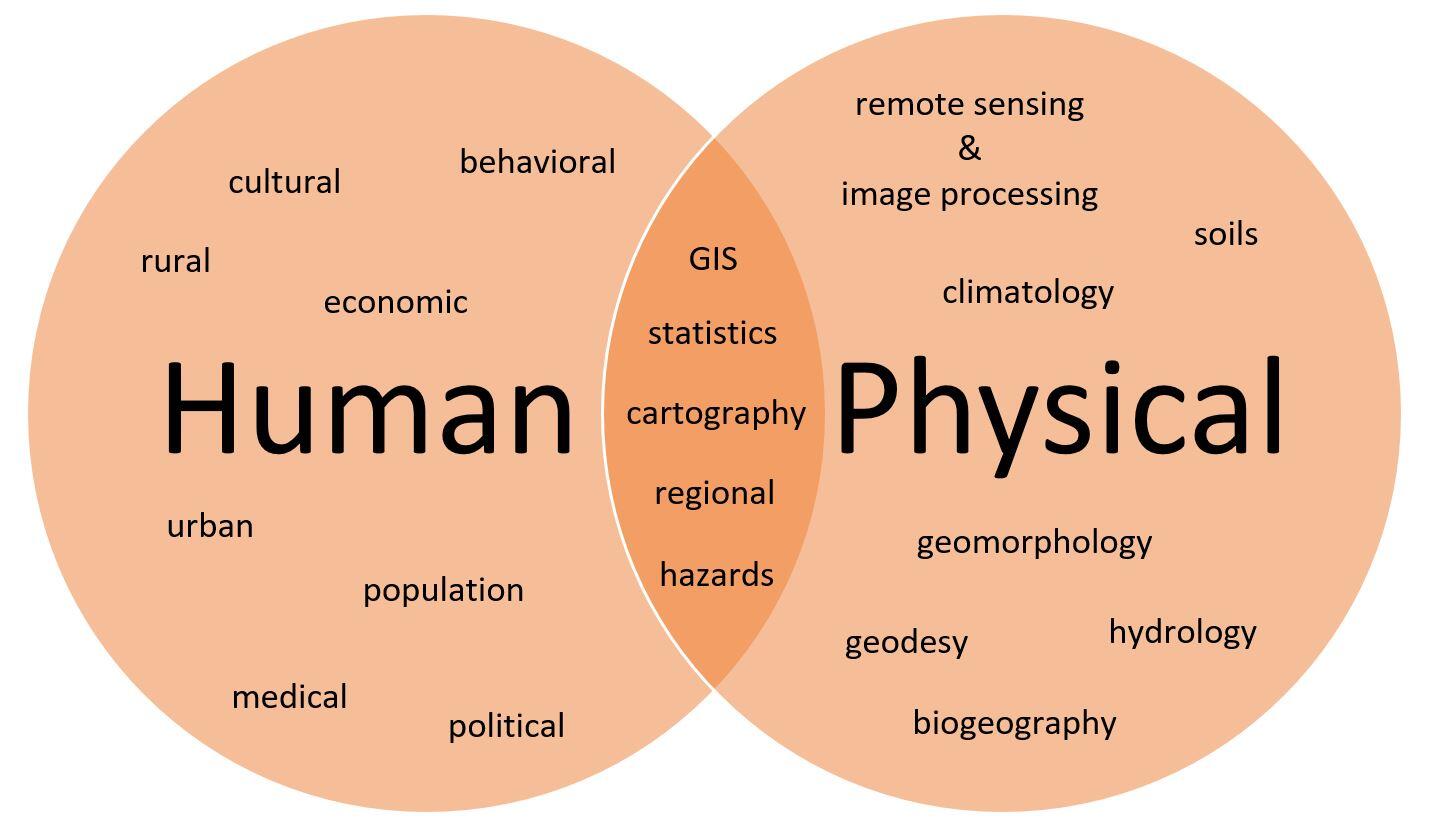
Human geography is an essential branch of the field of geography that considers essential geographic information such as the study of people, cultures, economies, and the interactions people have with the environment. For everyone to better understand human geography, it can be defined in simple terms as the study of the human race. Like all significant sectors of geography, human geography has various subsections that are worthy of consideration. The following are the most vital subbranches of human geography.
Geography helps explain how people, places and environments are connected. It is used in urban planning, disaster response, climate research, transport systems, business expansion and government decision-making. Geography is one of the most practical subjects for understanding how the modern world functions.
Economic Geography
Those who specialize in a career reviewing economic geography focus their attention on the way products are produced and distributed. Also, it is essential to state that how wealth is distributed across the various regions of the planet is analyzed by all economic geographers. Subject matters such as transportation, international trade, development, real estate, gendered economies, and globalization are discussed to understand this subdiscipline better.
Population Geography
This subsection of human geography mainly deals with the demographic distribution of people in a specific country, city, town, or other geographic location. Often erroneously confused with demography, population geographers study the patterns of a group of people in connection to birth, marriage, and death, which is the case with demographers; however, population geography dives deeper into the subjects mentioned earlier and extracts more detail. It is important to state that many population geographers may spend their entire career researching a single community or region.
Political Geography
Political geography studies how political systems, borders, power, and territory are organized across space. It examines countries, regions, boundaries, governance, elections, and geopolitical relationships between nations. Political geographers analyze how location influences conflict, cooperation, trade, and policy decisions. This field is important for understanding international relations, territorial disputes, migration issues, and the changing political map of the world.
Cultural Geography
Cultural geography explores how culture shapes places and how places influence culture. It studies language, religion, traditions, food, architecture, art, and identity across different regions. Cultural geographers examine how customs spread, how communities preserve heritage, and how globalization affects local traditions. This field helps explain the diversity of human societies and the connections between people and place.
Urban Geography
Urban geography focuses on cities, towns, and the development of urban areas. It examines land use, housing, transportation, infrastructure, population growth, and economic activity within cities. Urban geographers study how cities expand, how neighborhoods change, and how planners solve issues such as congestion or inequality. This field is essential for creating sustainable, efficient, and livable urban environments.
There you have it, three of the most popular subsections of human geography to better understand the field of geography as a whole. Did you know that there are five themes of geography?
| Subcategory | Focus Area | Examples |
|---|---|---|
| Economic Geography | Trade and industry | Manufacturing hubs, shipping routes |
| Population Geography | Demographics and migration | Census data, urban growth |
| Cultural Geography | Traditions and identity | Religions, languages |
| Urban Geography | Cities and planning | Public transport, housing |
| Political Geography | Power and territory | Borders, elections |
Physical Geography
Physical geography and geology are inseperable scientific twins.
Roderick Murchison
What is physical geography? Well, for starters, physical geography is a significant sub-discipline of greater academic subjects: geography and earth sciences. Physical geography deals with the physical characteristics of the earth; this does not only refer to the earth's surface but what is under and around the exterior of the planet. Also referred to as geosystems or physiography, physical geography has many subunits that are studied by academic at a level of higher education. Yes, you heard that correctly, there are subsections of an essential subtopic of geography. Don't fret, hold on tight while we consider the following most noteworthy sub-disciplines of physical geography.
Biogeography
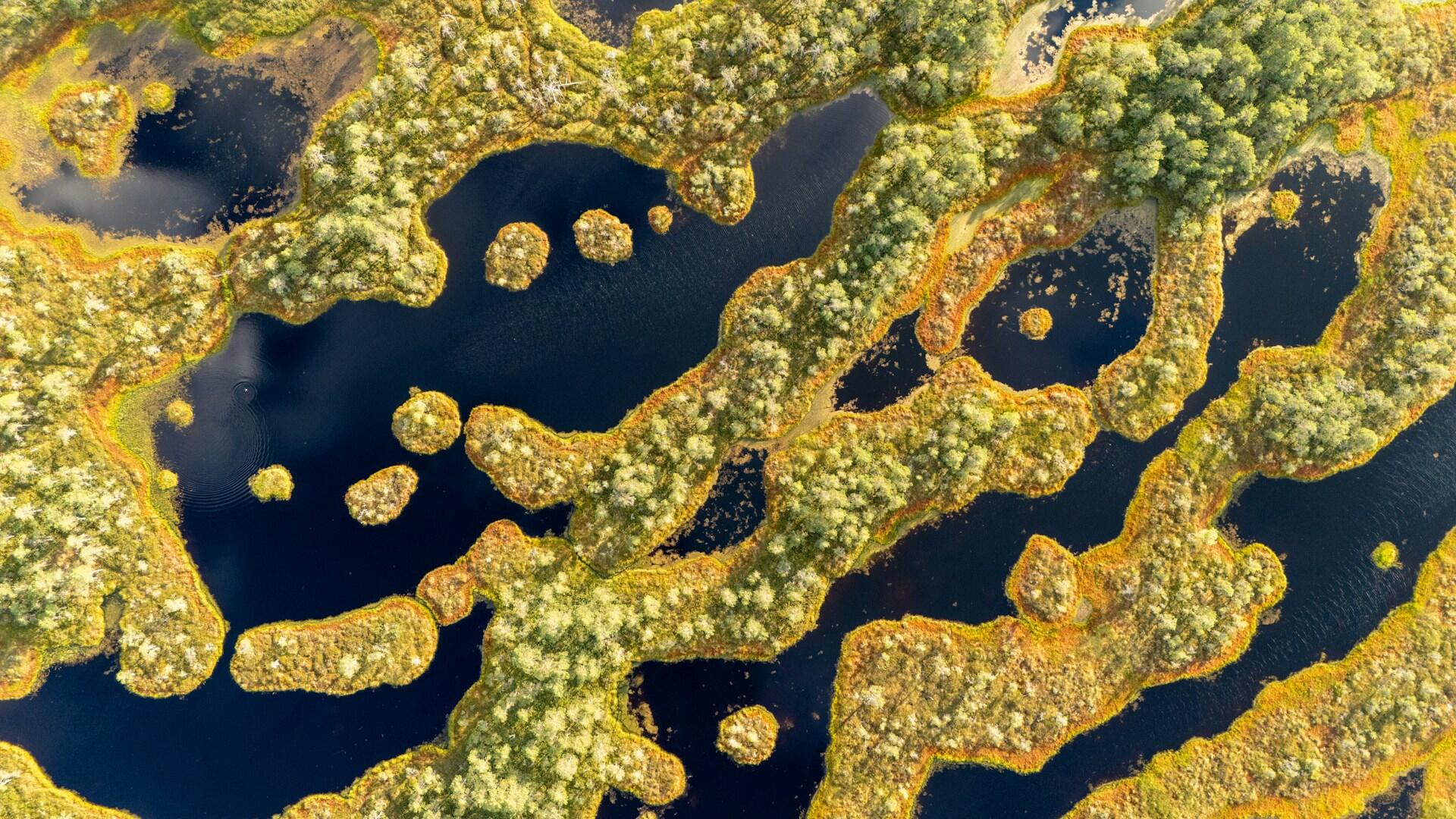
Biogeography is a subunit of physical geography that examines the patterns of species, distribution, and the effects that occur from this process. It explores how factors such as climate, landforms, migration and evolution influence where plants and animals live across the planet. Biogeographers also study how environmental changes and human activity can alter ecosystems and biodiversity over time.
Oceanography
Oceanography is the study of the world’s oceans, seas, and coastal environments. It examines ocean currents, tides, marine ecosystems, seafloor features, and the chemical and physical properties of seawater. Physical geographers use oceanography to understand climate systems, weather patterns, coastal erosion, and marine resources. This field is essential for navigation, fisheries, conservation and understanding climate change.
Hydrology
Hydrology is the study of water on Earth, including its movement, distribution, and quality across the planet. It examines rivers, lakes, groundwater, glaciers, rainfall, and the water cycle. Physical geographers use hydrology to understand floods, droughts, water supply systems, and ecosystem health. This field is essential for agriculture, urban planning, environmental protection, and managing freshwater resources sustainably.
Climate Geography
Climate geography is an essential branch of physical geography that deals with the study of weather patterns and how they affect the overall climate of a country, continent or another geographic region. It examines long-term atmospheric conditions such as temperature, rainfall, humidity and wind systems to better understand regional climate differences. This field also helps researchers analyze climate change, predict environmental impacts and evaluate how climate influences human activity and natural landscapes.
Geomorphology
A specific field that is focused on the study of the surface of the earth. A geomorphologist examines the intriguing ways in which planet earth was formed and the processes that land formations continuously go through.
The four above mentioned subsections of physical geography are just a crumb of all the fascinating concepts and fields of study considered in physical geography. Notable subtopics include hydrology, glaciology, meteorology, coastal geography, oceanography, orology, and potamology; that's a lot of ologies! By taking some time to consider some of the honorable subdivisions of physical geography, an appreciation for geography and our beautiful earth are renewed. Take a glance at our other articles that are about geography facts!
| Subcategory | Focus Area | Examples |
|---|---|---|
| Geomorphology | Landforms | Mountains, erosion |
| Climatology | Climate systems | Rainfall zones, warming trends |
| Hydrology | Water systems | Rivers, floods |
| Biogeography | Species distribution | Rainforests, deserts |
| Oceanography | Oceans and coasts | Tides, coral reefs |
Environmental Geography
In our changing world nothing changes more than geography.
Pearl S. Buck, American writer
What is environmental geography? Also known as integrated geography or human-environment geography, the essential topic of environmental geography is the study of spatial aspects between humans and their environment; the consequences of this interaction is also discussed to raise awareness and highlight a need for change. An understanding of environmental geography and how our actions affect the planet are needed now more than ever. Our world is sick, and the statistics demonstrate that climate change is a serious issue that is continuously worsening day by day. The following are some of the branches of environmental geography that are considered by students reviewing this subdiscipline.
Hazards
Some hazards, human-made natural blended and ecological disasters, include fire, drought, earthquakes, floods, volcanoes, and tornados, to name a few. Why do researchers study these disasters? To understand risk, reduce damage, and improve preparedness.
Resource Management
Resource management focuses on how natural resources such as water, forests, minerals, and energy are used, distributed, and sustained over time. Environmental geographers study ways to balance human needs with long-term environmental health. This includes improving efficiency, reducing waste, and preventing overexploitation. It plays a key role in addressing global challenges like water scarcity, energy demand, and sustainable development.
Conservation Geography
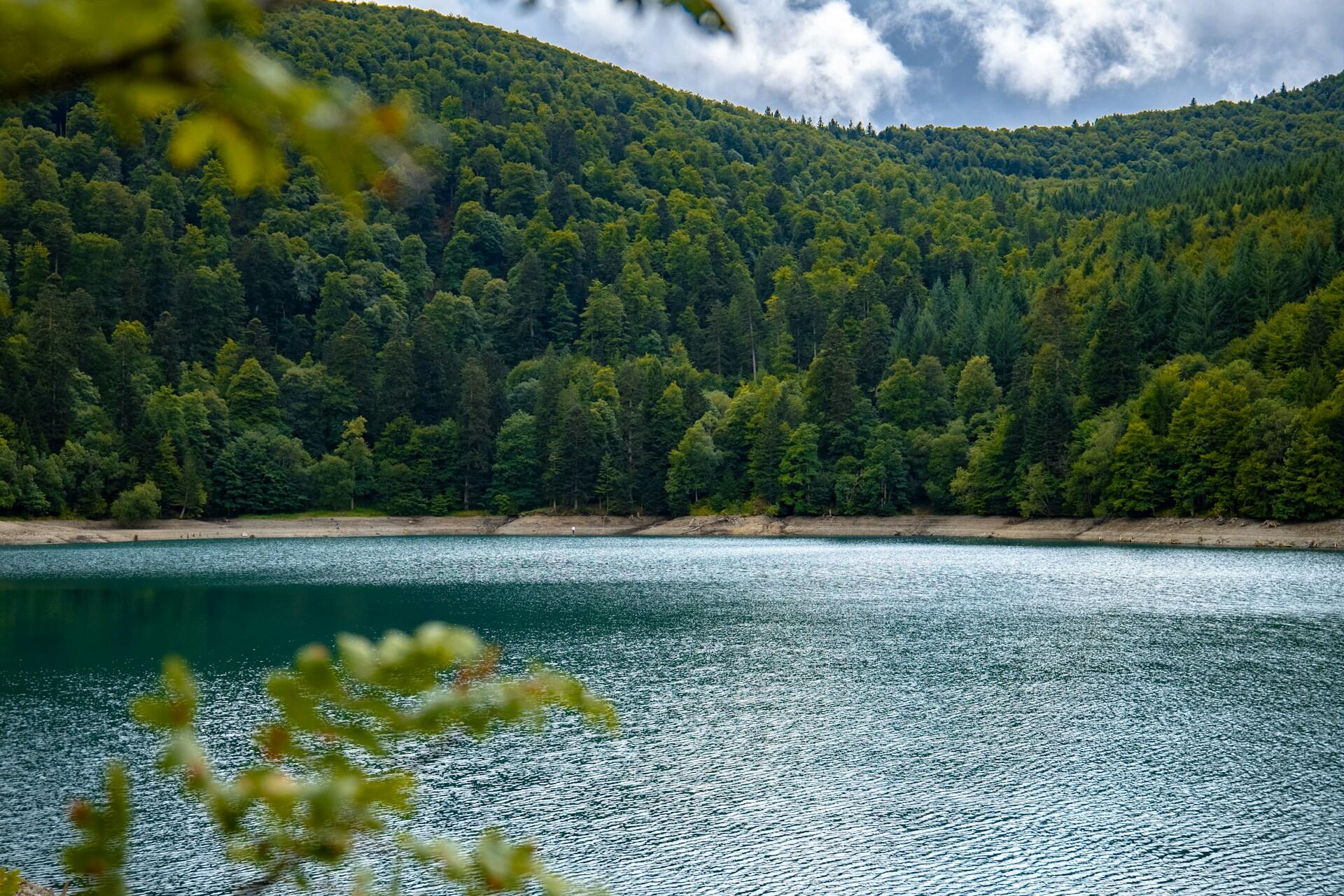
Conservation geography examines how natural environments and biodiversity can be protected and preserved. It focuses on safeguarding ecosystems, endangered species, and natural habitats from human impact. This field supports the creation of protected areas, wildlife conservation strategies, and restoration projects. By combining science and policy, conservation geography helps maintain ecological balance and ensures natural resources remain available for future generations.
Political Ecology
While studying the topic of political ecology, environmental geographers incorporate political, economic, cultural, and social systems into the study of environmental change to determine the adverse effects humans are causing on the environment and what are the possible remedies.
Other intriguing subtopics of environmental or integrated geography include systems theory, environmental perception, Marxian environmental geography, and environmental governance. It is important to state that environmental geography is not as complete as human or physical geography; however, it does not mean that it is of lesser importance. We need to know where we can improve and how we can save our planet before there is nothing left.
| Subcategory | Focus Area | Examples |
|---|---|---|
| Hazard Geography | Natural disasters | Earthquakes, floods |
| Resource Management | Sustainable use | Water planning, forestry |
| Political Ecology | Policy and environment | Climate laws |
| Conservation Geography | Protecting nature | National parks |
Geography careers are diverse! A background in geography can lead to careers in mapping, GIS analysis, environmental consulting, city planning, meteorology, conservation, logistics, public health and teaching. Geography graduates develop strong research, data and problem-solving skills valued across many industries.
Are you looking for a geography glossary? Head over to our secondary articles to further your knowledge of geography.
Cartography
I've always been fascinated by maps and cartography. A map tells you where you've been, where you are, and where you're going - in a sense it's three tenses in one.
Peter Greenaway, British filmmaker and visual artist
What is cartography? Cartography is the study and practice of mapping or making maps; it can be referred to as a science and an art. The term cartography was determined in 1859 from the French word, carta (card) and the Greek word, graphie (write or draw). Maps have played a key role for thousands of years in many societies around the world. Famous cartographers from history include the likes of Ptolemy, Eratosthenes, Al Idrisi, Fra Mauro, Nicolas de Fer, and Henry Pelham. Their written maps were used by many individuals for decades and have influenced modern-day cartographers to seek excellence. The best and most accomplished cartographers know that a well-designed map must include the following geographical information.
Ease of Use
No one wants to use a map that is difficult to follow or understand; therefore, experienced cartographers create plans that are accurate for their intended audience.
Clarity
Everything must be orderly and well-labeled to avoid confusion.
Accuracy Between the Object and the Map
The translation of physical space to a different medium such as paper or an electronic format should be recognizable.
Topographic Mapping
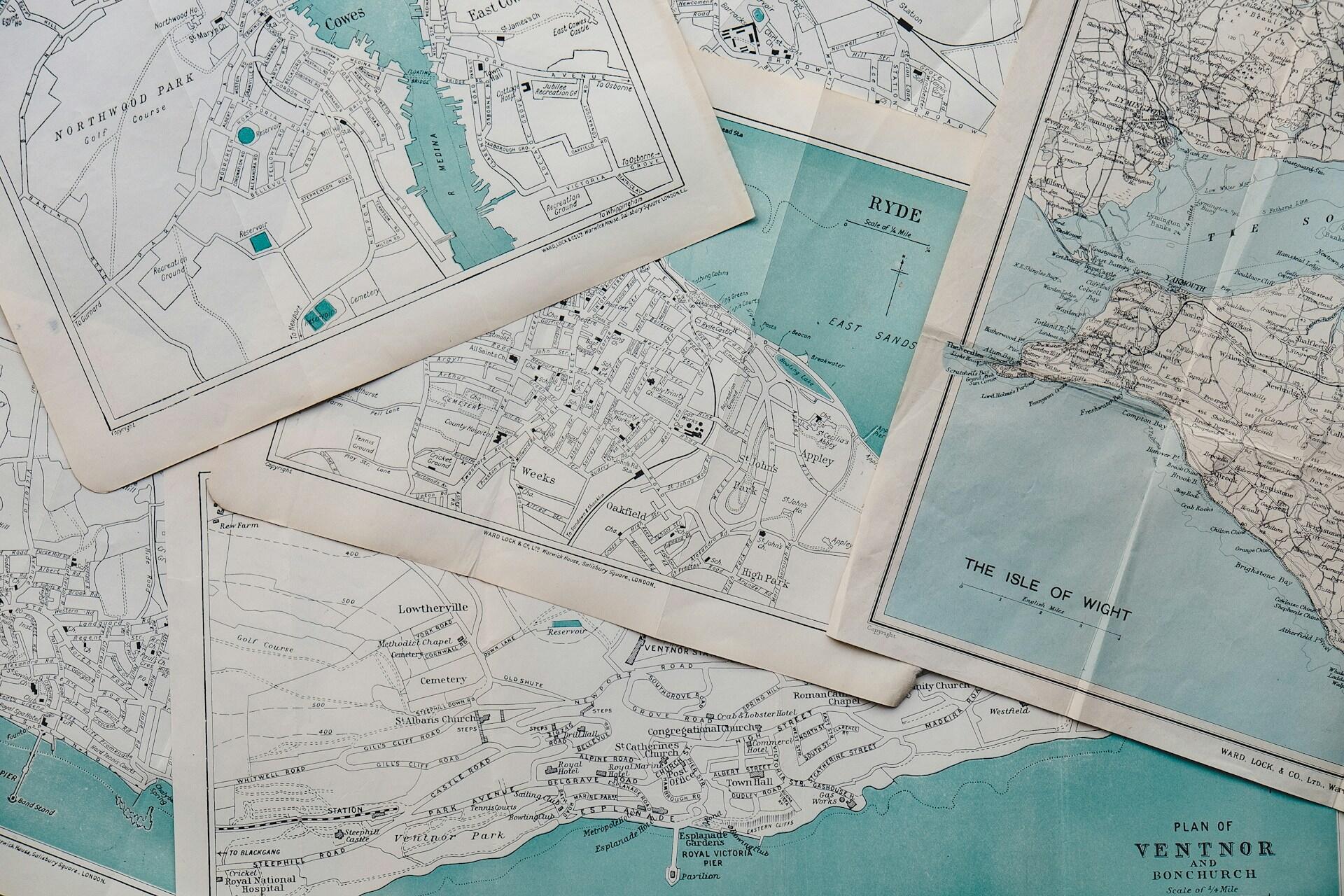
Topographic mapping focuses on representing the shape and elevation of the land. These maps use contour lines, symbols, and shading to show mountains, valleys, slopes, and other terrain features. They are widely used by hikers, engineers, surveyors, and planners who need accurate landscape information for navigation, construction, land management, and outdoor activities worldwide.
There are 4 main types of geography: human geography, physical geography, environmental geography and cartography.
Thematic Mapping
Thematic mapping is designed to present specific data or patterns rather than general geography. These maps highlight topics such as population density, climate zones, income levels, rainfall, disease spread, or election results. By simplifying complex information visually, thematic maps help researchers, governments, students, and businesses identify trends and compare regions effectively.
Digital Cartography
Digital cartography uses computers, satellites, and mapping software to create modern interactive maps. Unlike traditional paper maps, digital maps can be updated instantly and customized for different users. They power navigation apps, delivery systems, travel planning, and emergency response tools. Digital cartography has transformed how people explore and understand locations globally.
GIS Mapping
GIS mapping uses Geographic Information Systems to collect, analyze, and display spatial data. It combines maps with databases to reveal relationships between location and information. GIS is used in urban planning, transportation, agriculture, disaster management, and environmental studies. It allows experts to make smarter decisions based on geographic patterns and evidence.
Border and Political Mapping
Border and political mapping focuses on national boundaries, regional divisions, territories, and administrative areas. These maps help explain how space is organized politically and legally. Governments, educators, historians, and travelers rely on them for elections, governance, diplomacy, and understanding territorial changes. They are essential for showing disputed borders and jurisdiction lines clearly.
Throughout the centuries, cartographers have adapted their methods to the various technological changes to ensure that people continue to use maps to find their way from one place to another; I firmly believe that my father would have loved to be a cartographer, I've never seen a person use Google Maps so much. Let's say he's never lost and always knows where he's going! A budding cartographer studies the different types of maps such as city maps, contour maps, electronic maps, geologic maps, reversed maps, road atlas, topographic maps and world maps.
| Subcategory | Focus Area | Examples |
|---|---|---|
| Topographic Mapping | Terrain and elevation | Hiking maps |
| Thematic Mapping | Data patterns | Population density maps |
| Digital Cartography | Interactive maps | Navigation apps |
| GIS Mapping | Spatial analysis | Urban planning |
Considerable subtopics of cartography include celestial cartography and planetary cartography that can be studied by map lovers all over the world. In conclusion, geography is more than just knowing where France, Australia, or Canada are; it's a layered yet fascinating academic subject that covers many essential aspects of our earth and the people residing on it. Follow in the footsteps of famous geographers and dedicate yourself to a rewarding career as a geographer! Read more on famous geographers in the United States!
Summarize with AI:
Did you like this article? Leave a rating!

 Loading...

This is mind-blowing