
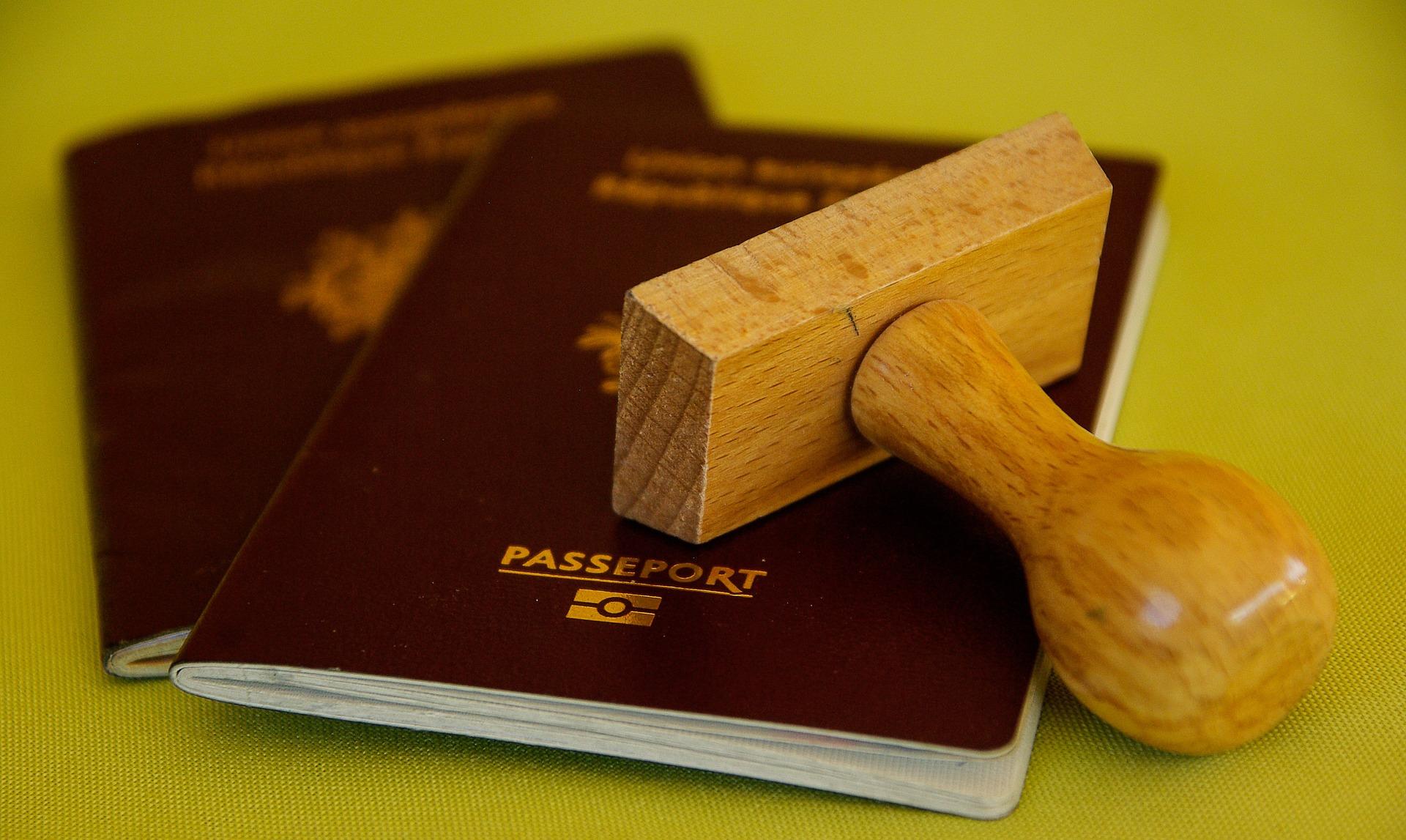

“Education is not preparation for life; education is life itself” - John DeweyImmersion in a country where Arabic is spoken as one of the official languages is one of the best ways to learn how to speak the Arabic language. This only really works if you spend a good amount of time in a place. Generally, we'd recommend at least a semester. According to UNESCO, there were 257,885 students on placements in the Middle East in 2012. 12.3% of them were in the United Arab Emirates and 8.5% were in Jordan. The number of Arabic-speaking students coming to Western Europe is much lower. Whether you're interested in Islamic studies, want to learn more about Arabian culture, or are planning to travel to a Middle Eastern country, immersion remains the best option when it comes to learning Arabic. In this article, we’re going to look at which Arabic-speaking country you should study in, how you get your visas and paperwork sorted in these countries, how to get scholarships for universities in Arabic-speaking countries, and what studying in North Africa is like.

The best Arabic tutors available


Al hamza
$40
/h

1st lesson free!

Seba
$19
/h
1st lesson free!

Amr
$9
/h
1st lesson free!

Mohamed
$20
/h
1st lesson free!

Razan
$20
/h
1st lesson free!

Qasim
$9
/h
1st lesson free!

Thurayya
$27
/h
1st lesson free!

Naziha
$25
/h
1st lesson free!
Al hamza
$40
/h
1st lesson free!
Seba
$19
/h
1st lesson free!
Amr
$9
/h
1st lesson free!
Mohamed
$20
/h
1st lesson free!
Razan
$20
/h
1st lesson free!
Qasim
$9
/h
1st lesson free!
Thurayya
$27
/h
1st lesson free!
Naziha
$25
/h
1st lesson free!
Language Immersion: Better Than Mere Language Classes.
If you really want to develop your proficiency in a foreign language, there is nothing better than enrolling onto a language learning course in a country that speaks that language. Attending a language program that meets for a class weekly is not even comparable. Language and culture are often deeply entwined - and attending language courses in that country gives the learner an insight not just into the new language, but into the world that speaks it too. Having the cultural coordinates of the second language you want to learn helps you make sense of the language itself. There are cultural references embedded in the language that will be clarified by your exposure to that culture. Meanwhile, learning colloquial expressions and Arabic phrases and dialects will help you sound like a native speaker. By studying in a context in which you cannot leave the classroom and speak English again is another fantastic part of language study abroad. You are forced to learn to speak from the very first moment - something which develops your fluency, vocabulary, and your pronunciation. It also, over time, prevents that mindset in which it is embarrassing to make mistakes: the possibility of communicative success in Arabic relies on you actually speaking Arabic - and the quicker you are comfortable with this the better. The change of mindset that comes with being in a different place helps the language learning experience too. Rather than being in the same classroom in your home town, you are much more likely to actually learn something with a radical shift in environment. Obviously, however, all this stuff obscures one of the most important aspects of the immersion experience. That's that it doesn't just help your language learning but it's incredibly inspiring, exciting, and enjoyable too. These will be some of the best experiences in your life, living in a different country, experiencing a way of life completely different to your own, and developing a larger sense of the world.Which Country Should You Study the Arabic Language In?
It should be mentioned that not every country in the Arab world is somewhere you can go. Whilst the concern about the 'safety' of Arab countries is often a bit of a dog-whistle - with many in the west holding the problematic assumption that the Middle East is a dangerous, monolithic bloc - you should take the time to find out which countries are okay to visit and which are best avoided. For example, conflicts in Iraq, ongoing civil war in Syria and now Libya, and dictatorships in many other countries, make parts of the region risky for anyone who is not sensible and prepared.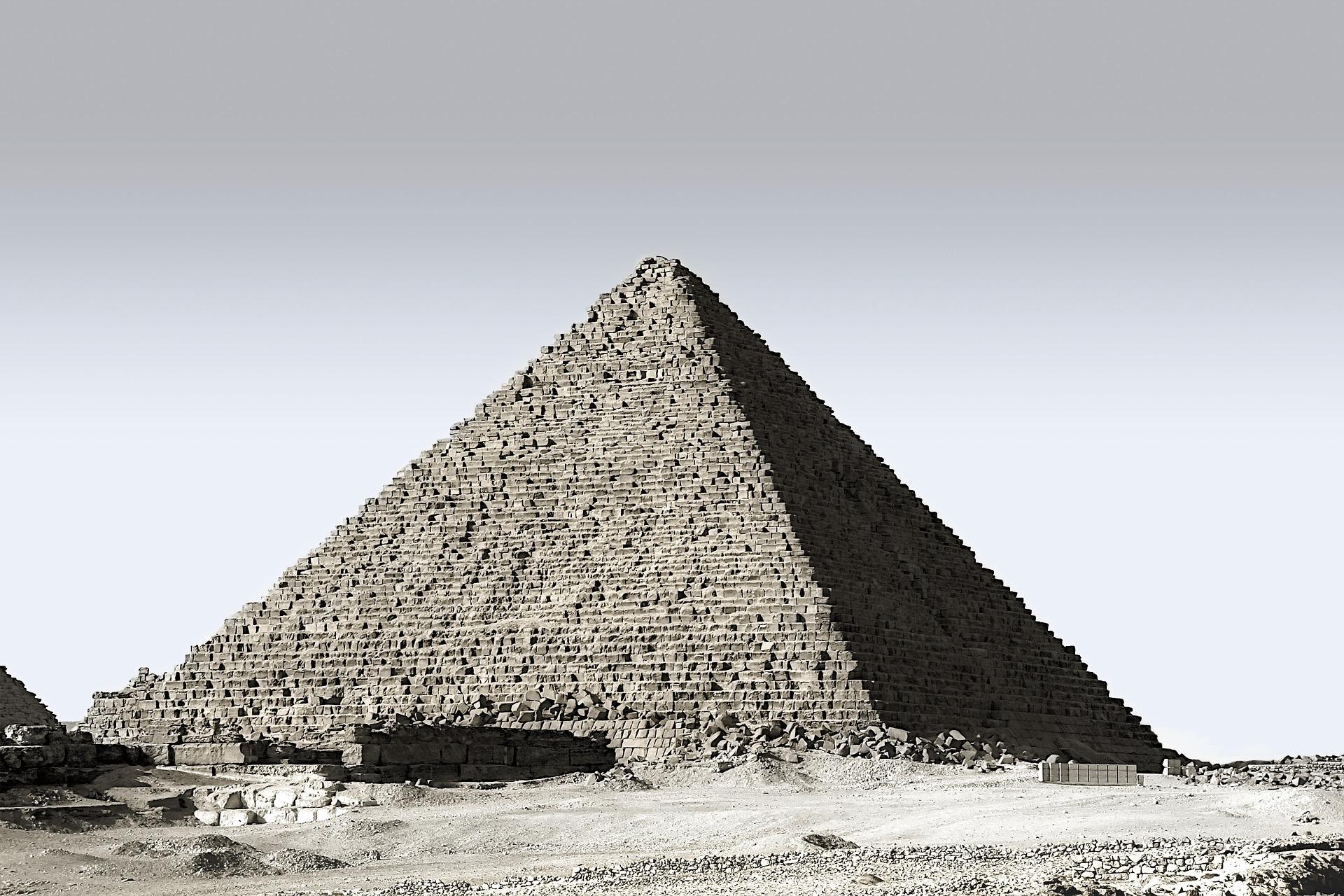
Jordan.
One of the most popular places to take an Arabic immersion course, Jordan is a country known for such incredible sights as Petra, Jerash (an ancient Roman ruin), and the capital city, Amman. If you are looking to do Arabic immersion, the chances are you will find yourself in Amman, a busy, modern, and beautiful city. Known as one of the easier places to travel in the Middle East - as it attracts many tourists from the Arab world and Europe - it will provide a wonderful experience for anyone looking to learn Arabic whilst sampling the range of Arab culture. Find Arabic language course here.Egypt.
Known for its pyramids, its ancient pharaohs and gods, and the mighty river Nile, Egypt will be forever on the map of those looking to see the world. And, whilst, these days, the political climate has become rather concerning, it remains a safe place to travel - as long as you don't head into the North Sinai nor into the desert west of the Nile. Take care, don't do anything risky, and follow government advice, and you'll have no trouble at all. The chances are that, if you take a language immersion course in Egypt, you'll be based in Cairo - the famous capital. However, there are also great opportunities to study in Alexandria and in Dahab - a spot famous for diving.Morocco.
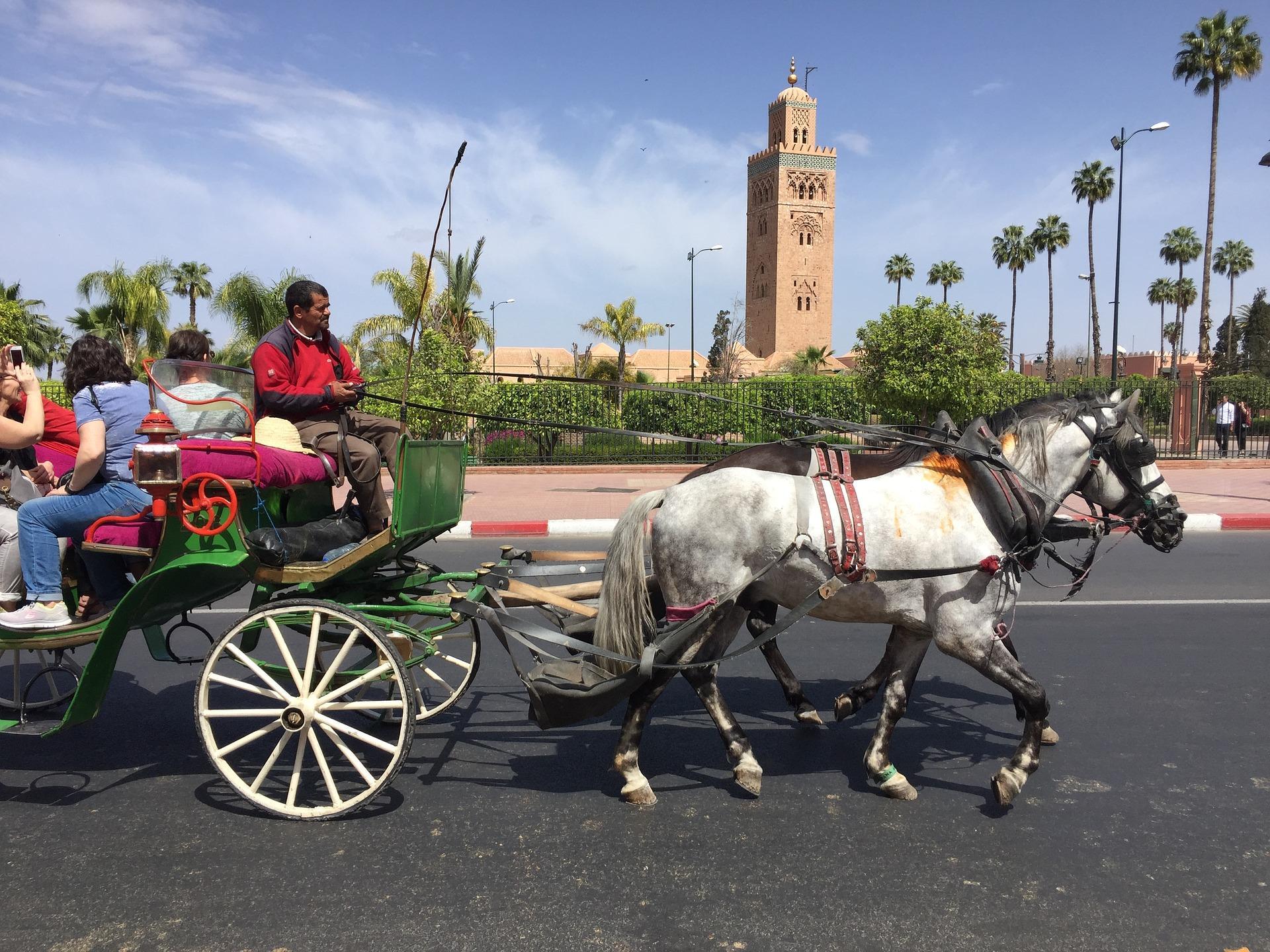
Morocco is the north-west African country that appears to extend an arm to reach Spain, separating the Mediterranean from the Atlantic. Owing to this geographical proximity to Europe, it enjoys a cultural proximity too - and it brands itself as the safest and easiest country in the Arab world in which to travel. Arabic language immersion experiences are available in Rabat - the capital city - in Marrakesh, and in Tangier. Whilst Marrakesh, the ancient city and popular tourist destination, might appeal more for its familiarity, beauty, and pace, Morocco's other cities are potentially even more interesting.UAE.
The United Arab Emirates is a country that is historically, culturally, and demographically unique. Famous once only for its pearls, oil was discovered beneath the country in the 1950s. Since then, wealth has piled on wealth, and the state is now known for its two cities - Dubai and Abu Dhabi - that boast jaw-dropping architecture, pristine beaches, and a culture based on commerce. Travelling to these cities is, essentially, the norm: of a population of nine million people, only 1.4 million are actually Emirati citizens, with the rest being expats. Here, you'll be in good company - and there are plenty of language courses available. Lookup for Arabic courses for beginners here.How Do Arabic Immersion Courses Work?
Arabic immersion courses - like all language immersion courses - work like any other language course in the US. However, rather than a lesson a week or something like this, what you'll get is a much more intensive experience, studying between four and six hours a day. Across this time, you will be learning everything from the Arabic alphabet to pronunciation, vocabulary, and grammar - the normal things you should expect from a language class. However, depending on where you will be, and the school you attend, you may have radically different experiences. If you are on a reasonably short trip for the language experience, the schools will organise sight-seeing trips at the weekends. They might organise evening visits to cultural experiences or social experiences for the students of the school. All of these things are designed to make your trip fun - but of course you are not obliged to attend. If you are attending university in an Arabic-speaking country, the experience will be much different - obviously. You will be living in the country properly, and unless the institution helps you out (see below), you will have to think about the social and life stuff yourself.How Much Should I Expect to Pay?
Immersion experiences vary in terms of cost depending on the region you wish to visit, the length of your course, whether they provide accommodation, etc etc etc. As you can imagine, the Gulf States - such as UAE - are the most expensive in terms of cost of living, and the costs of immersion courses will reflect that. Entry level prices offered by the website, ESL, show the following:| Morocco | £295 / two weeks |
|---|---|
| Jordan | £270 / two weeks |
| UAE | £1270 / one week |
| Egypt | £380 / two weeks |
The best Arabic tutors available
Al hamza
$40
/h
1st lesson free!
Seba
$19
/h
1st lesson free!
Amr
$9
/h
1st lesson free!
Mohamed
$20
/h
1st lesson free!
Razan
$20
/h
1st lesson free!
Qasim
$9
/h
1st lesson free!
Thurayya
$27
/h
1st lesson free!
Naziha
$25
/h
1st lesson free!
Al hamza
$40
/h
1st lesson free!
Seba
$19
/h
1st lesson free!
Amr
$9
/h
1st lesson free!
Mohamed
$20
/h
1st lesson free!
Razan
$20
/h
1st lesson free!
Qasim
$9
/h
1st lesson free!
Thurayya
$27
/h
1st lesson free!
Naziha
$25
/h
1st lesson free!
Getting a Student Visa in Arabic-speaking Countries
For example, if you want to live in Dubai or Abu Dhabi while you study, you’ll need a student visa. The quality of life in the United Arab Emirates, where these cities are, is very high, notably due to:- The subtropical desert climate where the average highs are 24°C in January and 40°C in July
- A high standard of living
- An excellent healthcare system
- High-quality infrastructure
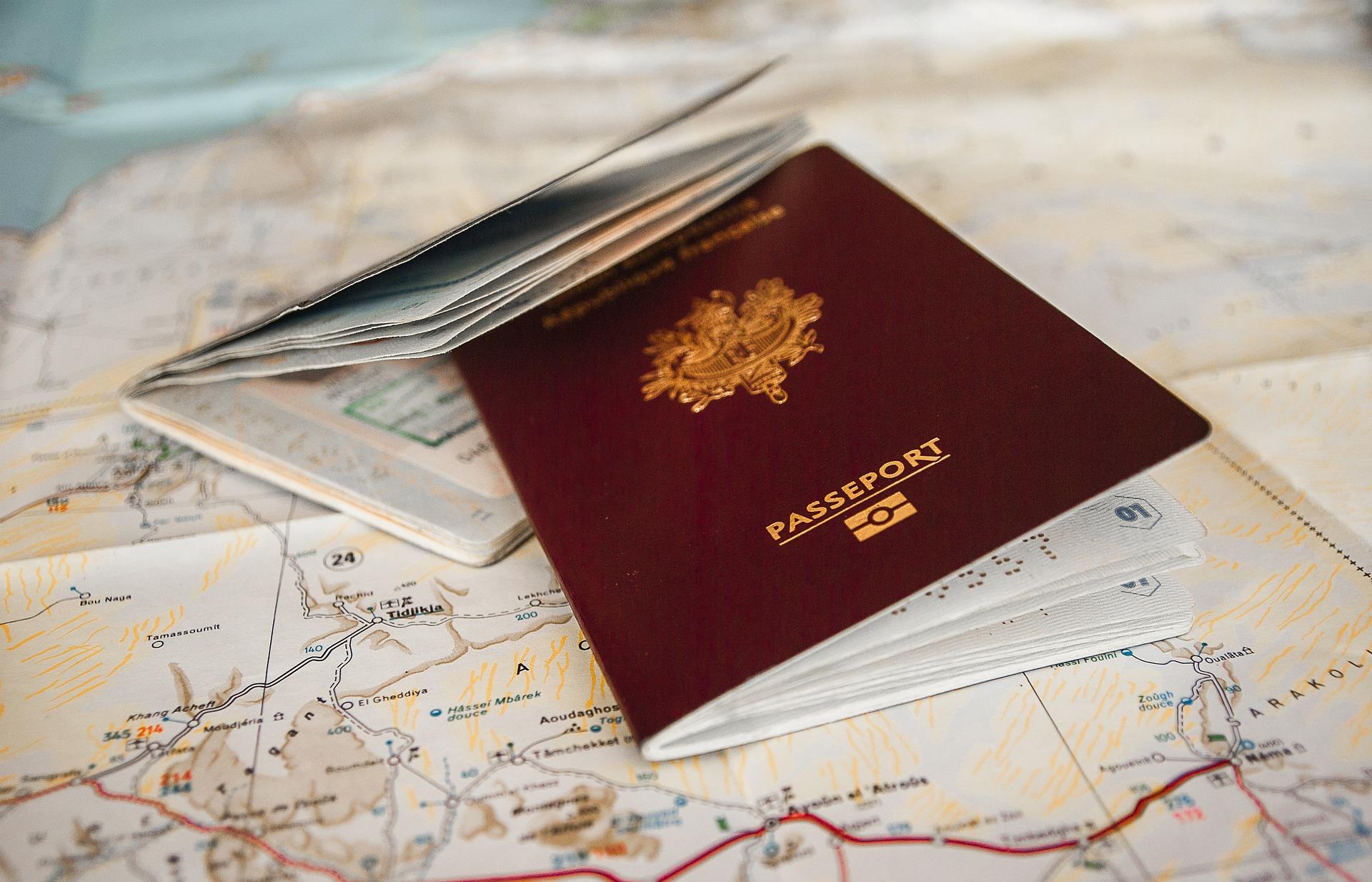
- A photocopy of your passport
- A colour ID photo
- Medical insurance valid in the United Arab Emirates
- The visa application form
Getting Scholarships in Arabic-speaking Countries
Studying in the Middle East or member states of the Arab League often comes at a cost.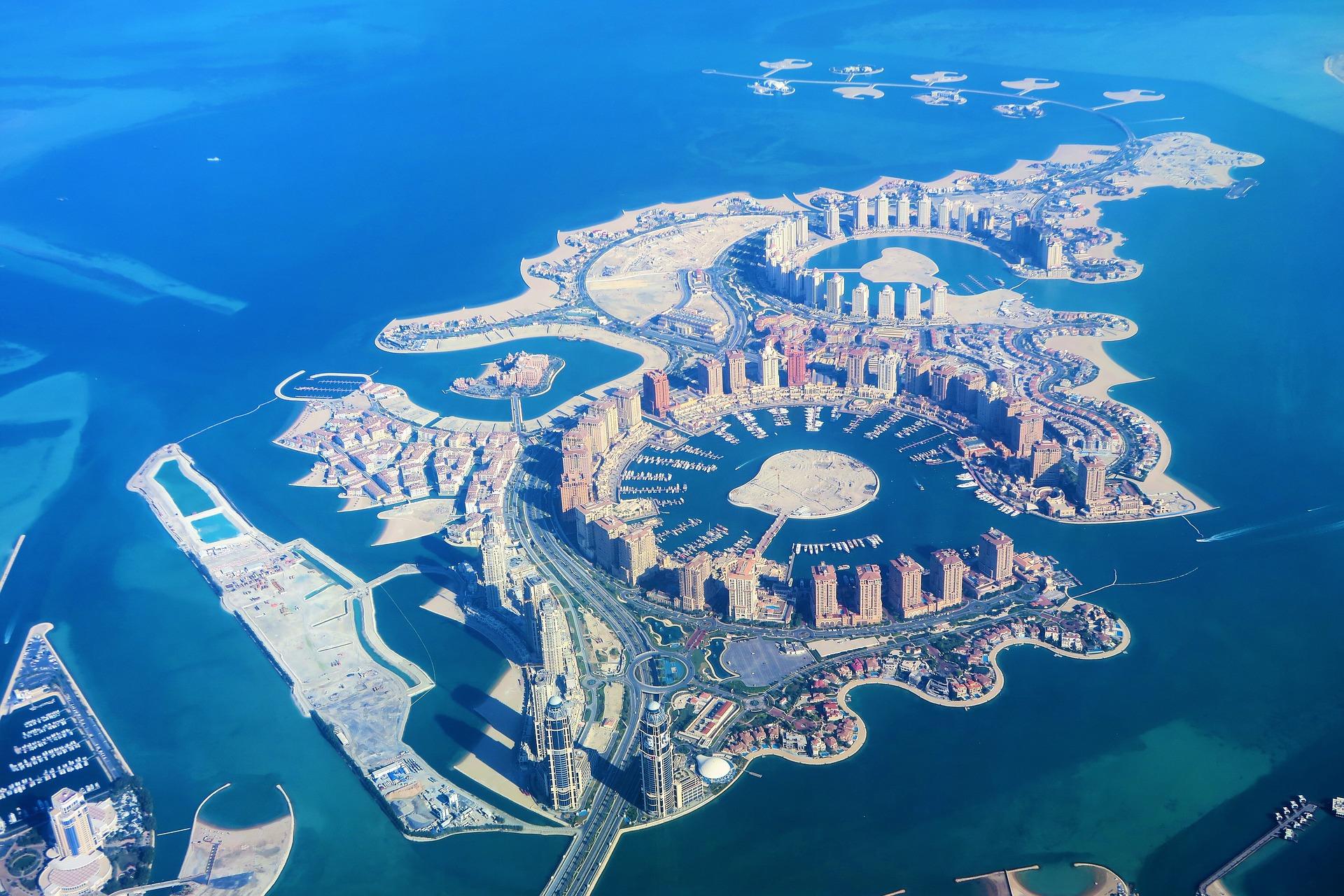
Scholarships in Qatar
Qatar University has a scholarship for students wanting to improve their level of Arabic. This is for those who already have a good understanding of Arabic but don’t speak it as a native language. Before you leave, we recommend you get intensive Arabic lessons from a private tutor so that you can get around once you’re there. You can improve your linguistic skills in Arabic such as writing, speaking, reading (from right to left), and learning more about the role of the language and the history of Arabic culture. The scholarship for Qatar University in Doha includes:- Student visa
- Residence permit
- Application fees and textbooks
- Return flights
- University accommodation
- Three daily meals
Arabic Scholarships
There are multiple scholarships available from host institutions in the US for those wanting to study a Bachelor's or Master’s degree in Arabic-speaking countries. You can go to countries like Egypt, Jordan, Lebanon, and Tunisia, for example. That said, you can also get scholarships in Morocco, Egypt, and the United Arab Emirates. You should have a look at different organisations offering bursaries and scholarships.How to Study in the Maghreb
You can also learn Arabic in Morocco and Tunisia.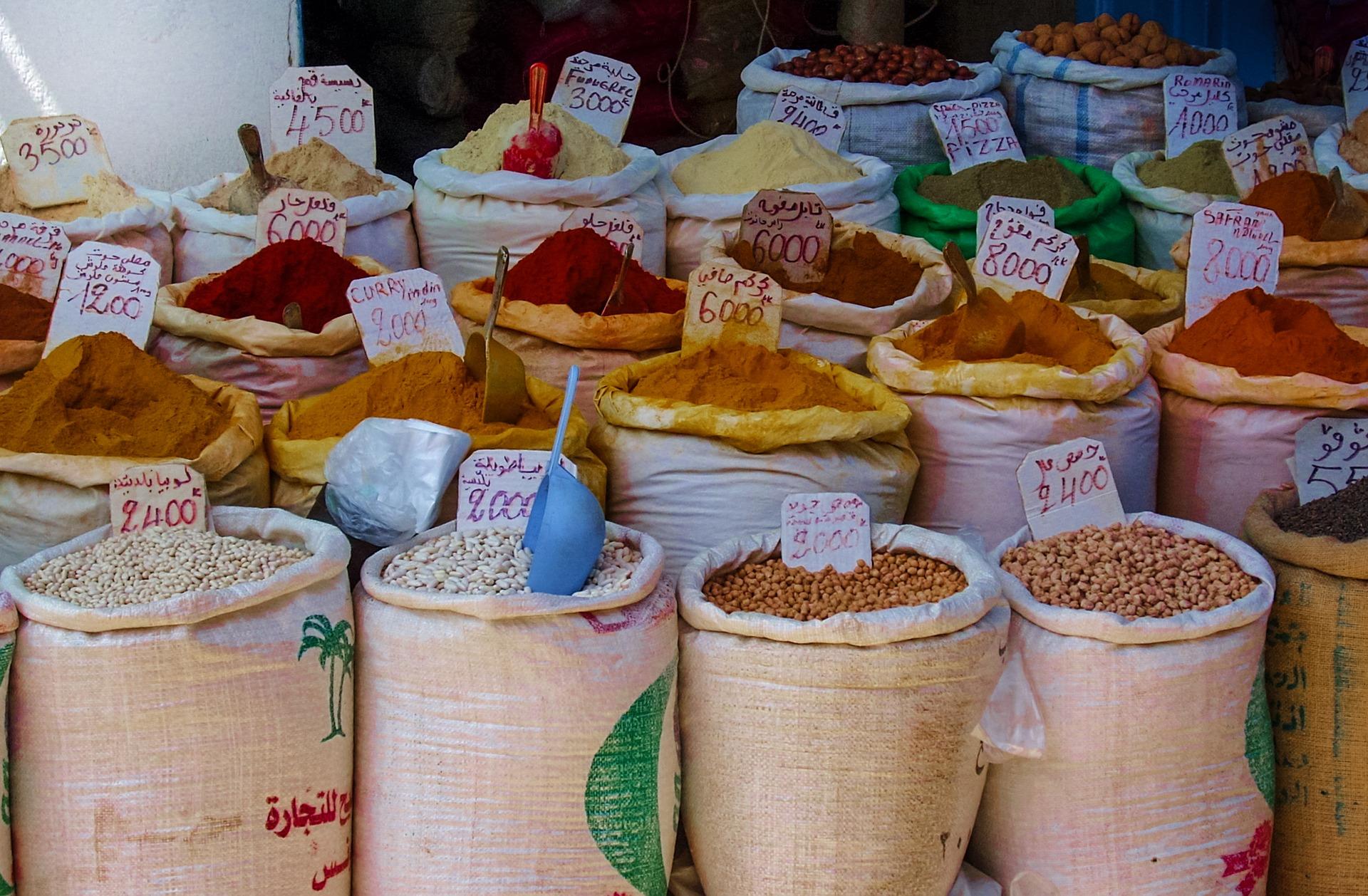
- The routes or establishments the bursary will be for.
- The application form from the AMCI.
- Photocopies of results and transcripts.
- A certificate proving your enrollment at the university
- The receipt for the payment of your tuition fees
- Your lease contract
- Two ID photos
- Two tax stamps
- Proof of finances
- Proof of medical and accident insurance
Things to Be Aware Of.
When traveling to a different country, the thing you need to remember is respect. There will be different ways of doing things: different customs, different ways of eating, different ideas of acceptable standards of behaviour. Some countries are more notorious than others for the strength of the standards they enforce - but the areas better-trodden by tourists are generally going to be more relaxed than the more remote places. Considering this, it is worth briefly covering some things that you might want to know before you get off the plane. Whilst this often sounds a little scary, it's best to know what you are dealing with.- Drinking alcohol. - The consumption of alcohol in the Middle East is not so common as it is here. Let's say, it's best not to stumble down the street raucously waving a bottle of Bacardi. Some hotels serve alcohol, but don't expect it in every restaurant - and in Saudi Arabia, you'll find that possession of alcohol is just flat-out illegal.
- Covering up. - Dressing modestly is something generally recommended when travelling in the Arab world. By this, we mean covering shoulders, legs, and - in the more conservative countries - even your hair. If you don't do this, you'll may receive unwanted attention, hassle, and touching. It's best to dress like the locals.
- Travelling as a woman. - There are a lot of horror stories on this topic, and a general fearfulness around the advice for women. Generally speaking, it's not as bad as you may have heard. Again, the name of the game is do as the locals do.
- Eating. - It's not all falafel and hummus, just to begin. Otherwise, it's important to know that you should eat with your right hand, and never your left. And, if you don't want to eat with your hands, practise your Arabic and just ask for a fork. The important to remember in all this is that, with customs, you are allowed to get it wrong. Unless you are rude, offensive, or downright weird, no-one is going to care if you do something slightly different.
Summarize with AI:
Did you like this article? Leave a rating!


 Loading...


Thank you for good information
.