
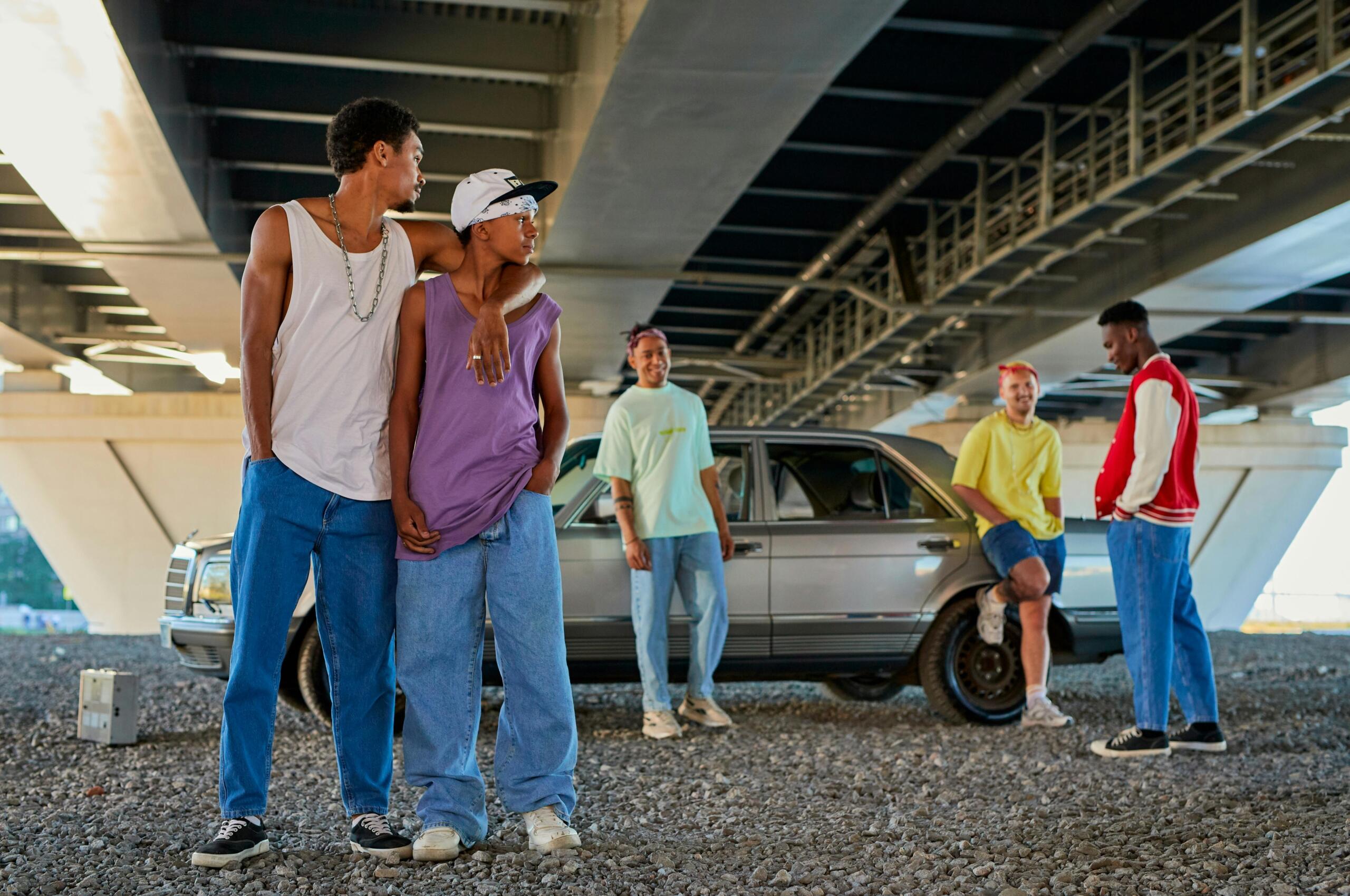

The thing about hip-hop today is it's smart, it's insightful. The way they can communicate a complex message in a very short space is remarkable.
Barack Obama
Hip-hop emerged in the 1970s from the vibrant streets of the South Bronx, pioneered by African-American and Hispanic youth. What began as an innovative fusion of beats, turntables, and digital sampling quickly evolved into a global phenomenon. More than just music, hip-hop is a culture—a movement encompassing rap, DJing, MC-ing, graffiti, and dance. It has become a powerful form of expression, addressing themes of identity, struggle, and social justice. From shaping fashion to inspiring activism, hip-hop deeply influences youth worldwide. Let’s explore how this dynamic genre continues to impact young minds today.




How Hip-Hop Has Influenced the Youth
Hip-hop has, in some ways, swept over the mainstream youth culture. Hip-hop's powerful influence nurtures a sense of unity among the youth by offering them a feeling of identity and belonging. Faced with economic hardships, racial discrimination, and limited opportunities, young artists have resorted to music, poetry, and dance as outlets to articulate their experiences and emotions in these demanding circumstances. You can find out about the dance classes near me here.
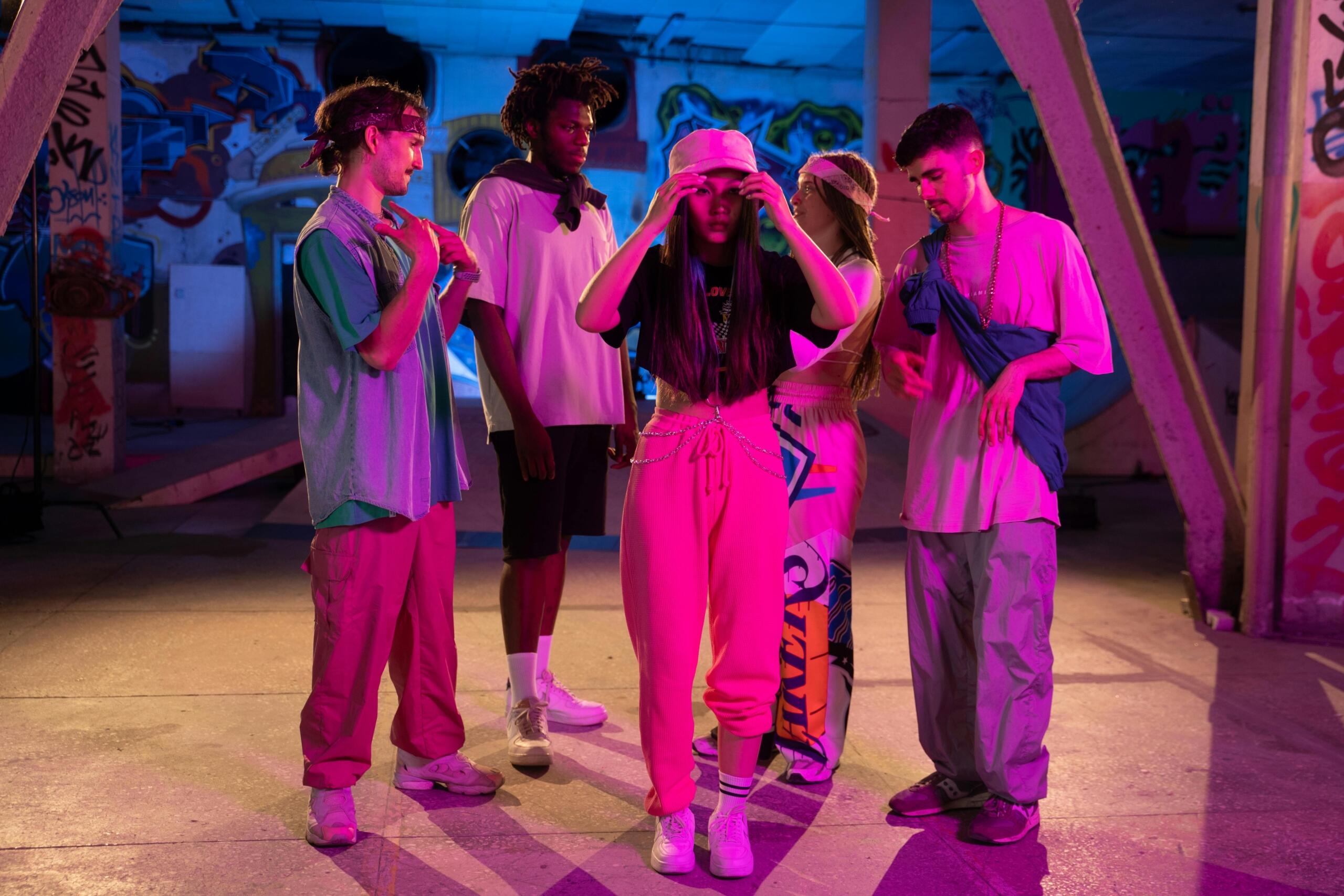
Therefore, regardless of whether they listen to music or not, youngsters from the stage of being able to talk until high school are impacted by hip-hop culture. Many specialists feel that rap has had a potent impact on youngsters. Many young people pay attention to their lyrics and regard their words as gospel. Most of these children, many of whom come from damaged families, look up to rappers. Often, the rapper takes on the role of instructor.
Rap music and videos harm school children. The students at school are cursing and wearing loose jeans. Girls dress similarly to the ladies in the videos, who are frequently excessively clad. Some experts are suspicious of allegations that rap and hip-hop are harmful. They claim other circumstances, such as a shattered household, psychological issues, or economic distress, play a part.
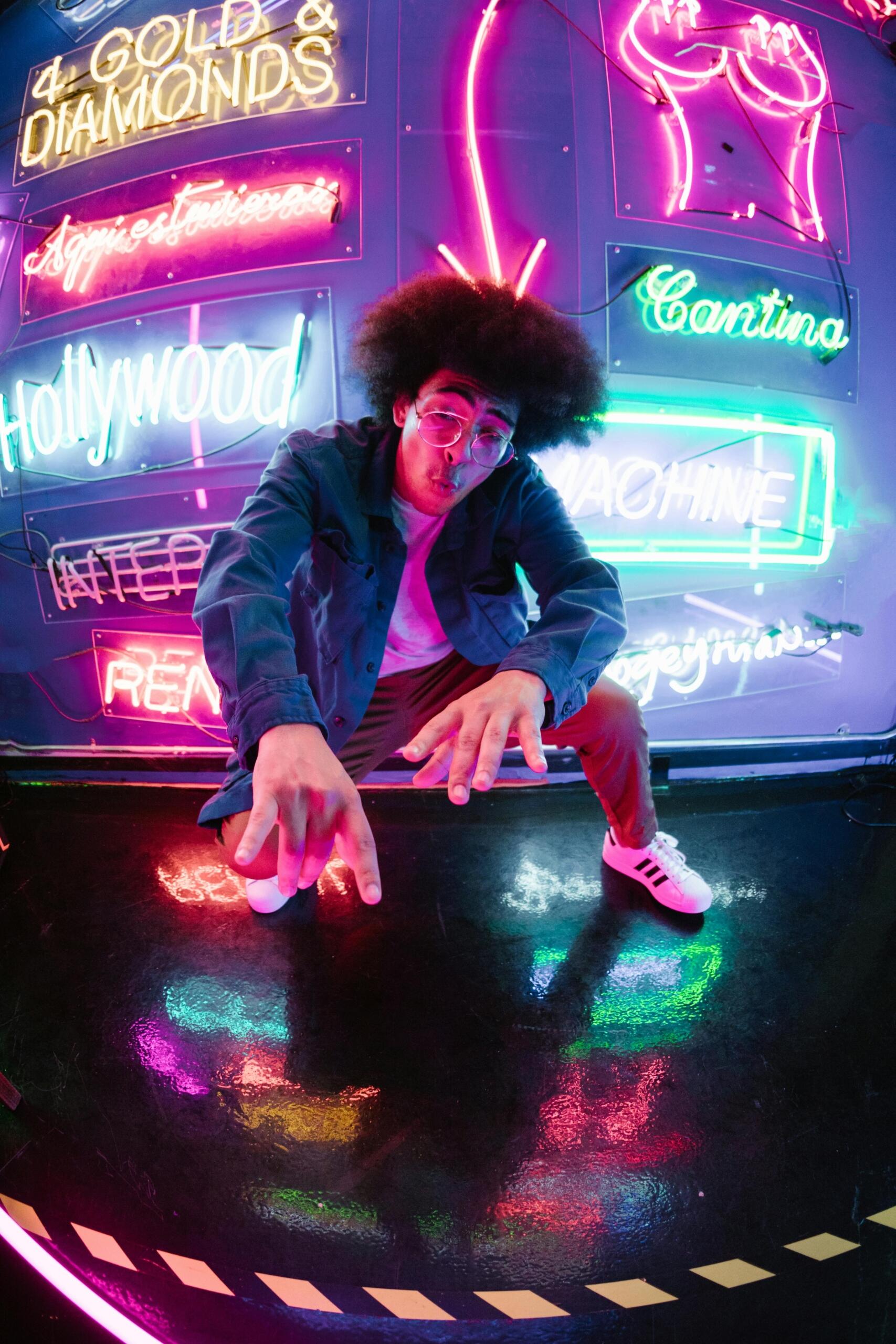
According to some professionals, rap has the potential to have a beneficial impact. Some of these individuals are incredibly clever businesspeople; Jay-Z runs his own record label.
Soul music was grafted into protest action during the civil and human rights period, and hip-hop has the potential to do the same with some of the emerging power politics of the early twenty-first century.
Rap has had a good impact on society, according to many people. It is an artistic option that allows individuals to represent and express themselves positively. It assists young artists in emerging from economic hardship. They also assist their family, friends, and neighbors in overcoming economic hardship. Rap also enables young black men to explain a specific cultural point of view and assist others in comprehending what is happening in the thoughts of urban young black people's environment.
Music is about expressing oneself. At some level, we must listen to what these people [rap musicians] are talking about because they are in some ways informing us what is wrong with society or what is good with society. So, in a way, it all matters. Rap has an excellent level of originality. The usage of a turntable as a tool by scratching it and the adoption of new dancing techniques blended with ancient traditions are incredible.
The Impact of Hip-Hop Music on America
Hip-hop has had a massive impact on America's Black population (and American society overall). It is a whole and thriving culture, not just music. Hip-hop has affected and elevated America since the 1980s, standing up for generations and giving underprivileged communities a voice. Forum for M.C.s and rappers voice their views about society, the government, and the oppression of African Americans in America for decades.
Critics of hip-hop culture claim that the music is harsh and encourages societal disobedience. However, inflammatory lyrics do not undermine the reality that hip-hop serves as a verbal outlet for many Americans. This medium is critically valuable for the Black community, but society would gain if those who hate hip-hop tried to adapt to the culture instead of criticizing it.
Timeline of Hip Hop
| Year | Significance |
|---|---|
| 1973 | Kool Herc throws "hip-hop" parties |
| 1979 | The very first taped rap track is made available |
| 1980 | Curtis Blow's single "The Breaks" sells over a million copies |
| 1984 | Kool Herc throws his final "old school" hip-hop bash |
| 1985 | The Show" is created by Doue E. Fresh |
| 1989 | Run D.M.C. remixed "Walk This Way" to introduce hip-hop to new audiences. N.W.A. also forms, resulting in gangster rap |
| 1992 | Dr Dre releases "The Chronic", catapulting him and his label to popularity and bringing gangster rap even further mainstream |
| 2000 | Hip-hop's current era begins |
Positive Influence of Rap Music on Youth
Rap music is often criticized for its explicit lyrics and controversial themes, but its influence on youth goes far beyond stereotypes. Hip-hop serves as a powerful tool for self-expression, empowerment, and social awareness. It has played a crucial role in shaping identity, promoting creativity, and inspiring activism among young people worldwide. Below are some of the key ways rap music positively impacts today’s youth.
Hip-Hop Gives Hope
In many places, receiving mental health care is treated with shame and judgment—a repercussion that does not extend to composing and loving music. Discussing a student's musical interests and favorite musicians may reveal a lot about them and how they view themselves in the world.
It creates a new degree of empathy and connects with each kid by affirming their present emotional condition. Hip-hop has provided many children with a purpose and opportunity. Learning hip-hop will leave you plenty of ideas for your child's lessons. Music may assist in redefining reality, speak directly to you, and demonstrate that knowledge is available.
For many young people, hip-hop serves as a source of motivation, reminding them that they can rise above challenges and create meaningful change in their lives and communities.
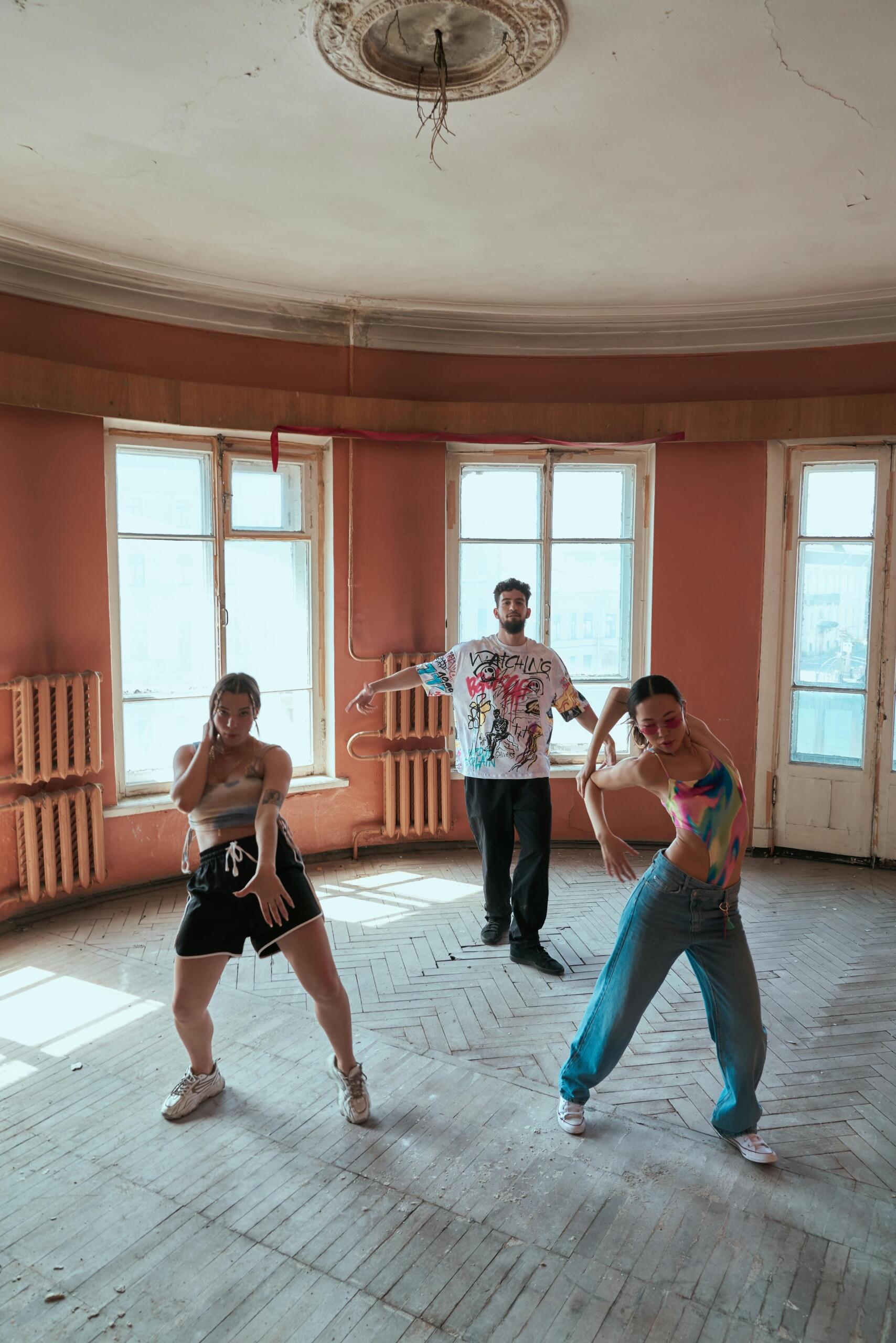
It provides young people with a voice. It works because the young lead it, the youth vibe with it, and, most importantly, it is intended to heal. Hip-hop liberates people and illuminates the darkness. If you are a parent, you ought to opt for online dance classes for kids to help them healthily express themselves.
Encouraging Self-Expression and Creativity
Hip-hop provides an outlet for young people to voice their thoughts, emotions, and experiences. Whether through rapping, writing lyrics, or producing beats, the genre encourages creative storytelling and artistic innovation. Many aspiring rappers and spoken word artists use hip-hop as a way to navigate personal struggles, giving them a sense of control over their narratives.
Promoting Social Awareness and Activism
Rap music has long been a medium for discussing societal issues, from racial injustice and poverty to mental health and political corruption. Artists like Tupac Shakur, Kendrick Lamar, and J. Cole have used their music to shed light on pressing concerns, inspiring young listeners to think critically about the world around them. Hip-hop culture has played a significant role in mobilizing movements for social change, motivating youth to engage in activism and advocacy.
Boosting Confidence and Personal Growth
Many young people look up to rap artists as role models who have overcome adversity to achieve success. Hearing stories of resilience in hip-hop music can be motivating, reinforcing the idea that hard work, determination, and self-belief can lead to personal growth. Rap battles and freestyle sessions also help individuals develop public speaking skills, confidence, and the ability to think quickly under pressure.
Hip-hop culture profoundly influences youth, acting as a powerful tool for self-expression, identity formation, and social commentary, connecting young people worldwide through music, dance, fashion, and art.
Strengthening Cultural Identity and Community
Hip-hop originated as a way for marginalized communities to share their experiences, and it continues to be a unifying force for young people from diverse backgrounds. The genre fosters a sense of belonging and cultural pride, especially for those who feel underrepresented in mainstream media. Hip-hop’s emphasis on storytelling allows youth to connect with their heritage, history, and shared struggles.
Providing Emotional and Mental Health Support
Music has always been a form of therapy, and rap is no exception. Many young people turn to hip-hop as a way to cope with stress, anxiety, and depression. Artists who openly discuss their mental health struggles in their lyrics, such as Kid Cudi and Logic, help reduce the stigma surrounding mental health issues and encourage youth to seek support when needed.
Inspiring Entrepreneurship and Career Aspirations
Beyond music, hip-hop has created numerous opportunities for young people to explore careers in business, media, fashion, and entertainment. Many rappers have transitioned into entrepreneurship, launching successful clothing lines, record labels, and other ventures. This inspires youth to develop their own skills in music production, marketing, and business management, showing them that passion and creativity can lead to career success.
Are There Negative Influences on the Youth from Hip-Hop or Rap Music?
While hip-hop and rap music have undeniably positive influences, they are not without controversy. Critics argue that some elements of the genre can have a negative impact on young listeners, particularly when it comes to explicit content, violent themes, and materialistic values. Understanding these concerns allows for a balanced perspective on the role hip-hop plays in shaping youth culture.
In ages 16-19, 48% of youth consider Hip Hop/Rap as their favorite genre. Many youths report frequent exposure to hip-hop music, with some studies showing a significant percentage of African American and Hispanic youth listening to rap daily, while also noting potential links between hip-hop exposure and certain risky behaviors.
Lyrics and Violence
Sometimes, it takes blasting hip-hop out loud for you to realize the extent of the profound language that often finds its way into the songs. You probably wouldn't be all that comfortable playing some of the songs out loud for your family to hear, with the messages that can come along with those catchy beats. Just a quick flick through some of the biggest songs right now on Spotify or the radio will find you music sheets full of explicit language, references to drugs, and depictions of violence or crime. Not only are crime, gang culture, and retaliation all mentioned, but they're often talked about in a positive light, which could very well normalize or even glorify violence. While in many cases this could just be artists telling their real-life struggles, repeated exposure can desensitize young listeners and, in some cases, normalize risky behaviors. It's no wonder that parents and educators worry that impressionable youth may adopt negative attitudes or imitate destructive actions portrayed in some songs.
Influence of Materialism
If you were to throw on a live show or interview of any of your favorite hip-hop artists, you'll likely see them covered from head to toe in the most expensive jewellery and designer clothes. While it might be more subtle than the profound language used in the genre of music, all the talk of wealth, luxury brands, and material success could potentially create unrealistic expectations for young listeners. All this glorification of expensive cars, designer clothing, and lavish lifestyles might contribute to a culture of materialism, where self-worth is measured by possessions. The reality is that people find fulfillment through all sorts of avenues, be it through family, friends, career, or helping others, which unfortunately don't seem to feature too much in this genre of music. While some artists use this imagery to inspire ambition and success, others worry that it may promote financial irresponsibility or the idea that success is only about external wealth.
Gender Representation and Misogyny
Whether it's through lyrics, music videos or the underrepresentation of women in hip-hop as a whole, the genre definitely can be criticized for its portrayal of women, with some songs even containing misogynistic language or objectifying lyrics. When you consider the number of ears that each hit song makes its way through, it's scary to think about how far such a message can be carried. Understandably, this has led to concerns about the influence such messages might have on young audiences, particularly in shaping attitudes toward gender roles and relationships.
With that said, we should reiterate that hip-hop is a diverse genre, and many artists actively challenge stereotypes, promote empowerment, and use their platforms to address social issues, highlighting the importance of listening critically and engaging with different perspectives. While hip-hop has both positive and negative influences, its overall impact depends on how it is consumed. Encouraging youth to engage with rap music thoughtfully—by appreciating its artistic value while being critical of harmful messages—can help them enjoy the genre without being negatively affected by its more controversial aspects.
Take a Hip-Hop Class with Superprof!
Hip-hop is a genre that allows artists to express themselves and their heritage through music, with each area bringing its own twist or flavor to the table. Since the 1980s, hip-hop has given a voice to disempowered populations all across the nation through its influence over millions of people. Protest and resistance play an essential role in hip-hop songs, evoking racial equality and communicating anger about economic conditions that have impacted many people's lives.
Has this article sparked your interest in hip-hop? Sign up for a class at Superprof and let our professional tutors teach you how to hip-hop the way you want to. And, of course, our tutors will ensure you enjoy the classes as you learn to move your body.
Summarize with AI:
Enjoyed this article? Leave a rating!


 Loading...
