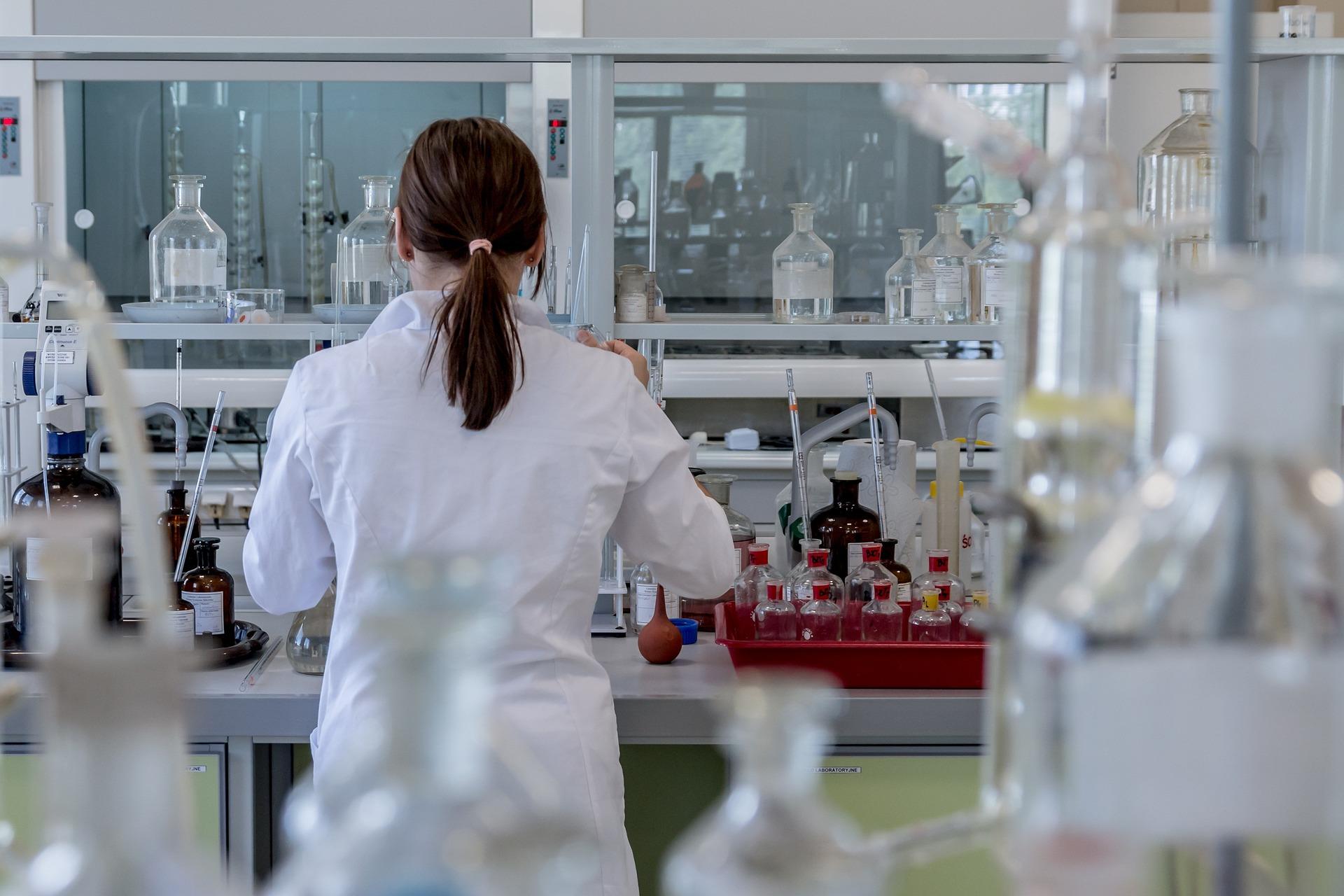

Thinking about pursuing a degree in Biochemistry? There are a few things to consider before diving into such a difficult and intense major. Those who pursue biochem need to thrive on the pros of the major and be able to navigate dealing with the cons; it's not for the faint of heart! Read on to find out more about this important and challenging science and see if biochemistry is the right choice for you!
| Pros of Biochemistry | Cons of Biochemistry |
|---|---|
| Intellectually challenging: Offers complex concepts and opportunities to develop strong scientific knowledge. | Difficult coursework: Requires extensive memorization, critical thinking, and an understanding of complex scientific concepts. |
| Hands-on and interesting: Lab work allows students to apply scientific concepts through experiments and practical work. | Time-intensive labs: Experiments can be repetitive, require multiple attempts, and take several hours to complete. |
| Opportunity to specialize: Provides a pathway into specialized areas such as pharmacology, cosmetics, and medical research. | Postgraduate education may be required: Many advanced biochemistry careers require a master's degree or doctorate. |
| Broad career opportunities: Can lead to roles in research, pharmaceuticals, forensic science, laboratory work, and other scientific fields. | Difficult to change careers: A specialized science degree may make it harder to transition into an unrelated career. |
| Fast-moving field: Students can work at the forefront of new discoveries in medicine, nutrition, agriculture, and biotechnology. | Knowledge constantly evolves: New discoveries can change established scientific understanding, requiring professionals to continually learn and adapt. |


What Is Biochemistry?
Biochemistry is the intersection in the Venn diagram of chemistry, physiology, and biology. Approximately 96% of the human body is made up of only 4 different elements. The other 4% is secondary elements and trace elements. In all, there are more or less 60 elements present in the average human body (some people may be missing a trace element or two, but many trace elements don’t appear to be vital for health anyway). When you pursue a degree in Biochem, one of the things you will learn is how all of these different elements can react with each other in a way that results in a living human being.
Much of biochemistry is conceptual and concepts cannot be memorized.
Purdue University
Isn’t that amazing? Note that biochemists also study all other plants and animals, including microorganisms. You are not limited to studying human physiology. Biochemists study how these elements interact when life processes occur, like eating, absorbing nutrients, eliminating waste, encountering and fighting diseases, and so forth. While it is a very specific type of chemistry that specializes in the niche of life processes, the opportunities to apply biochemistry are nearly endless, especially in this age of rapidly advancing medical knowledge.
Is Biochem a Good Major for You?
The reason career choice is such a challenging question that faces students of all ages is because the answer can’t be copied or learned from a textbook. Biochem is a great major, but it isn’t equally suitable for every student. To know if it’s the right fit for you, you’ll need to do your share of looking inward and assess your own interests, strengths, and career goals. One sign that always jumps out to many learners, even from a young age, is if you enjoy understanding how things work at a molecular level and find yourself fascinated by all that takes place inside living organisms. There may also be signs that you have the aptitude for the subject already. Since it combines elements of biology and chemistry, if you already enjoy studying these subjects or have strong grades in them, that’s usually a telling sign.
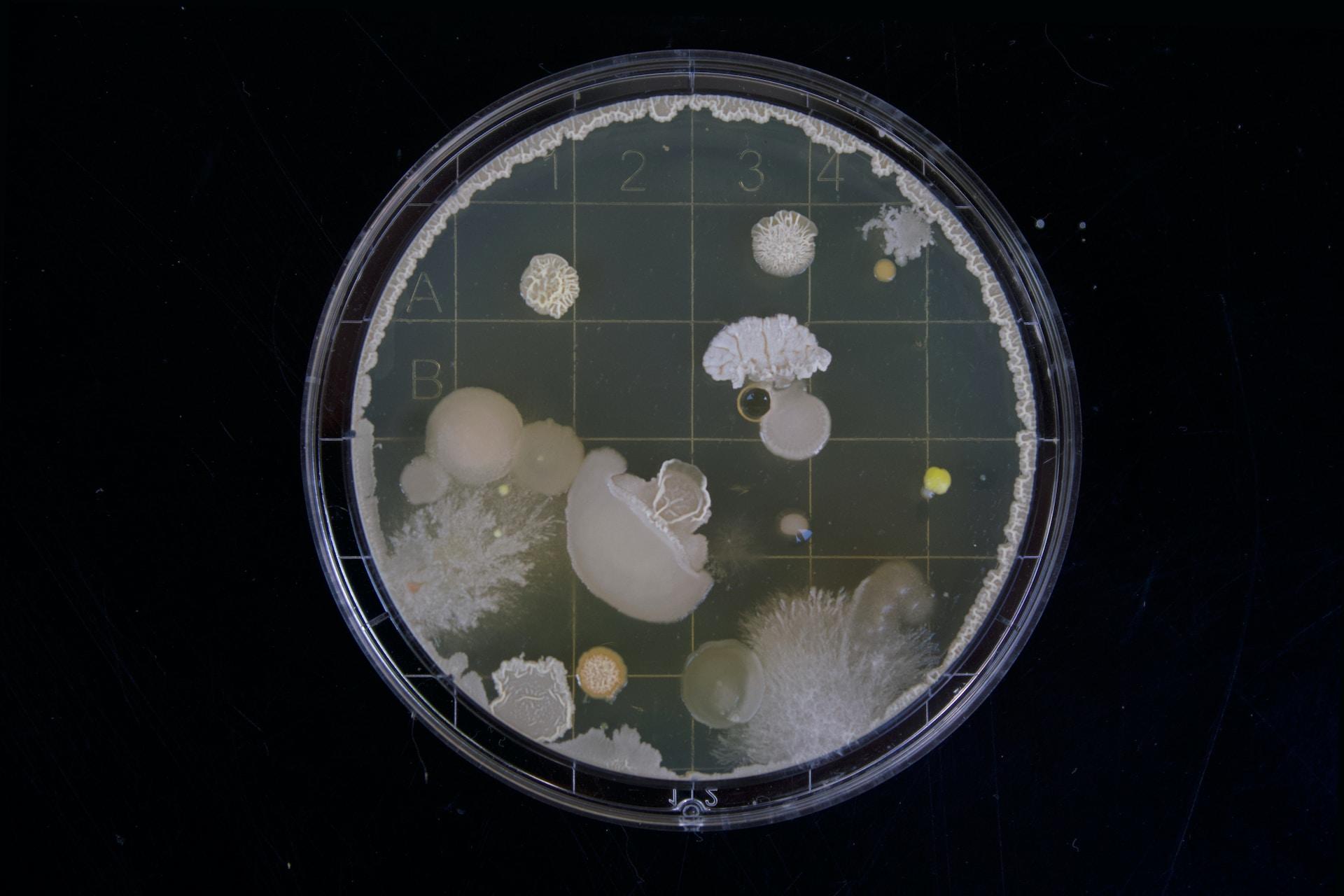
A major is usually a great choice if it aligns with the direction in which you intend to steer your career. So, if the idea of waking up each morning to commute to a job in healthcare, pharmaceuticals, biotechnology, nutrition, or scientific research excites you, then it’s quite likely that biochemistry is the right major for you.
With that said, you’ll also want to consider the extent of the involvement of science in this major, as it’s rather extensive. If taking subjects such as organic chemistry, molecular biology, genetics, physics, and mathematics alongside biochemistry itself doesn’t sound like too much, then you’ll likely have a skip in your step when it’s time for the laboratory work. Discover chemistry classes and learn with a qualified tutor on Superprof today!
Is Studying Biochemistry Difficult?
If you’ve told anyone that you’re considering studying biochemistry, then you’ve likely been met with some concerned expressions and puzzled faces. This is because even the subject name itself sounds intimidating. The major itself can indeed be challenging, seeing as it combines concepts from several scientific disciplines. This is because it doesn’t allow for any knowledge gaps, seeing as it requires an understanding of chemistry, biology, and often aspects of physics and mathematics, as well as an understanding of how these subjects interact at a molecular level.
Falling behind can make later topics considerably harder. Understanding foundational concepts is important because many advanced topics depend on earlier knowledge.
If you were to compare the topics a biochem student studies, such as metabolic pathways, protein structure, genetics, and enzyme activity, with those studied by a student in just about any other discipline, you’ll realize just how challenging the material really is. Students studying the subject often get stumped by having to remember scientific terminology, molecular structures, biological processes, and chemical reactions. However, like most things in life, they often seem challenging until you actually put the hours in. Most graduated biochem students will likely tell you firsthand that once you’re not relying on memorization but rather developing an understanding of why these processes occur, it becomes second nature.
Another knowledge bomb that they’ll likely also drop on you is how staying organized and keeping up with coursework will make the whole experience ten times easier and less stressful. This is crucial, seeing as the laboratory classes that fill up the gaps in your weekly schedule add to the overall workload, especially since you’ll be juggling experiments, analyzing results, writing laboratory reports, and working with a bunch of new equipment.
Pros of Studying Biochemistry
While biochemistry isn’t for everyone, it has a lot to offer for people who are a good fit. If you’ve always enjoyed biology, physiology, and/or chemistry and found the concepts not terribly hard to learn, you could be a good candidate for a biochemistry degree!
Intellectually Challenging and Fulfilling
If challenging concepts and intense study sessions are your jam, then you won’t be bored by biochem! While it can be difficult to integrate all the information (and yes, you will need to know it by heart) because of its complexity and sheer volume, you’ll feel like a genius once you have digested it and have it in your memory banks. Even if you studied biology and chemistry in high school, much of the material in college biochemistry will be brand new to you, making it extremely fascinating. You’ll be learning the 'how and why' of physical life!
Practical Lab and Research Experience
Biochemistry is a hands-on science. You’ll be reading a lot, of course, but you’ll also have opportunities to practice experiments in labs and may even do some fieldwork. This hands-on experience throughout the learning process not only adds to the enjoyment and understanding of Biochem students, but it also means that they're work-ready by the time that they graduate from their major. Seeing as the majority of the career paths you'll be entering after a bichem degree will have you working inside a lab, it's only sensible that most of your learning takes place there.
Certain laboratory experiments cannot be rushed. Students may have to wait several hours for samples or chemical reactions to develop.
To be able to observe the processes you’re learning about and make science happen with your own hands is a really incredible experience. Not everyone gets to do things like that! While there can be periods of monotony, there will also be times of excitement and new discovery.
Opportunity to Become a Specialist
Since biochemistry is a niche within the chemistry discipline, you become a specialist in a certain field. Sure, a chemist could do some of the things you can, but they won’t be able to do everything a biochemist can without further schooling.
This makes biochemists valuable for specific roles in the scientific field and can make you an irreplaceable employee.
You can also combine your biochemistry experience with another discipline, like pharmacology or cosmetology, for an even more highly specialized title.
The future seems to point towards industries like pharmacy and cosmetics requiring more intensive development and testing, so it may be a hot, new career path in the future!
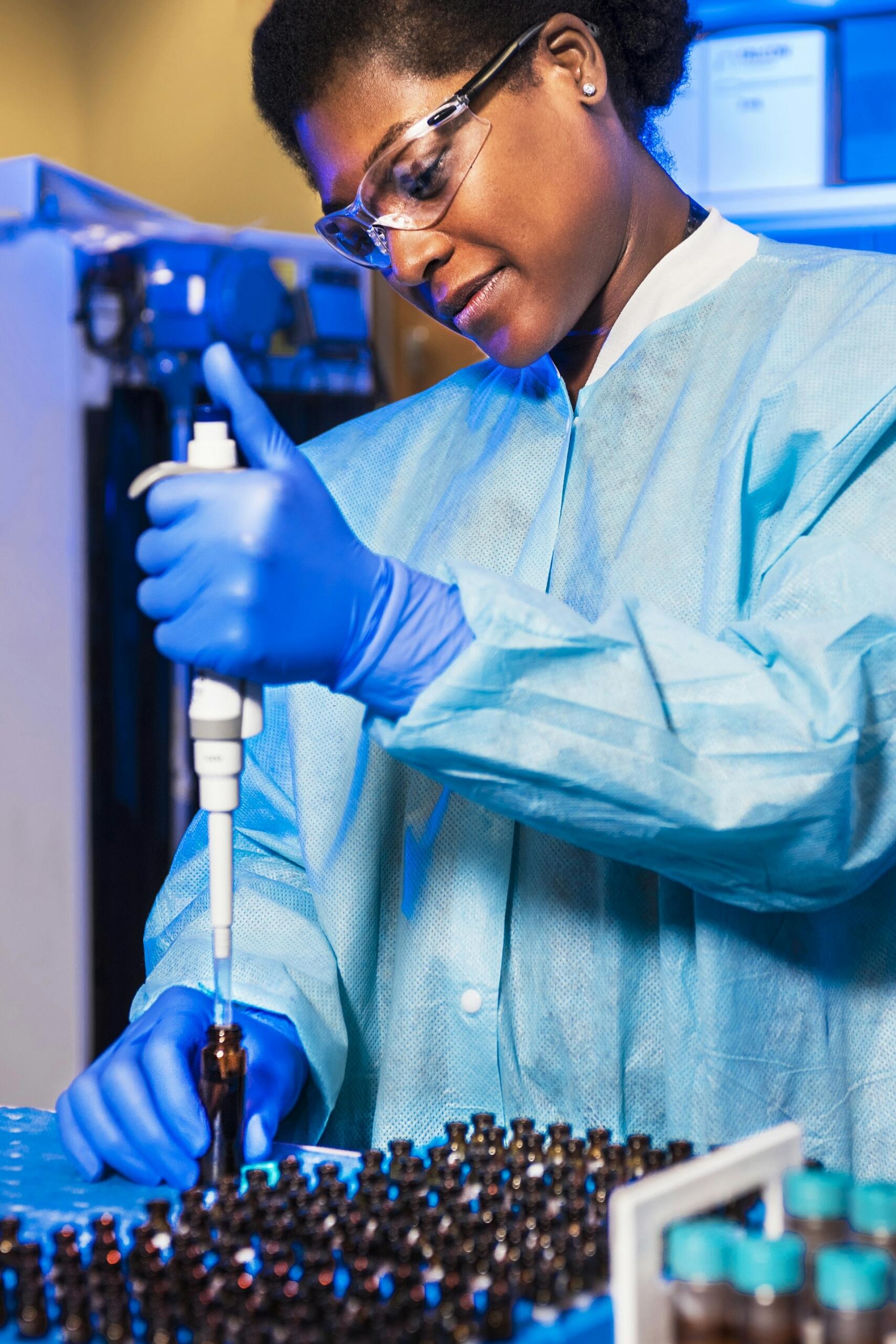
The key is that you don’t necessarily have to decide exactly what you want to specialize in from the beginning. Often, what makes a great major is that it affords students the opportunity to explore different areas before deciding which one they'd like to pursue more deeply. Something to keep in mind when arriving at the right choice for you!
Straightforward & Broad Career Opportunities
While the careers in the biochemistry industry are specific, it doesn’t mean there are only a handful to choose from. If you happen to know what you want to do for your career before you get your master's or doctorate degrees, you can be sure to find an educational program that will prepare you for exactly the job you want in a particular area of study. The paths to specific careers like pharmaceutical researcher, forensic scientist, lab technician, chemical engineer, wildlife biologist, or simply biochemist are straightforward.
Exposure to Innovation
One of the biggest pros of being a biochemist is being in an ever-evolving field. There is still a lot to be learned about how chemicals interact with the world around them. More and more money is being spent on research for biochemistry in the fields of healing, disease, nutrition, cosmetics, pharmacology, agriculture, and so on.
As a scientist at the forefront of cutting-edge technology and discoveries, you will be aware of incredible advances in science and technology that the average person has no clue about!
Cons of Studying Biochem
First and foremost, if you are only studying biochemistry (or any other subject) because you feel you “should” and not because you actually want to, you are likely going to have a bad time. Especially in a subject like biochem that requires a lot of critical thinking, memorization, and intricate concepts, you simply can’t fake it. It’s an intensive subject where every class will revolve around chemistry, biology, and physiology. If that’s not your interest, don’t torture yourself by committing to it.
Coursework Is Demanding
A bachelor’s degree in biochemistry commonly requires around 120 credit hours, combining chemistry, biology, mathematics, physics, laboratory work, and biochemistry courses.
How hard is biochem? Obviously, this scientific subject is full of advanced and nuanced scientific theories and principles. There are a ton of terms and mathematicalformulae to memorize. You need to know how things work forward and backward by the end of your course to have a hope of moving on to the next set of courses.
Biochemistry requires work, but that the concepts taught in this class make it pretty easily comprehensible
Brian E. Coggins, Duke University
If you aren’t absolutely fascinated by the subject, this process will be incredibly difficult. It can be hard, even for people with an intense passion for the subject, but they can find joy in the challenge of learning. For those of us who may have a mild interest but the thought of spending hours poring over textbooks and scientific studies sounds dreadful, biochemistry likely isn’t the best choice. Biochemists are in the field because they love the work that they do. If you’re searching for chemistry tutors near me, you can also explore local options to strengthen your foundation in core chemistry concepts.
For students in scientific tracks like premed, biochemistry may be difficult mostly because of the amount and breadth of information that must be learned. For students who are not already well-versed in science or who science difficult to grasp, biochem is hard because it requires students to understand science well.
Lab Work Adds Time and Precision
If you’re making your decision as to whether or not Biochemistry is right for you, you’ll definitely want to be aware of one of the biggest adjustments students have to make. This is the amount of time and precision that’s required each time you step foot inside the laboratory. Seeing as you’ll need to follow a stringent process and wait for the results, there’s a subsequent duty to carefully measure substances, handle equipment correctly, and follow all of those safety procedures that your professor is always talking about. That’s why this major can be quite unforgiving, as what might seem like even the smallest slip-up, can affect the outcome of an experiment. This would mean that your results may not hold any value, and you run the risk of having to do the whole thing all over again.
Scientific Knowledge Evolves Quickly
Because biochemistry is still an emerging science, meaning there are new things to be discovered and understood all the time, there’s always the possibility that something will be unearthed that will completely change a commonly held understanding. Some things that were taught in schools that ended up changing completely include Pluto being a dwarf planet vs a planet, different areas of the tongue detecting different flavors, and the Great Wall of China being the only structure that can be seen from space. So, imagine a new discovery being made that would flip everything chemists or biochemists know on its head! You may have to unlearn and relearn concepts as developments are made.
Time-Intensive Practical Classes
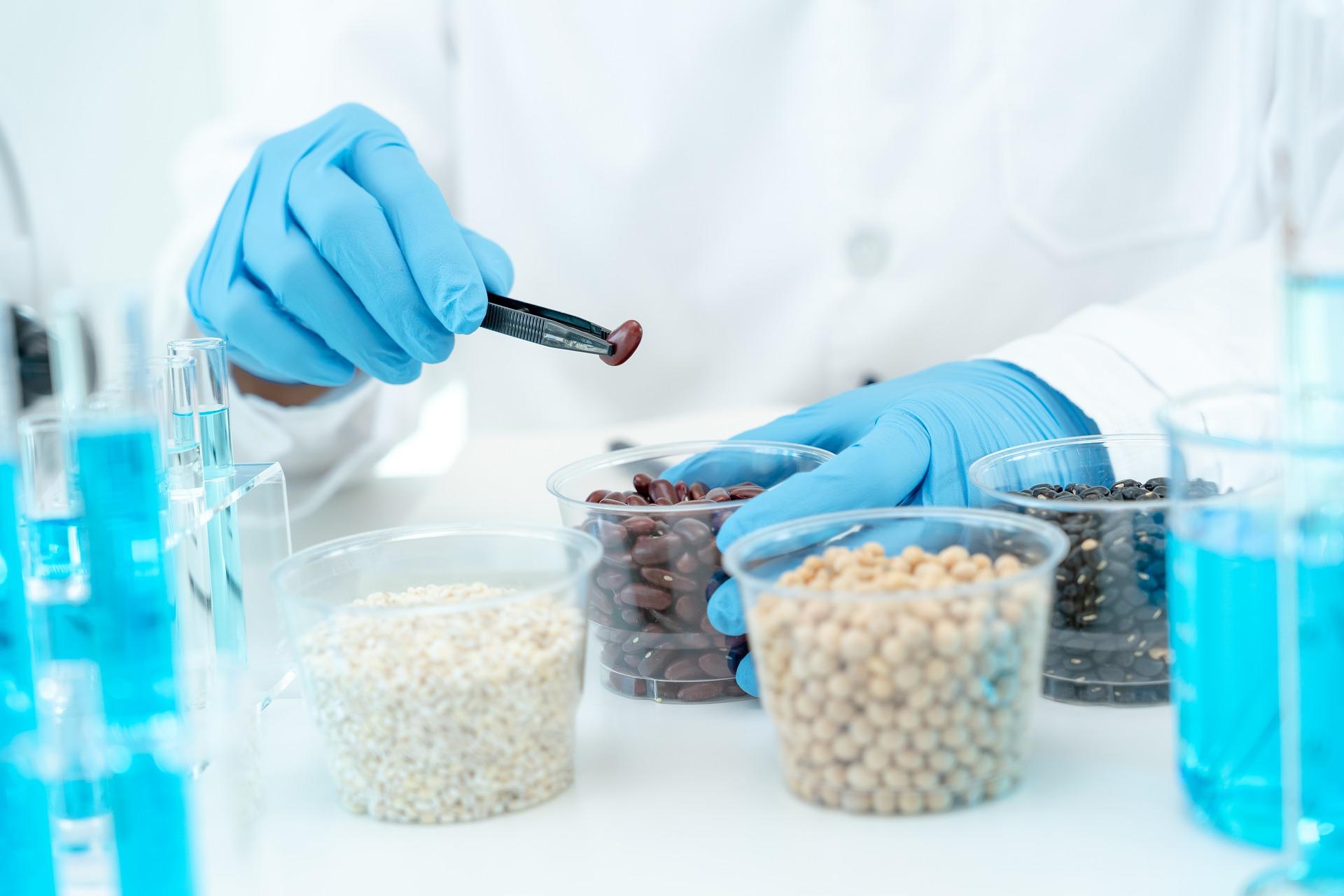
While a lot of the lab work in biochem is bound to be interesting, it may also be very boring and take a lot of time. Sometimes experiments need to be repeated, perhaps dozens of times, to yield the results or information required. And some of these experiments hinge on a chemical reaction taking place or a plant growing, neither of which can be sped up. So, you must simply wait. You might be able to squeeze in some other work while you wait the 4 hours for your sample to develop, but you can’t count on it.
Will Likely Require Postgraduate Education
If you’re not dead set on getting a job in the biochemistry field, you can do a lot with a bachelor’s degree. Many employers simply want you to have a college education, regardless of the major. But if you want to have a career in the biochemistry industry, you’ll likely need to get a master’s or even a doctorate degree.
Students who want to pursue many specialized careers in the biochemistry industry may need to continue their education with a master’s degree or doctorate.
So if you don’t see yourself wanting to spend more than 4 years studying this subject and perhaps need to rack up student loan debt, you’ll want to consider if it’s right for you. Note that many employers will pay for your college education if it’s required in order for you to be able to do your job better!
Career Changes Can Be Difficult
While not impossible, if you end up in the biochemistry field, trying to switch to a different profession could be difficult. Another scientific field may be easier simply because you are familiar with scientific basics and how to learn new scientific information. If you wanted to switch to something like business, entrepreneurship, teaching, hospitality, medical, marketing, or any other type of job field, there’s a chance you’ll need to take a big step back to learn the basics before you can proceed onward in your new profession. This is one of the biggest cons of being a biochemist.

No matter your level of education in biochem, you can earn a little extra whenever you need to with biochemistry tutor jobs. With a service like Superprof, you can sign up easily to become a tutor and start making appointments with students in need, either in-person or online (your choice!).
With online biochemistry tutor jobs, you can choose to tutor for an hour or two per week or have it as a full-time activity. If the idea of being a biochem teacher sounds good, but you don’t want to get involved with teaching through the school system, being a tutor is a great alternative. Furthermore, if you find yourself requiring assistance in your studies, you can find a tutor for yourself on Superprof as well! No matter which path you pursue with your biochem education, you can be sure that there are many open doors for you that will welcome your specialized and valuable education! For example, students looking for chemistry tutors near me can connect with qualified instructors for targeted support.
References
- BSc, H. A. (2022). Biochemistry in Everyday Life. In News-Medical. https://www.news-medical.net/life-sciences/Biochemistry-in-Everyday-Life.aspx
- Patel, P. (2020). What Elements Are Present In The Human Body? In ScienceABC. https://www.scienceabc.com/humans/what-elements-are-present-in-the-human-body.html
- What to expect from a biochemistry degree. (2025). In Top Universities. https://www.topuniversities.com/courses/chemistry/what-expect-biochemistry-degree
Summarize with AI:
Did you like this article? Leave a rating!


 Loading...