


The immune system is the most complex system that the human body has ever evolved — a miracle of defense, balance and memory.
Dr. Anthony Fauci
Immunology is the study of the immune system, what it does, how diseases interact with it, autoimmune disorders, and how these can be treated. For some, this might sound like biology with a singular focus, but the immune system is an incredibly complicated network of systems and this can make studying it quite difficult. Whether you've decided to major in immunology, are taking a human biology class, or are looking to do postgraduate study in it, some things make it difficult to study and things that can make it easier than certain other subjects.


What Makes Immunology So Difficult
It's probably best that we start with the bad news: studying immunology can be really difficult. It's not impossible and lots of people study it and enjoy doing so, but you need to know at least some of the challenges you'll end up facing. We're not going to list every difficulty and problem you'll face but rather explain generally what makes immunology a challenging subject, even for very gifted students with an aptitude for biology and the sciences.
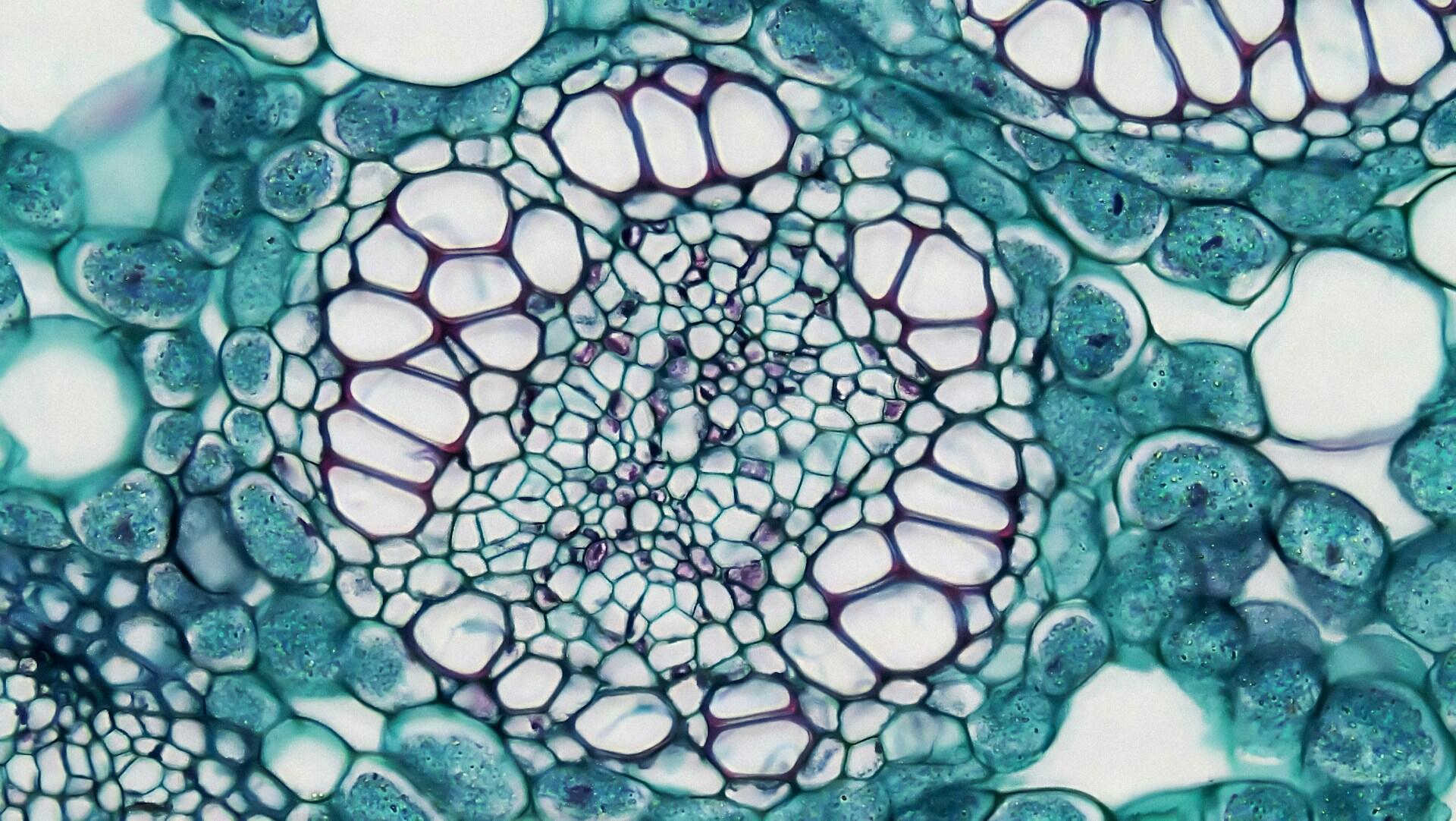
The Immune System is Complex
While we can refer to the immune system it as a single entity (and we often do), it's really just because the result is greater than the sum of the many parts. All the different parts of the immune system working together is what makes it so impressive, but it's also what makes it so complicated. Whether it's understanding allergy, the different cells, the adaptive or innate immune system, viruses, infections, diseases, and the broad range of things that all need to be understood to fully grasp immunology. Anybody deciding to study immunology will have to be aware that there are levels of complexity that they need to be able to wrap their head around.
There's a Lot of Information You Need to Know
Not only is the subject matter very complex but there's also a lot of it. When you study immunology, you may be surprised at just how much you need to study. Don't think just because immunology focuses on “just” the immune system, that you'll only have a few things to learn.

To really understand immunology, you need to understand biology, microbiology, biochemistry, genetics and genomics, cellular and molecular biology, physiology, pathology, pharmacology, epidemiology, and biotechnology! There's a lot of foundation knowledge that you'll need before you can start understanding immunology and the complexities of the immune system.
You Need to Know Other Sciences to Understand Immunology
Chemistry, microbiology, and maybe even some medical experience to understand how immunity and immune response work. Naturally, biology is a big part of immunology, but you're going to need to be a master of the sciences in general before you can start exploring what immunology really is. If you don't like all of the sciences, you're going to find certain parts of immunology quite annoying.
The Field of Immunology Keeps Advancing
Relatively speaking, immunology is a fairly recent science. We've been studying biology, chemistry, and physics for hundreds of years, but we didn't even really know that the immune system existed until quite recently. We were indeed aware of immunity back in ancient times and the process of variolation was used to provide immunity for smallpox, but we hadn't grasped that this immunity was occurring due to a complex network of systems and cells.
It wasn't until the 16th century that the idea of the immune system really started to take hold and the first vaccine was developed in the 18th century. We weren't even really aware of germs existing until Louis Pasteur in the 19th century and the major discoveries of T cells and B cells occurred in the 20th century. The advancements taking place in immunology keep coming and if you want to study it, you're going to not only learn all the complicated stuff we mentioned but keep learning as new discoveries are made.
It Can Take Many Years to Study Immunology
So immunology is complex, there's a lot to learn, and what you need to learn keeps being added to as the field advances. This means that any aspiring immunologist is going to have to spend a lot of years studying, even if you attend one of the best schools for immunology. While you can major in immunology as part of your undergraduate degree at some colleges, because of all the foundational knowledge required, it's far more common for students to specialize during graduate or doctoral studies. After all, you need to have a good understanding of all the subjects we mentioned earlier before you can really start understanding immunology.
A bachelor’s degree usually takes about four years, a master’s adds one to two more years, and a Ph.D. or medical training can take another four to six years. Altogether, it often takes around eight to twelve years after high school to become an immunologist!
Strategies to Make Studying Immunology Easier
Immunology can be a challenging subject, but with good study habits and strong support, it becomes much easier to understand. Success depends on planning, persistence and using the right tools. These strategies can help you organize your learning, stay motivated ,and make steady progress through even the most complex topics.

Effective Study Techniques
Immunology requires more than memorizing facts. Try active learning by summarizing lessons in your own words and creating concept maps that show how immune cells and systems connect. Teaching what you learn to a classmate helps reinforce understanding. Flashcards and spaced repetition can strengthen memory of key terms and processes. Short, focused study sessions using the Pomodoro method help with concentration and prevent burnout. Consistent review, especially with diagrams and practice questions, will improve your ability to apply concepts and prepare you for exams.
Don’t just read, get involved. Draw diagrams, explain topics aloud, and quiz yourself. Using active recall and spaced repetition helps you remember complex immune processes more easily.
Utilizing Quality Resources
Reliable study materials make a big difference. Textbooks such as Janeway’s Immunobiology and Kuby Immunology explain topics in detail, while diagrams and videos can make lessons more visual and easier to follow. Websites like Superprof connect students with qualified immunology tutors who offer one-on-one lessons tailored to your level and learning goals. Online resources that include quizzes and summaries can help you understand difficult concepts such as antigen recognition and immune response. Combining trusted academic materials with interactive learning keeps you engaged and improves retention.
Use trusted books like Janeway’s Immunobiology and Kuby Immunology. Add videos, quizzes and lessons from Superprof tutors to make your learning clearer and more engaging.
Seek Support Networks
Learning is easier when you have people to share it with. Joining a study group lets you discuss complex topics, exchange notes, and learn from different viewpoints. Talking through material often makes it easier to understand. Instructors and teaching assistants can also offer valuable help, especially when certain subjects seem confusing. Private tutors, such as those available through Superprof, provide personalized guidance and can adjust lessons to your pace and needs. Surrounding yourself with supportive classmates, teachers, and mentors helps you stay consistent, confident and focused throughout your studies.
Study with friends, join groups, and ask teachers for help when you’re stuck. A tutor or study partner can make learning immunology easier and more enjoyable.
What Makes Immunology More Manageable
Hopefully, we haven't put you off studying immunology. We just wanted to make sure that you knew what you were getting yourself in for. Fortunately, there are lots of things that make immunology a great subject to study and while they won't necessarily make studying all of this any easier, they can make it more manageable or enjoyable, which can help a lot when things get difficult.
Immunology Is a Fascinating Subject
It's much easier to learn about things if we find them interesting and immunology has lots of interesting things to learn about. While the complexity of the subject can make it more difficult, it's also what makes it such an interesting subject. Even when you're buried in books, you'll likely be learning something interesting about the immune system, diseases, autoimmune disorders, or groundbreaking treatments.
Immunology Is Highly Relevant
How annoying is it when you're studying something and you start questioning why you're even learning it in the first place? The second we start believing what we're learning has no relevance, it becomes so much more difficult to study it with any enthusiasm. Immunology is a subject where you can see real-world and life-changing applications. It's essential for the survival of the human race and the global coronavirus pandemic reminded us all of that. In addition to being fascinating and relevant, there are plenty of great reasons to study immunology.
You Get to Learn About Other Subjects Through Immunology
The wide-ranging nature of immunology also means you can explore your interests in other subjects, too. If you have an interest in biotech, molecular biology, biochemistry, or any of the other related subjects, you'll have opportunities to learn more about them, too.
Immunology is a subject that's great for inquisitive students who like learning in general. With so many different things to learn, it should at least keep it interesting when you have to study. Don't forget that there are also lots of great careers in immunology, which can help keep you motivated when things get tough.
How to Get Help Studying Immunology
The most important thing to remember is that no matter how difficult immunology gets, help is out there. Whether you get help from the faculty at your school or opt for a private tutor, remember that there are lots of ways to get the most out of your immunology courses. Whether you're struggling with immunology at college or looking to become one of the world's greatest immunologists, here are some of the options you have in terms of extra help and tutoring.

Reach Out to Friends and Family
If you start to struggle with immunology, speak to those closest to you. Even if they can't specifically provide help with immunology because they don't study it, it's useful to have people who'll provide you with support, help you come up with a plan of attack, or just provide a shoulder to cry on. That being said, you can also get help from your fellow classmates and in some cases, you'll find that they're finding it all just as difficult as you are. By working and studying together, you can achieve much more than you can on your own.
Seek Support from Teachers and Faculty
Don't forget that the staff at your college are also there to help and are professionals. Teachers and faculty members can help you with study skills, explanations of complex topics, or even just point you in the right direction to help you during your studies. Whether it's your immunology professor, someone in the department, or even another faculty member who's on hand to help students with their studies, there'll be plenty of people at your school who can offer guidance, help, or advice when needed. Reach out to them!
Hire a Private Tutor
Last but certainly not least, you can get help from a private tutor. A lot of students start to struggle because they fall behind in their classes. The problem with most classes is that they're designed for several students at once and this means the teacher has to make a lot of compromises to make sure they're teaching as many students as much as they can. If the teaching style doesn't gel with a student's preferred approach, they might miss something, fall behind, and constantly struggle to catch up as they fall further and further behind their class. A private tutor can tailor every session to that particular student and help them go back over what they struggled with in class, help them to improve their study skills or organization, or just simply teach them in the way that's best for them and how they like to learn.

There are private tutors for all budgets and levels across a range of subjects so whether you're struggling with immunology, another class, or your course in general, you'll be able to find somebody that's right for you. Face-to-face tutors tend to charge more than online biology tutors, but their experience, area of expertise, and even factors such as where you live can all affect how much you'll pay. A tutor that's fresh out of school with limited experience will likely offer more affordable tutoring whereas one who's been tutoring for years will charge a premium for their experience and expertise.
Superprof connects you with experienced immunology tutors who offer personalized lessons to match your learning style, pace and goals. Whether you need help mastering complex concepts or preparing for exams, one-on-one tutoring can make studying immunology clearer, faster and more enjoyable!
Whether you need tutoring for a specific lesson or class like innate or adaptive immunity, immune cells, chronic diseases, and infections, or broader topics like microbiology, chemistry, or immunology, private tutors can make the difference between passing an exam, being top in your classes, or staying on top of your workload at college. Every tutor's different so it's essential that you find the right tutor for you. Talk to them about why you're looking for a tutor, what you expect from them, and how you like to learn. Try a few tutors out before deciding on the perfect tutor and you'll soon see that immunology isn't as difficult as you first thought!
What Can You Do with an Immunology Degree?
In an ideal world, we could all study whatever interests us, but in the real world, we need to study something that comes with career options once we've graduated. Fortunately, there are lots of different areas that those majoring in immunology can choose to work in. Here are just a few of the best careers for immunologists!

Academia
A career in academia would involve teaching the next generation of immunologists, contributing to research, publishing research papers, and everything else that comes with being a professor, lecturer, or researcher in academia. Even before you complete your Ph.D. or postdoctoral studies, you can work in academia while conducting research as part of your studies or a research group, giving lectures, or teaching courses.
Biotechnology and Pharmaceutical Industries
These are two industries that are very interested in employing immunologists. Immunologists in these industries will mostly focus on research and development for drugs, vaccines, clinical trials, and quality control. There are also roles for immunologists in less scientific areas that require people with a good knowledge of immunology.
Clinical Immunologist
Clinical immunologists work directly with patients, using their understanding of the immune system to diagnose and treat conditions such as allergies, autoimmune diseases, and certain cancers. They often collaborate with other medical specialists to find effective treatments and improve patient outcomes. If you have ever wondered is immunology a hard class, the work of clinical immunologists shows that while it can be demanding, the rewards of helping people overcome serious health challenges make the effort worthwhile.
Government Roles
Immunologists also work in government agencies like the Centers for Disease Control and Prevention (CDC), the Food and Drug Administration (FDA), and the National Institutes of Health (NIH). Their job is to advise on vaccine safety, disease control, and health regulations that affect millions of people. For those asking is immunology a hard class, these positions prove that the challenge leads to meaningful work that protects public health and shapes national policy.
Immunologist
Anybody who's studied and mastered immunology is an immunologist. Generally, an out-and-out immunologist will study the immune system and how it interacts with pathogens in research environments. This is for students who are interested in working in immunology and understanding the intricacies of both the innate and adaptive immune systems. Generally, immunologists will need to complete postgraduate study or even a Ph.D.
Laboratory Technician
Immunologists, like in many other scientific fields, can also work in the lab as lab technicians. Whether this is in medical settings like hospitals and clinics, or research labs, their job is to do experiments, analyze samples, operate equipment, and help in research projects and clinical studies.
Public Health and Epidemiology
Many immunologists build careers in public health, where they help track disease patterns and design immunization programs. Their research helps prevent outbreaks, control the spread of infections, and improve community health worldwide. While studying this field can be tough, especially if you’ve wondered is immunology a hard class, understanding how immune systems interact on a population level can be one of the most important and fulfilling uses of this knowledge.
Research Scientist
Research scientists in immunology, study how the body defends itself against infections and diseases. They work in universities, hospitals, and private labs, testing new treatments, developing vaccines, and exploring how the immune system reacts to different conditions. Research shows that even though the learning curve is steep with immunology, the discoveries made by these scientists have the power to change medicine and save lives.
Which Are the Best Schools for Studying Immunology?
There are lots of great programs all over the country and around the world, but these particular schools are the best for immunology in the US.
- Washington University (WUSTL)
- Yale University
- Rockefeller University
- University of Pennsylvania
- University of California San Francisco
- Stanford University
- University of Washington Seattle
- John Hopkins University
- Massachusetts Institute of Technology (MIT)
- Harvard University
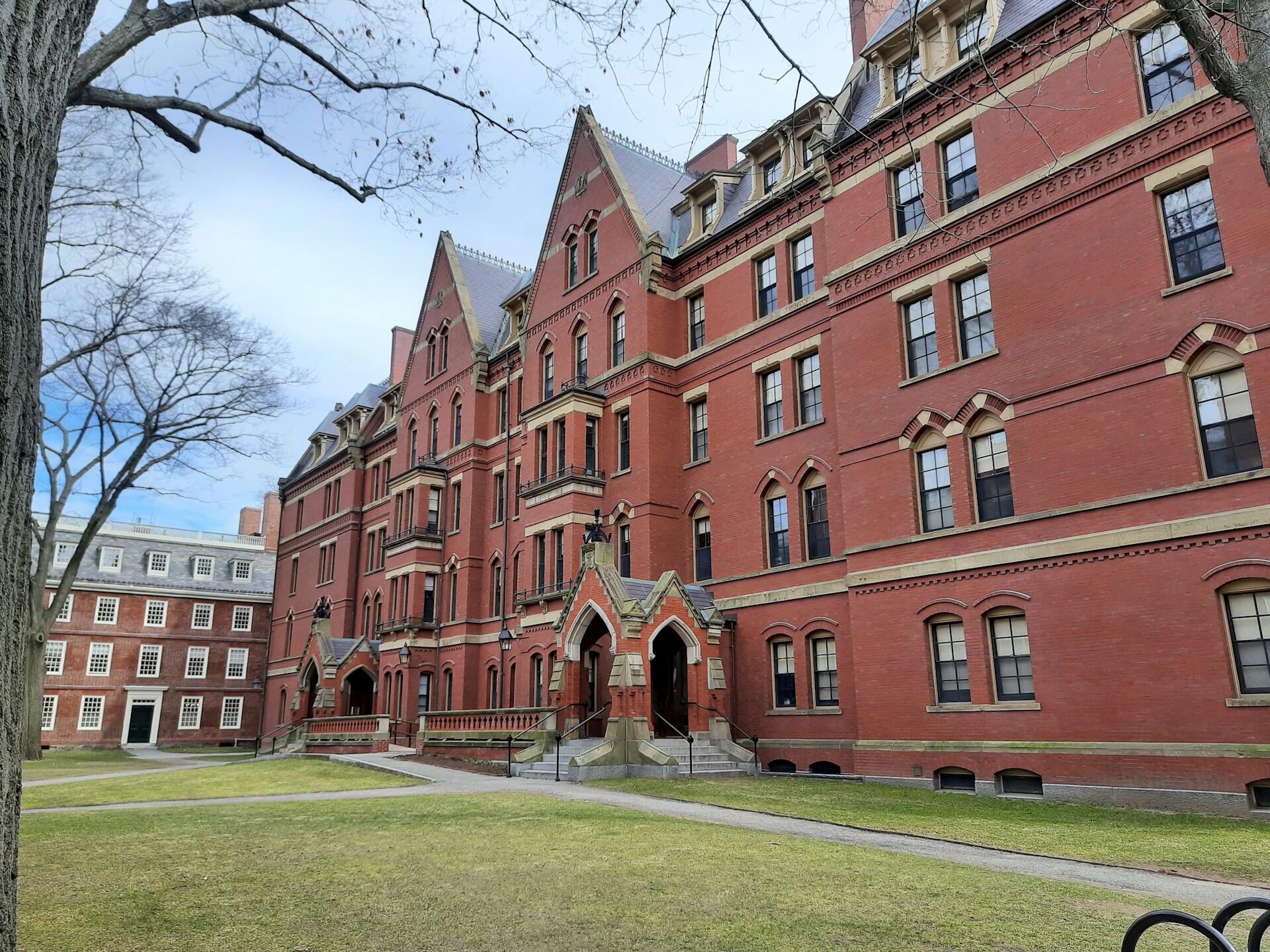
Naturally, these are the schools with the best immunology programs, but that doesn't necessarily make them the best school for you. Remember that choosing the right school depends on multiple factors including extracurricular options, the learning environment, the cost, etc. Also, while the best universities for immunology will naturally be a good choice for pretty much any student, not every school offers immunology as a major at the undergraduate level but instead, specialization in this area is offered at a graduate, Ph.D. or even postdoctoral level. Make sure you consider everything before applying!
Famous Immunologists and Their Work
Throughout history, many famous immunologists have shaped our understanding of the immune system through groundbreaking discoveries. Edward Jenner is often called the father of immunology for developing the first successful smallpox vaccine in the late 18th century, introducing the concept of vaccination. Louis Pasteur expanded on Jenner’s work by developing vaccines for rabies and anthrax, and by proving that microorganisms cause disease.
In the 20th century, Elie Metchnikoff discovered phagocytosis, revealing how certain cells protect the body by engulfing harmful particles, while Paul Ehrlich introduced the concept of antibodies and the “magic bullet” theory for targeted therapy. Later, Frank Macfarlane Burnet and Peter Medawar explained immune tolerance, earning the Nobel Prize for showing how the body distinguishes self from non-self. More recently, researchers like Bruce Beutler and Shizuo Akira uncovered key immune receptors, shaping modern immunotherapy and vaccine development that continue to save millions of lives worldwide.
Summarize with AI:
Did you like this article? Leave a rating!


 Loading...



With the discoveries of Pattern recognition receptors, PAMPs and DAMPs around 1990 and the explosive knowledge of the microbiome in the last 20 years medicine has changed. Sterile inflammation is a driver of most chronic diseases in our days. So immunology is a basic and complex science not dominated by more than 95% of physicians and medical students around the world. And if we do not understand the origin of the diseases how are we going to prevent and treat them?