
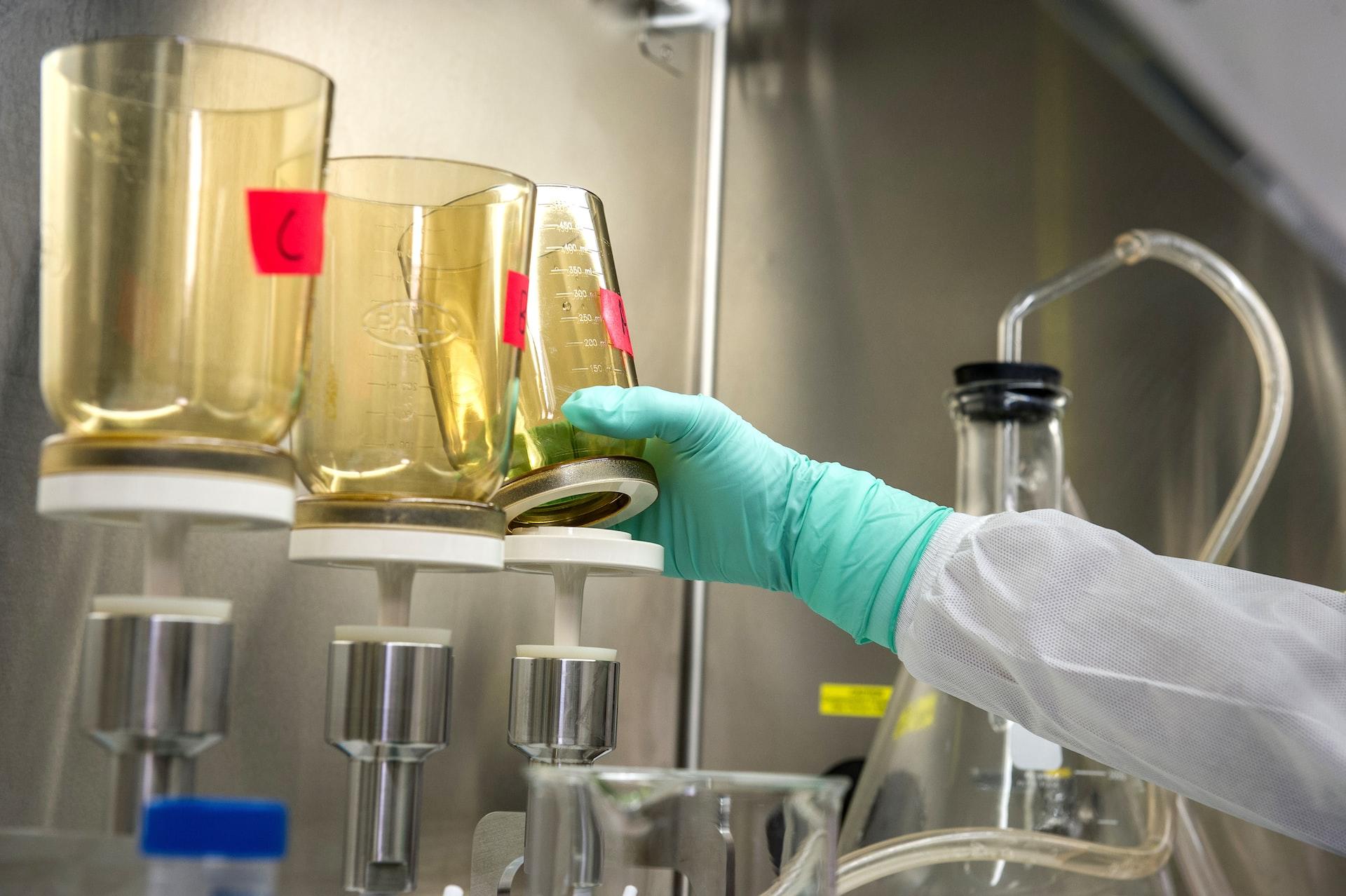

Medicinal chemistry is the scientific field that deals with how chemical agents interact with the human body to discover, isolate, or improve pharmaceutical products. It's a fascinating field, and medicinal chemists are responsible for the latest medicines and drugs. These pharmaceutical products may be designed to prevent, treat, or even cure illnesses and conditions. However, the complexity of the science in pharmaceutical chemistry makes it a very difficult subject to learn. Find out what elements of medical chemistry are the most challenging, and how you can overcome those challenges.


Understanding the Challenges of Medicinal Chemistry
Medicinal chemistry is no doubt a difficult subject. For certain students, it will be harder, depending on their natural inclination for understanding and being excited by chemistry and biology.
To avoid feeling defeated by pharmaceutical chemistry, it helps to break the subject down into its main demands. This way, students can develop plans to overcome specific challenges.
The following are the aspects of learning advanced chemistry that generally cause problems for students.
Medicine is not only a science; it is also an art. It does not consist of compounding pills and plasters; it deals with the very processes of life, which must be understood before they may be guided.
Paracelsus, Swiss physician and alchemist
Interdisciplinary Complexity
Medicinal chemistry is highly interdisciplinary, making it a very complicated field that requires in-depth knowledge of a variety of subjects.
For this reason, each subject cannot be taught in pure isolation. When studying drug design, for example, you must understand all the sciences that go into it: chemical bonding (chemistry), enzyme activity (organic chemistry), and how a drug behaves in the body (biology, biochemistry, and physiology).
Insufficient knowledge in one area can lead to a student’s inability to succeed overall. You must learn how to understand these different disciplines and how to apply information from each subject together as needed in any situation.
There are also many industry pathways in the medicinal chemistry field, so you'll likely expand your knowledge into other areas as you progress in your studies and career.
Medical or pharmaceutical chemistry exists at the intersection of several scientific subjects, including organic chemistry, biochemistry, pharmacology, and physiology.
Advanced Scientific Concepts
Unless you've taken every single AP class and also studied medicinal chemistry, organic chemistry, and biology at a college level outside of high school, you'll be tackling more advanced topics by the time you get to college.
More advanced means that you'll likely take more time to grasp topics, that there'll be more to remember, and that you'll need to understand a broader range of related topics, too.
This means that you'll likely find things difficult, and even if you don't at first, there's bound to come a time when you have to increase the amount of effort you put in.
Remember to look for a chemistry tutor near me for any help keeping up with your studies!
Extensive Laboratory Work
Laboratory work is a core part of medicinal chemistry programs. Students are expected to perform advanced procedures, such as synthesizing compounds, analyzing data, and following strict safety and reporting standards without constant supervision.

The time spent in the labs can be highly demanding, both in terms of actual time spent and mentally.
Mistakes are common, especially for newcomers, as a result of exhaustion or overwhelm, or when following complex procedures.
However, making a critical error in a lab can have irreversible effects, since equipment and materials are so expensive, and there might not be enough time to redo the process.
Additionally, writing proper lab reports requires top-notch scientific writing skills.
Many students struggle with this aspect, especially if their pre-college courses were more relaxed about it. Students must be active in learning how to read, understand, and craft lab reports more effectively to succeed in pharmaceutical chemistry.
Continuous Learning and Adaptation
Medicinal chemistry is not a static field. There are new drug targets, methods, technologies, and relevant data being released constantly. Even at the undergraduate level, students are expected to read current and emerging research and evolving practices.
This means taking an active role in seeking out information in the real world, even when it’s not explicitly required for your homework, projects, or tests. You are expected to read and comprehend scientific papers coming from other researchers and big drug companies.
You might need to adapt your existing assumptions, procedures, and knowledge to incorporate breakthroughs as they come. For some, this is exciting. For others, it can be overwhelming and stressful.
Succeed in your chemistry class with help from a professional tutor.
Learning how to learn is an essential skill to develop for anyone, but especially for those in the science community. Successful students and scientists constantly stay on top of the newest research-backed data, even after graduating.
Increased Workload
Usually, the workload for a degree is more than you've experienced in the past. This can sometimes trip up students, especially if they found high school rather easy and were able to succeed with little effort. When combined with more advanced classes and topics, an increased workload can make things more difficult to manage, but it is possible.
You'll need to stay on top of things and be organized. You'll need to pay attention in all of your classes, take notes, and plan your time effectively. The more work you have, the easier it is to fall behind and the harder it'll be to catch up if you do.
Learn how to study effectively so you can spend less time doing so while still reviewing and internalizing the information. Learn how to develop strategies for staying organized and avoiding burnout that work explicitly for you. The same strategies will not work for everyone; you need to run an ongoing experiment on yourself to see what makes you thrive.
A chemistry tutor near me can help you develop study strategies that help you learn.
Every Student is Different
Difficulty is subjective. Asking “Is medicinal chemistry hard?” without acknowledging the differences in students is not looking at the full question.
What feels hard for one student may be perfectly easy for another. Students with a strong background in chemistry and biology may adapt to the more difficult subject faster, while others might need to build up a foundation first.
Some students need structured explanations to understand, while others thrive in problem-solving-based learning.
The subject is demanding, but it is not designed to be discouraging or inaccessible. It simply requires thinkers who can balance all the necessary information and context at once. Not everyone can do this, but there are many who can, especially if they have the right support and learning techniques.
Strategies to Succeed in Medicinal Chemistry
Studying medicinal chemistry or pharmaceutical chemistry can be difficult, and you may need help with it. Fortunately, there are several ways to make it easier or more manageable.
Most struggling students are lacking organization, a functional study system, or support, not ability.
Be sure to establish effective and helpful techniques, and establish valuable helplines for yourself before you begin to fall behind. Having a framework to fall back on is better than trying to build one from the ground up after things already get difficult!
It’s common for students to need help in college or university, especially for difficult subjects like medicinal chemistry. Don’t feel bad for needing help. In fact, it’s better to learn from a variety of sources than rely entirely on yourself alone.

Effective Study Techniques
Medicinal chemistry cannot be learned solely through the material covered in class and passive reading. Active study is essential. Utilize tried-and-true study methods like
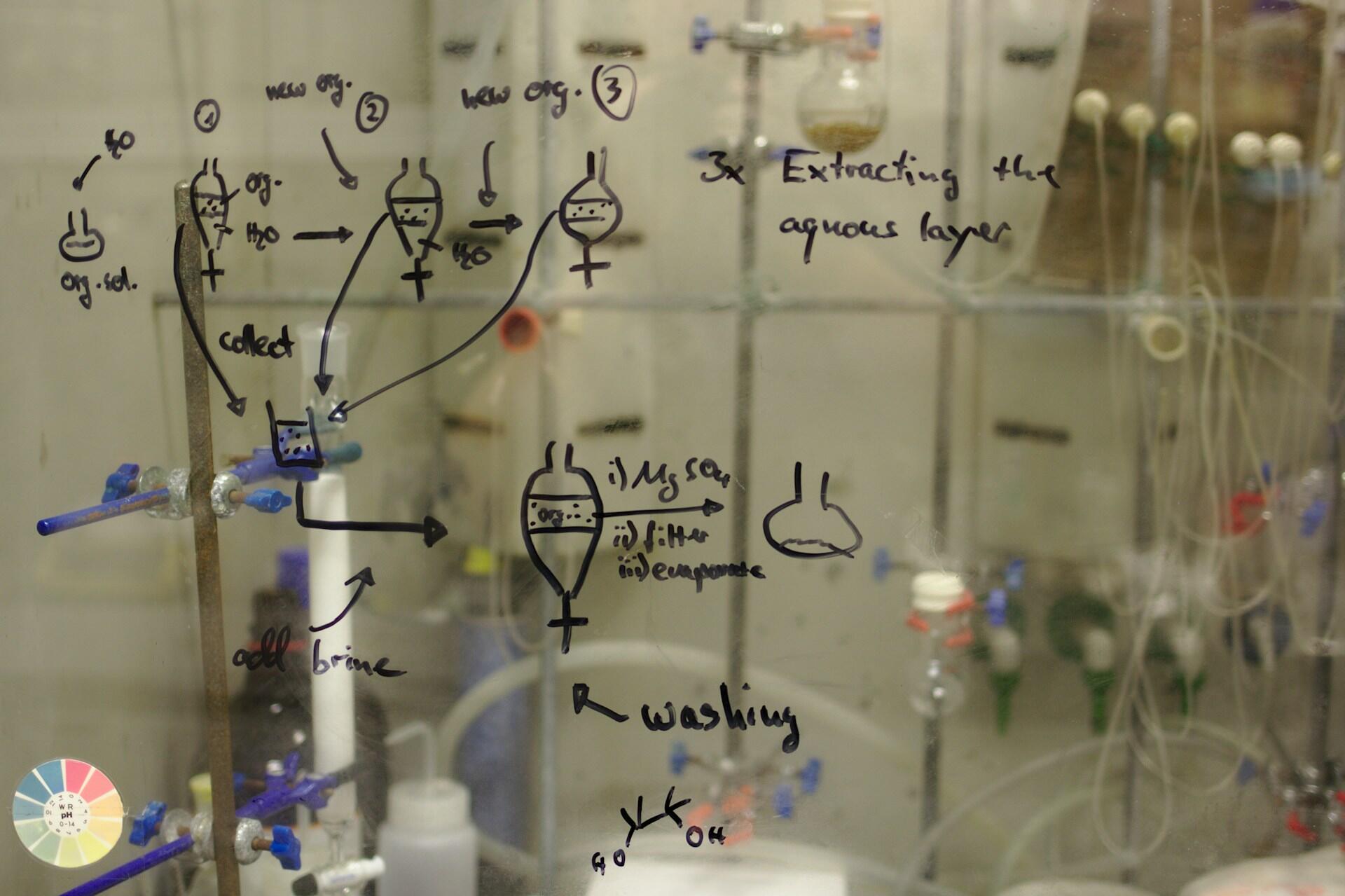
- Drawing reaction mechanisms, sketching molecular structures, and making other diagrams/drawings that help you understand and remember information
- Summarizing passages in your own words
- Testing yourself regularly
- Explaining concepts to others, either through writing or verbalizing (you can pretend to teach someone else or utilize the rubber duck technique like software engineers)
- Spaced repetition of reading and studying concepts
- Active recall
Short, frequent study sessions are more effective than long, irregular ones. You should set aside as much time as possible every day to review material without getting burnt out. Understand the “why” and “how” of the ideas you’re learning, rather than just trying to memorize.
Utilizing Available Resources
Most of the best colleges also have services to help students who are struggling with their classes or looking for better ways to study. They usually have peer tutoring, mentorship, and extensive help in the library. Many also have knowledgeable professors and researchers on staff, who may be a resource if you can connect and build a rapport.
Use the library printers, study rooms, and any other tools at your disposal to make your living and learning as easy as possible. Make the most of any resources offered by your school, especially since they’re already included in your tuition!
Study with Your Classmates
If there's somebody who's going to understand, it's likely going to be your classmates, as they're going through exactly the same thing.
Studying with classmates is not only a good way to help each other, but it's also a great way to hold each other accountable. It's harder to procrastinate or skip a study session if you know somebody else is already there waiting for you. Body doubling is a great method to get yourself to focus.

It can also be useful to check your understanding. Explaining concepts to somebody else is an excellent way to test that you understand what you’re saying. Test each other and push each other to do as well as you can. You can also work together, share notes, and pool your resources.
Speak to the Teaching Staff
There are also plenty of people at your school who can help you. Your lecturer would much rather hear that you're struggling and want to do something about it than hear nothing and see that you failed a test.
Make sure you attend the office hours of your professors to develop a good relationship with them and ask them for advice about the material they’re teaching.
Seeking Support with a Superprof Tutor
No matter which classes you struggle with, a private tutor can help.
With Superprof, you can easily find a private tutor for online or in-person lessons about any concept you’re struggling with.
Whether it’s organic chemistry, biology, biochem, physiology, or anything else, there's a tutor for you!
With a private tutor, you can get experts in medicinal chemistry to help you through the trickier topics and classes.
Or, get a tutor to help you with study techniques, taking notes, and a plethora of other transferable skills that can make you a more effective student.

Building a good foundation in your undergrad or graduate studies will help you be a knowledgeable and confident chemist. The skills you develop in studying and organizing, responsibility, and problem-solving will help you in more than just your chemistry career. Implementing good study habits and knowing how to stay on top of the latest pharmaceutical chemistry news means you’ll find it easier to succeed in the professional field.
Summarize with AI:
Did you like this article? Leave a rating!


 Loading...
