As you can imagine, medicinal chemistry is the discipline that uses chemistry for medicinal, preventative, or curative purposes. It's also known as pharmaceutical chemistry, which may give you a better idea of what it's all about. Medicinal chemistry is mostly involved with the design of pharmaceutical drugs and medicines. Put simply, somebody working as a medicinal or pharmaceutical chemist will probably be involved in studying what certain chemicals do in a medical sense and creating medicines and pharmaceutical products using them. To better understand what medicinal chemistry is, let's see what it entails, the kind of work medicinal chemists can do, where you can study medicinal chemistry, and whether or not it's difficult. You can also look for local support through a chemistry tutor near me.
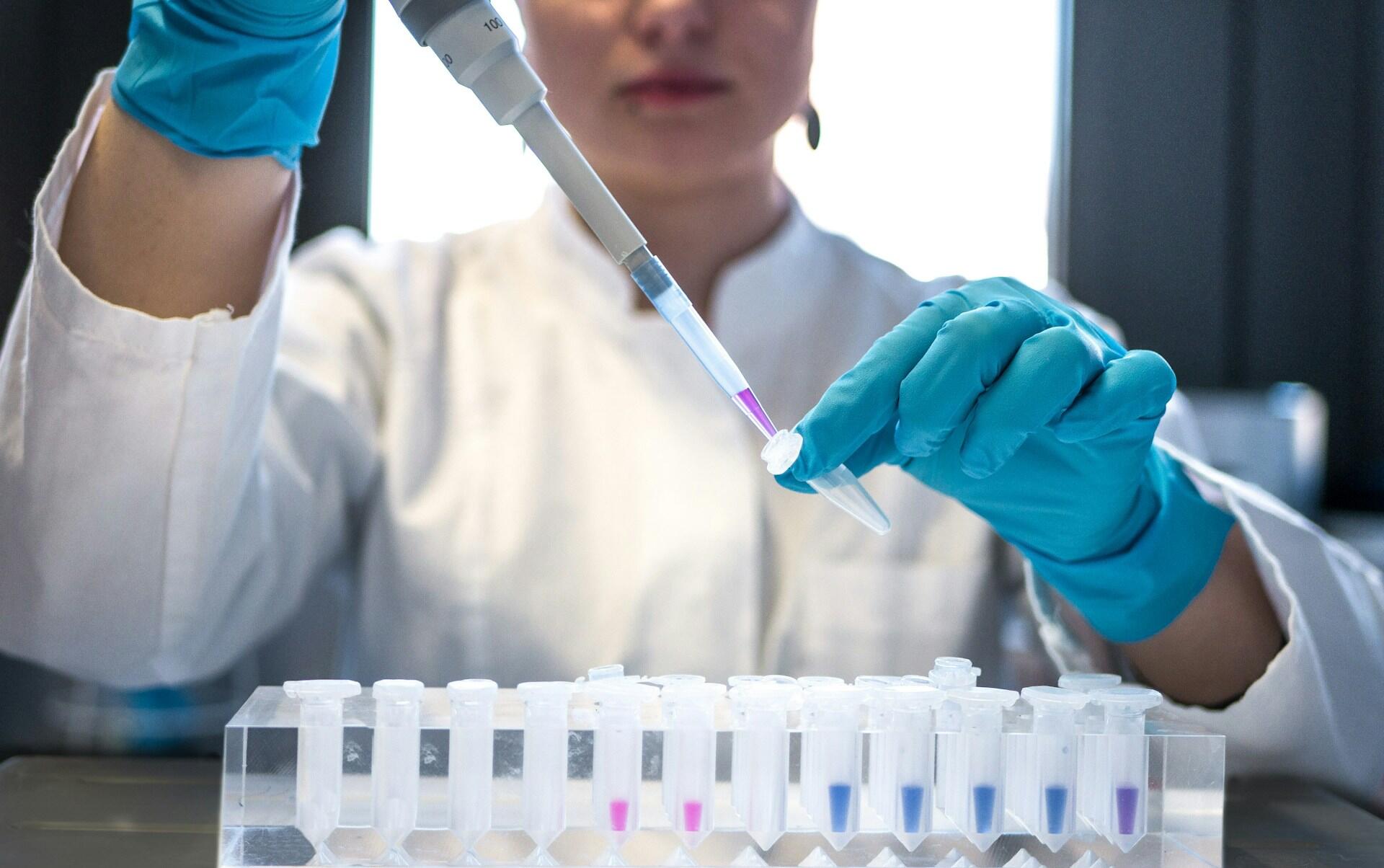
In medicinal chemistry, researchers look for ways to use chemical compounds to synthesize medicines and produce pharmaceutical products. Medicinal chemists work to study the chemical compounds that will be used to improve or create new medications. | Photo by Christina Victoria Craft on Unsplash Medicinal chemistry initially spent a lot of time looking at the compounds found in plants and attempting to isolate them for use in medicine. This still happens, but medicinal chemists also look to synthetic compounds. Their objectives are pretty much always to find or synthesize chemical compounds and chemical agents that work in certain ways to cure, prevent, or treat illnesses and conditions so that they can be used in the production of drugs. Likely, medicinal chemists won't work on their own and they'll often need to collaborate with chemists, biologists, pharmacologists, toxicologists, and lots of other scientists before they can go from discovering or isolating chemical compounds and developing and testing the drugs they'll be used in. For extra study help in specific areas, consider finding a chemistry tutor near me. It's not always just about developing new drugs, though. Medicinal chemists can also work with preexisting drugs and treatments to optimize or improve them. Medicinal chemists spend a lot of time looking at the structure of chemicals and even designing the structure, making it a fascinating field for those interested in chemistry, biology, healthcare, or even those with a bit of a creative flair.
How Do You Become a Medicinal Chemist?
Firstly, to become a medicinal chemist, you'll need to study chemistry and organic chemistry, in particular. Certain schools offer fairly direct tracks to becoming a medicinal chemist, but others may provide you with enough classes and courses in the right fields so that you can specialize in medicinal chemistry after your bachelor's degree. Medicinal chemistry isn't the most common undergraduate program, but there are many good options to specialize after that. | Photo by Joshua Hoehne on Unsplash Common undergraduate degrees include chemistry, organic chemistry, chemical engineering, and biological chemistry. It should also be noted that most medicinal chemists require postgraduate study including a master's degree or a Ph.D. You can't become a chemist with just a high school degree or GED, you have to have at least your undergraduate degree and it's estimated that around 60% of medicinal chemists do.
Which Are the Best Schools for Medicinal Chemistry?
If you're considering a career in medicinal chemistry, you'll have to get an education in it. Fortunately for you, there are many great schools across the country offering medicinal chemistry qualifications and pathways. These few come highly recommended for medicinal chemistry and are certainly worth checking out.
Massachusetts College of Pharmacy and Health Sciences
Purdue University
University of California - San Francisco
University of Illinois Chicago
University of Iowa
University of Michigan
University of Minnesota
University of Nebraska Medical Center
Saint Joseph's University
University of Washington
Of course, these are just schools that come highly rated for medicinal chemistry and while this is something important to consider when applying to schools, you'll want to also consider where the school is, the cost of living there, campus life, extracurricular activities, etc.
Some of the Other Jobs Medicinal Chemists Can Do
Even though medicinal chemistry is quite a specific career path, there are still quite a few different roles that you can do once you've qualified that may or may not be directly related to medicinal chemistry. After all, by studying medicinal chemistry, you'll gain a lot of useful skills and an understanding of chemistry and biology, too.
Chemist
At the end of the day, a medicinal chemist is a chemist, which means you can work as one. Keep in mind that if you don't feel like using your knowledge of chemistry to develop pharmaceutical products, you can still become a chemist. This is worth keeping in mind if you come across a job in chemistry that you find more interesting or lucrative than medicinal chemistry.
Environmental Scientist
As an environmental scientist, your job would be to protect the environment. Your job would be to research environmental issues and develop plans based on your findings to better protect the environment. Environmental scientists often work with government agencies, NGOs, research organizations, and anyone that could be involved in environmental policies.
Forensic Chemist
Forensic chemists help to solve crimes by using their understanding of chemistry and problem-solving skills. They mostly analyze chemical evidence found at crime scenes and present their findings to the relevant authorities for use in criminal cases. Forensic chemists usually work in crime labs, police departments, or private forensic labs.
Industrial Hygienist
An industrial hygienist's job is to ensure that industrial workers are safe from chemical hazards. Your understanding of chemicals and how they interact with the human body will be imperative here as you assess risks, develop and implement the protocols for ensuring everybody is as safe as they can be, and also offer training to staff members.
Materials Scientist
As the name suggests, a material scientist is interested in materials and how they work. In the same way that a medicinal chemist will look at how chemical compounds work in a biological setting such as the human body, material scientists look at how chemical compounds and structures work in a material sense. Generally, material scientists work to develop new or better metals, ceramics, polymers, or composites or conduct research on existing ones. Of course, these aren't the only jobs that medicinal chemists can do. Find out more about these ones and several others in our article dedicated to jobs for medicinal chemists.
How Difficult Is Medicinal Chemistry?
You should know that medicinal chemistry will definitely be as difficult as any other science degree and, in certain ways, even more difficult. If you're finding medicinal chemistry difficult, don't forget to reach out to your peers for help. | Photo by Priscilla Du Preez on Unsplash Every undergraduate degree should be at a certain level, after all, and medicinal chemistry is no different. Naturally, an undergraduate degree is a higher level than high school so the amount of work, level, and requirements should be more difficult than what you experienced in high school. Similarly, a master's degree should be more demanding than your undergraduate degree and your Ph.D. more difficult than your master's. Put simply, the difficulty should scale with the qualification that you're doing. Securing the guidance of a dedicated and experienced chemistry tutor is akin to unlocking the intricate secrets of chemical reactions, paving the way for a deeper understanding and mastery of the subject matter.
Is Medicinal Chemistry in Demand?
Medicinal chemistry is a difficult line of work to gauge demand as it's very specific and there are a lot of jobs that medicinal chemists can also do. There are lots of career options for those with an education in medicinal chemistry. | Photo by Mat Napo on Unsplash As with any field, supply and demand play an important role. The higher your education, the rarer you'll be as a candidate and the more in-demand you'll be when applying for roles. If fewer people have completed a master's degree than an undergraduate degree, your skills and knowledge will be beyond that of undergraduate-level applicants. While you'll be considered the “supply” in this example, the market itself should be considered the “demand”. One way to look at this is by the size of the market. As with any industry, money is a driving factor. The more money involved in a certain sector, the more people will want to invest in this sector and spend money on employing people to work in the sector. The good news here is that the outlook for the drug discovery market is very good. The compound annual growth rate (CAGR) of the medicinal chemistry for drug discovery market is 13.5% for 2022 to 2029 so the forecast is good for anyone interested in this field. There's always the risk that this growth won't last forever, but these figures are promising as they suggest that there's time, even with a postgraduate education being a requirement, of being able to study and become a medicinal chemist during this period of growth as demand in medicinal chemists would be likely to rise. This isn't to say that all growth will stop after 2029, but most experts don't forecast that far into the future. In terms of demand, all you need to know is that there's current demand, there's healthy demand to be expected this decade, and a medicinal chemist will also be in demand across different fields. Even if the market shrinks in the 2030s, there are still plenty of other fields and careers that will be open to you and your skills.
Summarize with AI:
Did you like this article?Leave a rating!
5.00 (1 rating(s))
Loading...
Joseph
Joseph is a French and Spanish to English translator, copywriter, and all-round language enthusiast.
Promoting Science Day: An Important Day in Today's Society Albert Einstein. Marie Curie. Stephen Hawking. Nikola Tesla. Rosalind Franklin. Alexander Graham Bell. Benjamin Franklin. I better stop before I start to sound like a Billy Joel song! What do the very talented people mentioned above have in common? They were all scientists that dedicated their […]
Guide to the Main Branches of Chemistry Chemistry has several branches, each focusing on different aspects of matter and its interactions. These include organic and inorganic chemistry, analytic chemistry, biochemistry, and physical chemistry. This article will go into more detail about each type to help you better understand their unique roles in science. Organic Chemistry: […]
What Are the Applications of Physical Chemistry? Physical chemistry has important usages in materials science, chemical engineering, and biophysics. It also plays a crucial role in developing new technologies like energy storage, catalysis, and drug design. But what exactly is physical chemistry and how does it get utilized for these applications? Find out more about […]
What Will You Learn in Biochemistry Lessons? If you’ve ever wondered if there was a way to combine your love of learning about biology, physiology, and chemistry into one study, the answer to your prayers is biochemistry. This unique science discipline is relatively new, having only been formally recognized in the early 1900s. With modern-day […]
Everything You Need to Know About Chemical Engineering Lessons We use chemical products in our everyday lives, from processed foods, pharmaceuticals and biologicals to fuel, cosmetics and detergents. However, do you wonder how these products are manufactured? This is where chemical engineering comes in. Are you interested in learning about the manufacturing process of different […]
A Step By Step Guide To Pursue A Pharmacy Degree Pharmacists play a crucial role in healthcare by serving as a channel between patients and doctors. Their duties stretch beyond handing out prescription-based and over-the-counter medications; they also oversee if medications are correctly administered, run health screenings, and counsel on living a healthy lifestyle. If […]
How Can I Specialize In Analytical Chemistry? For those who love it, chemistry can be a fun profession. Experimenting with different substances and chemicals to create something new and complex is exciting for those who have a passion for it. These folks regard becoming an analytical chemist as the ultimate career option. Passion aside, most […]
All The Benefits One Can Reap By Studying Inorganic Chemistry With the world changing so quickly, learning and the quest for knowledge have never been greater than they are now. So keep reading to find out what chemistry is and how you can benefit by studying it. If you want to learn more about chemistry, […]
Steps To Becoming A Chemistry Teacher In The States A career as a chemistry instructor can allow many undergraduate, graduate, and other professionals to improve their teaching and instructional abilities. A chemistry tutor is a qualified professional who assists students in overcoming learning difficulties in the complex subject. They assess the student's training requirements, fully demonstrate lessons, […]
February 21 2022 ∙ 7 minutes to read
Summarize with AI:
Frequently asked questions
What is medicinal chemistry?
Put simply, medicinal chemistry is a field of chemistry that deals with what effects chemical compounds have on the body and how they can be used to treat, cure, or prevent illnesses.
What jobs can you get with medicinal chemistry?
Medicinal chemists can work in the various stages of drug development and clinical research, but their broad range of skills makes them excellent candidates for other related jobs, too!







 Loading...