


JavaScript is a high-level, interpreted programming language commonly used to develop web applications. Its versatility and ubiquity make it a valuable skill for developers of all levels, and mastering it can open up many career opportunities.
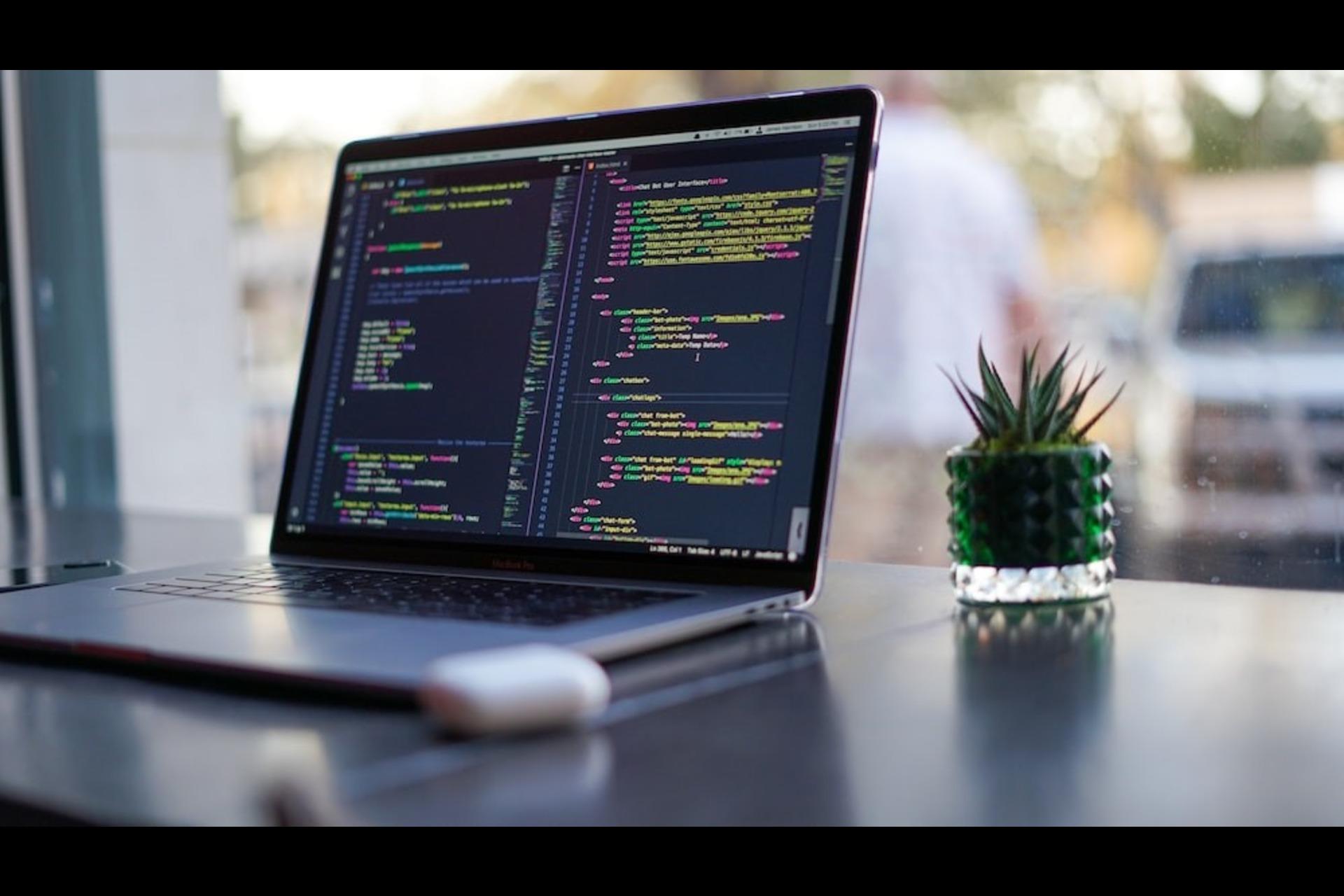
It is one of the most widely used programming languages in the world. It is essential to modern web development, powering everything from simple interactive elements on web pages to complex applications.
JavaScript's popularity can be attributed in part to its flexibility and simplicity. It is a dynamic language, meaning that developers can change the type of data a variable contains during runtime, making it easier to work with than statically typed languages like Java or C++.
Besides, JavaScript can be used both on the client and server sides, allowing developers to create full-stack applications with a single language. Many popular frameworks and libraries are also built with JavaScript, including React, Angular, and Vue.js.
Despite its many benefits, JavaScript is a complex programming language to learn. As we will explore in this article, there are several reasons why JavaScript learning for beginners can be difficult.
However, with dedication, practice, and the right resources, developers can overcome these challenges and master this essential programming language.


What Are the Basics of JavaScript?
JavaScript is an interpreted language, meaning it is executed line-by-line at runtime. This makes it very flexible and easy to use for rapid prototyping and development. It is also a loosely typed language, meaning variables can be assigned different data types at runtime.
One of the key features of JavaScript is its ability to manipulate a web page's Document Object Model (DOM). The DOM represents the web page in memory, and JavaScript can be used to modify the DOM to create dynamic and interactive web pages.
This includes adding or removing HTML elements, changing the content of existing elements, and responding to user events such as clicks or mouse movements.
JavaScript is also used for client-side validation. This means that JavaScript code can be used to validate user input before it is sent to the server. This is important for ensuring the security and integrity of web applications.
In addition to client-side development, JavaScript is also used for server-side development. This is made possible by platforms such as Node.js, which allow developers to write server-side code using JavaScript.
This has opened up a new world of possibilities and opportunities for web developers, allowing them to build powerful and scalable web applications.
History and Evolution of JavaScript
Created by Brendan Eich in 1995 as Mocha, this programming language was shortly renamed to LiveScript and finally to JavaScript.
The initial idea was to create a simple scripting language that could be used in web browsers to add interactivity to web pages.
At the time, the dominant player in the browser market was Netscape Navigator. The company was looking for a way to make its browser more dynamic and interactive, and JavaScript seemed like the perfect solution.
In its early days, JavaScript was used for basic tasks like form validation and mouse rollovers. However, with time, developers started to use JavaScript for more complex tasks, such as building interactive web applications.
One of the key turning points in the history of JavaScript came in 2004 with the release of Ajax (Asynchronous JavaScript and XML). Ajax allowed web pages to be updated dynamically without requiring a full page refresh.
This made web applications much more responsive and led to the development of more sophisticated web applications. Over time, JavaScript has continued to evolve and expand. Today, it is used for a wide range of tasks, from building single-page applications to creating complex 3D games.
The language has also been standardized by the European Computer Manufacturers Association (ECMA) in a specification called ECMAScript.
JavaScript has come a long way since its creation in 1995. What started as a simple scripting language for adding interactivity to web pages has grown into a versatile programming language used by developers all over the world.
With its continued evolution and development, it's clear that JavaScript will continue to play a major role in the future of web development.
Why Is JavaScript Difficult To Master?
A lot of people wonder, "Is JavaScript hard to learn?" Despite its popularity, JavaScript is a challenging programming language to master. However, learning this language offers many benefits, such as rewarding career prospects and growth. Let's explore the reasons why JavaScript is hard to learn!

Dynamic Typing
A major reason why JavaScript is hard to master is its dynamic typing system. Unlike Java and C++, JavaScript is not a strongly typed language. This means that variables can hold different types of values at different times, and the type of a variable can change dynamically during the execution of the program.
This makes it harder for developers to catch type-related errors during development and may lead to unexpected results during runtime.
Asynchronous Programming
Another major challenge in mastering JavaScript is asynchronous programming. It is designed to be a single-threaded language, meaning it can only execute one task at a time. However, modern web applications often require multiple tasks to be executed simultaneously, such as making network requests or performing complex calculations.
To achieve this, JavaScript uses a non-blocking event-driven model, which can be difficult to understand and master for developers who are used to traditional synchronous programming.
Browser Inconsistencies
JavaScript is primarily used for client-side programming in web browsers, and different browsers may have different language implementations.
This can result in inconsistencies and bugs that are difficult to track down and fix. In addition, different versions of the same browser may have different features and capabilities, which can further complicate the development process.
Complex Ecosystem
The JavaScript ecosystem is vast and constantly evolving. Elements such as countless libraries, frameworks, and tools are available, each with its own set of conventions and best practices.
This can be overwhelming for beginners and even experienced developers, who must constantly keep up with new developments and learn new technologies.
Debugging And Testing
Debugging and testing are essential aspects of programming but can be time-consuming and frustrating. JavaScript's dynamic nature makes it difficult to debug, and identifying errors in the code can be challenging.
Testing is also crucial for ensuring that the code works as expected, but it requires a deep understanding of the language and the environment in which it runs.
Scope And Hoisting
Another challenging aspect of JavaScript is scope and hoisting. Scope determines where variables and functions are accessible within a program while hoisting refers to the behavior of moving declarations to the top of their respective scopes.
Understanding these concepts is important for writing efficient and bug-free code, but they can be confusing to learn at first.
Performance Optimization
Performance optimization is another area that can make JavaScript hard to master. As web applications become more complex, they require an optimized code that runs efficiently.
Achieving optimal performance in JavaScript requires a deep understanding of the language's nuances, as well as the ability to write efficient algorithms and use appropriate data structures.
In general, JavaScript is a powerful language that has become ubiquitous in web development. While it may seem easy to learn, mastering JavaScript can be quite challenging. By understanding the language's nuances and mastering its fundamentals with JavaScript classes from platforms such as Superprof, developers can become proficient in the JavaScript programming language.

What Are The Best Online Resources To Learn JavaScript?
Learning JavaScript on your own can be challenging, especially if you are just starting out with tech programming and coding. Here's a table highlighting the best online resources to learn and master JavaScript.
| Resource | Description | Cost |
|---|---|---|
| FreeCodeCamp | A free online platform that offers a comprehensive curriculum for learning JavaScript and web development. Includes interactive exercises, projects, and certifications. | Free |
| Codecademy | An interactive online platform that offers courses in JavaScript and other programming languages. Includes personalized learning plans and quizzes. | Free or paid (pro membership) |
| Udemy | An online learning platform that offers a variety of courses in JavaScript and web development taught by industry experts. | Paid |
| Eloquent JavaScript | A popular book by Marijn Haverbeke that provides a comprehensive introduction to JavaScript programming. Available for free online or in print. | Free or paid (print version) |
| JavaScript.info | An extensive online resource that covers JavaScript fundamentals, advanced concepts, and browser-specific features. Includes interactive exercises and quizzes. | Free |
| Mozilla Developer Network | An online resource maintained by Mozilla that provides documentation, tutorials, and reference material for web developers. Includes comprehensive coverage of JavaScript and browser APIs. | Free |
| JavaScript30 | A free online course by Wes Bos that teaches JavaScript fundamentals through 30 hands-on projects. Includes video tutorials and code challenges. | Free |
| Pluralsight | An online learning platform that offers courses in JavaScript and web development, as well as other IT and software topics. | Paid |
| Stack Overflow | An online community where developers can ask and answer programming questions. Includes a wealth of knowledge on JavaScript and web development. | Free |
| YouTube Tutorials | Many developers create video tutorials on YouTube covering JavaScript and web development topics. Some popular channels include Traversy Media, The Net Ninja, and FreeCodeCamp. | Free |
Learn JavaScript Programming Language With Superprof
As more businesses move their operations online, the demand for skilled JavaScript developers has increased, making it a valuable skill to win in the modern job market.
If you're looking to learn and master the JavaScript programming language and want to take JavaScript classes near me, there is no better platform than Superprof to find a qualified tutor.
Superprof offers a vast network of experienced JavaScript tutors who can help you understand the complexities of the language. With Superprof, you can take personalized, one-on-one classes tailored to your learning style and availability.
So, don't let the challenges of learning a complex programming language hold you back. Sign up with Superprof today to take the first step towards mastering the JavaScript programming language.
Summarize with AI:
Did you like this article? Leave a rating!


 Loading...
