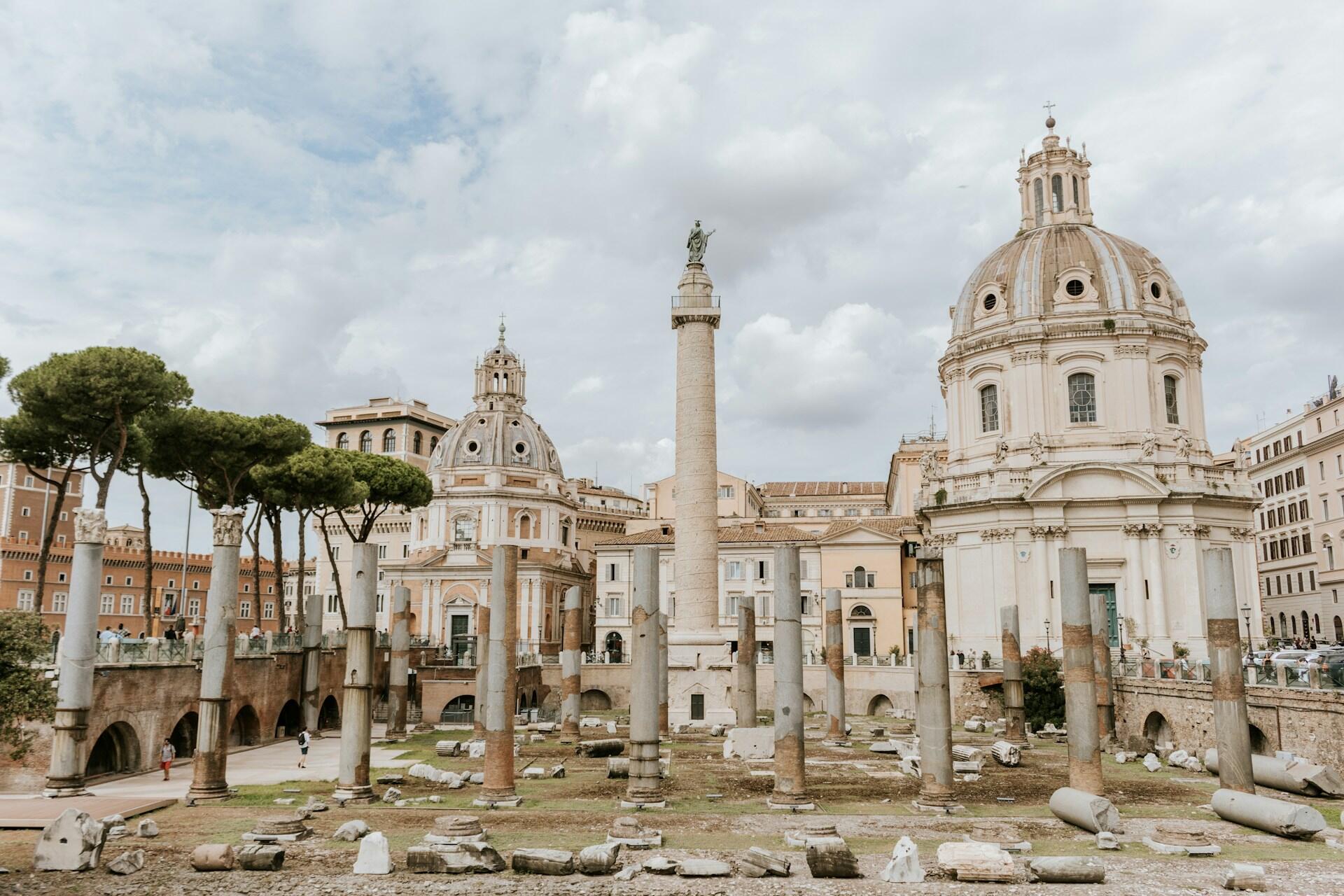

Latin is a language that originated in Latium, the region where the modern city of Rome, capital of the Roman Empire, was founded. Although it is now a dead language—it no longer has any native speakers—Latin remains the official language of the Vatican City State and is still used by teachers, scholars, and enthusiasts around the world.
In fact, it is in Vulgar Latin that we find the cultural, legal, philosophical, and linguistic basis of much of Western civilization. Languages such as Italian, French, Spanish, Romanian, and, Portuguese are derived from Latin, while English has significant Latin influences within the language and vocabulary.
So even if you have never formally studied this language, you may already know more Latin than you think. Want to try? Take our quiz below!
Quiz
Quiz :


English vs Latin: Similar, but Different
Latin and English, though different in structure and origin, are closely linked through centuries of cultural and linguistic exchange. While English is a Germanic language at its core, it absorbed a vast amount of Latin vocabulary, especially through French, after the Norman Conquest. Today, many English words in fields like science, law, medicine, and theology come directly from Latin, making the language feel surprisingly familiar to English speakers.
Check out how many Latin words influenced English!
| English | Latin |
|---|---|
| absent | absens |
| accept | acceptāre |
| benefit | bene factum |
| candidate | candidatus |
| fraternity | frāternitās |
| medicine | medicina |
| necessary | necessarius |
| number | numerus |
| obtain | obtinēre |
| people | populus |
| perfect | perfectus |
| science | scientia |
| transport | transportare |
| video | vidēre |
However, Latin operates quite differently from English. It relies on inflections, changes to the endings of words, to indicate grammatical roles, such as the subject or object. English, by contrast, depends more on word order and auxiliary words to convey meaning. This can make Latin challenging to translate, but also intellectually rewarding, offering a deeper understanding of how languages convey complex ideas.
The ancient Romans did not need to use punctuation, and wrote without spaces between words.
LVGETEOVENERESCVPIDINESQVE = Weep, O Venus
Still, many English speakers can recognize Latin roots in everyday words, often without realizing it and the language continues to shape the way we think and communicate. So before you say you don't know any Latin, take a moment, and take our quiz, to see just how much of this ancient language has stayed alive in our own vocabulary!
Summarize with AI:
Did you like this article? Leave a rating!

 Loading...