


“A gift without technique is nothing more than a dirty habit” [Un don sans technique n’est rien qu’une sale manie.] - George Brassens (1921-1981), Le mauvais sujet repenti.Learning to play the violin is a great idea, especially if you're really enthusiastic about music! However, there are no frets, a complicated bow technique, complicated tuning, and you’ll probably need to spend months in violin lessons just to be able to play in key and develop your playing technique. While very few children teach themselves to play musical instruments, a lot of adults do. It’s difficult to learn any bowed string instrument. That’s why in this article, we’ve come up with some advice for getting better at the violin.

The best Violin tutors available


Lily
$80
/h

1st lesson free!

Katharina
$50
/h
1st lesson free!

Lorena
$50
/h
1st lesson free!

Shiyoung
$60
/h
1st lesson free!

Yuliia
$50
/h
1st lesson free!

Inesa
$40
/h
1st lesson free!

Ha-eun
$60
/h
1st lesson free!

Leonor
$50
/h
1st lesson free!
Lily
$80
/h
1st lesson free!
Katharina
$50
/h
1st lesson free!
Lorena
$50
/h
1st lesson free!
Shiyoung
$60
/h
1st lesson free!
Yuliia
$50
/h
1st lesson free!
Inesa
$40
/h
1st lesson free!
Ha-eun
$60
/h
1st lesson free!
Leonor
$50
/h
1st lesson free!
How to Use a Chinrest and a Shoulder Rest
Where would a workman be without his tools? Before you start any project, you need to have all the necessary equipment.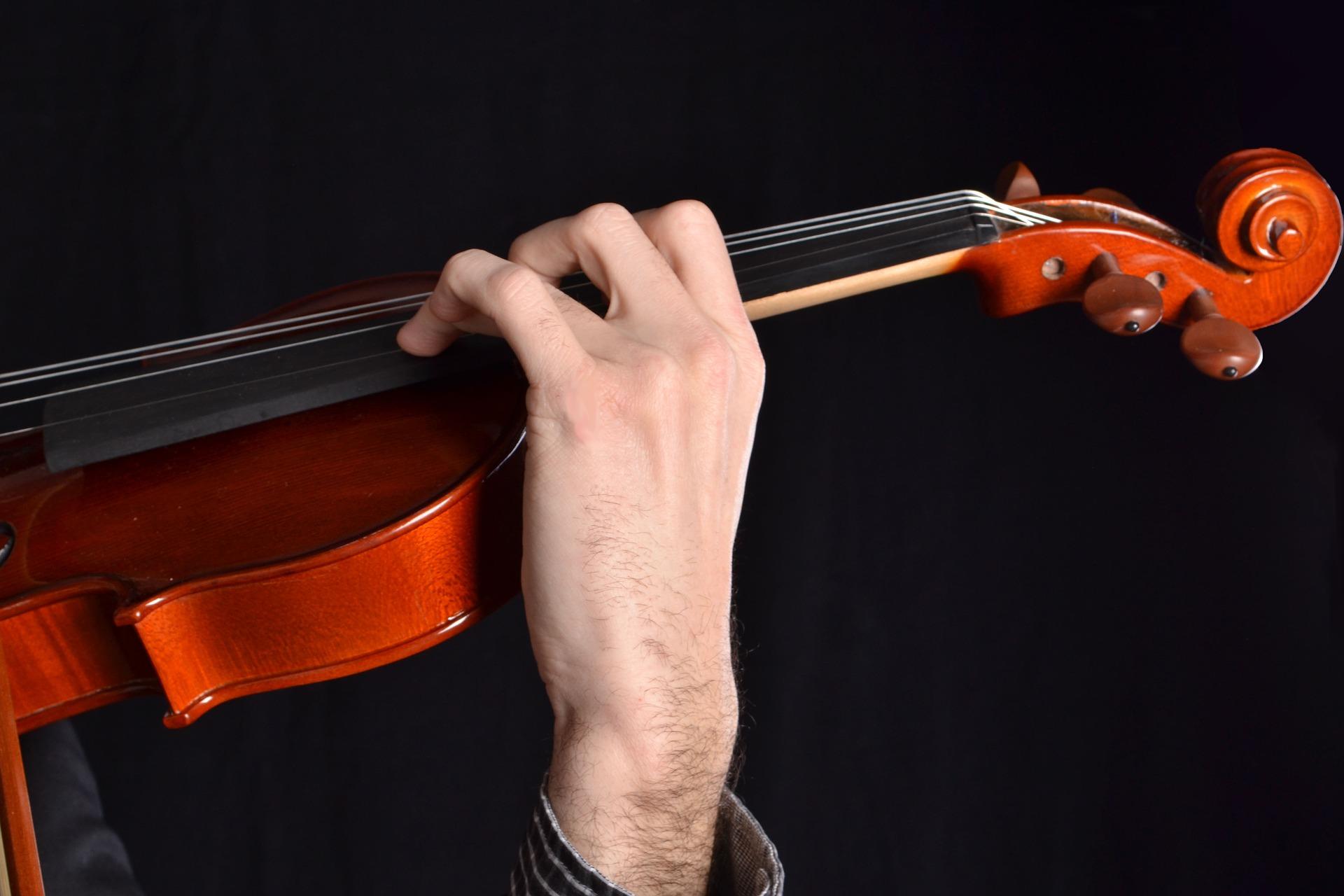
With a good chinrest, the violin will sit between your shoulder and chin without you having to crane your neck.We should also mention that the bottom of the violin will rest on your clavicle (collarbone) meaning that you might need a shoulder rest. There are many a heated debate on whether violinists should have a shoulder rest or not. A shoulder rest is a curved and rigid quilted bar which spans the back of the violin and rests against the violinist’s collarbone. When you add it to the back of the violin, you’ll see a change in the way you play as you may find it harder to reach certain strings with your left hand and making a good sound is more difficult. In other ways, it can improve your playing as you won’t be bothered by irritation. When it comes to getting shoulder rests, you can choose different colours, materials (plastic, ebony, rosewood) and sizes. Whether you play jazz violin, chamber music, or classical music, you’ll use a chinrest. The cost of a shoulder rest can vary between $20 and $200 depending on whether you get a budget one or a professional one. Chinrests go for between $10 and $200 depending on the model. We recommend that you try out these accessories in music stores before buying them, especially if you’re going to buy them online. Check out violin lessons NYC here on Superprof.
Choosing the Right Practice Mute for Your Violin
Do you play in an apartment or somewhere where the neighbours aren’t huge fans of music?Are the walls in your house paper thin?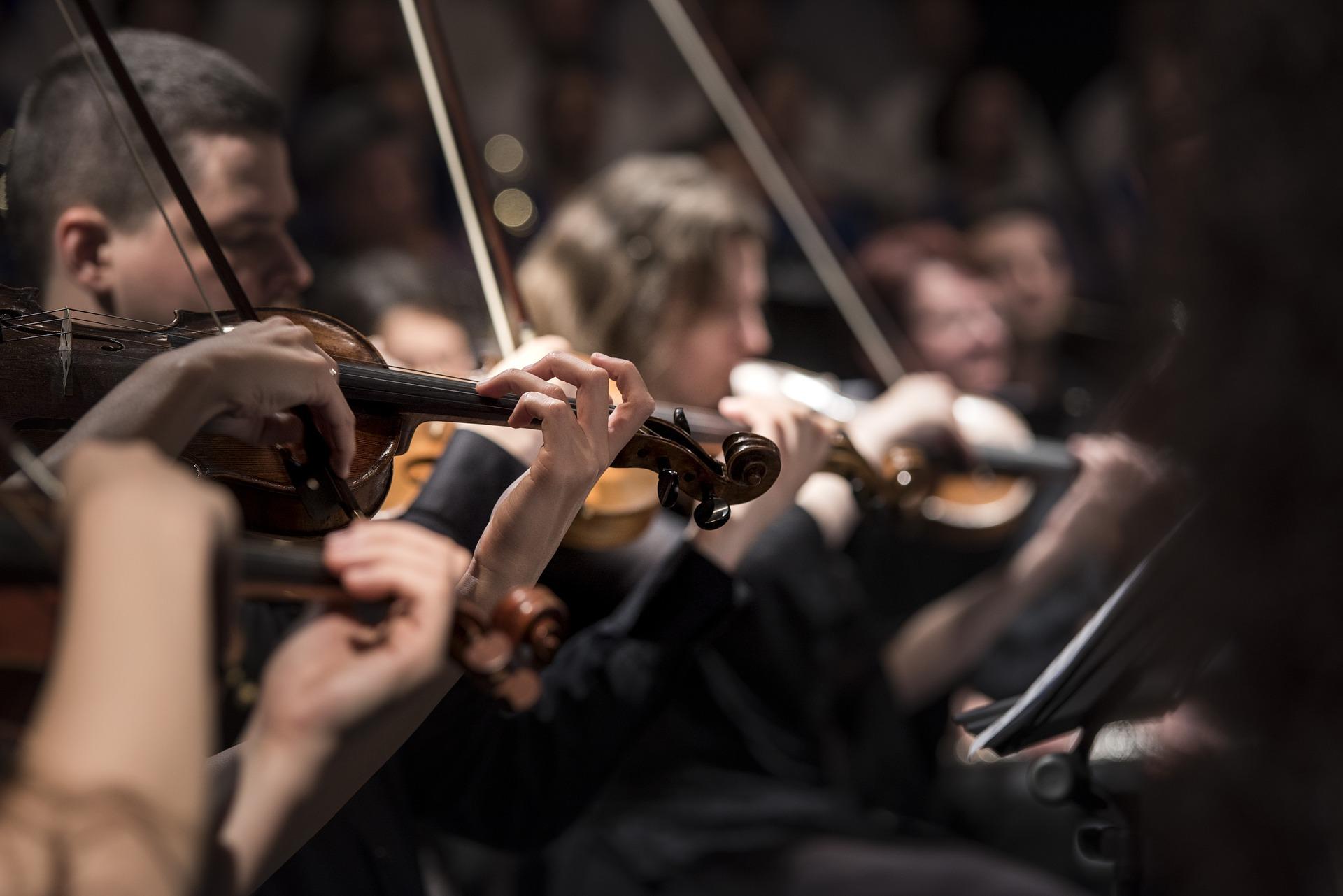
- Tourte shaped violin mutes: This is the most commonly used mute in orchestras. It’s made of rubber and has a magnet in the middle.
- Round tourte violin mutes: Just like the previous one, this can be used in chamber music and performances.
- Three-pronged practice mutes: These rubber mutes will drastically reduce the volume of a violin.
- Metal practice mutes: Similar to the previous mute but with a different tone.
- Wire practice mutes: This only slightly dampen the sound so it’s perfect for performances.
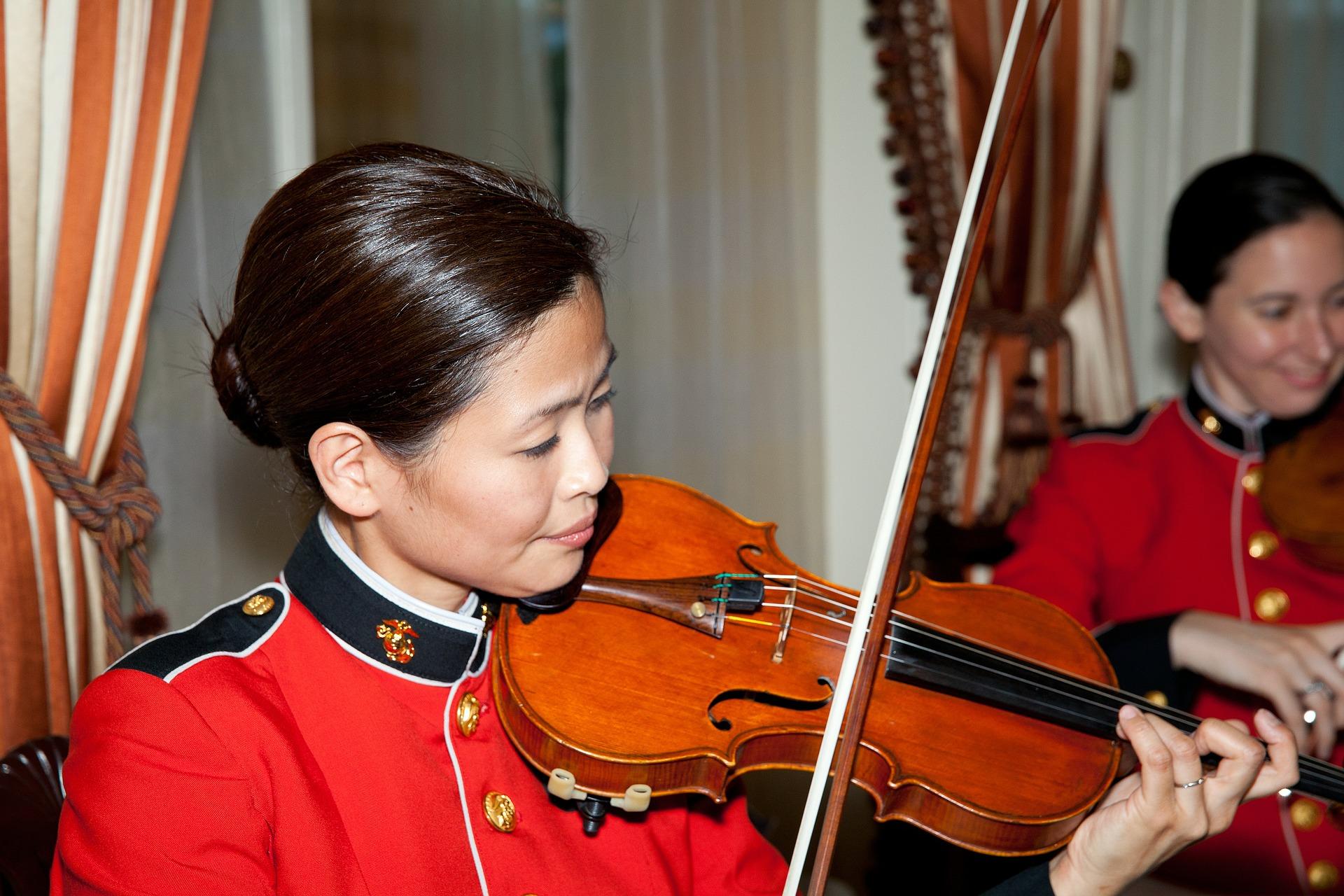
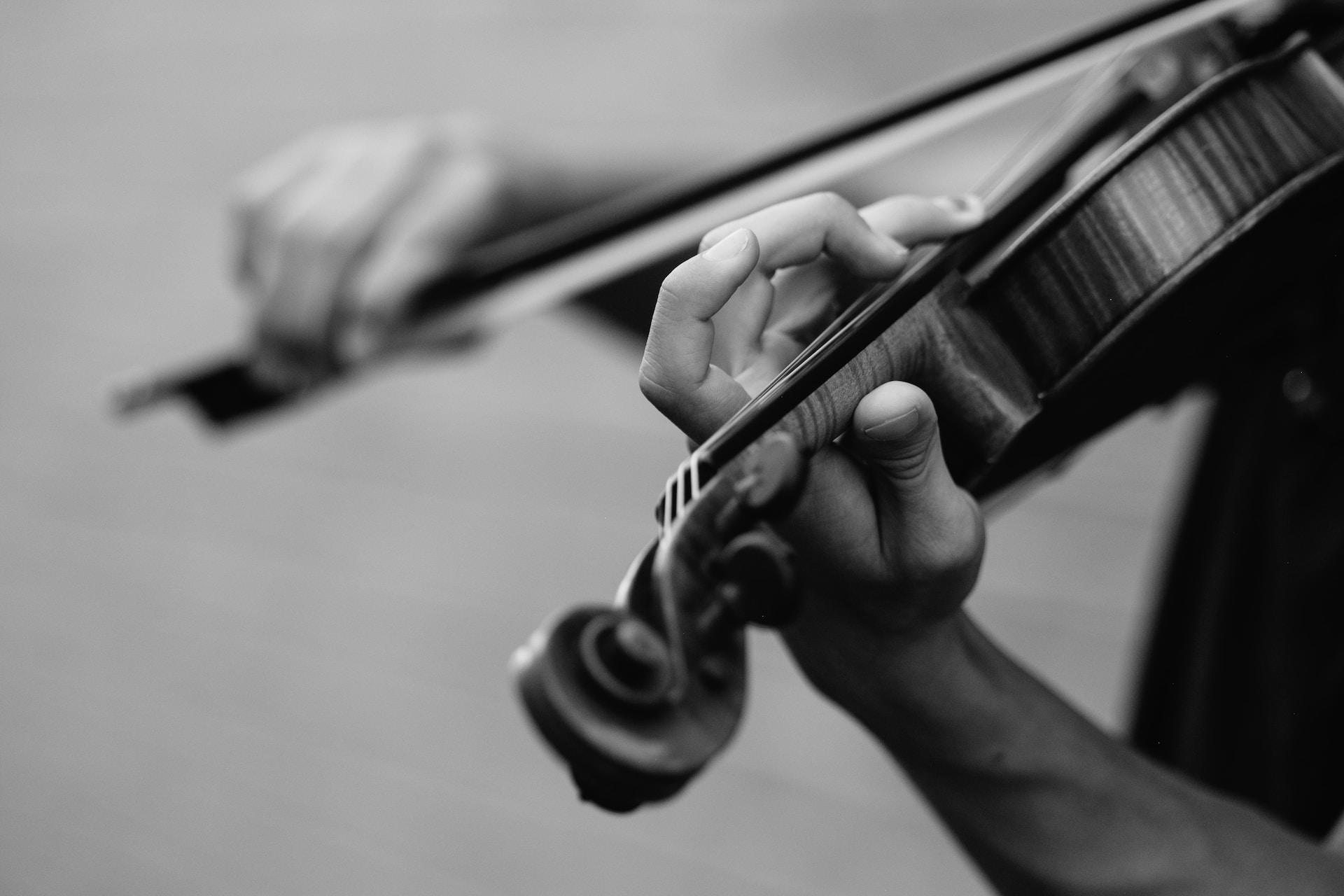
- Place the neck between the thumb and index finger on your left hand.
- Each finger needs to be straight
- Your hand mustn’t be tense
- Your right-hand needs to parallel with the neck.
- You’ll learn the basic positions of the violin once you start practising.
- 0 = Open string
- 1 = Index finger
- 2 = Middle finger
- 3 = Ring finger
- 4 = Pinky
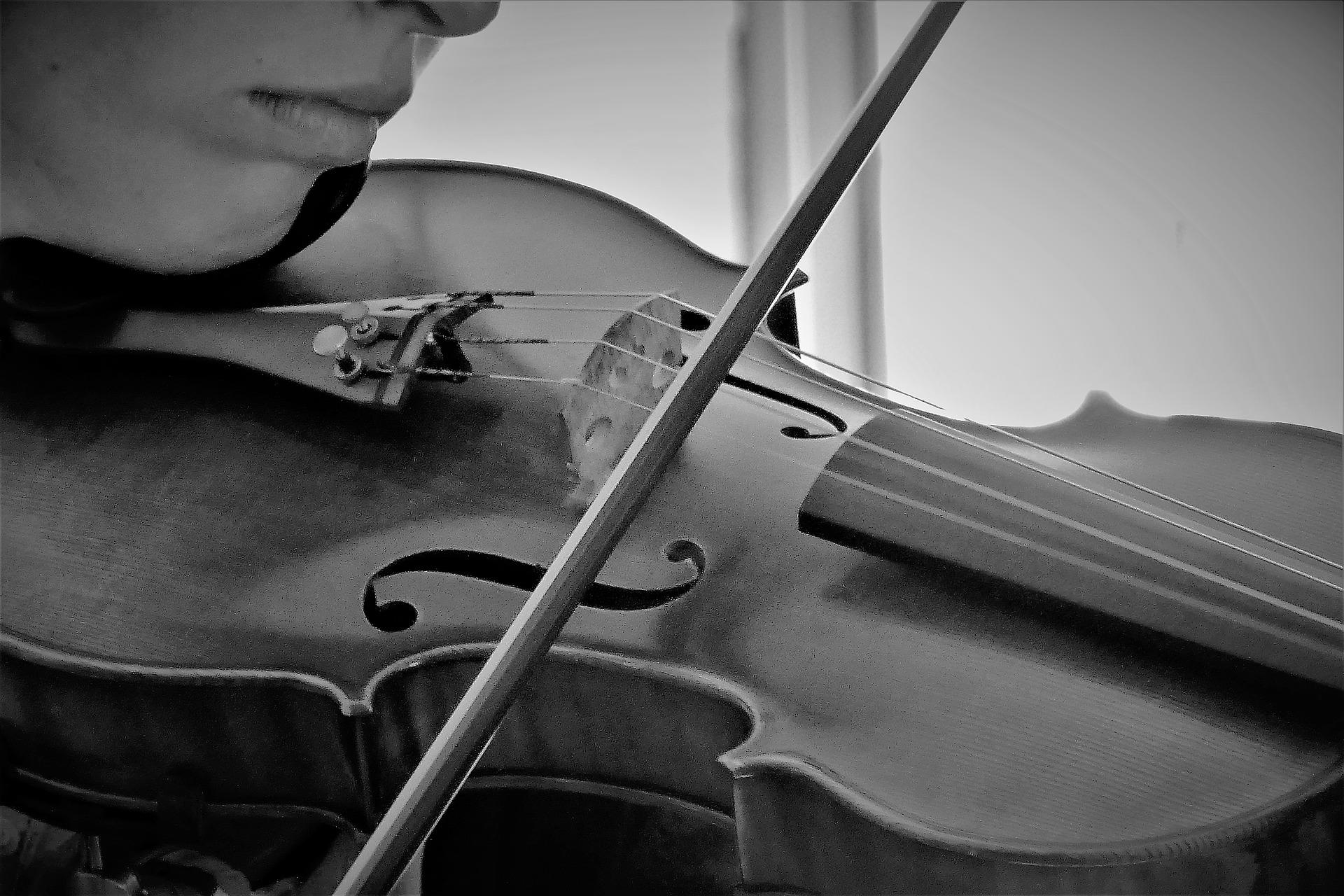
- Hand shifts
- Vibrato
- Trills
- Harmonics
- Double stops
- Pizzicato
- Glissando
- Harmonic Glissando
How to Play the Violin Left-handed
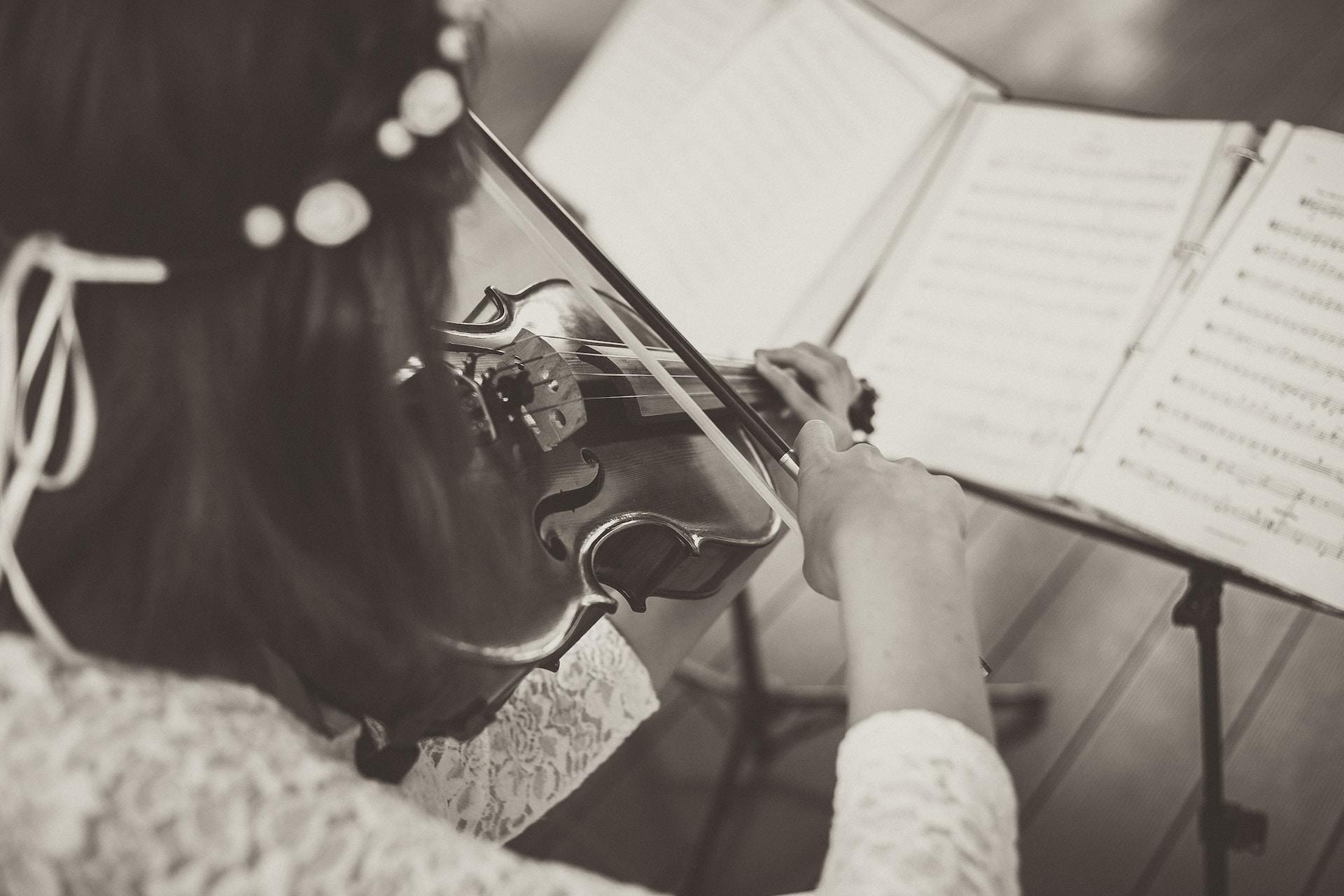
Sometimes, lefties will need to reverse the way an instrument’s played to feel more comfortable. If this is the case, the strings, the nut, the bridge, and the bass bar, etc. all need to be reversed. This can be a problem for teachers as they’ll also have to adapt.Right-handed violinists hold the bow in their right-hand. However, left-handed violinists play the notes on the neck with their right-hand. It’s imperative that you hold the bow correctly in order to play the notes correctly. Make sure to apply rosin to the hair on the bow before you play. Correctly holding your violin, and the bow, is a difficult technique to master and you can’t hold the bow like a baton. There are a number of good violin websites showing you exactly how to do this. After you’ve got the hang of holding the bow, you’ll then need to work on moving it in a figure eight. Don’t forget that the more pressure you apply to the bow, the louder you’ll play. You need to do more than just play a note correctly, you also need to nuance your playing. The Italian terms fortissimo, forte, mezzo forte, piano, and pianissimo are used to describe how loudly you’re supposed to be playing the notes. You’ll also need to learn different bowing techniques to produce different sounds. Nobody becomes a great violinist overnight, after all; not even with the best violin teacher near me! Find interesting violin lessons near me here on Superprof.Summarize with AI:
Did you like this article? Leave a rating!


 Loading...



Can you make a blog how to practice better in the violin?