


Atlanta has a rich and diverse musical heritage, particularly in genres such as gospel, blues, jazz, soul, hip-hop, R&B, and trap music.
Not only can you go to Atlanta to listen to great music and discover new artists, but you can also get your education in music.
An education in music can help anyone become a better musician or land a job in music. With that in mind, here's why you should study music theory, how you can do it, and the best places in Atlanta to learn more about it.
Here are the places we talk about in this article. Read on to find out more about them.
| Institution | Summary |
|---|---|
| Atlanta Institute of Music and Media (AIMM) | Offers programs like Associate of Applied Science in Music and Technology with specializations in instruments and music production. |
| Atlanta Music Academy | Provides private lessons, ensemble programs, and specialized courses in music theory, composition, and music production. |
| Callanwolde Fine Arts Center | Offers group classes and private lessons in piano, guitar, violin, voice, and more in a historic mansion setting. |
| Emory University - Department of Music | Offers Bachelor of Arts (BA) in Music with courses in music theory, composition, ethnomusicology, and performance. |
| Georgia State University - School of Music | Offers undergraduate and graduate programs including BM, MM, and DMA, with a strong focus on performance and music theory. |
| Jan Smith Studios | Specializes in vocal coaching and artist development with a focus on vocal training, rehabilitation, and live performance coaching. |
| Kennesaw State University - Bailey School of Music | Offers BM and BA programs in music with specializations in Performance, Composition, Music Education, and graduate MM programs. |
| Morehouse College - Department of Music | Provides BA and BM programs with options for performance, composition, and a unique focus on choral conducting and pedagogy. |
| Spelman College - Department of Music | Offers BA and BM programs with strong emphasis on music theory, performance, composition, and both classical and contemporary music. |
| The Atlanta Music Project (AMP) | A nonprofit organization offering tuition-free music education to underserved youth through orchestras, bands, and choirs. |




What Is the Study of Music Theory?
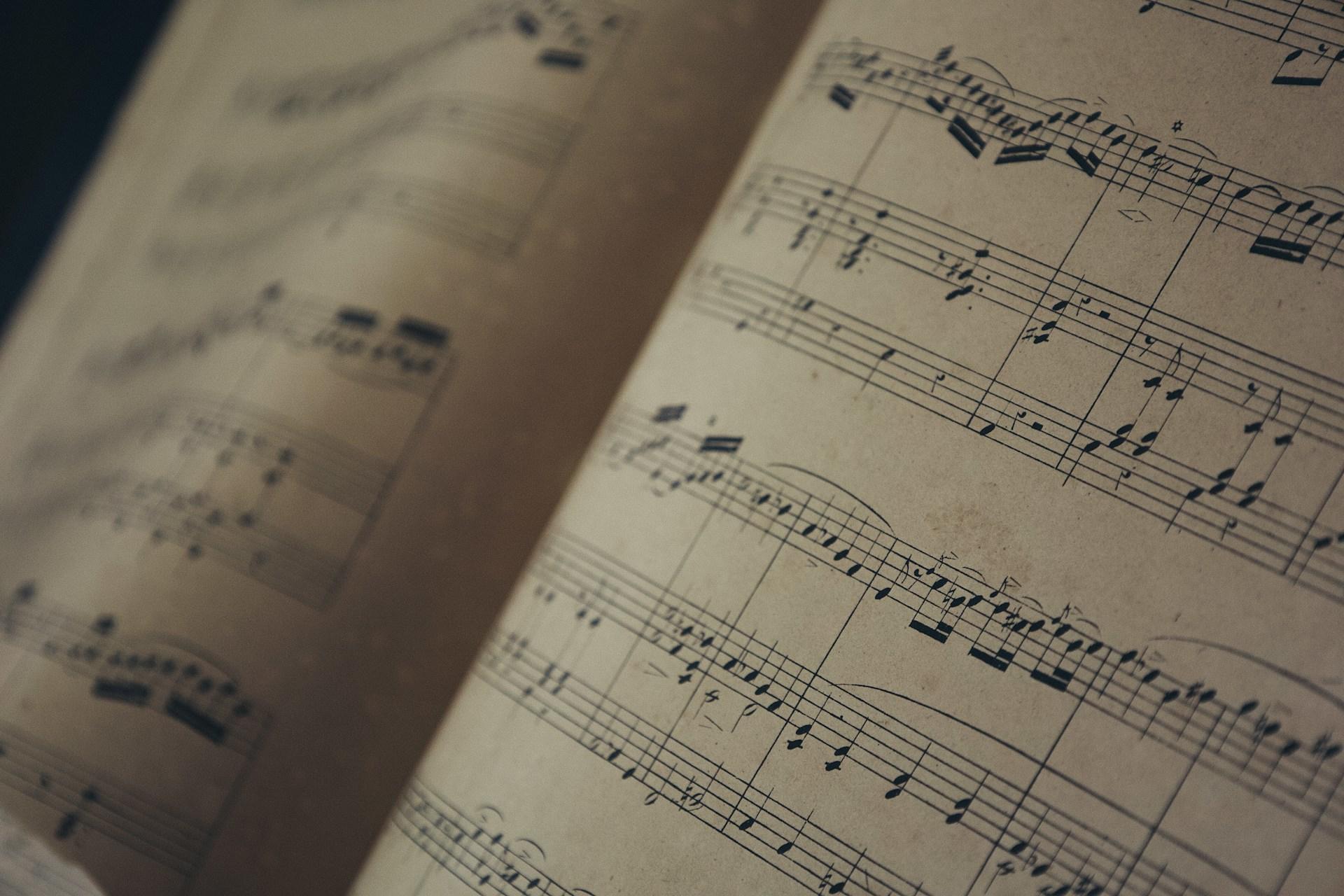
Music theory is the subject or academic field that underpins what music is and why it works. It does so by understanding and analyzing elements of music like pitch, scales and keys, intervals, chords and harmony, melody, etc.
Even without any formal training, a musician will need to gain some understanding of music theory. However, a good understanding of music theory will help with many jobs in music or to become a better musician.
Music theory not only helps musicians understand why certain structures sound the way they do, but it can also help them communicate with other musicians, essentially giving them a universal language to describe music.
Music theory helps musicians to talk to one another in terms that they all understand.
Without it, sheet music wouldn't exist and performance musicians would have to explain every part of every song to each musician in an ensemble!
Georgia State University - School of Music
The Georgia State University School of Music is in downtown Atlanta. Students can study a range of qualifications, with programs and courses offering options for classical and contemporary music backgrounds.
Undergraduate programs include the Bachelor of Music (BM) in Performance, Compositions, and Music Education, including music theory courses. Graduates can study the Master of Music (MM) or Doctor of Musical Arts (DMA).
In addition to the courses, students have plenty of opportunities to perform with the school's ensembles, orchestras, and choirs.
Of course, this isn't the only college in the United States offering these kinds of courses, and there are plenty of places to study music theory in Chicago if you're looking for something in the Midwest.
Emory University - Department of Music
Emory University's Department of Music is another excellent option for music students in Atlanta, Georgia.
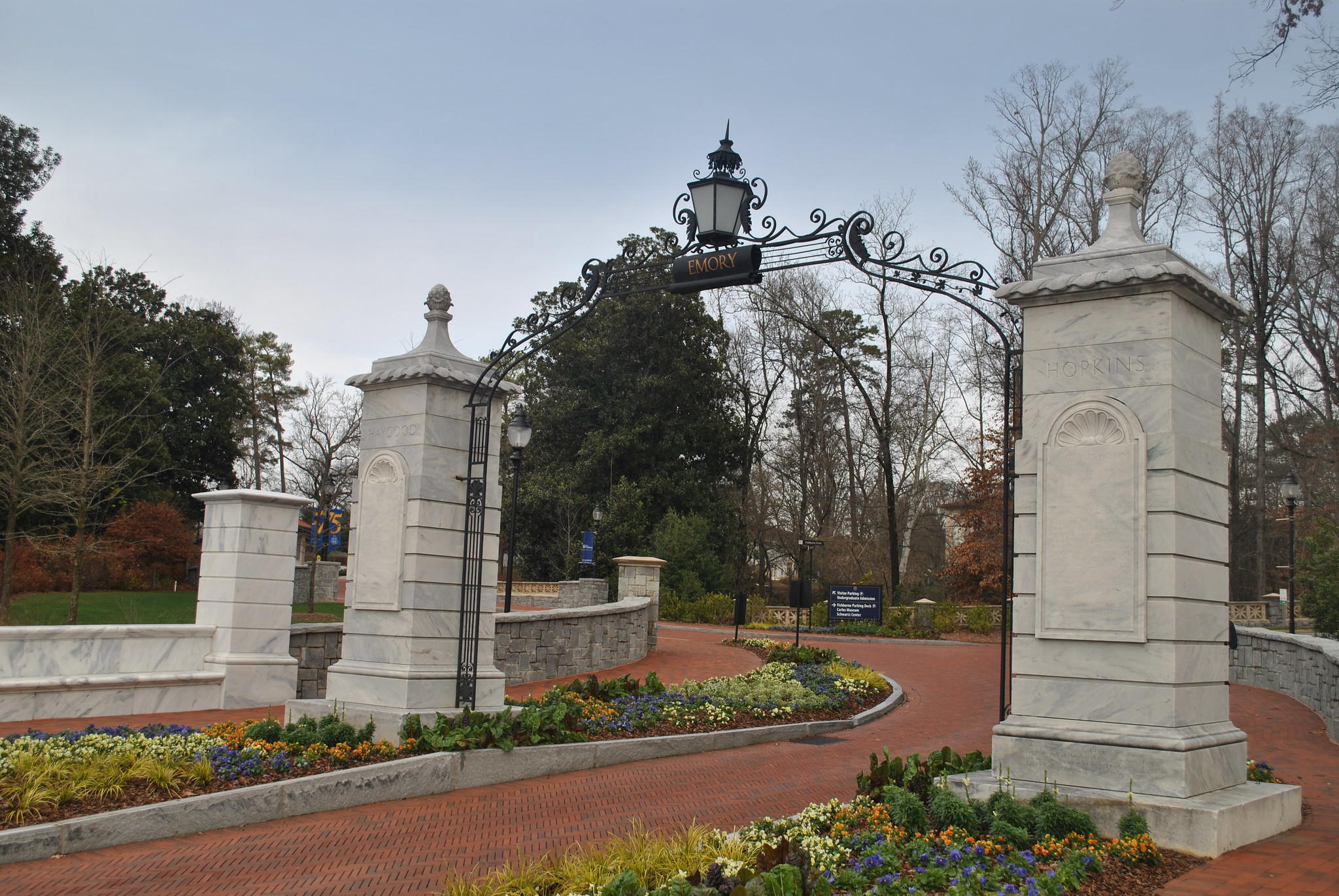
The comprehensive music curriculum offers academic and performance-based learning, allowing students to learn more about music theory from classical, jazz, and contemporary backgrounds.
There are also courses on composition, music history, ethnomusicology, and music theory!
Emory offers a Bachelor of Arts (BA) in Music qualification, and the music theory courses go from fundamental to advanced music theory.
The Master of Music (MM) in Sacred Music is also available in partnership with the Candler School of Theology.
Spelman College - Department of Music
Spelman College is a historically black women's college. The Department of Music has a strong music program that includes extensive music theory courses.
This includes courses on music fundamentals, harmony, form, and analysis, as well as courses focusing on music history and performance.
Spelman College awards a Bachelor of Arts (BA) in music, with the program emphasizing both classical and contemporary music through performance, composition, and study.
There's also the Bachelor of Music (BM) program, where students can major in performance, composition, or music education.
If you're interested in live performance, though, you could also go to the "Live Music Capital of the World" and study music theory in Austin, Texas.
Morehouse College - Department of Music
Morehouse College is historically a Black men's college and part of the Atlanta University Center.
Here, students can complete the Bachelor of Arts (BA) in Music program, which offers a broader liberal arts education for students looking to combine music with other studies.
The Bachelor of Music (BM) in Performance is more for students interested in becoming professional musicians. It offers specialized training in instrumental or vocal performance, complete with private lessons and ensemble performance opportunities.
The Bachelor of Music (BM) in Choral Conducting and Pedagogy is a unique program that builds upon Morehouse's choral tradition.
There are also options for students to minor in music alongside another major.
in a bar, but there are many different time signatures.
Atlanta Institute of Music and Media (AIMM)
The Atlanta Institute of Music and Media (AIMM) is a special institution that offers programs for students interested in working in the music industry as performers, producers, or media and sound engineers.
The Associate of Applied Science in Music and Technology program allows for guitar, bass, drums, keyboard, or vocal specializations. It combines courses in music theory, production, and technology.
There's also the Certificate in Music Performance, a shorter course offering foundational skills for those aspiring to become performing musicians. This program allows students to focus on a specific instrument or vocal training.
Kennesaw State University - Bailey School of Music
Kennesaw is located about 30 miles northwest of downtown Atlanta, and Kennesaw State University (KSU) offers several music programs through the Bailey School of Music.
Programs include the Bachelor of Music (BM) with options to specialize in Performance, Composition, or Music Education.
There's also the Bachelor of Arts (BA) in music, which allows students to explore music in a broader liberal arts context and offers them more flexibility in their studies. This is a great option for students who'd like to study music alongside other subjects like business, theater, or any other academic field.
Graduates can study the Master of Music (MM) program at KSU, which offers students more opportunities to study music in performance, music education, or conducting.
Atlanta Music Academy
Atlanta Music Academy is a specialist institution that offers music education to students of all ages in and around Atlanta.
Students can take private lessons on instruments such as piano, guitar, strings, percussion, woodwind, or brass or join ensembles such as chamber groups, orchestras, and choirs.
There are also specialized music theory, composition, music technology, and production programs.
Callanwolde Fine Arts Center
The Callanwolde Fine Arts Center is located in the beautiful Callanwolde mansion, which was the home of Charles Howard Candler, the son of the founder of the Coca-Cola Company.
There are programs and classes for painting, drawing, ceramics, photography, printmaking, dance, theater, and music.
The music programs include group classes and private lessons in piano, guitar, violin, voice, and other instruments.
Jan Smith Studios
Jan Smith Studios offers vocal coaching and artist development programs. Jan Smith is a vocal coach with decades of experience and a client roster that includes artists like Usher, Justin Bieber, Drake, Rob Thomas, Shawn Mendes, and many others.
There are options for vocal training, vocal rehabilitation, and voice coaching for live performances. This is more an option for singers, but there's naturally some level of music theory involved.
If you want to learn music theory closer to the capital of the entertainment industry, why not consider studying music theory in Los Angeles?
The Atlanta Music Project
The Atlanta Music Project (AMP) is a nonprofit organization that offers tuition-free music education to underserved youth.
This includes AMP Youth Orchestras, the Preparatory School that offers choir, band, and orchestra training for younger students, and the AMP Academy.
Resources to Help Learn Music Theory
In addition to any places in Atlanta we've mentioned, you can teach yourself music theory or complement other music theory lessons with the right resources.
There are plenty of books on music theory, including beginner's titles like "The Complete Idiot's Guide to Music Theory" and "Music Theory for Dummies". However, given that you're already online, we'd recommend looking at musictheory.net or Teoria. These two sites have plenty of great lessons and interactive content for learning about music theory.
YouTube channels like 12tone, Michael New, and Adam Neely offer video tutorials, explanations, and examples.
You could try apps like Tenuto, Perfect Ear, and Theory Lessons, the latter of which was developed by musictheory.net.
Learn Music Theory with Superprof
Everywhere we mentioned offers different ways of studying music and music theory. However, one of the finest ways to study music and music theory is with a private tutor.
After all, a private tutor can focus on teaching you about music theory no matter what your background in music is. They can focus on particular genres and songs you find interesting, adapting every session to the best ways to learn.
On the Superprof website, tutors are available in Atlanta, the United States, and worldwide.
There are tutors for different instruments, music theory, and even specific genres of music. Whether you're learning to play the piano, need help studying music at college, or want to compose your own music, a private tutor can help.
Many of the tutors on Superprof offer the first lesson for free, so you can try different tutors before choosing the one who's right for you and what you like to learn.
Find the perfect music theory tutor on the Superprof website today simply by searching for local or online tutors!
Summarize with AI:
Did you like this article? Leave a rating!

 Loading...
