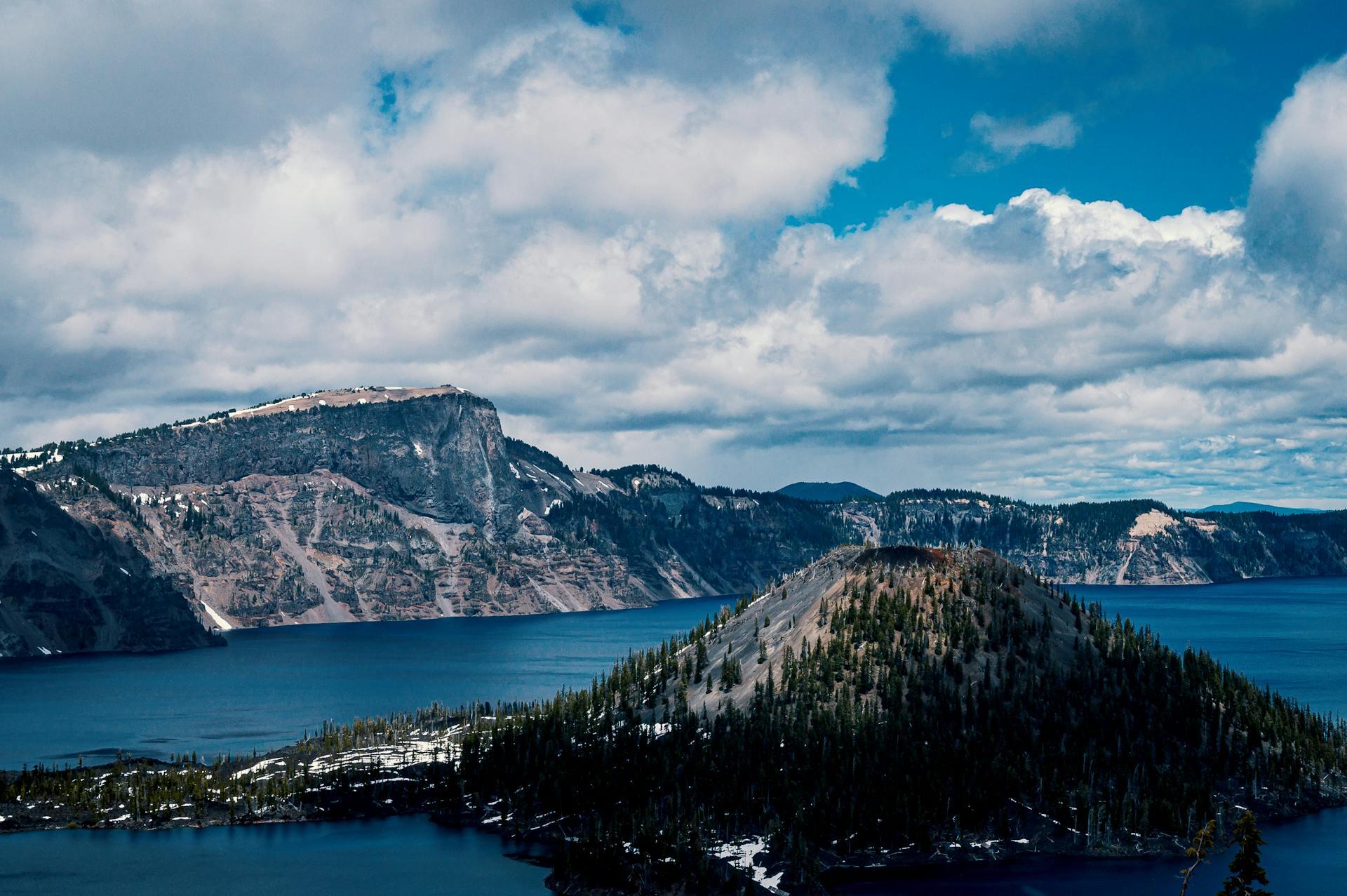

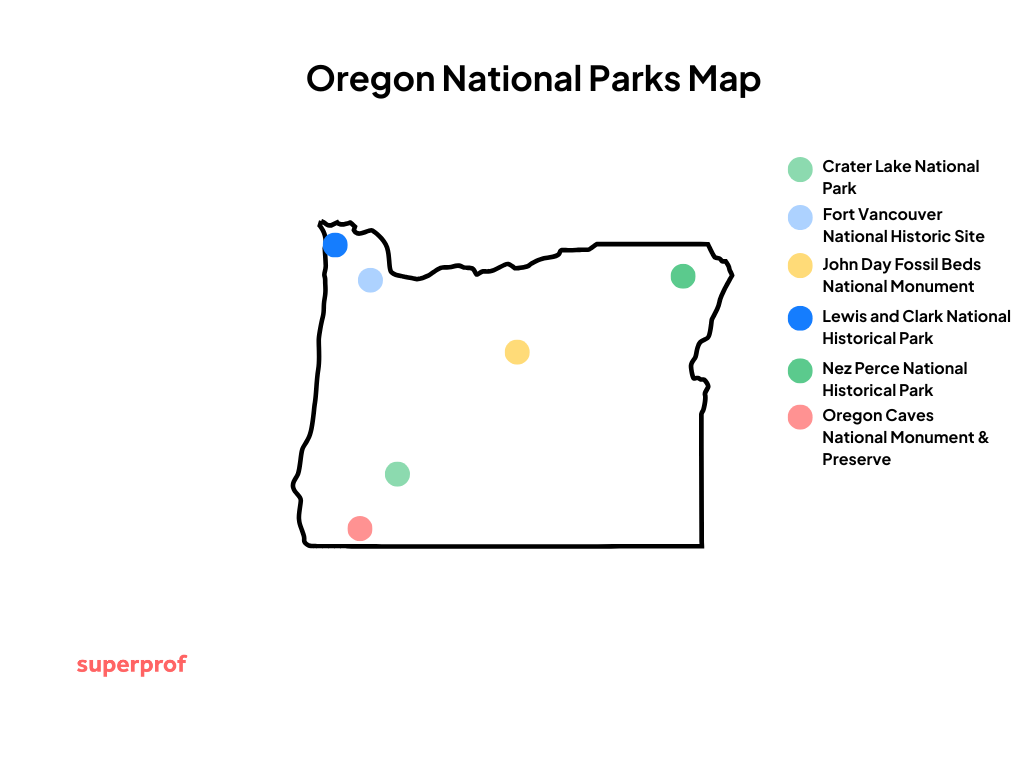
Although Oregon only has one official national park, it also houses many historic sites and monuments that also offer amazing experiences in nature. The sites cover many unique and iconic features of the Pacific Northwest, including volcanic landscapes, fossil-filled hills, and dense forests. These sites aim to preserve natural environments and educate visitors about the natural and cultural history of the area. Find out what you can discover by visiting these sites in Oregon!
What National Parks are in Oregon?
- Crater Lake National Park
- Fort Vancouver National Historic Site
- John Day Fossil Beds National Monument
- Lewis and Clark National Historical Park
- Nez Perce National Historical Park
- Oregon Caves National Monument & Preserve


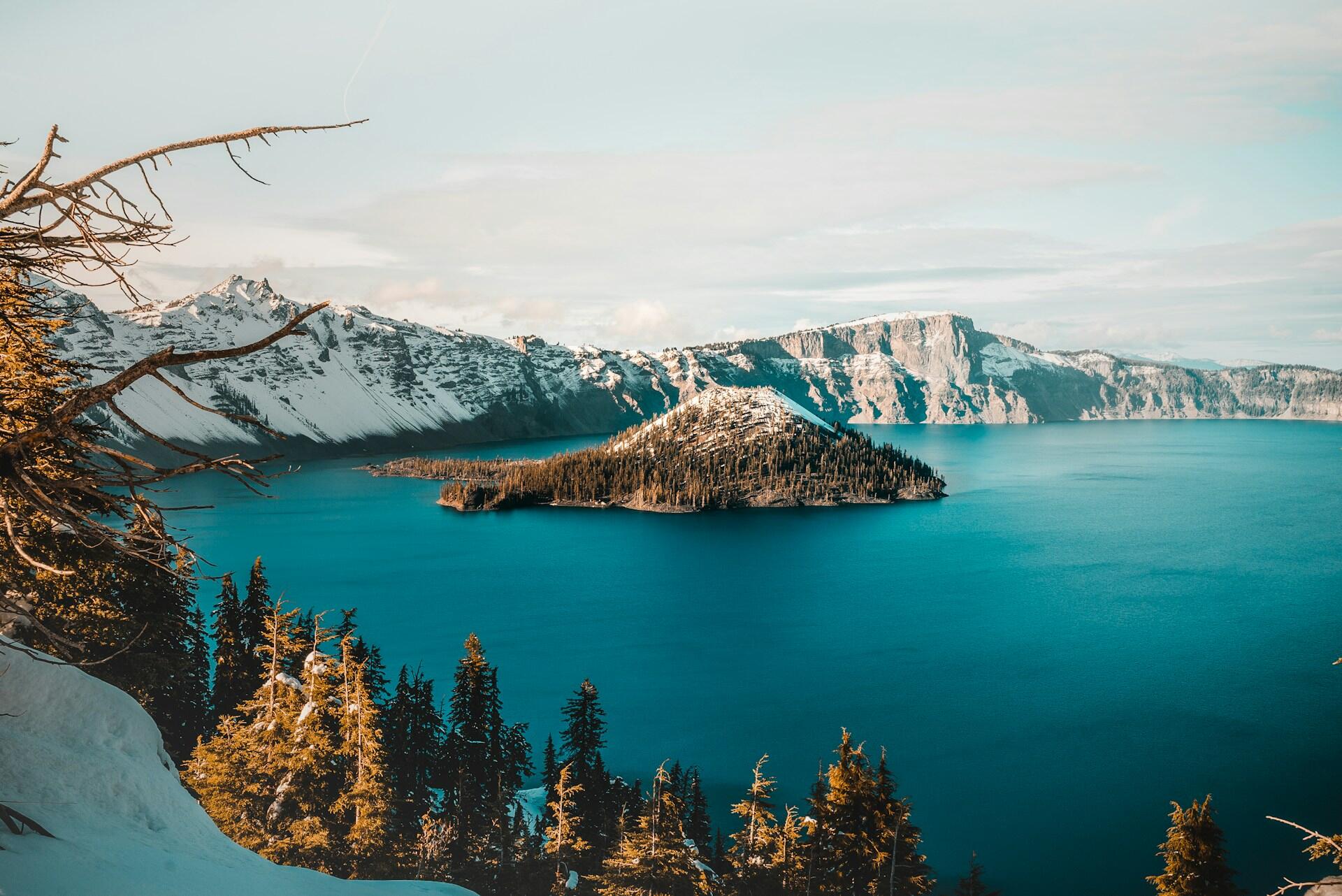
Crater Lake National Park
Crater Lake is the only national park in Oregon. It’s located in the south-central area, in the Cascade Range, near Klamath Falls. At the heart of the park is a deep volcanic caldera, which was created when Mount Masama collapsed about 7,700 years ago. Inside the collapsed depression sits Crater Lake.
Crater Lake is the deepest in the United States. It's often obscured by clouds, so it’s a good idea to check the visibility status on the official website if you’re expecting to be able to see the water on your hike.
at the deepest point!
The prominent island in the center of Crater Lake is known as Wizard Island. Visitors can typically access the island with a tour ferry company called Explor Crater Lake; however, tours are not being offered in 2026 through 2028 due to rehabilitation work. The other, smaller island in the lake is a rocky formation called Phantom Ship.
Other things to do include hiking, walking tours, snowshoeing and cross-country skiing, snowmobiling, trolley tours, scenic drives, bicycling, birding, fishing, camping, and backcountry camping.
Find out which national parks in the United States to add to your road trip itinerary.
There are over a dozen main trails to explore. Some popular routes include: Crater Peak, Boundary Springs, Grayback Road, Lady of the Woods, Castle Crest, Pumice Flat, Pacific Crest Trail, Union Peak, Red Cone, Discovery Point, Watchman Peak, Rim Trail, Mount Scott, and Sun Notch.
Note that for the 2026, 2027, and 2028 seasons, the Cleetwood Cove trail, the only path down to the lake shore, will be closed for rehabilitation.
Visitors enjoy Rim Village, which features a handful of buildings from the early 20th century, including the Rim Visitor Center, Crater Lake Lodge, and Sinnot Memorial Overlook museum. The Watchman and Cloucap overlooks are particularly popular. The summer and winter seasons are full of ranger-led programs, such as guided hikes and night sky programs, and snowshoe walks, respectively.
Take a trolley tour to enjoy the sights without worrying about the drive! If you want to use your own vehicle, you can traverse the Rim Drive: 33 miles with 30 overlooks for ample lake views, panoramic landscapes, and forests and meadows.
There are two campgrounds at Crater Lake: Mazama Campground and Lost Creek Campground. Both are only open in the summer season. Mazama is managed by Explor Crater Lake and requires registration. For a more luxurious experience, you can book a room at Crater Lake Lodge or The Cabins at Mazama Village. For a rugged experience, backpackers can camp almost anywhere in the park’s wilderness. You must obtain a permit no more than 1 day before you begin camping, and you must adhere to all the rules of wilderness camping.
Fort Vancouver National Historic Site
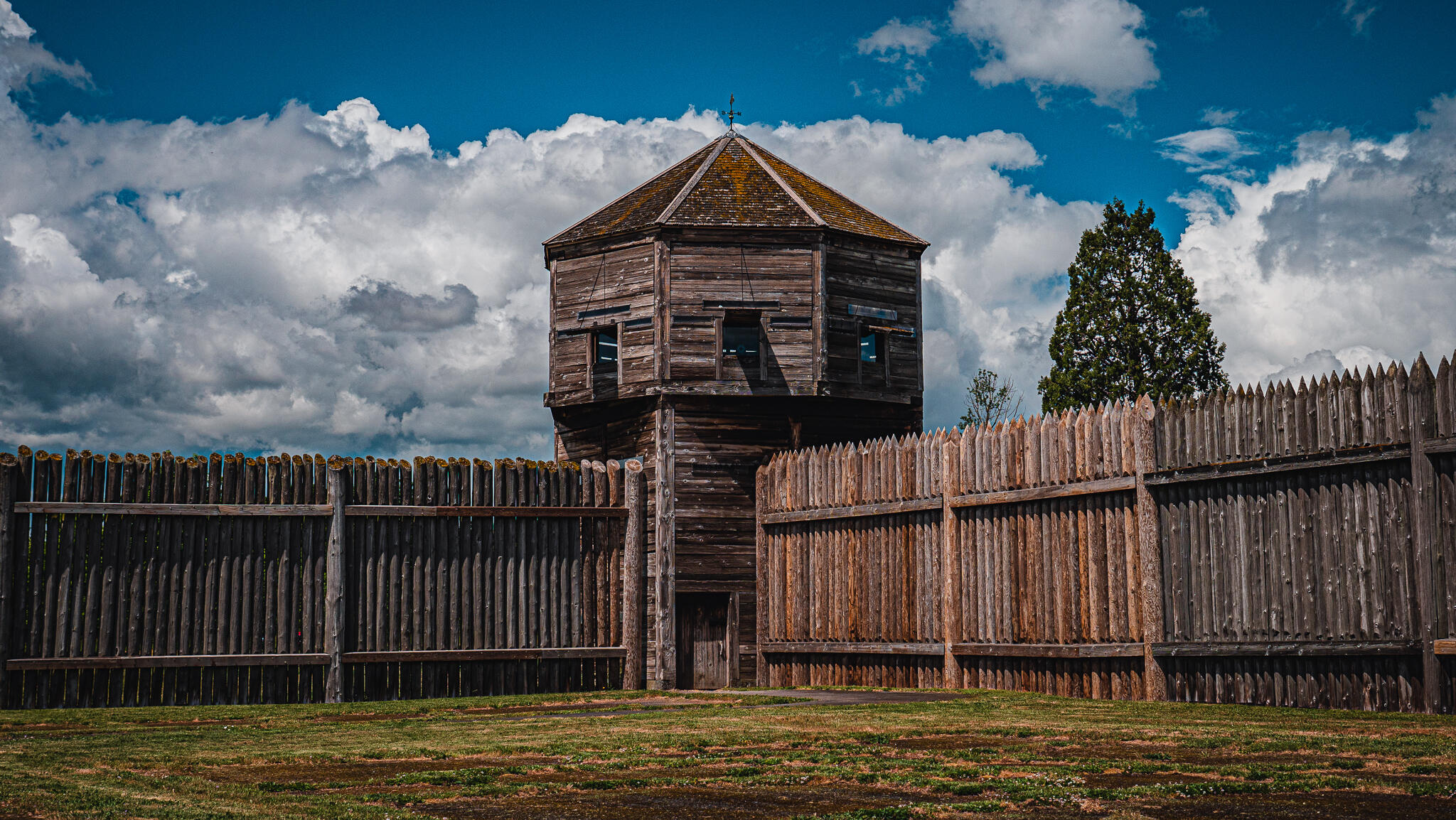
The Fort Vancouver Historic Site is located in both Oregon and Washington. The reconstructed main fort overlooks the Columbia River in Vancouver, Washington, and the McLoughlin House sits in Oregon County, Oregon. The site was one of the main hubs in the 19th-century fur trade. Interestingly, it was also a hub for Hawaiian sailors, French Canadian voyagers, African American Buffalo Soldiers, and Indigenous American peoples.
The main attraction is the historic reconstructed Hudson’s Bay Company fort. Nearby, visitors can explore other historic sites within the park village, like the blacksmith shop, the fort kitchen, the Fort Vancouver Garden, and the McLoughlin House and Barclay House. Nearby, the Pearson Air Museum is home to the history of aviation in Washington!
There is 1 national park in Oregon (Crater Lake), plus several other major federally-protected parks and monuments.
Check the park’s calendar to learn more about upcoming activities, such as ranger-led programs, guest speakers, history lessons, and junior ranger programs.
Visitors can access the Visitor Center, Bookstore, Pearson Air Museum, and McLoughlin House for free, but must purchase admission for the Fort.
Discover the national parks found in Wyoming.
Visitors can learn a lot about the history of the area via informational self-guided walking tours: Women of the McLoughlin House and The Spruce Mill Trail.
The park is home to several trails of varying difficulties. Some popular routes include: Officers Row, Columbia River Waterfront, Hudson’s Bay Company Village, and Land Bridge Trail.
John Day Fossil Beds National Monument
The John Day River basin holds amazing fossil beds. Three separate units make up the monument: Sheep Rock, Painted Hills, and Clarno. The units are connected by rural highways, and each section has its own visitor center and trails.
Clarno is notable for amazing walks past towering cliffs and preserved plant fossils. Sheep Rock is the home of the Thomas Condon Paleontology Center. Painted Hills is famous for its colorful, banded hillsides that display different eras through rock layers.
The fossils found in the park are some of the most complete records of Cenozoic-era plants and mammals (spanning back about 40 million years). It’s important to always stay on the trail, no matter where you walk within the park, to protect the landscape, flora, fauna, and fossils. Do not collect any fossils or rocks you may find, and don’t pick any plants or flowers; even small actions add up when thousands of visitors pass through each season, and the results can be catastrophic.
Find out about national parks in Colorado.
There are several hiking trails at each unit to explore:
Clarno
- Trail of Fossils
- Clarno Arch Trail
- Geologic Time Trail
Painted Hills
- Carroll Rim Trail
- Painted Hills Overlook
- Painted Cove Trail
- Leaf Hill Trail
- Red Scar Knoll Trail
Sheep Rock
- Flood of Fire Trail
- Story in Stone Trail
- Island in Time Trail
- Blue Basin Overlook
- River Trail
- Sheep Rock Overlook
- Thomas Condon Overlook
- Mascall Formation Overlook
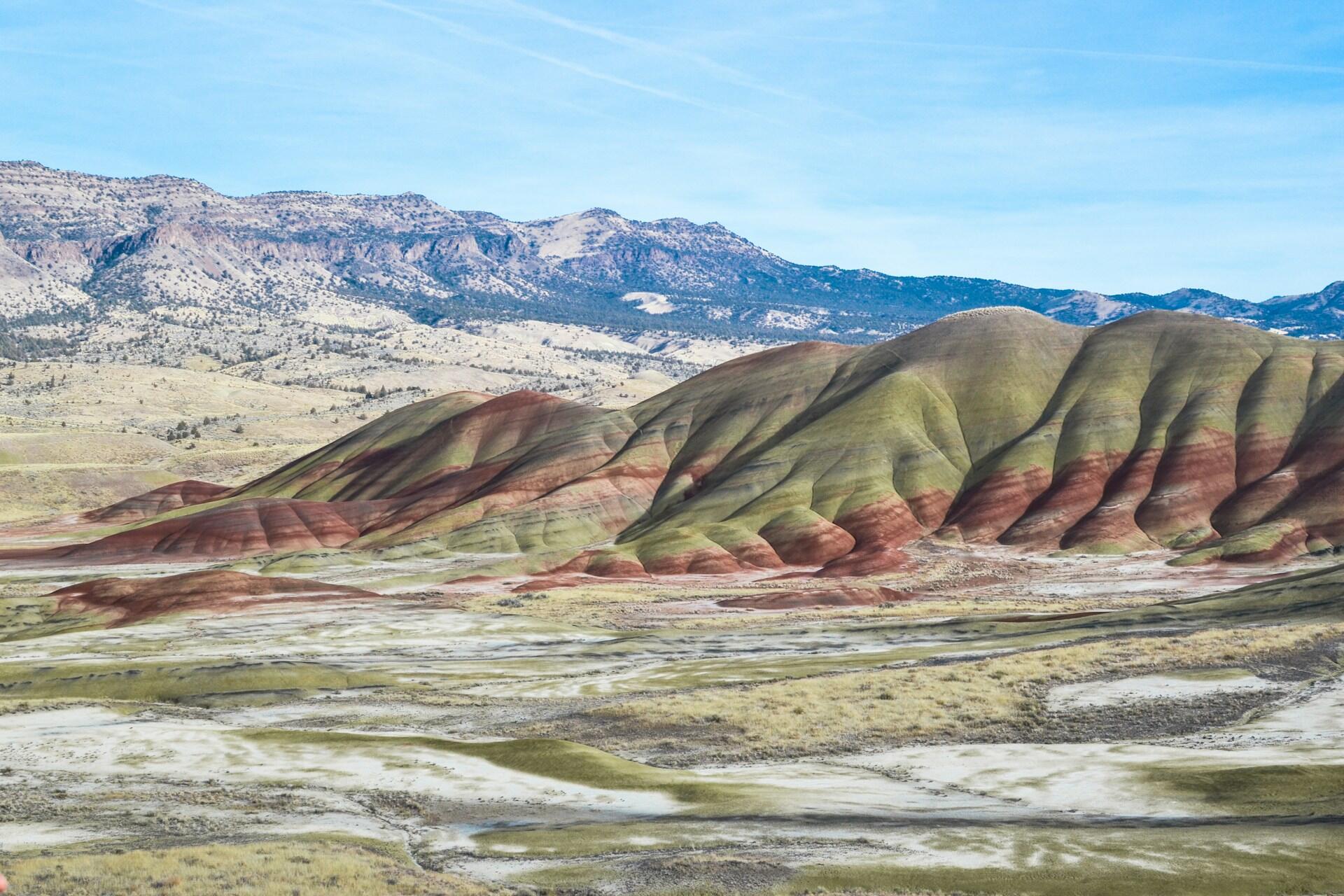
Cant Ranch is open during the summer and serves as the park’s headquarters. It showcases an early 1900s farmhouse built by James and Elizabeth Cant. The Thomas Condon Visitor Center features a fossil gallery and lab, as well as a popular educational film. Visitors can arrange to raft in the John Day River with local outfitters.
Biking is not allowed on the trails; only on roads that are also open to motor vehicles. But several Oregon Scenic Bikeway routes pass through or nearby, creating the perfect opportunity to get some biking in during your visit!
The distances between each unit are between 45 and 81 miles. Make sure you have enough gas to get where you need to go before you embark on your way. There are some gas stations in the area, but they are not always open and available, even during the day.
Lewis and Clark National Historical Park
Located on the border between Oregon and Washington, at the mouth of the Columbia River, the park encompasses several sites throughout the state. The entirety of the Lewis and Clark Historic Trail extends all the way back to Pittsburgh, Pennsylvania, where the two explorers began their journey in 1803. It passes through 16 states, including three different routes in Montana.
This great Pacific Otean which we been So long anxious to See. and the roreing or noise made by the waves brakeing on the rockey Shores (as I Suppose) may be heard distictly.
William Clark, Thursday, November 7, 1805
Some of the most prominent sites in Oregon are Fort Clatsop near Astoria, Salt Works, Netul Landing, Station Camp/Middle Village, and Clark’s Dismal Nitch. The main attraction is Fort Clatsop, a reconstruction (rebuilt in 2006) of the Corps of Discovery’s winter encampment. Here, Lewis and Clark recovered and prepared for their journey back eastward. Among other things, they harvested salt by boiling seawater. Visitors can tour the interior of the fort and building, see the visitor center museum, meet costumed rangers, and participate in ranger-led activities. Hiking is also very popular!
There are no camping areas within the park, but several state campgrounds nearby offer the opportunity to spend the night in the wilderness.
Discover more about the national parks in Montana!
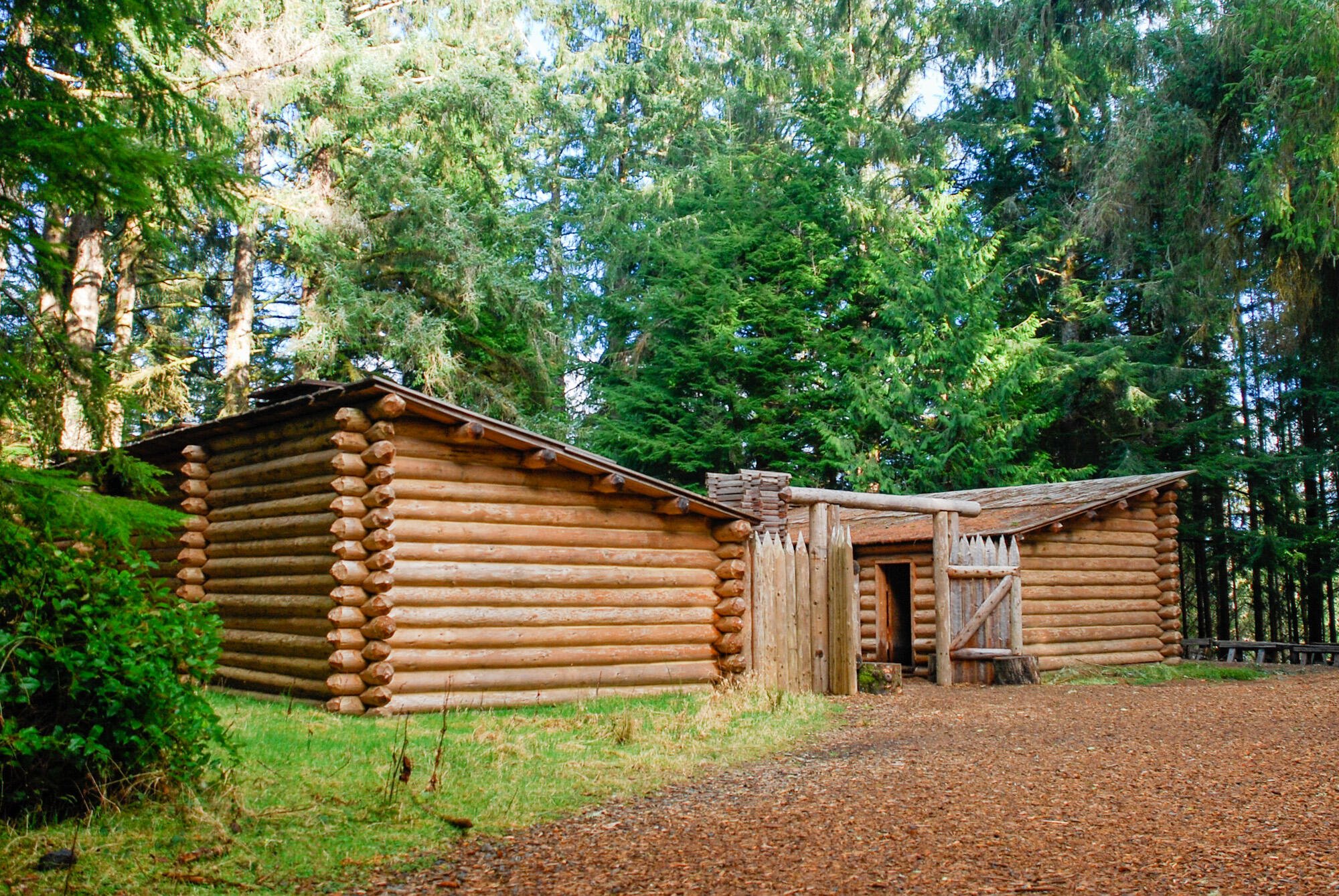
There are several state parks in the vicinity that offer more opportunities for hiking, picnicking, and other activities. Check out Ecola State Park, Fort Stevens State Park, and Sunset Beach State Recreation Site.
South Slough Trail, Kwis Kwis Trail, Clay Pit Pond Trail, Netul River Trail, Fort to Sea Trail.
Middle Village, located on the Washington side, was a prominent Chinook village when the travelers arrived. There, they made Camp Station before crossing to the Oregon side of the river with a majority of the party, including Sacagawea and York. The Cape Disappointment State Park hosts the Lewis and Clark Interpretive Center, which houses several family-friendly educational exhibits.
Nez Perce National Historical Park
The Nez Perce National Historical Park is an enormous site that spreads across regions of Idaho, Washington, Oregon, and Montana. The Oregon area features selected locations that preserve parts of the Nez Perce (nimíipuu) homeland and ancestral routes through the region.
Conservation decisions are made in cooperation with tribes, states, and local partners, and focus on preserving landmarks while maintaining native landscapes. One important function of the historical park is to tell the story of the Nez Perce people, who were forced to abandon their ancestral lands by the settlers of ‘Manifest Destiny’ in 1877.
Throughout the site, visitors can see battlefields, mission sites, old trails, cemeteries, and plaques that document Nez Perce history.
Chief Joseph was an important leader of the Nez Perce who tried to get his Wallowa band to Canada to escape the U.S. Federal Government during the forced removal. Unfortunately, he was stopped and forced to surrender. The historic sites in Oregon revolve around Chief Joseph, who was originally from the area. Joseph Canyon is where he was reportedly born. Old Chief Joseph, his father, reportedly died at Camp Lostine. Old Chief Joseph’s gravesite was relocated from the forks of the Wallowa and Lostine Rivers to the site marked in the park today.
Dug Bar was where Chief Joseph the Younger led his group of nimíipuu people (known as the Wallowa band) through the Snake River to get to Idaho.
Discover the amazing national parks in Florida.
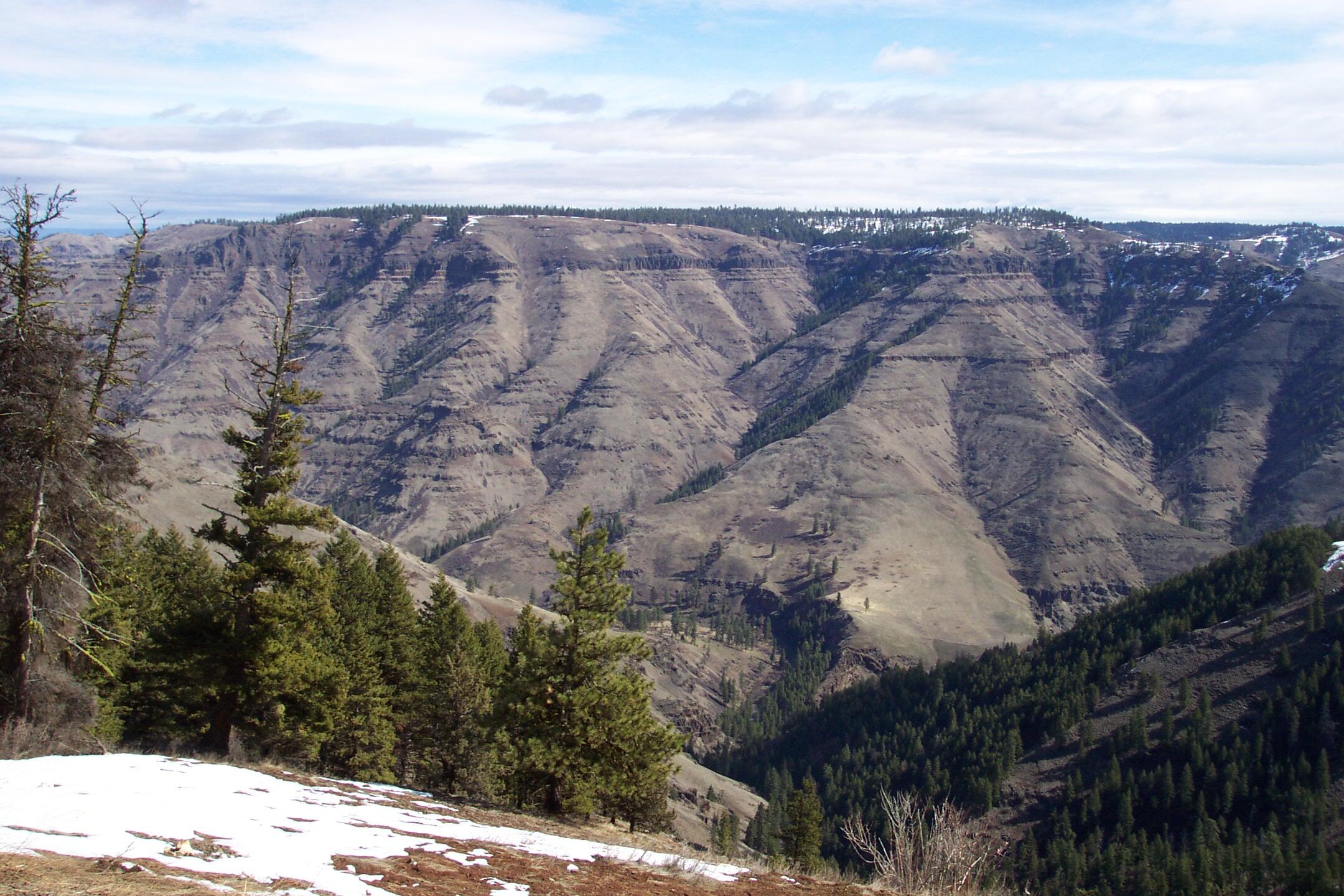
The majority of sites are located in Idaho, but there are four major locations in Oregon: Dug Bar, Joseph Canyon Viewpoint, Lostine Campsite, and Old Chief Joseph’s Gravesite.
The locations in Oregon are not the main attractions in Nez Perce National Historical Park, so there are fewer activities than what can be found in Idaho and Montana. However, at Dug Bar, visitors can hike or ride on horseback along Trail 1727, which follows the footsteps of Chief Joseph and the Wallowa band.
Nearby, visitors can also visit Hells Canyon Dam and Hells Canyon Creek Visitor Center.
Unlike many other sites across the country, Oregon’s historic parks generally allow pets on all the walking trails. Double-check with each location before you go, and be sure to follow all the rules, such as picking up after your pet and always having them on a leash.
Oregon Caves National Monument & Preserve
In the Siskiyou Mountains of the southwestern part of the state, the Oregon Caves National Monument & Preserve stands to protect an extensive marble cave system, as well as old-growth forests. To reach the monument, visitors must drive along the climbing Caves Highway leading to the visitor center and cave entrance.
The center of interest at the park is the guided cave tour. Visitors can weave through the narrow passages and chambers, observing different rock and mineral features throughout the “Marble Halls of Oregon.”
Other things to do at the monument and preserve include hiking, wildlife viewing, and hunting. The natural beauty of the landscape is just as worth seeing as the caves.
Find out which national parks to visit in Alaska!
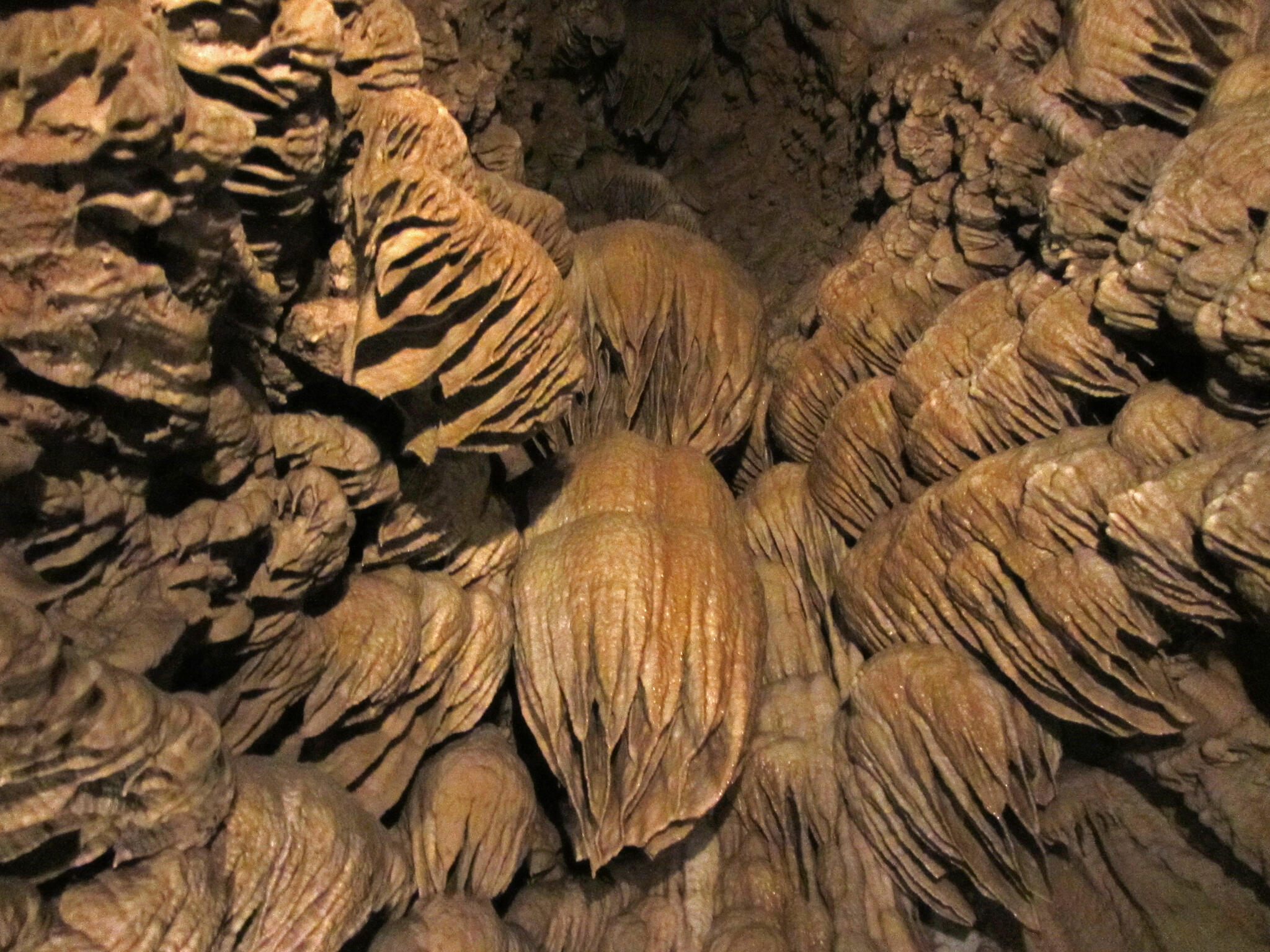
Discovery Tour: 90 minutes of walking through the passageways, seeing amazing geologic formations, and learning about them with a knowledgeable guide.
Candlelight Tour: Groups of no more than 10 people use candlelit lanterns as light sources, providing an experience as the first cave explorers had.
Kids and Family Cave Tour: Designed for groups with children age 13 and under (and who are at least 42 inches tall), this educational tour includes activities to keep kids engaged and learning.
Off-Trail Caving Tour: Try your hand at spelunking with a professional guide! The smallest space you’ll need to fit through is 11 inches high and 19 inches wide. Participants must be at least 15 years old, and the group size is limited.
It’s highly recommended to make reservations online well in advance, since the cave tours frequently sell out during the on-season. You can try to secure a first-come, first-served spot on site or at the Illinois Valley Visitor Center in Cave Junction on the day of your trip, if you choose.
Visitors should ensure they can meet the physical demands of the tour route in the caves, including ascending and descending steep stairs, crouching and walking while crouched, and being comfortable in small, dark spaces. Visitors who cannot meet these demands may be able to see Watson’s Grotto, the first room of the cave, but may be asked to leave the tour without proceeding onward.
Outside, enjoy several hiking trails: Cliff Nature Trail, Big Tree Trail, Old Growth Trail, No Name Trail, Cave Creek Trail, and Bigelow Lakes-Mt. Elijah Loop Trail.
Mount Hood National Forest
Though a national forest rather than a park, Mt. Hood is one of the top sightseeing and recreation destinations in the Pacific Northwest. The Forest is divided into four ranger districts: Barlow, Clackamas River, Hood River, and Zigzag.
It’s the tallest mountain in the state!
Campers can visit all year long, but note that between November 1 and April 30, you must obtain a Sno-Park Permit. Mt. Hood National Forest supports all the classic outdoor recreation activities: hiking, backpacking, biking, climbing and caving, winter activities, horseback riding, fishing, hunting and shooting, and even off-highway vehicle use.
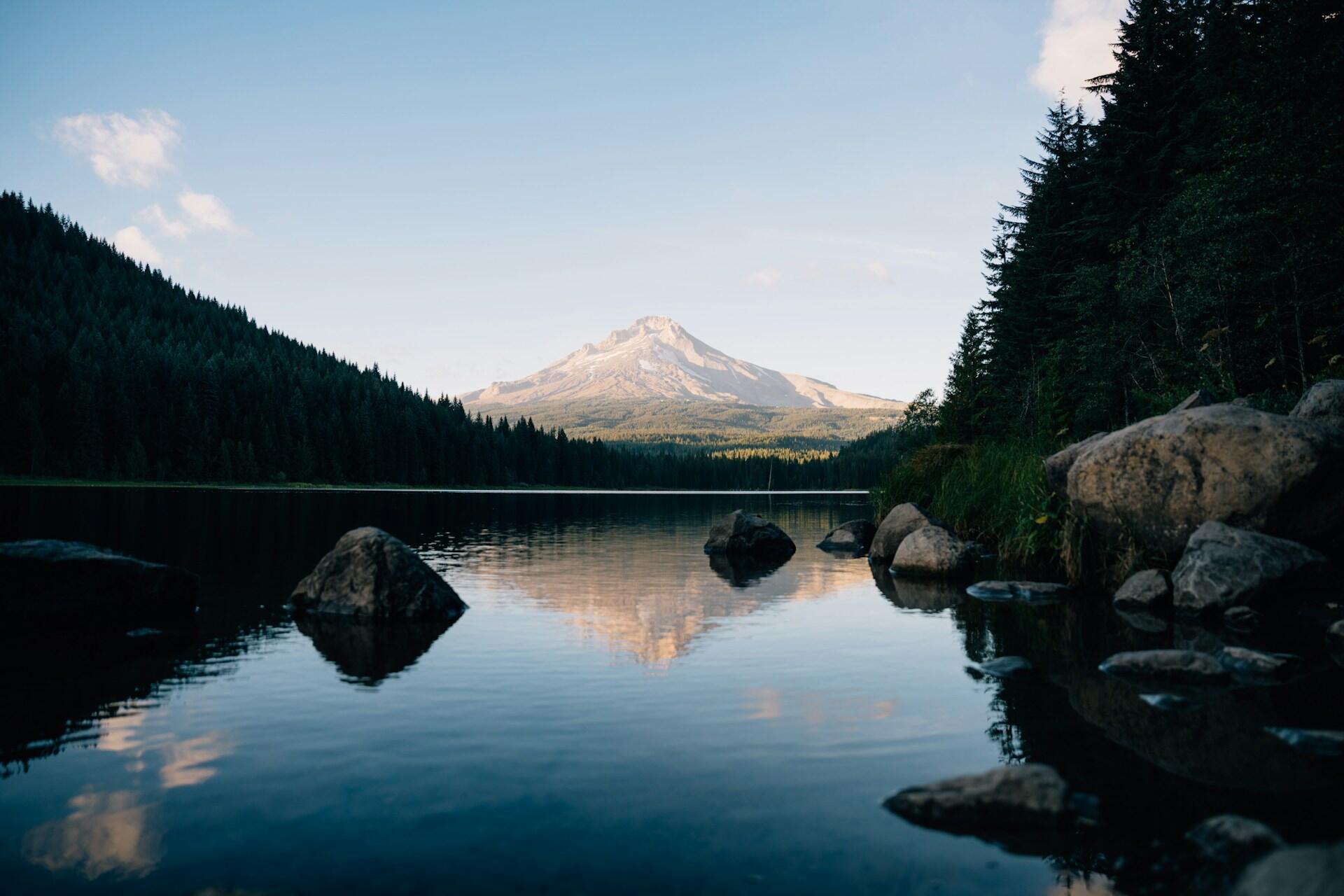
There are about 1,000 miles of established trails in the forest. Some of the most popular trails include: Palmeteer Point & Twin Lakes Loop, Lookout Mountain, Tamanawas Falls, Burnt Lake, McNeil Point, Elk Meadows, and Little Zig Zag Falls. Be sure to check the website for any closures or other important notices.
There are hundreds of camping spots in the forest, spread across 75 campgrounds. In addition to tent camping, some campgrounds also provide spots for horse camping. Most sites are closed in the winter. Some accept reservations in advance. Several sites also offer cabins. Backpackers can participate in dispersed camping throughout the forest, barring certain restricted areas.
Mt. Hood provides several types of permits.
Climbing Permit: For climbers who will be climbing above 9,500 ft.
Special Use: For events, outfitters/guides, etc.
Special Forest Products: Harvesting natural resources like mushrooms, firewood, and transplants.
Christmas Tree: Find a Christmas Tree in the Mt. Hood National Forest!
On your visit to Oregon, you can enjoy all the different landscapes, scenes, and experiences the Pacific Northwest has to offer. There are so many parks and monuments to visit. Above all, visiting these landmarks is a great way to appreciate the incredible North American landscapes and history.
References
- Crater Lake National Park (U.S. National Park Service). (2026). https://www.nps.gov/crla/index.htm
- Fort Vancouver National Historic Site (U.S. National Park Service). (2026). https://www.nps.gov/fova/index.htm
- John Day Fossil Beds National Monument (U.S. National Park Service). (2026). https://www.nps.gov/joda/index.htm
- Lewis and Clark National Historical Park (U.S. National Park Service). (2026). https://www.nps.gov/lewi/index.htm
- Mt. Hood National Forest. (2026). Mt. Hood National Forest. In Mt. Hood National Forest. Mt. Hood National Forest. https://www.fs.usda.gov/r06/mthood
- Nez Perce National Historical Park (U.S. National Park Service). (2026). https://www.nps.gov/nepe/index.htm
- Oregon Caves National Monument & Preserve (U.S. National Park Service). (2026). https://www.nps.gov/orca/index.htm
Summarize with AI:
Did you like this article? Leave a rating!

 Loading...