
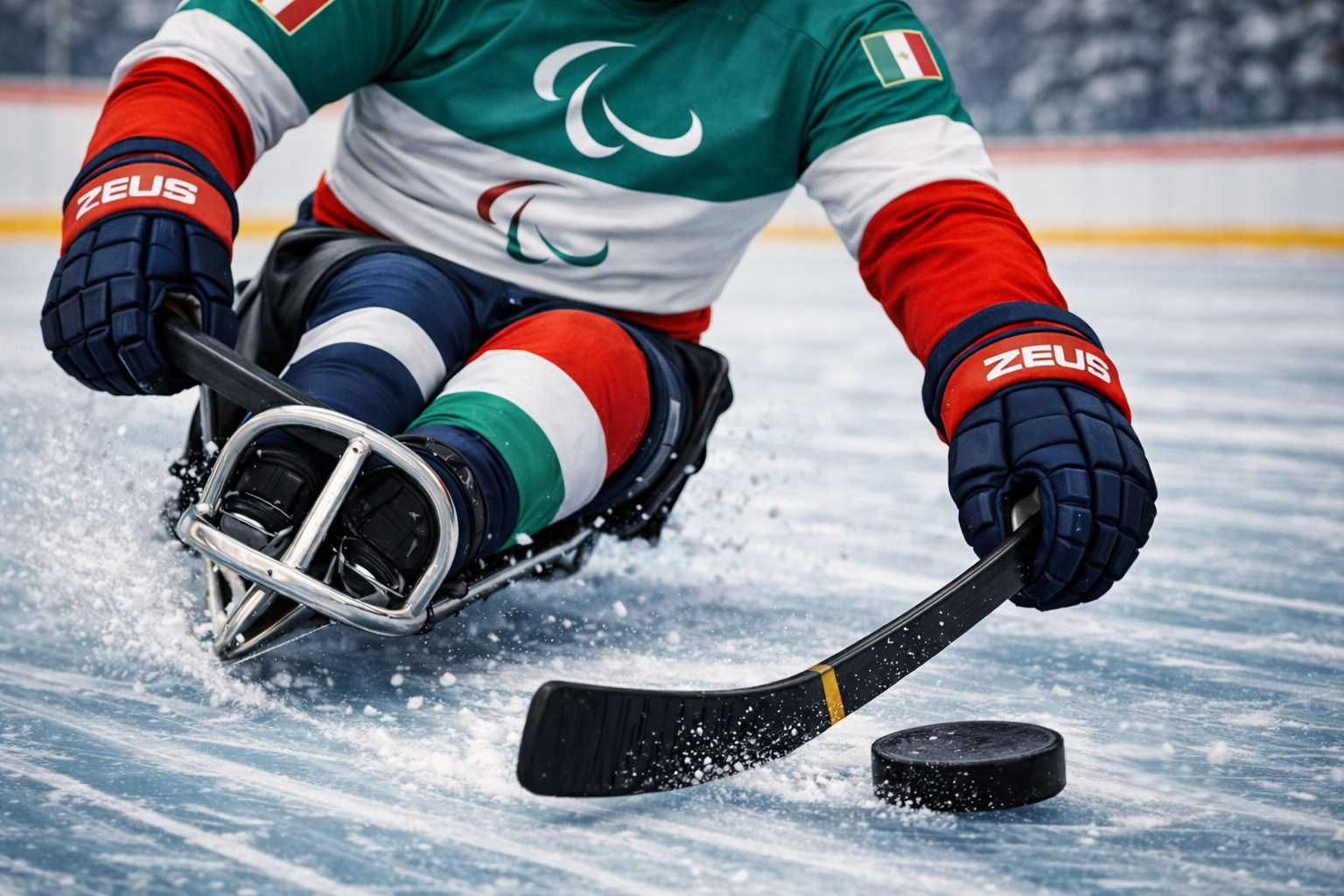

MICO26 is the greatest opportunity of my life! [...] I can give a real boost to the entire Paralympic world, inspiring many people and bringing together many young people who, like me once, want to pursue their dreams.
Giacomo Bertagnolli, Paralympic champion
The 2026 Winter Paralympics in Milan Cortina represent the final major chapter of the 2026 Games in Italy, but it would be a significant error to consider them a “secondary” event. On the contrary, they constitute one of the most significant moments of the entire Olympic cycle, because they focus on sport as a tool for inclusion, competition, and human values ❄️♿.
After the Winter Olympics close, the sporting world's attention will return to the mountains and cities of Italy to follow the Paralympics, an event that involves athletes with disabilities from dozens of countries and which has gained increasing visibility over the years.
In this article, you will find a complete guide to the Milan Cortina 2026 Winter Paralympics: what they are, when they take place, which sports they include, where the competitions will be held, and why this edition is considered particularly significant1. This content is designed for those who want to truly understand the meaning of the Winter Paralympic Games, even without in-depth knowledge of them.


What Are the Winter Paralympics?
The Winter Paralympics are a major international sporting event dedicated to athletes with physical or visual disabilities, who compete in adapted disciplines on snow and ice. They take place immediately after the Winter Olympics and share the same spirit, values, and, in part, the same venues.
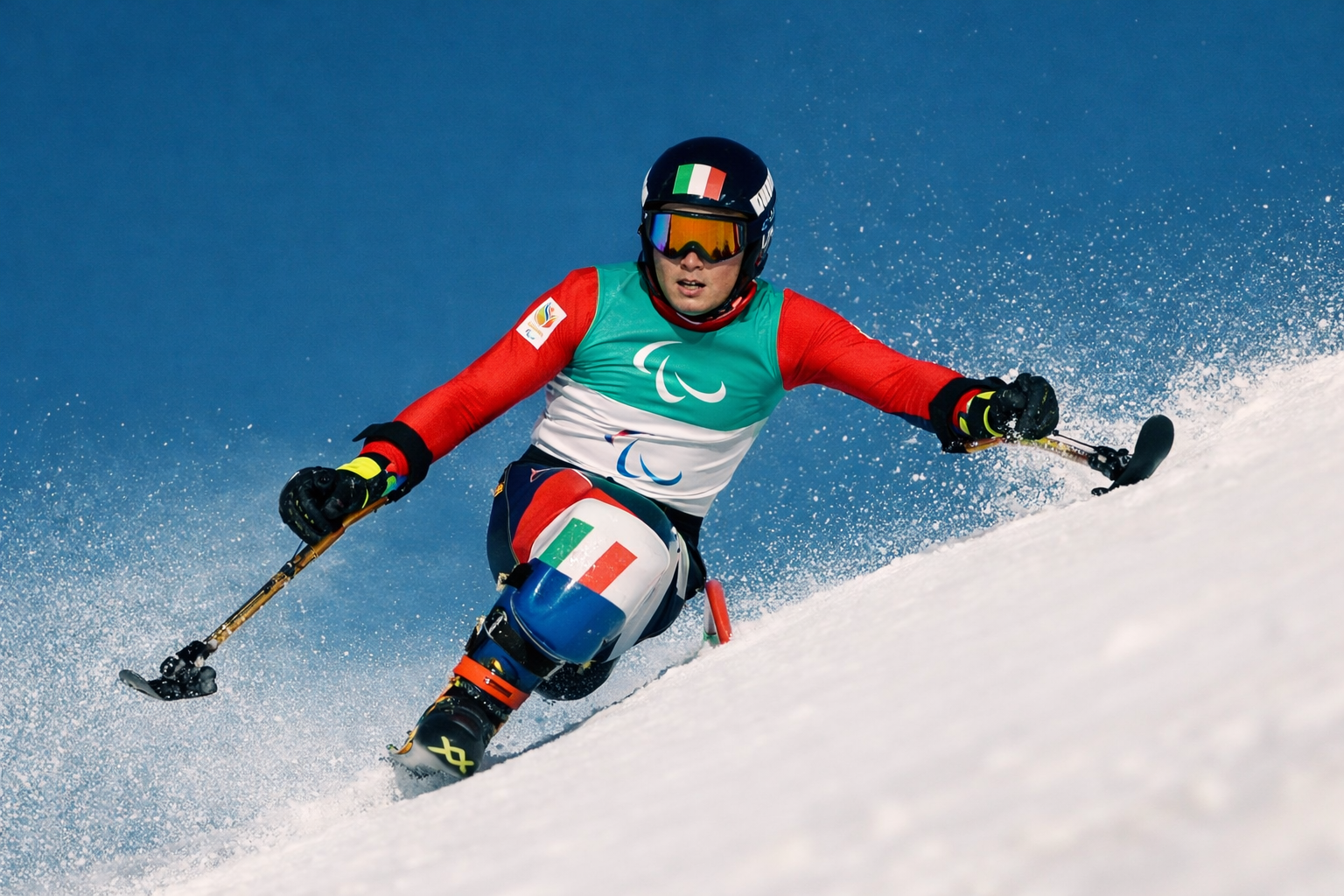
This is not a “reduced” version of the Olympic Games, but an event with its own history, identity, and organization, officially recognized by the International Paralympic Committee.
The Message of the Paralympics 🏅
The heart of the Paralympics is not only the competition, but the message they convey. The Paralympic Games were created to demonstrate that high-level sport is possible beyond all barriers, and that talent, preparation, and competitive spirit do not depend on physical condition.
The core values of the Paralympics include:
- Equality and opportunity
- Determination and resilience
- Inclusion and representation
- Sporting excellence
Over time, the Winter Paralympics have become an event capable of changing perceptions of disability in sport, showcasing athletes competing at the highest level in often extreme conditions.
Who Participates in the Winter Paralympics 🧑🤝🧑
Athletes with different types of disabilities participate in the Winter Paralympics, divided into classification categories designed to ensure balanced competition. The competitions are organized in such a way that athletic performance counts, not the degree of disability.
In general, the following take part in the Games:
- athletes with physical disabilities (such as amputations or motor limitations)
- athletes with visual impairments, in certain disciplines
- teams composed of athletes and, in some cases, sports guides
The rules and technical adaptations, combined above all with the talent, preparation, and determination of Paralympic athletes, allow for competitions of the highest level, making the events as spectacular and competitive as those of the Olympics.
Paralympics and Olympics: A Close Link
From an organizational and symbolic point of view, the Winter Paralympics are now an integral part of the Olympic project. The two events share:
- competition venues
- infrastructure
- media communication, marketing, etc.
Milan Cortina 2026 fits into this vision, reinforcing the concept of the Games as one big event, which is only complete with the Paralympics.
The History of the Paralympics: Key Dates
To truly understand the significance of the Milan Cortina 2026 Winter Paralympics, it is useful to take a step back and look at the history of the Paralympic movement. The Paralympics did not start out as a major global event, but as a medical and social project, which over time has become one of the highest expressions of international sport.
Their evolution, closely linked to the history of the Olympics, reflects a profound change in the way we understand disability, sport, and competition.
1948
Stoke Mandeville (United Kingdom)
Neurologist Ludwig Guttmann organizes the first Stoke Mandeville Games for war veterans with spinal injuries. This is considered the birth of the Paralympic movement.
1960
Rome
The first official Paralympic Games are held, alongside the Olympics in Rome. Around 400 athletes from 23 countries take part.
1976
Örnsköldsvik (Sweden)
The first Winter Paralympics are held, marking the official entry of snow and ice sports into the Paralympic program.
1989
Foundation of the IPC
The International Paralympic Committee (IPC) is established, unifying and governing the Paralympic movement globally.
2001
IOC-IPC Agreement
The agreement officially linking the Olympic Games and the Paralympic Games is signed: from this moment on, the Paralympic Games will always be held in the same cities and venues as the Olympic Games.
2006
Turin
Italy is hosting the Winter Paralympics for the first time, making a decisive contribution to raising the profile of the Paralympics in the country.
2026
Milan-Cortina
The Winter Paralympics return to Italy, with an edition that focuses on accessibility, sustainability, and legacy, symbolically closing the cycle of Winter Games in the country.
In less than a century, the Paralympics have gone from a therapeutic initiative to a global sporting event, followed by millions of spectators and capable of influencing politics, infrastructure, and culture.
Milan Cortina 2026 fits into this journey as a point of arrival and a new beginning, demonstrating how much the Paralympic movement is now an integral part of world sport.
When Are the Milan Cortina 2026 Winter Paralympics Taking Place? 📅
The Milan Cortina 2026 Winter Paralympics will take place, as is traditional, immediately after the conclusion of the Winter Olympics, completing the cycle of the Games in Italy. This timing is no coincidence: it allows the same infrastructure to be reused and keeps media attention focused on the major sporting event.
This reinforces the message that the Paralympics are not a separate or marginal event, but the natural continuation of the Winter Games.
The Official Dates of the 2026 Paralympics 🗓️
The Milan Cortina 2026 Winter Paralympics will take place from March 6 to 15, 20262.
During these ten days:
- snow and ice competitions will alternate
- Paralympic medals will be awarded in all scheduled disciplines
- athletes from around the world will complete the journey they began with the Olympics
The dates were chosen to ensure optimal weather conditions, especially in the Alpine locations, and to allow for a smooth transition between the Olympics and the Paralympics.
Duration of the Event and Ceremonies 🎉
The Milan Cortina 2026 Winter Paralympics will last a total of 10 days, marked by two symbolic moments that mark the beginning and end of the Paralympic Games.
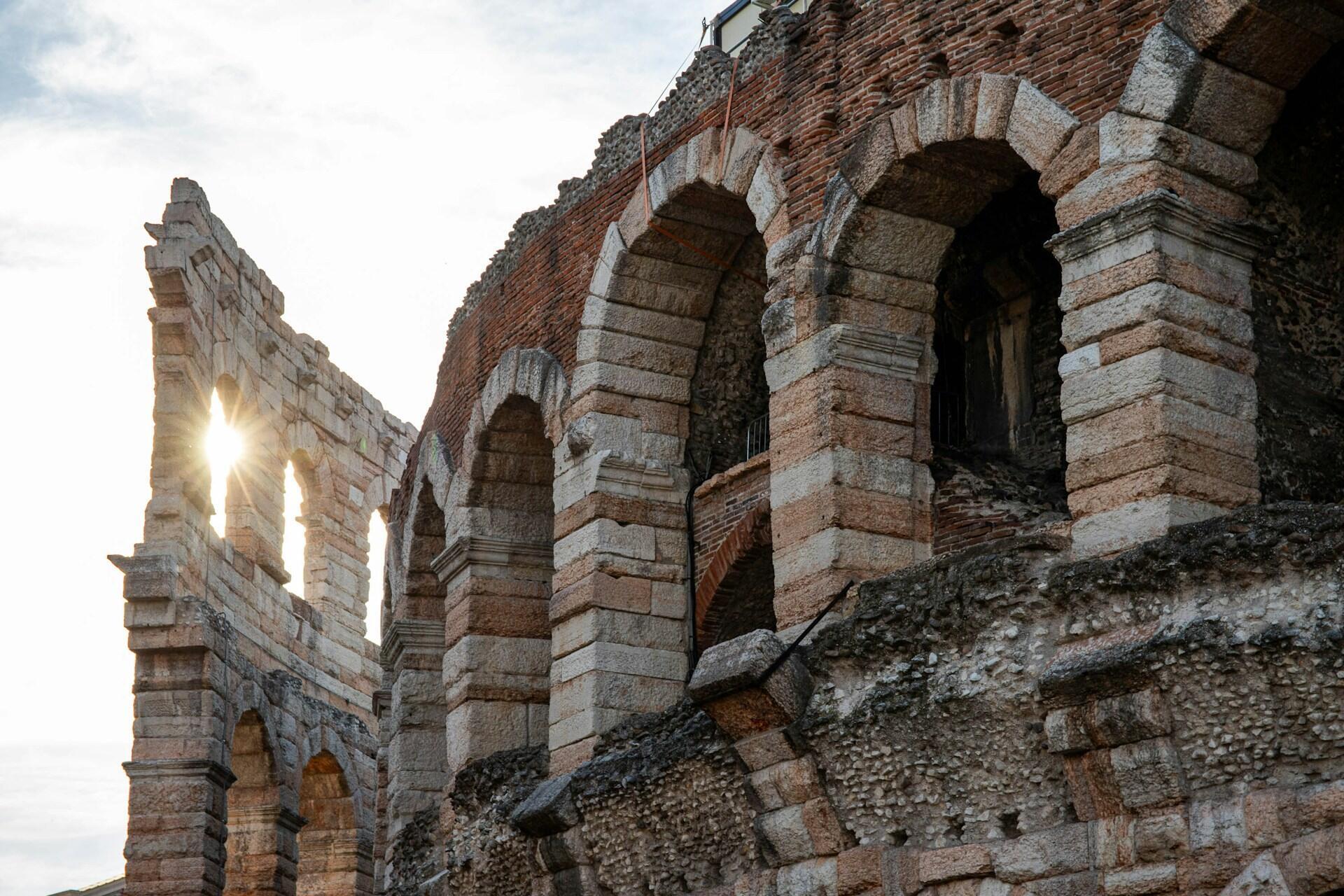
📅 March 6, 2026 - Verona Arena
It will officially kick off the Winter Paralympics, celebrating Paralympic athletes, the values of inclusion, and the start of the final phase of the Games in Italy.
March 15, 2026 - Cortina d'Ampezzo
This will mark the end not only of the Paralympics, but also of the entire Milan Cortina 2026 Winter Games cycle, representing a final farewell to the Italian Olympics.
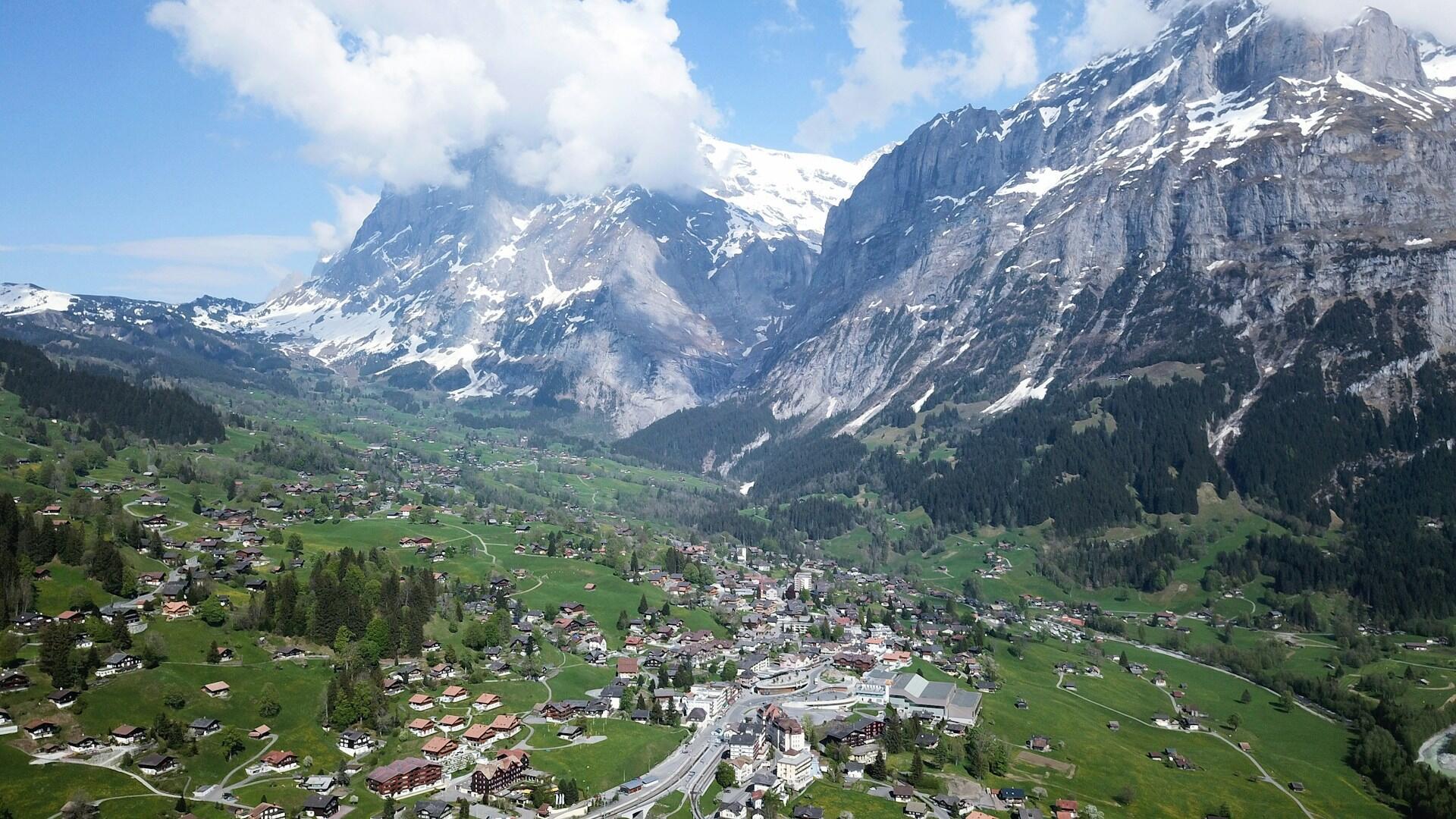
The Paralympic ceremonies have a strong symbolic value: they are not simply spectacular events, but moments in which Paralympic sport takes center stage internationally, with the same dignity and visibility as the Olympics.
Sports and Disciplines of the 2026 Winter Paralympics
The 2026 Milan Cortina Winter Paralympics will feature six official disciplines, all recognized by the International Paralympic Committee. These are sports adapted for snow and ice, in which athletes compete according to classification systems designed to ensure balance and competitive fairness.
Unlike the 16 disciplines of the Winter Olympics, the Paralympic program is more concentrated, but this does not mean less spectacle: each discipline highlights technique, strategy, and athletic training of the highest level.
| Discipline | Environment | Description |
|---|---|---|
| Para Alpine Skiing | ❄️ | Speed and technical races on alpine slopes, with standing, sitting, or guided athletes. |
| Para Cross-Country Skiing | ❄️ | Endurance disciplines on snowy courses, using traditional skis or sit-skis. |
| Para Biathlon | ❄️ | Cross-country skiing combined with precision shooting, using acoustic systems for visually impaired athletes. |
| Para Snowboard | ❄️ | Races on technical courses combining agility, balance, and board control. |
| Para Ice Hockey | 🧊 | High-intensity team sport played on sledges, fast-paced and spectacular. |
| Wheelchair Curling | 🧊 | A sport of strategy and precision, played in teams without sweeping. |
Let's take a closer look at the various disciplines in the competition.
Paralympic Snow Sports 🏔️🎿
Snow sports are the historic core of the Winter Paralympics. They take place in an alpine environment and combine speed, endurance, and precision.
⛷️ Paralympic Alpine Skiing
Paralympic alpine skiing is one of the most representative disciplines of the Games. Athletes compete in events such as downhill, super-G, giant slalom, and special slalom.
Depending on their disability, athletes can compete:
- standing
- sitting, using a monoski
- with a guide, in the case of visual impairments
The slopes are similar to those used in the Olympics, and the speeds reached make this discipline particularly spectacular.
❄️ Paralympic Cross-country Skiing (Para Cross-country Skiing)
Paralympic cross-country skiing is a discipline of endurance and effort management. Competitions take place on snow-covered trails of varying lengths and can be tackled:
- with traditional skis
- with cross-country sleds (sit-skis)
The tactical component is fundamental: pace, choosing the right moment to accelerate, and the ability to maintain concentration often make the difference.
🎯 Paralympic Biathlon
Paralympic biathlon combines cross-country skiing with precision shooting, creating one of the most fascinating disciplines in the Paralympic program.
For athletes with visual impairments, shooting is done using acoustic systems, which guide the athlete toward the target using sound signals. It is a sport that rewards not only speed, but also mental control under pressure.
🏂 Paralympic Snowboarding
Paralympic snowboarding is one of the most recently introduced disciplines in the Winter Games program. Competitions take place on technical courses with turns, bumps, and changes in slope.
This discipline has helped to make the Paralympics:
- more dynamic
- more accessible to young audiences
- visually spectacular
Agility, balance, and board control are key elements.
Paralympic Ice Sports 🧊
Alongside snow sports, the Winter Paralympics include ice disciplines that combine strategy, precision, and physical intensity.
🏒 Paralympic Ice Hockey (Para Ice Hockey)
Paralympic ice hockey, also known as para ice hockey or sled hockey, is one of the most iconic and popular disciplines of the Games.
Athletes play while seated on sleds equipped with blades and use two special sticks:
- one to hit the puck
- one to propel themselves across the ice
The pace of play is extremely fast, physical contact is intense, and the atmosphere in the stands is among the most exciting of the entire event.
Wheelchair Curling
Wheelchair curling is a sport of strategy and precision, in which teams try to place stones as close as possible to the center of the target on the ice.
Compared to Olympic curling:
- there is no sweeping
- tactics and control of the throw are what count most
It is a discipline that demonstrates how Paralympic sport can be extremely competitive even without high speeds.
Athletes to Follow at the 2026 Winter Paralympics ⭐
The 2026 Milan Cortina Winter Paralympics will also be an opportunity to see some of the most representative figures in contemporary Paralympic sport in action. Athletes who have already made their mark at recent editions of the Games and who, looking ahead to 2026, are considered international role models.
Following the Paralympics also means getting to know the faces that make these competitions so intense, spectacular, and meaningful.
Giacomo Bertagnolli 🇮🇹⛷️

One of the most important names in Italian Paralympic sport. A specialist in Paralympic alpine skiing for visually impaired athletes, Bertagnolli has already won Paralympic and world medals, becoming a key figure for the Italian national team. Milan Cortina 2026 could be an opportunity for him to compete in front of his home crowd in one of the most popular disciplines of the Games3.
*
Anna-Lena Forster 🇩🇪🎿
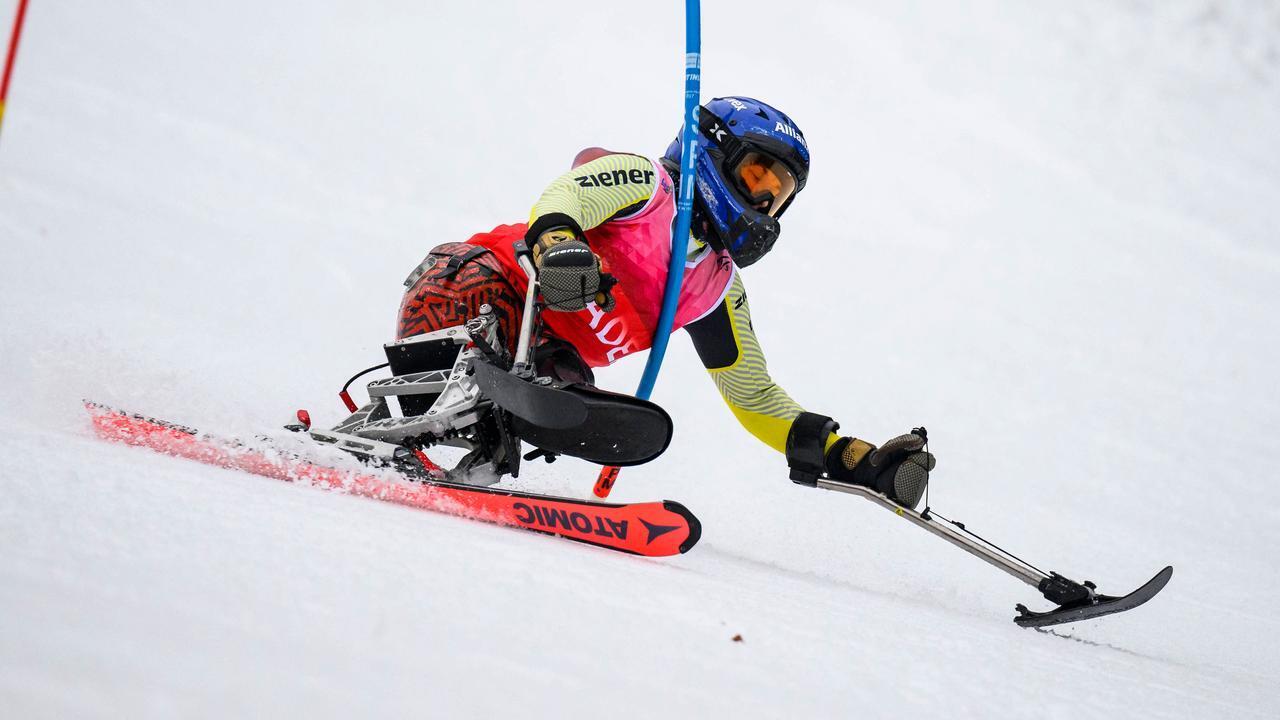
Germany's Anna-Lena Forster is one of the most successful athletes in Paralympic alpine skiing, particularly in the sit-ski category. With numerous international titles to her name, she is a model of consistency and competitiveness at the highest level. Her presence helps to make the alpine competitions among the most evenly matched and spectacular in the Paralympic program.
*
Declan Farmer 🇺🇸🏒

A symbol of Paralympic ice hockey, Declan Farmer is one of the most representative players of this high-intensity team sport. A technical and charismatic leader, he is often referred to as one of the stars of para ice hockey competitions. Matches in this discipline are among the most watched in the entire Paralympic program.
Oksana Masters 🇺🇸🎯
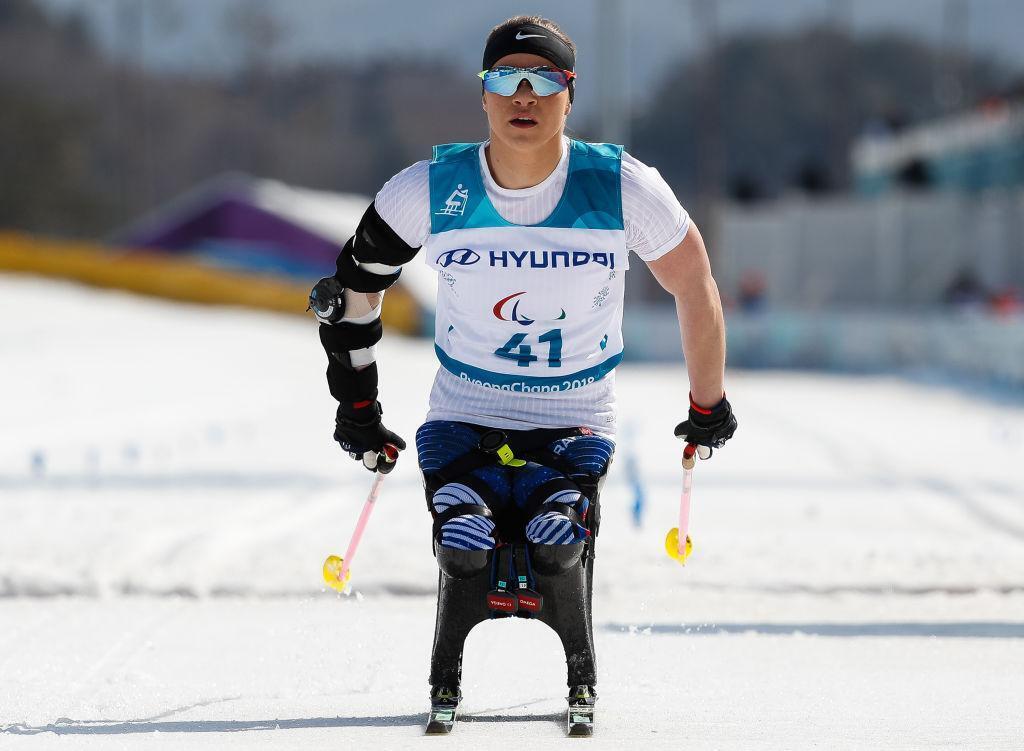
An iconic athlete in the Paralympic movement, Oksana Masters is one of the most decorated figures in the recent history of the Winter Paralympics. She competes in biathlon and Paralympic cross-country skiing, disciplines that combine physical endurance and great mental control. She is often cited as one of the most eagerly awaited stars ahead of Milan Cortina 2026.
*
Brenna Huckaby 🇺🇸🏂
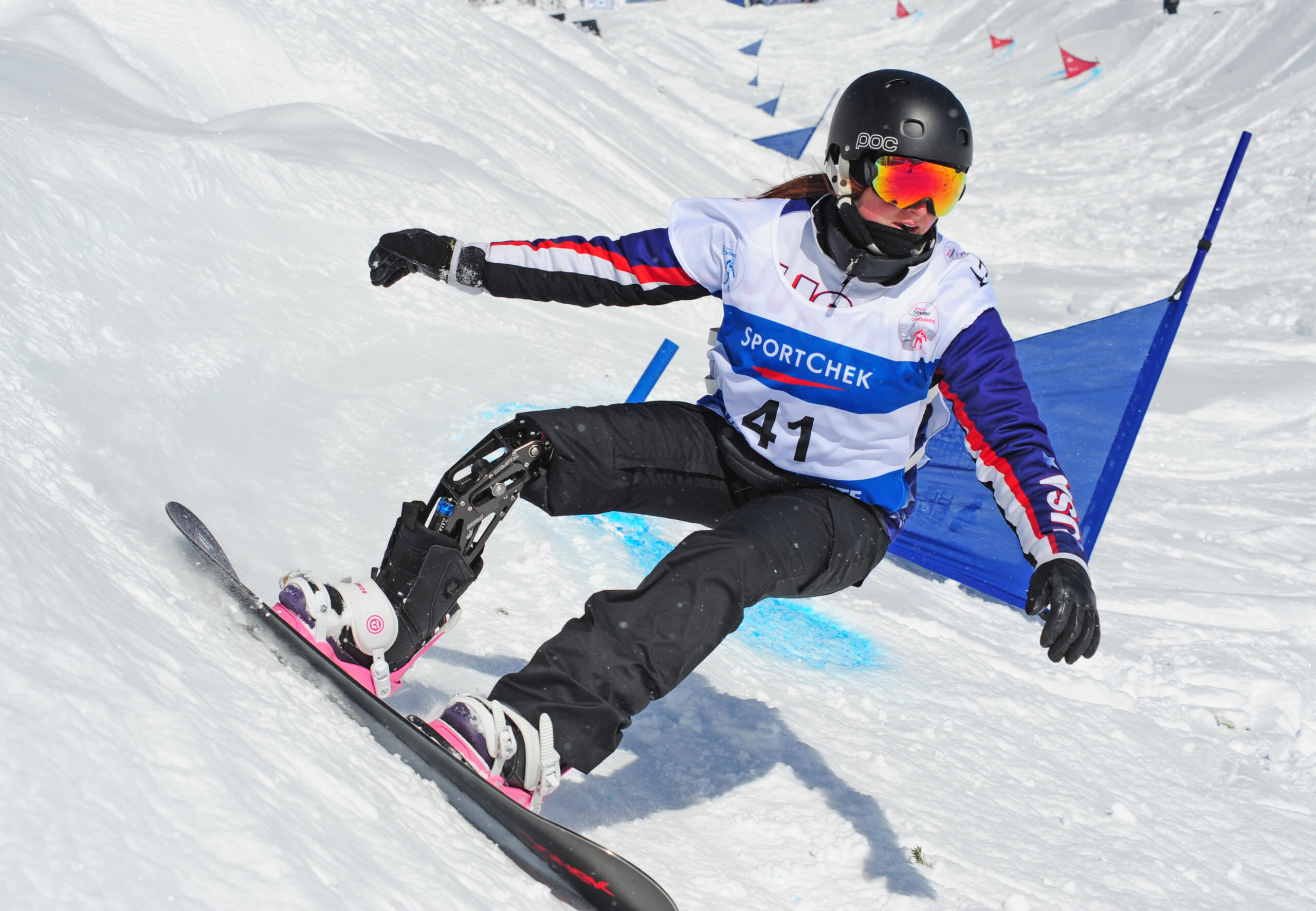
In para snowboarding, one of the most dynamic sports in the Winter Paralympics, Brenna Huckaby is considered one of the leading athletes. Her performances have helped raise the profile of a relatively young discipline in the Paralympic scene. Milan-Cortina 2026 could be another important chapter in her international career.
*
Tyler Turner 🇨🇦🏂
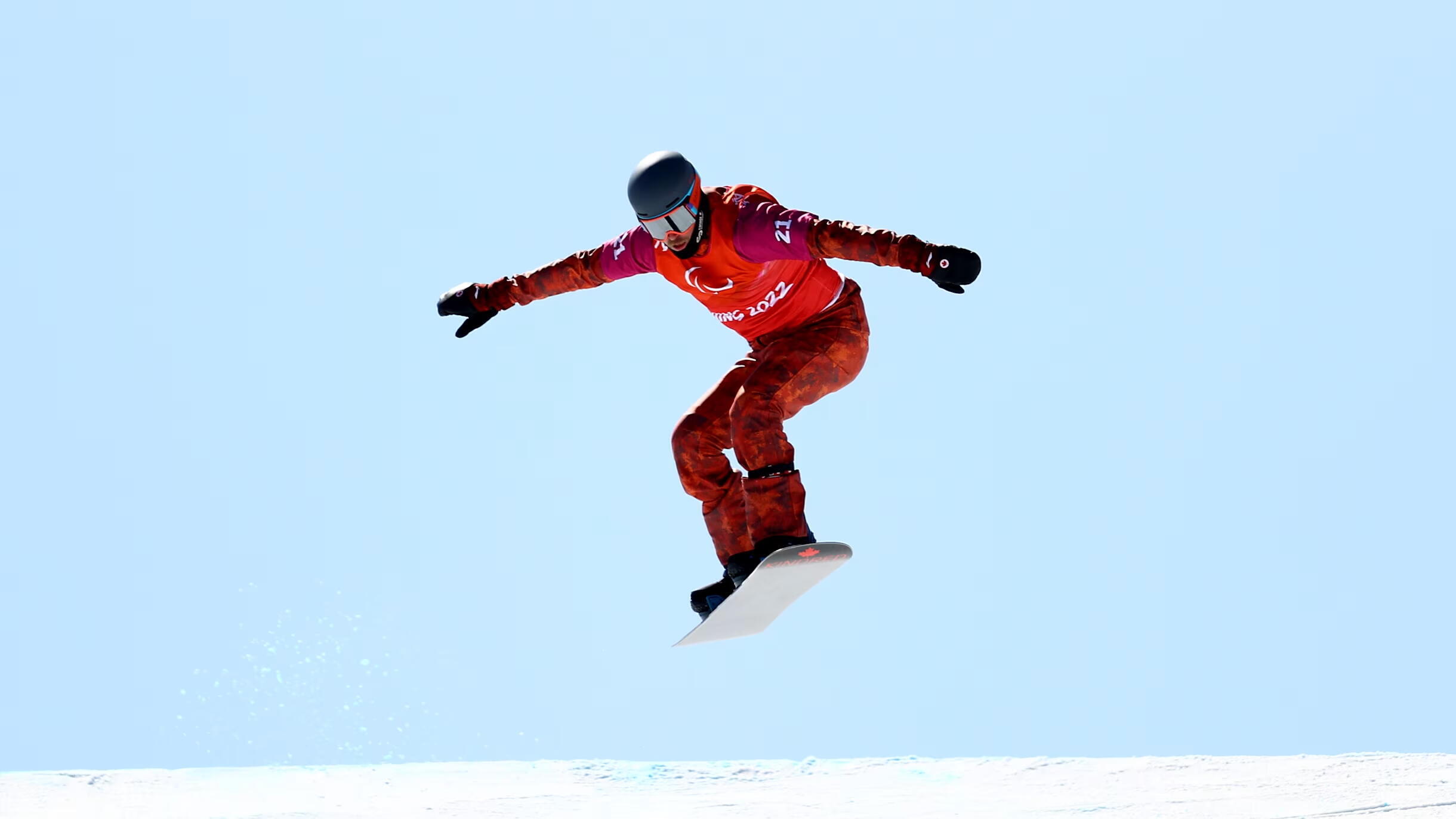
Canadian Tyler Turner is another prominent name in para snowboarding, known for his versatility and performances on the international circuit. His races are characterized by great aggressiveness and control of the equipment, fundamental qualities in this discipline. His presence strengthens the technical level of snow competitions.
These athletes, together with everyone else who will participate in the Games, represent different disciplines, countries, and sporting backgrounds, but they share the same stage: that of the 2026 Milan Cortina Winter Paralympics. Following them means gaining a better understanding of the richness and complexity of Paralympic sport, which is made up of competition, preparation, and personal stories that go far beyond the final result.
The Venues of the 2026 Winter Paralympics
Like the Olympics, the 2026 Milan Cortina Winter Paralympics will take place in different locations in northern Italy, following the widespread Olympics model already adopted for the Olympic Games. Here too, the aim is to promote different areas, reusing existing infrastructure and reducing environmental impact.
Where Will the 2026 Winter Paralympics Take Place? 📍
The Paralympics share some of the infrastructure with the Winter Olympics, but do not exactly replicate the map: some venues are shared, while others are chosen according to the needs of Paralympic sport, creating a balanced and functional layout.
The Venues for the Paralympic Competitions
- Verona — Arena di Verona 🏛️
- It will host the opening ceremony of the Winter Paralympics on March 6, 2026, in one of the symbolic places of Italian cultural heritage, made fully accessible for the occasion.
- Milan — SantaGiulia Arena (PalaItalia) 🏟️
- Venue for the para ice hockey competitions, one of the most popular team sports at the Games, hosted in a new arena designed for international sporting events and adapted to Paralympic requirements.
- Cortina d'Ampezzo ⛰
- The central Alpine base for the Paralympics, it will host para alpine skiing, para snowboarding, and wheelchair curling in renovated facilities set in an iconic natural environment.
- Tesero / Val di Fiemme ☃️
- This is where the para biathlon and para cross-country skiing competitions will take place, endurance disciplines on snow that find in this valley one of their historical references at an international level.
Paralympic Village and Event Organization 🏘️♿
The Milan Cortina 2026 Paralympic Village is one of the key elements in the organization of the Games. It is not only a logistical space designed to accommodate athletes and delegations, but also a project that reflects the inclusive approach underlying the entire event.
The Village will be located in Milan, in the area of the former Porta Romana railway yard, an area undergoing extensive urban regeneration. The choice of this area meets several objectives:
- reclaiming a disused space
- creating a new residential neighborhood
- ensuring efficient connections with the rest of the city
During the Paralympics, the Village will host athletes, staff, and delegations in environments designed to be fully accessible, safe, and functional. At the end of the Games, the facilities will be converted into residences and urban services, leaving a concrete and lasting legacy for the city of Milan.
This model allows the Paralympics to be not only a major sporting event, but also a driver of urban and social transformation, consistent with the values of the Paralympic movement.
One of the most important aspects of the organization of the 2026 Winter Paralympics is the central role of accessibility. It is not just a matter ofi eliminare barriere architettoniche, ma di ripensare spazi e servizi in modo inclusivo.
Why the Milan Cortina 2026 Paralympics Are a Key Event ♿🌍
The Milan Cortina 2026 Winter Paralympics are not just a continuation of the Olympics, but an event with its own profound significance, capable of influencing the way sport, disability, and inclusion are perceived globally.
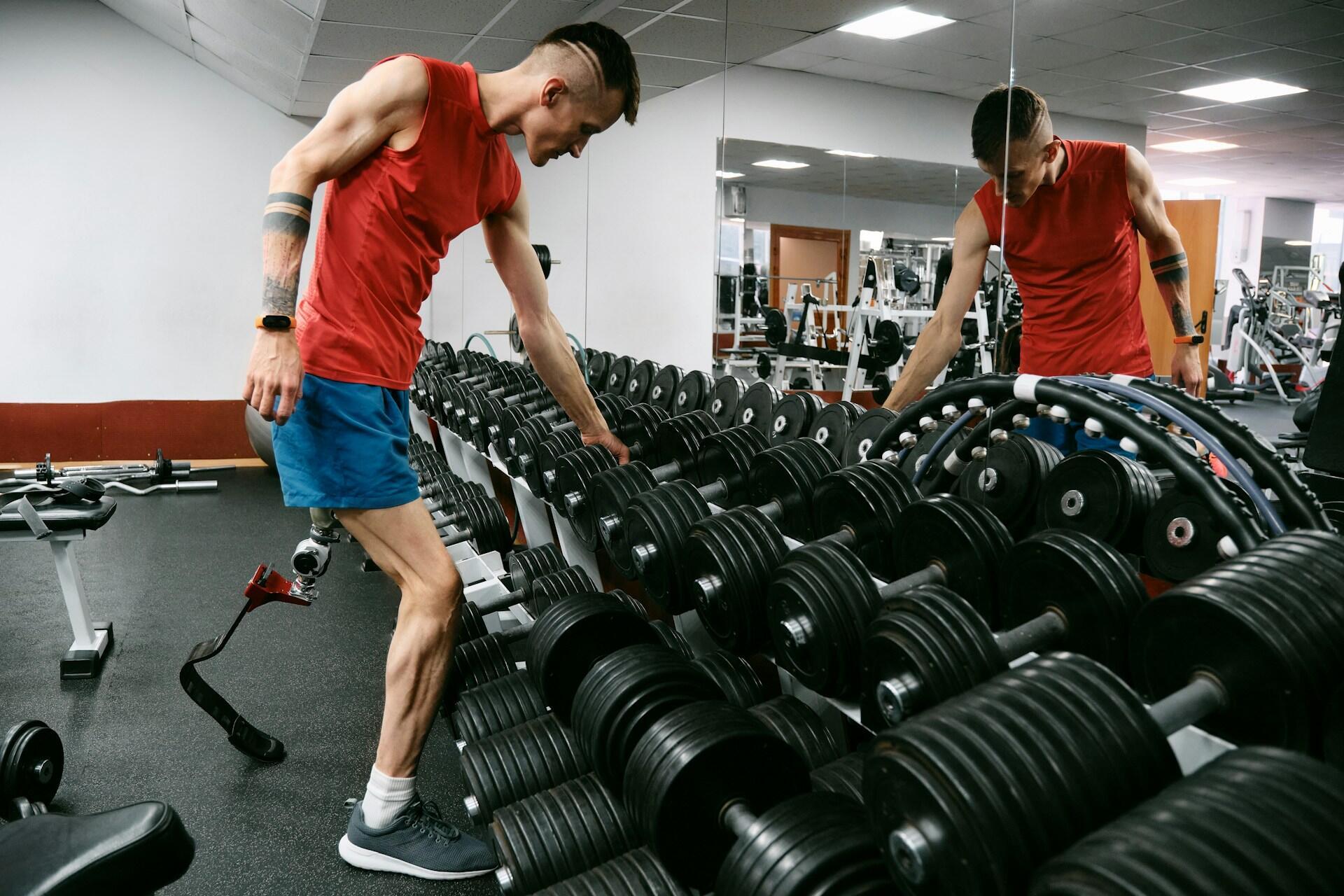
In this edition, the Paralympic Games take on a central role not only in terms of sport, but also in terms of culture and society.
Italy's Role in the Paralympic Movement 🇮🇹
In recent decades, Italy has taken on an increasingly active role within the international Paralympic movement. Hosting the Winter Paralympics means:
- recognizing the value of Paralympic sport
- offering it a platform for global visibility
- strengthening the commitment to inclusion and accessibility
Milan Cortina 2026 represents a unique opportunity to consolidate this position, showing how a major sporting event can be designed from the outset for Paralympic athletes, rather than adapted at a later stage.
A Legacy That Goes Beyond Sport 🌱
The legacy of the Paralympics is not measured solely in medals or records. Milan Cortina 2026 aims to leave a lasting mark on several levels:
- urban, with more accessible spaces
- cultural, with greater awareness of disability
- sporting, with an increase in Paralympic participation
- social, thanks to a more inclusive representation of sport
The Paralympics thus contribute to redefining the very concept of athletic performance, shifting the focus from limitations to possibilities.
Paralympics: An Integral Part of the Games
One of the most important messages of Milano Cortina 2026 is that the Paralympics are not a “side event.” They are the concluding and necessary part of the Winter Games, the part that completes their meaning.
Only with the Paralympics, in fact, can the Olympic project truly be said to be complete.
The Milan Cortina 2026 Winter Paralympics represent much more than ten days of sporting competition. They are the culmination of a long journey of sport, rights, inclusion, and cultural change.
In a country hosting the Winter Games for the third time, the Paralympics take on an even stronger symbolic value: they demonstrate that high-level sport can and must be accessible, representative, and shared.
Milan Cortina 2026 marks the end of the cycle of Games in Italy, but it also opens up new prospects for the future of winter and Paralympic sports. It is a legacy that goes beyond medals and will continue to live on long after the competitions have ended.
Sources
- Pizzimenti, Chiara. “Paralimpiadi di Milano Cortina 2026: «Nessun evento lascerà un segno come questi Giochi».” Vanity Fair Italia, 15 gennaio 2026, www.vanityfair.it/article/paralimpiadi-di-milano-cortina-2026-nessun-evento-lascera-un-segno-come-questi-giochi.
- Paralympic Schedule | Milano Cortina 2026 Winter Paralympics - March 6 to 15, 2026, www.olympics.com/en/milano-cortina-2026/paralympic-games/schedule/overview. Accessed 29 Jan. 2026.
- “Giacomo Bertagnolli, Paralympic Champion.” , Paralympic Champion, Trentino Marketing, 27 Oct. 2025, www.visittrentino.info/en/articles/trentino-open/giacomo-bertagnolli.
Summarize with AI:
Did you like this article? Leave a rating!

 Loading...
Winter Olympics
Winter Ice Skating
Super prof