
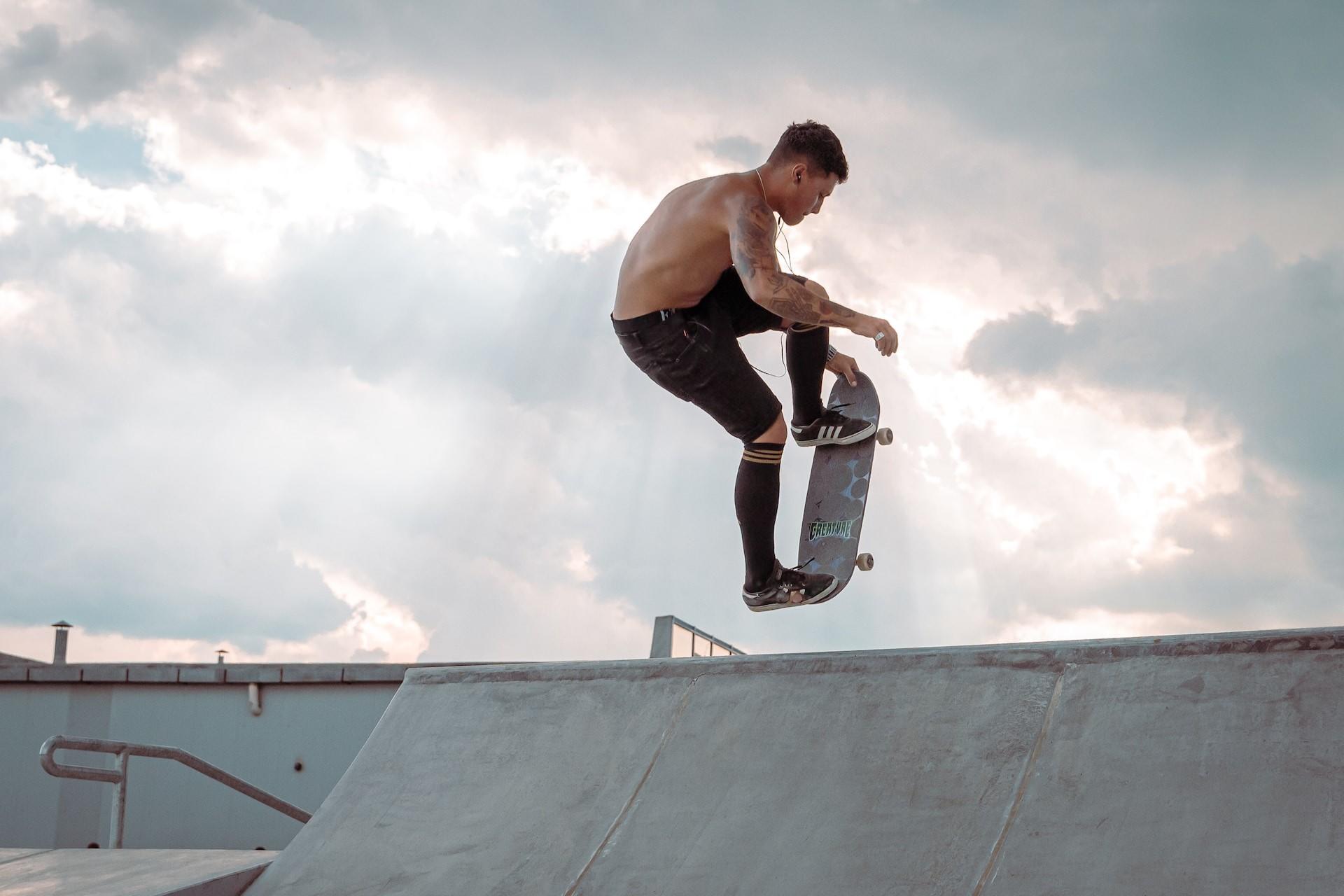

I consider skateboarding an art form, a lifestyle and a sport.
Tony Hawk
Skateboarding is surprisingly complex and certainly not something that you'll learn overnight. While it started as something surfers did when there weren't waves and was underground for a long time, skateboarding is now fairly popular and mainstream, making it very accessible to anyone who wants to learn. For those wishing to get started with skateboarding, here are the best places and ways to learn from designated skateparks to cool public spaces where skateboarding is legal.
| Type of Spot | Description | Example Locations |
|---|---|---|
| Public Skateparks | Purpose-built parks with ramps, rails, and bowls designed for skaters of all levels. | Venice Skatepark (Los Angeles, CA); Kona Skatepark (Jacksonville, FL) |
| Urban Street Spots | Legal public areas and plazas with smooth ground and street-style obstacles. | Love Park (Philadelphia, PA); Embarcadero Plaza (San Francisco, CA) |
| Indoor Facilities | Weather-proof training environments with consistent surfaces and supervision. | Skatepark of Tampa (FL); 5050 Skatepark (Staten Island, NY) |
| Local Skate Shops | Shops that double as community hubs for finding local spots, gear, and lessons. | Zumiez outlets; Independent skate shops nationwide |
| Skate Camps | Structured training programs offering coaching, equipment, and community for kids and teens. | Camp Woodward (PA); YMCA Skate Camp (CA) |


Public Skateparks
As a dedicated space for skateboarding and skating, skateparks are where you'll find experienced skateboarders and members of the skateboarding community. Skateparks are one of the best places to practice skateboarding and learn for beginners, as they offer the right terrain for skateboards, obstacles to practice tricks, and, in some cases, staff who can guide newer skateboarders.
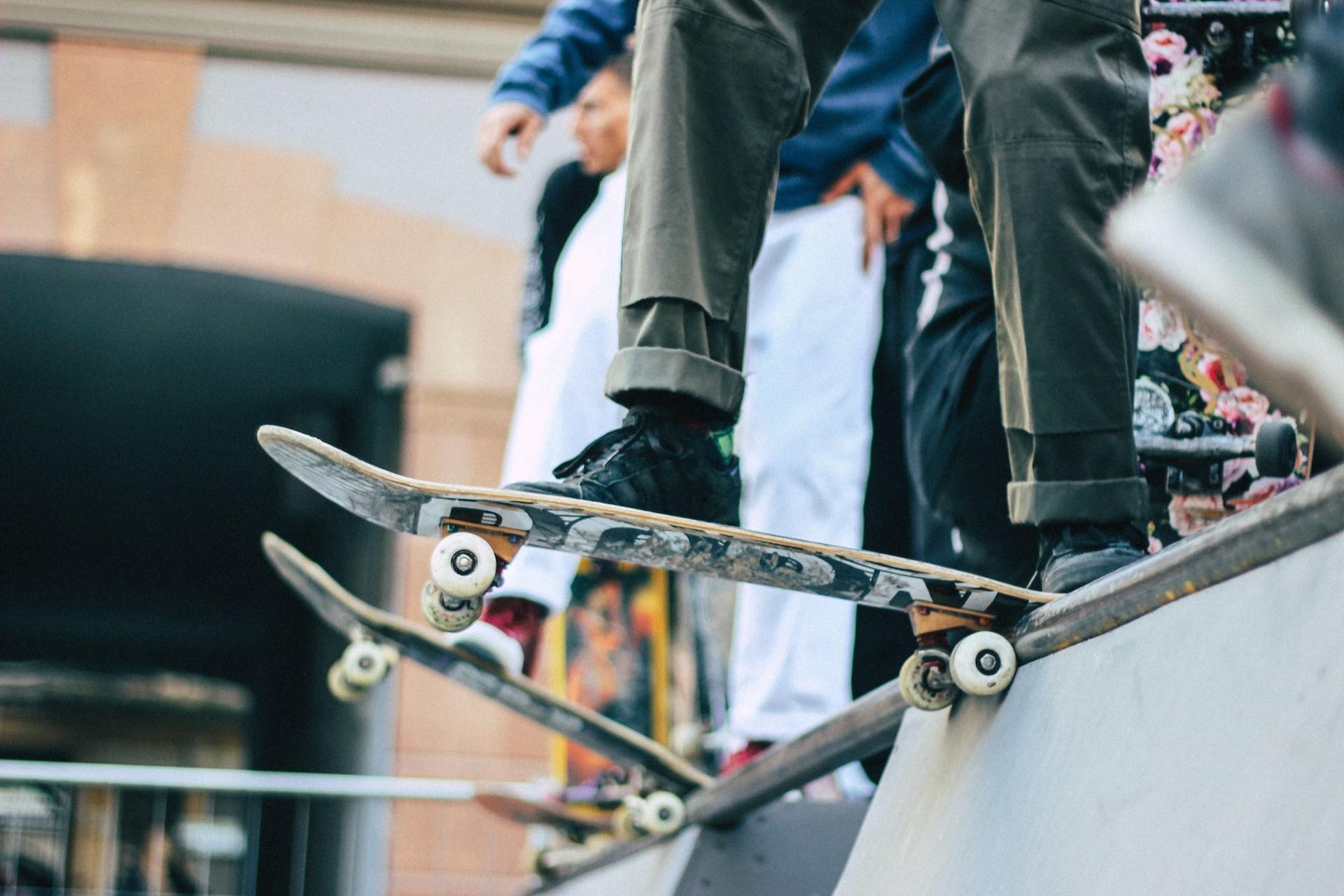
For public skateparks, you'll still find local skaters who can help you get started. However, even though the skateboarding community is generally helpful and welcoming, it's not another skater's job to teach you how to skateboard, so don't just show up and start demanding that they help you.
Skateparks are social spaces as much as they are training grounds. Watch the flow of skaters before entering a ramp, wait your turn, and never stop in the middle of a line. Respect others’ space, keep your gear off the main paths, and greet people. It’s the quickest way to make friends in the skate community.
It's a good idea to find local skateboarding communities online or offline first, ask whether they'd welcome an absolute beginner, and then arrange to hang out with them rather than just going to the skatepark. You can find skateparks by searching online or using dedicated websites. There are skatepark directories, skatepark finders, and skateboarding communities and forums online that can point you in the right direction to appropriate beginner-friendly locations. Across the United States, you’ll find hundreds of well-maintained skate parks that welcome skaters of all levels.
Urban Street Spots
Skateboarding began on the streets, which is why urban environments are popular with skaters. With cities across the US offering so many open, paved areas to work on balance, turns, and tricks, skaters often frequent them. You'll find that many have the smooth surfaces, rails, and ledges that many skateparks look to emulate. However, check that skating is legal where you plan to skate before you start.
Always confirm whether skating is allowed before practicing. Avoid busy walkways, respect private property, and wear safety gear even for short sessions. If you’re new, go during quieter hours like early morning or late evening so you can focus on balance and control without crowds.
Empty Parking Lots
Skateboarding, especially street skateboarding, can be done in and around urban areas, so there are naturally lots of places in cities where skateboarders can practice. Empty parking lots are great places to practice skateboarding, as there are often very few obstacles and ample asphalt to skate on.
Business Plazas
The same is true of the plazas and open urban spaces you tend to find in front of skyscrapers in bigger urban areas. Be sure to check whether these are public or private spaces first, and whether skateboarding is permitted. For obvious reasons, we can't recommend that you do anything illegal.
Popular Skateboarding Locations
The skateboarding community will have already found the best spots for skateboarding in your town, so if you see skateboarders, it's probably a good place to skate. Don't forget that you can find skateboarding communities online and ask them if you're not sure where to go. Don't forget that longboarding is different from skateboarding, and longboarders prefer downhill roads, long tracks, and areas.

Indoor Skate Facilities
In addition to the classic outdoor skate parks and urban areas where skaters can practice, indoor skate facilities are becoming increasingly popular, especially since they don't have to worry about traffic or weather. These often have designated zones for different levels. With the absence of rain, leaves, and cracks, they offer a more consistent surface that skaters of all levels appreciate. They also have staff on hand to help beginners.
Indoor parks provide a safe, all-weather environment that’s perfect for controlled learning. Many have softer ramps, dedicated beginner sessions, and supervision. This makes them ideal for building confidence before heading outdoors. Always check opening hours, required safety gear, and entry fees before visiting.
Local Skateboarding Stores and Skate Shops
Skate shops are usually easier to find than good skateboarding locations, since they're listed businesses and are much easier to search for online. When you buy your first board and safety equipment (which we highly recommend), you can ask staff members where the most popular skateboarding spots are and which ones are best suited to absolute beginners.
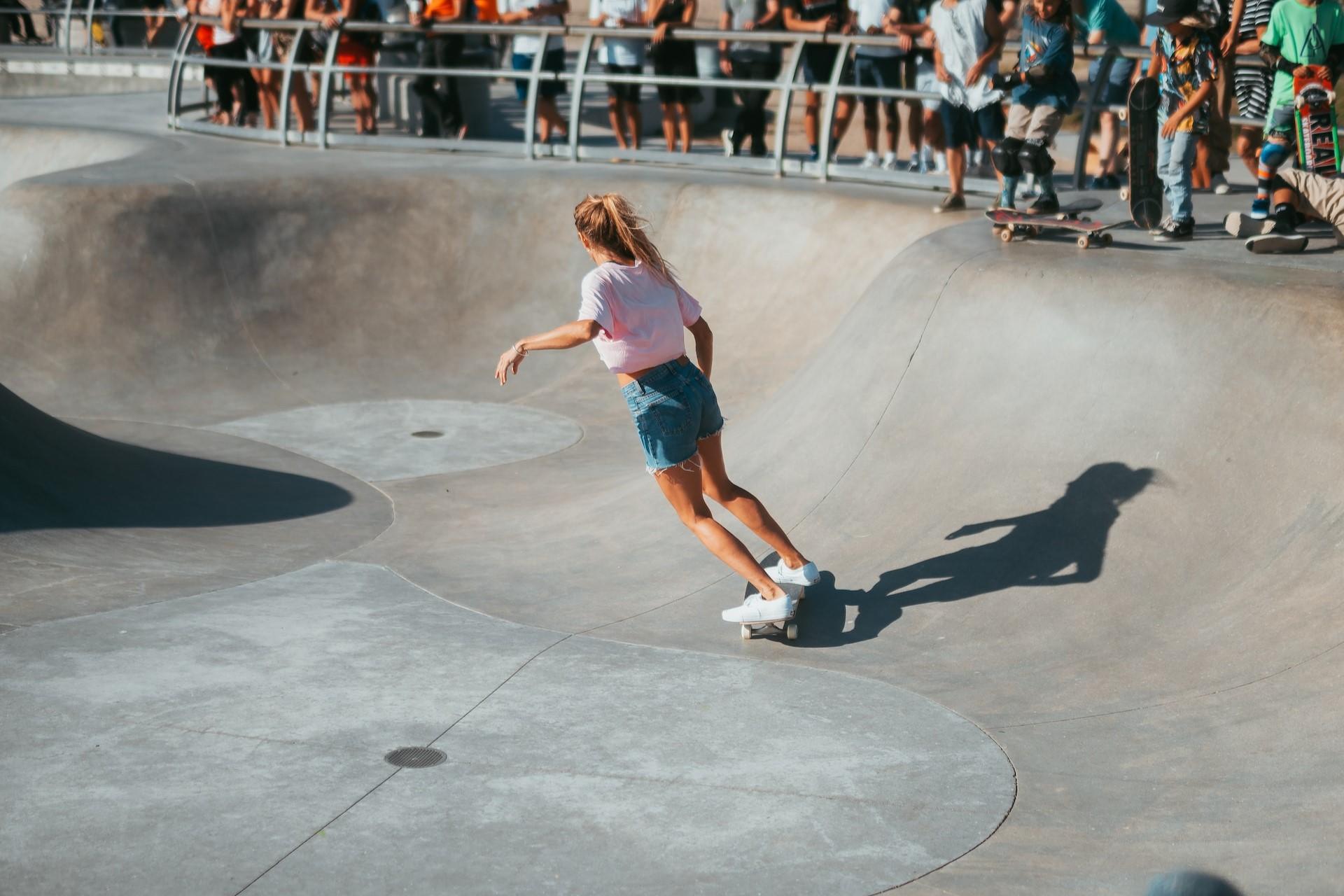
It's also a good place to ask around for coaching, lessons, or even just resources to start skateboarding. Except for skateboarders shopping online, every local skateboarder will have to go to their local skate shop for gear, making these places another hub for the community (outside of skateparks and other popular spots) and one that you can use for more helpful information, advice, etc.
Private Skateboarding Lessons and Coaching
Like any other skill, you can be taught to skateboard. While not the most common approach to skateboarding, private skateboarding coaching or tutoring can shortcut a lot of the trial-and-error most aspiring skateboarders have to go through.
A private skateboarding coach can teach you techniques, correct errors, and ensure you're learning skills appropriate to your level. Having a coach or skateboarding teacher with you makes it less daunting than skateboarding on your own, especially if your coach or teacher regularly hangs out there to skate. If you're shy or worried about just showing up somewhere to skateboard, your coach can provide moral support as well as tuition.
There are skateboarding coaches and tutors for all levels, and you'll generally pay less for beginners or coaches with less experience, making them an affordable option for many aspiring skateboarders.
Suppose you've decided that coaching is proper for you. In that case, you can always search for skateboarding instructors and coaches on Superprof, where you can compare different instructors, see how much they charge, and read what their other clients have to say about them.
A lot of the skateboarding instructors on the site also offer their first lesson for free, so you can try a few different ones out before choosing which one is right for you, how you like to learn, and what you want to learn to do on your skateboard.
Skateboarding Camps
For younger skateboarders, there are skateboarding camps they can attend. These are great because they can provide structured instruction to kids while also giving them something to do during the summer.
Generally, skateboarding camps also teach kids how to skateboard while emphasizing safety more than they'd likely get from random skateboarders in the local community. Skateboarding camps are also a good option, as attendees have access to equipment, safety gear, and even boards for kids who don't yet own one.
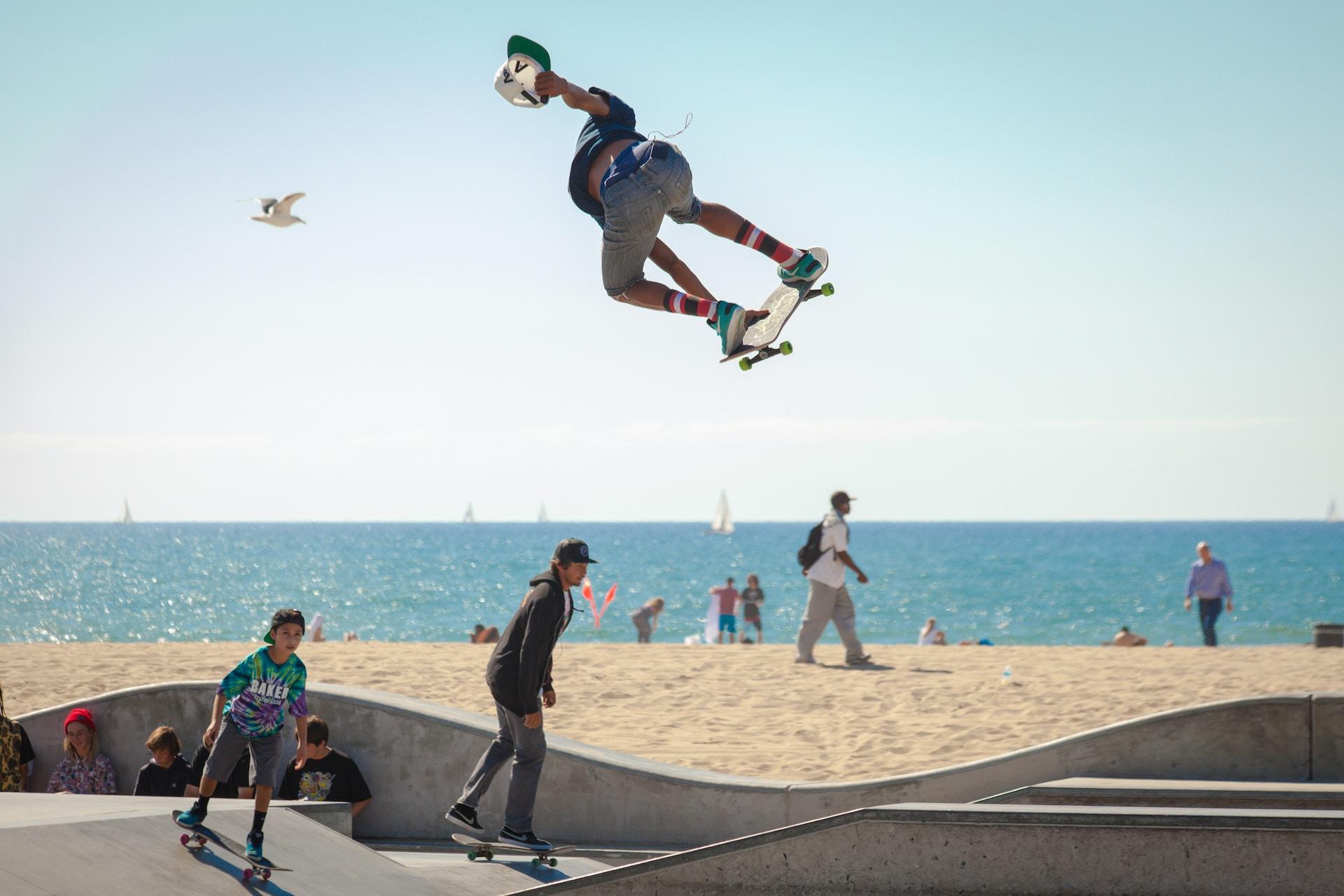
Under the guidance of professional skateboard coaches and instructors, they'll also have opportunities to learn skills and techniques appropriate to their level, rather than just trying something until they realize it's too complicated. This can also help young kids who are afraid of skateboarding overcome their fear and progress. Skateboarding camps also provide kids with an opportunity to learn to skateboard with other kids their age, which you can't guarantee at your local skatepark or popular skateboarding spot.
Summarize with AI:
Did you like this article? Leave a rating!

 Loading...
Thanks! This really helped me out and I just wanted to make sure that you knew that!
Thank you for your comment, Jonas! I’m happy you enjoyed the article!