
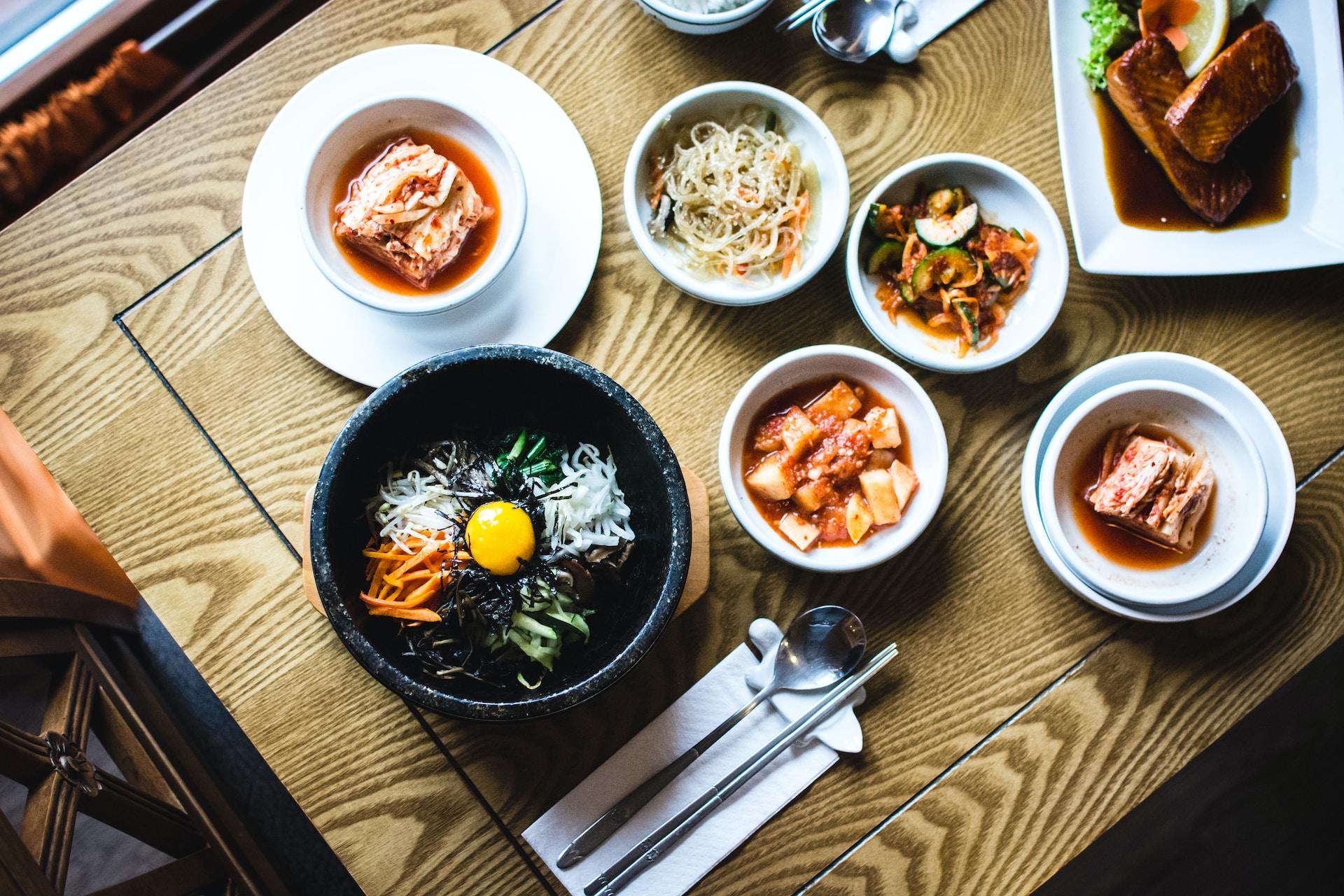

Without time, there is no flavor. In modern life, everyone is rushing. But some things cannot be rushed.
Ki Soon-do, South Korean master of traditional jang (fermented sauces)
Korean cuisine blends bold flavors, diverse ingredients, and traditions. These are all influenced by the country's geography, climate, culture, and history. Korean food is a balance of spicy, sweet, sour, and umami flavors that have evolved over time. Agricultural practices, regional ingredients, and cultural exchange helped form a food culture of harmony, seasonal ingredients, and communal dining. Let's explore this evolution to better understand how Korean food culture developed.
Key Takeaways
- Korean food history stretches back thousands of years and has been shaped by agriculture, geography, and cultural exchange across different dynasties and historical periods.
- The development of Korean cuisine history reflects influences from neighboring regions such as China and Japan, as well as internal traditions that emphasize balance, seasonality, and preservation techniques.
- Fermented foods such as kimchi, gochujang, and doenjang are central to Korean cuisine and contribute to its distinctive flavors.
- Communal dining practices, such as banchan and Korean barbecue, highlight the social importance of food in Korean culture.
- Modern Korean food culture history continues to evolve through globalization, with Korean dishes gaining popularity worldwide while still maintaining strong ties to traditional ingredients and techniques.
4th - 7th centuries
Three Kingdoms Period
Regional food traditions developed across Goguryeo, Baekje, and Silla, with fermentation and preservation techniques becoming widespread.
10th - 14th centuries
The Goryeo Dynasty
Trade and cultural exchange expanded Korean cuisine, with dishes like bulgogi and grilling traditions becoming popular.
Late 1300s - late 1800s
The Joseon Dynasty
Confucian philosophy influenced Korean food culture, emphasizing balance, etiquette, and structured meals.
1910 - 1945
Japanese Colonial Period
Japanese rule introduced new ingredients and cooking methods that influenced Korean cuisine.
1945 - 1950
Division of North and South Korea
North and South Korea began developing distinct culinary identities.
1950 - now
Globalization
Korean food culture expanded globally, with dishes like kimchi, bibimbap, and Korean BBQ gaining worldwide popularity.


The History of Korean Cuisine
As with any type of food, history and culture play a hugely important role. Throughout most of human history, people were required to eat whatever they could obtain or grow, and only the rich and powerful had the luxury of really choosing what went into their diets.
Cooking and food preparation techniques are also largely traditional and passed down through generations. This means that people will bring their own cooking styles with them, and when groups of people mix and interact, the culinary landscape is bound to change. The history of Korean cuisine is a fascinating one, shaped by many dynasties and periods.
The Agricultural Influences Behind Korean Cuisine
The story of Korean cuisine begins with the people living in the areas that are now politically divided into North and South Korea. The cultivation of crops such as rice, barley, and millet helped make them staples in Korean meals and a large part of the Korean diet in early history.
Influence from China and Japan
Proximity also furthers cultural exchange, and neighboring China and Japan have had a huge influence on Korean cuisine. In some cases, these influences found their way peacefully into Korean culture and cuisine, and in other cases, which we'll get to shortly, they were violently forced upon people through war and conquest. Either way, the Chinese and Japanese influences can still be seen in modern Korean cuisine. Noodles, dumplings, and stir-frying are all said to have arrived in Korean cuisine from the Chinese, while fermented fish and seafood were introduced to Korean cuisine from Japanese dishes.
Three Kingdoms Period
The Three Kingdoms Period is a time in Korean history between the 4th and 7th centuries that had significant implications for Korea and its cuisine.
Goguryeo, Baekje, and Silla
These three kingdoms greatly influenced one another through cross-cultural exchanges, further diversifying Korean cuisine with new ingredients and cooking techniques being spread from one region to another.
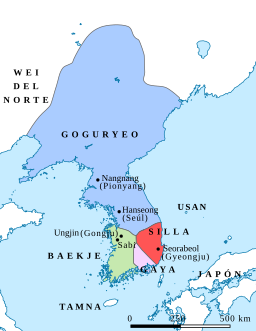
The differing geographical locations of the kingdoms also meant that different crops could be grown and eaten in different places, and trade networks between these areas allowed ingredients to find their way into dishes outside the regions where they were grown.
This was helped by new food preservation techniques, including fermentation (an important part of Korean cuisine), salting, and drying. It didn't hurt that each kingdom had its own royal culinary traditions, and that the royal courts were places where culinary developments took place.
The Goryeo Dynasty
The Goryeo Dynasty was the period between the 10th and 14th centuries in Korea, and during this period some of modern Korean cuisine's most popular dishes and cooking concepts emerged.
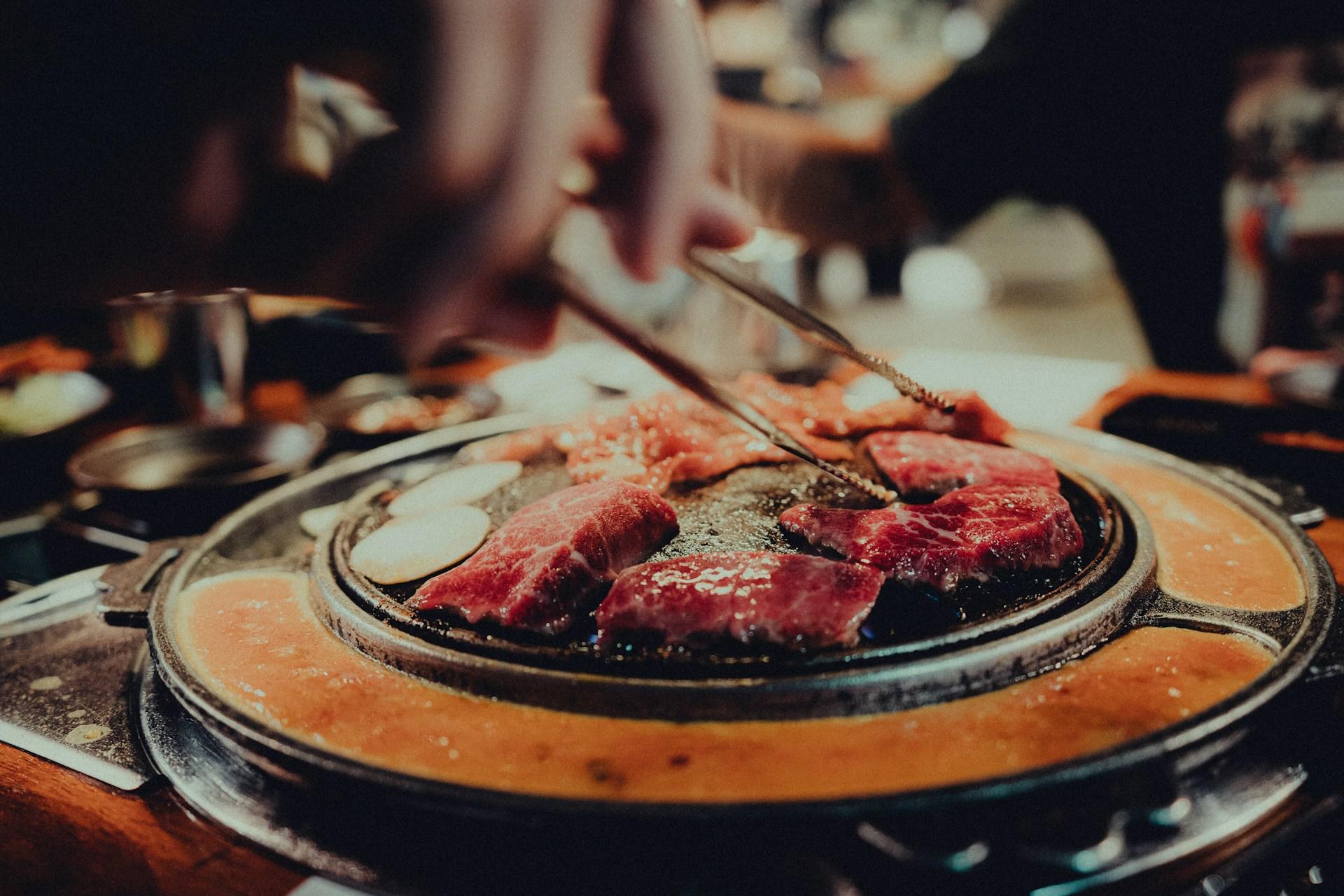
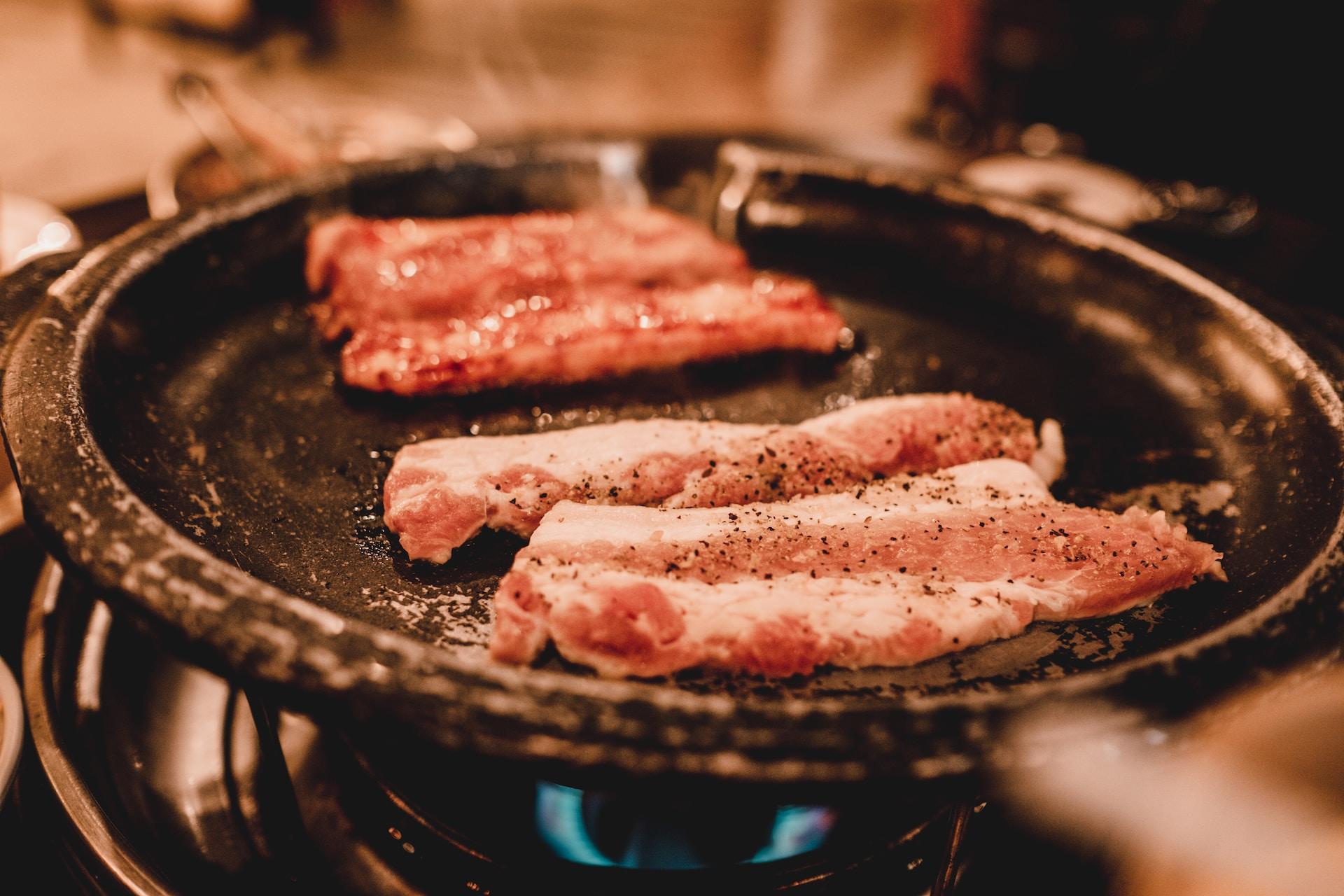
It was during the Goryeo Dynasty that the concept of Korean barbecue emerged. It's thought that grilling meat at the table, a fundamental part of Korean BBQ, was popularized during this time.
It was also during this period that bulgogi, a Korean meat dish, became very popular.
Interaction with Mongolia and Central Asia
No cuisine exists in isolation, and almost every country or culture, even North Korea, has to interact with its neighbors and other civilizations in some way. Invasions by the Mongols and other interactions with Central Asian peoples and civilizations introduced new ingredients such as beef and dairy. Other foods brought by Mongolia and Central Asia:
- Noodles
- Dumplings
- Fermented Dairy Products
- Seolleongtang (ox bone soup)
- Galbitang (beef short rib soup)
- Naengmyeon (cold buckwheat noodles)
The Joseon Dynasty
The underlying concepts of every cuisine are hugely important. During the Joseon Dynasty (late 1300s to late 1800s), for example, Confucianism emphasized the importance of balance in every aspect of life, including food. This balance is still part of Korean cuisine today, and you often find that Korean dishes still have this concept at their heart.
Japanese Colonial Period
We've already mentioned that interactions with other peoples and civilizations influenced Korean culture, and the Japanese colonial period was no exception. Between 1910 and 1945, Korea was subject to Japanese colonial rule. Colonialism can drastically change both the colonizer's and the colonized's cultures, and in the case of Korea's cuisine, this period brought Japanese dishes with it.
The Division of North and South Korea
After World War II, North and South Korea were divided, and each has since gone its own way. While they both had a similar starting point and historically share culinary practices and common dishes, new practices also mean that each country is developing its own unique culinary identity.
Pyongyang Cold Noodles
Sea Urichin
Pine Mushrooms
Duck Hearts
Classic Korean Bibmbap
Bulgogi
Dongchimi
Chap Chae
Globalization
Last but not least, the influences of the wider world have played a part in Korean cuisine. Modernization in South Korea has led to changes in how people consume food, and access to ingredients and culinary techniques from across the globe has also enabled the creation of fusion cuisine incorporating dishes from all over the world. It's thanks to globalization that other aspects of Korean culture have become more popular, and even Korean cinema is enjoying a boom at the moment, thanks to increased accessibility.
What Makes Korean Cuisine Special
So now that you know what influenced Korean cuisine, we can look at exactly what makes it so special, why you should try it if you haven't already, and what you can expect to find when you eat Korean food.
The Flavors in Korean Cuisine
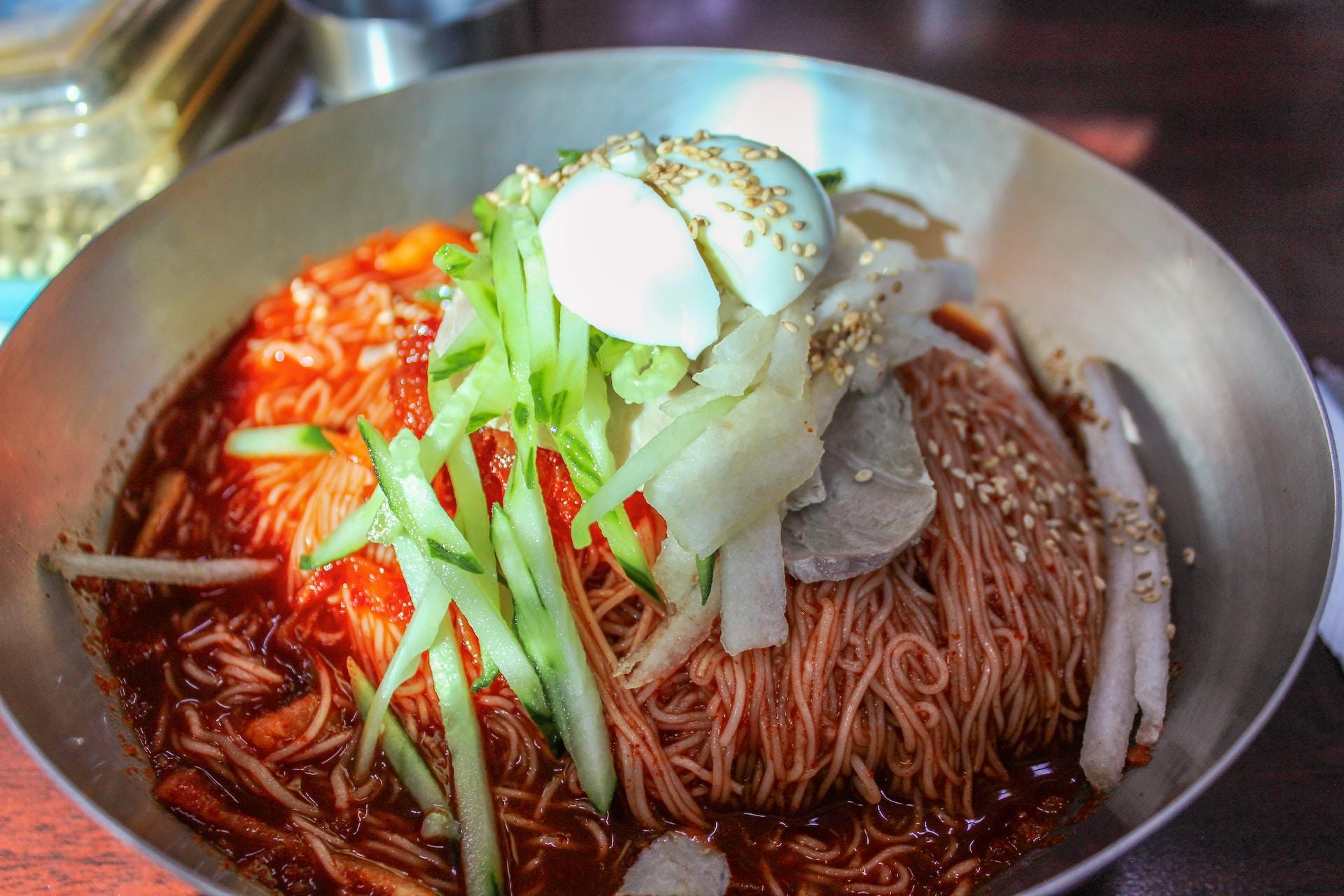
Flavor is a huge part of cuisine, and Korean food is famous for its balanced, diverse flavors. Korean cuisine favors the mixing of sweet, salty, spicy, and savory flavors rather than isolating them into separate dishes.
Fermentation in Korean Cuisine
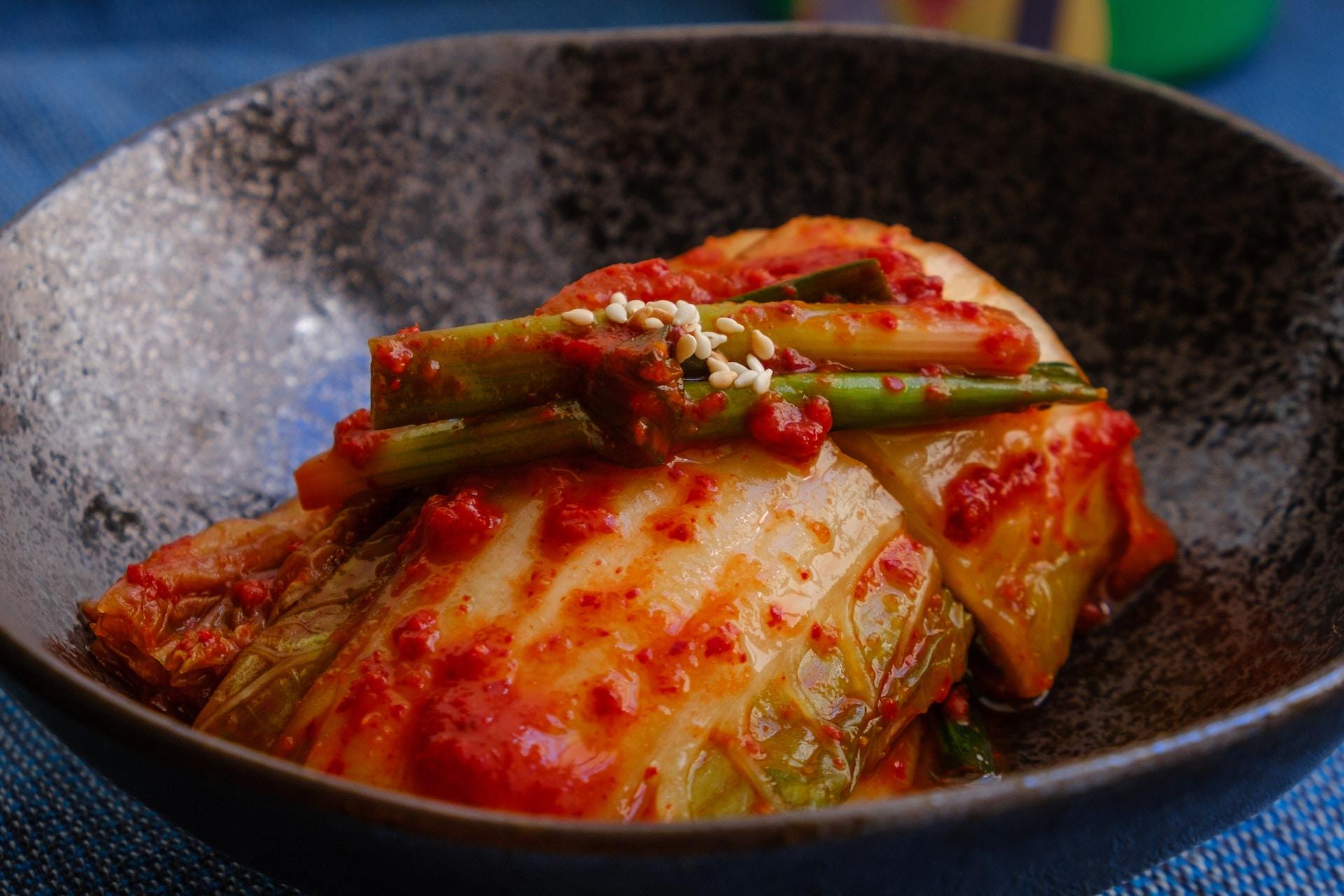
Fermentation was one of the ways earlier Korean cultures (particularly during the Three Kingdoms Period) transported and stored ingredients. The practice of fermentation is still prevalent in Korean cuisine today, and the bold flavors often result from the various fermented products used. Ingredients such as kimchi (fermented vegetables), gochujang (fermented red chili paste), and doenjang (fermented soybean paste) are all excellent examples of this.
Banchan
Banchan are small sharing dishes that are usually put in the middle of the table. Not only do these dishes allow you to try more things, but they also make the dining experience more communal. Banchan are generally a side dish to your main course and can include:
- Kimchi
- Pickled Vegetables
- Marinated Tofu
- Seafood
traditional Korean dishes known as banchan in Korean cuisine.
Barbecue
Korean BBQ or “gogi-gui” is one of the most popular ways to eat Korean food. Rather than having a chef grill the food for you, guests grill their own meats using a grill either on or built into the table. This is a fun experience that gets all the diners involved in the cooking of their food, and if you eat meat and want to try Korean food, this is the way to go.
Vegetables
While vegetables aren't unique to Korean cuisine, they're given special emphasis to ensure dishes are balanced and nutritious. Fresh and seasonal produce is often used in Korean cuisine and in most cases, vegetables are an integral part of the dish.
Spice and Seasoning
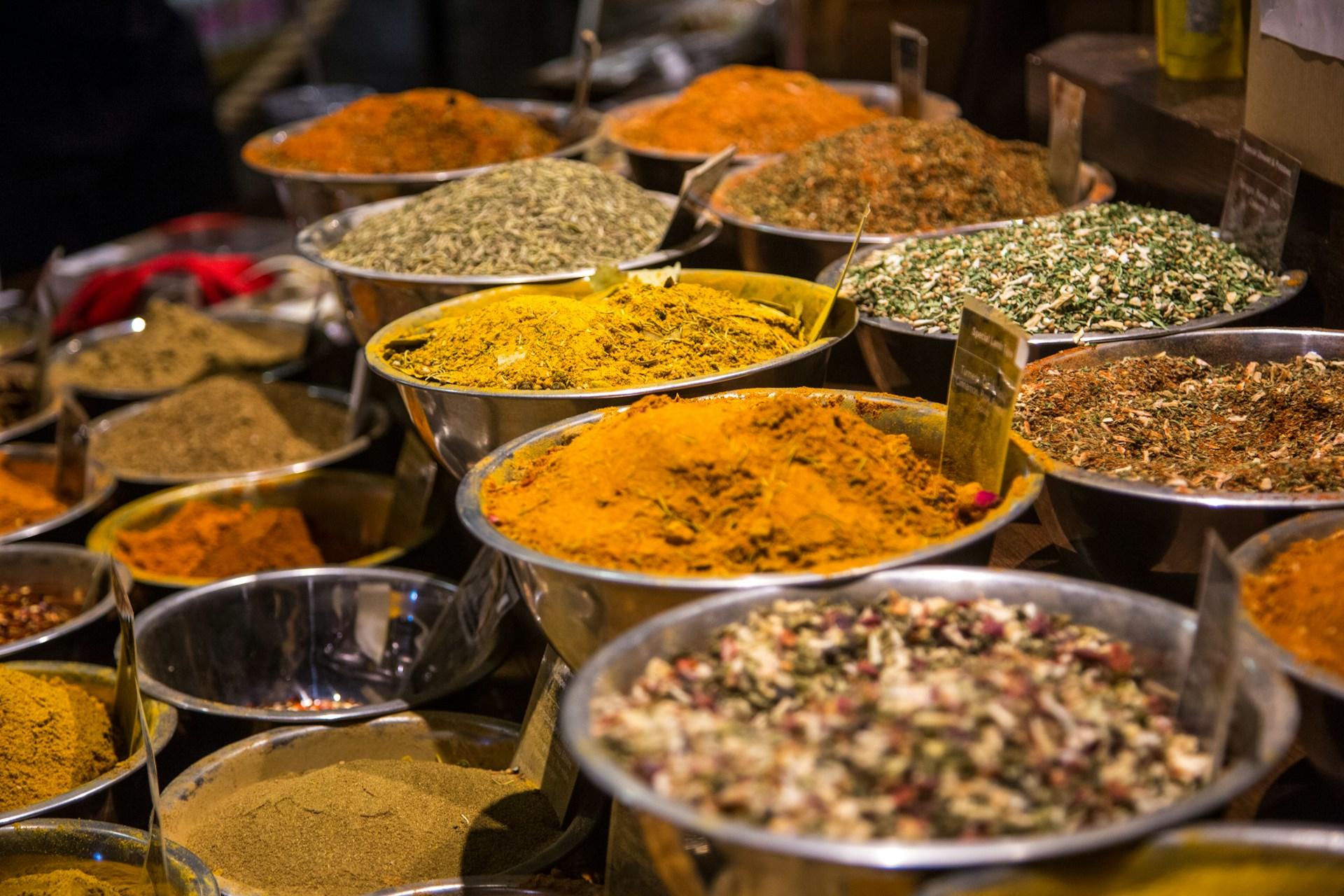
The balance present in every Korean dish is achieved in part by the spices and seasonings used.
The flavor profile of Korean dishes is complex, and it's quite common for Korean food to be somewhat spicy, using chili peppers, red pepper flakes, and other spices.
One-Pot Dishes
You'll find a lot of one-pot dishes in Korean cuisine, and stews and hot pots like jjigae and jeongol are commonplace. Like other Korean dishes, these are balanced with a mix of meats, vegetables, and seasoning or broths.
Rice and Noodles
Much like in neighboring cuisines, rice and noodles are prevalent in Korean dishes and are usually served alongside dishes rather than in them. Learn how to make the popular Korean noodle dish, Ganjang Bibim Guksu, with this quick recipe.
Korean Food Culture
The relationship that Koreans have with their food has also significantly influenced it. The reason Korean food is so special is that the preparation, presentation, and consumption of food are all given great importance. There are cultural traditions, etiquette, and social norms that come with eating food.
If you've been watching popular K-dramas, you may have seen examples of Korean food culture and maybe even some of Seoul's trendiest eateries. In fact, the K-drama "Pasta" is a romantic comedy about a girl trying to become an elite chef!
Korean cuisine has gained international recognition in recent decades thanks to globalization and the global popularity of Korean culture. The spread of K-pop, Korean films, and television dramas has introduced international audiences to traditional dishes like kimchi, bibimbap, and Korean barbecue. Korean restaurants have also expanded rapidly around the world, helping more people experience Korean food culture firsthand. This growing global interest shows how the long history of Korean cuisine continues to influence modern dining far beyond the Korean peninsula.
If you'd like to learn more about Korean food, culture, or the language, consider getting help from a private Korean tutor. Not only can they teach you the language and the vocabulary you'll need to know to order food, but they can also teach you about Korean cinema, TV, music (like K-pop), and the history of the Korean peninsula. There are plenty of talented Korean tutors all over the country available on Superprof, and many offer the first lesson for free, so get started finding your perfect Korean tutor today!
Summarize with AI:
Did you like this article? Leave a rating!


 Loading...
How did China and Japan influence Korean foods?
Hi! Korean cuisine has been significantly shaped by its neighboring countries, China and Japan. These influences have been both peaceful, with cultural exchanges, and unfortunately at times with violence, as they were impacted by conflicts and conquests.
Love your website! Where did the idea of kimchi come from?
Thank you for your comment Stephanie! The idea of kimchi came from Korea, where they created it as a way to preserve and transport food.