
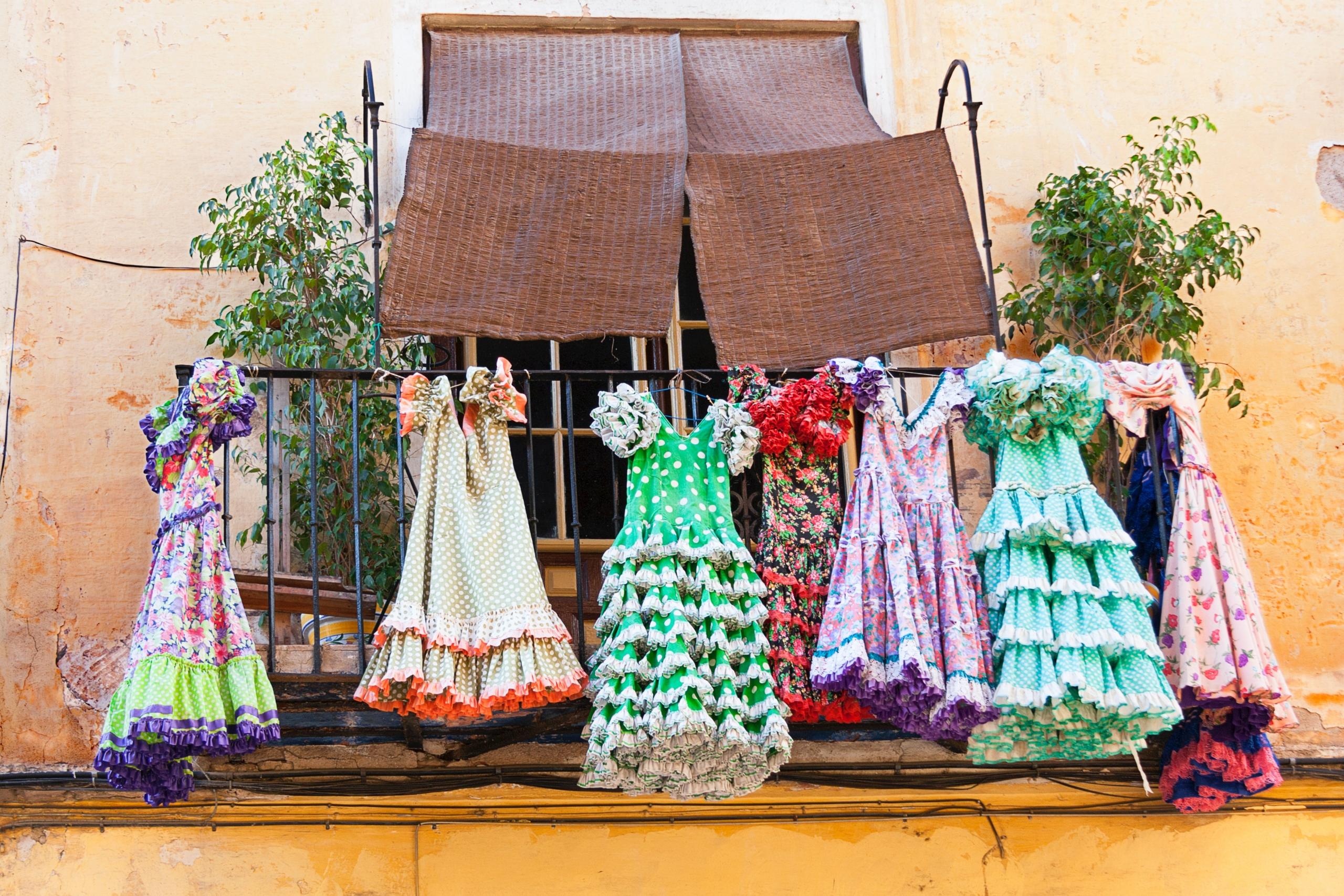

Flamenco is more than a traditional Spanish dance. This symbolic art form embodies Spain's passion, history, and cultural identity, especially in Andalusia and Seville. It's rooted in Spain's gypsy culture and blends dance, music and singing. Every element of flamenco carries meaning, so let's look at its origins, evolution, and impact on global audiences today!



The Symbolism of the Flamenco Dance
With the accompaniment of music or cante, flamenco dance can be one of the most irresistible performances to witness. This dance, which is inspired by the Andalusian gypsy culture, is focused on evoking and communicating passion, love, sadness, despair, joy, and more.
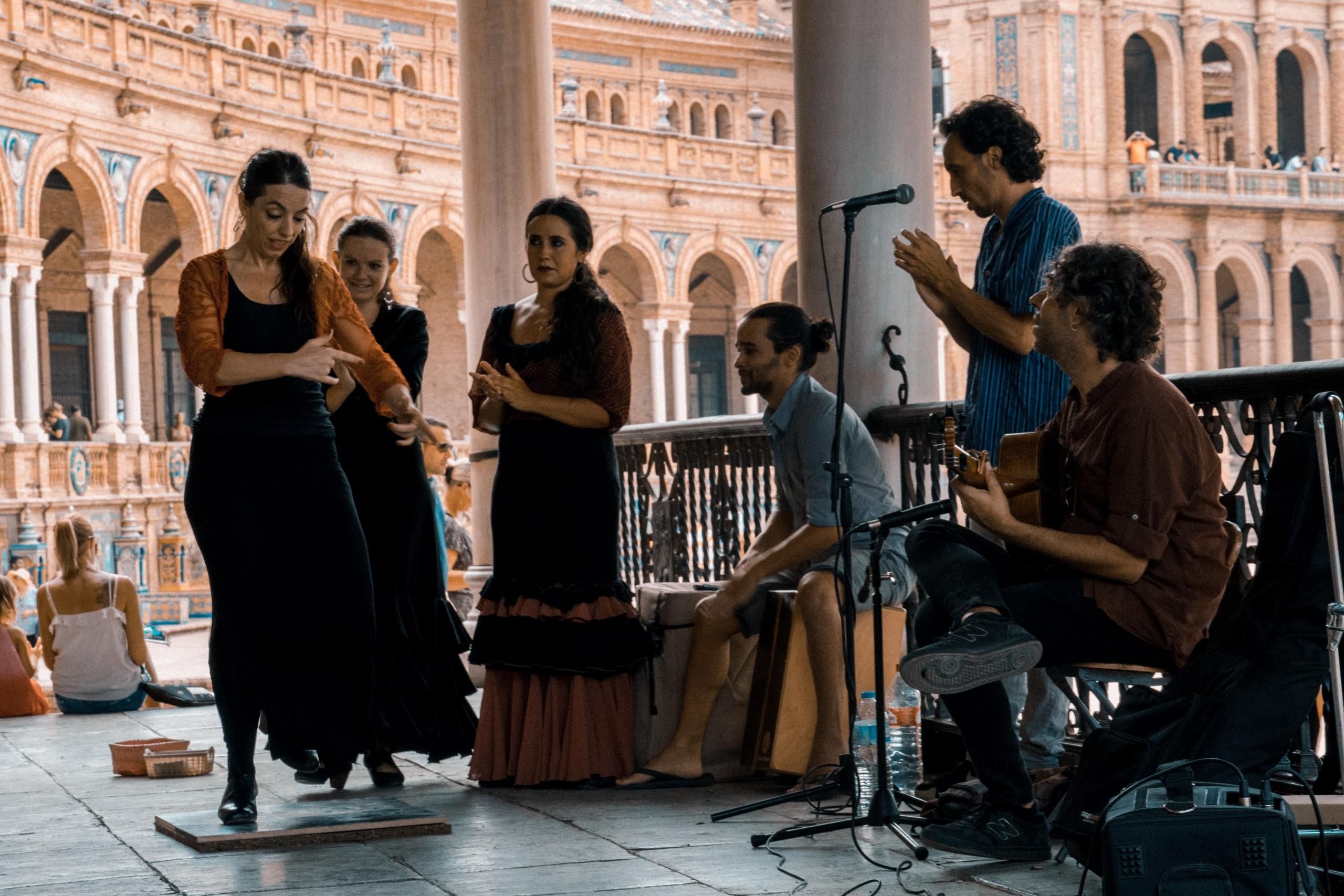
This Spanish dance is now recognized as a symbol of Spain's identity and has spread to many different corners of the world.
Flamenco dates back to the 9th century. However, we can say that the dance originated during the 15th century. Before dancing, flamenco was about the cante or singing.
The gypsies, who traveled across different lands, collected different forms of folk dances from different cultures and groups they came across with. Once they arrived in Spain, they developed what we know today as the flamenco dance, a gateway the gypsies used to express themselves.
This dance is known for being emotionally intense and expressing all those emotions with the rhythm and movement of the arms and stamping feet. This does not mean that flamenco differs from tap or Irish dance. These dances use different forms and techniques.
🔹 Braceo – Expressive arm movements
🔹 Zapateado – Rhythmic footwork and stamping
🔹 Taconeo – Percussive heelwork
🔹 Florea – Delicate hand and finger movements
🔹 Cante – Emotional singing that guides the dancer’s expression
🔹 Toque – The guitar’s essential role in creating rhythm and mood
The entire ensemble of flamenco consists of movement of the arms (braceo), movement of the upper torso, footwork (zapateado), heelwork (taconeo), and hand and finger movement (florea).
These movements are also divided between males and females. Male dancers usually perform sophisticated and complex footwork, whereas female dancers emphasize their hands and upper torso. The guitarist is responsible for keeping the rhythm, which is essential for the dancer’s rhythm.
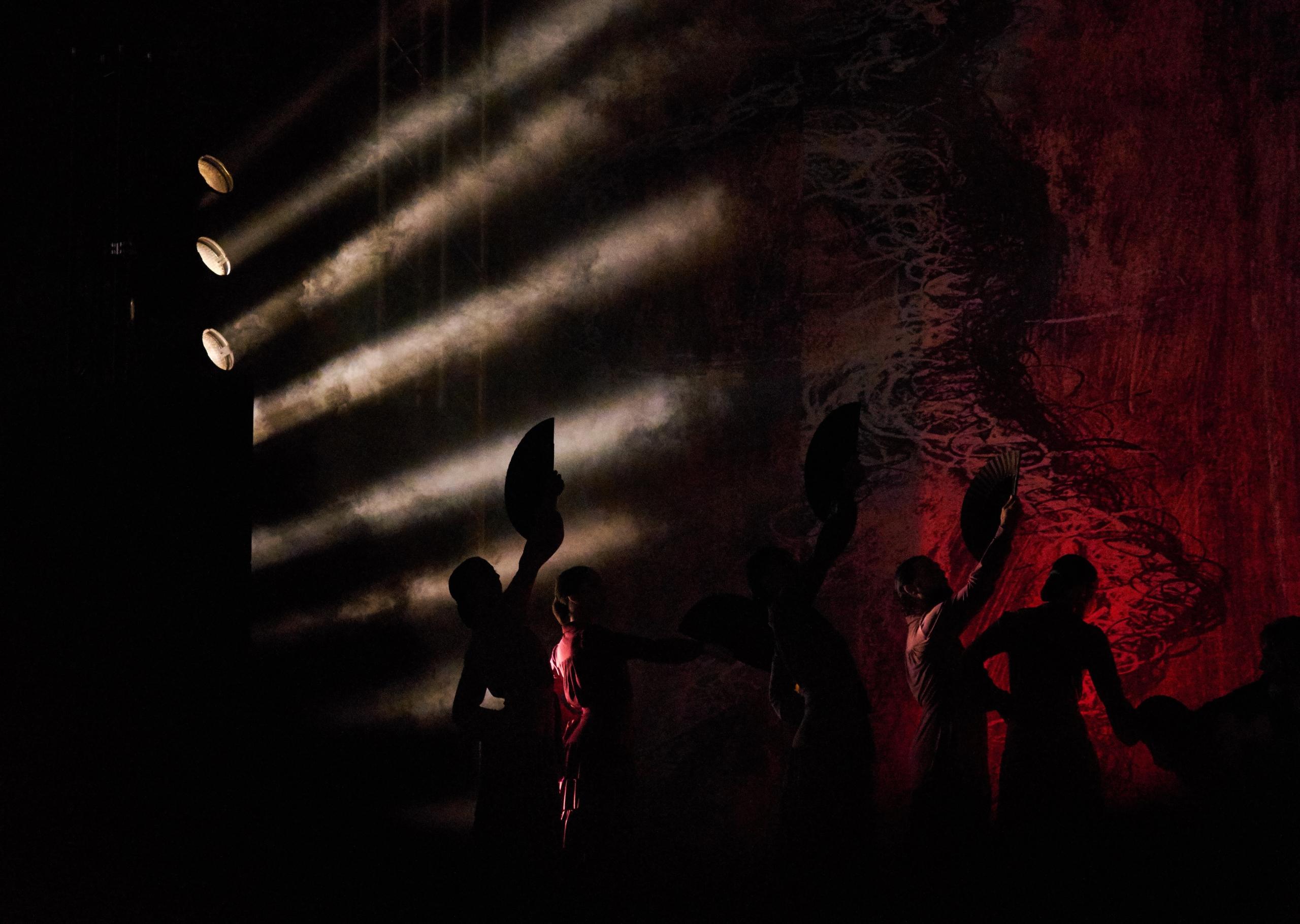
Flamenco dancers have a style that distinguishes them from other types of dances. Anyone who knows how to dance flamenco understands an entirely different body language and knows how to communicate their emotions only using their arms and feet.
This cultural symbol has overcome the test of time, and even though it can evolve over the years, it continues to represent the culture and history of Spain.
Flamenco Garments or Flamenco Dress
The traje de Flamenca, a gypsy outfit, or flamenco dress, is commonly used by women at the popular festivals of Andalusia, Spain.
The dress is usually tight in the upper part of the body (made of a lycra material), and from the waist down, it turns into a long skirt that has multiple layers of ruffles. Some dresses don't have sleeves, others have short, normal sleeves, and some have a few ruffles on the sleeves. These layers turn the dress into a big, heavy, beautiful, and festive outfit worthy of a flamenco dancer.
The dress is typically red; most have some patterns or designs on the skirt's ruffles and edges. Some dresses are black or white, you can see green or baby blue too, but the original one is red with black patterns. The most popular pattern in flamenco dresses is the polka dots.
A flamenco dancer can cover up with a white or pink shawl. Finally, flamenco dancers usually wear their hair in a tight high bun, decorating it with flowers and a decorative scrunchy.
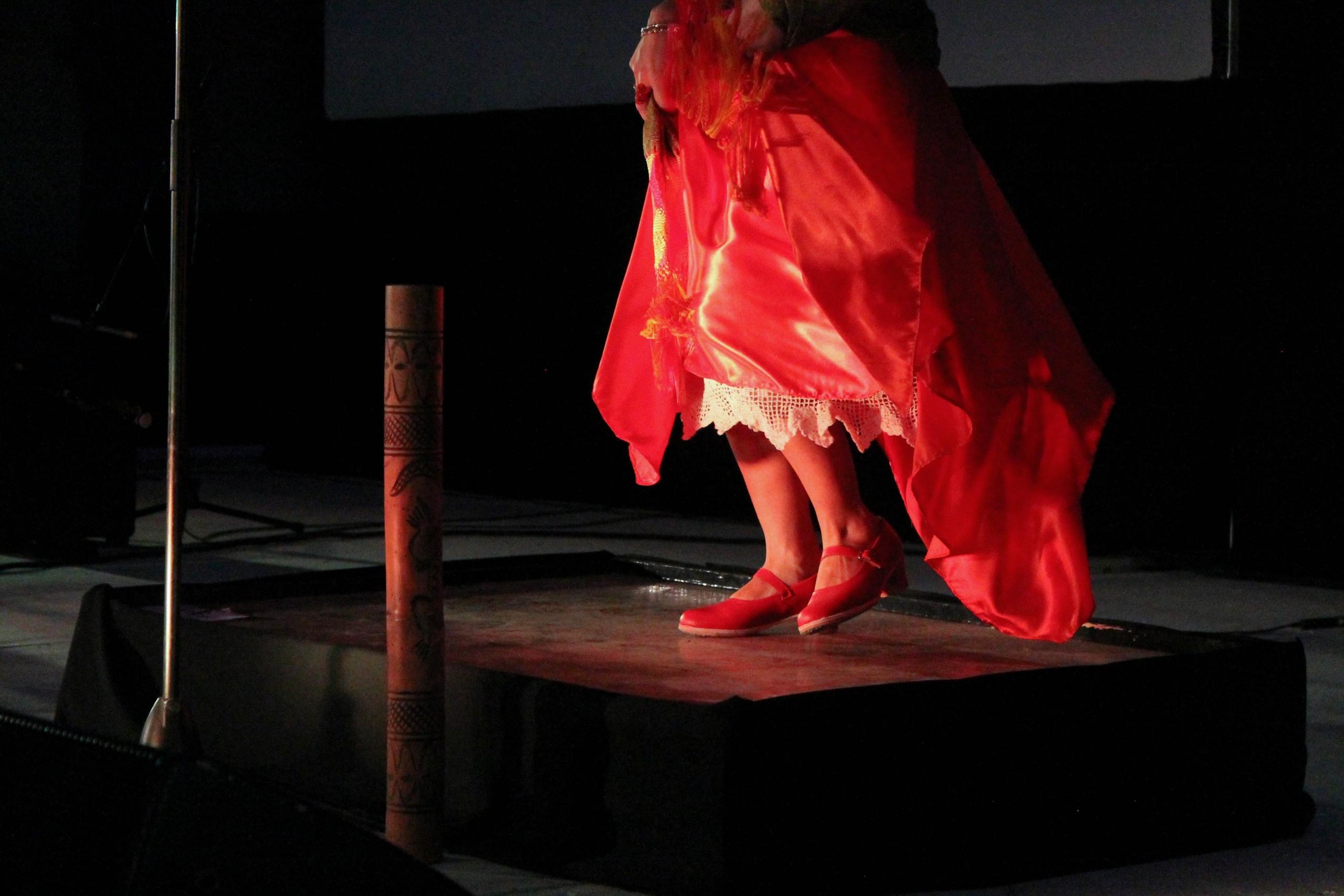
There are two types of dresses: the one worn by dancers who will perform at the Andalusia festival and the one used casually as a day dress, which is also very popularly used at Andalusia festivals.
The classical outfit originally belonged to the gypsies, and it is now known as a traditional suit for artists and dancers from Andalusia. The dress became popular and originated between the 19th and 20th centuries, not that long ago.
Women merchants would wear gowns trimmed with ruffles to the fairs where they used to work. With time, other women started copying and wearing these dresses in public. Eventually, the dress evolved into what we all know today.
All in all, the flamenco dress reflects the identity of the Andalusian culture.
🔴 Red – Passion, strength, and intensity
⚫ Black – Elegance, mystery, and power
⚪ White – Purity and grace
🟢 Green – Growth, hope, and renewal
🔵 Blue – Tranquility and emotional depth
The Symbolism of the Flamenco Music
The music in flamenco is divided in two, the cante or song accompanied by the sound of the guitar.
There are three types or styles of songs in flamenco: cante jondo, cante intermedio, and cante chico. The cante jondo —also known as a profound song— is the original song, consisting of an elaborate 12-beat rhythm.
Cante jondo is known as profound because it deals with profound emotion, and it usually addresses topics such as despair, religious doubt, anguish, and death.
The second style is called cante intermedio —known as an intermediate song— and is a mix or hybrid of different Spanish music sounds. It is characterized as being less profound than jondo but still very moving.
Finally, there's cante chico —which means light song— and it has a complex rhythm as the other two forms but it has less emotional investment as the jondo and intermedio. It usually deals with topics like humor, love, and lighter themes.
On the other hand, the guitar's sound is one of the most critical elements of the music in flamenco. There are many different musical styles in flamenco, and the guitar usually adapts to these styles. For instance, the guitar will accompany sad songs with slow and high-pitched strings and happy songs with warm and joyful strings.
The traditional mode of playing the guitar in flamenco is called the Phrygian mode. It consists of notes on the A minor scale starting on E. To add tension, I also play G# on the 3rd string.
Flamenco isn't just a classic Spanish style of music and dance, it's still around today. Just listen to some more modern flamenco music.
Influences of Flamenco
Flamenco culture was brought to the Spanish culture by a group of gypsy men and women between the 9th century and 14th century. This famous dance is the result of mixing the Andalusian Roma (gypsy) music with the Hispanic Jews', and the Western Arabs'.
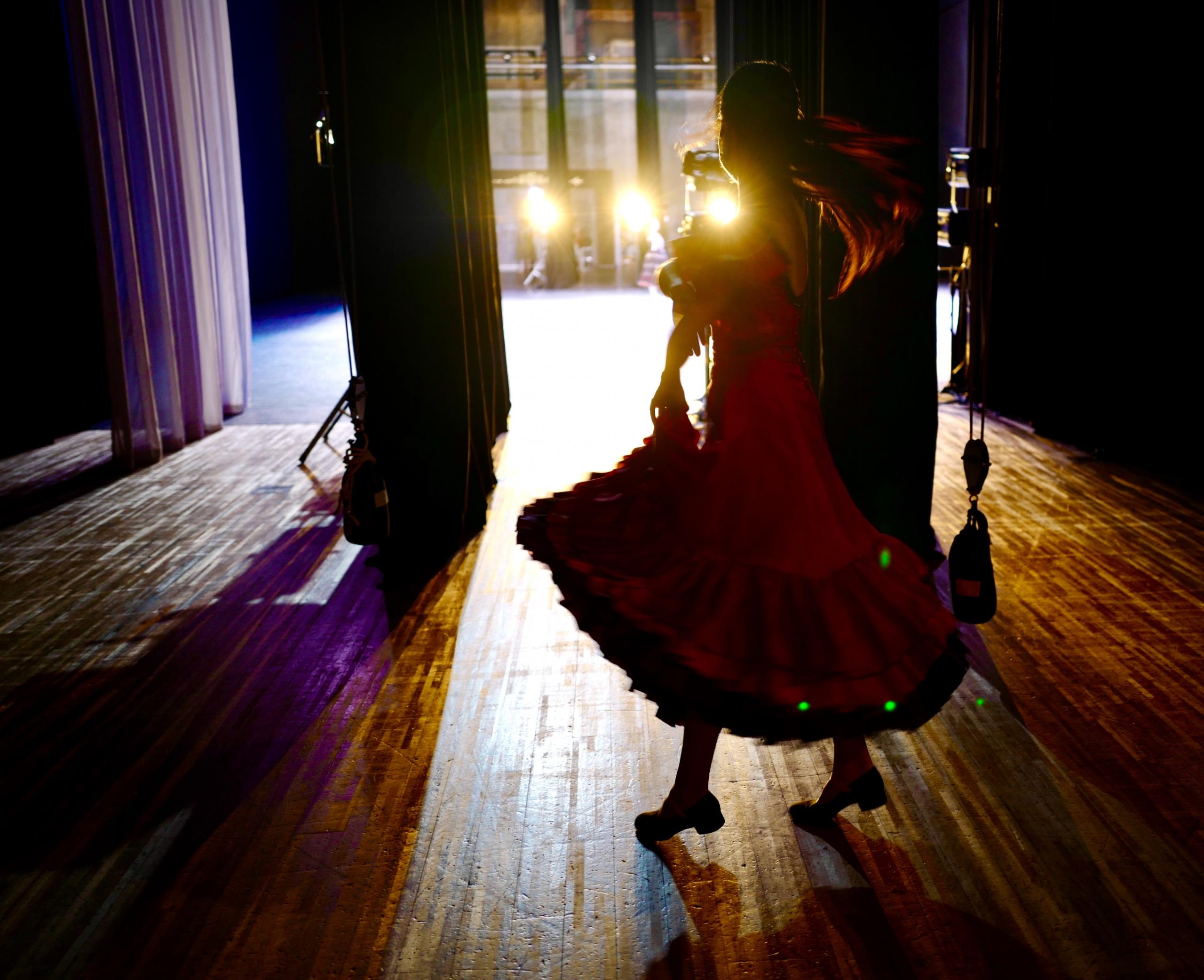
It is believed that the group of gypsies migrated to the southern region of Spain from India because many original movements reassembled classical Hindu dances.
The gypsies would use bells, wooden castanets, and tambourines to play their songs, and these instruments started mixing with the music forms existing in Spanish grounds, thus creating the sound we know and love in flamenco.
9th Century
Early Cultural Influences
Flamenco's roots begin with the arrival of gypsy communities in Andalusia, Spain, bringing influences from India, the Middle East, and North Africa.
15th Century
Formation of Flamenco Culture
Spanish gypsies (Gitanos) settle in Andalusia, mixing their traditions with Spanish folk music, Moorish melodies, and Jewish chants.
18th Century
The Birth of Flamenco
Flamenco emerges as a distinct art form, with its cante (singing) at the core. It is performed in small gatherings, expressing deep emotions.
Early 19th Century
Rise of Flamenco Dance
Flamenco dance (baile) gains importance, with dancers adding intricate footwork and arm movements to accompany the music.
Mid-19th Century
Café Cantante Era (Golden Age of Flamenco)
Flamenco spreads to public venues called Cafés Cantantes (singing cafés), attracting larger audiences and refining the art form.
Late 19th Century
The Guitar Becomes Essential
The flamenco guitar (toque) becomes a central part of performances, adding complex rhythms and harmonies to accompany the singing and dancing.
Early 20th Century
Theatrical Performances & Globalization
Flamenco moves from small cafés to large theaters, spreading across Europe and Latin America, gaining international recognition.
1950s
Revival and Innovation
New flamenco styles emerge, blending with jazz, classical, and folk music, while Spain revives traditional flamenco through festivals and competitions.
1970s
The Flamenco Nuevo Movement
Artists like Paco de Lucía introduce modern guitar techniques, and musicians experiment with rock and fusion styles, bringing flamenco to a global audience.
2010
UNESCO Recognizes Flamenco
Flamenco is declared an Intangible Cultural Heritage of Humanity by UNESCO, securing its place as one of Spain’s most treasured cultural traditions.
Although flamenco is originally from Spain, it has grown popular across the globe, and people from different countries are interested in learning about the culture, style, songs, and dance moves of flamenco.
If you want to learn more about flamenco, you can always find a private tutor here on Superprof and start your journey as a flamenco dancer. You can find Spanish and dance tutors who learned the dance in its birthplace or someone local who is just as good at dancing flamenco.
Summarize with AI:
Did you like this article? Leave a rating!


 Loading...
I just love the looks the sounds,the music,everything about Flamenco and reading about its origins.The dancers ….Pablo make it look soooo easy, do they ever run out of breath?
Thank you for the comment, Marge! We’re happy you enjoyed our article about flamenco!
Helpful in understanding flamenco. Many thanks
Glad you enjoyed the article, Daniel!
Geweldig artikel. Bedankt.
Thank you for the comment, Lucia!
I am impressed never knew this information before tx
Thank you for the feedback! We’re happy you enjoyed the article.
J’adore le flamenco qui est une transe du chanteur,du danseur et du guitariste.
Je vais continuer mes recherches pour mieux décoder cet art
After experiencing Flamenco in Santa Fe, New Mexico last night in a cabaret venue, I had to look up the origins of the dance and music. This blog has helped a lot. A great reference.
Hi Carolyn! I’m happy this article was useful for you. Enjoy your flamenco classes! 💃🏼