“For tea, though ridiculed by those who are naturally of coarse nerves, or are become so from wine-drinking, and are not susceptible of influence from so refined a stimulant, will always be the favourite beverage of the intellectual.” - Thomas de Quincey
Japan produces around 100,000 tonnes of tea per year and only 3% of it makes it out of the country as an export. Tea as a warm beverage appeared in Japan in the 9th century with the arrival of Buddhist monks from China. Bit by bit, the ritual of drinking tea was created around the consumption of the drink. The Japanese tea ceremony is known as cha-no-yu (lit. hot water and tea). Learn more about the history of the Japanese tea ceremony.
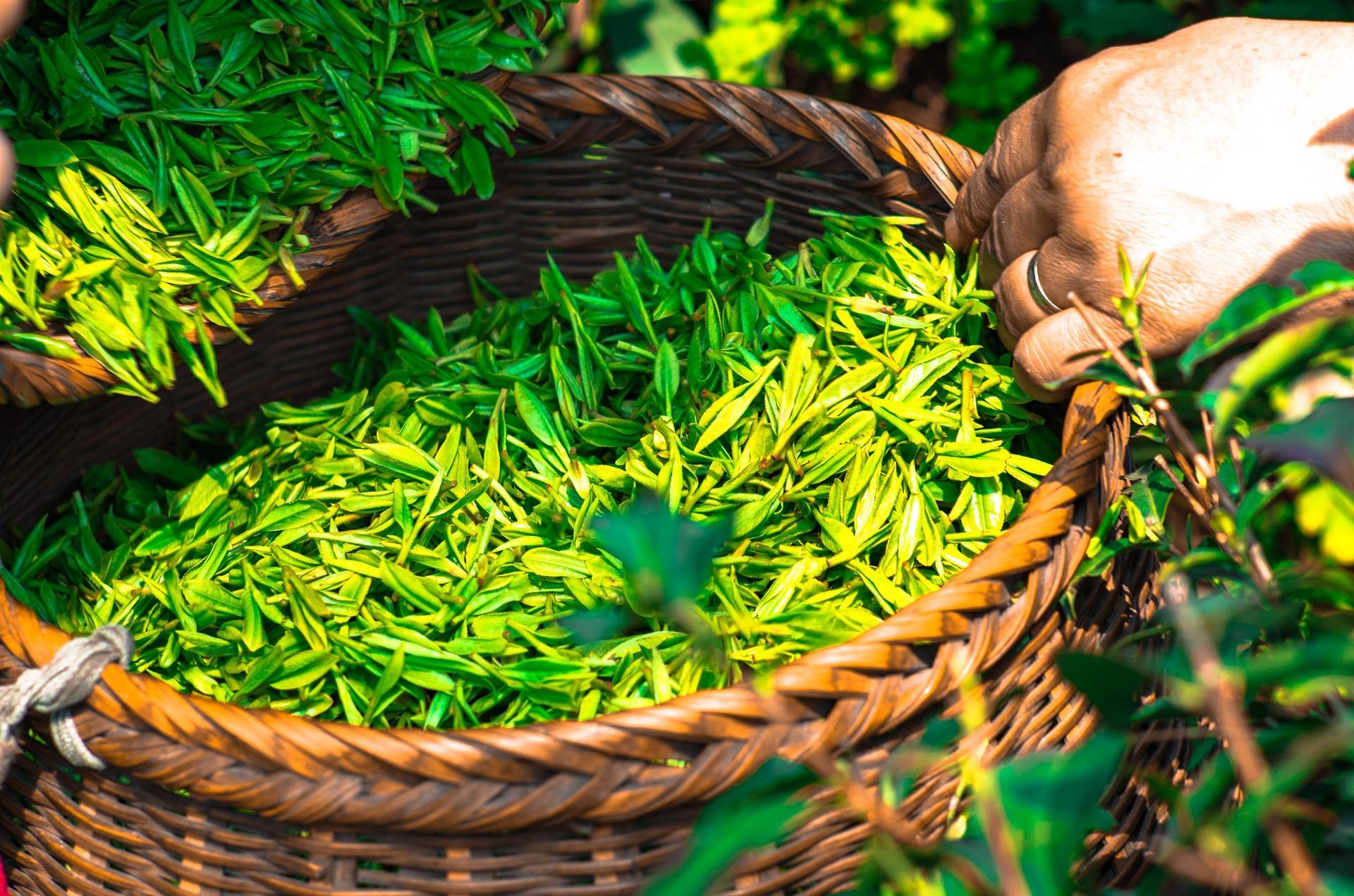
In China, tea has been consumed for thousands of years. The first tea trees were planted in the Yunnan province. The was used as medicine from 2,700 BCE before later becoming a drink. While tea is now grown in Japan, it was originally from China. (Source: DukeAsh) This Buddhist practice popularised the consumption of tea. Since the religion banned alcohol, tea was an excellent way to stay awake during meditation. Tea was consumed by the aristocracy and monks and became popular under the Sui dynasty between 581 and 618. Once it arrived in Japan in the 9th, it became a huge success. It was very quickly grown locally so that the populace wouldn’t have to import from China. Learn more about the different types of tea in Japan.
The Religious Aspects of the Japanese Tea Ceremony
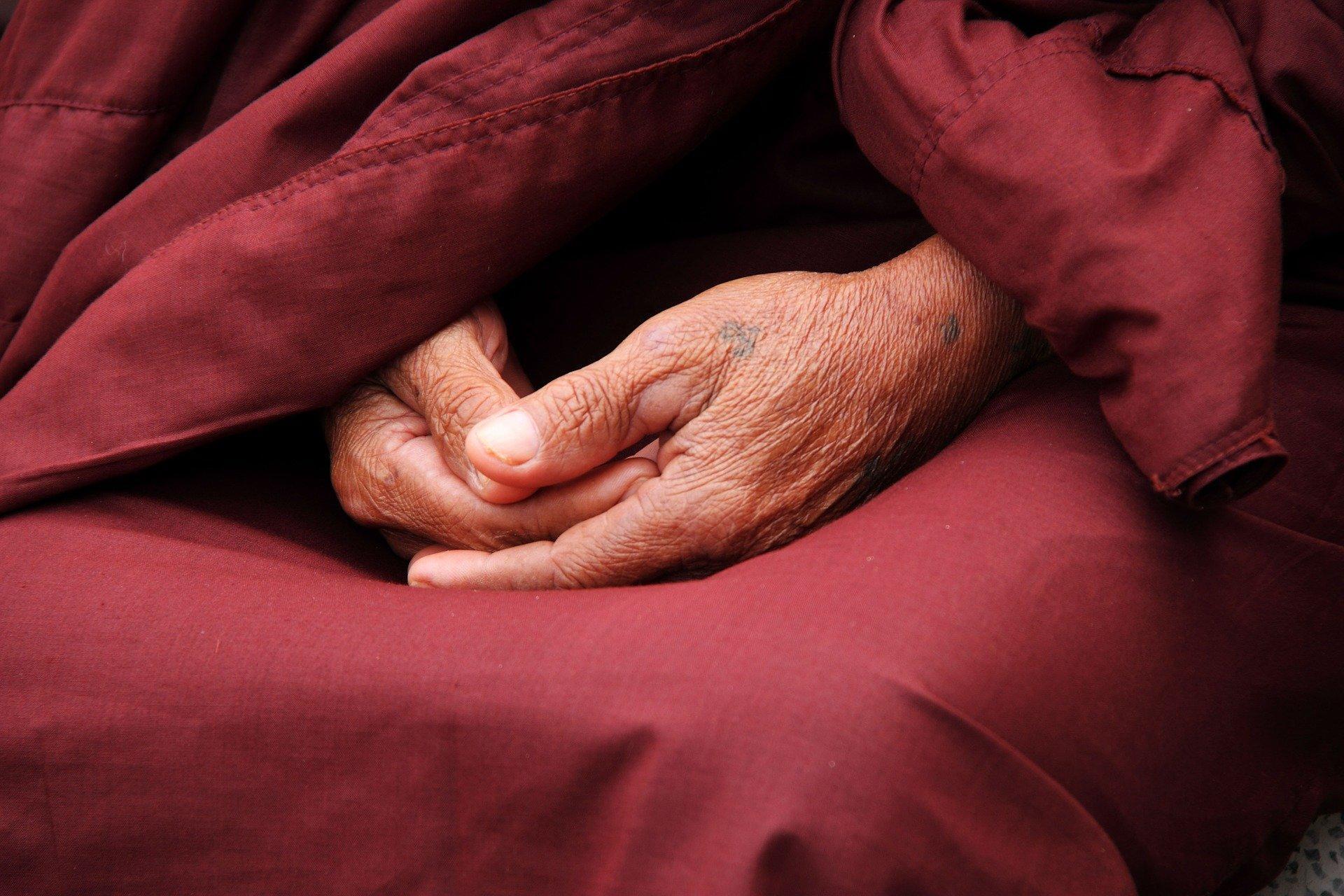
Unsurprisingly, the tea ceremony originated in China with the writings of Lu Yu: Ch'a Ching or The Classic of Tea in 760 CE. The author explained the history of tea in China from the Shennong to the Tang Dynasty. If poisoned, Shennong would eat tea leaves to purify himself. The book mentions the culture around preparing tea. The book, which comes in three volumes, is nowadays thought of like the Bible of tea. While tea ceremonies aren't quite like a religious service, several religious elements need to be observed. (Source: terimakasih0) The tea ceremony has a religious aspect. Lu Yu was heavily influenced by Zen Buddhishm. These ideas would evolve into the tea ceremony that’s still performed today in Japan. In the 9th century, Buddhist monks were sent to Japan to China. They’d bring tea with them to Japan. The Japanese Emperor Saga started the spread of drinking of tea to the Japanese upper classes in 815 CE. He visited the monk Eishu who offered him a drink of sencha tea, a popular pastime in China under the Tang Dynasty. It became fashionable in Japanese intellectual circles. At the time, tea was packaged into blocks to facilitate its transport. It’s then warmed and a piece is broken off by hand or with a knife and ground into a powder. Then, hot water (not boiling) is added to the powder. Japanese green tea remained a rare pearl as it was only grown in small quantities locally for medicinal purposes and consumption by the nobility. In Japan, the monk Eisai popularised the consumption of tea. He brought green tea seeds from China at the end of the 12th century and planted them in a temple in Kyoto. He’d then grind the green tea leaves into a fine powder thereby creating matcha. He introduced this new way to consume tea and insisted on the benefits it had: metabolism, antioxidants, detoxification, reduced cholesterol, vitamins, etc. Due to its links to Zen Buddhism, matcha tea was used in Buddhist monasteries in religious rituals. Thanks to high levels of caffeine, it was used to keep monks awake during meditation. Learn about attending a Japanese tea ceremony.
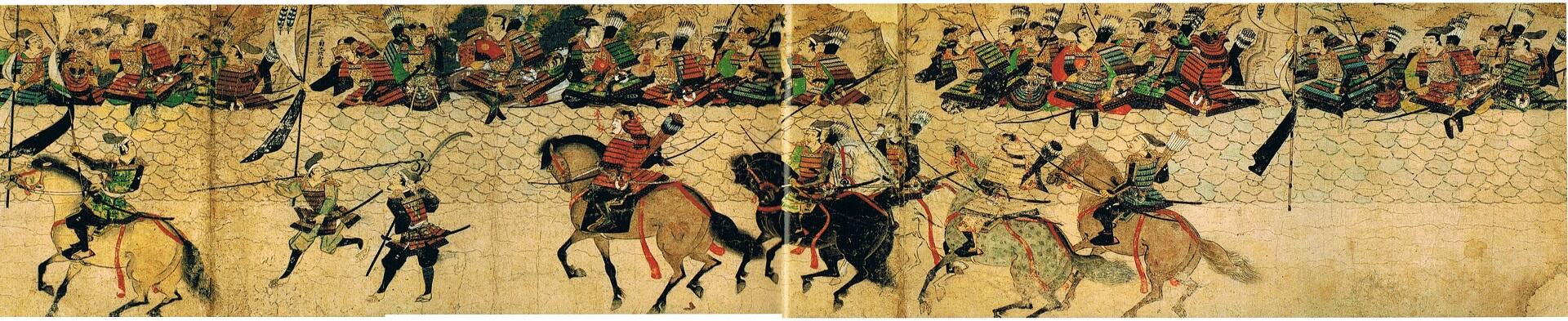
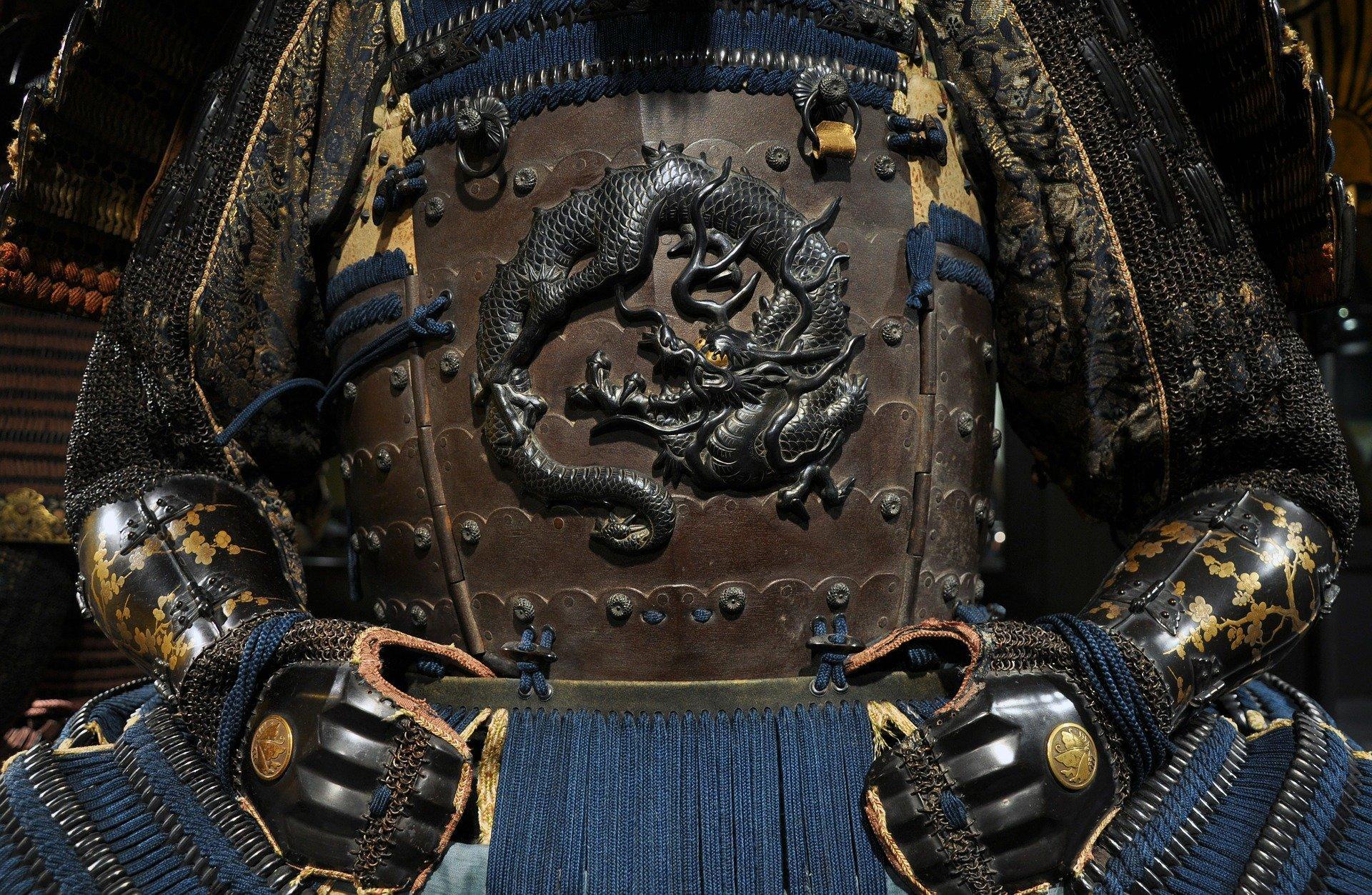
The first tea ceremony was mentioned in the 8th century but this was a much simpler version to what we know today. It’s mentioned in Lu Yu’s writings and it mentions the temperature of the water and the necessary utensils to prepare it. The samurai had a profound influence on the tea ceremony. (Source: WikiImages) While Ensai popularised tea across Japan, it was the samurai who’d make it a veritable ritual. In the 8th century, warriors started drinking matcha. They would organise magnificent parties for their guests in which they’d have to be able to distinguish the different teas. The guests would pass the cups around to taste the drinks and guess what they were. Passing a single cup or bowl around in a tea ceremony arose during this time. Of course, this ritual spread to the other classes who’d drink tea in tearooms. This helped create the rooms in which tea ceremonies now take place. Find out what happens in a Japanese tea ceremony.
The Father of the Japanese Tea Ceremony
Murata Juk? is thought of as the father of the Japanese tea ceremony. He designed the tearooms in which he’d dedicate his life to learning more about the ritual and perfecting it. The philosophy of the tea ceremony started with him. He was a master of Zen meditation and became a monk aged 11. He spent the rest of his life in Nara in his tearoom teaching the art of tasting tea. It wasn’t until the 16th century that the tea ceremony would spread to all strata of Japanese societies. Sen no Riky? developed the key concepts of the ceremony:
Sei, purity: the hardest concept to understand. When the Japanese enter the tearoom, they have to leave their problems at the door. The tea master needs to conduct the ceremony with an open heart.
Kei, respect. This is about showing respect to each person in attendance regardless of their class. This is symbolised by the fact you have to bow to enter into the tea room and kneel in the seiza position.
Wa, harmony. All the utensils used need to be in harmony with nature and bring peace to the guests.
Jaku, tranquillity. This is about respecting all the aforementioned concepts to achieve tranquillity.
Other concepts have appeared recently including “wabi” or solitude and “kokororire” or devotion. Riky? also laid out 7 rules for the “Way of Tea”:
Prepare a bowl of tea.
Place the charcoal to heat the water well.
Arrange flowers as if they were growing in a field.
Evoke coolness in summer and warmth in winter.
Be ready ahead of time.
Prepare for rain.
Be considerate of other guests.
What Is the Tea Ceremony like Nowadays?
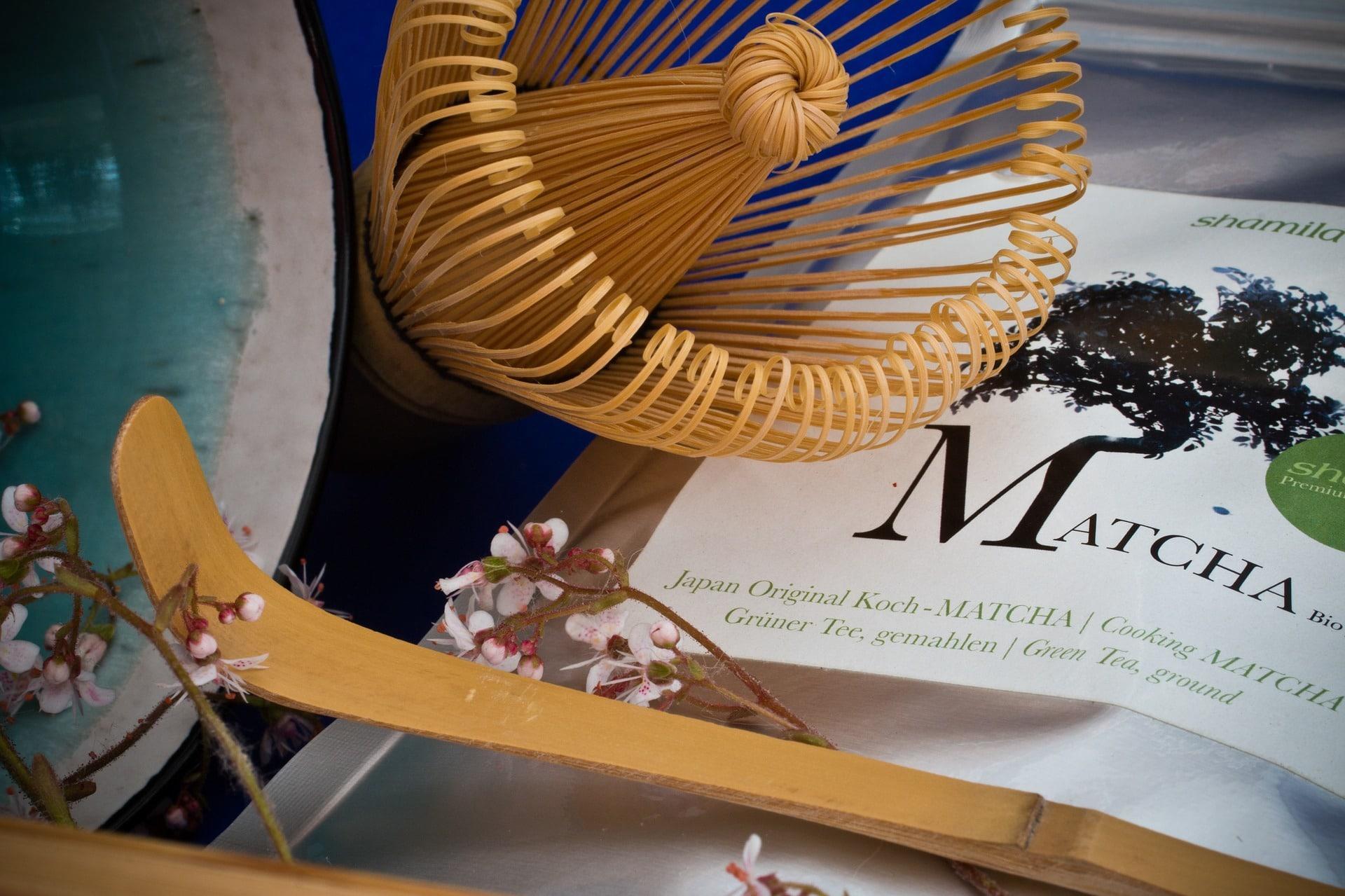
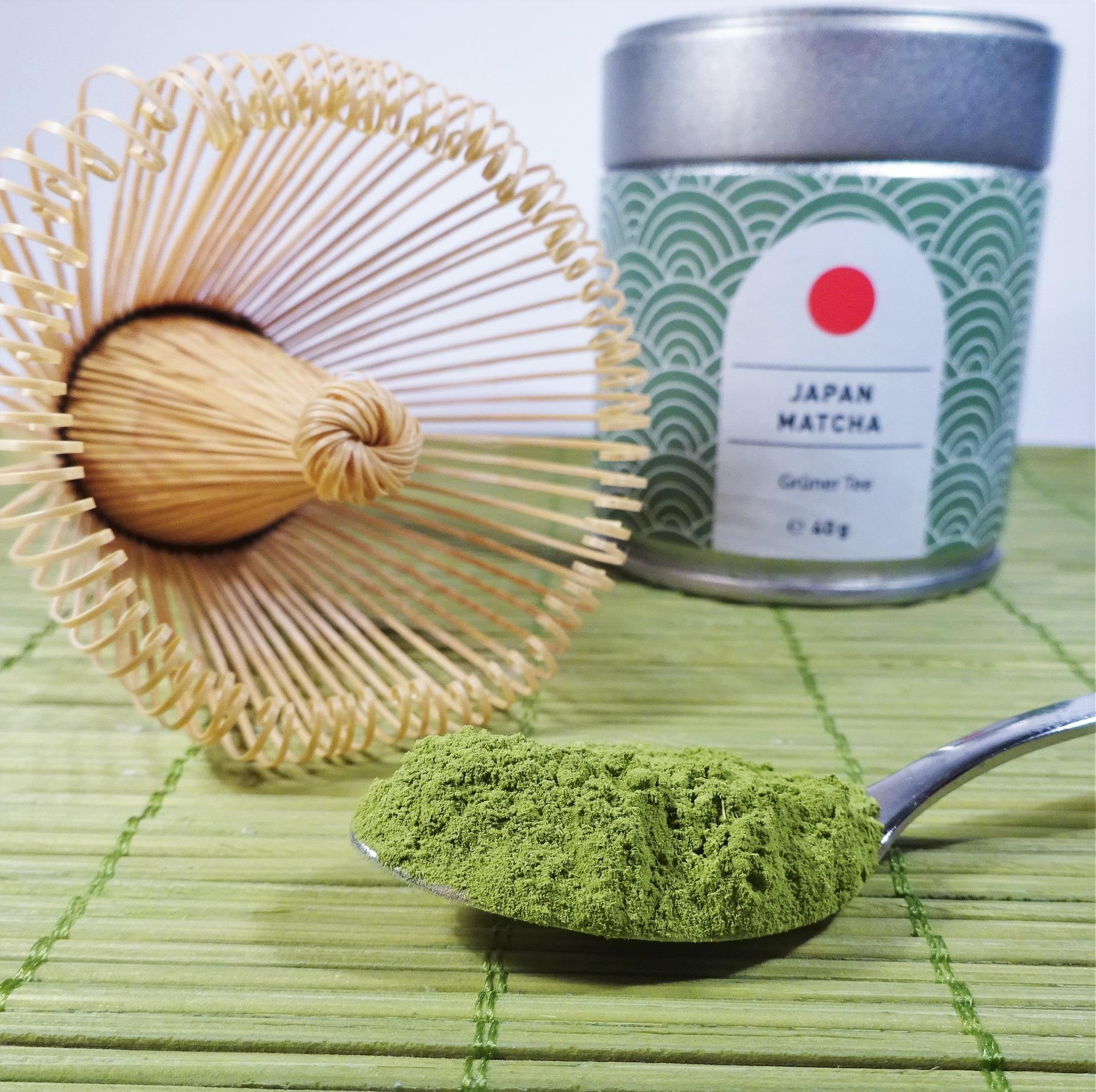
A tea ceremony is a symbolic event and quintessentially Japanese. At first, it was just for male guests but during the Meiji era, women were allowed to attend. Mastering the ceremony became a sign of a good housekeeper. While matcha tea can be consumed outside of tea ceremonies, it's not the same! (Source: teechen) There were extracurricular lessons on the tea ceremony and the utensils used to prepare the tea (bamboo whisk, teapots, bowls, etc.) started appearing for all budgets. There are three main schools of tea ceremony: Omotesenke, Urasenke, and Mushak?jisenke. While there are three schools, there are a lot of similarities between them. Matcha tea isn’t drunk in Japan outside of the tea ceremony. However, more and more of its being exported to the United States and across Asia. Matcha is consumed as a matcha latte with spices and also used in pastries and desserts like macaroons, ice cream, panna cotta, etc. A traditional tea ceremony can last up to 4 hours. Tea lovers will delight at how the tea is prepared in a Japanese tea ceremony! If you'd like to learn the language before you go to Japan or a Japanese tea ceremony, you should get in touch with one of the many talented and experienced private Japanese tutors on Superprof. With three main types of private tutorial available, face-to-face tutorials, online tutorials, and group tutorials, there's a solution for every type of learner and budget. Group tutorials are great for those on a budget at the cost of the tutor's time is shared amongst all the students in attendance. While you won't get as much one-on-one time with your tutor in these tutorials, if you and a group of friends are going to Japan and would all like to learn a bit of the language, they're a great option. Face-to-face tutorials tend to be the most effective tutorials because they're tailored to an individual student who'll have the tutor's undivided attention throughout the session. However, with all the extra work the tutor will put into tailoring their tutorials, you can expect to pay more and these types of tutorials are usually the most expensive. Online tutorials are similar to face-to-face tutorials but your tutor won't be in the room with you. Thanks to the internet, you can get Japanese tutorials via webcam. Your tutor might even be in Japan!
Summarize with AI:
Did you like this article?Leave a rating!
5.00 (1 rating(s))
Loading...
Maria Rodriguez
Online contact creator for Superprof. I am passionate about coffee, blogging, and exchanging ideas through online mediums.
Japan's Sacred Volcano: The History of Mount Fuji Believed to be around 10,000 years old in its current form, Japan's Mount Fuji's story actually began with volcanic formations dating back nearly 2.6 million years.¹ Japan's most famous volcano and the country's highest mountain is a popular destination for tourists. Still, it's also a sacred and […]
Japanese Alphabet Guide – Learn Hiragana and Katakana Easily When delving into the Japanese language, it's essential to grasp its unique writing system. Unlike English, which utilizes a single alphabet, Japanese employs three distinct scripts: hiragana, katakana, and kanji. Each script serves a specific function and plays a crucial role in reading and writing. Together, […]
Master the Japanese Writing System: A Guide to the Most Common Language in Japan Japanese is a beautiful but complex language, and learning it requires patience and dedication. One of the most challenging parts of mastering this language is learning how to write it, since there are three types of writing systems in Japanese, and […]
Shoguns and Their Impacts on Japan Japanese shoguns ruled the country for more than 700 years, if we take the lean measure. They were often ruthless men, self-indulgent, and neglectful of their duties as leaders. However, more than a few are legendary, both for their wisdom, and their efforts to improve Japanese society. This article […]
The 5 Main Islands of Japan Japan is made up of over 14,125 islands, but there are five main islands. Honshu, the biggest of the five, is home to the Japanese capital of Tokyo as well as several other large cities. Hokkaido, to the north, is a popular holiday destination, especially when it comes to winter […]
What Is Anime in the Japanese Anime Culture? Manga and anime are perhaps Japan's biggest cultural export – and they make up one of the most recognizable art styles on the planet. Since the nineties, when everyone in the western world was suddenly talking about Pokémon, Digimon, Yu-Gi-Oh!, and Dragon Ball Z, anime has become something of a household term. Yet, […]
All You Need To Know About Japanese Mythology Japanese mythology is full of epic tales of adventure coupled with profound reflections on existence and life. Learning about different Japanese traditions, cultures, and history is also useful for students of cultural studies, oriental studies, or Eastern mythology. Before we delve into more about Japanese myths, know […]
Going Up a Level: Becoming More Than a Beginner in Japanese "I think the Japanese culture is one of the very few cultures left that has its own entity. They're just so traditional and so specific in their ways. It's kind of untouched, it's not Americanized." -Toni Collette If you have the same opinion as […]
Learning Japanese In The Big Apple The Big Apple is known for being a melting pot of languages and cultures. You can find someone from each corner of the world in this lively city. With so much diversity, it is no surprise that so many New Yorkers are interested in enrolling in language schools or […]




 Loading...