
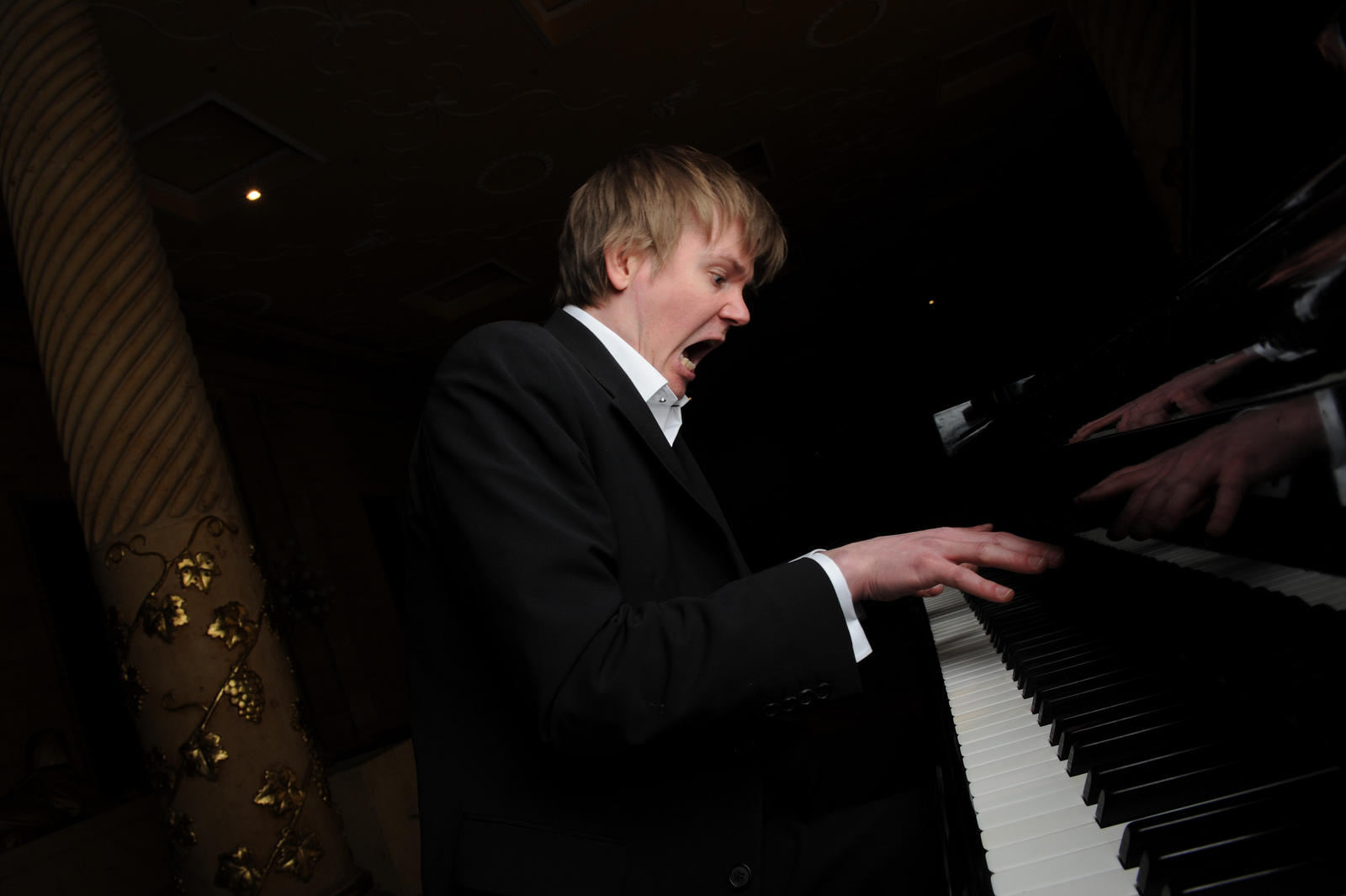

When you begin piano lessons, most of the time the goal is of the course is to progress as quickly and as well as possible. You want to acquire the strongest bases, to then go on playing the pieces that you like. And let's be clear, most pianists are looking to play the songs they've heard and would like to remake, or just a legendary melody, to do just like the best pianists. These difficult pieces can be categorized in different ways in the world of the piano. In order to give a sympathetic side to this article, we will go through classic pieces, and varieties, known or unknown. And you'll see that afterwards, you will inevitably go to your keyboard to learn one, or even all. By reading this article, you will understand better how to become a piano virtuoso!
| Song / Piece | Artist / Composer |
|---|---|
| Symphony No. 5 | Ludwig van Beethoven |
| La Campanella | Franz Liszt |
| Piano Sonata No. 18 in D Major | Wolfgang Amadeus Mozart |
| Boléro | Maurice Ravel |
| Piano Sonata No. 29 "Hammerklavier" | Ludwig van Beethoven |
| Toccata in D Minor | Johann Sebastian Bach |
| Diego | Michel Berger |
| Gaspard de la Nuit | Maurice Ravel |
| Life on Mars | David Bowie |
| Georgia on My Mind | Ray Charles |
| Comptine d'un autre été | Yann Tiersen |
| Islamey: Oriental Fantasy | Mily Balakirev |
| Fly (Untouchable) | Ludovico Einaudi |
| Études Op. 10 and Op. 25 | Frédéric Chopin |
| Interstellar Soundtrack | Hans Zimmer |


Uncover the 15 Most Challenging Songs on the Piano
There is often a tendency to say that the classical music pieces composed by the best pianists in the world are the most difficult to play. But of course, some justify this reputation. Whatever style it is you are interested in improving at, biting off the challenge of selecting the most complex songs will guarantee that you'll improve all of the skills needed to master the instrument.
There are 88 keys on the standard classical piano
Unlike specialized piano drills that you might have grown used to in your lessons, there's no hiding any weaknesses when it comes to playing the most difficult songs. That's where true mastery lies!
Join the discussion: who do you think are the best pianists in the world?
Symphony No. 5 by Beethoven (1804-1808)
A legendary piece, composed by a genius musician. You have probably already heard these notes in the films The Longest Day or Saturday Night Fever. Composed of four movements (Allegro con Brio, Andante con moto, Scherzo, and the Finale), and lasting approximately forty minutes, the fifth symphony of Beethoven is one of the Austrian's masterpieces. For the anecdote, the music was composed during the Napoleonic wars, while Austria was invaded by France. As for Beethoven, then in his thirties, he was becoming more and more affected by deafness. A few years later, this symphony was designated as a reference work, and one of the most popular pieces of classical music. While it may be a frightening challenge to take on, a song as recognized and respected as this is sure to turn a few heads whenever you bust it out.
La Campanella by Franz Liszt
If you were to grab any of the music buffs that you know and ask them, they’d likely unanimously agree that few hard piano pieces have a reputation quite like La Campanella. It was originally inspired by a violin theme from Niccolò Paganini, but Liszt did all the heavy lifting, transforming it into one of the most technically demanding piano works. The title actually translates to “The Little Bell,” referring to that little bell-like melody that comes packaged alongside that incredibly challenging accompaniment that makes it the hardest song to play.
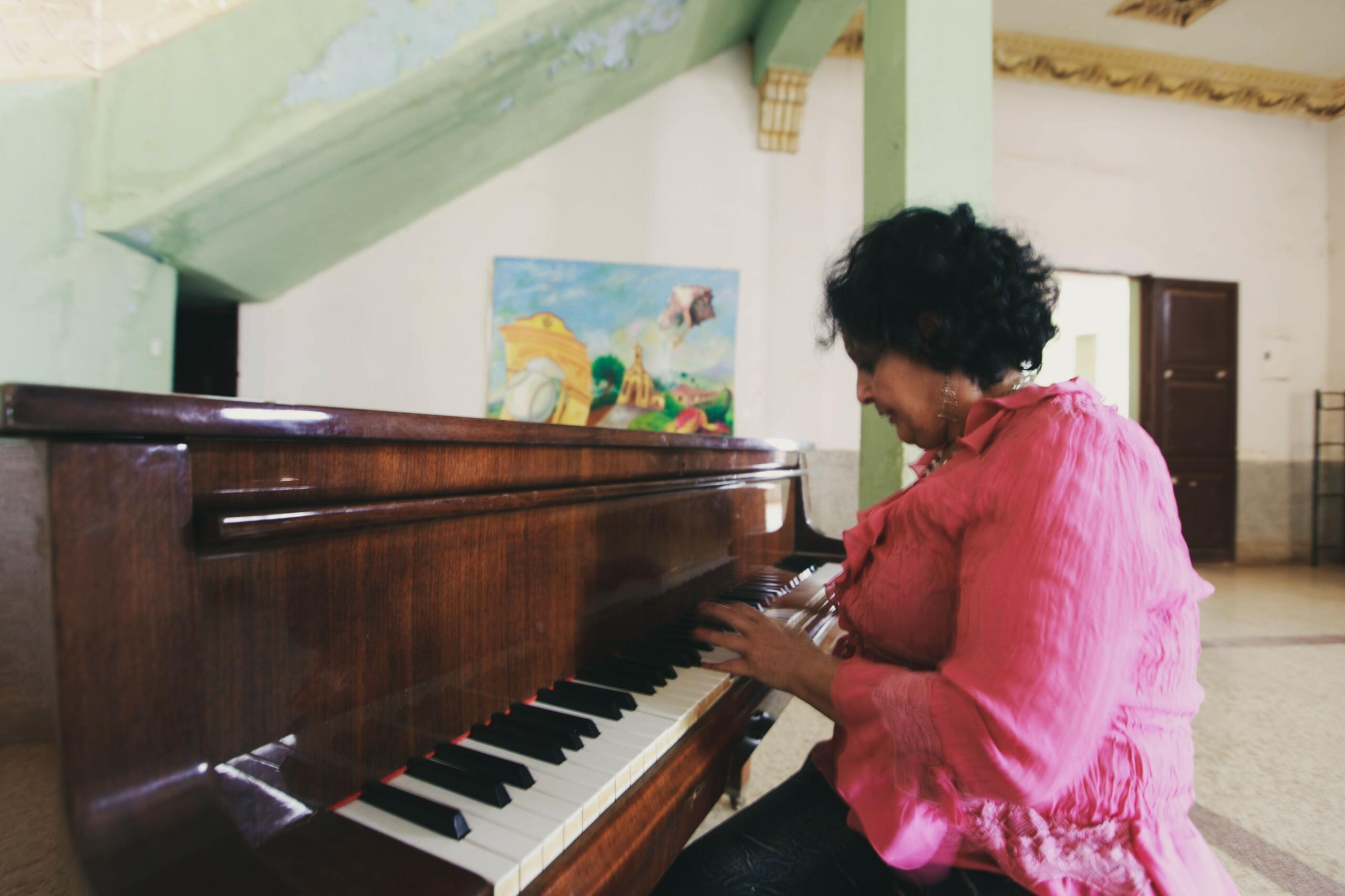
It’s that combination of lightning-fast jumps, rapid repeated notes, and intricate finger work that makes it a challenge even for pianists that have been playing the instrument from birth. You’ll be pushed by this little number, as it requires you to move across the keyboard with remarkable speed while maintaining a delicate, singing tone.
It’s also unforgiving, as even the smallest lapses in timing really stand out.
Search for piano lessons near me on Superprof.
Piano Sonata No. 18 in D major (W.A Mozart)
There is no need to introduce Mozart, considered by many to be the greatest virtuoso in the history of the piano. Because of his precocity, and also because of the difficulty and complexity of his compositions. (who doesn't recognize his famous enchanted flute, opera of more than two hours long). Mozart's piano sonatas are among the most difficult to play and the n°18 offers an impressive technical panel and is known as one of the hard songs on piano.
Variations of rhythms, changes of fingering and speed. One can clearly say that he is a pianist with great capacities when he masters the Mozart sonatas, and more particularly the n°18.
The Bolero by Maurice Ravel (1928)
Undoubtedly one of the most beautiful ballets of the 20th Century. A beautiful and catchy melody, lasting about 15 minutes. The melody repeats itself regularly during the piece, but variations in crescendo and orchestration give this singular work an original, even unique aspect. So unique that it is to this day the most played ballet piece in the world's great operas since the 1930s, and even at events such as the 1998 World Cup or the closing ceremony of the Sochi Olympics in 2014. So, regardless of whether you think you have it in you to master every aspect of the song, the learning process alone will help improve many aspects of a piano player's arsenal.
Piano Sonata No. 29 “Hammerklavier” by Ludwig van Beethoven
Whenever you hear that a song is regarded as one of the pianists greatest achievements, it usually points to its degree of difficulty. That’s exactly what ‘The Hammerklavier Sonata’ is to Beethoven. He composed this one during the tail end of his career. It’s challenging not just in its complexity, but also in how long you’re going to need to maintain your focus, for it’s longer than most of the other mentions across this list. It’s the final boss when it comes to piano songs, with everything from powerful chords, rapid scales, and intricate passages wrapped up into one song.
So, if you’re really up for a challenge you can try mastering this one. You’ll need to nail the slow movement, which requires extraordinary emotional control, as well as the final fugue without any do-overs!
The Toccata in D Minor by J.S Bach (1703-1707)
Moving from one music giant to the next, Bach is yet another pianist whose reputation proceed him. Everyone has already heard this music, the reference music written for the organs by Bach. Built in three episodes, it took four years to be written. Controversies ran around it at the beginning, the sulfurous composer Ringck and then Kelliner claiming its origin, but it is ultimately attributed to Bach when he was young.
Many of the world’s most difficult piano pieces were written as technical studies designed to expand what performers could achieve.
The piece is even featured in several movies including Fantasia, Twenty Thousands Leagues under the Sea, The Godfather or even Aviator and Pirates of the Caribbean. The first notes entered history, and a melody as beautiful as that is difficult with accelerations and piano adaptation.
Diego, by Michel Berger (1983)
In France, Michel Berger is a reference in piano and musical creation. We owe him a very large number of great hits. He wrote songs for himself, but also for the other musicians. And if we had to come out with a song that represents the composer's genius, Diego is the perfect example.
A perfectly lapped melody, with the chords linked with fluidity. A difficult song not technically, but in the management of the rhythms and emotions. A real complete piece for playing or learning to play the piano, which is very difficult to make as beautiful as the original piece played by Michel Berger.
Find out how, through piano lessons online, Superprof tutors can help you master the depth of emotion the instrument can reflect. Take private piano lessons Atlanta here.
Gaspard de la Nuit by Maurice Ravel
What is the most difficult piano piece? Now, our list of difficult piano songs wouldn’t have much credibility if we were to leave Maurice Ravel out of the discussion. If you were to ask a sample of professional pianists what they consider to be the most challenging song, you can expect a substantial number of responses to be Gaspard de la Nuit. It’s widely regarded as one of the hardest songs out there to play, and with good reason!
It actually consists of three movements, each comes with its own unique obstacles to master. However, it’s the third and final one, Scarbo, that strikes fear in just about anyone brave enough to tackle the beast that is Gaspard de la Nuit. Hitting all of the right keys on time won’t be enough for this one, there’s a certain mysterious atmosphere and storytelling quality that will need to be nailed.
Life on Mars by David Bowie (1971)
What about this song, which took a new path with the death of David Bowie in 2016. It's a testament to the ways in which the instrument can be incorporated into such a wide variety of musical styles.
Difficult piano pieces don't only find their way into classical pieces like many might believe. This major pop song is one of Bowie's greatest successes and is built on a simple piano melody, but of rare intensity. Although it can be considered repetitive, this music (much like that of Michel Berger) is based on intensity, on raising the crescendo intensity.
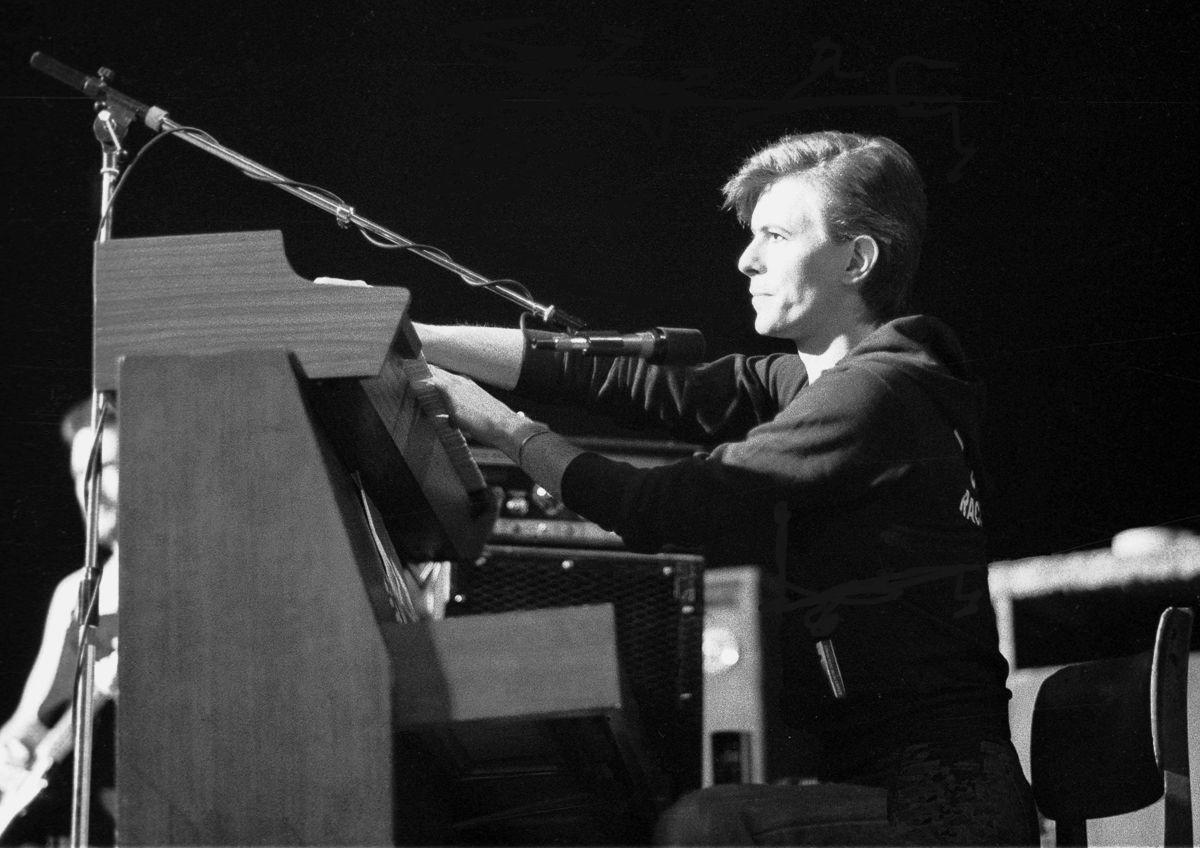
Which gives in the end a cult melody, of which it is difficult to transcribe the emotion. A certain time of practice of the piano is necessary since this music is difficult to play.
Georgia On My Mind by Ray Charles (1960)
Pianists who are interested in the musical culture around their instrument know that jazz is a genre apart. It's not given to everybody to be able to play it and Ray Charles is probably the greatest virtuoso in this field. His music is complete, timeless, and also very difficult to transcribe. This is one of Ray Charles's most outstanding romantic pieces. The difficulty in this piece lies not in the rhythm, but in the melody itself.
To play this piece, you must feel it, understand it and to be well aware of the meaning and the words. At Ray Charles, the two are related. That is the difficulty.
Comptine d'un autre été (Yann Tiersen)
No one has forgotten this piano-accordion melody of one of the most popular french films of the early 2000s : Amélie. This melody is composed by one of the best pianists of the world. Additionally, Yann Tiersen is very difficult for a particular reason: it is a piece for a left-handed person. This piece takes on a new dimension as 75% of all pianists are right-handed.
Around 25% of all piano players are left-handed.
It requires a particular fingering training to be able to adapt to this piece. The difficulty of playing a piece for left-handed and the speed of this piece make it remarkably challenging.
Discover different online piano lessons on Superprof.
Islamey: Oriental Fantasy by Mily Balakirev
When Islamey was first published, it wasted no time at all in gaining recognition as one of the most technically demanding piano pieces out there. When you look beneath the hood you see just how its complex mix of runs, octaves, and explosive bursts of energy leave musicians like yourself with such little room for error.
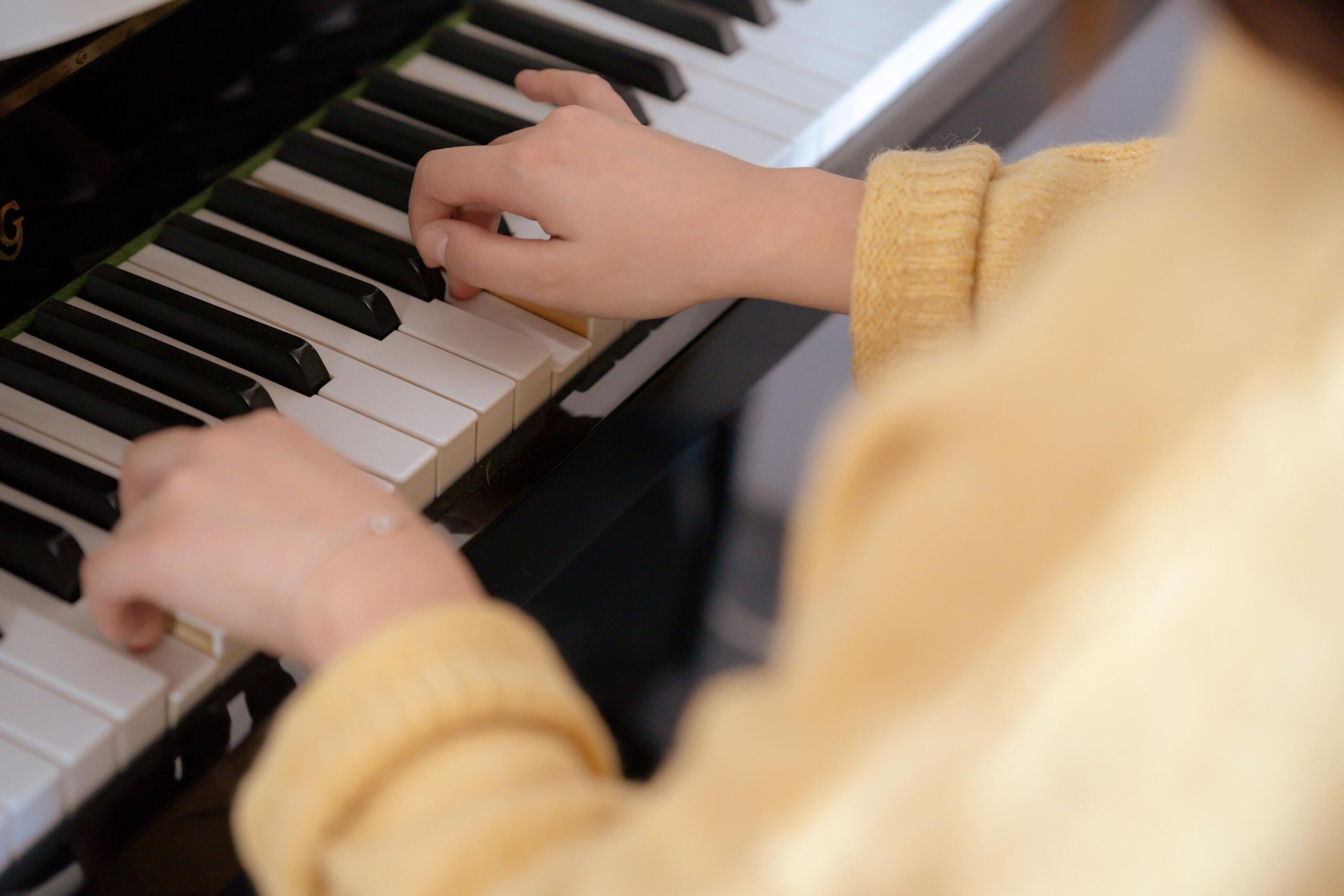
If that wasn’t enough to strike fear into you, the dramatic shifts in dynamics certainly will, since the song requires just as much, if not more emphasis on musical expression than its technical execution. So, if you really want to add an impressive tool to your arsenal as a pianist, then this might just be the move.
Fly (Untouchable, by Ludovico Einaudi)
When we think about classical piano pieces, we often immediatly think back to times long ago. Well, Ludovico Einaudi is a contemporary artist who, despite his old age, still tours across the globe playing his intricate pieces. He has done wonders for the popularity of classical and piano music in today's day and age.
The hardest piano pieces require mastery of coordination, endurance, expression, and precision. Not just fast fingers.
We all shed our little tears while listening to this sublime music. A relatively fast and very rhythmic melody. This piece requires considerable dexterity and a relatively soft feel. It is obviously not given to everyone. It is a song based on speed, arpeggios and chords, and that is all necessary in order to capture all of the emotion in this famously loud piece.
Études, Op. 10 and Op. 25 by Frédéric Chopin
While undoubtedly an extremely challenging piece, its degree of difficulty stems from the beautiful musical expression that can only be performed by those with a true mastery of the instrument.
While many pianists steer well clear of the challenge that this song presents, applying yourself to the learning process will work wonders for your playing ability. You’ll find that each étude focuses on developing a different technique, from arpeggios, octaves, scales, to replicating the finger placement that you see when people play this gem.
Despite the level of difficulty that lies ahead of those who decide to take on this challenging piece, they will find it to be one of the most rewarding and demanding songs out there.
If you're interested in learning more about these challenging pieces and their history keep on reading.
Interstellar soundstrack (Hans Zimmer)
Ah, the master Hans Zimmer. Worthy successor to John Williams, this German is THE reference in movie music. The least that can be said is that with the soundtrack of Interstellar, he gave it all he had. What's special about adding this song to your piano repertoire is that is recognized all across the world, by music heads and movies buffs alike. It's one of those iconic pieces that when perfomed live, it captures the entire room.
A lengthly song, with rhythmic and melodic accelerations. It is an all-powerful and all-crescendo piece. As in a lot of music by Hans Zimmer, the song's basis is not technically very hard. It is the rhythmic changes and variations of sound that make this piece a model of movie scores. The piano is a prestigious instrument so honor it!
Tackle the Harder Pieces to Learn the Piano
Playing the piano with challenging pieces helps you to learn your musical limits. Above all, it is the opportunity to progress quickly by playing the piano. It is your motivation that will be your greatest source of progress in order to learn to play the piano and become a real performer. You will have to persevere in your piano classes, find the sheet piano sheet music and learn how to play the pieces you love.
So choose a piano, find a piano teacher, practice your repertoire, and do what you need to become the piano player you dream to be.
Summarize with AI:
Did you like this article? Leave a rating!


 Loading...
Nothing by Franz Liszt? Or even Chopin? Do you evena play piano?
I agree about Liszt and Chopin. And why was a Beethoven symphony included as a piano piece? Also, Ray Charles did not write “Georgia on My Mind.”. That melody was written by Hoagy Carmichael in 1930, long before Ray Charles ever performed it.
Very informative. And very easy too read.