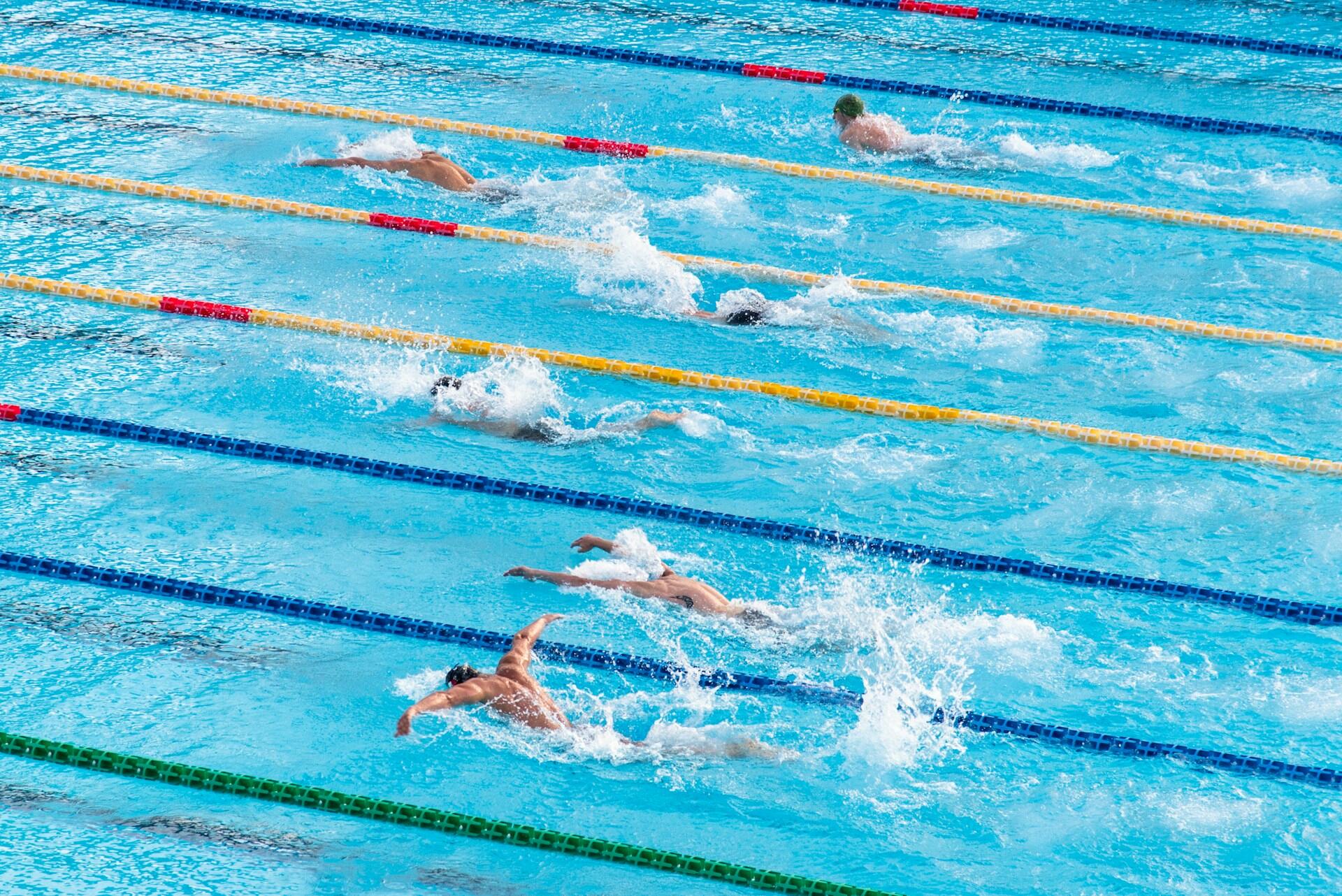

American male swimmers have won more Olympic gold medals and set more world records than those of any other nation in the history of competitive swimming. From the sprint freestyle dominance of Johnny Weissmuller in the 1924 Olympic Games to Michael Phelps' unmatched individual medal haul at five Games across 16 years, the United States has produced a lineage of famous male swimmers (USA's most celebrated aquatic champions) that no country has come close to matching.
This guide profiles 15 of the best male swimmers of all time from the United States: famous American swimmers, male and female historians agree, whose records and gold medals define the sport; trailblazers who built the foundations, Olympic gold medalists who set world record times that stood for decades, and current swimmers still adding to the country's legacy in the pool. The comparison table below shows each swimmer's Olympic medal count, notable records, and signature events at a glance. For the full picture of America's top swimming legends, we also covered male and female Olympic swimmers together.
| 🏊 Swimmer | 🗓Active | 🥇Olympic Medals | 📊Notable Records | 🎯Signature Events |
|---|---|---|---|---|
| Johnny Weissmuller | 1924–1928 | 5 gold | First to break 1:00 in 100m free | Sprint Freestyle |
| Don Schollander | 1964–1968 | 6 (4 gold) | Multiple freestyle records | Freestyle (all distances) |
| Mark Spitz | 1968–1972 | 9 gold (7 at Munich) | 33 world records career | Butterfly / Sprint Free |
| Rowdy Gaines | 1984 | 3 gold | Multiple 100m free records | Sprint Freestyle |
| Matt Biondi | 1984–1992 | 11 (8 gold) | Multiple sprint free records | Sprint Free / Butterfly |
| Gary Hall Jr. | 1996–2004 | 10 (5 gold) | Multiple 50m free records | 50m / 100m Freestyle |
| Aaron Peirsol | 2000–2008 | 5 (3 gold) | WR 200m back: 1:53.08 | Backstroke |
| Ian Crocker | 2001–2008 | 5 (1 gold) | WR 100m fly: 49.05 (2005) | 100m Butterfly |
| Michael Phelps | 2000–2016 | 28 (23 gold) | 39 world records | Butterfly / IM / Freestyle |
| Ryan Lochte | 2004–2016 | 12 (6 gold) | WR 200m IM: 1:54.00 | Individual Medley / Back |
| Nathan Adrian | 2008–2021 | 8 (5 gold) | Olympic 100m freestyle gold 2012 | Sprint Freestyle |
| Ryan Murphy | 2016–present | 5 (3 gold) | WR 100m and 200m backstroke | Backstroke |
| Caeleb Dressel | 2016–present | 7 (5 gold) | WR 50m fly: 22.35 | Sprint Free / Butterfly |
| Bobby Finke | 2021–present | 4 (2 gold) | First US distance gold since 1972 | Distance Freestyle |
| Chase Kalisz | 2016–present | 2 (1 gold) | Olympic 400m IM gold Tokyo 2021 | Individual Medley |


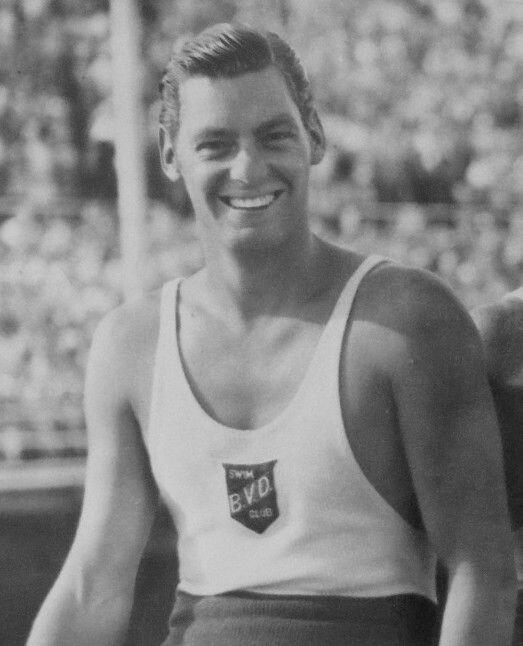
1. Johnny Weissmuller: Sprint Freestyle Pioneer
🏺 Early Trailblazers — Olympic Swimming's Founding American Men
🏅 Olympic medals: 5 golds
💪🏻 Active years: 1924-1928
Johnny Weissmuller was the first great American male swimmer of the modern Olympic era. Competing at Paris 1924 and Amsterdam 1928, he won five 🥇 medals in freestyle events and set world record times across sprint distances.
He became the first swimmer in history to cover 100 meters in under one minute; a record that stood for years and established sprint freestyle as the United States' signature event.
After retiring from competitive swimming, Weissmuller transitioned into acting and became globally known as the screen's Tarzan across 12 films. As a male swimmer who crossed from the Olympic pool into popular culture, he remains one of the sport's most recognizable historical figures.
2. Don Schollander: First Four-Gold Freestyle Champion
🏺 Early Trailblazers — Olympic Swimming's Founding American Men
🏅 Olympic medals: 6 (4 gold)
💪🏻 Active years: 1964-1968
Don Schollander was the defining American male swimmer of the 1960s. At Tokyo 1964, he became the first swimmer from any country to win four 🥇 medals at a single Games in the modern era, sweeping the men's freestyle program across individual and relay events. Swimming World named him its inaugural World Swimmer of the Year in 1964; the award has run annually ever since.
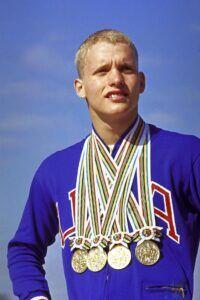
Schollander's approach to swimming training helped shift the sport toward more scientific conditioning methods. He competed again at Mexico City 1968, where he added a silver medal in the 200-meter freestyle before retiring. His four-gold Games in Tokyo set the benchmark that Mark Spitz, and later Michael Phelps, would target in the decades that followed.
3. Mark Spitz: Seven Gold Medals, Seven World Records
🏺 Early Trailblazers — Olympic Swimming's Founding American Men
🏅 Olympic medals: 9 golds
🌏 WRs: 33
💪🏻 Active years: 1968-1972
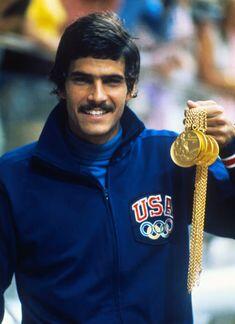
Mark Spitz delivered one of the greatest individual performances in the history of the Olympic Games at Munich 1972. He won seven 🥇 medals in seven swimming events (four individual swims and three relay swims) and set a world record time in every single one.
No male swimmer had achieved that feat before; Michael Phelps is the only swimmer to have surpassed the single-Games gold medal total since.
Spitz competed in butterfly and sprint freestyle events and had already won two 🥇 medals at Mexico City 1968. He set 33 world records across his swimming career before retiring at 22. His Munich performance remains the single most dominant Olympic swimming showing by any male swimmer in the Games' history.
If you fail to prepare, you're prepared to fail.
Mark Spitz
4. Rowdy Gaines: Sprint Freestyle Gold at Los Angeles
🏅 1980s Olympic Champions — Relay Dominance and Sprint Records
🏅 Olympic medals: 3 golds
💪🏻 Active years: 1980-1984
Rowdy Gaines was the dominant American male swimmer in sprint freestyle during the early 1980s and one of the sport's more difficult stories of delayed reward.
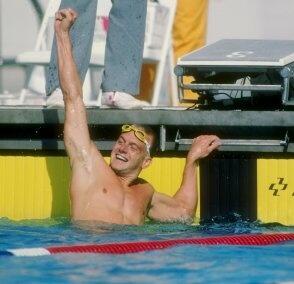
He was considered a near-certain Olympic gold medalist in 1980, but the United States boycotted the Moscow Games that year, denying him his chance. He continued training and won the 100-meter freestyle individual gold medal and two relay gold medals at Los Angeles 1984.
After retiring from swimming, Gaines became one of the sport's most recognized broadcasting voices, providing expert commentary for NBC across multiple Olympic Games over four decades. His dual legacy as both an Olympic 🥇 medalist and a long-running voice of American swimming makes him a unique figure across two chapters of the sport.
For more on legendary female American swimmers of the same era, Tracy Caulkins and Janet Evans competed in the same 1984 United States Olympic team that Gaines anchored in the men's freestyle relay.
5. Matt Biondi: The Sprint Freestyle Standard for a Decade
🏅 1980s Olympic Champions — Relay Dominance and Sprint Records
🏅 Olympic medals: 11 (8 gold)
💪🏻 Active years: 1984-1992
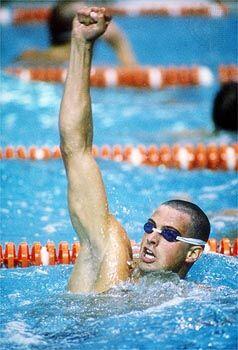
Matt Biondi won 11 Olympic medals across three Games (1984, 1988, and 1992) making him one of the most decorated male swimmers in American swimming history.
He was the dominant sprint freestyle swimmer in international competition for most of the late 1980s, setting world record times in the 100-meter freestyle and 100-meter butterfly and anchoring gold medal freestyle relay and medley relay teams throughout his career.
At Seoul 1988, Biondi won seven medals including five 🥇 medals; one short of Mark Spitz's record of seven gold medals from Munich. He was the definitive sprint freestyle standard by which other male swimmers were measured from 1986 through the early 1990s. His consistency across three Olympic Games rather than a single dominant year reflects the durability that only the sport's elite few sustain.
11 Olympic medals (8 🥇) across 1984, 1988, and 1992 Games
World record holder in 100-meter freestyle and 100-meter butterfly
Won 5 🥇 medals at the Seoul 1988; one short of Spitz's all-time record
6. Gary Hall Jr.: Sprint Freestyle Gold Across Three Games
🌊 Modern Era — The Golden Generation of American Olympic Swimmers (1996–2012)
🏅 Olympic medals: 10 (5 gold)
💪🏻 Active years: 1984-1992
Gary Hall Jr. won Olympic 🥇 medals in sprint freestyle events across three consecutive Games (Atlanta 1996, Sydney 2000, and Athens 2004) making him one of the most enduring sprint specialists in American swimming history.
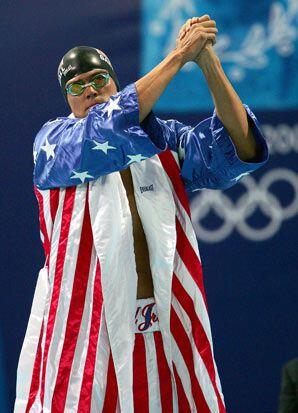
A 50-meter freestyle specialist, he combined raw speed with an unmistakable theatrical presence, entering pool decks in boxing robes and shadow-boxing before his swims.
Hall Jr. also competed at elite level after being diagnosed with Type 1 diabetes in 1999, when doctors initially advised him his competitive swimming career was over. He went on to win five Olympic 🥇 medals after the diagnosis. His athletic and personal story extended his recognition well beyond the swimming world, and he remains one of the most compelling figures in the sport's American history.
7. Aaron Peirsol: America's Greatest Olympic Backstroke Swimmer
🌊 Modern Era — The Golden Generation of American Olympic Swimmers (1996–2012)
🏅 Olympic medals: 5 (3 gold)
🌏 WRs: 200m backstroke: 1:53.08 (2009)
💪🏻 Active years: 2000-2008
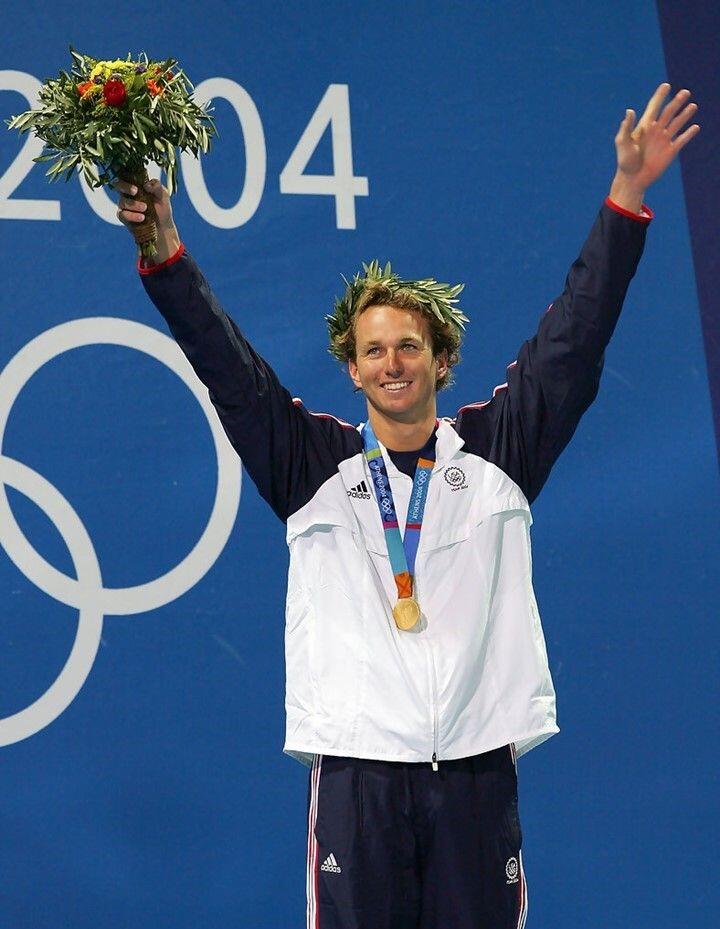
Aaron Peirsol is the finest male backstroke swimmer the United States has produced.
He won Olympic 🥇 medals in the 100-meter and 200-meter backstroke at the 2004 Athens Games and defended his 200-meter backstroke title at the 2008 Beijing Games.
His world record time of 1:53.08 in the 200-meter backstroke, set at the 2009 World Championships in Rome, stood for over a decade; one of the most durable individual swimming records of his generation.
Peirsol retired from competitive swimming at age 25, having set what coaches considered technically near-perfect backstroke mechanics. International backstroke swimmers including Ryan Murphy in the United States and others who followed studied his stroke technique extensively. His influence on how backstroke is coached and practiced in American swimming programs continues to this day.
8. Ian Crocker: World Record Holder in the 100-Meter Butterfly
🌊 Modern Era — The Golden Generation of American Olympic Swimmers (1996–2012)
🏅 Olympic medals: 5 (1 gold)
🌏 WRs: 100m fly: 49.05 (2005)
💪🏻 Active years: 2001-2008

Ian Crocker set the 100-meter butterfly world record time of 49.05 seconds at the 2005 World Championships: a mark that stood for four years and was considered one of the fastest relay butterfly splits ever recorded in competitive swimming.
His career as a male swimmer was defined by extraordinary individual fly performances alongside the challenge of competing with Michael Phelps as his primary event rival on the United States Olympic team.
At Athens 2004, Crocker qualified for the 100-meter butterfly individual final but allowed Phelps to swim in his place on the medley relay team. Phelps won 🥇 and set a world record time in that relay swim. Crocker's relay gold from that Games remains one of the more selfless moments in United States Olympic swimming relay history.
9. Michael Phelps: The Greatest Male Swimmer of All Time
🌊 Modern Era — The Golden Generation of American Olympic Swimmers (1996–2012)
🏅 Olympic medals: 28 (23 gold)
🌏 WRs: 39
💪🏻 Active years: 2000-2016
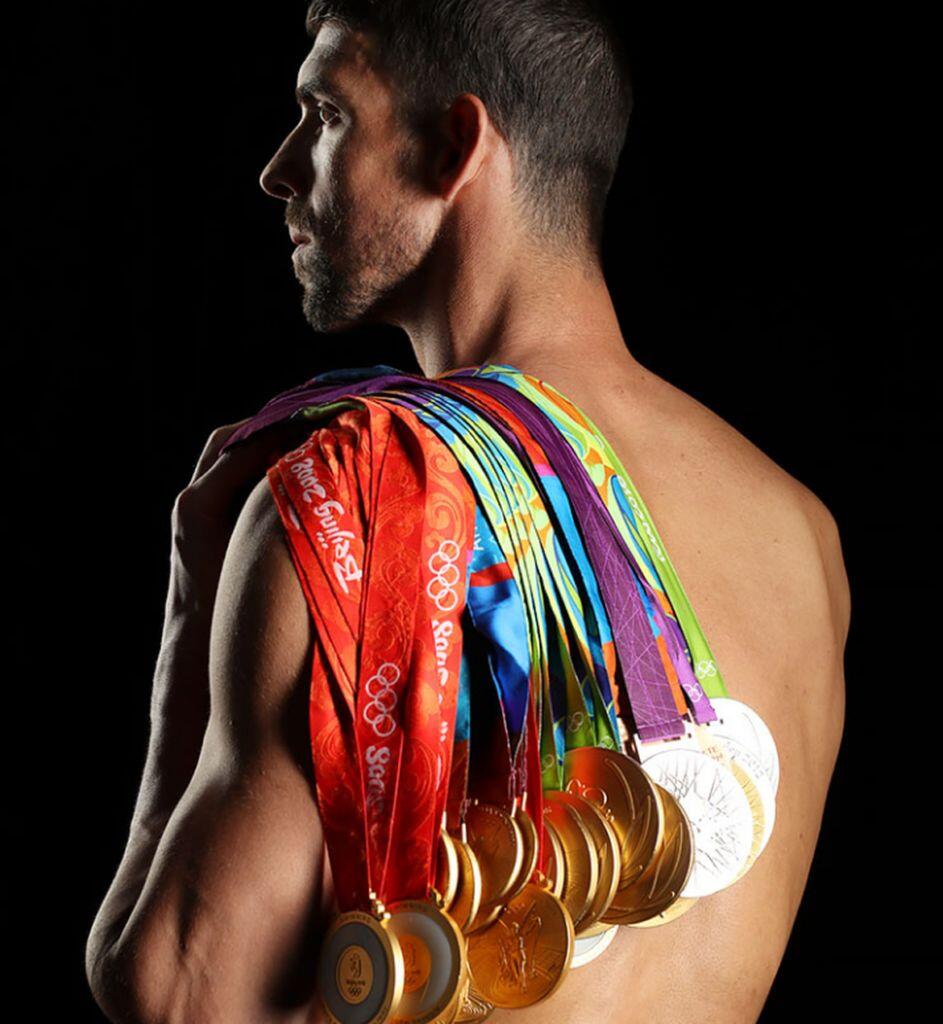
Michael Phelps is the most decorated Olympic swimmer (and Olympic athlete) in the history of the Games.
His 28 Olympic medals (23 🥇, 3 🥈, 2 🥉) were won across five Games from Sydney 2000 through Rio 2016. He set 39 world record times during his competitive swimming career in butterfly, individual medley, and freestyle events.
The 2008 Beijing Games defined his peak: eight gold medals, eight world record times in eight events in a single Olympic Games: surpassing Mark Spitz's Munich record of seven. His individual medley world record times, sprint freestyle relay splits, and butterfly performances all set benchmarks that international swimmers including Ian Thorpe of Australia and others spent years trying to approach. Phelps retired following the Rio 2016 with a medal total that no athlete in any sport from any country has matched.
You can't put a limit on anything. The more you dream, the farther you get.
Michael Phelps
10. Ryan Lochte: World Record Holder in the Individual Medley
🌊 Modern Era — The Golden Generation of American Olympic Swimmers (1996–2012)
🏅 Olympic medals: 12 (6 gold)
🌏 WRs: 200m individual medley: 1:54.00 (2011)
💪🏻 Active years: 2004-2016
Ryan Lochte's career as an American male swimmer produced 12 Olympic medals, 6 Olympic 🥇 medals, and 27 world championship medals: a total that would define any swimmer as the best of his generation in almost any other era.
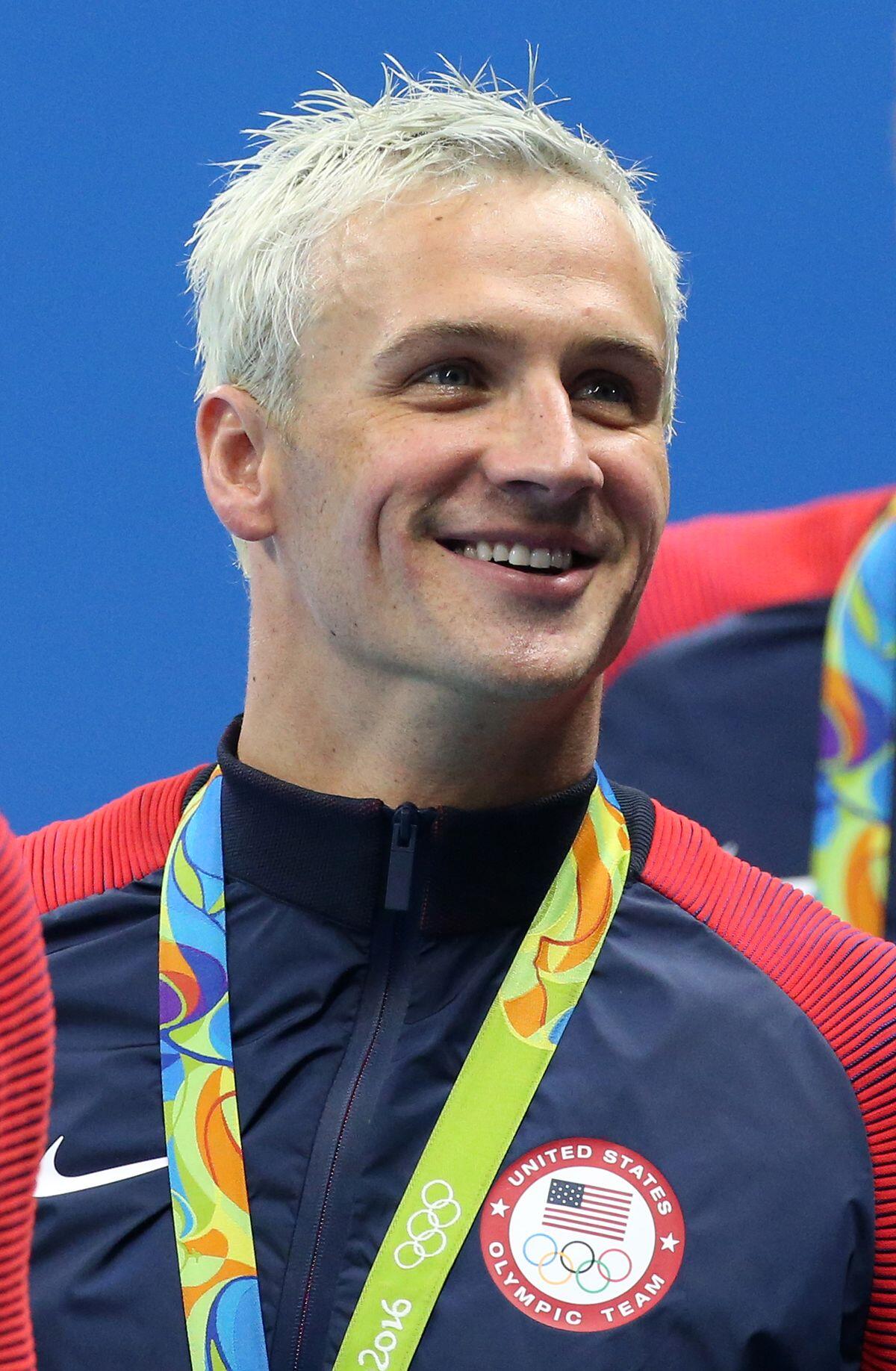
His world record time of 1:54.00 in the 200-meter individual medley, set at the 2011 World Championships, remains one of the most durable American swimming records in the modern era.
Lochte competed primarily in individual medley and backstroke events and was a critical contributor to United States medley relay and freestyle relay teams across three Games. At his peak, he was the only male swimmer in the world who could legitimately challenge Michael Phelps in their shared events; a distinction that obscures how exceptional his individual record truly was. For a comprehensive look at how Lochte's times compare to other Olympic swimmers globally, top Olympic swimming records provides the full context.
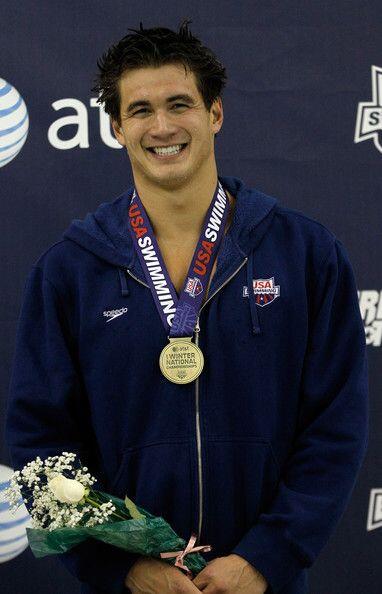
11. Nathan Adrian: Olympic 100-Meter Freestyle Gold Medalist
⚡ Current Champions and Rising Stars — American Male Swimmers (2016–Present)
🏅 Olympic medals: 8 (5 gold)
💪🏻 Active years: 2008-2021
Nathan Adrian was the dominant American male swimmer in sprint freestyle between the Phelps era and the Dressel era. He won the 100-meter freestyle individual 🥇 medal at the London 2012 Games and was a consistent gold medal contributor to United States freestyle relay and medley relay teams across four Olympic Games from 2008 to 2021.
Adrian's swimming career was interrupted by a testicular cancer diagnosis in 2019. He overcame the diagnosis and returned to competitive swimming to represent the United States at Tokyo 2021. His ability to compete at Olympic level after cancer treatment made him one of the more celebrated figures in American swimming in recent years.
12. Ryan Murphy: Olympic Backstroke Gold Medalist and World Record Holder
⚡ Current Champions and Rising Stars — American Male Swimmers (2016–Present)
🏅 Olympic medals: 5 (3 gold)
💪🏻 Active years: 2016-present
Ryan Murphy is one of the best backstroke male swimmers the United States has produced in the post-Peirsol era. At Rio 2016, he won Olympic 🥇 medals in both the 100-meter and 200-meter backstroke: the first American male swimmer to achieve that individual double since Aaron Peirsol won both events at Athens in 2004.
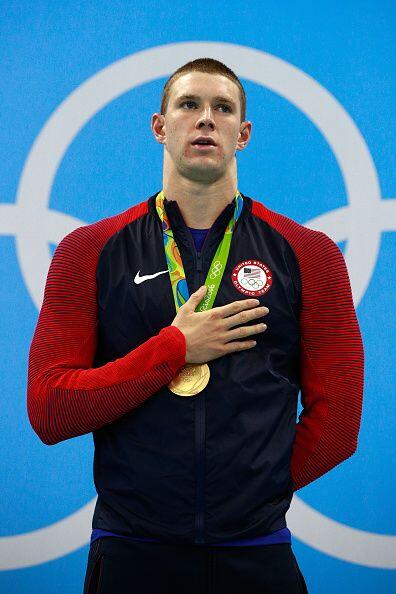
Murphy also set world record times in both backstroke events during his career and has been a reliable contributor to United States medley relay teams.
Murphy continues to compete in elite swimming at the international level and is a central figure in the United States backstroke program ahead of Los Angeles 2028. The continuity in American backstroke swimming (from Peirsol through Murphy) reflects a coaching culture that has consistently developed world-class male swimmers in that stroke.
Aaron Peirsol: WR 200m backstroke (1:53.08), double Olympic 🥇 2004 Athens
Ryan Murphy: double Olympic 🥇 2016 Rio, WR 100m and 200m backstroke
Hunter Armstrong: 2022 world record holder in 100m backstroke (51.60)
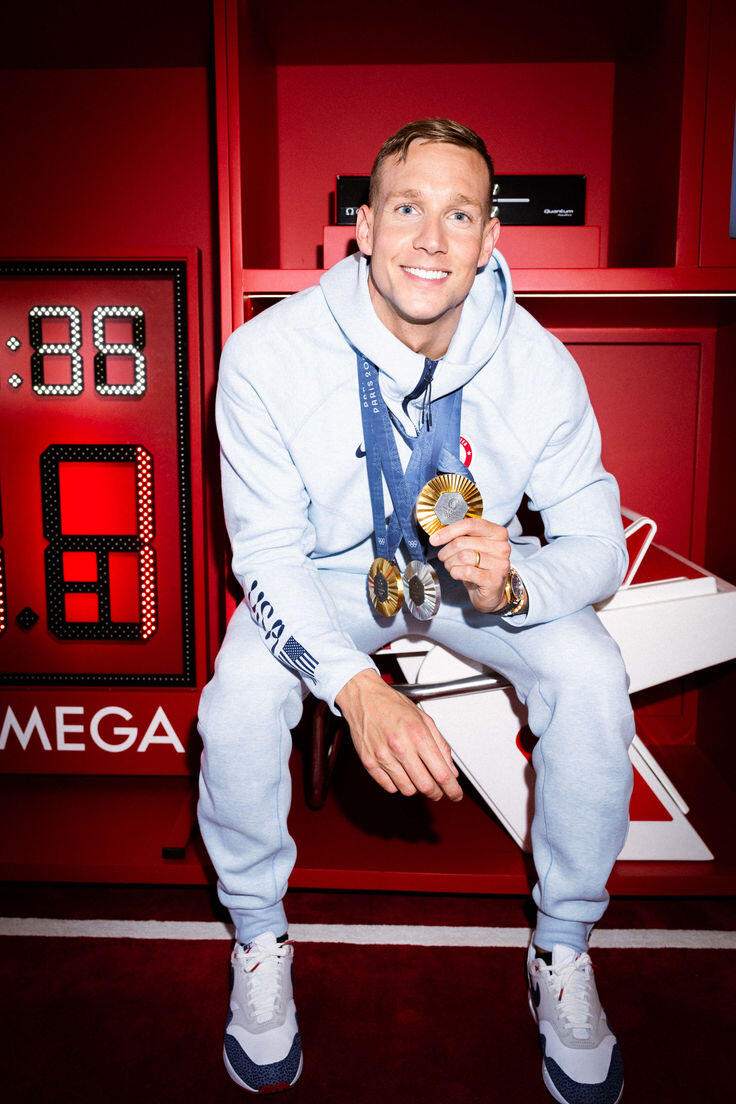
13. Caeleb Dressel: Five Gold Medals at the Tokyo Olympic Games
⚡ Current Champions and Rising Stars — American Male Swimmers (2016–Present)
🏅 Olympic medals: 7 (5 gold)
🌏 WRs: 50m butterfly: 22.35
💪🏻 Active years: 2016-present
Caeleb Dressel is the most explosive sprint freestyle and butterfly male swimmer the United States has produced in the post-Phelps era.
At Tokyo 2021, he won five 🥇 medals across three individual swims (the 50-meter freestyle, 100-meter freestyle, and 100-meter butterfly) plus two relay 1st place medals in the freestyle relay and medley relay. His 100-meter butterfly time of 49.45 at Tokyo remains one of the fastest times ever recorded in that event.
Dressel set the 50-meter butterfly world record of 22.35 seconds and has been the world's premier sprint fly swimmer since his emergence at the 2017 World Championships. His nearest international rival in sprint fly in recent years has been Leon Marchand of France, though Dressel's butterfly times remain the standard at the Olympic Games level. He took an extended break from competitive swimming in 2022 to address his mental health and returned ahead of the Paris 2024.
14. Bobby Finke: Distance Freestyle Gold at Tokyo
⚡ Current Champions and Rising Stars — American Male Swimmers (2016–Present)
🏅 Olympic medals: 4 (2 gold)
💪🏻 Active years: 2021-present
Bobby Finke delivered one of the most dramatic swimming performances of the 2021 Tokyo Games when he won the 800-meter freestyle gold medal with a final-lap surge from fourth place; then repeated the feat in the 1500-meter freestyle to win his second 1st place medal.
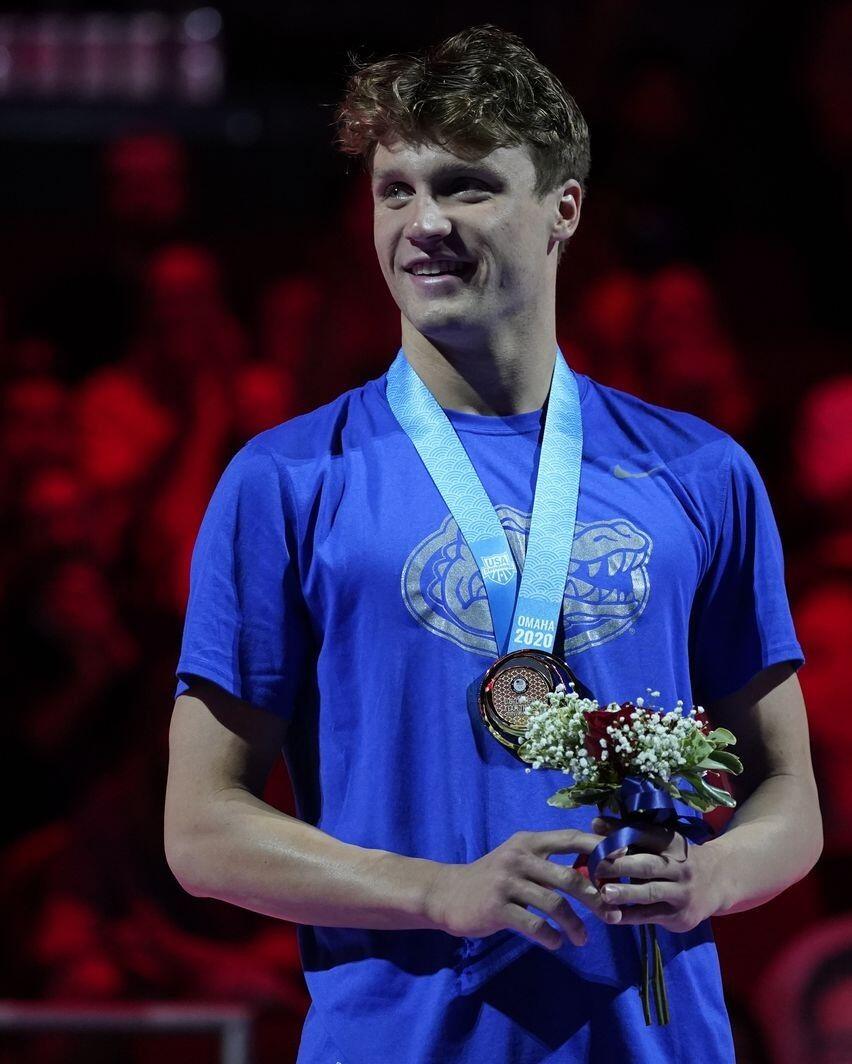
He became the first American male swimmer to win an individual distance freestyle Olympic gold medal since Mike Burton at the 1972 Munich Games: the same Olympic Games where Mark Spitz won his seven 1st place medals.
Finke's ability to find additional speed in the closing stages of distance freestyle events is a competitive quality that is exceptionally difficult to develop through training. At 24 years old, he is the natural heir to the American distance freestyle tradition and a strong prospect to defend his Olympic medals at the 2028 Los Angeles Games.
The full scope of elite American swimming (including synchronized swimming's American masters) adds further dimension to the country's aquatic legacy.
@gritcore.official Bobby Finke world record || he is a beast 🤯👏 #bobbyfinke#worldrecord#swimming#olympics#longdistance♬ original sound - gritcore.official
15. Chase Kalisz: Olympic Individual Medley Gold Medalist
⚡ Current Champions and Rising Stars — American Male Swimmers (2016–Present)
🏅 Olympic medals: 2 (1 gold)
💪🏻 Active years: 2016-present
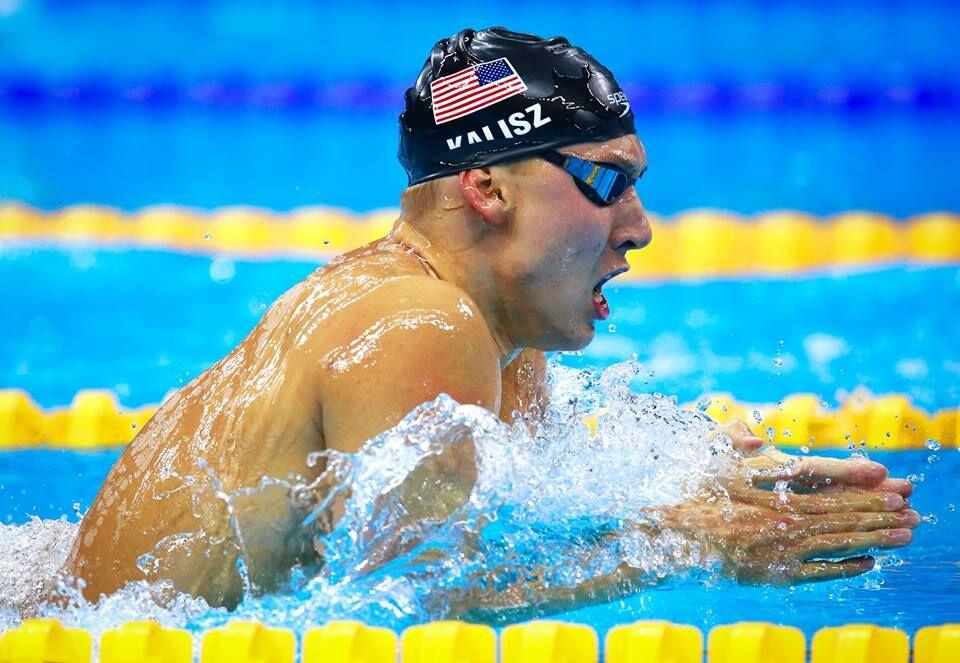
Chase Kalisz is the current standard-bearer of American men's individual medley swimming: an event with deep United States heritage that Michael Phelps and Ryan Lochte dominated between them for over a decade. Kalisz trained under Bob Bowman, Phelps' long-time coach, and won Olympic gold in the 400-meter individual medley at Tokyo 2021 in a personal best time.
He has been a consistent top-level male swimmer at world championships and Olympic trials across two Olympic cycles. French swimmer Leon Marchand has since set a new world record in the 400-meter individual medley, but Kalisz remains among the leading individual medley swimmers in the United States program heading into the 2028 Los Angeles Games. His technical refinement and competitive experience across multiple major championships mark him as one of the most complete IM swimmers currently competing for the United States Olympic team.

Summarize with AI:
Did you like this article? Leave a rating!

 Loading...