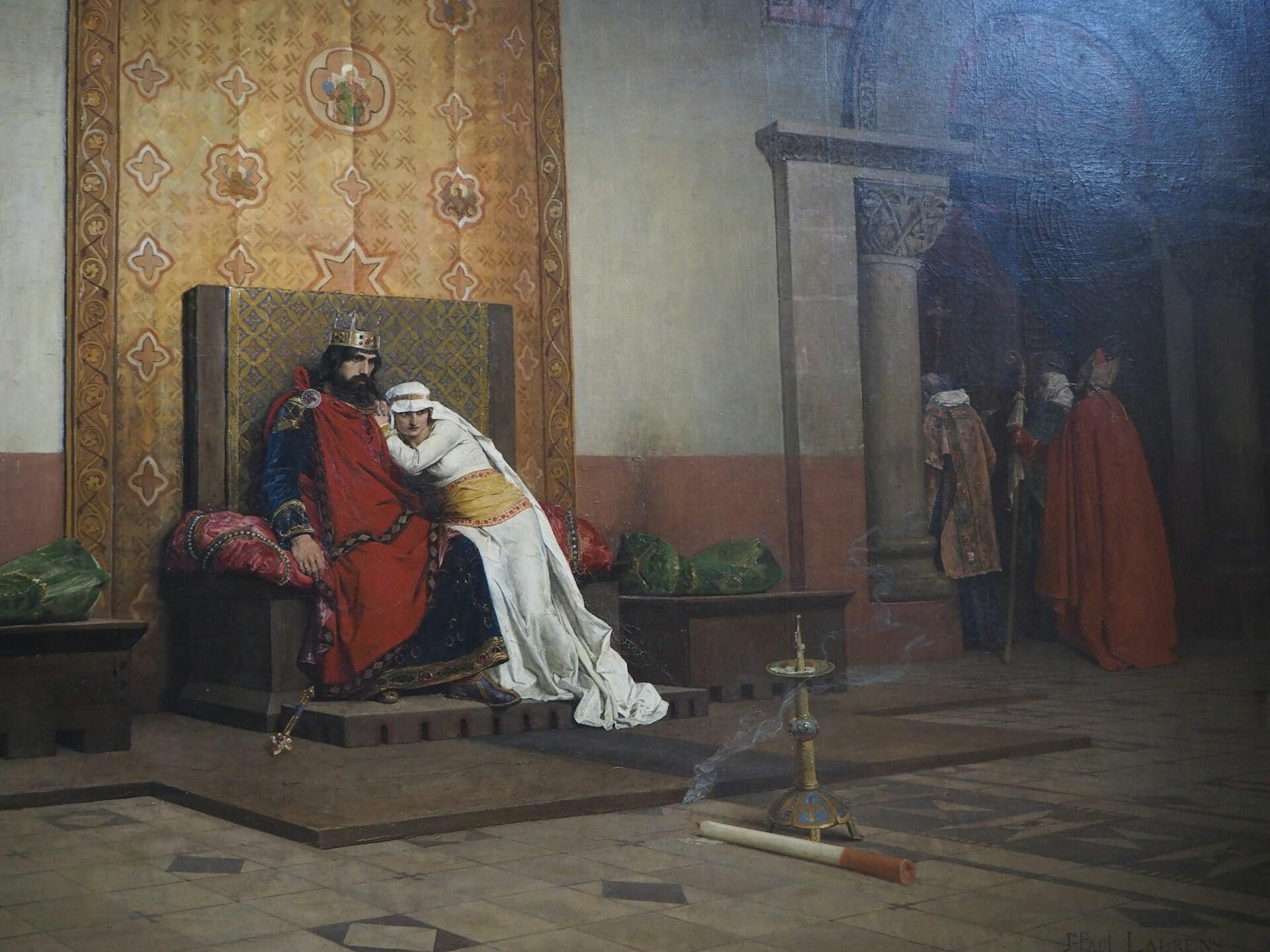

The history of France is filled with landmark dates, key figures, and founding events that help us better understand how the country came to be. From the Baptism of Clovis to the Fifth Republic, through Louis XIV, the French Revolution, and Napoleon I, each period has left a lasting mark on the collective memory.
A French history quiz is a great way to review the essential reference points while having fun. The goal: identify what you already know and pinpoint the periods you need to dig into further.
Quiz
Quiz :


Key Dates in French History You Should Know
Here are the main chronological milestones worth keeping in mind to better place the events, figures, and political regimes of French history.
496
Baptism of Clovis
Clovis, king of the Franks, receives a Christian baptism, reinforcing his authority and marking an important step in the alliance between the Frankish monarchy and the Church.
732
Battle of Tours (Poitiers)
Charles Martel prevails in a battle that has become a celebrated landmark of the early Middle Ages.
987
Beginning of the Capetian Dynasty
Hugh Capet becomes king and inaugurates a dynasty essential to the construction of the kingdom of France.
1515
Battle of Marignano
Francis I achieves an emblematic victory of the Italian Wars and the French Renaissance.
1789
Storming of the Bastille
July 14, 1789 becomes one of the great symbols of the French Revolution.
1804
Coronation of Napoleon I
Napoleon Bonaparte becomes Emperor of the French and founds the First Empire.
1870
Proclamation of the Third Republic
Following the fall of Napoleon III, the Republic gradually establishes itself in the French political landscape.
1945
End of World War II in Europe
May 8, 1945 marks the surrender of Nazi Germany and the end of the conflict in Europe.
1958
Beginning of the Fifth Republic
The Fifth Republic is founded amid a context of political and institutional crisis.
The Origins of the Kingdom of France
One of the first major milestones to know is the baptism of Clovis, generally dated to 496. As king of the Franks, Clovis played an essential role in consolidating Frankish power in Gaul. His baptism marked an important alliance between the Frankish monarchy and the Christian Church.
This event is typically presented as one of the symbolic foundations of the French monarchy. It doesn't yet represent the birth of modern France, but it helps explain how political power gradually became intertwined with Christianity in medieval Europe.
A few centuries later, in 732, the Battle of Tours (also known as the Battle of Poitiers) pitted the forces of Charles Martel against Muslim armies advancing from Spain. This date has endured as a key reference point in the teaching of history. It marks an important milestone of the early Middle Ages and helps trace the rise to power of the Carolingian family.
The years of 496, 732, and 987 are three fundamental dates for understanding the early development of royal power in France.
The Capetian Dynasty and the Building of Royal Power
In 987, Hugh Capet became king. His accession to the throne marked the beginning of the Capetian dynasty, which would play a fundamental role in shaping the kingdom of France. At first, royal power was limited by the great lords, but the Capetians gradually strengthened their authority.
This period is essential for understanding the formation of the French state. The kings expanded their domain, asserted their authority, and increasingly structured the administration of the kingdom. To do well on a French history quiz, knowing the role of Hugh Capet and the significance of 987 is a must.
Francis I, Marignano, and the Renaissance
The year 1515 is one of the most famous in French school history. It refers to the Battle of Marignano, won during the reign of Francis I. This victory was part of the broader context of the Italian Wars, during which the kings of France sought to expand their influence across Europe.
But Francis I was more than just Marignano. His reign is also associated with the Renaissance, the flourishing of the arts, and the assertion of royal prestige. He was a patron of artists, brought major figures like Leonardo da Vinci to France, and contributed to the kingdom's cultural golden age.
In any French history quiz, Marignano is almost always a guaranteed question. But to go further, it's worth understanding what that date reveals: an ambitious monarchy, open to Italian influences and determined to enhance its standing.
Louis XIV and Absolute Monarchy
Louis XIV, known as the Sun King, embodies the height of absolute monarchy. His reign is one of the longest in French history and is synonymous with the Palace of Versailles, the ultimate symbol of royal power.
Versailles was more than a lavish residence — it was a political tool. By gathering the nobility around him, Louis XIV asserted his authority and kept the great lords in check. His reign was also marked by remarkable cultural achievement, with writers and artists of the highest order including Molière, Racine, La Fontaine, and Lully.
To excel at an advanced French history quiz, knowing that Louis XIV was the Sun King isn't enough. You also need to understand that his reign represented the centralization of power and French cultural prestige, but also costly wars and deep religious tensions.
👑 Absolute monarchy
🏰 Versailles
☀️ Sun King
🎭 Cultural golden age
⚔️ European wars
The French Revolution: A Fundamental Turning Point
On July 14, 1789, the Storming of the Bastille became one of the most celebrated events in French history. The Bastille was a symbol of royal authority and monarchical arbitrariness. Its fall at the hands of Parisian citizens marked a political and symbolic rupture of the first order.
The French Revolution challenged the Ancien Régime, its privileges, and absolute monarchy. It proclaimed new principles, including national sovereignty, equality before the law, and the rights of citizens.
This period is essential for understanding modern France. The Republic, citizenship, modern political life, and several national symbols all have roots in the Revolution.
Napoleon I and the Imperial Legacy
In 1804, Napoleon Bonaparte became Emperor of the French.
His coronation marked the birth of the First Empire. Napoleon is a complex figure: both an heir to the Revolution and the founder of an authoritarian personal rule.
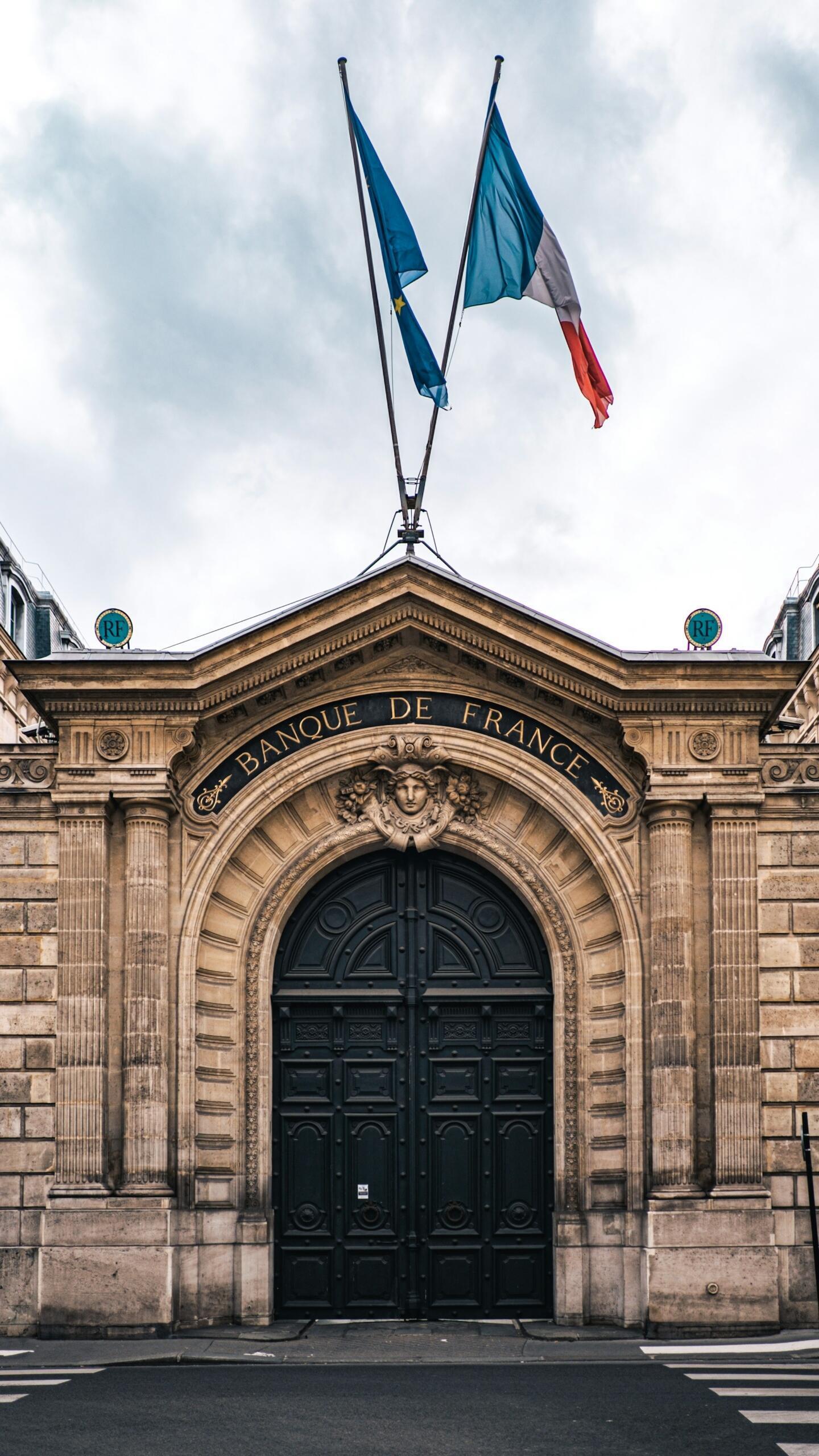
His reign was defined by sweeping military conquests, but also by lasting reforms. The Civil Code, the lycée system, the Bank of France, and centralized administration are all part of his legacy.
Some French institutions still bear the imprint of that era today.
From the Third Republic to the Fifth Republic
Following the fall of Napoleon III in 1870, the Third Republic was proclaimed. This regime gradually took hold and played a central role in cementing republican culture. Public education, civil liberties, and the separation of church and state became defining pillars of French political identity.
The twentieth century was deeply shaped by two world wars. On May 8, 1945, the surrender of Nazi Germany brought World War II in Europe to a close. This date remains essential in France's national memory, evoking the Liberation, the Resistance, and the traumas of the Occupation.
In 1958, the Fifth Republic was founded amid a political crisis tied largely to the Algerian War. Charles de Gaulle played a central role in its establishment. This system, still in place today, strengthened executive power and permanently transformed French institutions.
Don't just memorize dates - connect each event to a period, a key figure, and a historical consequence.
Learning French History Differently
French history is more than a list of dates to memorize. Each event reflects a political, social, religious, or cultural transformation. The baptism of Clovis illuminates the Christian origins of Frankish power; Marignano speaks to the influence of the Renaissance; the French Revolution marks a fundamental break; and the Fifth Republic explains a significant part of our institutions today.
Taking a free French history quiz is a simple and effective way to review — but also to make sense of what you know. By connecting dates to figures, political regimes, and historical consequences, you'll progress faster and build a solid foundation of general knowledge.
Summarize with AI:
Did you like this article? Leave a rating!

 Loading...