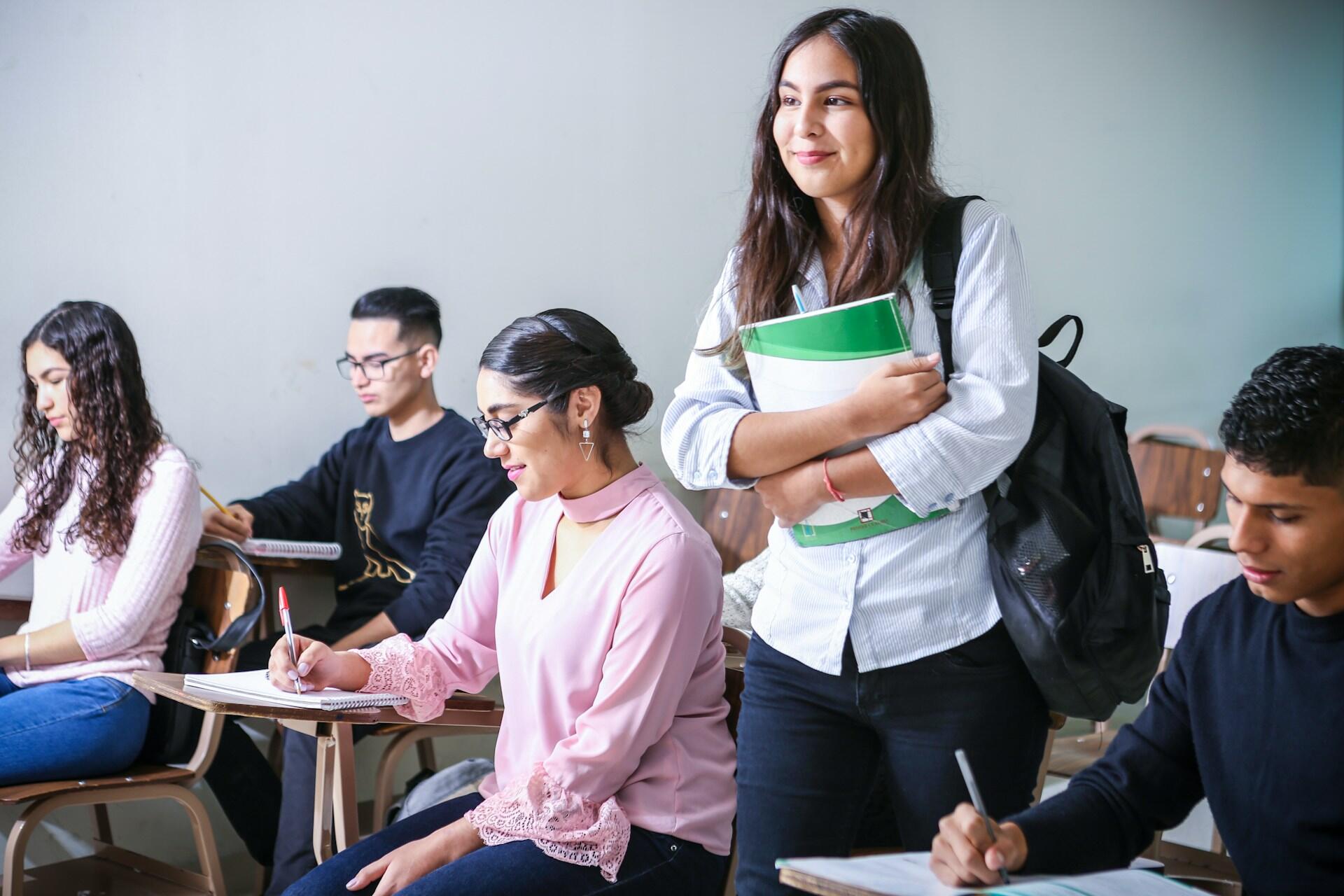

It barely seems like summer's started before there's talk of the first day of school or going back to school. Parents, teachers, and, most importantly, students must be ready for the new year when elementary, middle, and high schools start. This article will look at how to prepare for your first day of school after the summer break.
Key Takeaways
- Start with the basics: check your school supplies, clothes, bag, lunch, and transport before the first day.
- Reset your routine early by improving your sleep schedule, limiting screen time, and building healthy habits.
- Look ahead at your curriculum, important dates, assignments, and goals so nothing surprises you later.
- Review last year’s work and practice self-guided study to rebuild confidence before classes begin.
- Use a planner or calendar to track deadlines, homework, tests, activities, and weekly priorities.
- Get to know your teachers, ask your parents for help, and talk through any first-day nerves.
- Plan for safety by knowing your route, transport arrangements, emergency contacts, and school rules.
- Consider a private tutor if you want help catching up, strengthening study habits, or starting the year with confidence.


Organize Your School Supplies
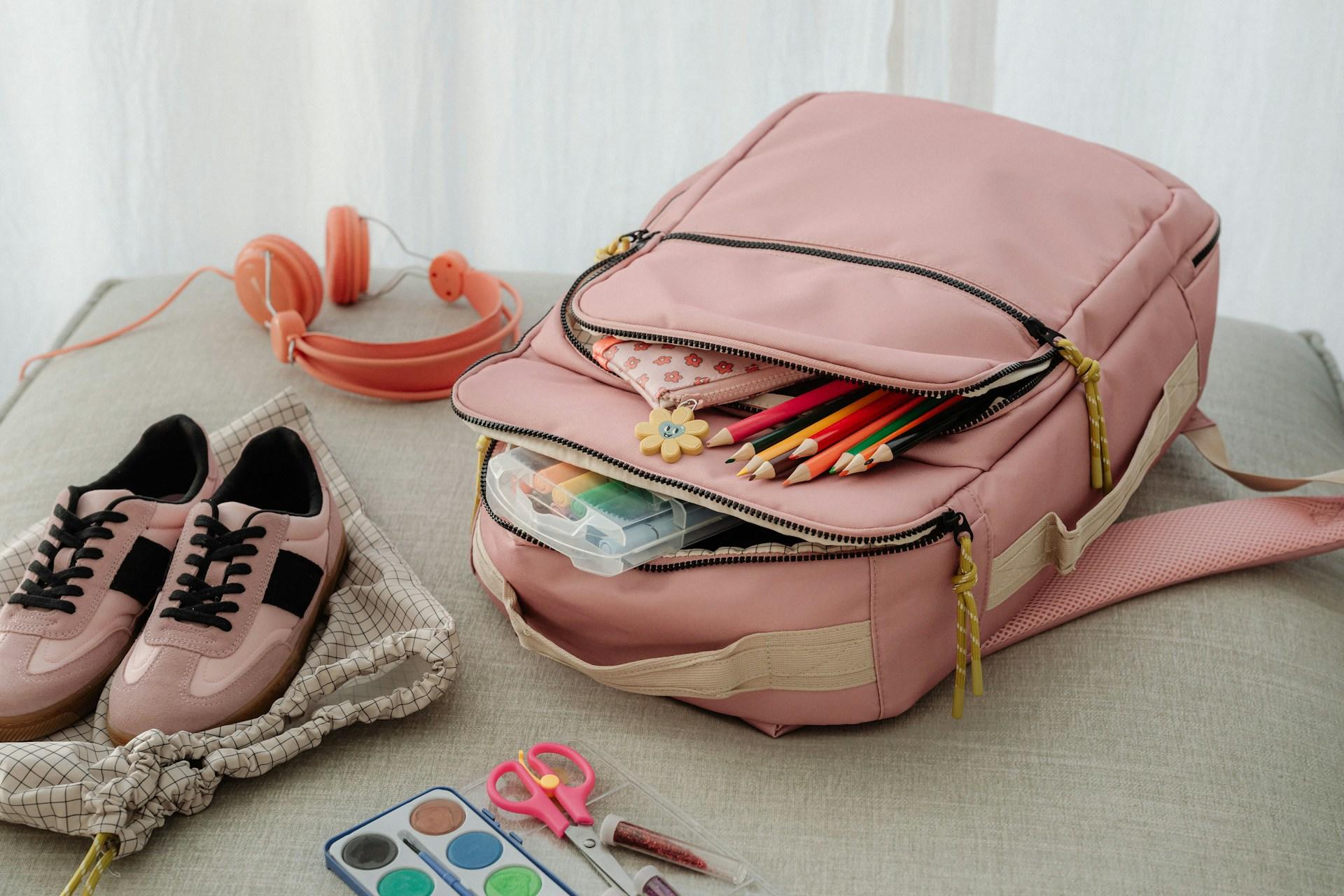
It's essential for students to take the lead in preparing for the first day of school and know how to get ready for school after the summer break. This means that every student will need appropriate school supplies. Check what you'll need and write down a list of things to do to get ready for the first day of school. This could be stationery, such as pens and pencils, or suitable clothing for gym class. There will have been a meeting, a letter, or an email detailing what you'll need for the first day back. If you don't know or need help remembering, ask a fellow student, your parents, or the appropriate school staff member.
Get Used to Your School Schedule
The first day of school will likely differ from how you spent the summer. You will have to get back into the routine, and this won't be like going back to school after having Saturday and Sunday off.
across some U.S. states.⁴
You may have spent weeks developing bad sleep habits, going to bed late and waking up even later. Now, it's time to start going to bed earlier so you can wake up early for your first day back. At least a week before the first day back at school, start going to bed early so that by the time all the students return to school, you'll be able to wake up well-rested and alert, ready for whatever your classes this year have in store for you.
Establish Healthy Habits
You can only start your school year right with good routines. The easier each day is, the easier it'll be in the classroom. We can't promise the class will be easier, but if you're well-rested, fed, and comfortable, it'll be better than if you aren't. Sleep, breakfast, hydration, movement, and a predictable morning rhythm can all help you feel more alert and ready to learn. Get ready to go back to school with school-like routines before the first day, especially if your habits shifted during the summer.¹
Students should not wait until the night before school to fix their routine. Start moving bedtime and wake-up time earlier a few days in advance, then add simple habits like preparing breakfast, choosing clothes, and packing school items before bed. A smoother routine makes the first morning feel more familiar, less rushed, and easier to manage.
Limit Screen Time
Spend only a little time on your phone, tablet, or any other device before bed. You should have already tried going to bed earlier in the week before the first day back. We also recommend progressively reducing screen time before your return, as this will help you sleep better. Agree with your parents on screen-free times.³
Reducing your screen time has many positive benefits, including improved sleep quality, better posture, and enhanced mental health.
Familiarize Yourself with the Curriculum for the Year
Speaking of your classes, every student must be aware of what their classes will include and of important dates during the year related to them. Check the curriculum for all your classes before the first day of school. If this information isn't available, try to get it from your teacher during the first week. This will help with your academic development and is an excellent habit to form.

Review What You Learned Last Year at School
If your last year at school was difficult, you will want to make sure that you start your classes early or at least catch up to where you're supposed to be on the first day of school.
If you underperformed in any of your classes before the break, it's always a good idea to spend some of your days during the summer break brushing up. You likely won't have to study every day. Still, an hour or so a few days a week during the summer break should be enough for most students to catch up. If you need more help, you can always work with a professional private tutor to make sure that the first week back at school isn't a nightmare.
Reviewing everything from last year is particularly important if you're going from elementary to middle school or middle school to high school, as you won't want to be the only student in class who doesn't know something they're supposed to.

Practice Self-Guided Study
Success is the sum of small efforts, repeated day in and day out.
Robert Collier, Author
Every student should try to get into the habit of self-guided study. It's a good habit to form in any student's development, and the summer break is a good time to do it, as you won't have any classes or as many other distractions. Use your free time each week productively to study without the help of a teacher or parent. Of course, you can always ask your parents to help. After all, your parents will also be getting ready for the first day of school. While the saying "every day is a school day" doesn't quite apply to the summer break, you can learn something new every day, especially if you spend the summer break productively becoming a better student.
Set Your Academic Goals for This School Year
Get a calendar, mark off the important days, and set yourself goals relating to your academic development. Remember that your goals need to be achievable and sensible, whether in elementary, middle, or high school. You should also remember to set goals on your calendar with variable deadlines, especially if you still need to go back to school, as you don't know what the school calendar will look like.
Stay Organized This School Year with a Planner
Get a planner in addition to a calendar. Both will help you, but a calendar is for general dates and is organized by day, week, or month. Conversely, a planner combines a calendar with spaces for managing tasks, setting goals, and taking notes. It will also help you to organize days, weeks, months, and the whole academic year. We recommend getting a massive yearly calendar for important dates you need to know months in advance. You can stick this to a wall and see the entire year without changing the pages for each month. Your planner will likely go with you to school, and you can use it to record homework, tests, projects, due dates, and the smaller tasks needed to work back from each deadline.⁸
Meet and Get to Know Your Teachers
Some students will be happy to have seen their teachers less during May, June, July, and August. However, as the summer break ends, we recommend getting to know your teachers during the first few weeks of school in August or September.
Teachers can offer valuable help during the school year, so it's important to do your best to get to know them and their expectations.
We're not saying that you have to be their best friend, but feeling connected to teachers and school can support students’ wellbeing and reduce risk during the school year.¹⁰ Still, simply getting a better idea of what they expect from their students, their teaching approach, how professional they are, whether they planned for the first day back, and their policies regarding assignments, homework, etc., will go a long way toward making your life easier.
Let Your Parents Help
Remember that after a tough day of school, your parents can help. You'll have much fewer rough days at school if you ask them to help or for advice. Remember that they were once students, even if this seems like something from early human history!
Manage Your First-Day Nerves
It's normal to feel nervous about your first day of school or your first day back. You can reduce stress by preparing what you can control, from learning your schedule to making sure your supplies, forms, and first-day plans are ready.⁶ Your bag, lunch, route to school, and morning routine can all be planned in advance so you have fewer things to worry about. You can also get support from your school, teachers, trusted adults, or school mental health resources if first-day nerves start to feel too big to handle.⁵
Get Ready the Night Before
One of the best ways to start the first day back at school on the right foot is to get ready the night before. This will help you feel prepared and confident as you enter the new school year. Whether you go back to school in late August or early September, get as many things ready as possible beforehand. Most of the things you need to do for the first day back at school can be done the night before, from choosing clothes to preparing lunch, homework, books, and school materials.²
Pack Your Bag
Since schools will likely tell you what you need for the first day of school in June or July or even before the break, you can pack your bag the night before with pencils, pens, notebooks, folders, a planner, school forms, lunch, a water bottle, and any class-specific materials.⁷
Plan Your First-Day Outfit
If you live in a place where the weather is fairly predictable, we recommend choosing your outfit for the first day back at school the night before. In most places, August and September have somewhat predictable weather, but if they don't, you can always pick two outfits of wet and dry or hot and cold versions.
Prepare Your Food for the Following Day
If your parents won't be preparing your breakfast, you can save time by making it the night before. There are plenty of advantages to preparing for the first day back at school, and the time saved is just one of them. Doing as many tasks as possible the night before can save you an hour or two on a day that will otherwise be quite stressful. Similarly, if you take your lunch to school, prepare it the night before.
Talk About Safety
Getting ready for school is about education as much as it is about safety. You should know how you're getting to school, who's picking you up, what to do in an emrgency, and which adults you can ask for help. Talk to your family and school about student support, communication, safety, wellbeing, and who to contact if you need help during the school year.⁹
Every student should know a basic safety plan before the first day. This includes the route to school, transport arrangements, emergency contacts, pick-up rules, school office location, and what to do if plans change. Younger students may need to practice these steps with a parent, while older students should still check the details before the year begins.
Plan Your Route to School
Plan your route ahead of time to take the stress out of the first day back at school. Again, if you're changing from elementary to middle school or from middle to high school, you'll have a new school to attend. Staff at your school can suggest ways to get there and even advise on the best time to go. You'll want to avoid spending an hour stuck in traffic if you can, so always plan ahead.
Get Ready for the First Day of School with a Private Tutor
In addition to academic subjects, you'd be surprised at how much private tutors can help with tips for the first day of school. A private tutor offers personalized support, not only in academic subjects but also in building confidence and refining study habits. Whether a student needs to strengthen their understanding of a challenging topic or wants to enhance their well-being and academic skills, private tutoring provides a tailored approach to meet these goals.
Superprof connects you with expert tutors who can help you or your child feel fully prepared for the new school year. Explore the wide range of subjects and services available on the Superprof website today, and find the perfect tutor to make this school year a success. So, how do you prepare for school? Leave a comment of your best school preparation tips below!
References
- American Academy of Pediatrics. “Back-to-School Tips for Families.” HealthyChildren.org, 5 Aug. 2024, https://www.healthychildren.org/English/ages-stages/gradeschool/school/Pages/back-to-school-tips.aspx. Accessed 30 Jun. 2026.
- American Academy of Pediatrics. “Helping Your Teen Succeed in School.” HealthyChildren.org, 19 May 2026, https://www.healthychildren.org/english/ages-stages/teen/school/pages/helping-your-teen-succeed-in-school.aspx. Accessed 30 Jun. 2026.
- American Academy of Pediatrics. “How to Make a Family Media Plan.” HealthyChildren.org, 20 Jan. 2026, https://www.healthychildren.org/English/family-life/Media/Pages/How-to-Make-a-Family-Media-Use-Plan.aspx. Accessed 30 Jun. 2026.
- Centers for Disease Control and Prevention. “FastStats: Sleep in High School Students.” CDC, 14 May 2024, https://www.cdc.gov/sleep/data-research/facts-stats/high-school-students-sleep-facts-and-stats.html. Accessed 30 Jun. 2026.
- Centers for Disease Control and Prevention. “Mental Health.” CDC: Adolescent and School Health, 29 Nov. 2024, https://www.cdc.gov/healthy-youth/mental-health/index.html. Accessed 30 Jun. 2026.
- Nemours KidsHealth. “Back to School.” Nemours KidsHealth, https://kidshealth.org/en/teens/back-to-school.html. Accessed 30 Jun. 2026.
- Nemours KidsHealth. “Going Back to School.” Nemours KidsHealth, https://kidshealth.org/en/kids/back-to-school.html. Accessed 30 Jun. 2026.
- University of North Carolina at Chapel Hill Learning Center. “Calendars and College.” The Learning Center, https://learningcenter.unc.edu/tips-and-tools/using-planners/. Accessed 30 Jun. 2026.
- U.S. Department of Education. “Let’s Talk Back to School: Sample Questions Parents and Families Can Ask to Partner with Your Child’s Teachers and School.” U.S. Department of Education, 2024, https://www.ed.gov/sites/ed/files/2024-11/Let%E2%80%99s_Talk_Back_to_School_Eng_2024.pdf. Accessed 30 Jun. 2026.
- Wilkins, Natalie J., et al. “School Connectedness and Risk Behaviors and Experiences Among High School Students — Youth Risk Behavior Survey, United States, 2021.” Morbidity and Mortality Weekly Report, Centers for Disease Control and Prevention, 2023, https://www.cdc.gov/mmwr/volumes/72/su/su7201a2.htm. Accessed 30 Jun. 2026.
Summarize with AI:
Did you like this article? Leave a rating!

 Loading...