


“There is no school equal to a decent home and no teacher equal to a virtuous parent.” - Gandhi
Let’s start by saying that there’s no such thing as a typical day of homeschooling and that’s probably why you’re interested in it. These tips are here to help, but you don’t need to follow them to the letter and you can adapt them to your child.
A child’s age, preferred learning style, and the subjects they like all need to be taken into account when planning lessons. If you’ve decided to join the other homeschoolers in the US, it’s probably because you want to provide your child with a better education than the one they’d get in regular schools.
It would be a shame to fall into the same problems as they’d have at school. Nevertheless, you can still plan lessons without following a schedule as they have at school. Effective planning can still help get the most out of homeschooling so just make sure you adapt it to them.


Adapting to Homeschooling
Each child is different and so is each family. Your situation will influence how you plan to homeschool your child and there are no right and wrong answers; it’s down to what works.

Someone living in the US won’t homeschool the same way as a family travelling the world in the same way you won’t homeschool an only child in the same way as you’d homeschool several brothers and sisters. The child’s age will have a big bearing on how you choose to teach them and the type of teaching that works most effectively for them.
Every situation is different.
Firstly, you’ll have to get to know your children. Learn how they work, their strengths and weaknesses, and what they like to do. Plan your day around this and how you’ll be able to most effectively teach them.
You have to work to your strengths, too. You don’t need to fixate on the plan if it’s not working as you can always change things up.
You’ll also need to adapt the schooling to your budget. By homeschooling your children, you’re legally assuming the cost of their education and while there is financial help out there, you can’t guarantee you’ll get it.
Check out our guide to homeschooling.
A “Typical” Day of Homeschooling
As you’ll have understood, there are many ways to plan to homeschool. We’re going to give you a few examples, but it’ll be up to you to choose the methods that work for you and your children.

These plans are for different types of homeschooling. Generally, they’re aimed at younger children aged between 7 and 10 years old. This is the age where they’ll solidify their understanding of reading, writing, and maths.
Older students can be afforded more freedom and opportunities for independent study whereas younger students may enjoy more freedom or informal learning.
Find out more about homeschooling children.
Morning Work, Afternoon Activities
This is a structure that is based on typical schooling. The child will work during the week and start their schooling in the morning.
Sleep is important for learning so don’t have them wake up too early. You can start at 9:00 with a couple of hours of teaching, aiming for around 10 to 12 hours of these classes a week with regular short breaks between subjects.
After lunch or a longer break, you can start with enriching and educational experiences and activities. These can be museum trips, nature walks, or scientific experiments. Trips are a good idea for social interaction, getting out of the house, and learning in a new environment. You can even dedicate a day of the week to extra-curricular activities like sports, dancing, singing, art, music, or even games.
At the weekend, you can do anything. There are no rules. Just try to include all the essential subjects that they need to learn:
- English
- Maths
- Foreign languages
- History
- Geography
- Art and music
- Science
Make sure that they bring their notebook with them on their trips and excursions as they can take notes or draw pictures.
Digital Nomads
Some parents choose to homeschool their children as they’re travelling the world. In this situation, children won’t have a very strict timetable. You’ll have to teach when you can and there won’t often be a structured timetable. However, you do want to ensure that your children have a good routine for sleeping. Of course, if they’re tired and sleep longer, it’s not a problem.
You can have a morning routine with sports, games, or even studying. Again, you might want the structured routine to be finished before lunch. Morning routines can focus on traditional school subjects.
In the afternoon, you can still visit places, read, watch educational content, or meet up with other homeschoolers for social interaction. This is probably the least formal of homeschooling approaches and it works great for foreign languages as they can learn by doing.
Unschooling
Homeschooling places the focus on the child. Unschooling also does this by trusting the child’s curiosity for learning and allowing them to take control of their education.
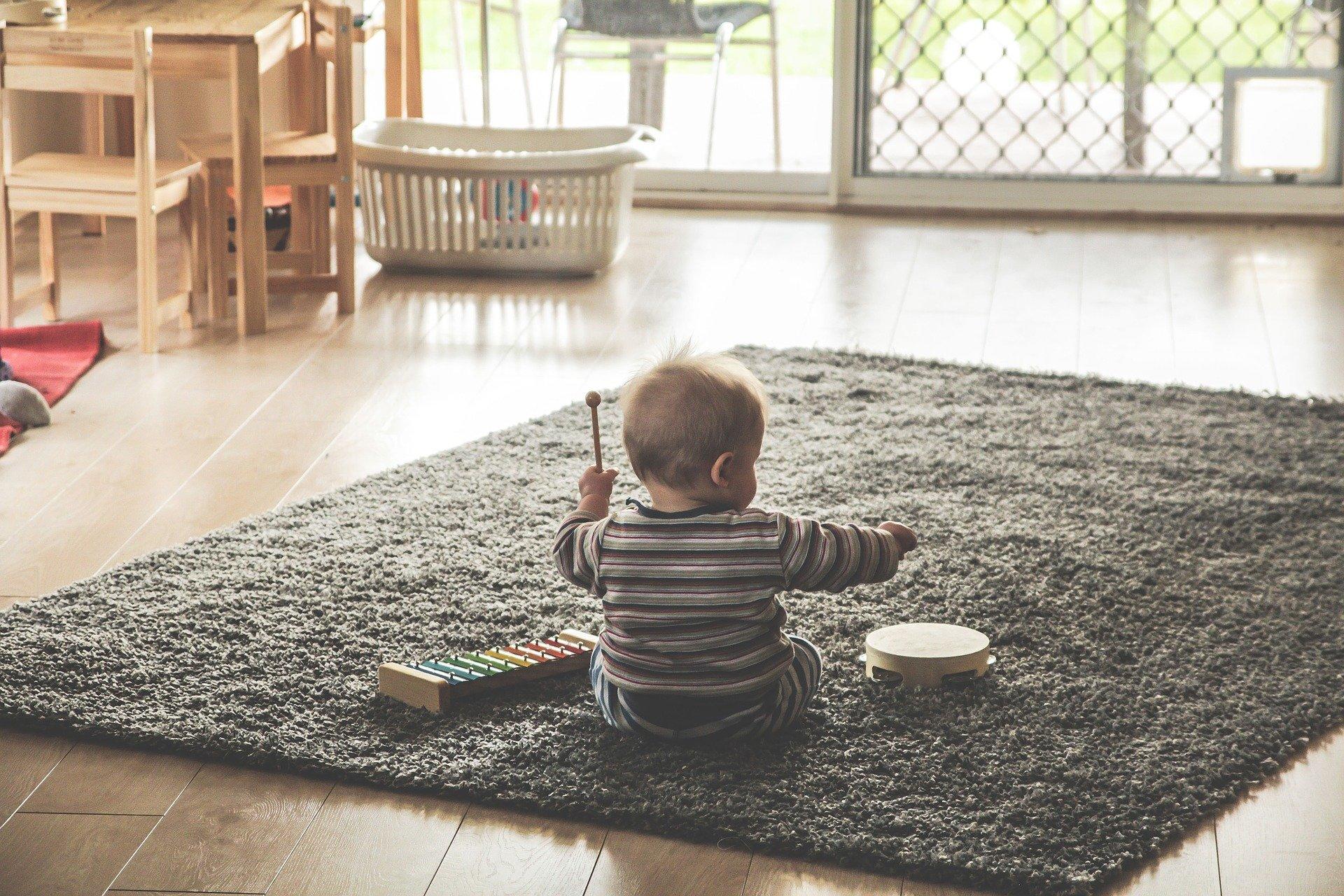
Generally, this focuses on what the child needs and wants to learn. They can choose what they want to learn as and when they’re interested in learning it. There’s less planning and structure, which can feel weird for some parents.
Before you start with unschooling, here are some things to think about:
- The child’s age and level.
- The theme of what they're learning.
- Finding useful resources.
- Preparing resources.
Unschooling can be particularly useful for homeschooling and is especially if you have several children to teach. The older children can help the younger, for example, since peer learning is incredibly useful for children. The idea is to spark their curiosity and let their thirst for knowledge be the driving force.
This also means that when a child is learning, they’re always learning what they want to learn. Our homes are often built and designed with adults in mind. Even the rooms themselves aren’t suitable places for children to experiment and learn.
With unschooling, you can make learning less formal and better adapted to children. You can plan workshops several days of the week where they can study whatever they want. Make sure you plan plenty of outdoor activities, though.
There are plenty of unschooling resources available online.
Learn more about the advantages of homeschooling.
Don’t Go It Alone
If not done correctly, homeschooling can be a lonely situation. Children need to meet and hang out with other children, but fortunately for you, the US is home to many homeschoolers.

There are networks and groups of homeschoolers that meet up and do activities together. They can also provide support, resources, and ideas to help you with it.
The internet is a great resource for homeschoolers. Even if you feel a bit lost or overwhelmed, you can get advice and help.
So when are you going to start?
Find out what it takes to effectively homeschool children.
Homeschooling requires that a child gets a full-time education, but this education doesn't necessarily need to be provided by the parents. Homeschooled children can get all or part of their education from one or several private tutors.
If you're interested in looking at private tutors to help provide your child with their education, consider searching for them on Superprof. There are many talented and experienced tutors ready to teach a variety of academic subjects, extracurricular activities, sports, and arts and crafts.
Even if you're planning on doing all the teaching yourself, you could get a tutor to help you with planning lessons and the curriculum for homeschooling your child.
A face-to-face tutor will often travel to the student's home to teach them one-on-one. They'll adapt the lessons to the student, what they need to learn, and how they learn best, ensuring that every minute of every session is spent as effectively as possible. Of course, this bespoke service comes at a price and face-to-face tutors will usually charge more than online tutors or tutors offering group tutorials.
If you travel around a lot or can't find any suitable tutors in your local area, you can always look for online tutoring. As long as you have a decent internet connection and computer, you can get help from tutors all over the world. This is particularly good for foreign languages as you can find native speakers.
Group tutorials are an excellent option for those on a budget as you can share the cost of the tutor's time and expertise with the other attendees. If other parents homeschooling their children would like some extra help from a tutor, you could get your children together in a smaller class with a tutor and split the bill.
A lot of the tutors on Superprof offer the first lesson for free so make sure to try a few different options out before picking the tutor or tutors that are right for you and your family.
Cost to hire a private homeschool teacher
The average cost to hire a full-time private teacher is $1,300 to $4,000 per month when split between multiple homeschool families or $4,000 to $8,000 monthly for private instruction. A part-time homeschool tutor costs $20 to $60 per hour or $400 to $3,000 per month.
| Type | Monthly cost | Annual cost |
|---|---|---|
| Part-time private tutor or teacher | $400-$3,000 | $3,600-$32,400 |
| Full-time homeschool teacher for a group | $1,300-$4,000 | $12,000-$35,000 |
| Full-time private homeschool teacher | $4,000-$8,000 | $35,000-$70,000 |
Private homeschool teacher salary
A homeschool teacher’s salary is $35,000 to $70,000 per year on average for the 9-month school year. New college graduate teachers start as low as $20,000 per year in some locations. Private teachers with advanced degrees and many years of experience earn up to $95,000+ per year homeschooling.
| Experience level | Annual salary | Hourly wage |
|---|---|---|
| Student teacher or new college graduate with no teaching experience | $20,000-$35,000 | $10-$20 |
| Bachelor's degree with several years teaching experience | $35,000-$70,000 | $20-$60 |
| Master's degree or higher with extensive teaching experience | $70,000-$95,000 | $60-$80+ |
Homeschool teacher costs for a group
Hiring a full-time homeschool teacher costs $1,300 to $4,000 per month or $10 to $30 per hour on average, depending on how many families split the teacher’s salary.
Joining a learning group reduces other homeschooling costs, including:
- Sharing curriculum among multiple students
- Passing down books and supplies to younger students
- Parent volunteers to teach specialty subjects, reducing the hours a teacher is needed

Homeschool tutor cost
A homeschool tutor costs $20 to $60 per hour, with the highest rates for more experienced teachers or more difficult subjects. Online tutoring programs offer packages costing $20 to $200 per month and tutoring centers charge $100 to $400 per month.
| Tutoring option | Average cost |
|---|---|
| Private home tutoring | $20-$60 per hour |
| Online tutoring | $20-$200 per month |
| Tutoring centers | $100-$400 per month |
| SAT and test prep tutoring | $200-$1,200 per program |
- Tutors can take over teaching the more difficult subjects in parent-led homeschooling or help students that have fallen behind.
- Online tutoring offers more convenience and flexibility with access to more tutors, courses, videos, and lessons than in-home tutoring.
- Local tutoring centers offer customized tutoring programs in a classroom like experience to build a student’s skills, confidence, and motivation to learn.
- SAT and test prep tutoring help students improve their scores by teaching students test-taking strategies and giving practice tests to reduce anxiety and increase familiarity.
Additional costs of hiring a private teacher for homeschooling
Homeschooling costs $500 to $2,500 per student annually for curriculum, school supplies, and supplemental learning activities on top of the private teacher’s or tutor’s salary. Parents spend $200 to $700 on average for curriculum that satisfies state education requirements.
| Factor | Average cost per student per year |
|---|---|
| Curriculum and testing fees | $200-$700 |
| Books and supplies | $100-$600 |
| Field Trips | $100-$250 |
| Extracurricular activities and sports | $100-$1,000 |
| Total cost per year | $500-$2,500 |
- Curriculum and testing fees – Parents purchase a comprehensive 36-week all-subject package or pick-and-choose different courses based on their student’s needs.
- Books and supplies – Parents spend more to initially set up an at-home classroom but save money over time by reusing those supplies each year.
- Field Trips – Annual student passes to local museums, zoos, and nature centers help homeschool parents save money. Older students often volunteer for local non-profit organizations to gain firsthand experience and help their community.
- Extracurricular activities and sports –
- Individual sports training like gymnastics, swimming, and tennis have costs for professional instruction or equipment.
- Team sports like hockey and lacrosse have high equipment costs.
- Local community centers sometimes offer dance, art, or music lessons at a reduced cost for homeschool students.
Homeschool nanny cost
A nanny costs $15 to $25 per hour to care for younger children while parents teach the older siblings. Parents also rely on a nanny to watch the kids when school is out of session, or the private teacher is out sick.
Homeschool program options
Homeschool programs have become an increasingly popular educational choice for families seeking flexibility, personalized learning, and a strong parent-child bond. In this guide, we'll explore various homeschooling options, answer common questions, and offer guidelines for choosing the right program and curricula for your learning child.
Parents can choose to structure their children's homeschool education in a number of ways:
| Curricula type | Popular programs |
|---|---|
| All-in-one | Easy Peasy Time4Learning BJU Press Mia Academy |
| Subject-specific | Saxon Math Story of the World History Real Science 4 Kids Well-Trained Mind (many subjects) |
| Homeschool Co-op | Local community co-ops Online co-ops like Bridge Way Academy |
- All-in-one curricula: These comprehensive programs cover all core subjects for a specific grade level, providing a complete educational package.
- Subject-specific programs: Families can mix and match curricula from different providers for individual subjects, allowing for customization
- Homeschool co-ops and hybrid programs: These options combine home education with group classes or activities, offering socialization and shared responsibilities and resources.
Online homeschool programs
The digital age has revolutionized homeschooling with a variety of online options. These programs offer a wide range of courses and resources that can be accessed from anywhere with an internet connection.
Some states offer tuition-free online public school options, blending the flexibility of homeschooling with the structured curricula of traditional public education. Students can access certified teachers and state-standard aligned education from the comfort of their homes.
Here are some top online homeschooling options:
| Online program | Grades offered | Details |
|---|---|---|
| K12 | K-12 | Comprehensive online program with state-certified teachers and interactive lessons. Known for its rigorous academic standards and personalized learning approach. |
| Time4Learning | Preschool-12 | Flexible, student-paced curriculum with engaging multimedia content. Features automated grading, detailed progress reports. |
| Connections Academy | K-12 | Tuition-free online public school program with a full curriculum and opportunities for socialization. Certified teachers, virtual clubs and activities |
| Abeka Academy | K-12 | Christian-based curriculum featuring video lessons taught by experienced educators. Accredited programs with official transcripts |
| Khan Academy | All ages | Free online resource offering courses in various subjects, ideal for supplementing other programs. Comprehensive content i math, science, arts, and more |
Homeschooling styles
A wide range of homeschooling approaches are available to suit different family needs and educational philosophies. Here are some popular homeschooling styles:
Traditional / School at home
The traditional or "school at home" method closely mimics conventional classroom learning, providing a structured environment with textbooks, scheduled lessons, and formal assessments. Parents who prefer a familiar educational framework often gravitate towards this approach, as it essentially recreates a school environment within the home.
Examples: Abeka, BJU Press
Classical
The classical homeschooling method draws from historical learning practices, organizing education around three developmental stages that guide children in learning to think for themselves. This approach is particularly appealing to families seeking a rigorous, time-tested educational model.
| Stage | Typical age range | Focus |
|---|---|---|
| Grammar stage | 5-10 years old | Fundamental knowledge acquisition; core understanding of math, language arts, science, and social studies |
| Logic stage | 10-14 years old | Developing critical thinking and analytical skills |
| Rhetoric stage | 14-18 years old | Combining the first two stages to emphasize independent reasoning and articulate expression |
Charlotte Mason
Inspired by British educator Charlotte Mason, this holistic approach focuses on living books, nature studies, art appreciation, and character development. It promotes learning through short, focused sessions, high-quality literature, exposure to fine arts, and engaging hands-on experiences.
Examples: Alveary, AmblesideOnline, Charlotte Mason Educational Center (CMEC)
Montessori
Montessori homeschooling brings a child-centered approach that promotes self-directed learning. Rooted in Maria Montessori's educational philosophy, this method creates learning environments with specialized materials that encourage independent exploration.
Resources: Guidepost Montessori, My Montessori House, Hometessori, North American Montessori Center (NAMC)
Unit study
This unit study approach integrates multiple subjects around a central theme or topic, allowing students to explore interconnected learning experiences that make education more engaging and holistic. For example, a unit on Ancient Egypt might incorporate:
- History
- Geography
- Mathematics
- Art
- Literature
- Science
Unschooling
Unschooling is a child-led learning approach where education emerges from the child's natural curiosities and interests, rejecting structured curricula in favor of organic, experience-based learning.
Example: With the ability to pursue their interests freely, a child might spend a week learning about dinosaurs through museum visits, documentaries, and fossil hunting, guided by their curiosity.
Eclectic
Combining elements from various homeschooling styles, eclectic homeschooling allows parents to tailor the approach to each child's unique needs and interests.
Example: A family could use Saxon Math, Story of the World for history, and a literature-based language arts program, while incorporating nature studies and art projects based on children's interests.
Roadschooling
Designed for traveling families, this approach integrates educational experiences with travel, using real-world environments as dynamic learning spaces.
Example: A family living in an RV might visit national parks for science lessons, historical sites for social studies, and use online programs for math and language arts while traveling.
Worldschooling
Similar to roadschooling, worldschooling emphasizes global experiences and cultural immersion as part of the learning process.
Example: Children might learn Spanish while living in Costa Rica for three months, studying local ecosystems, and participating in community service projects to gain a global perspective.
Summarize with AI:
Did you like this article? Leave a rating!

 Loading...
