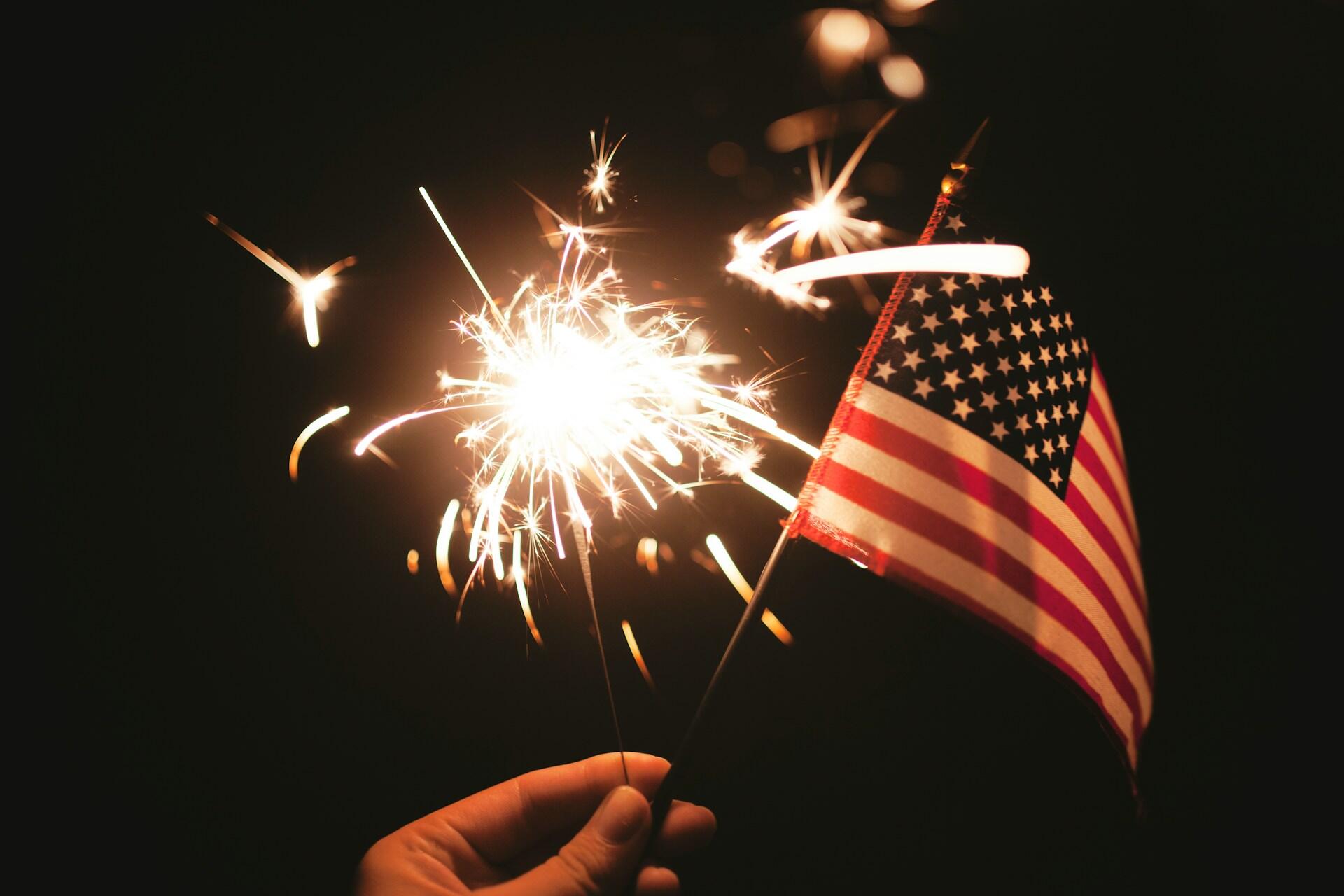

The Fourth of July is one of the most celebrated days on the American calendar; a chance to slow down, spend time with the people you love, and mark something genuinely worth celebrating. And in 2026, the occasion carries extra weight: it's the 250th anniversary of the signing of the Declaration of Independence, making it a once-in-a-generation moment for families across the country. 🎆
Whether you're planning a full day of activities or looking for a few ideas to fill the afternoon, the list below covers the best fourth of July activities for kids and adults that go beyond the usual backyard games and food spreads. Think educational moments, patriotic traditions, and experiences that actually stick.
years of American independence!
Want to give private lessons?
Join the Superprof community and share your knowledge with interested and motivated students.
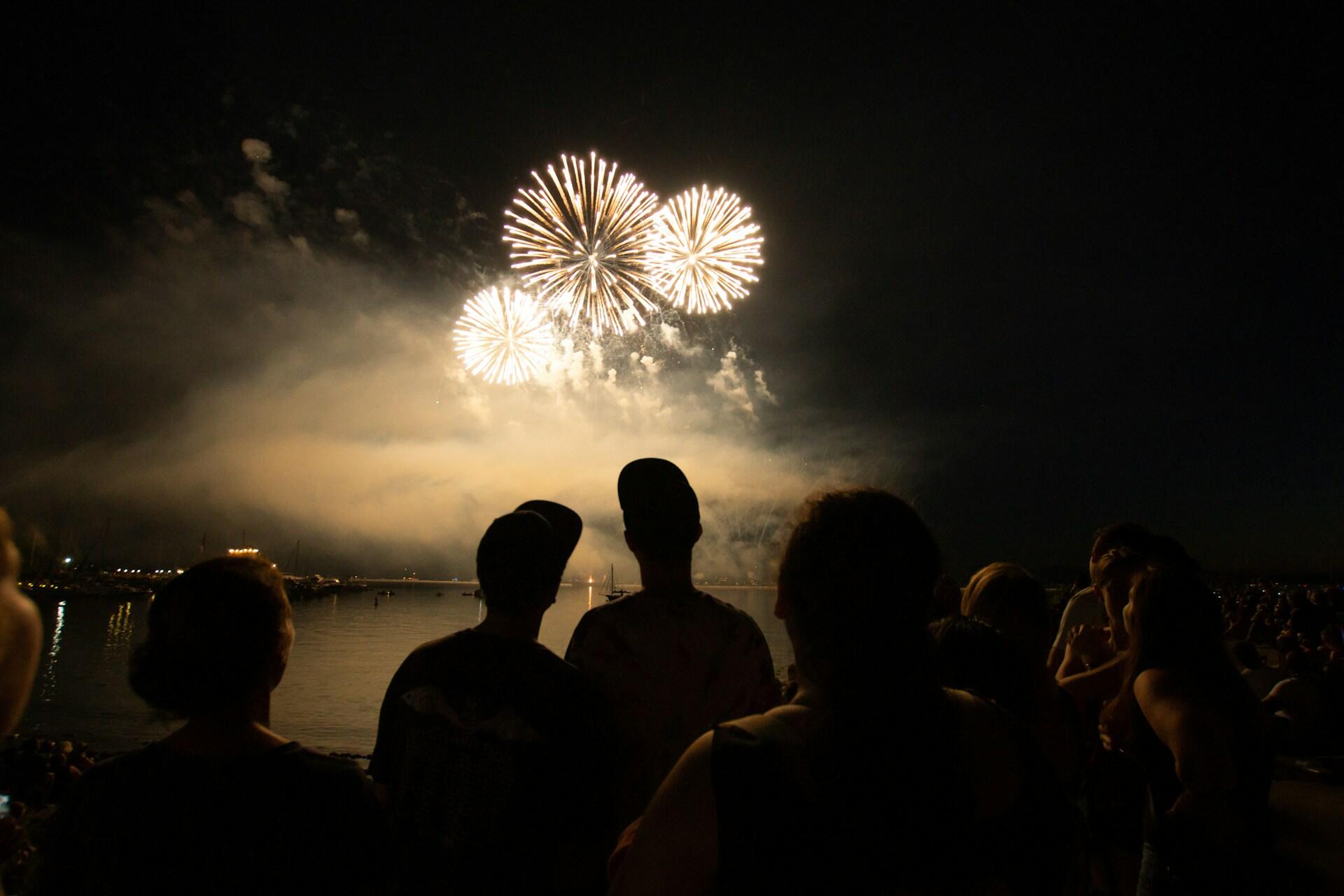
1. 🎆 Watch the Fireworks Show
Few things say Independence Day quite like a fireworks display. Most cities and towns across the US host public fireworks and special events on July 4th, and in 2026 the shows are expected to be some of the most spectacular in decades given the 250th anniversary celebrations. Check your local parks and recreation website for schedules, arrive early to get a good spot, and bring blankets, bug spray, and something to snack on while you wait.
For younger kids, it helps to prepare them in advance; talk about what they're going to see and hear so the noise doesn't come as a surprise. If a child finds loud fireworks overwhelming, ear protection works well and doesn't diminish the experience visually. The most memorable fireworks are often the ones you watch lying on a blanket under an open sky.
2. 🥁 Attend a Local Parade
Fourth of July parades are one of the oldest American traditions; the first was held in Philadelphia in 1777, just one year after independence. Local parades vary enormously: some are small neighborhood affairs with floats and marching bands, others are large civic events with veterans' groups, firetrucks, and community organizations. Either way, they're a wonderful way to feel connected to your town and to the broader national story.
Kids tend to love parades for the spectacle: the flags, the music, the candy thrown from floats. But they're also a genuine teaching opportunity. Talking about who is marching and why, pointing out veterans' groups, or explaining what the different flags represent turns a fun outing into something with real substance. Many communities also organize parade viewing as a neighborhood block party, which adds a social dimension that extends well beyond the parade itself.
3. 🔥 Host a Backyard BBQ
The backyard BBQ is the backbone of most Fourth of July celebrations, and for good reason. It's relaxed, it scales easily from two people to twenty, and it gives everyone something to do; manning the grill, setting up the table, putting together sides, keeping kids occupied. You don't need an elaborate setup. A grill, good company, and a decent playlist covers most of it.
To make it feel like more of an occasion, lean into the patriotic theme a little. Red, white, and blue decorations are easy and inexpensive. Assign a signature drink, a themed dessert, or a family-recipe dish that only comes out on the Fourth. Over time, those recurring details become the traditions that people actually remember. If you're looking for inspiration on what to serve, a full list of crowd-pleasing 4th of July food ideas is worth checking before you plan the menu.
4. 🧺 Pack a Patriotic Picnic
A picnic is one of the simplest and most enjoyable fourth of July activities for kids and families who want to get outside without a lot of setup. Pick a local park, nature reserve, or open green space, pack a cooler with sandwiches, fruit, and drinks, and spread out a blanket. The change of scenery alone makes food taste better and conversation flow more easily.
To make it feel tied to the day, pack in the theme: a red-and-white checked blanket, blue plates, star-shaped cookie cutters for sandwiches, or a small American flag planted in the ground nearby. Bring along a Frisbee, a ball, or a simple outdoor game to fill the time between eating. Some families also use the picnic as the setting for a tradition — reading a section of the Declaration of Independence aloud, or sharing one thing each person is grateful to be American for.
5. 🎂 Bake Red, White, and Blue Treats
Baking together is one of the better indoor 4th of July activities for kids because it's hands-on, productive, and ends with something everyone gets to eat. The patriotic color scheme makes it easy to get creative: strawberries, blueberries, raspberries, and white frosting cover most of what you need without any food coloring. Flag cakes, star-shaped sugar cookies, and layered desserts in red, white, and blue are all popular options that younger children can help with.
The process matters as much as the result. Let kids measure, mix, and decorate. Assign each child a specific job. If things go a bit wrong (the frosting isn't perfectly even, the cookies spread too much) lean into it. The messiest baking sessions tend to produce the best memories. And the treats will disappear regardless of how they look.
6. 📚 Teach the Kids About American Independence
The 250th anniversary of independence is genuinely a once-in-a-lifetime moment to bring history to life for younger generations. Most kids know July 4th is Independence Day, but fewer know the story behind it — who signed the Declaration, what it actually said, what the colonists were fighting for, and what changed as a result. A conversation over breakfast, a short read-aloud from a kids' history book, or a simple quiz at the dinner table can make the day feel more meaningful without it feeling like school.
Some families build this into an annual tradition: reading one paragraph of the Declaration of Independence together every year, or watching a short documentary about American history. For older kids, exploring the complicated and layered history of American independence (who was included in "all men are created equal" and who wasn't) makes for a richer and more honest conversation. History taught with nuance sticks better than a simplified version that gets quietly revised later.
- Signed on August 2, 1776; not July 4th, which was the date it was adopted
- 56 men signed the document, representing the 13 original colonies
- Thomas Jefferson was the primary author, though Benjamin Franklin and John Adams also contributed
- The original document is on display at the National Archives in Washington, D.C.
- In 2026, the US marks 250 years since the Declaration was adopted; an occasion known as the Semiquincentennial
7. 🏛️ Visit a Historical Monument or Museum
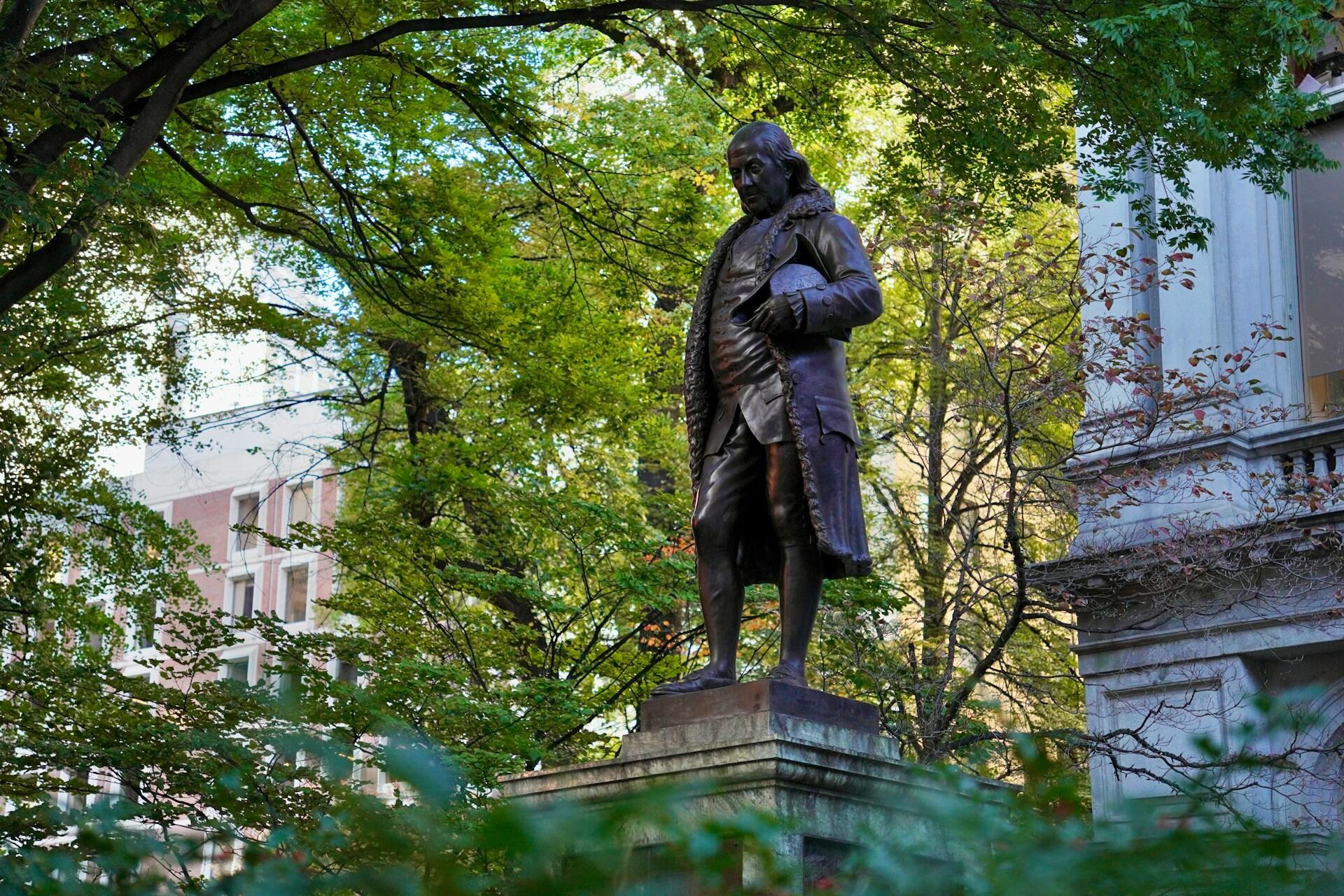
Independence Day is one of the best days of the year to visit a national monument, historic site, or American history museum; not despite the crowds, but because the occasion gives the visit real context. Standing in front of the Liberty Bell, the National Mall, or a local Revolutionary War site on July 4th feels different than visiting on a random Tuesday in October. The meaning is embedded in the day itself.
If you're not near a major landmark, local historical societies and small-town museums often host special programming on the Fourth. Many national parks offer free admission on Independence Day, making it accessible regardless of budget. The National Park Foundation typically publishes a list of participating sites annually. This is also one of the most effective fourth of July activities for kids who are visual and experiential learners; seeing artifacts and places in person makes history tangible in a way that books and screens can't fully replicate. Round out the day by keeping the kids entertained with some classic backyard party games once you're back home.
Want to give private lessons?
Join the Superprof community and share your knowledge with interested and motivated students.
8. 🇺🇸 Decorate Your Home in Patriotic Colors
Red, white, and blue are the colors of Independence Day, and dressing up your home in them (however simply) signals that the day is special. Bunting along the porch railing, a small flag in the yard, red and white tablecloths, blue mason jars with white flowers: the investment is minimal and the effect is immediately festive. For kids, there's genuine excitement in seeing the house look different for a holiday.
Decorating together as a family can be its own activity, particularly for younger children who enjoy the tactile aspects; hanging things, arranging items on a table, putting up flags. If you want to go further than shop-bought decorations, there are plenty of easy and unique Fourth of July crafts the whole family can make to personalize your setup.
9. 🎬 Watch a Patriotic Movie as a Family
A family movie night on the Fourth of July is a great option for the evening; either before the fireworks or after, if the kids are still awake. There's no shortage of patriotic American films that work for different ages. For younger children, National Treasure is an accessible adventure that weaves American history into the story. For older kids and adults, 1776, Lincoln, or the HBO miniseries John Adams are genuinely excellent and historically grounded choices.
You can make the viewing feel like an event: pop popcorn, set up blankets in the living room, or watch outside on a projector if you have one. Pair the movie with a short discussion afterward: what did you learn? What surprised you? What do you want to know more about? Combining entertainment with reflection is one of the quieter fourth of July activities that tends to stand out in family memory over time.
10. 🤝 Volunteer in Your Community
One of the most meaningful things to do on the 4th of July is to give something back. Volunteering as a family (serving food at a shelter, cleaning up a local park, visiting a veterans' home) connects the abstract ideals of Independence Day to something concrete and immediate. It also models civic participation for children in a way that stays with them.
Many organizations specifically organize Fourth of July volunteer opportunities, particularly around veterans' services and community events. Check with local nonprofits, food banks, or your city's parks department in the weeks before the holiday. Even a couple of hours in the morning leaves plenty of time for the rest of the day's celebrations, and the experience tends to make the rest of the day feel more grounded and intentional.
11. ✨ Stargaze After the Fireworks
Once the fireworks end and the crowds clear, the night sky on a clear July 4th can be extraordinary. July is one of the better months for stargazing in the Northern Hemisphere, and the Milky Way is often visible in areas away from city light pollution. Lay out blankets, download a star-mapping app like SkyView or Star Walk, and spend thirty minutes identifying constellations, planets, and satellites passing overhead.
For kids who are still buzzing from the fireworks, stargazing is a natural wind-down activity that keeps the outdoor adventure going without requiring much energy. It also opens up genuinely big conversations: about the scale of the universe, about exploration, about what's out there. For the 250th anniversary, some families are pairing it with a reflection on how much the world has changed since 1776 and what might change in the next 250 years.
- Give your eyes 20 minutes to adjust to the dark after the fireworks
- Use a red flashlight rather than white; it preserves your night vision
- July is a great month to spot Saturn and Jupiter in the night sky
- The Summer Triangle (Vega, Deneb, Altair) is visible all summer and easy to identify
- Free apps like SkyView Lite or Stellarium make it easy to identify what you're seeing
12. 🚗 Take a Road Trip to a Historic American Destination
If you have a long weekend around July 4th, a road trip to a historically significant American location makes for an exceptional way to mark the 250th anniversary. Philadelphia (Independence Hall, the Liberty Bell), Washington D.C. (the National Mall, the Smithsonian), Gettysburg, Williamsburg, and Boston (the Freedom Trail, Paul Revere's House) are all places where American history is tangible and accessible.
The road trip itself is part of the experience; the conversations that happen in the car, the roadside stops, the anticipation of arriving somewhere that carries real historical weight. For families with older children who have studied American history in school, connecting what they learned to physical places is one of the most effective ways to make that knowledge stick. In a 250th anniversary year, many of these sites are also offering special programming, exhibitions, and events worth planning around.
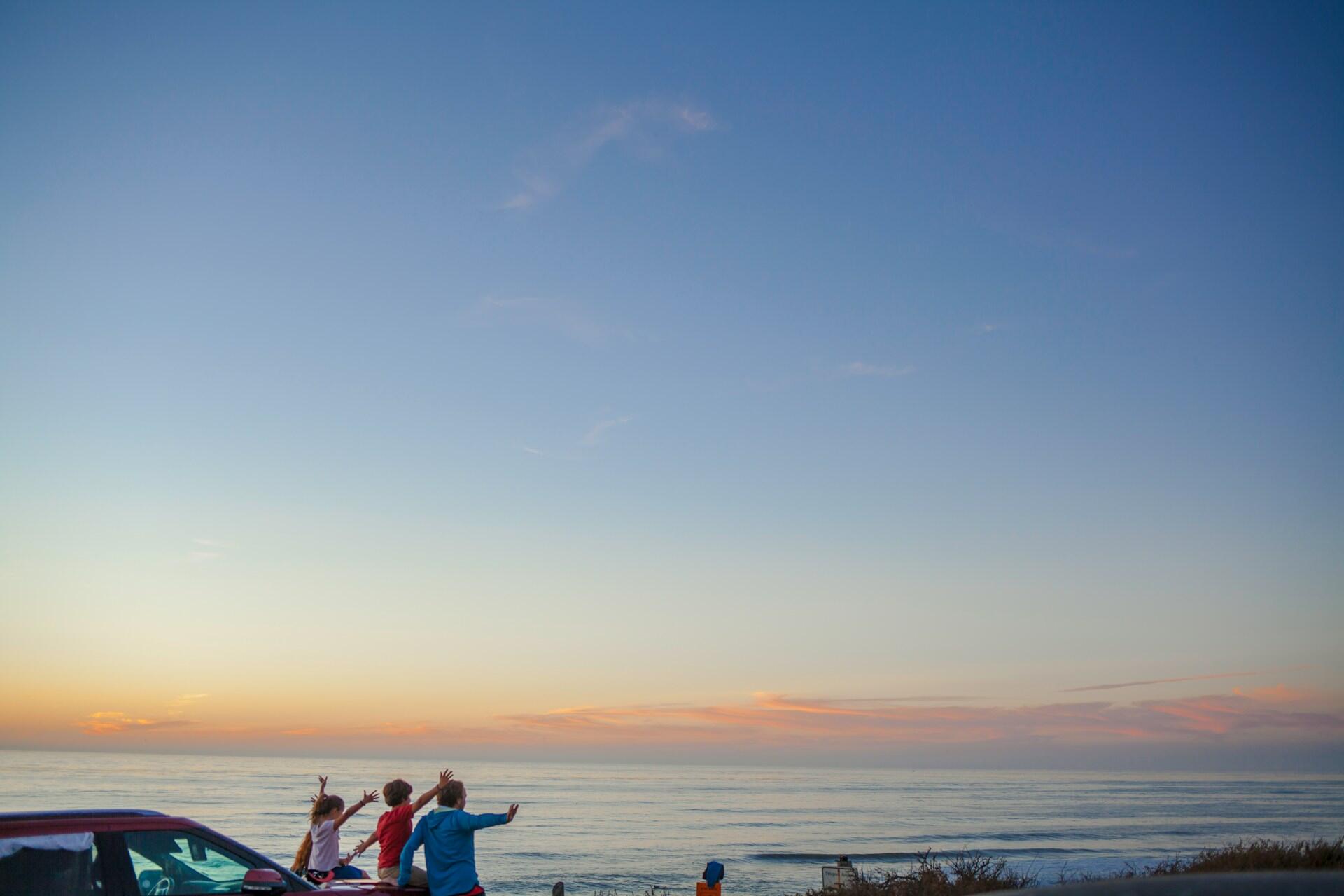
13. 👕 Dress the Family in Red, White, and Blue
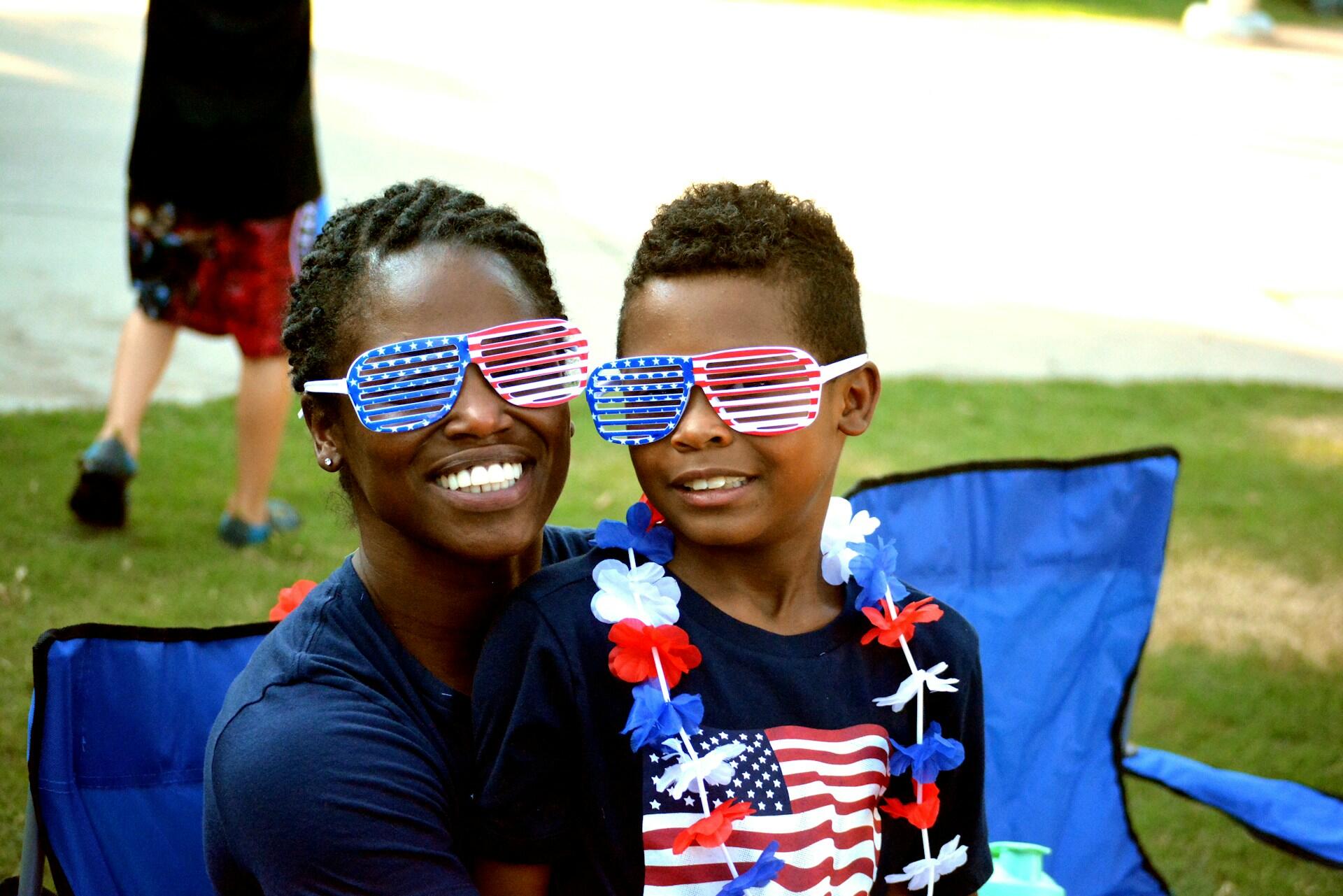
It sounds simple, but coordinating the family in the colors of the flag is a small, fun ritual that makes the day feel distinct. It doesn't require matching outfits: just incorporating red, white, and blue into whatever everyone is wearing. It's a visual signal that this day is different from any other summer day, and kids particularly enjoy the idea of a family "look" for a special occasion.
This also makes for great photos. Capturing the family dressed together on July 4th, year after year, becomes a visual record of the children growing up alongside the country's history. Over time, those pictures become genuinely meaningful. Some families pair it with a before-and-after tradition: a photo at the start of the day and another one after the fireworks, bookending the whole celebration.
14. 🙏 Start a Family Gratitude Tradition
One of the most lasting fourth of July activities for families is establishing a small annual ritual around gratitude and reflection. It doesn't need to be elaborate: going around the table and sharing one thing each person is grateful to be American for, writing a note about the year in a family journal that gets read back on future July 4ths, or simply raising a glass and marking the occasion with a few sincere words.
These rituals tend to compound in meaning over time. What feels slightly awkward the first year becomes something the family looks forward to by the fifth. And for children who grow up with the habit of pausing on Independence Day to acknowledge what the country represents, the holiday carries a depth that extends beyond the fireworks and the food.
15. 🇺🇸 Plan a Special 250th Anniversary Moment
July 4, 2026 is the most significant Independence Day in most people's lifetimes. It comes once every 250 years, and it's worth doing something deliberate to mark it. That could be as simple as gathering the family for a photograph with a sign that reads "America 250"; something to look back on decades from now. It could be writing a time capsule letter to be opened in 25 or 50 years. It could be visiting somewhere you've always meant to go, or calling a relative who can share their own memories of past July 4th celebrations.
Whatever form it takes, the intention is what matters. America's 250th birthday is a genuine inflection point: a moment to look back at how far the country has come and to think honestly about where it might go. Sharing that with your children, in whatever way fits your family, is one of the most worthwhile things to do on the 4th of July in 2026. While you're planning, putting together a patriotic playlist for the day is a small touch that makes every moment from breakfast to fireworks feel more festive.
Happy 4th of July! 🎆
Want to give private lessons?
Join the Superprof community and share your knowledge with interested and motivated students.
Summarize with AI:
Did you like this article? Leave a rating!

 Loading...