

Karaoke teaches people to bear the awful singing of ordinary citizens, and enjoy it anyway.
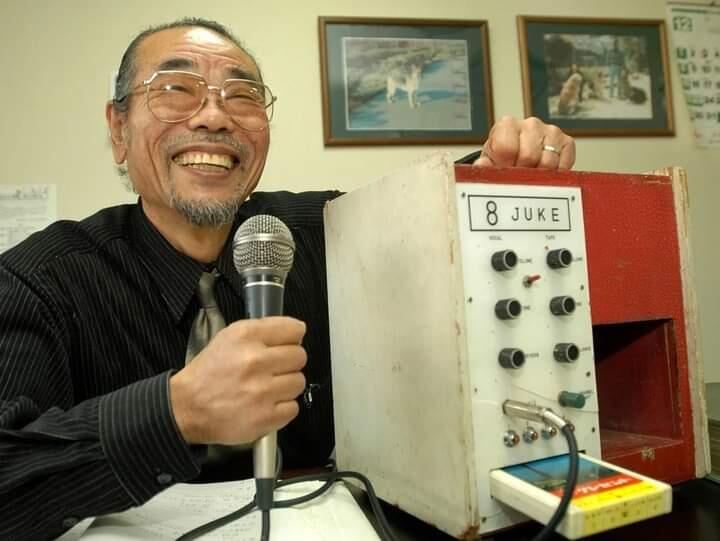
Daisuke Inoue, Inventor of the karaoke machine
Originating in Japan, karaoke is a hugely popular activity in its native country, across large parts of Asia, and worldwide. Let's see how a humble singalong became one of the world's most popular nights out.
Key Takeaways
- Karaoke originated in Japan, and the word comes from Japanese roots: kara means empty, while ōke comes from orchestra.⁹
- The answer to who invented karaoke is more layered than many people realize because Shigeichi Negishi created the Sparko Box in Japan in 1967.³
- When was karaoke invented? Daisuke Inoue later developed the 8-Juke machine in 1971, helping karaoke become a popular social entertainment format in Japanese bars and venues.⁵
- Roberto del Rosario played an important role in karaoke history by securing patents for a sing-along system in the Philippines.²
- Modern karaoke has moved far beyond early tapes and machines, with private karaoke boxes, video lyrics, online song catalogues, apps, and home systems all shaping the experience today.⁴


The Etymology and Meaning of ‘Karaoke’
Behind each karaoke party and all the fun is a fascinating history you probably didn't know about. This musical form of entertainment originated in Japan around the 1960s and 1970s.
The word karaoke comes from Japanese; kara means empty, and ōke is short for ōkesutora, which means orchestra. ⁹Thus, karaoke is called an "empty orchestra," which implies the karaoke machine's goal.
There is a device that will provide the instrumental part of a song (or a selection of songs), and any person can sing the lyrics as the music plays.
The Invention of Audio-visual Machines
During the 1960s, the American television series Sing Along with Mitch helped popularize the idea of viewers following lyrics on screen and singing along at home.⁷ The show featured a signature song and lyrics displayed at the bottom of the screen, inviting viewers to sing along with Mitch Miller, the show's host. This karaoke-like TV show introduced the idea of an audience singing along to songs by displaying the lyrics on screen.
As technology developed, the need for a portable music system grew, and with this, music's availability in everyday life. However, the history of karaoke dates back to the 1960s and 1970s, when music became a huge part of life. This ultimately led to the creation of a sort of entertainment unit and the transformation of sing-along fun into an actual party with karaoke machines.
The TV show Sing Along with Mitch in the 1960s popularized displaying lyrics on a screen for sing-along sessions.
The Birth of the Karaoke Machine
The story of who invented karaoke is more layered than many people realize. Shigeichi Negishi created an early karaoke-style machine in Japan in 1967, known as the Sparko Box, which allowed people to sing along to instrumental tracks through a microphone.³
The Sparko Box is important because it shows that karaoke did not appear fully formed in the 1970s. Early machines were simple audio devices built around tapes, speakers, and a microphone, but they already had the core idea that still defines karaoke today: remove the lead vocal, keep the music, and let ordinary people sing the song themselves. This makes Negishi’s machine a useful starting point before the article moves into Daisuke Inoue’s 1971 8-Juke and karaoke’s rise in bars, hotels, and private rooms.
Daisuke Inoue later developed his own 8-Juke machine in 1971, helping turn the idea into a popular form of entertainment that spread across Japan before reaching Asia and the rest of the world, from Tokyo's top spots to people trying out what they learned from their singing lessons in Austin in local karaoke bars.
karaoke facilities!
Inoue was a very popular Japanese musician who used to perform at a bar called Utagoe Kissa. Frequent customers asked him to provide recordings of his performances so they could sing along at home, on work trips, and more. With the potential of a new market, the musician made a tape and rented out the machines.
At first, buyers weren't much into the idea simply because renting out a machine was too expensive, and singing along at home wasn't the same as the incredible atmosphere of a live performance. However, with time, they started to appeal to restaurants and hotel rooms, and in no time, a new business called karaoke boxes emerged. In 2004, Daisuke Inoue was awarded the Ig Nobel Peace Prize, a satirical award, for inventing karaoke because it created "a new way for people to learn to tolerate each other".⁸
Patents for the Karaoke Machine and the 1990s
As we mentioned above, there are disputes over the term "karaoke" because Inoue never bothered to patent his invention (if he had, he would have become a wealthy man).
In 1975, Filipino inventor Roberto del Rosario developed a sing-along system and later secured Philippine patents for his audio equipment and system in the 1980s.² He called the system “Minus-One,” and his patents became an important part of karaoke’s legal history in the Philippines.
The "Minus-One" system became very popular in the Philippines, where karaoke is popular. This is mainly because Filipinos like to take their music wherever they go, so if they travel, the machine will travel with them, too. Del Rosario fought many battles in court, but his quick action to obtain the patent was hugely helpful, and each time the lawsuits were decided in his favor.
Filipino inventor Roberto del Rosario patented the "Minus-One" karaoke machine in the 1980s, ensuring its global expansion and legal recognition.
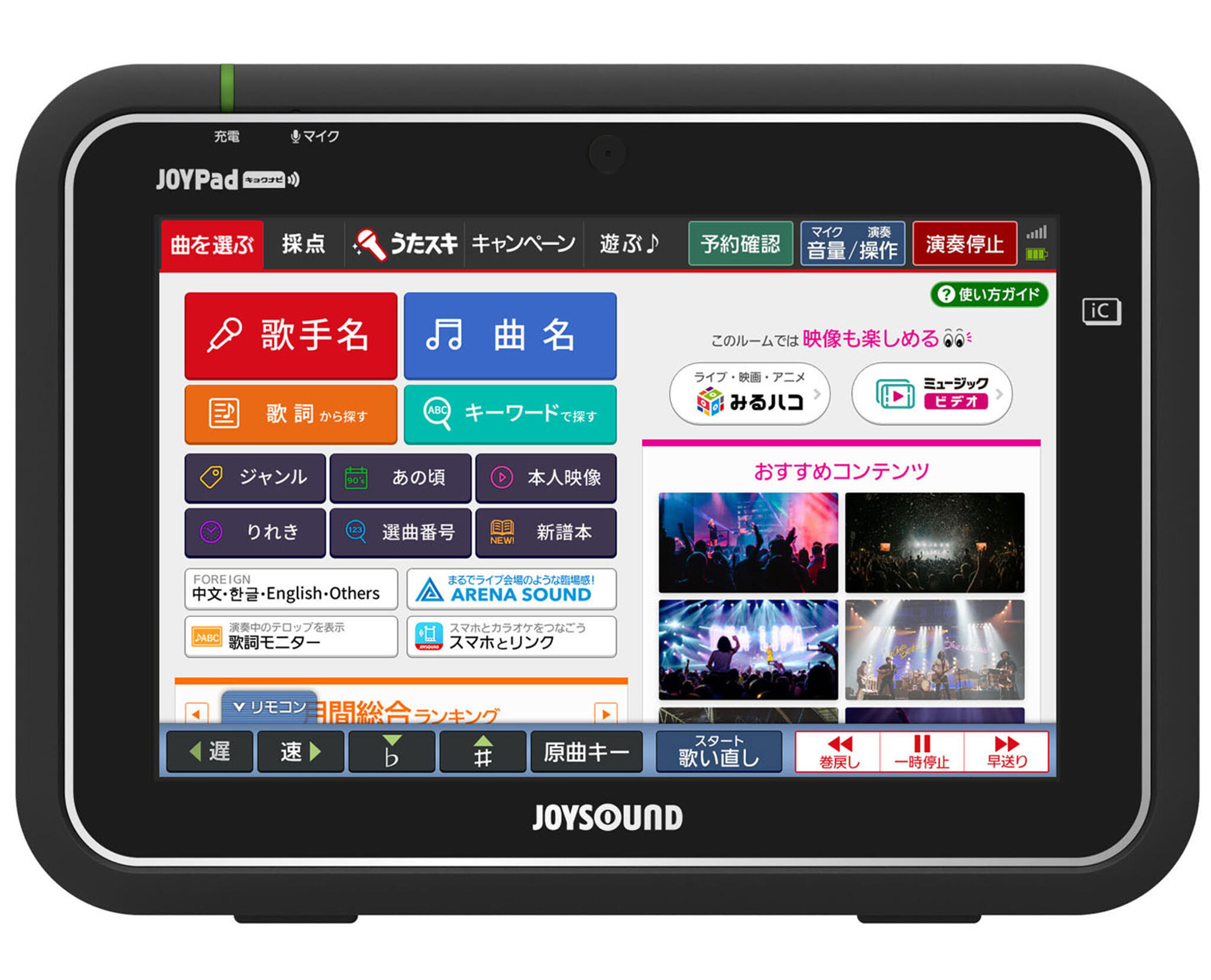
Karaoke soon became very popular in Asia (South Korea, China, and more) and then spread to the English-speaking world: the United States, Canada, Australia, and other Western countries. As the novelty wore off, the machines lost popularity in the US and Canada. This is why they adapted the karaoke machines and turned them into theater systems. These home theater systems were a huge hit in the market, and karaoke became a side feature in the machines.
After this, a huge market took notice of karaoke machines owned by nightclubs and bars. Today, karaoke boxes, bars, and nights are very popular worldwide, where goers can have some fun and become singers for one night by singing to their favorite lyrics displayed on a video as the music plays. Have you been paying attention?
What does "karaoke" mean in Japanese?
Modern Karaoke: New Trends and Innovations
The next time you go out with friends for a karaoke night, you can share some of these fun facts with them all while enjoying the many benefits of karaoke.
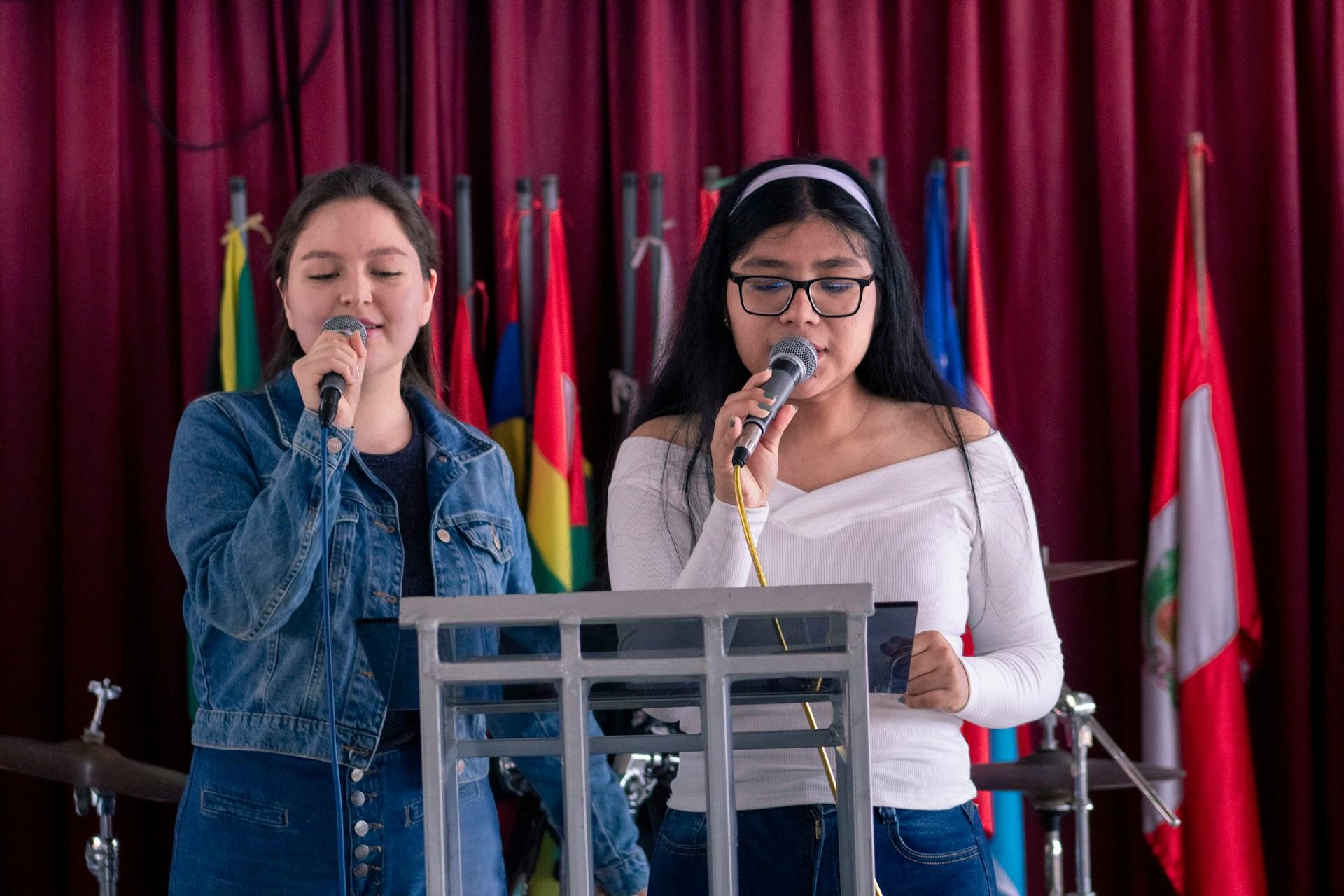
As we can see, karaoke was not about a person with a microphone singing a song; it was about a musician seeking to be closer to his audience and to sing with them. Karaoke has enabled a generation of talented singers to go from being unknown and singing in their showers to confidently picking up a microphone and performing their favorite tracks in front of their families, friends, and strangers at a bar.
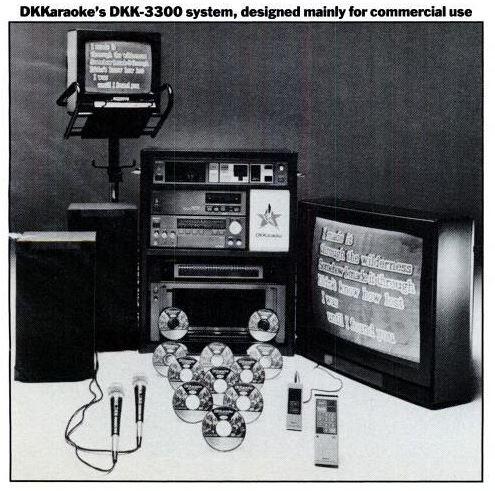
Karaoke continued to evolve through laser discs, video lyrics, online song libraries, home systems, and mobile apps, making the experience easier to access beyond dedicated karaoke bars.⁴
As we can see, karaoke was such an extraordinary form of entertainment that it soon left Japan, later spread to South Korea, and conquered the world, literally one song at a time. We hope learning about the word's meaning will help you bring out the singer in you the next time you enjoy a karaoke night at home or in a lounge.
1960s
"Sing Along with Mitch"
A TV show popularized sing-alongs by displaying lyrics on-screen, paving the way for karaoke.
1967
The First Karaoke Machine
Shigeichi Negishi created the Sparko Box in Japan, an early karaoke machine that let people sing along to instrumental tracks.⁵
1971
Daisuke Inoue’s 8-Juke
Japanese musician Daisuke Inoue developed his 8-Juke machine, helping karaoke become a popular entertainment format in bars and social venues.
1980s
Karaoke Goes Global
Karaoke spread from Japan to the rest of Asia and the world, becoming a cultural phenomenon.
1990s
Patents and Expansion
Roberto del Rosario patented the karaoke machine, "Minus-One," expanding its use worldwide.
2000s
Karaoke Boxes and Bars
Karaoke became a global nightlife staple with dedicated karaoke bars and private boxes.
Modern Day
Digital Karaoke Evolution
Karaoke thrives with apps, home theater systems, and global popularity in both casual and professional settings.
Karaoke’s Cultural Impact Worldwide
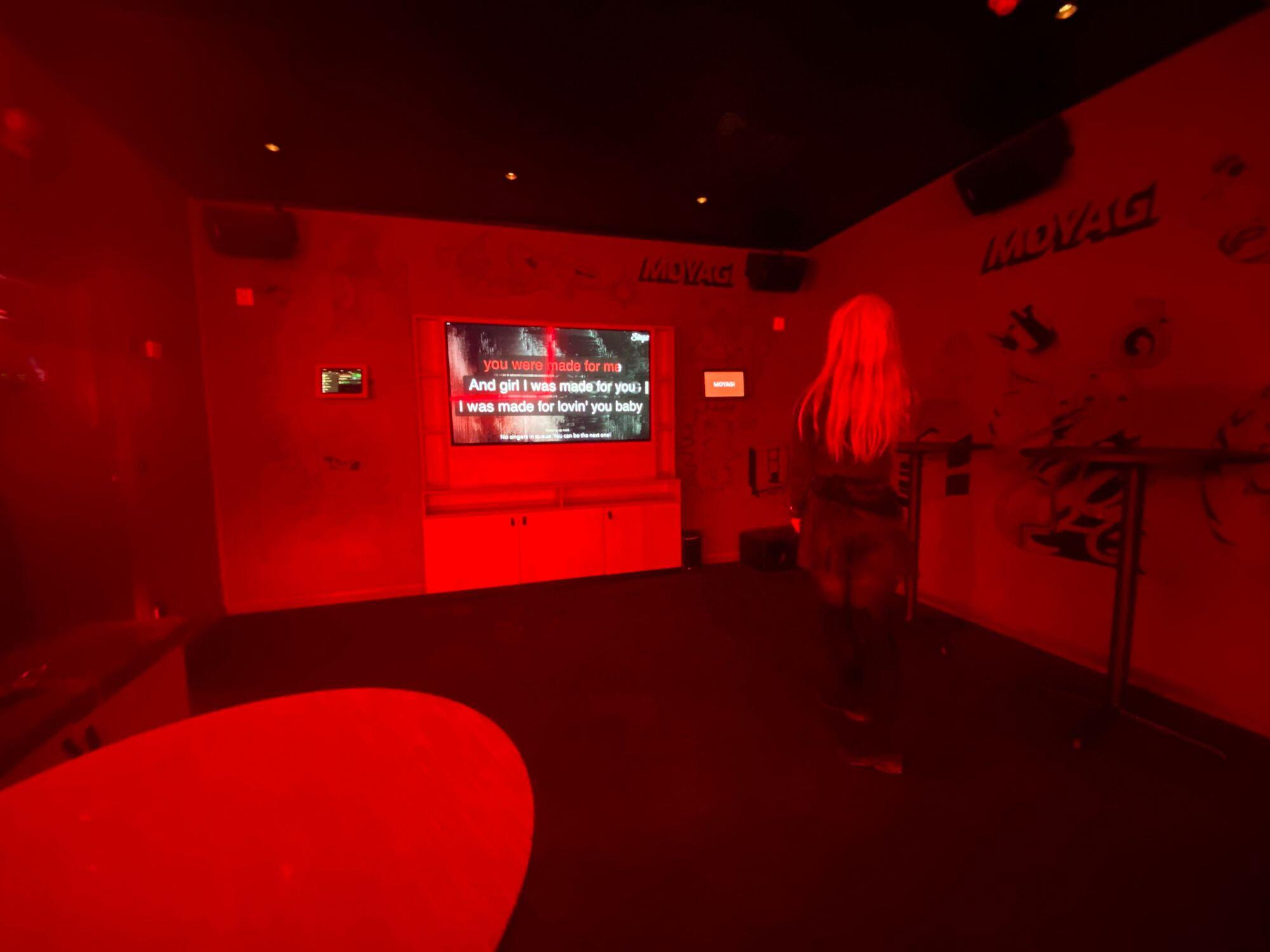
Karaoke is far more than just entertainment. It's a social activity that almost everybody can enjoy. In its native Japan, karaoke boxes offer spaces for coworkers, friends, and families to get together and connect through singing. Across the world, karaoke nights are a popular staple in bars, creating inclusive environments where seasoned singers and first-timers can enjoy their favorite songs and enjoy the spotlight.
Research into group singing suggests that singing with others can support mood, reduce stress, and strengthen social connectedness, which helps explain why karaoke works so well as a shared social activity.¹ If you're nervous about singing karaoke, consider starting small, in a private setting or in a karaoke box with close friends who'll be supportive.
You can also practice at home as you build your confidence and find which songs are right for you. In one pilot study, frequent karaoke training was linked with improvements in executive cognitive skills, tongue pressure, and respiratory function among older adults.⁶ Whether on your own (or with a private tutor), you can choose a song within your range, remembering that it's for fun, not a singing competition. You may also want to sing a duet with a friend, particularly one who's confident and supportive.
Improve Your Singing with a Private Tutor
While most karaoke is a light-hearted affair and it's more about the fun of singing to your favorite songs rather than singing perfectly in key, you can always improve your singing with a private tutor. For those seeking structured guidance, exploring singing lessons in Chicago can be a great starting point.
Karaoke practice works best when it feels relaxed, repeatable, and realistic. Start with a few songs that sit comfortably in your vocal range, then use the lyrics on screen to practice timing, breathing, pronunciation, and confidence. Once you know the track well, try singing without stopping, just as you would in a karaoke room, so you can build the stamina and stage presence needed for a fun performance.
Luckily, there are plenty of singing tutors on Superprof. A tutor can help you learn classic pop songs or even the most popular Japanese songs for an authentic karaoke bar experience in Kobe. There are face-to-face tutors available nationwide and even online tutors who can help you from anywhere in the world. Just search for "singing" on the Superprof website today!
If you're in San Diego and looking to refine your voice further, consider checking out singing lessons in San Diego for personalized tutoring.
References
- Bullack, Antje, Carolin Gass, Urs M. Nater, and Gunter Kreutz. “Psychobiological Effects of Choral Singing on Affective State, Social Connectedness, and Stress: Influences of Singing Activity and Time Course.” Frontiers in Behavioral Neuroscience, vol. 12, article 223, 2018. https://doi.org/10.3389/fnbeh.2018.00223. Accessed 2 June 2026.
- “G.R. No. 115106: Roberto L. Del Rosario, Petitioner, vs. Court of Appeals and Janito Corporation, Respondents.” Supreme Court E-Library, Supreme Court of the Philippines, 15 Mar. 1996. https://elibrary.judiciary.gov.ph/thebookshelf/showdocs/1/33648. Accessed 2 June 2026.
- Goodrich, Joanna. “The Story Behind the First Karaoke Machine.” IEEE Spectrum, 29 Aug. 2025. https://spectrum.ieee.org/karaoke-machine-ieee-milestone. Accessed 2 June 2026.
- “Karaoke: Past, Present, and Future.” Nippon.com, 2 Nov. 2021. https://www.nippon.com/en/japan-topics/g01173/. Accessed 2 June 2026.
- “Milestones: First Karaoke Machine, 1967.” Engineering and Technology History Wiki, IEEE History Center. https://ethw.org/Milestones%3AFirst_Karaoke_Machine%2C_1967. Accessed 2 June 2026.
- Miyazaki, Atsuko, and Hayato Mori. “Frequent Karaoke Training Improves Frontal Executive Cognitive Skills, Tongue Pressure, and Respiratory Function in Elderly People: Pilot Study from a Randomized Controlled Trial.” International Journal of Environmental Research and Public Health, vol. 17, no. 4, article 1459, 2020. https://doi.org/10.3390/ijerph17041459. Accessed 2 June 2026.
- “Sing Along with Mitch.” The Interviews: An Oral History of Television, Television Academy Foundation. https://interviews.televisionacademy.com/shows/sing-along-with-mitch. Accessed 2 June 2026.
- “The 2004 Ig Nobel Peace Prize for Karaoke.” Improbable Research, 29 July 2021. https://improbable.com/2021/07/29/a-listen-back-to-the-ig-nobel-prize-for-karaoke/. Accessed 2 June 2026.
- “The Evolving World of Karaoke.” Web Japan, Ministry of Foreign Affairs of Japan, 3 Oct. 2008. https://web-japan.org/trends/08_lifestyle/lif081003.html. Accessed 2 June 2026.
Summarize with AI:
Did you like this article? Leave a rating!


 Loading...
