

Choose a job you love and you will never have to work a day in your life.
Confucius
Skilled trade jobs are increasingly in demand as industries face labor shortages driven by retiring workers and growing reliance on specialized skills. These careers provide excellent opportunities with minimal schooling compared to traditional four-year degrees. Whether you’re interested in construction, healthcare or industrial work, these skilled trades can offer lucrative, secure and rewarding careers. Understanding what exactly skilled trades are is important because, from there, you can decide whether or not to pursue a certificate, bachelor's degree or program in your field of interest.
Let's take a look at the top trades for 2026!
| Trade Job | Average Salary (per year) | Training/Education Time |
|---|---|---|
| Electrician | $60,040 | 1–2 years |
| Welder | $48,290 | 6–12 months |
| Machinist | $45,840 | 6 months–2 years |
| HVAC Technician | $50,590 | 6 months–2 years |
| Plumber | $59,880 | 1–2 years |
| Nurse (LPN) | $48,070 | 1 year |
| Carpenter | $49,520 | 1–2 years |
| Heavy Equipment Operator | $55,000 | 1–3 years (on-the-job training) |
| Bricklayer/Mason | $53,000 | 6 months–1 year |
| Roofer | $47,110 | 6–12 months |
| Industrial Mechanic | $56,000 | 1–2 years |
| Auto Mechanic | $46,880 | 6 months–1 year |
| Dental Technician | $42,420 | 1–2 years |
| Insulation Installer | $45,700 | 6–12 months |
| Boilermaker | $64,290 | 1–2 years |
| Solar Panel Installers | $52,000 | 6 months – 1 year |
| Wind Turbine Technicians | $61,000 | 1 – 2 years |
| Elevator and Escalator Installers | $88,000 | 4 – 5 year apprenticeship |
| Aircraft Maintenance Technicians | $70,000 | 18 months – 2 years |
| Telecommunications Technicians | $58,000 | 1 – 2 years |


What Are the Skilled Trade Jobs in Demand in 2026?
What trades are in demand? Many professionals are hesitant about changing their career paths because they believe they need four-year programs and a bachelor's degree to change careers. This might be the case for most professions, but not for every one. Some people might be better off searching for trade schools and programs—all most people need is their high school diploma.Trade schools offer practical instruction and the courses can be finished in as little as eight months. But which trade should you pursue? Everyone would want to pick one with bright employment prospects. In light of this, the top trades jobs that will be in demand for many years are listed below.

⏳ Most trade programs take 8 months to 2 years
💵 Many jobs offer paid apprenticeships
🏗️ Skilled workers are needed in construction, energy and healthcare
📈 Several trades pay over $60,000 per year
1. Electricians
Electricians are responsible for maintaining, installing and repairing electric systems in residential, commercial and industrial buildings. They ensure the systems operate effectively and safely.
They can further their careers specializing in industrial electrical systems or renewables. Electricians work in homes, offices, factories and construction sites installing and repairing electrical systems. Many also specialize in renewable energy systems, smart technology or industrial equipment, which can increase salary opportunities and long-term career growth.
2. Welders
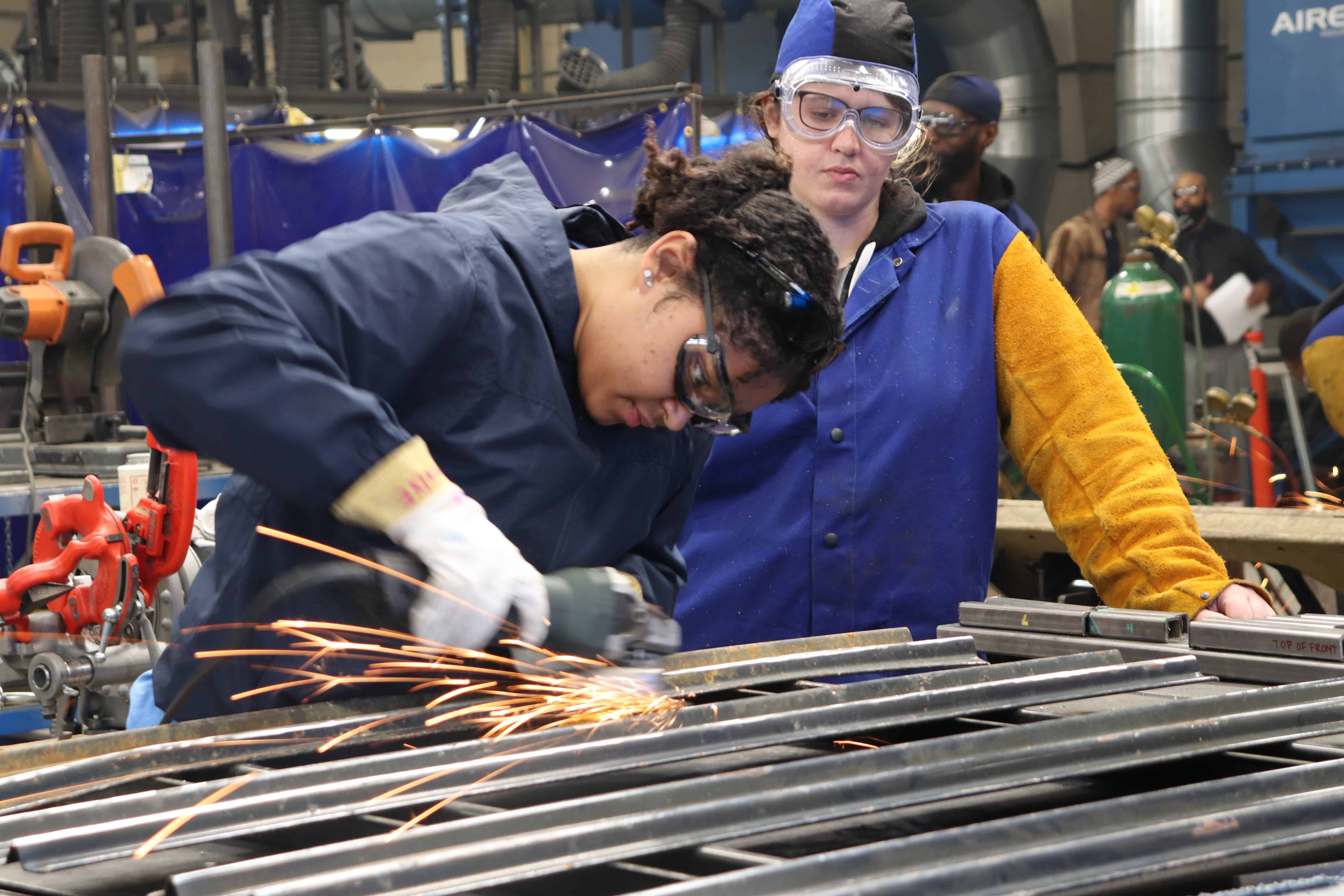
Welders are professionals who join metal parts together. The skill is essential in construction, manufacturing and shipbuilding. These professionals need to know various techniques like TIG, MIG and stick welding.
Welders are needed in construction, manufacturing, automotive work and shipbuilding. Skilled welders who learn advanced techniques like TIG or underwater welding often earn higher salaries and can work on specialized industrial projects around the world.
3. Machinists
Machinists operate and maintain precision metal parts, instruments and tools. They're an essential part of the manufacturing industry and are employed across various sectors. Becoming a machinist usually requires training programs where you learn to read blueprints, program machines and perform quality checks.
Machinists use precision tools and computer-controlled machines to create metal parts for industries such as aerospace, automotive and manufacturing. Attention to detail and technical skills are important because even small errors can affect equipment performance.
4. HVAC Technicians
An HVAC technician installs, maintains and repairs heating, ventilation and air conditioning (HVAC) systems. They are in demand due to a focus on energy-efficient systems to replace outdated equipment.
HVAC technicians help install and maintain heating and cooling systems in homes and businesses. As energy-efficient technology becomes more common, technicians with experience in smart climate systems and green technology are becoming increasingly valuable.
5. Plumbers
Plumbers are responsible for repairing, installing and maintaining water, sewage and drainage systems. They have to ensure that plumbing systems work correctly in residential, commercial and industrial settings. Due to the country's aging infrastructure, plumbers are in demand. To become one, you have to complete an apprenticeship that combines on-the-job training and classroom instruction.
Plumbers install and repair water, drainage and sewage systems in residential and commercial buildings. Emergency repair services, pipe installation and specialized industrial plumbing can provide additional opportunities for experienced professionals to increase their earnings.
6. Nurses (LPN)
Licensed Practical Nurses (LPN) provide medical care and support to patients in hospitals, nursing homes and clinics. They monitor vital signs, administer medication and assist other daily tasks.
Income may increase by becoming a Registered Nurse (RN).
A critical part of the healthcare workforce, nurses earn an average salary of $48,000, though they can increase their earning potential by becoming a Registered Nurse (RN). Licensed Practical Nurses assist patients in hospitals, clinics and nursing homes by monitoring health conditions and supporting medical staff. Many LPNs continue their education later to become Registered Nurses and qualify for higher-paying positions.
7. Carpenters
Carpenters construct, install and repair structures made from wood and other materials. They can work on things like framing houses, building cabinets, installing flooring, etc. An essential part of the construction industry, they can work on larger projects like buildings and schools.
Carpenters work on projects such as houses, schools, offices, cabinets and furniture. Some specialize in finish carpentry, remodeling or custom woodworking, which allows them to work on higher-end residential and commercial construction projects. Curious to find out more about this career?
8. Heavy Equipment Operators
Heavy equipment operators use machines like bulldozers, crane and excavators to move materials, build structures and perform earthworks. They're essential in the construction, mining and transportation industries. As infrastructure projects increase in the country, they're in demand. Training programs can last between one and three years and specializing in specific types of machinery normally comes with increased earning potential.
Heavy equipment operators control machinery like bulldozers, cranes and excavators used in construction and mining projects. Operators who specialize in large cranes or advanced machinery often receive higher pay and additional certification opportunities.
9. Bricklayers/Masons
Bricklayers and masons are responsible for building and repairing walls, floors and other structures that use bricks, stones and concrete. They're an important part of residential and commercial construction projects and with the construction industry growing, so is the demand for them.
Bricklayers and masons build structures using brick, stone and concrete materials. Their work is important for construction, landscaping, fireplaces, walkways and restoration projects, especially in cities with growing residential and commercial development.
10. Roofers
Roofers have to install, repair and replace roofs on buildings. They'll work with shingles, metal and tiles, focusing on protecting buildings from weather and wear.
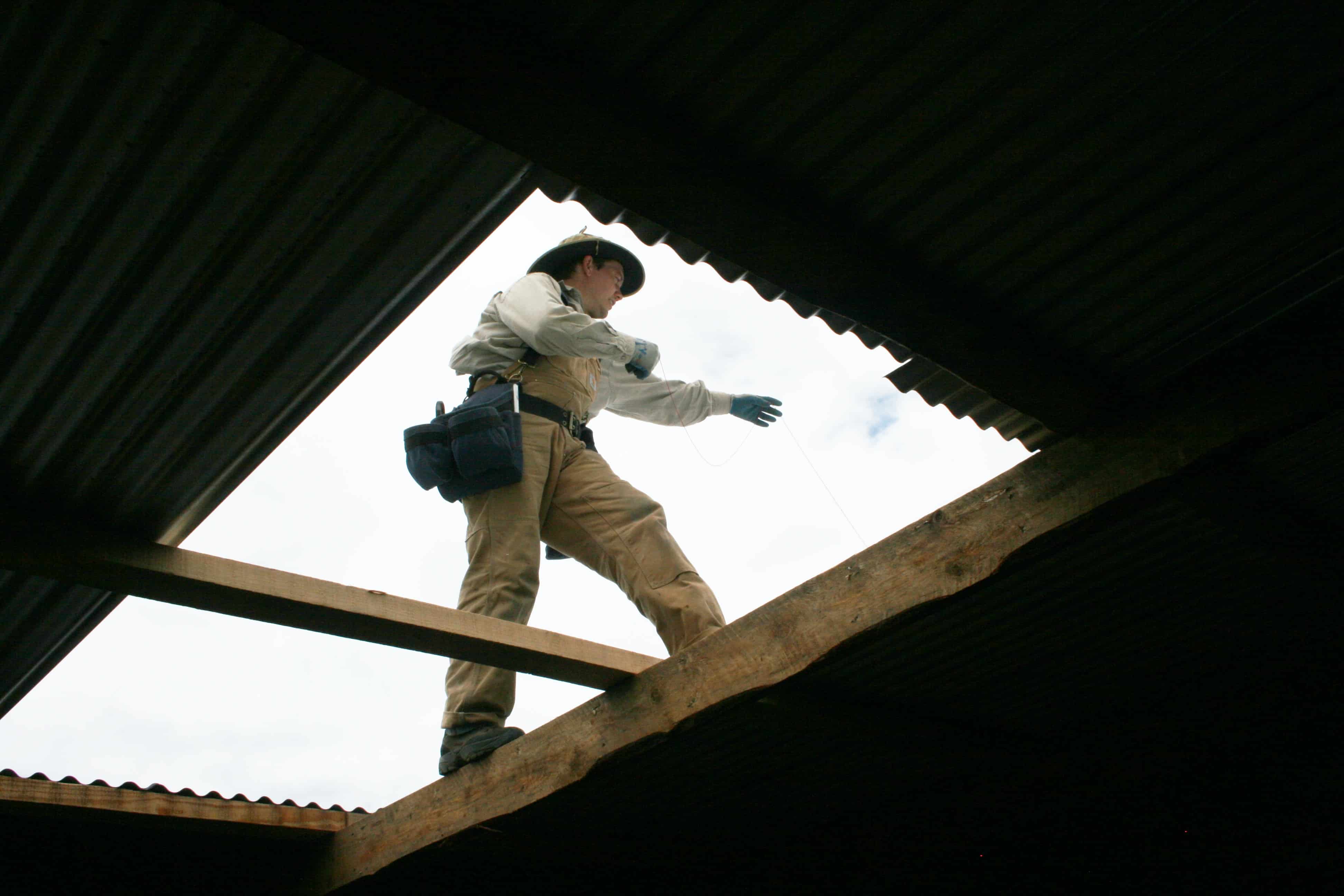
Roofers install and repair roofs using materials such as shingles, tiles and metal panels. Some roofers specialize in solar roofing systems or commercial buildings, which can provide additional career opportunities and higher income potential.
💰 Lower education costs than university
🛠️ Hands-on learning and practical skills
🚀 Faster path to full-time employment
🔒 High demand and long-term job stability
11. Industrial Mechanics
Industrial mechanics are responsible for maintaining and repairing the machines used in manufacturing, production and other industrial processes. They have to keep everything running efficiently and avoid costly downtime. Industrial mechanics can work in the automotive, aerospace and energy industries.
Industrial mechanics repair and maintain manufacturing equipment used in factories and production plants. Strong troubleshooting skills are important because machinery breakdowns can slow production and create expensive delays for companies.
12. Auto Mechanics
Auto mechanics or simply "mechanics" in common parlance are the people responsible for repairing vehicles. With high vehicle ownership, mechanics are in high demand in the US. Mechanics can complete vocational training programs or apprenticeships or even gain certification through the National Institute for Automative Service Excellence (ASE).
Auto mechanics inspect, maintain and repair vehicles including cars, trucks and SUVs. As electric and hybrid vehicles become more common, mechanics with modern diagnostic and electrical skills are becoming more valuable to employers.
13. Dental Technicians
Dental technicians are those responsible for creating dental prosthetics like crowns, bridges and dentures. They work with dentists and use specialized tools and materials. With the US's aging population, demand for dental technicians is increasing.
Dental technicians create crowns, dentures, bridges and other dental appliances for patients. The job requires precision, attention to detail and knowledge of specialized materials used to create comfortable and accurate dental replacements.
14. Insulation Installers
Insulation installers are responsible for using materials like fiberglass, foam and cellulose to regulate building temperatures. They improve the energy efficiency of buildings and reduce heating and cooling costs.
Insulation installers improve energy efficiency in homes and buildings by adding protective materials to walls, ceilings and pipes. Their work helps reduce heating and cooling costs while making buildings more environmentally friendly and comfortable.
15. Boilermakers
A boilermaker constructs, installs and maintains boilers, tanks and other large containers for holding liquids and gases. They typically work in the energy, manufacturing and construction industries. Additionally, it takes around two-years to become a boilermaker.
Boilermakers install and repair large tanks, boilers and pressure containers used in industrial facilities. They often work in power plants, factories and construction projects where strong welding and mechanical skills are highly valued.
16. Solar Panel Installers
Solar panel installers are becoming one of the fastest-growing skilled trades as homes, businesses and governments invest in renewable energy. These professionals install, maintain and repair solar energy systems on rooftops, commercial buildings and solar farms. As countries continue pushing for cleaner energy solutions and lower carbon emissions, the demand for qualified solar panel installers is expected to rise significantly throughout 2026 and beyond.
Solar panel installers set up and repair solar energy systems for homes and businesses. Most workers train through trade schools or apprenticeships that can be completed in less than a year. The job involves outdoor work, electrical systems and roof installations. As more people switch to renewable energy, demand for solar installers continues growing.
Opportunity is missed by most people because it is dressed in overalls and looks like work.
Thomas Edison
17. Wind Turbine Technicians
Wind turbine technicians are responsible for installing, inspecting, repairing and maintaining wind turbines that generate electricity. As renewable energy projects continue expanding across the world, wind energy has become a major industry with strong employment growth. Wind turbine technicians play an essential role in keeping turbines operating safely and efficiently.
Wind turbine technicians maintain and repair wind turbines used for energy production. The job requires climbing towers and working with mechanical and electrical systems. Training programs usually last one to two years. Since more wind farms are being built, companies continue hiring skilled technicians across the country.
18. Elevator and Escalator Installers
Elevator and escalator installers and repair technicians are highly specialized tradespeople who install, maintain and repair elevators, escalators, moving walkways and similar transportation systems. As cities continue growing and more buildings are constructed vertically, the need for reliable elevator systems becomes increasingly important.
These technicians install and repair elevators, escalators and moving walkways. The trade offers high pay and steady work because buildings constantly need maintenance and inspections. Most workers learn through apprenticeships that combine classroom lessons with hands-on training. Strong technical and mechanical skills are important in this field.
19. Aircraft Maintenance Technicians
Aircraft maintenance technicians are responsible for inspecting, repairing and maintaining airplanes and helicopters to ensure they operate safely and efficiently. Aviation remains one of the most important transportation industries in the world and qualified maintenance professionals are essential to keeping aircraft in proper working condition.
Aircraft maintenance technicians inspect and repair airplanes and helicopters to keep them safe for travel. They work on engines, electrical systems and other important parts. Most technicians attend aviation schools and earn certifications before starting work. Airlines and aviation companies continue searching for trained workers as air travel grows.
20. Telecommunications Technicians
Telecommunications technicians install, repair and maintain communication systems such as internet lines, fiber-optic cables, telephone systems and wireless networks. In an increasingly digital world, reliable communication infrastructure is essential for businesses, schools, healthcare facilities and households.
Telecommunications technicians install and maintain internet, phone and fiber-optic systems. They help businesses and homes stay connected through reliable communication networks. Training often comes from technical schools or apprenticeships. As internet use and smart technology continue growing, demand for skilled technicians remains strong.
These skilled trades show that there are many solid career options outside of a traditional university degree. Some people prefer working with technology, others enjoy construction or energy-related jobs and trade careers give them the opportunity to start working sooner while still earning competitive salaries. Most programs take far less time to complete than a four-year degree, making them appealing for students who want practical training and faster entry into the workforce. As industries continue facing worker shortages, experienced tradespeople are expected to stay in demand for years to come.
How to Pursue a Career in Skilled Trades
If you are looking to pursue a career in skilled trades, you are in the right place! What trades are in demand? A trade job requires a specialized skillset and is typically a hands-on, technical profession—and therefore requires hands-on training. It is not like other skills or jobs where the students don't need to perform something physically. Tradespeople frequently acquire knowledge through hands-on training or on-the-job experiences.
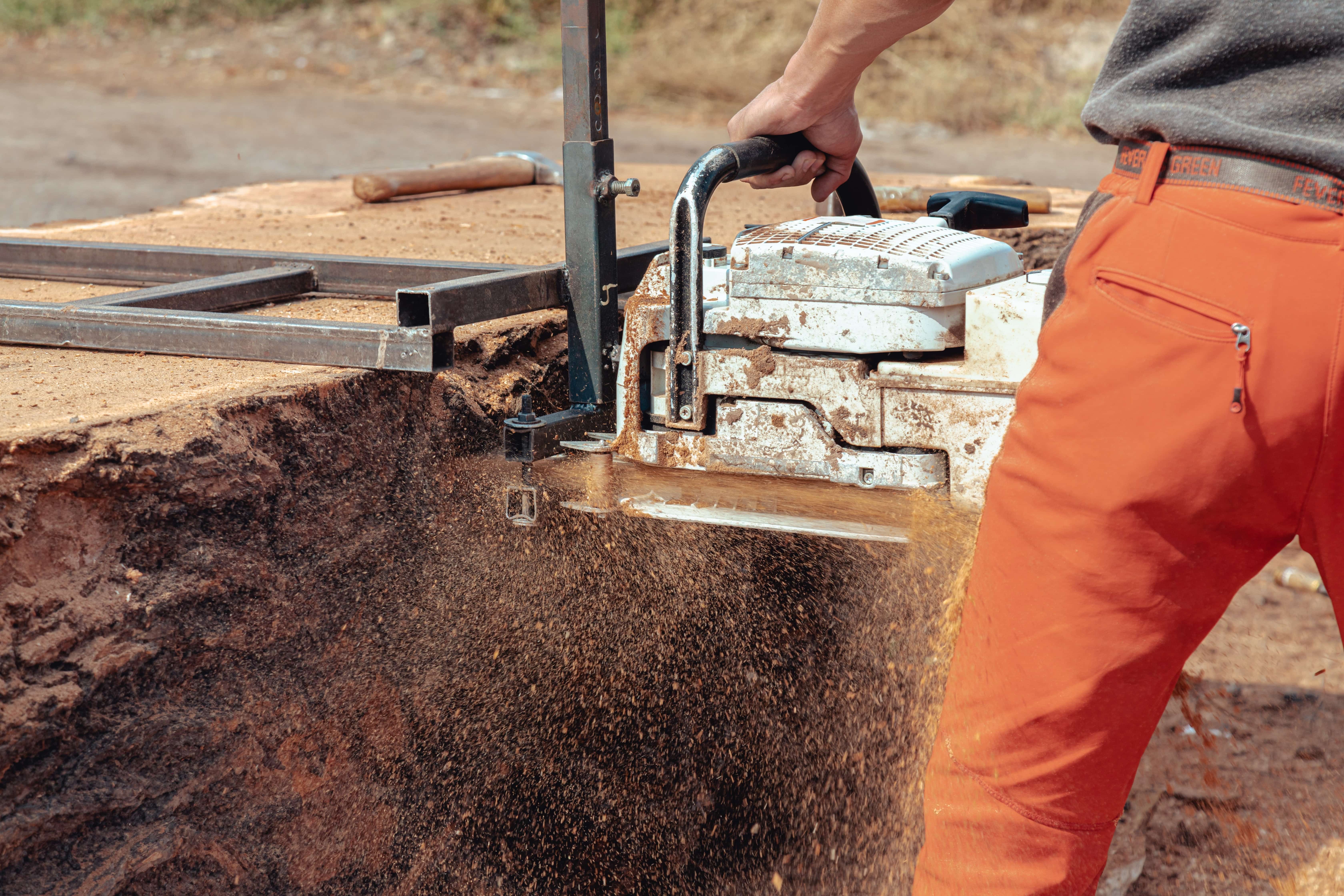
However, depending on the job description, necessary abilities and area of employment, different educational requirements will apply. Almost always, the requirements you need to become a tradesperson are to obtain your high school diploma or GED first.
Many experts argue that these jobs require specialized education and expertise acquired through methods other than a bachelor's degree.
On average, any trade job will require no more than two years of postsecondary education and training.
To start a skilled trade, you must determine what field interests you. Do you want to become an electrical technician and deal with electrical issues (like fixing an elevator or fixing light issues in a building) or a construction technician and spend time in any new building in your city? You can also become a dental technician, a technical mechanic, a medical assistant and more. Your growth in your field will depend on your skill level and years of experience.
Certifications or bachelor's degree requirements will also vary depending on the job. For some occupations, such as healthcare-related jobs, certification and/or licensing are often required. For other professions, certification is not required but other types of training and hours of work per year are required. Remember that professional certification can qualify you for more jobs in your desired trade, increase your starting salary, establish professional credibility and respect, as an expert and improve your chances for job growth.
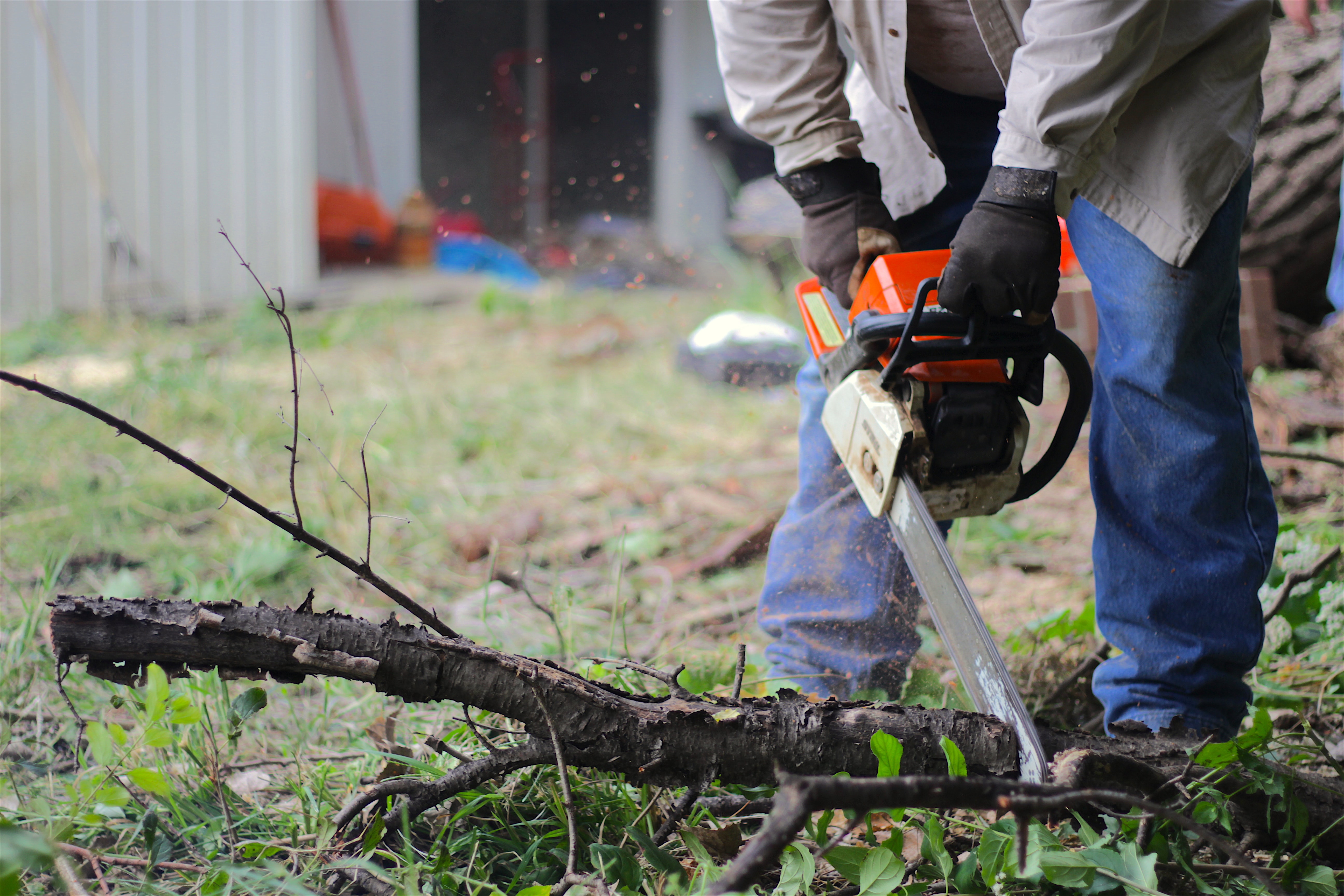
Many people choose their trade depending on the average salary, the working systems, the equipment needed for work (and whether they'll be able to manipulate it) and more. Many students tend to switch careers or schools depending on how much they are earning or how much they can eventually earn. Other students chose their trade depending on their talents, hours of labor, agility or interests.
Not every path to becoming a tradesperson is the same. Keep in mind you can search for national schools or state schools, you can pursue a private education, get a professional certificate or hire a private tutor to teach you a trade. You can search for tutors right here on Superprof, all you have to do is search your subject of choice and the city you live in (you can also search for online tutors). What were your favorite top trades for 2026?
References
- U.S. Bureau of Labor Statistics. (2025, August 28). Fastest growing occupations. U.S. Department of Labor. https://www.bls.gov/ooh/fastest-growing.htm
- U.S. Bureau of Labor Statistics. (n.d.). Occupational Outlook Handbook. U.S. Department of Labor. https://www.bls.gov/ooh/
- Apprenticeship.gov. (n.d.). Apprenticeship.gov. U.S. Department of Labor. https://www.apprenticeship.gov/
Summarize with AI:
Did you like this article? Leave a rating!


 Loading...

