
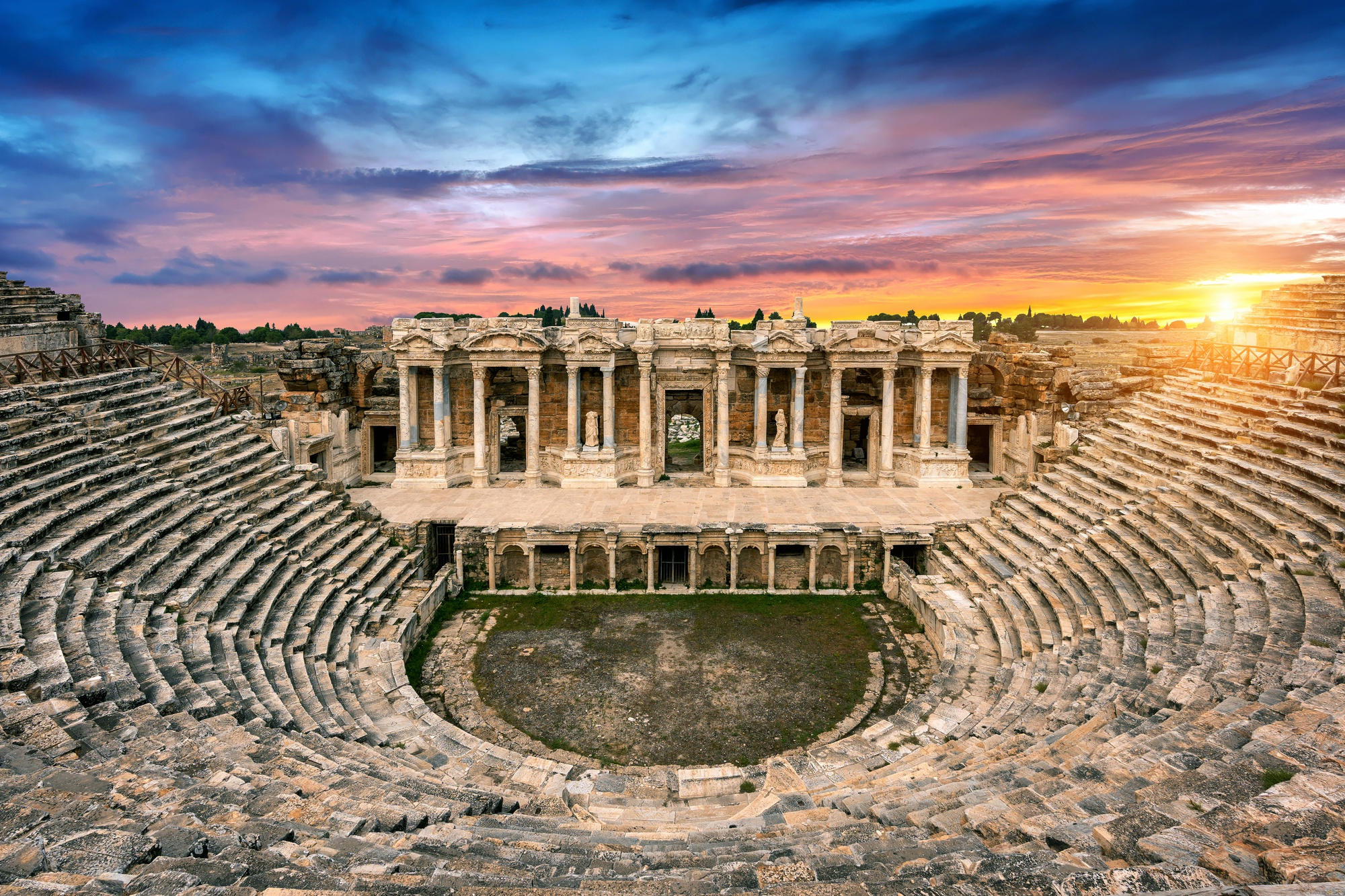

Drama and theater (or ‘theatre’ if you’re traditional) have been around for ages—literally! While the exact origins are uncertain, the earliest roots of drama can be traced to Athens, where ancient hymns called dithyrambs were sung in honor of the god Dionysus. These hymns evolved into choral processions featuring costumes and masks. Drama also held significant cultural, religious, and social importance as far back as Ancient Greece in the fifth century BCE, as well as in India and Egypt during the third century BCE. Although there are various theories about how theater began, no definitive proof exists—perhaps it’s simply human nature to act things out! Understanding the history of drama is essential for theater enthusiasts and fascinating for anyone interested in learning about ancient and modern cultures through a theatrical lens.
c. 600 BCE
Ancient Greek Theater
Theater emerges from religious festivals
c. 200 BCE - 400 CE
Roman Theater
Romans adapt Greek theater, emphasizing specific, comedy, and entertainment
c. 500 - 1400
Medieval Theater
Plays often focused on biblical stories or moral lessons.
1500-1600
Renaissance Theater
William Shakespeare and others blend poetry and complex characters.
1600-1700s
Neoclassical and Restoration Theater
Theater has become more formalized in manner.
1800s
Romanticism and Realism
Plays start to emphasize emotion and individualism and focus on everyday life and social issues.
1900s
Modern Theater Movements
Theater becomes more diverse and blends cultures.
21st Century
Contemporary Theater
Modern theater explores identity, politics, technology, and immersive experiences. Its performances blend with digital theater and social media.
Let’s dive into a brief history of drama and learn about culture through a theatrical lens.


History of Drama in the West
When was acting invented? When was theater invented? How did drama begin?
The history of theater and drama is long and varied, but it starts with the Greeks. Some of it is easily understood and observed in ancient references and can be traced through time, despite changing definitions and methodologies. Other concepts are a little more abstract.
Here is what we know about how the ancient thespians set the foundations for modern theatrics.
Earliest Classical Greek Influences (before 5th century BCE to 2nd century BCE)
Theater as we know it (in the West) began around the 5th and 4th centuries BCE in Ancient Greece. The Greeks would celebrate at the Festival of Dionysus (the god of wine and festivity, and later, theater) with plays, which were far different from the art form we recognize today. Back then, "the theater" was only known as literally the place where dramas were performed, rather than as an entity like we use the word today.
Ancient Greek plays, known as drama, had actors on stage, with a chorus (group of actors all acting as one entity, a mob) chiming in to give insight and help explain to the audience how to feel and react to the scene. There was not much of a differentiation between the stage and the spectator.
The cast would typically be dressed in costumes, theatrical masks, and makeup. Theaters were exclusively open-air settings, where the stage was in the center of a semi-circle of raised benches. Natural acoustics would allow the actors’ voices to carry even to the back row.
The Greeks had two major types of dramas: comedy and tragedy. These are the two masks, one laughing and one weeping, that are still associated with theater today!
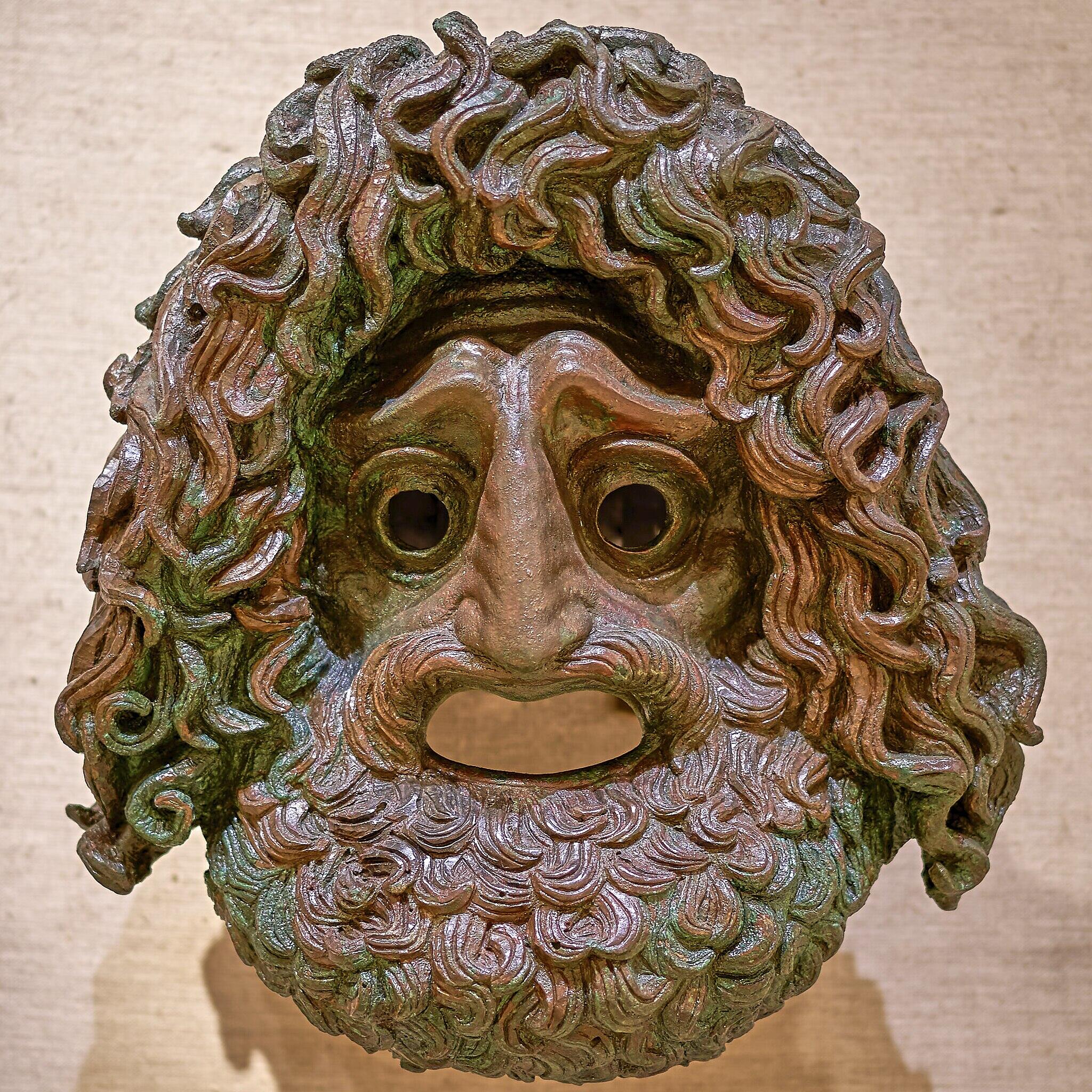
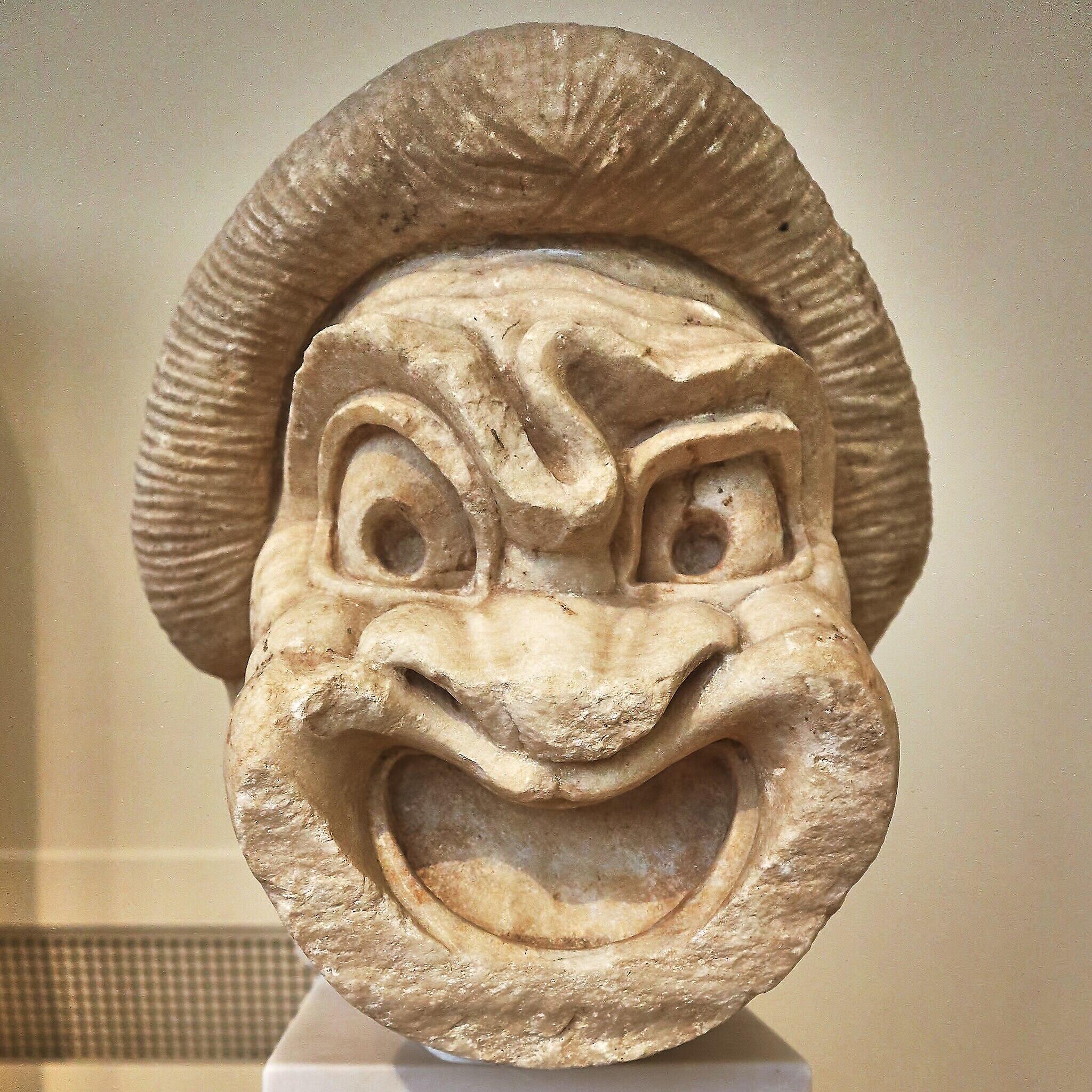
The mask that represents Comedy is a depiction of the Greek muse Thalia, and Tragedy is the muse Melpomene.
A third type of drama, a satyr play, was also quite common and is where we get the word ‘satire’ from. These dramas would consist of actors portraying a human tragedy play on stage, while the chorus was portrayed as satyrs, who are basically making fun of the humans for their silly problems and suffering. This type of drama served to provide a type of comedy and catharsis.
Famous Ancient Greek Playwrights
Drama was an essential part of Ancient Greek culture, so there were many people at the time who contributed to the study of drama, creating dramatic works, and performing. Unfortunately, much of the knowledge of their contributions has been lost to time, so we only know of a relative handful of these people.
Here’s a bit of what we do know about the ‘tragic poets’ of the day.
Thespis (c. mid-6th century BCE)
He is said to be the first person to portray a character on stage, rather than himself, and so that is why we get the word ‘thespians’ from his name. He revolutionized drama for the Greeks, coming up with the basis for the ‘tragedy’ style of play.
A thespian is fancy word for an actor or actress! You also can use the world thespian when describing something involving drama.
Aeschylus (525 BCE – 456 BCE)
It’s estimated that he wrote about 70-90 works in his life, only six or seven of which have survived. Through these works, Aeschylus became known as the father of tragedy when it came to drama.
Even in our sleep, pain which cannot forget falls drop by drop upon the heart, until, in our own despair, against our will, comes wisdom through the awful grace of God.
Aeschylus
Sophocles (c. 497 BCE - 406 BCE)
Best known for his work Oedipus Rex, which is still widely read and studied in elementary and middle schools across the world, Sophocles was a prolific playwright who won many awards in his time and we widely celebrated by his peers.
Aristotle (385 BCE - 322 BCE)
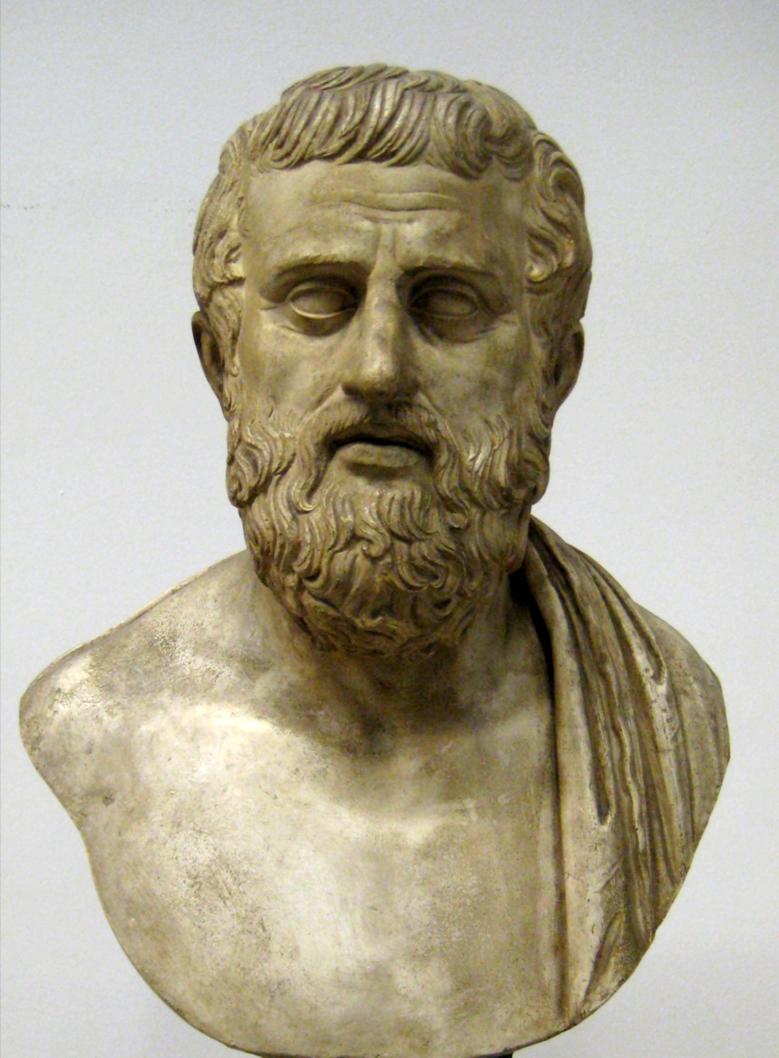
This famous philosopher was an advocate of drama because he believed it provided essential catharsis for audiences, which could carry on into their daily lives and lead to a greater social good. He wrote his thoughts about drama and outlined the elements of drama in a work called “Poetics.”
According to Aristotle, the 6 Elements of Drama are: plot, characters, thought, diction, music, and spectacle.
Other Important Figures
Additional famed Greek tragedians include Phrynichus (c. early 6th-century BCE), Philocles (c. 5th century BC), Euripides (c. 480–406 BC), Agathon (c. 448–400 BC), Achaeus of Syracuse (c. mid 4th century BCE), Aphareus (4th century BC), and Phaesus (411-321 BC).
Famous Ancient Greek actors include Araros, Aristodemus, Hegelochus, Metrobius, and Polus of Aegina.
Discover different online acting classes near me on Superprof.
Early Roman Influences (250 BCE to 5th century CE)
Rome was introduced to Greek drama and Greek comedy around 250 BCE, via the captured Greek slave Livius Andronicus. The concept quickly caught on and many Romans reworked the original Greek plays, dividing the stories into shorter episodes, removing the Greek choruses and replacing them with a musical element like an orchestra or choral singing (which is the origin of why we think of choruses as a musical element today).
These Roman-style dramas spread across the empire, from the Mediterranean to England. Roman dramas were more developed than Greek dramas as a new culture embraced the art form and made it their own. In the 2nd century BCE, drama was so enmeshed into Roman theater culture that a guild of writers (collegium poetarum) was formed.
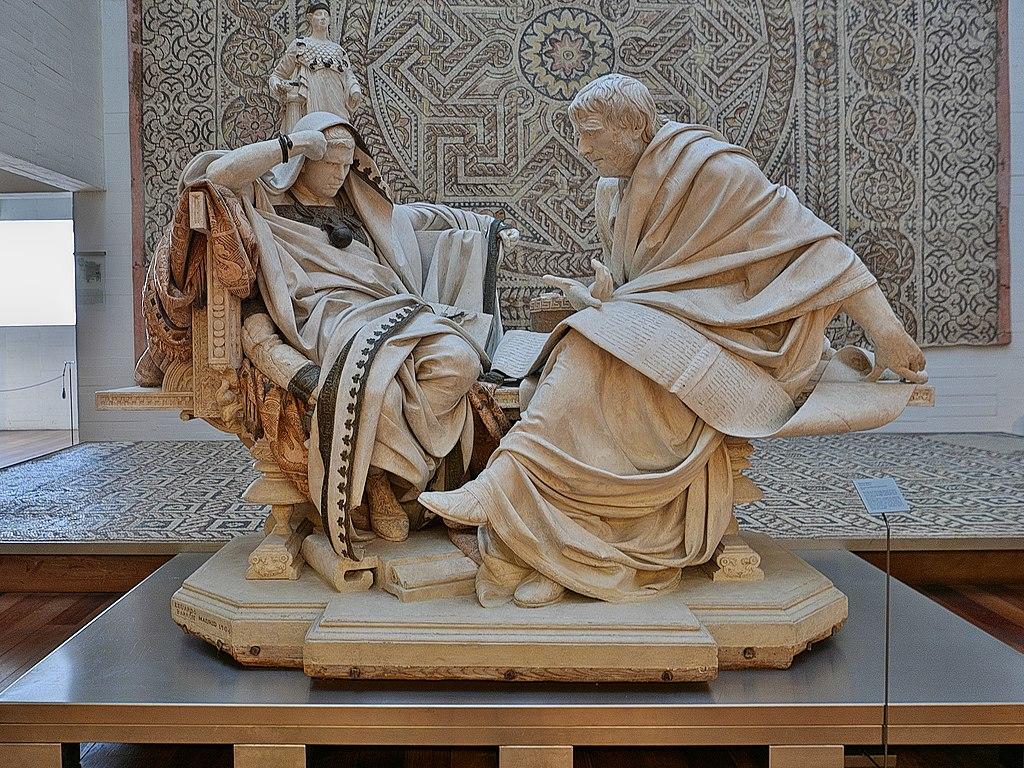
The only two Roman comedy playwrights whose work still survives are Titus Maccius Plautus (Plautus) and Publius Terentius Afer (Terence). Only the work of two Roman tragedy writers still survives; that of Seneca and an unknown writer.
The Romans lost their grip on what made theater enjoyable and important, and ultimately theater became synonymous with base, uncivilized behavior. Intellectuals and high-class people avoided theater and drama, and with the rising influence of the church which aimed to discourage this kind of ‘sinful’ activity, it was inevitable that the Roman version of drama would die out.
Medieval Theater (Late 5th to 15th centuries CE)
The Christian church originally declared theater too pagan and improper. Eventually, exceptions were made for plays that explained Biblical tales in more straightforward ways (acting as characters were not allowed).
Over hundreds of years, even the Christian population began to explore more creative avenues in drama. In the 10th century, Hrosvitha, the first known female dramatist, wrote six plays that were inspired by the Roman Terence’s comedies, but she changed them to be about Christian religious characters.
Around 1155 CE, Hildegard of Bingen, an extremely creative and spiritual Christian nun, wrote a musical drama called Ordo Virtutum. This shift in attitude towards theater and drama led to the art becoming socially acceptable (and seen as a high-class activity) once more.
Renaissance Drama (16th and 17th centuries CE)
Also known as the Elizabethan and Jacobean times, drama was once again celebrated as a meaningful and enjoyable art form for both the creatives and the audiences.
The first ever Elizabethan playhouse opened around this time and plays by famous playwrights (like the acclaimed William Shakespeare) were performed regularly across the country. Shakespeare's plays were more structural than had ever been seen before and represented comedy and tragedy combined to give well-rounded performances offering something for everyone.
However, the Puritan regime acted as the antagonist to theatrics at this time, so while some areas of the West were re-embracing drama, others were shunning it entirely.
Discover enriching acting classes NYC has to offer here on Superprof.
Today, drama in the theatrical world is considered a type of poetry. It is a story told in a way that tends to bring out a range of emotions in the audience. It typically tells a story that focuses heavily on the thoughts, feelings, emotions, and relationships of the characters.
English Restoration Comedy (17th and 18th centuries CE)
In the 17th and 18th centuries, the classes were very much divided. Many plays were therefore written for and about the middle class, moving away from the outdated themes covered by Shakespeare and his peers. Plays were extremely timely and used as commentary on current events (almost like old-timey Saturday Night Live).
The style was witty, humorous, fast-moving, and rude (as a way of completely bucking Puritanical limitations), and the reaction of the audience was often part of the whole act.
During the 1680s, the first professional female playwright, Aphra Behn, rose to importance. Her contributions and achievements have inspired women in writing forever since.
Many famous plays were crafted at this time:
- The Country Wife (1675) by William Wycherley
- The Man of Mode (1676) by George Etherege
- The Counterfeit Bridegroom (1677) by Aphra Behn
- Love for Love (1695) by William Congreve
- The Relapse (1696) by John Vanbrugh
- The Provoked Wife (1697) by John Vanbrugh
- The Way of the World (1700) by William Congreve
- The Recruiting Officer (1706) by George Farquhar
At the end of the Restoration’s heyday, the public’s interest in this style of theatrics had waned; they were ready to move on to a more serious type of theater, so the quippy, innuendo-filled Restoration dramas fell out of fashion among the majority.
Modern Drama
The world changed rapidly after the start of the Industrial Revolution, leading to equally rapid evolvements in theater and arts. The effects of these more modern theatrical styles are also more relevant to the present day than the older styles since the current climate of theater draws heavily on the techniques and movements from these time periods.
Consider enrolling in acting classes austin to improve your acting techniques, gain valuable experience, and expand your network within the thriving local entertainment industry.
Modern Theater (19th and 20th centuries CE)
Modern drama evolved as a result of the ripples created by the French Revolution in 1799, which resulted in social upheavals throughout Europe. Theatrics was taken over by the middle class to explore middle-class themes. Rather than discuss the aristocrats and their antics (as was the case in the Restoration movement), audiences and artists wanted to explore Realism, the ills of society, and the nature of relationships.
The Industrial Revolution also deeply impacted theater; the times were changing and drama, a reflection of society and the human experience, was changing, too.
Theaters and production houses went from being exclusively (legally) owned by the Crown and governmental authorities to also being owned and operated by the working class.
And by this very difference tragedy stands apart in relation to comedy, for the latter intends to imitate those who are worse, and the former better, than people are now.
Aristotle, "Poetics"
Dramas became more realistic and the fourth wall was firmly installed for the first time in certain types of dramas. Since the art form was available as a creative avenue for more people than ever before, dozens of different movements and stylings emerged.
Theatrical sets became more elaborate and in some stylings, a work of art open to interpretation in themselves. Playwrights and actors experimented with content, delivery, set design, music, and more.
Movements in Modern Drama
The various movements created at this time helped pave the way for more diverse drama. It’s part of why we have so many different styles of movies, TV, music, and plays today.
The Realism Movement
This movement portrayed life on stage exactly as it was lived, with all its nuance. Playwrights like Henrik Ibsen and Anton Chekhov were leading figures in this movement, focusing on everyday life's mundane aspects and exploring profound psychological depths within their characters.
Discover acting classes Los Angeles here on Superprof!
The Naturalist Movement
Naturalists sought to depict humans in all their imperfections as products of their environments and heredity. Émile Zola was a prominent figure in this movement, creating plays that were considered shockingly raw and controversial at the time for depicting things like murder and torture (both physical and psychological).
The Symbolist Movement
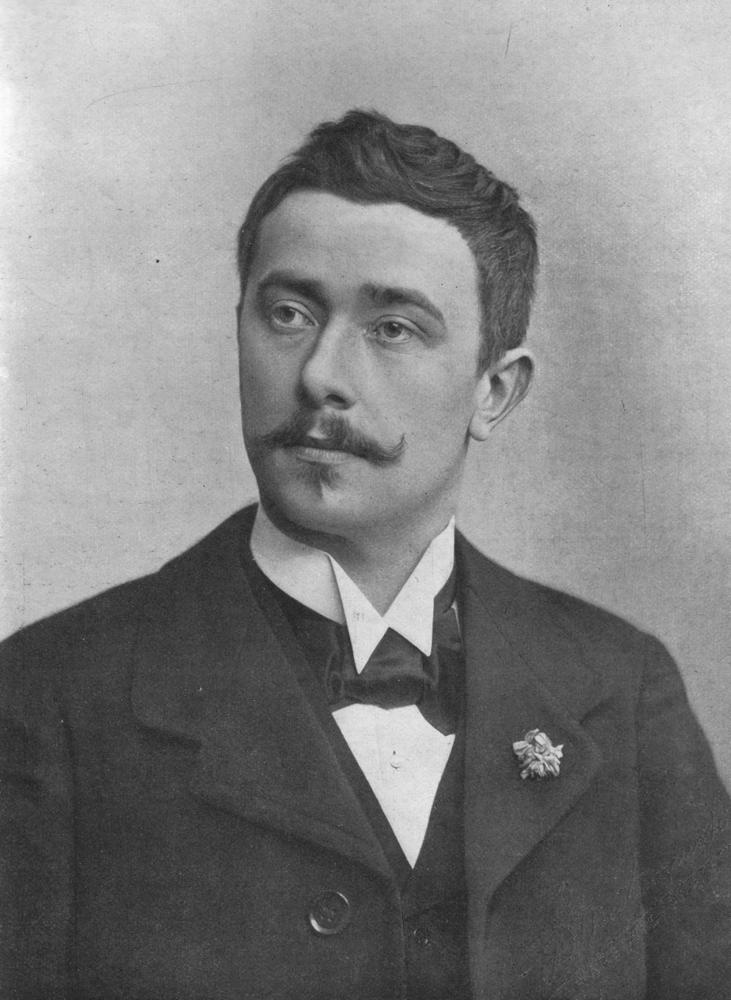
Symbolism focuses on conveying underlying emotions and ideas through symbolic representation instead of overt explanation. This movement explored spiritual realities, human consciousness, and universal truths through metaphoric language and imagery. Symbolist plays were known for their dreamy and abstract set designs. Well-known Symbolists of the time were Maurice Maeterlinck and Pierre Quillard.
The Expressionist Movement
Ideas and emotions were conveyed through symbolic characters and plots that emphasized emotional conflicts, which were often distorted by the characters’ perspectives. The sets, acting, and dialogue were often distorted, aiming to create a sense if discomfort and distress. Famous Expressionists include Reinhard Sorge, Sophie Treadwel, and Eugene O'Neill.
The Futurist Movement
As a way to embrace the changing world, The Futurist Synthetic Theater plays used innovative light, sound, and movement to create impressions, images, and sensations designed to provoke thought and emotion. Storylines were non-linear, which was a radical change from previous types of storytelling. Famous Futurists include Filippo Marinetti, Frederico García Lorca, and Mina Loy.
Consider enrolling in acting classes in atlanta to refine your craft, connect with industry professionals, and take your performance abilities to the next level in a vibrant and supportive environment.
Post-Modern Theater (20th Century to Present)
In a shift we’ve seen before, Post-Modernist theater was a reaction to Modernist theater. It embraced the implicit aspects of certain Modernist movements (like Symbolism and Futurism) and tamed the more extreme qualities to be more palatable to a wider audience.
Plays from this time (specifically the 1960s, 70s, and 80s) are more about raising questions that are open to interpretation, non-linear storytelling and the idea of interwoven experiences, revolving around a central theme, and improvisational reaction from the actors. Methods used to convey a message included a mixture of high-art and pop art, mixed media, pastiche, parody, and references to specific other works of art.
We do on stage things that are supposed to happen off. Which is a kind of integrity, if you look on every exit as being an entrance somewhere else.
Tom Stoppard, "Rosencrantz and Guildenstern Are Dead"
Through “devised” scenarios that involved audience participation, and could therefore be different in every performance, the intention of Postmodern plays is to engage the audience and really get them thinking, feeling, and experiencing. Each audience member’s experience of the performance will be different based on their previous knowledge of the world. Many postmodern “plays” were presented as interactive art or performance art, like “The Couple in the Cage: Two Undiscovered Amerindians Visit the West” by Coco Fusco and Guillermo Gomez-Pena.
People like Adolphe Appia, Antonin Artaud, and Bertold Brecht changed the face of theater dramatically (pun intended).
The word “drama” originates from the Greek word “δρᾶμα” which means "deed" or "act.” And that word “δρᾶμα” is a word derived from the Ancient Greek term meaning “I do (an action).”
Contemporary Theater
This brings us to the 21st century, and theater as we know it today.
Nowadays, theater, musical theater, TV, movies, poetry, and all other types of performance art both draw on historical influences and develop new movements, just as they always have through time.
The variety of different types of drama in modern times means that there is also a lot of room for different styles of acting.
How to Get Into Acting
Are you feeling inspired and wondering how to start acting?
Theater has always been an art form with a devoted following and there are countless people and organizations dedicated to making it as accessible as possible to people of all ages and demographics.
If you’re in elementary, middle or high school, see if your school has a theater program. You can typically audition for roles or become a stagehand (aka 'crew') to get involved with the theater department. Your town likely has at least one theater production team as well!
Check sites like MeetUp.com to find theater troupes or even enthusiasts who like to practice acting for fun.
If you are serious and want to improve your acting skills (or want to secure a role in a production), you can always practice with a private acting tutor on Superprof! Learn to act with the help of a professional acting coach easily with acting classes chicago.
Summarize with AI:
Did you like this article? Leave a rating!


 Loading...
this is very eloquent and unique and very fascinating to read and interpret into the origin it was once was.
Thank you for the comment! I’m happy you enjoyed the article!