

There is no greater agony than being an untold story inside you.
Maya Angelou
Poetry has long been appreciated as a medium for uncapped expression of ideas and emotion. Those who are remembered as great poets have penned lines that deeply connect with those who read their work, appealing to their senses through text. Among the most famous writers to have lived, a select group of female poets stand out for their impact beyond the pages, having crafted a voice with their distinct viewpoints and experiences. We have curated a select list of the most famous female poets to have picked up the pen to inspire your own work or simply add to your reading list!
| # | Poet | Known For |
|---|---|---|
| 1 | Sappho | Lyric poetry, emotional expression, Ode to Aphrodite |
| 2 | Adrienne Rich | Feminist poetry, political writing, identity and social justice themes |
| 3 | Elizabeth Barrett Browning | Romantic poetry, Sonnets from the Portuguese, social reform themes |
| 4 | Gwendolyn Brooks | First African American Pulitzer Prize winner, poetry about Black life and urban communities |
| 5 | Anne Sexton | Confessional poetry, mental health, identity, and motherhood |
| 6 | Ada Limón | Contemporary poetry, nature, personal experience, and U.S. Poet Laureate |
| 7 | Anna Akhmatova | Soviet-era poetry, grief, political oppression, Requiem |
| 8 | Maya Angelou | Memoir, poetry, civil rights, resilience, Still I Rise |
| 9 | Sylvia Plath | Confessional poetry, symbolism, mental health themes, Ariel |
| 10 | Emily Dickinson | Innovative form, introspective poetry, death, and nature themes |
| 11 | Wisława Szymborska | Nobel Prize-winning poetry, philosophy, history, and everyday life |
| 12 | Rupi Kaur | Contemporary poetry, relationships, trauma, identity, and social media influence |
| 13 | Audre Lorde | Feminist, LGBTQ+, and civil rights poetry, activism |
| 14 | Christina Rossetti | Victorian poetry, symbolism, love, spirituality, Goblin Market |
| 15 | Forugh Farrokhzad | Modern Persian poetry, feminism, love, freedom, and social criticism |
| 16 | Mary Oliver | Nature poetry, spirituality, and observations of everyday life |
| 17 | Joy Harjo | Native American poetry, music, identity, and ancestral connections |
| 18 | Elizabeth Bishop | Precise imagery, travel poetry, observation, One Art |
| 19 | Phillis Wheatley | First African American woman to publish a poetry collection |
| 20 | Li Qingzhao | Song Dynasty poetry, emotional lyricism, and ci poetry |


1. Sappho, The Lyric Poetess
The list of famous American and English poets is endless. From Willian Shakespeare, Oscar Wilde or T.S. Elliot in the United Kingdom to Edgar Allan Poe, Walt Whitman or Robert Frost from the United States, the poetry literary genre has been dominated by males entities. There is no poet more suitable to kickstart our list than the first example of a female poet in history.
Born sometime around 630 BC, Sappho's legacy during antiquity was just as great as Homer. While he was referred to as "The Poet," she was sometimes called "The Poetess." Poetry is a literary medium that presents a profound capacity for expression, with each poet bringing their unique outlook and set of literary devices to convey them.

Plato and Socrates, the classical Greek philosophers, even cited her work in some of their speeches and writings.
Most of Sappho's work did not survive time, a lot of it is only fragmented pieces.
However, she is remembered for the images she was able to conjure with her words as a means of expressing emotion, a skill that hasn't been replicated to this day.
Extracts of her work are used in literary courses around the world to this day, a testament to her everlasting contributions as a poet. Taking the time to study her work will go a long way if you have aspirations of studying literature yourself one day, or wish to write some poems of your own. Here is one complete poem that survived to this day, The Ode to Aphrodite.
Now she runs away, but she'll soon pursue you; Gifts she now rejects soon enough she'll give them; Now she doesn't love you, but soon her heart will Burn, though unwilling.
Sappho, Hymn to Aphrodite
The poem is a prayer to Aphrodite, the goddess of love, where Sappho asks for help in getting attention from an unnamed woman, for which Sappho has fallen in love. Given that the work of Sappho remains as prevalent as it is today, you know that you've found yourself some great poetry to dive into. If she wasn't already on your radar before now, let her work be our gift to you!
630 BCE
Sappho pioneers female lyric poetry
Sappho of Lesbos becomes one of the earliest known female poets, influencing the development of lyric poetry through her emotional and personal writing.
1084
Li Qingzhao transforms Chinese poetry
During the Song Dynasty, Li Qingzhao becomes one of China’s greatest poets, celebrated for her elegant ci poetry about love, memory, and loss.
1889
Anna Akhmatova is born
Akhmatova becomes one of Russia’s most important literary voices, using poetry to capture personal grief and historical trauma.
1928
Anne Sexton advances confessional poetry
Sexton helps redefine modern poetry by exploring personal experiences, mental health, and identity with unprecedented openness.
1934
Forugh Farrokhzad challenges poetic traditions
Farrokhzad revolutionizes Persian poetry by addressing themes of freedom, love, and female identity in a deeply personal style.
1996
Wisława Szymborska wins the Nobel Prize in Literature
Szymborska receives global recognition for poetry that combines philosophy, humor, and observations of everyday life.
2022
Ada Limón becomes U.S. Poet Laureate
Limón represents the continuing evolution of female poetry, bringing contemporary poetry to broader audiences through public initiatives.
2. Adrienne Rich
Many of the most famous poets to go down in history are remembered for the impact that they had beyond literature. Adrienne Rich is a great example of a poet whose impact far exceeded her career, as she used her voice as a vehicle for change with her politically charged poetry. This is something that shifted over the course of her writing, as she underwent a transformative journey from a "polite copyist" to a "feminist leader" revolutionized female literature.
One thing that makes creatives stand out is the originality and artistry of their work, and there was certainly nobody quite like Rich, who fearlessly explored identity, sexuality, and politics. The challenging subject matter that she opted to explore throughout her work made a profound impact and resonated with readers across the world, solidifying her status as a preeminent feminist thinker. You'd have a hard time finding a woman who's made as big an impact with the pen than this literary legend
3. Elizabeth Barrett Browning
How do I love thee? Let me count the ways. I love thee to the depth and breadth and height, My soul can reach, when feeling out of sight, for the ends of being and ideal grace.
Elizabeth Barret Browing - Sonnet 43
Born in 1806, Elizabeth Barrett, a British poet, started to write poetry from the early age of 6 years old. Barrett suffered from poor health for most of her life and possibly had tuberculosis. It did not stop her writing, and she published her first collection of poems at the age of 32 years old.
Her poetry was very well received and she wrote profusely in the following years.
She also actively campaigned against slavery and influenced the reforms of child labor legislation.
Her work also caught the attention of another poet, Robert Browning, who, after writing to her, began to secretly court her.
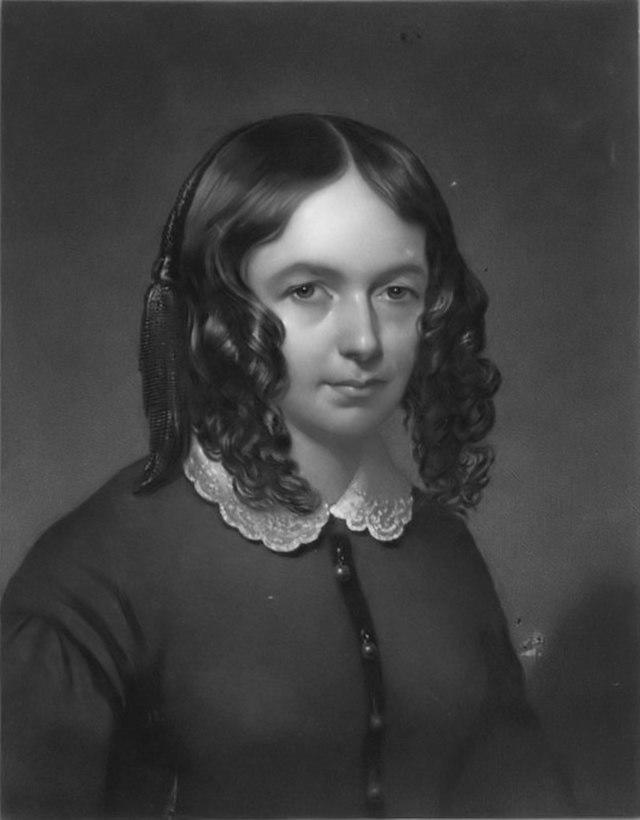
Knowing that her father would disapprove, Elizabeth Barrett and Robert Browing married in secret in 1846 before moving to Italy, where they lived happily for the rest of their lives. The work of Elizabeth Barrett Browning had a great influenced on some of her famous contemporary writers, among which Edgar Allan Poe and Emily Dickinson.
Elizabeth's mother collected her poems, which became the largest surviving collection of juvenile writing by an English writer.
4. Gwendolyn Brooks
They say that the best art comes from overcoming adversity. This couldn't be more true for this next poet, who lived through one of the most meaningful periods in US history. Born in 1917 and raised during the Great Depression, Gwendolyn Brooks would face bias and racism during her school years, but it never stopped her from writing.
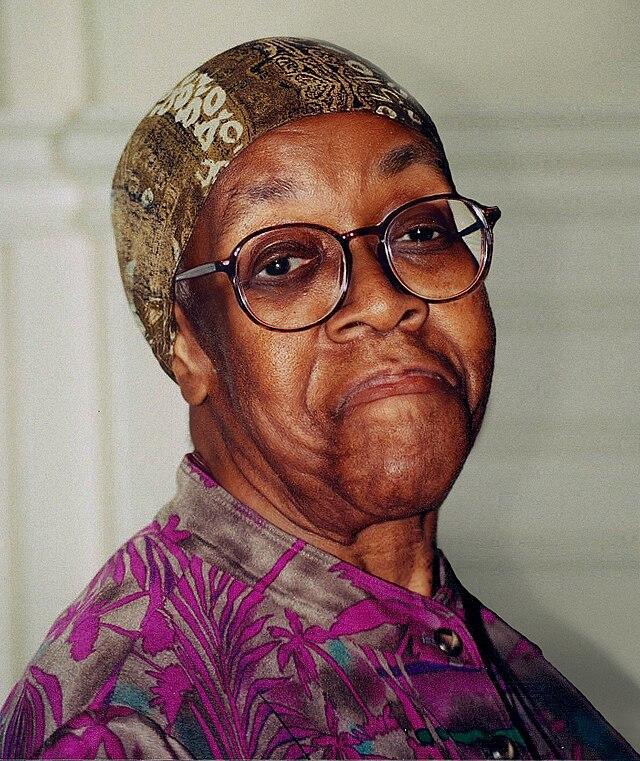
Taking inspiration from her southside community of Chicago, she began writing during her early teens, strongly encouraged to do so by her mother, who was a teacher.
She was first published when she was 13 years old, and by the time she was 16, she had written and published at least 75 poems.
Her unique point of view as a black teenager in a very racially charged America was often depicted and celebrated by ordinary people from Brooks neighborhood. After attending many writing workshops during the early 1940's, she eventually published her first poetry book in 1945, A Street In Bronzeville with Harper & Brothers, one of the biggest publishing house of the country.
Exhaust the little moment. Soon it dies. And be it gash or gold, it will not come Again in this identical disguise.
Annie Allen - Gwendolyn Brooks
She continued to write and was passionate about teaching and helping other young African American students to develop their talent for writing.
5. Anne Sexton
I am not resigned to the shutting away of loving hearts
Anne Sexton, The Truth the Dead Know
If you’ve been studying poetry at any capacity, you’ll know just how much of poetic magic is shaped from real lived experiences from the poet’s life. That’s why studying the background and early years of a poet really helps paint a picture of her life, bringing her words and stories to life.
Whether you ask your high school English teacher or any poetry nut, they’ll likely tell you how she’s one of the greatest when it comes to the confessional poetry movement.
Reading her works is an engaging experience as it invites the exploration of all sorts of themes, such as mental health, motherhood, relationships, and identity.
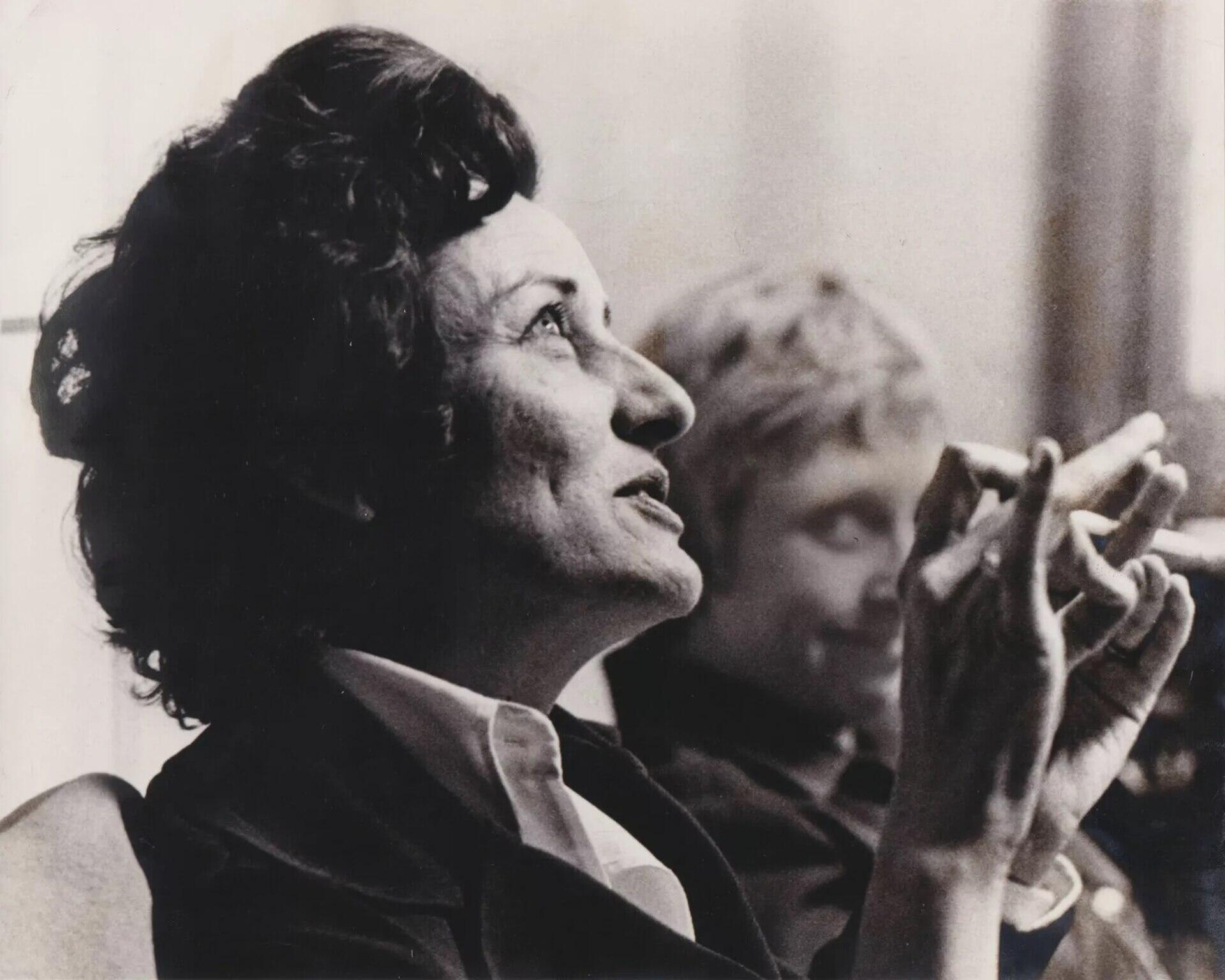
She makes it hard to have favorites, but some of her standout successes are Her Kind, The Truth the Dead Know, Courage, and Wanting to Die, while her Pulitzer Prize-winning collection Live or Die is a memorable height of her time as a poet.
6. Ada Limón
Another Poet who accomplished some substantial milestones over the course of her literary career is Ada Limón, who is considered by many to be one of the best female poets ever. She's most renowned for her accessible, emotionally resonant writing that explore an explosion of themes from nature, identity, and love to grief, and the human experience.
Limón was only recently appointed as the 24th Poet Laureate of the United States, becoming the first Latina woman to hold this prestigious position.
Limón is a reassuring example of how contemporary poetry is in good hands and acts as a beacon of inspiration for young poets looking to make their way with the pen in hand. Limón is an open book in the sense that she presents readers with a direct insight into the experiences that shaped her through her work. You’ll also notice that she draws plenty of inspiration from the natural world, which comes from the environment where she grew up.
There is plenty to explore with Limón, as she has over six poetry collections under her belt, a feat accomplished by a few poets, cementing her place among the most famous and celebrated writers. If you're looking to learn from some textbook examples of conversational style and vivid imagery, then Limón is one contemporary poet who's work offers a masterclass!
7. Anna Akhmatova
No foreign sky protected me, no stranger’s wing shielded me
Anna Akhmatov, Requiem
Now, given how far we are on our list of the top female poets, you’ll likely have had a growing question in the back of your mind, and rightfully so! ‘When are we going to mention Anna Akhmatova?’ Not only is this literary legend renowned as one of the best Russian poets to have lived, but she was also one of the leading female voices full stop.
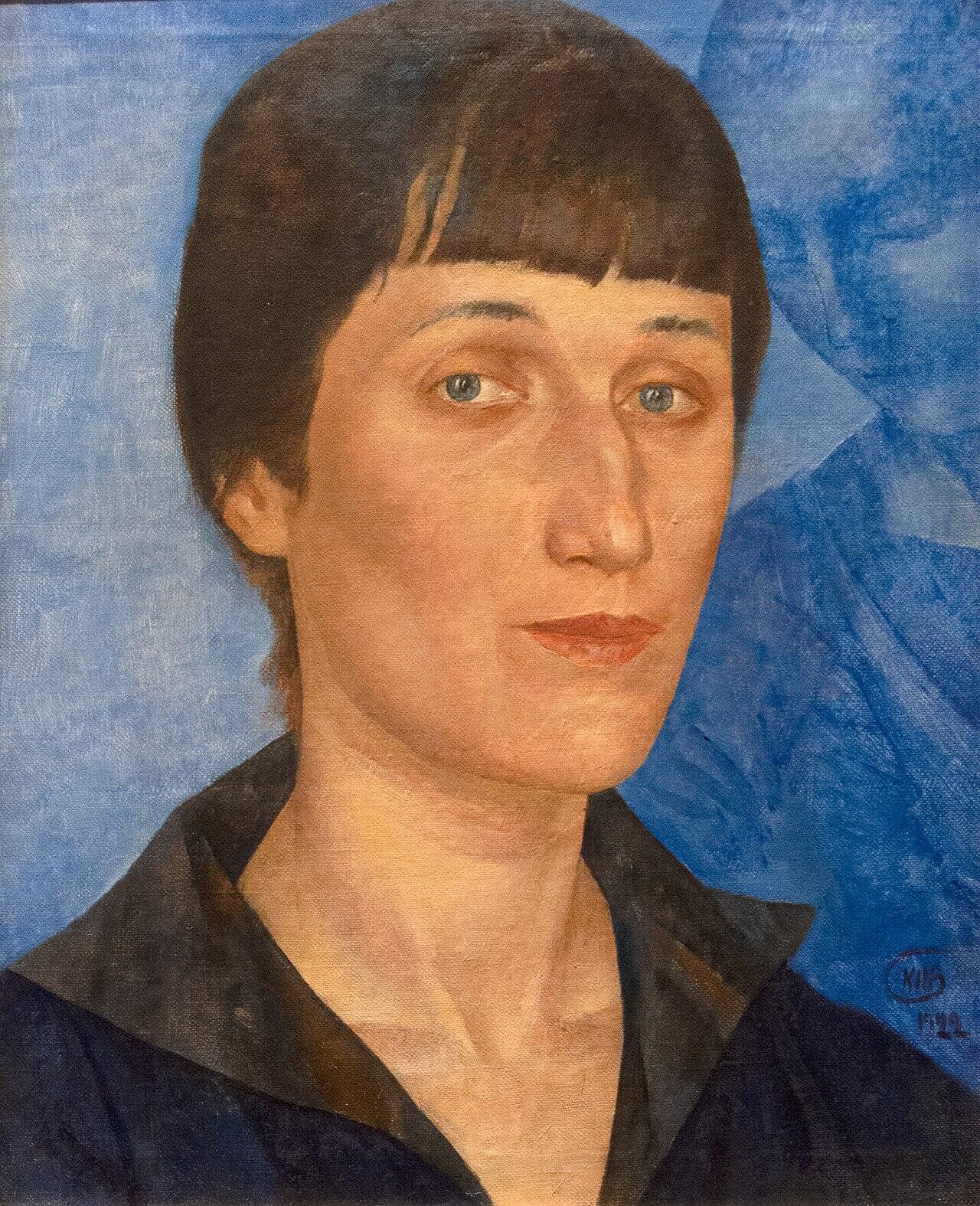
She carved her own sound by challenging heavy themes of political oppression, grief, and resilience during the Soviet era.
This abrasive choice of subject matter really resonated with all eyes that were cast on her poems, and ultimately led to it being censored by the government.
This actually meant that for the longest time, her poetry relied on being circulated under the table.
With a writing career as long and storied as hers, it’s hard to select just a couple of samples, but we definitely recommend that you check out Requiem. This one’s a particularly moving tribute to the victims of Stalin’s purges. Then you’ve got Poem Without a Hero, which, if you really dive into, will teach you quite a bit about Russian history and society.
Anna Akhmatova was briefly married to fellow poet Nikolay Gumilev, who was executed in 1921 after being accused of involvement in a political conspiracy against the Soviet government.
8. Maya Angelou
Nothing can dim the light which shines from within.
Maya Angelou
They say everyone has a story to tell, and Angelou certainly had an extraordinary one, a prophet-like figure in the literary world who turned a traumatic childhood into one of America's most influential voices. The reason her reputation preceeds her is that she was civil rights activist first, poet second, and her work explored identity, resilience, and social justice.
Maya Angelou has had an extraordinary life.
Born in 1928, in the Southern state of Missouri, she recounted her troubled childhood in her autobiography and international best-seller, I Know Why the Caged Bird Sings, published in 1969.
Angelou's book, the first of a seven-volume series, described how she overcame racism and trauma through love and determination.
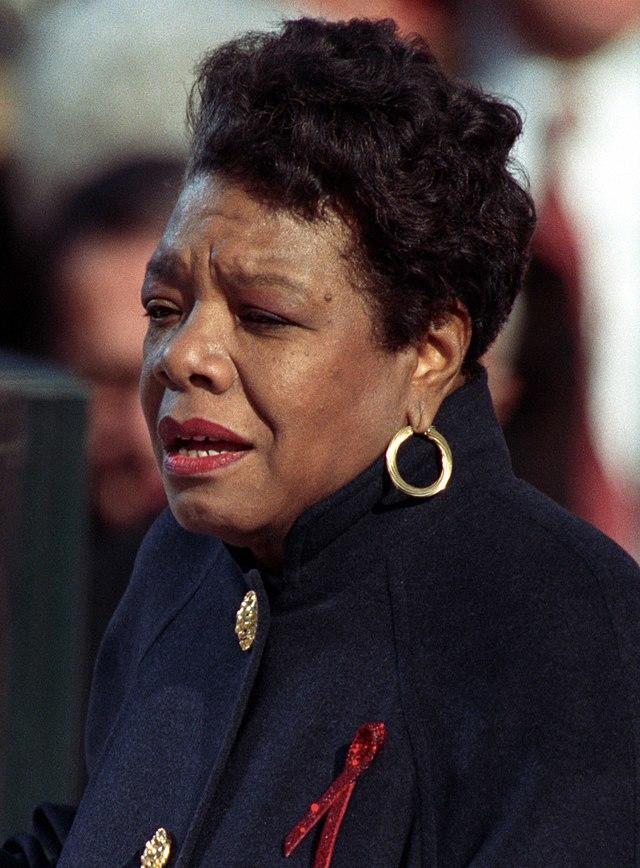
Her first poetry work dates from her childhood, during which she used literature as a healing tool. Angelou's poetry since, include the celebrated works “Still I Rise” and “Phenomenal Woman,” which continue to inspire readers worldwide to this very day. Angelou’s powerful voice, literary achievements, and advocacy made her one of the most influential writers of the twentieth century.
9. Sylvia Plath
There are few names in poetry that carry the same weight and level of recognition as Sylvia Plath. Her work has made its way onto English curriculums in schools and colleges across the globe. Her work is confessional, offering readers a vivid insight into the internal monologue of the poet through the expert use of imagery. One literary device that Plath had a particular knack for was her ability to use metaphors to explore perturbed themes of mental illness and death.
Her work is certainly a long way away from sunshine and rainbows, but her courage in confronting the human psyche's darkest corners continues to inspire writers, cementing her influence on creative expression and the confessional poetry genre.
Water will run by; the actual sun. Will scrupulously rise and set; No little man lives in the exacting moon. And that is that, is that, is that
Sylvia Plath - Two Lovers And A Beachcomber By The Real Sea
Her work is best known for having a deep coupling of disturbed or violent imagery along with a frisky use of rhyme and alliteration.
10. Emily Dickinson
Emily Dickinson was born in 1830 in Amherst, Massachusetts. An introvert by nature, many of her associations were formed via correspondences. Dickenson is a textbook example of a poet who mastered the art of conjuring vivid imagery in the minds of her readers.
She uses this capacity to invite those who read her work an insight into her internal suffering, often casting evocative imagery surrounding the scene of death.
After she died, people came to know about her works. Today, she is most widely celebrated for her exceptional use of syntax and form; in addition to that, she is also known as the "poet of paradox."
Because I could not stop for Death. He kindly stopped for me. The Carriage held but just Ourselves. And Immortality.
Emily Dickinson - Because I could not stop for Death
Some of her best works include "The Complete Poems," "Because I could not stop for Death," "Selected Poems," "Hope is the thing with feathers," "I'm Nobody! Who are you?" and "Final harvest." Without question, Dickinson is considered to be right up there with the best female poets of all time.
11. Wisława Szymborska
Nothing can ever happen twice. In consequence, the sorry fact is that we arrive improvised.
Wisława Szymborska, Nothing Twice
From one incredible Eastern European poet to the next, Poland’s Wisława Szymborska is one whose work will continue to be celebrated throughout time, even after her passing a little over a decade ago. Her knack for writing thoughtful and accessible poems earned her the 1996 Nobel Prize in Literature, a feat every major poet only dares to dream of.
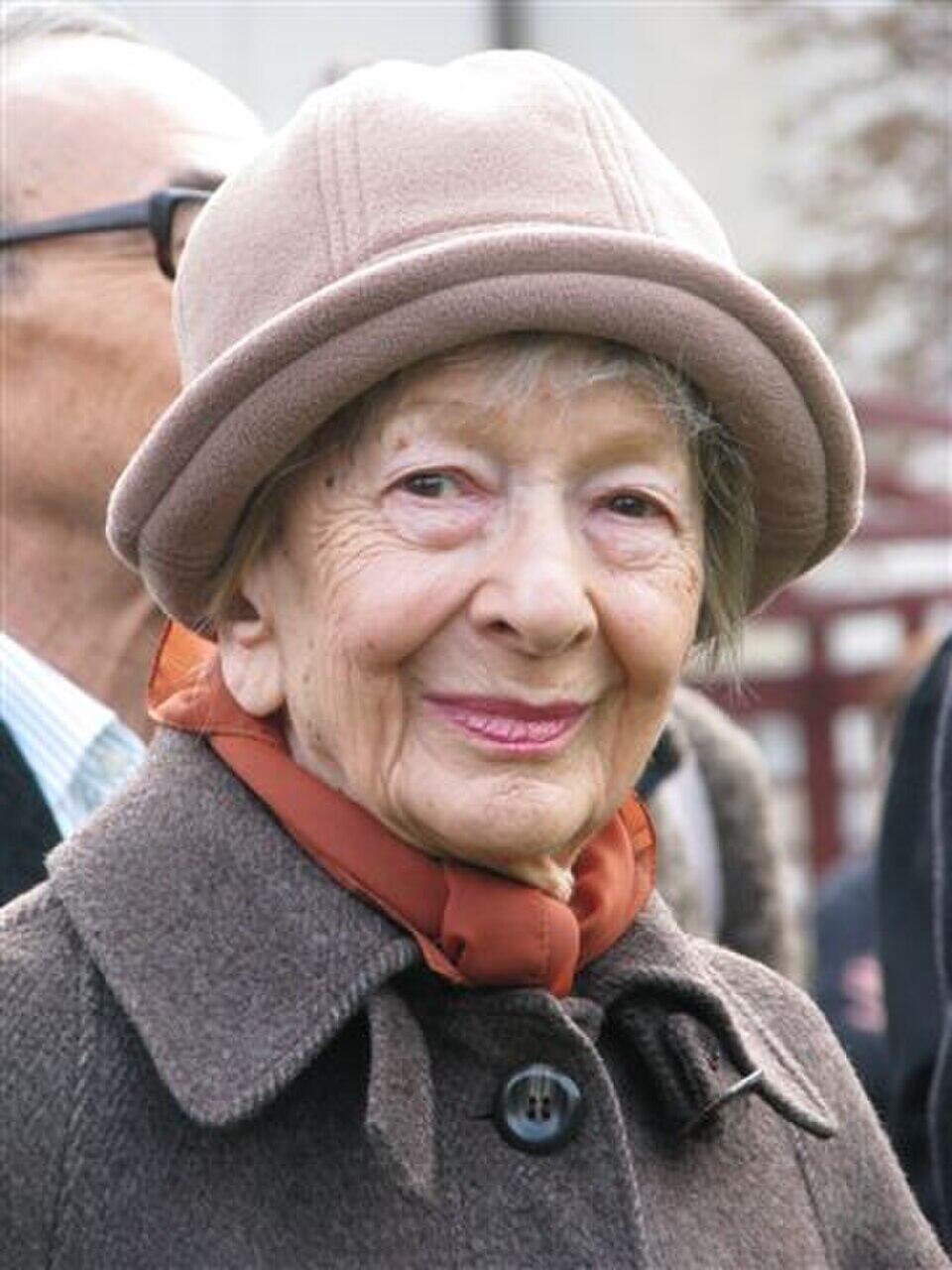
Evidently, she was not only well known, but widely admired in the literary community, but what made her so special?
Well, not every poet can maintain a tone of curiosity and wit, while exploring heavier subjects like philosophy, history, science, and everyday life through deceptively simple language.
Evident from poems such as Nothing Twice, The End and the Beginning, Possibilities, and Could Have, she makes light work of tackling war, and the unpredictable nature of human existence, all with her trademark balance of humor and profound reflection.
They say it’s the mark of a truly skilled poet to leave the readers, not only with the poet’s ideas, but to evoke deep thought in the minds of the readers themselves.
Before gaining worldwide recognition, Wisława Szymborska worked as a poetry editor and wrote humorous book reviews, including playful essays about everyday objects and unusual topics.
12. Rupi Kaur
Rupi Kaur was born in 1992 in Hoshiarpur, India. Her parents settled in Canada when she was merely four. At first, she started penning poetry for friends and during high school, Kaur anonymously shared her writings.
Later, she started writing poems on social media, specifically on Tumblr and Instagram. With time, Kaur became an internet sensation. "Milk and Honey" was her first 'published' poetry collection.
Copies of "Milk and Honey"
The book, which is both prose and poetry, is all about survival. It topped the "New York Times Bestsellers" list for several weeks and is translated into more than 20 languages.
I am not the whiskey you want, I am the water you need, don't come here with expectations, and try to make a vacation out of me.
Rupi Kaur, Milk and Honey
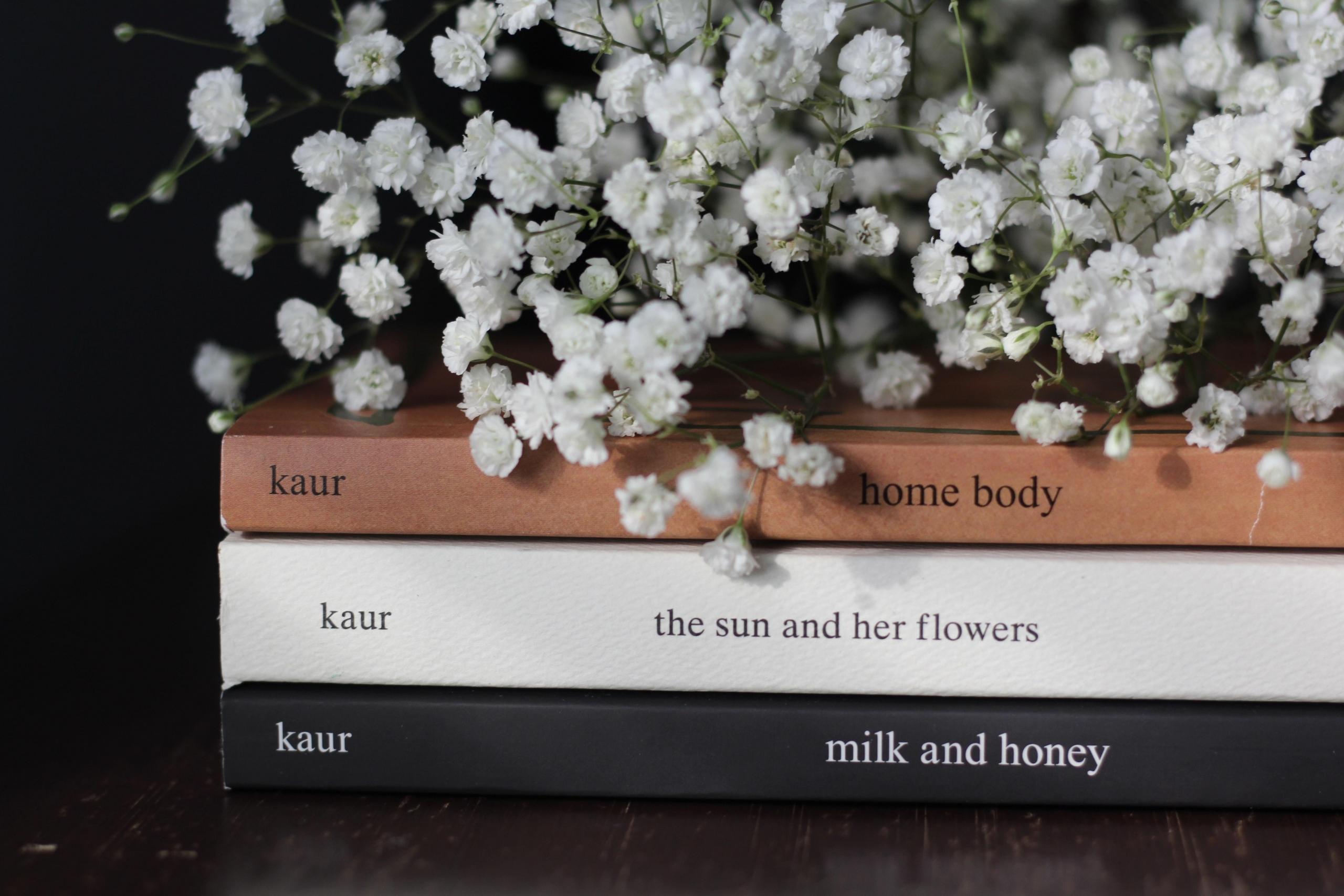
Moreover, Kaur's second poetry collection, "The Sun and Her Flowers," was ranked 2nd among Amazon's best-selling products. Her poetry emphasizes love, sex, relationships, and rejection. She also pens poetry on dark topics such as beauty standards, racism, and abuse. Some of her best poems include but are not limited to "For the passionate ones," "For anyone who feels rejected," "Be kind," "Be water," "In an ideal world," "What every girl needs to hear," "Don't trust just anyone."
13. Audre Lorde
Another poet who is considered among the most famous female voices of both present and past poets is Audre Lorde. Lorde was another impactful poet who challenged narrow feminist perspectives, deriving from the need to consider the diverse experiences of women. "Sister Outsider" (1984) was one of her most revolutionary publications, and it put her in the public eye for her approach to poetry.
The extent of her political commentary can be seen in her statement, "The tools of those in power can't break down the system they benefit from", where she emphasizes the idea that discrimination against any disadvantaged community impacts everyone in society. How she used her talent to provide insight into a struggle she faced and give a voice to those who may have felt unheard is truly remarkable, certainly making her deserving inclusion in our list of the most famous female poets.
14. Christina Rossetti
The next poet to make their way onto our list of famous female voices in poetry is London-born Christina Georgina Rossetti. In contrast to some of the inclusions thus far on our list who made a name for themselves through tackling heavier subject matter, Rossetti provides a refreshing romantic style of writing poetry that will most certainly capture your heart as you explore her work. Her poems are known for her use of symbolism and the graceful language she displays throughout.
Readers are drawn to her work for how she delves into topics like love and dedication to nature alongside themes such as mortality and desire.
Great writers draw inspiration from the world around them, and Rossetti certainly takes plenty of inspiration from her spiritual beliefs, often drawing from religious texts and stories of saints, adding an almost personal quality to her writing.

You could say Rossetti is your favorite poet’s favorite poet as her works such as ‘The Goblin Market’ propelled her to regard inside the writing community and coined her as the successor to Elizabeth Barrett Browning. This was due to the distinctive style and deep understanding of human emotions that cemented her place in Victorian poetry.
15. Forugh Farrokhzad
The whole of my existence is a dark verse.
Forugh Farrokhzad, Another Birth
Moving across continents, the next deserving mention on our list of top female poets hails from Iran. While Forugh Farrokhzad’s literary career was one that was shorter than many of the other poets featured across our list as a result of her premature death, it was definitely just as storied.
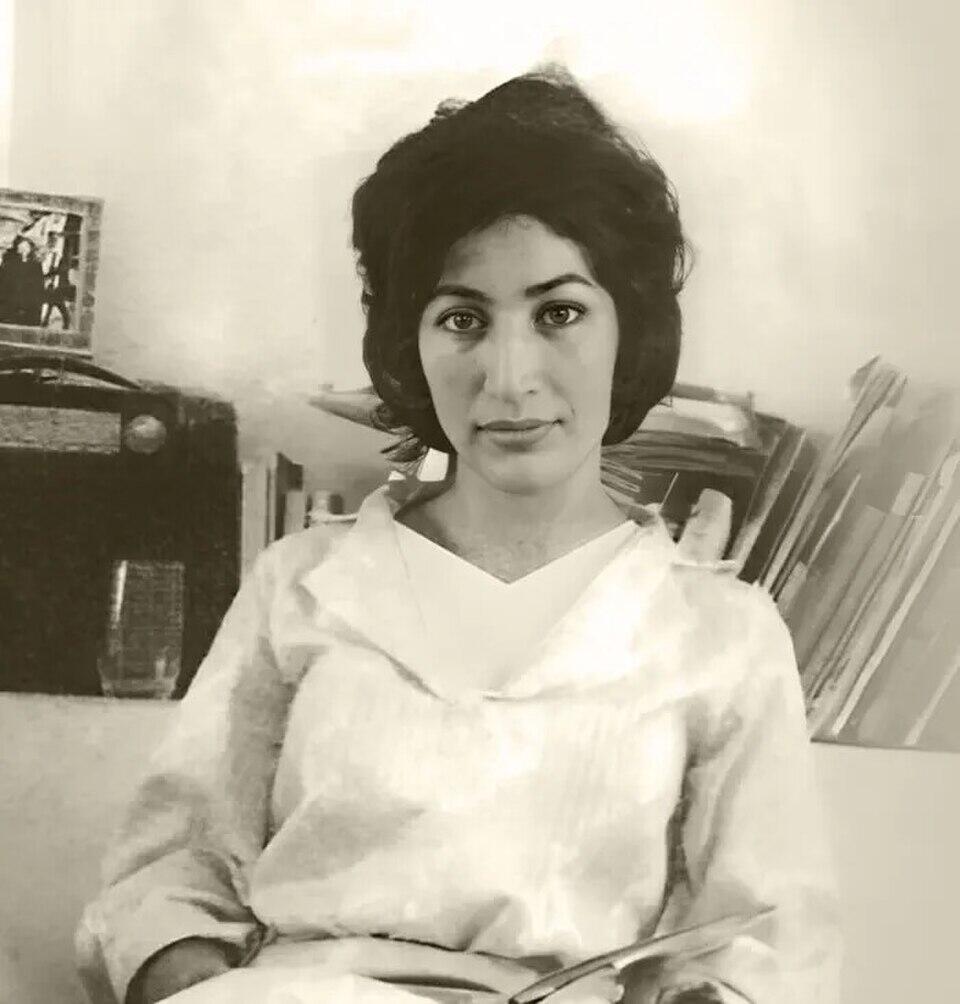
She approached poetry from her own unique lens, crafting a voice that so boldly challenged traditional expectations of women through discussing love, desire, loneliness, and self-discovery in her own way.
Her major collections include The Captive, The Wall, Rebellion and Another Birth.
But out of all of her contributions, it is that last one ‘Another Birth’ that’s the most widely regarded, finding its way onto just about every university literature course out there. If you have the time, we definitely suggest choosing this masterpiece as your gateway into the poet’s work, it’s the perfect example of how she explores themes of transformation, hope, and personal freedom with all of that striking imagery and emotional depth that you’ll soon come to expect from her!
16. Mary Oliver
True poets will tell you that they do what they do to express themselves and impact the world around them, as opposed to the fame and awards that come with it. Hooever when the pile of awards one earns gets as tall as it have for this poet, it becomes impossible to ignore. Born in 1935, in Maple Heights, Ohio, Mary Oliver published her first poetry collection titled "No Voyage and Other Poems" in 1963. In 1984, she received Pulitzer Prize for her book "American Primitive."
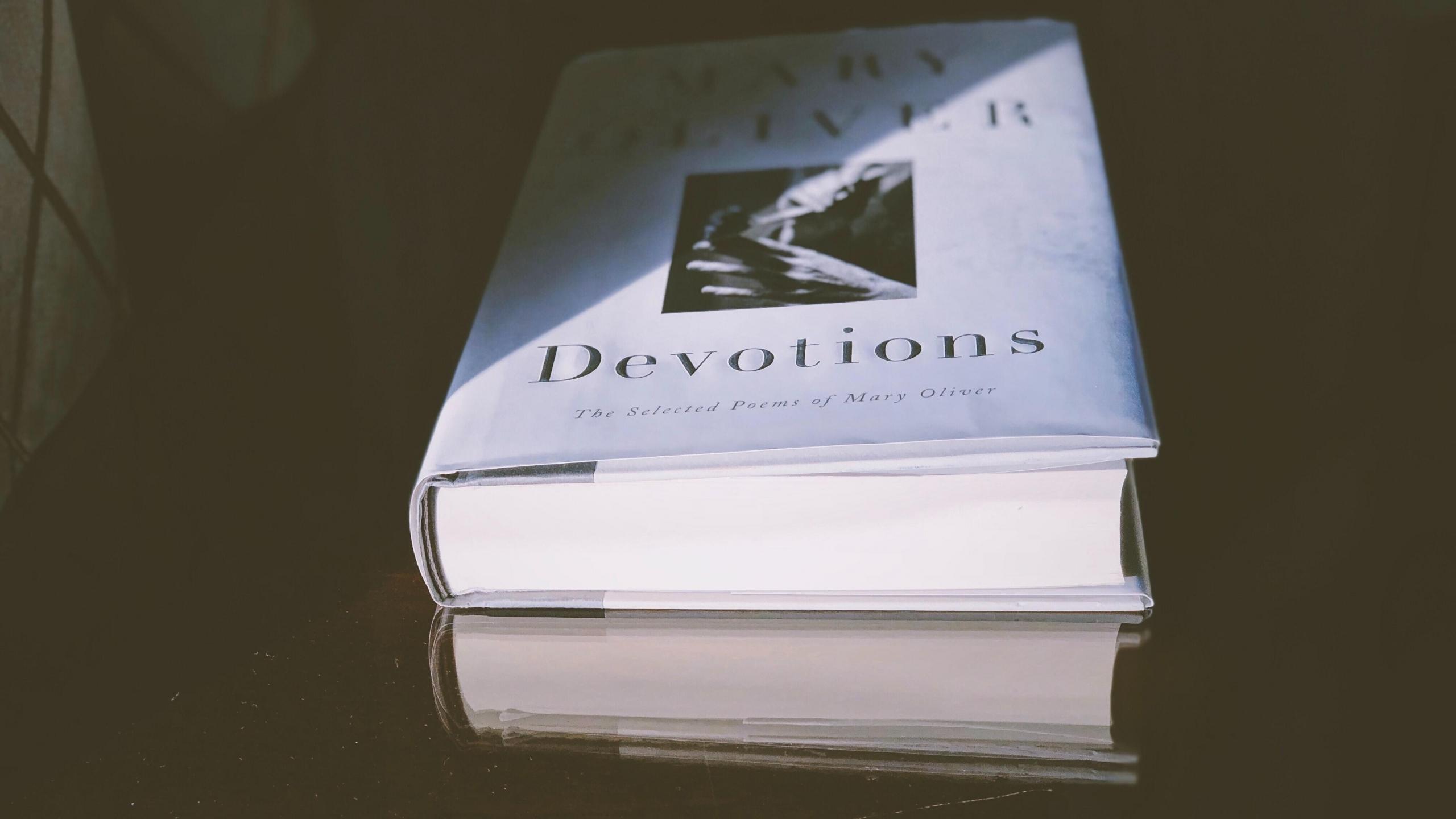
Apart from that, Oliver won many other reputed awards, such as the "National Book Award" for "New and Selected Poems" in 1992. Her poems were primarily motivated by nature. Also, her poetry was filled with symbolism and imaging from her routine walks close to home.
When it's over, I don't want to wonder if I have made of my life something particular, and real. I don't want to find myself sighing and frightened or full or argument. I don't want to end up simply having visited this world.
Mary Oliver, When Death Comes
This is the reason she has been portrayed as the unflagging guide to "nature," especially to its hardly known aspects. Because of Oliver's affinity for inner monologues and solitude, she is matched with Emily Dickinson. Something about these storied poets gives them a knack for appealing to the senses of the reader, transporting them right to the scene of the poem and inside the mind of the poet.
17. Joy Harjo
It’s rare that you come across a jack of all trades that is a true master of one. Joy Harjo, born in Oklahoma in 1951, is the next mention on our list of the most famous female poets, while also having found the time to be a musician and activist. She's every literature student's dream, as she gives you endless material to write about in your essays!
Joy Harjo is recognized as the Native American Poet who climbed her way through the writing community with her unique fusion of poetry and music.
She used this engaging medium to confront the issue of invisibility in society through her artistic expressions like her poem "An American Sunrise." In contrast to the acoustic qualities of her work, she delves into themes of suffering and recovery from trauma, inspired by native stories surrounding ancestral bonds and connections to the land she calls home. It’s certainly a tall task standing out from such elite company. Well, at the age of 40, Harjo took up the saxophone and began combining spoken word with music elements in a harmonious blend that only added to the accessibility of her work.
18. Elizabeth Bishop
This next poet is one that finds herself on the English curriculum of schools and colleges all across the world. This is a true testiment to her storytelling capabilites with such few words. Elizabeth Bishop was born in Massachusetts in 1911. Her childhood was far from being happy as she lost her father when she was only eight months old, and her mom subsequently lost her mind.
Part of Bishop's allure can be attributed to her selective publishing approach coupled with her unique voice.
We only saw five books throughout her lifetime, throughout which her understated style, keen observational skills, and ability to explore complex themes through subtle imagery captured readers and left future generations of poets inspired to further their craft.

Bishop did not publish much of her work, but when she did, her famous poetry won her immediate success.
Lose something every day. Accept the fluster of lost door keys, the hour badly spend. The art of losing isn't hard to master.
Elizabeth Bishop, One Art
From 1946 and the publication of her first poetry book North & South, she won her fair share of awards and became the archetype of the traveling writer. Her work has been greatly influenced by her journeys.
19. Phillis Wheatley
This next poet really came from the most unfavorable conditions to being one of the greatest literary figures of all time, regardless of gender. Born in 1753 in West Africa, Phillis Wheatley was sold as a slave. In 1761, she was taken to Boston on a ship named "the Phillis" and was then sold to an affluent Boston merchant, John Wheatley.

Wheatley was just 13-years-old when she began writing poems, and by 14, her poetry made way to different periodicals and newspapers in Britain and the US.
In 1773, her first collection of poems was published in London, making her the first African American to publish poems.
Her works were praised by many reputed figures, including Benjamin Franklin and George Washington.
A few of her famous works include "Poems on Various Subjects, Religious and Moral," "Poems of Phillis Wheatley," "Being Brought from Africa to America - The Best of Phillis Wheatley," and "America's First Black Poet: A Biographical Sketch of Phillis Wheatley." She was ultimately emancipated. However, Wheatley struggled hard because of poverty and eventually died at the early age of 31.
20. Li Qingzhao
The flowers have fallen, the water flows on
Li Qingzhao, Like a Dream
Unfortunately, Li Qingzhao is a name that’s less recognized than many of the other poets featured across our list. But make no mistake, this is more to do with her coming from all the way back in the Song Dynasty, which is not just quite the distance in terms of time, but also geographically!
Despite this, she is still largely considered by those who truly know their stuff as one of the greatest female poets in Chinese history.
When it comes to the poems of hers that you’ll want to circle for when you get around to diving into her work, Drunk in the Flower’s Shadow, Like a Dream, and To the Tune of Fisherman’s Pride, are all must-reads!
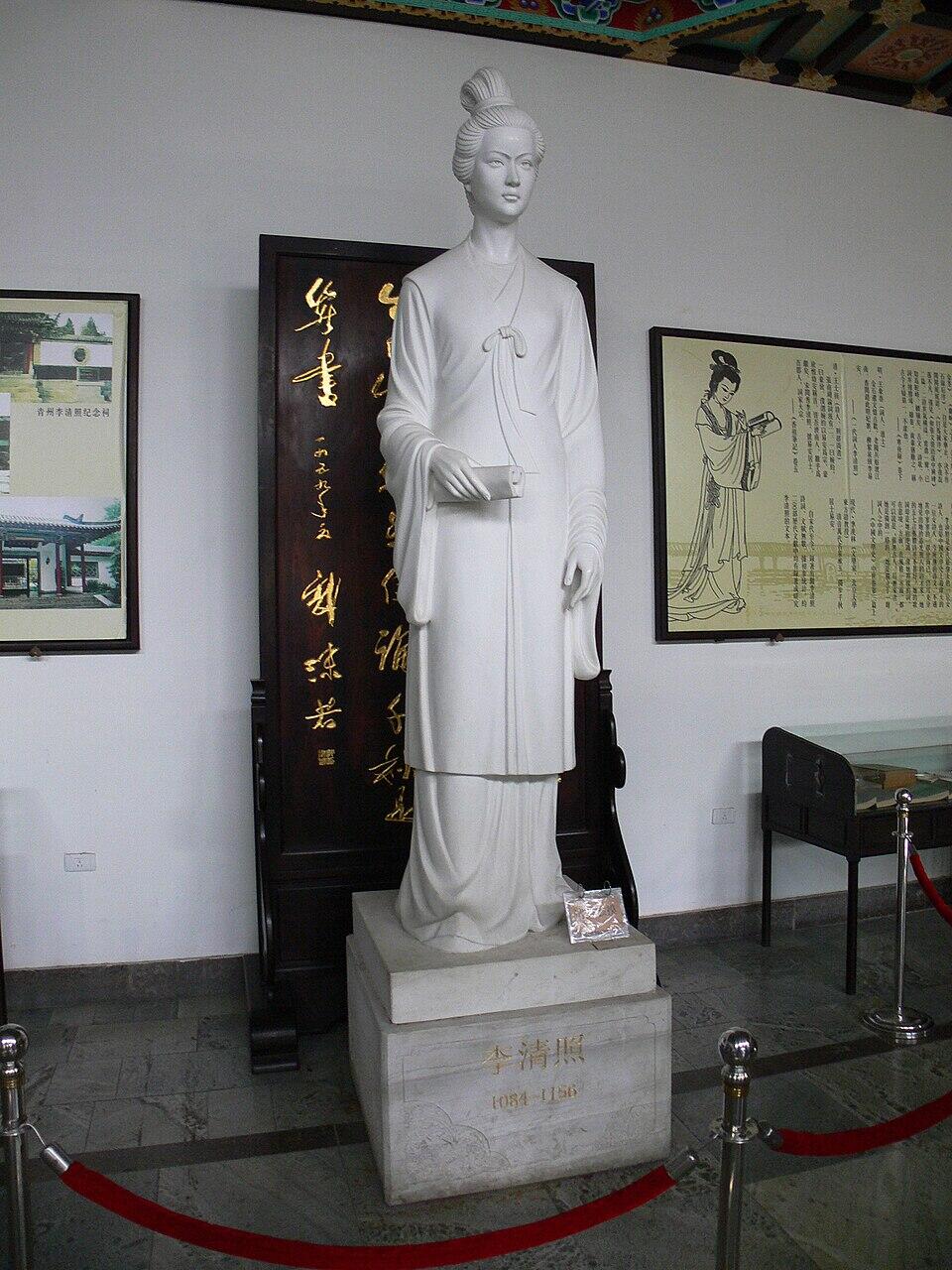
You won’t find many poets that can rival the emotional depth of her writing, which actually starts to become increasingly melancholic after the death of her husband and the upheaval caused by war at the time. Her work is a masterclass in poetry as well as a history lesson all wrapped up into one!
Learn How to Write Poetry with Superprof
Eager to start your journey toward becoming a distinguished poet? Look no further than Superprof and our team of expert poetry tutors, providing tailored poetry lessons designed to elevate your mastery of the poetic craft. Embark on the opportunity to gain wisdom from experienced mentors who are adept at inspiring, refining, and nurturing your distinctive voice. The route to poetic excellence beckons, and with Superprof serving as your trusted source, you can unleash the latent poetic genius within, adding your unique voice to the ongoing tapestry of female literary brilliance.
Summarize with AI:
Did you like this article? Leave a rating!


 Loading...
Best Woman Poet by far is Edna St. Vincent Millay — Renascence
Thank you for this.. 3:34 in the morning not feeling well.. yet I’m sitting and smiling in happiness and …? gratitude for this all I’ve just read.. I agree. I was expecting to see her name too!
Thank you for the information on all the amazing poets
Loved reading their poems too.
Now I look forward to reading all their works.
I am looking for an old poem A Child’s Delight do not know author. I learned this poem in about 1962 and recited it to my children later in life and grandchildren. Thank you
Hello Kathy, thank you for your message! I don’t think we are familiar with that poem but maybe some of our tutors on the site know about it. You are able to reach out them easily through our platform.
Please don’t forget Sara Teasdale
Very nice overview
Very nice overview. Very helpful.
Thank you for the positive feedback! 😄 We’re happy you enjoyed the article!
Thank you for this.. 3:34 in the morning not feeling well.. yet I’m sitting and smiling in happiness and …? gratitude for this all I’ve just read..