

History is not a burden on the memory but an illumination of the soul.
Lord Acton, historian and moral thinker
History isn't really a single subject, despite how we often study it. It's a collection of approaches to understanding societies, ideas, and cultures over time. History can be divided into chronological periods or into specialized fields, such as art. Here, we'll look at some of the most common historical periods studied and the specializations.





Chronological Divisions of History
To keep it simple, we will only look at the main groups of history: Ancient, Postclassical, and Modern. Consider checking out this world history crash course before we look at the chronological divisions of history. Naturally, historians will further subclassify these, but these are the main ones.
Historians commonly divide history into chronological periods and specialized fields to make the study of the past clearer and more manageable. Chronological history focuses on time periods such as Ancient, Medieval, and Modern history, while specialized fields examine specific aspects of human societies, including politics, economics, social life, and culture. Using these divisions helps historians organise evidence, compare historical events, and build clearer narratives about how societies change over time.
Ancient History
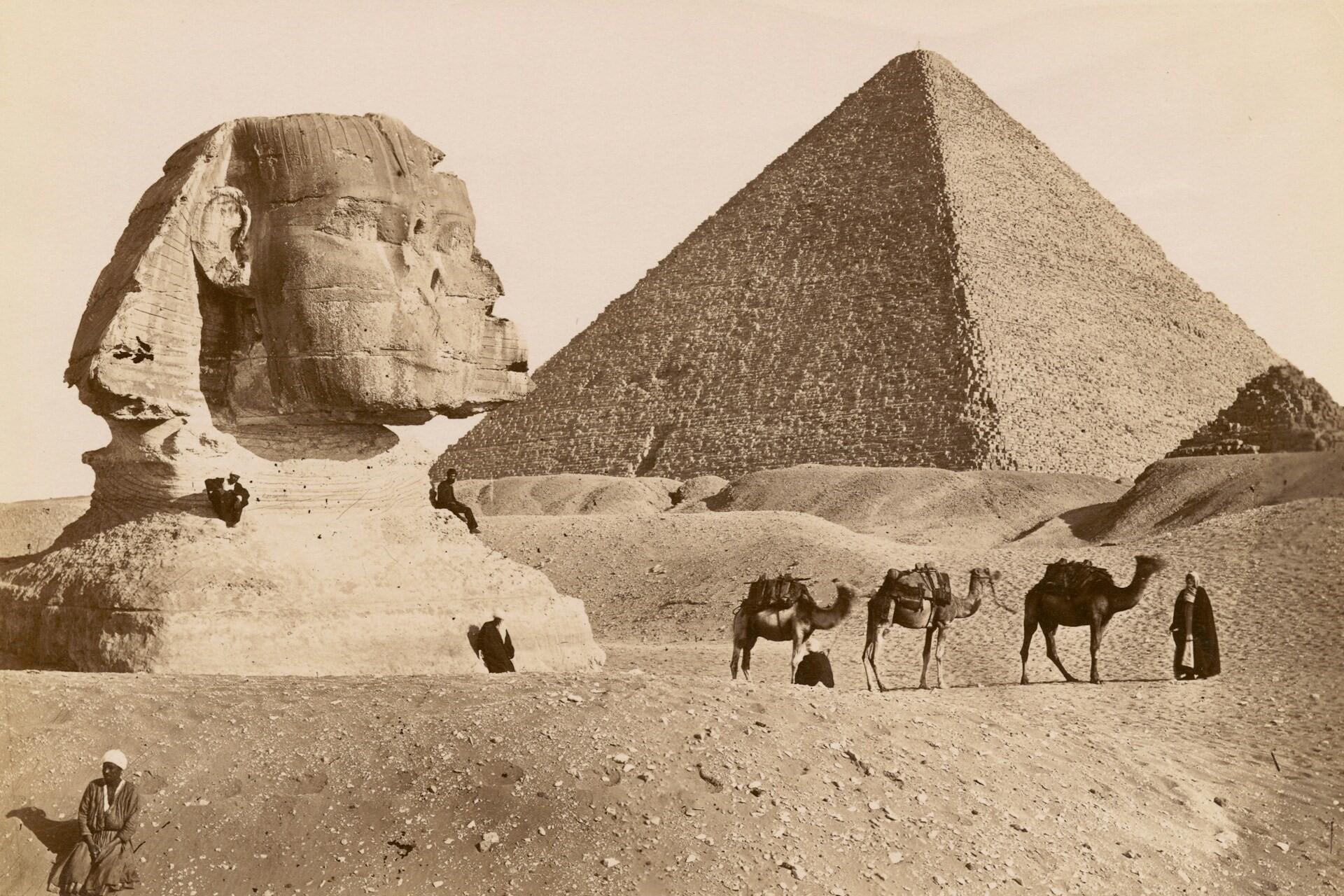
The History of humanity starts when the first civilization emerged, and historians defined everything that came before as prehistory. Commonly, Ancient history is accepted to begin around 3000BCE with the appearance of the early writing system in Mesopotamia. It extends up until the 6th century CE when the Western Roman Empire collapsed following a succession of invasions and the death of the last Roman Emperor, Romulus Augustulus.
Archaeology has been at the center of any research regarding Ancient History. It has played a huge part in our knowledge of early civilizations, from the excavation of the Terracotta Army of the First Qin Emperor in ancient China to the exploration of the Mayan Pyramids in South America.
Even though, most of our current knowledge of Ancient time events relies on the writings and accounts of antiquity historians (Herodotus, Thucydides, Arrian, Plutarch, Polybius, Sima Qian, Sallust, Livy, Josephus, Suetonius, and Tacitus), those records were often produced decades if not centuries after the events they described occurred and they are always to take with some precautions. If you want to learn more, finding history lessons near you could be a great solution.
Medieval History
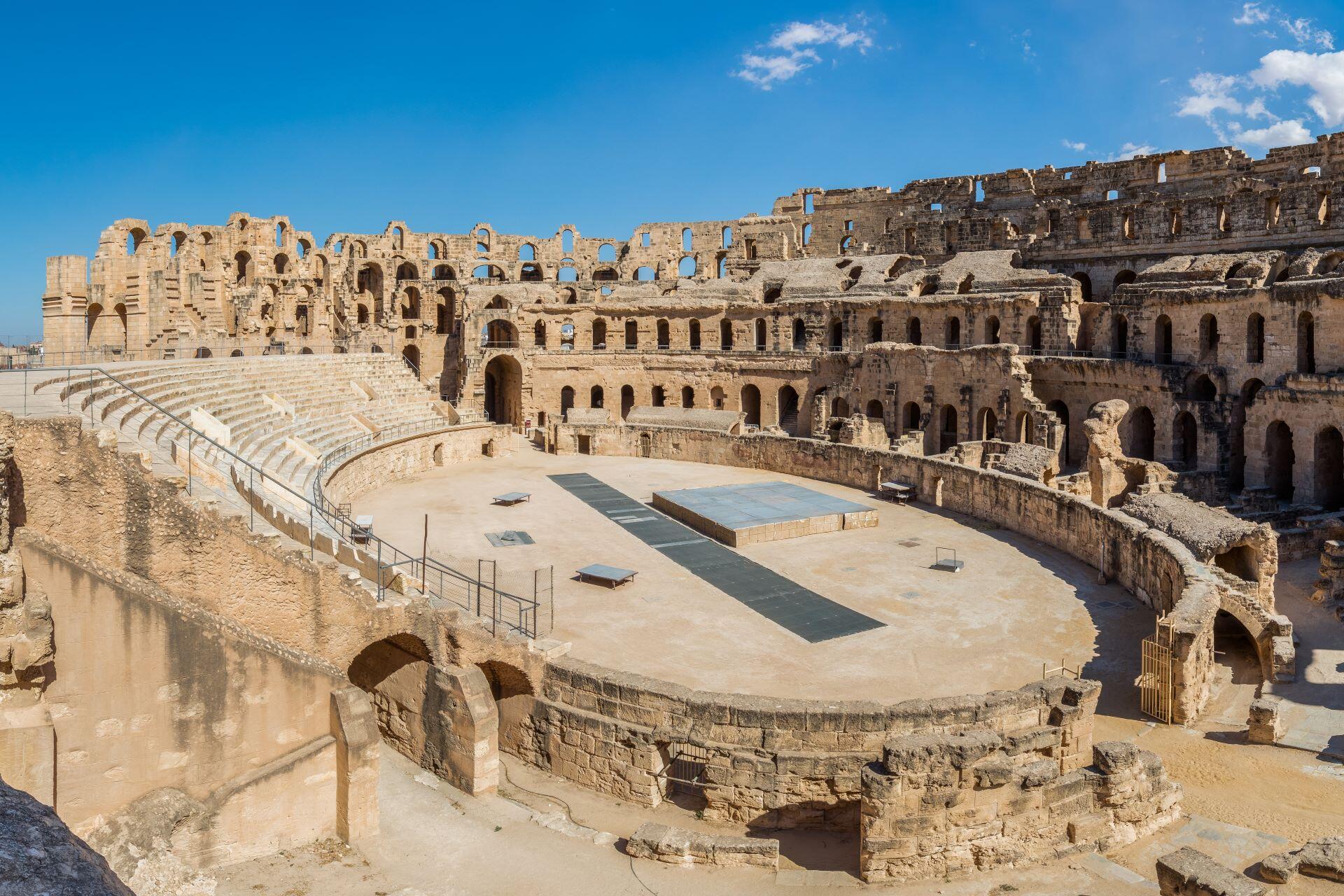
Whereas Ancient History ends in 500CE, Modern History begins around 1500, depending on the geographic region you are studying. So what happened during those roughly 1,000 years? Those ten centuries of history are known as the Middle Ages or Medieval times. In Western and Central Europe, this era began with the collapse of the Roman Empire, but it is not the same in all parts of the world.
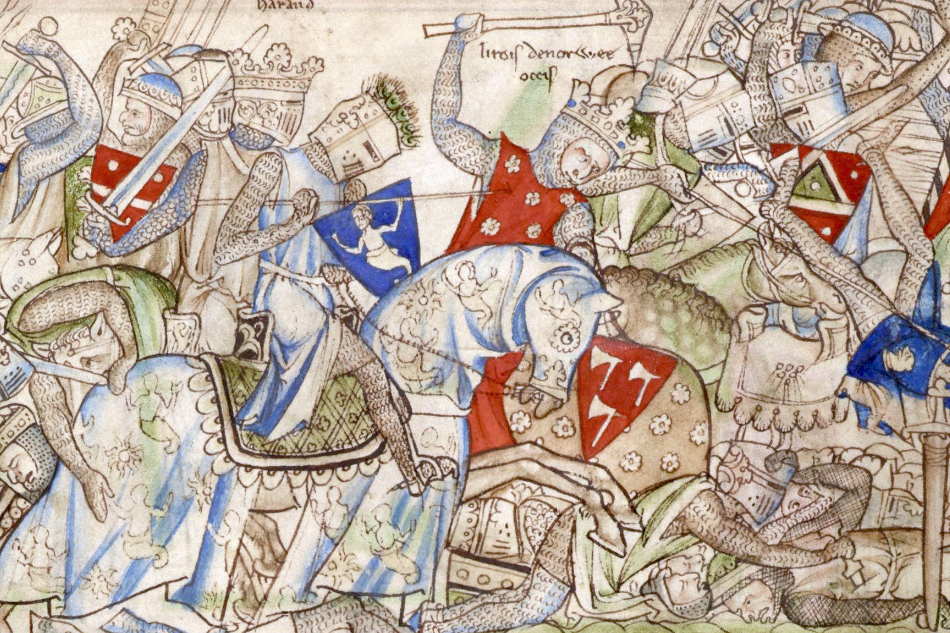
For Scandinavia including current Denmark, Finland and Norway, the Medieval times is often assimilated to the Age of the Vikings, beginning in 793 with the first ever recorded Viking invasion in England and lasted until the failed invasion attempted by the Norwegian king Harald III (Haraldr Harðráði), who was defeated by Saxon King Harold Godwinson in 1066 at the Battle of Stamford Bridge; in Ireland. The same year, William the Conqueror, Duke of Normandy and descendant of Vikings himself, defeated Harold Godwinson and became King of England.
In the East, Japan's medieval period is commonly accepted to have started with the Nara period (when Empress Genmei established the capital at Heijō-kyō) in 709 and ended with the last battle of Sekigahara in 1600, when Tokugawa and his allies defeated the Toyotomi regime and unified the country.
At the same time on the continent, China's historical periods did not follow the same pattern: the Imperial Era began in 221 with the Qin dynasty and ended only with the Qing Emperor in 1911. In the Middle East and North Africa, as well as the Iberian Peninsula, the Medieval period was marked by the rise of Islam and the creation of powerful Empires.
As studying and following history courses require a lot of critical thinking and research skills, many university alumni who graduated from a scholarly institution with a degree in History turn to the law after completing their undergraduate studies and become lawyers.
Modern History
The Middle Ages slowly faded in Europe as the Renaissance was making its way to a full-blown social, religious, and economic change. Even though the Renaissance movement started in Italy around the 13th century, with the rediscovery of ancient philosophers and the contact with the scientific knowledge of the Middle East, Medieval History only ended around the year 1500, following a few major events:
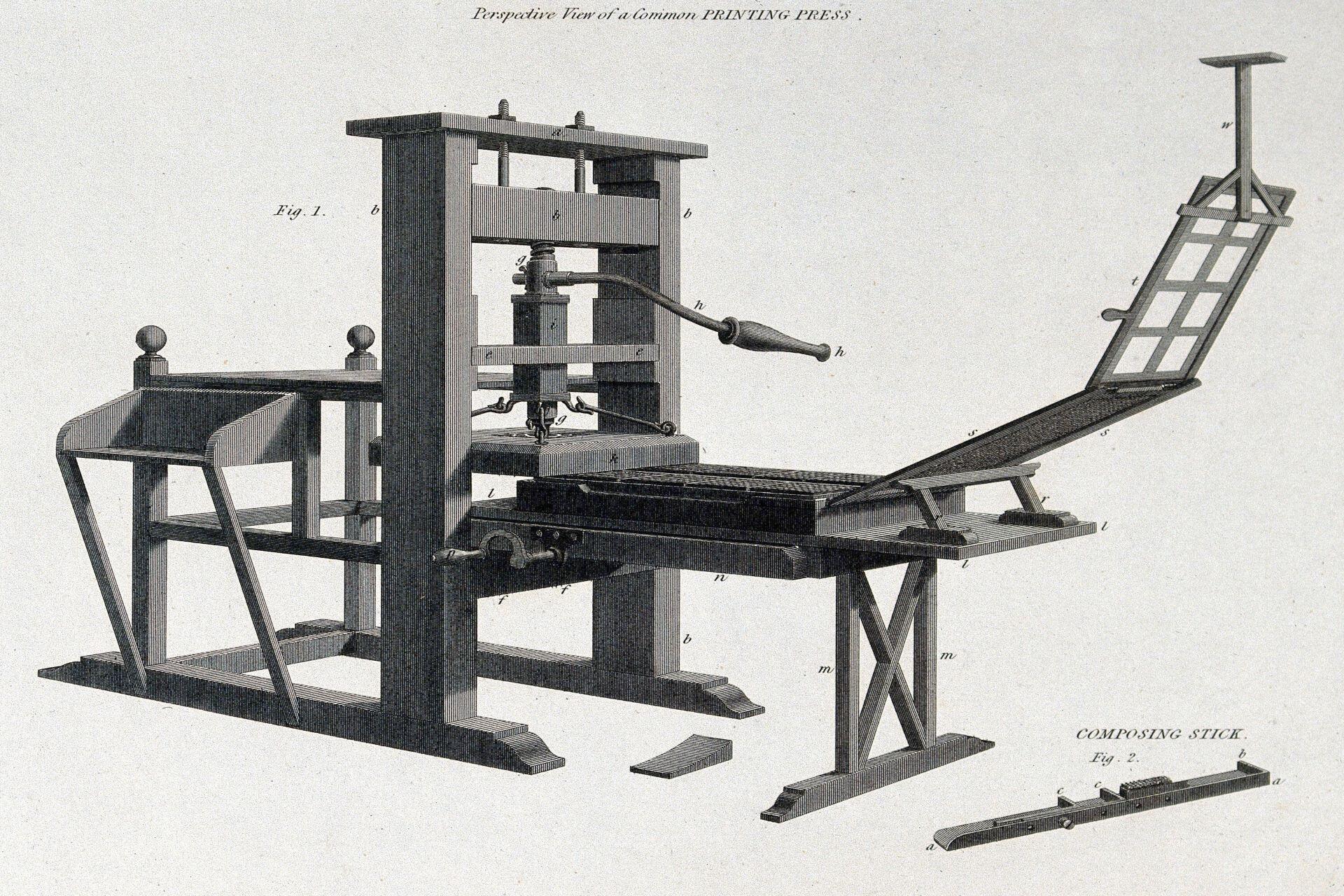
- The invention of the printing press by Gutenberg in 1439
- The discovery of the Americas by Christopher Columbus in 1492.
- The globalization of the world and the acceleration of the exchange of ideas, goods, and money through Europe, the Middle East, and Asia.
Academics commonly split Modern History into two periods, Early Modern History and Late Modern History. For students who have successfully passed the admission stage in their undergraduate degree, Modern History will probably be studied over more than one semester along with other humanities disciplines, some electives, and some mandatory. Discover the cost of history tuition here.
Early Modern History includes:
- The Renaissance, marked by a new school of thought, Humanism, and the rediscovery of classical Greek philosophy
- The Reformation (the split in Western Christianity launched by Martin Luther and sustained by Huldrych Zwingli, John Calvin, and other Protestant Reformers in 16th-century Europe)
- The Counter-Reformation was the Catholic resurgence launched in response to the Protestant Reformation, starting with the Council of Trent (1545–1563) and ending at the end of the Thirty Years' War (1648). It was initiated to protect the power, influence, and wealth held by the Catholic Church.
- The Age of Discovery, spanning from the 15th century until the end of the 18th century, was marked by extensive overseas exploration, which led to profound changes in European diplomacy and the inception of globalization.
- The Rise of capitalism, based on the private ownership of the means of production and their operation for profit.
- The Golden Age of Piracy, which spans from the 1650s to the late 1720s and includes three separate upheavals of piracy:
- The buccaneering period of approximately 1650 to 1680, characterized by French and English sailors based in Tortuga and Jamaica, and targeting Spanish ships and colonies throughout the Caribbean
- The Pirate Round of the 1690s, marked by long-distance cross-sea voyages from the Americas to rob Muslim and East India Company possessions in the Indian Ocean and the Red Sea
- The post-Spanish Succession period, from 1716 to 1726, was a time when English and American seamen and privateers turned to piracy after the end of the Spanish Succession war and roamed the Caribbean, the North American Eastern Coasts, the West African seaboard, and the Indian Ocean.
History is such a vast and interesting subject that most universities and schools offer the possibility of pursuing a History degree or studying history as part of an interdisciplinary Bachelor of Arts degree, for example. You could even look past your graduation and continue on to get a doctoral degree in History. Check the different types of history to study here.
Commonly accepted to start at the end of the 18th century and was marked by major events such as:
- The American Revolution ended the British Crown's dominion over its American colonies.
- The French Revolution, which ended with the abolition of the monarchy and initiated a democratic system of government.
- The Colonization of Australia, driven by the need to address overpopulation in the British prison system, and the fact that the British Crown had lost the Thirteen Colonies of America in the American Revolution.
- The Revolutions of 1848 were a series of political upheavals across Europe in 1848 (France, Italy, Denmark, Germany, Sweden, Belgium, Switzerland, and Ireland were all affected). It remains the most widespread revolutionary wave in European history.
- The Russian Revolution, which was not one but two revolutions in Russia in 1917, struck down the Tsarist absolutism and led to the rise of the Soviet Union. The Russian Empire fell with the abdication of Emperor Nicholas II.
- The First World War and the Second World War, from 1914 to 1918 and 1939 to 1945, involved all the main powers of the time and almost all countries on the planet. Those two conflicts resulted in the death of tens of millions of soldiers and civilians and changed the world order forever.
If you study civilization and societies, your time in the classroom will primarily focus on historical research and analytical and critical thinking, with research skills required for journalism or a career in sociology. Why not hire a history tutor?
Specialized Fields of Historical Study
In addition to studying history by time period, some historians choose to specialise in specific dimensions or lenses through which to view history. These can be politics, culture, economics, or even sociology. With these, we can see history in a new light, not just when something happens, but the context and activity that led to events, allowing us to better understand them.
Chronological History
- Ancient History
- Medieval History
- Modern History
- Focuses on time periods
- Helps students understand sequence and change over time
Specialized Fields of History
- Political History
- Economic History
- Social History
- Cultural History
- Focuses on themes and human experience
Historians study the past using a wide range of sources, including written records, material evidence, artworks, and oral testimony. Primary sources, such as letters, laws, and official documents, provide direct evidence from a specific time period, while secondary sources analyse and interpret these materials. Different historical fields use different methods, but all rely on careful research, critical thinking, and source evaluation to understand how people lived and how historical events shaped societies.
Political History
Political history is one of the older and more established fields of historical study. Political history focuses on power, government, and decision-making over time. Historians examine political institutions, laws, leadership, and major events, including war, revolutions, and diplomatic change. Primary sources such as official documents, speeches, and correspondence are used to reconstruct how states functioned and how people's lives were shaped by them. Early political history tends to focus more on rulers and military conflict, but modern political history tends to include more about women, voters, and social movements. Check out the cost of private history tuition on Superprof.
Economic History
With economic history, historians study how societies produce, distribute, and consume resources over different periods of time. Using tax records, wages, prices, and business accounts, historians can use this evidence to explain economic change over time. From ancient economies based on agriculture to modern industrial and global systems, economic history helps students see how wealth, inequality, and economic power can influence social structures and political decisions in certain places at certain times.
Social History
Social history focuses on ordinary people over political leaders or elites. Social historians look at how humans lived, worked, and interacted within families, communities, and social groups over time. This branch of history examines topics like class, gender, education, religion, and daily life, with common areas of focus including the roles of women and marginalized groups that are often overlooked in other branches of history. It also often uses diverse sources, such as letters, diaries, census records, and oral evidence, to build richer narratives about the past and these groups.
Cultural History
Cultural history focuses on the ways people express meaning through art, language, beliefs, customs, and traditions. In this field, cultural practices like literature, music, religion, and visual art are used to explain how societies form identities and values. For this branch, historians study artworks, texts, rituals, and popular media, analyzing cultural narratives from ancient civilizations to the modern era. Cultural history focuses more on ideas than major events.
Another sub-category of cultural history is the History of Art. While the main focus of Historians has mostly been to study and analyze historical, religious, social, and political events through different periods, Art History has been focused on something different. Art Historians have been studying the visual, aural, and oral expression of humanity.
Scholars scrutinizing Art History have been trying to interpret visual art, music and fictional writings through a thorough investigation using different approaches and methodologies. Learn about the different jobs for history majors.
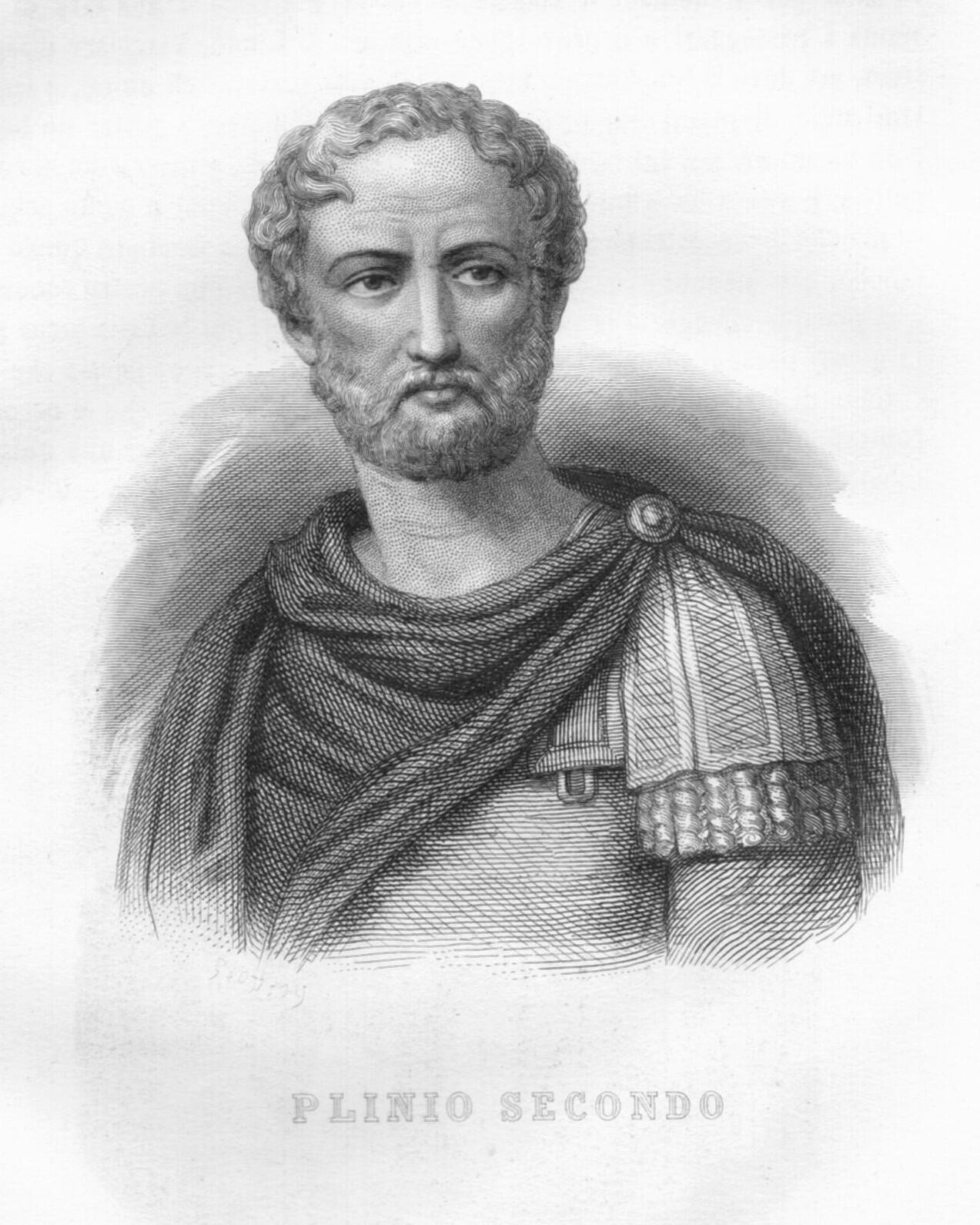
One of the earliest Art Historians we know of is Pliny the Elder, one of the most ancient historians.
During his time, he was considered one of the most famous Roman authors, naturalists, and natural philosophers. He even served as a naval and army commander in the early Roman Empire.
If you are studying liberal arts, it is very likely that your coursework and curriculum will include some Art History before you complete your degree programs. There are many more fields of History that one can spend their life studying, from Western civilization to Latin American History, African History, anthropology, American History, or even African American History. The different history degrees that you can earn are many, if not endless.
The Importance of Studying Various Types of History
History is an essential subject for students as it can help them develop a deeper understanding of how humans, societies, and ideas change over time. History can provide context for major events, with specialized fields offering different perspectives on the past. Combine the chronological context from the types of history we examined at the start of the article with the specialized lenses of the latter branches, and you have a contextual toolkit to help you better understand the world, its past, and the future.
Summarize with AI:
Enjoyed this article? Leave a rating!


 Loading...

