Based on the characters and world from the 1900 fairytale story by L. Frank Baum (and later the 1939 film), The Wizard of Oz, Wicked is a retelling of the classic tale from another angle. It explores the backstories of the witches in The Wizard of Oz, examining themes like friendship, politics, personal identity, and moral ambiguity. The subsequent Broadway musical Wicked is loosely based on the novel, and the recent films are based on the musical. Note that there are huge plot spoilers ahead, so be aware!
| Main Characters | Supporting Characters |
|---|---|
| Elphaba Thropp | Pfannee of Phan Hall |
| Galinda (Glinda) Upland | Shenshen Minkos |
| Fiyero Tigelaar | Boq Woodman |
| Nessarose Thropp | Dr. Dillamond |
| Madame Morrible | Governor Thropp |
| The Wizard | Chistery |



Wicked: Context and Backstory
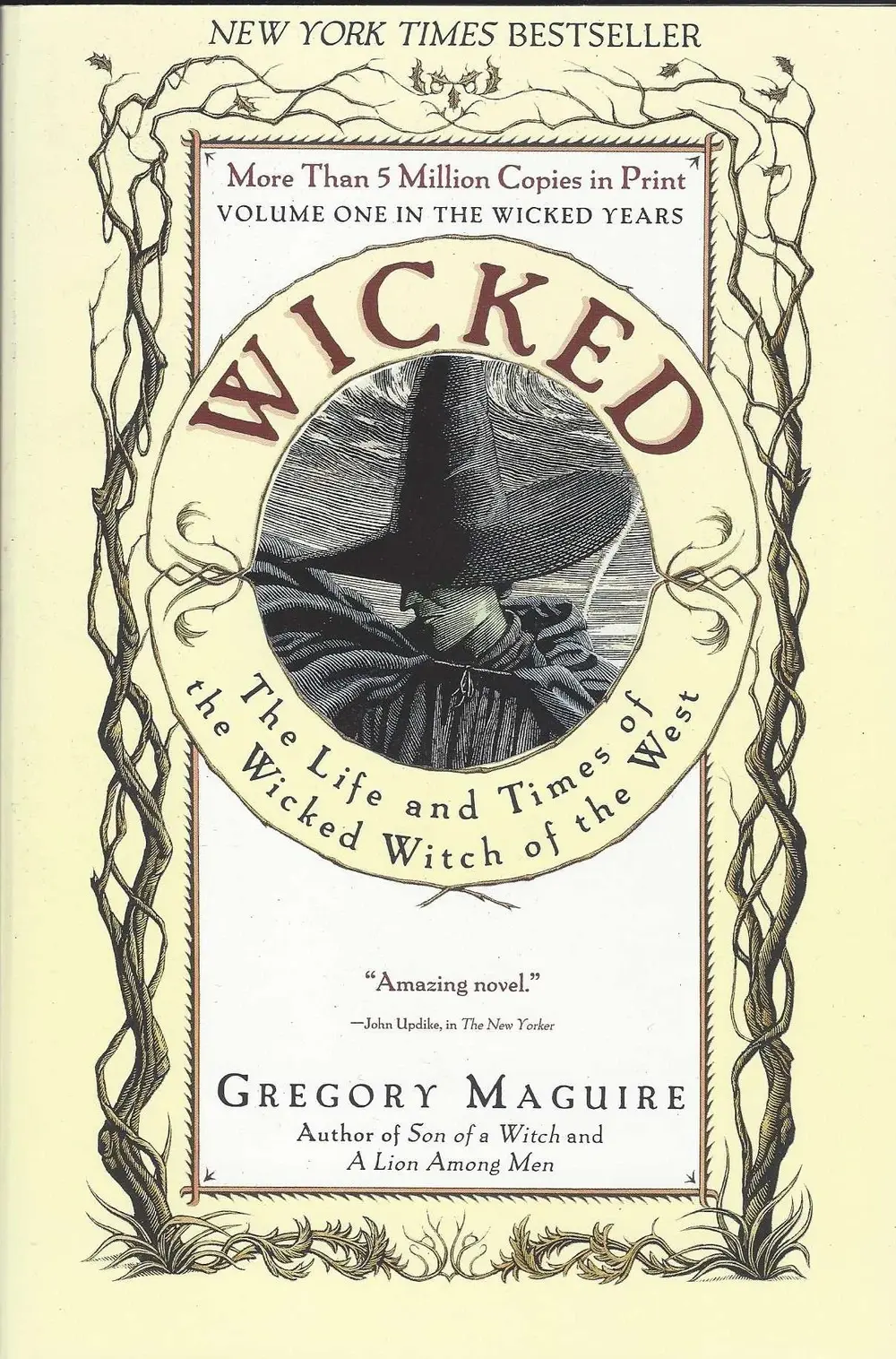
The musical and films titled Wicked are based on the 1995 novel written by Gregory Maguire, titled Wicked: The Life and Times of the Wicked Witch of the West. Maguire wrote the book to explore the idea of moral ambiguity framed in a classic tale, which initially presented characters as cut-and-dry “good” or “bad.”
Rather than stick with the idea that the Wicked Witch of the West was a simple villain for the sake of being evil, Gregory Maguire asked what her life might have been like before the start of the Wizard of Oz story and Dorothy’s arrival. What was her motivation for being wicked?
His goal was to challenge the idea of a fixed, black-and-white view of good and evil, and to show how society influences us to decide and apply these labels. Gregory Maguire’s Wicked asks readers to think about morality, ethics, and philosophy, examining Oz from a more nuanced perspective than the original fairytale.
Production History and Adaptation
The musical adaptation was created by composer Stephen Schwartz and writer Winnie Holzman. It focused more on the friendship and personal growth themes of the novel, while softening some of the darker elements and simplifying others (like Oz’s political structure). Still, the central message remained: people are shaped by the world and the life they live, and public stories rarely tell the whole truth.
The musical version of Wicked became an important part of musical culture for a few reasons. Most notably, the story, costumes, stagecraft, and songs appealed to a wide audience, garnering attention even from those who don’t typically engage with musical theater. Having complex female characters at the center of the story was also an important novel step in popular theater productions.
Wicked was nominated for 10 Tony Awards in 2004, ultimately winning 3 of them: Best Actress (Menzel), Best Scenic Design, and Best Costume Design.
After its 2003 Broadway production debut, Wicked became one of the highest-grossing shows in history. It has toured internationally, with major productions in London, Australia, Japan, and Germany. Its worldwide and long-running success means the show ranks among classics like The Phantom of the Opera and The Lion King.
The story has recently been adapted into a two-part film series directed by Jon M. Chu. Part One (Wicked: Part One) was released in 2024, covering Act I of the musical, while Part Two was recently released in 2025 (Wicked: For Good). Having the story spread over two films allows the plot to explore character development and world-building more fully than what was possible in a stage play.
Learn how to sing like the stars of Wicked with singing lessons online!
Main Plot of Wicked
The musical and film versions of Wicked are divided into two major acts, each showing a different stage in the characters’ lives. At the center of the story is a group of characters who begin their journeys as students at Shiz University.
Let’s explore the timeline of events as portrayed in the feature films Wicked: Part One and Wicked: For Good. In each medium (novel, musical, and movie), the timeline stays mostly the same, but there are small changes between adaptations. Here are the main plot points you need to know to follow the story:
Act I: Shiz University
Elphaba arrives at Shiz, intending to support her paraplegic sister, Nessarose, who is also enrolled at the school. Elphaba is immediately targeted by the students for ostracization because of her green skin, but is recognized as powerful by the headmistress, Madame Morrible.
Galinda and Elphaba meet and are assigned as roommates. They butt heads constantly. Galinda focuses on popularity, while Elphaba is a studious social outcast.
Prince Fiyero Tigelaar and Galinda meet, and it seems like they may become a couple. Galinda tells Boq to spend time with Nessarose, and because Boq has a crush on Galinda, he does what she says, which causes Nessarose to develop an attachment to Boq.
Eventually, Galinda and Elphaba start to develop a friendship and teach each other how to be more well-rounded. Galinda starts being more included in scholarly instruction with Morrible, along with Elphaba.
Dr. Dillamond, the goat professor, is forcibly removed from his position, alerting Elphaba and the other students to the sinister goings-on in Oz. Elphaba and Fiyero rescue a trapped lion cub from the replacement teacher.
Galinda changes her name to Glinda in a performative, yet well-meaning, gesture to support Dr. Dillamond, who used to mispronounce her name that way.
Elphaba and Glinda go with Madame Morrible to visit the Wizard. Elphaba is tricked into casting a spell from the Grimmerie on Chistery, painfully turning him into a flying monkey. She realizes the Wizard has no real power and that he and Morrible are manipulating her as well as all of Oz, ruling through fear and propaganda. She abjures the two and refuses to cooperate.
Elphaba realizes her true inner strength and capabilities, and runs away from Oz after a heartfelt goodbye with Glinda, who stays behind.
Morrible makes an Oz-wide announcement, labeling Elphaba as “wicked” and turning the populace against her. She also labels Glinda as the “Good Witch,” forcing her into a public-facing, controlled role.
Act II: Fallout
Five years have passed. Elphaba is living as a fugitive, devising a plan to rescue all of the Animals in Oz.
Glinda and Fiyero are engaged. Glinda struggles with her role as Good Witch because of the pressure from Morrible and the Wizard, who she knows are wrong, but she doesn’t know what to do about it. She also enjoys the comfort of her position, knowing that to denounce it would flip her life upside down.
Elphaba returns to Oz to try to get help from her father, but learns that he has died, leaving Nessarose as the Governess of Munchkinland. Elphaba gives Nessarose the enchanted silver shoes. Nessarose tries to use a spell to make Boq love her, but accidentally shrinks his heart instead. Elphaba turns him into the Tin Man to save his life, but is blamed for the entire incident. Elphaba is nearly captured by the Ozian guard, but Fiyero, the Captain, helps her escape (and abandons Glinda). They run away together and become lovers.
Glinda tries to be helpful by telling Madame Morrible to threaten Nessarose in order to draw Elphaba back out of hiding. Madame Morrible takes the scheme further than Glinda intended, killing Nessarose by dropping Dorothy’s house on her.
Elphaba rushes to the scene and finds that Glinda has given Dorothy Nessarose’s slippers and sent her on a journey to Oz. The two witches fight, and Elphaba is nearly captured, but again escapes with Fiyero’s help. Fiyero is instead captured and strung up in a cornfield.
From afar, Elphaba casts a spell to save Fiyero’s life, unintentionally turning him into the Scarecrow.
Glinda confronts Morrible about killing Nessarose, finally realizing just how evil the former headmistress is. Glinda rushes to find Elphaba and warn her about further danger, only to find Dorothy captured by Elphaba, who is demanding the shoes back. Dorothy throws water on Elphaba, who appears to melt into the floor.
Glinda reports to the Wizard that Elphaba is dead, and she discovers that the Wizard was actually Elphaba’s real father all along. Glinda banishes him and Morrible from Oz and creates laws to free the Animals, achieving Elphaba’s goal.
Elphaba, who had actually faked her death by escaping through a trap door, and Fiyero run away from Oz together.
Main Characters in Wicked
In Wicked, the main cast differs from the one found in The Wizard of Oz. The characters we already know are shown in a completely different light. New characters are shown to be important for all of Oz, giving us new insights into the land and its politics.
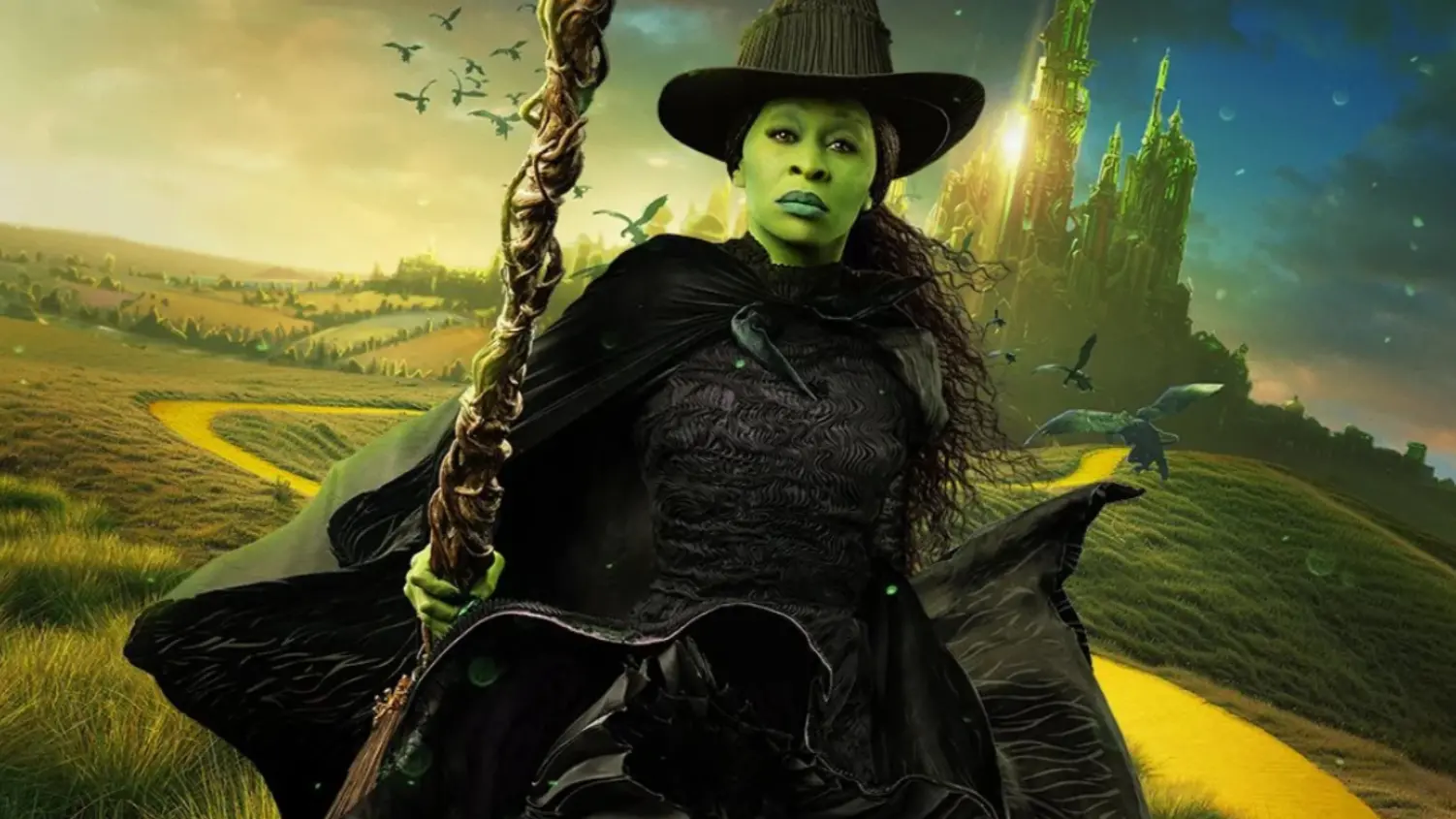
Elphaba Thropp: The Wicked Witch of the West
The central figure is Elphaba, whose story we are reexamining through a different lens. Her defining trait (green skin) marked her as an outsider, causing everyone from her parents to her schoolmates and those in power to fear and judge her and use her as a scapegoat. She has a lot of innate power, which both scares others and makes them want to control her to use her power for their own intentions.
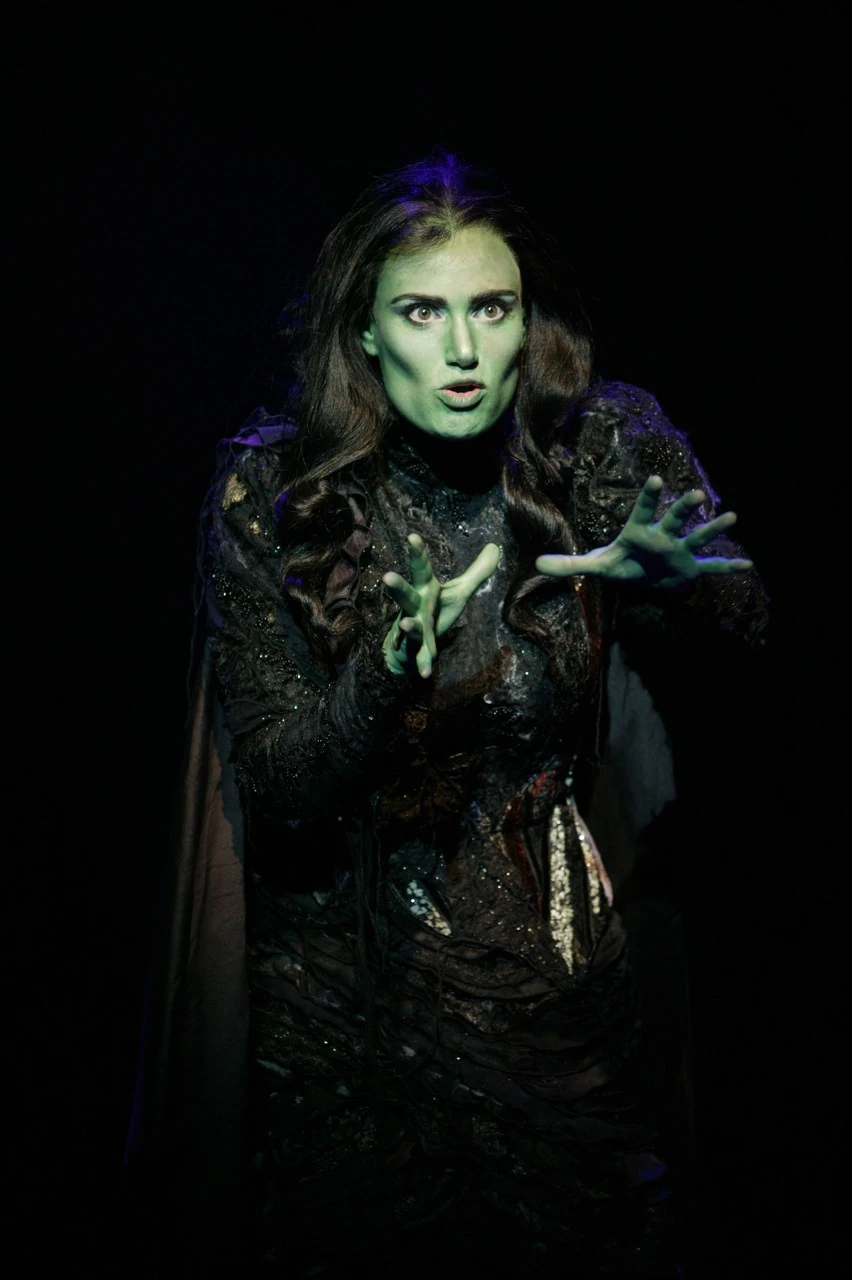
In Gregory Maguire’s novel, her story is more political and darker. In the Schwartz and Holzmann musical as well as the Chu film, she is presented with a clearer moral focus, with empathy and justice being the centerpoints of her characterization.
She is labelled as “wicked” when she refuses to support the Wizard in his cruelty against animals and fear-based control of Oz.
Her journey demonstrates how outside narratives can distort the truth, influencing individuals’ beliefs about many things.
In Gregory Maguire’s novel, Elphaba perishes by the end of the story (though by fire rather than water), like in The Wizard of Oz. In the stage play and movie, it's revealed she faked her death by water.
Galinda (Glinda) Upland: The Good Witch
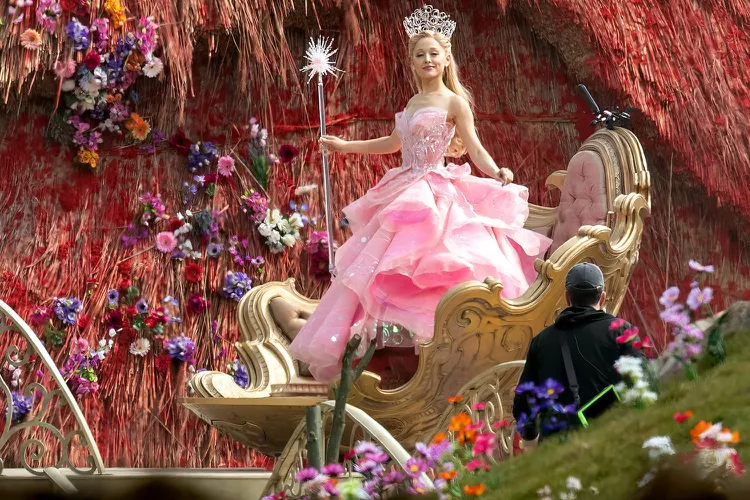
Glinda starts out as a shallow, privileged student. While she lacks magical power, she is highly adept at socializing, making her very popular. Glinda’s arc is a direct contrast to Elphaba’s; the person we were told is all-good is actually very nuanced and flawed, not benevolent, but not “evil” either. Elphaba and Glinda learn a lot from each other since they are so opposite, ultimately becoming better versions of themselves with the insights granted by their relationship.
Glinda’s development is one of the most emotional arcs in the story.
She grows from a somewhat clueless, self-focused student into a leader burdened by responsibility.
She ultimately needs to make the choice between living a comfortable life and standing up for justice.
Glinda also suffers from the manipulation and labeling by Madame Morrible and the Wizard, just in the opposite way Elphaba was.
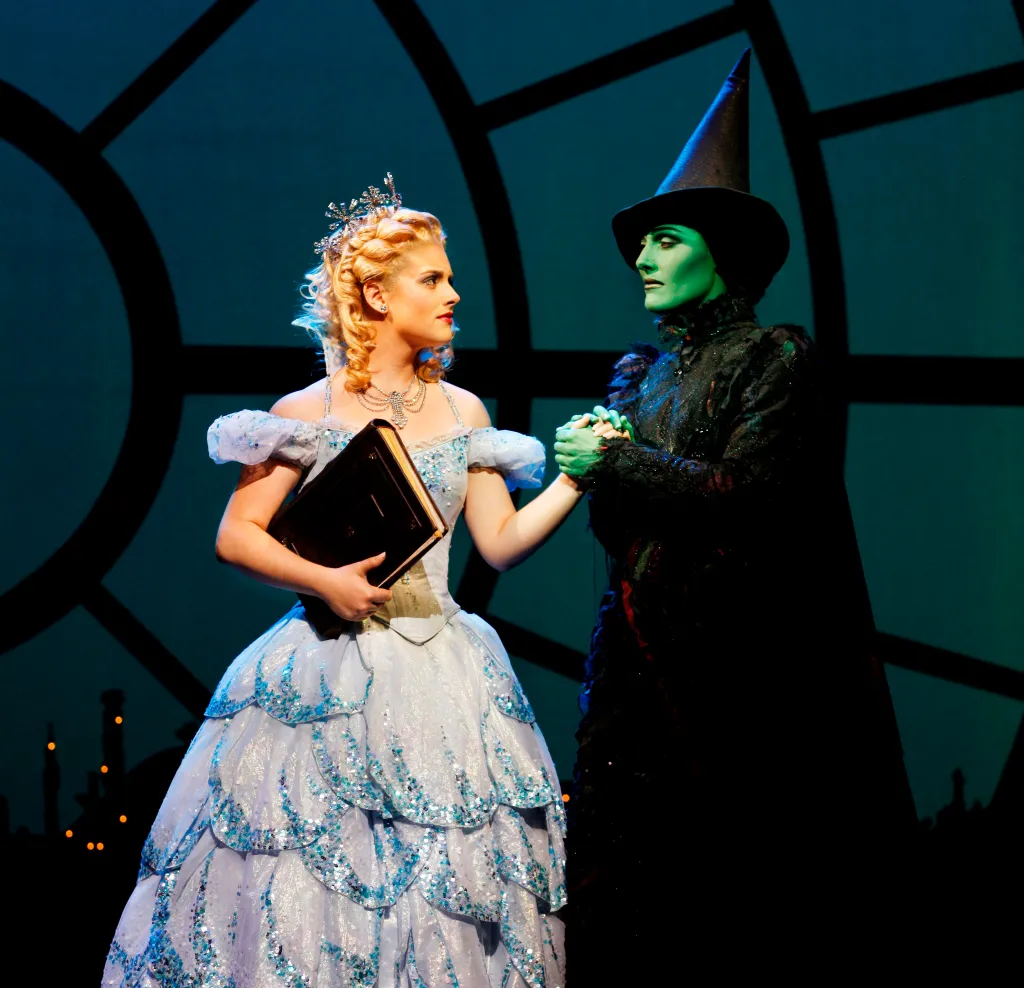
In the novel, she, too, is more political. The musical and film make her more sympathetic and relatable. In the book, she ends up as the new leader of Oz, her friends all gone.
Are people born wicked? Or do they have wickedness thrust upon them?
Glinda
Fiyero Tigelaar: The Royal Prince
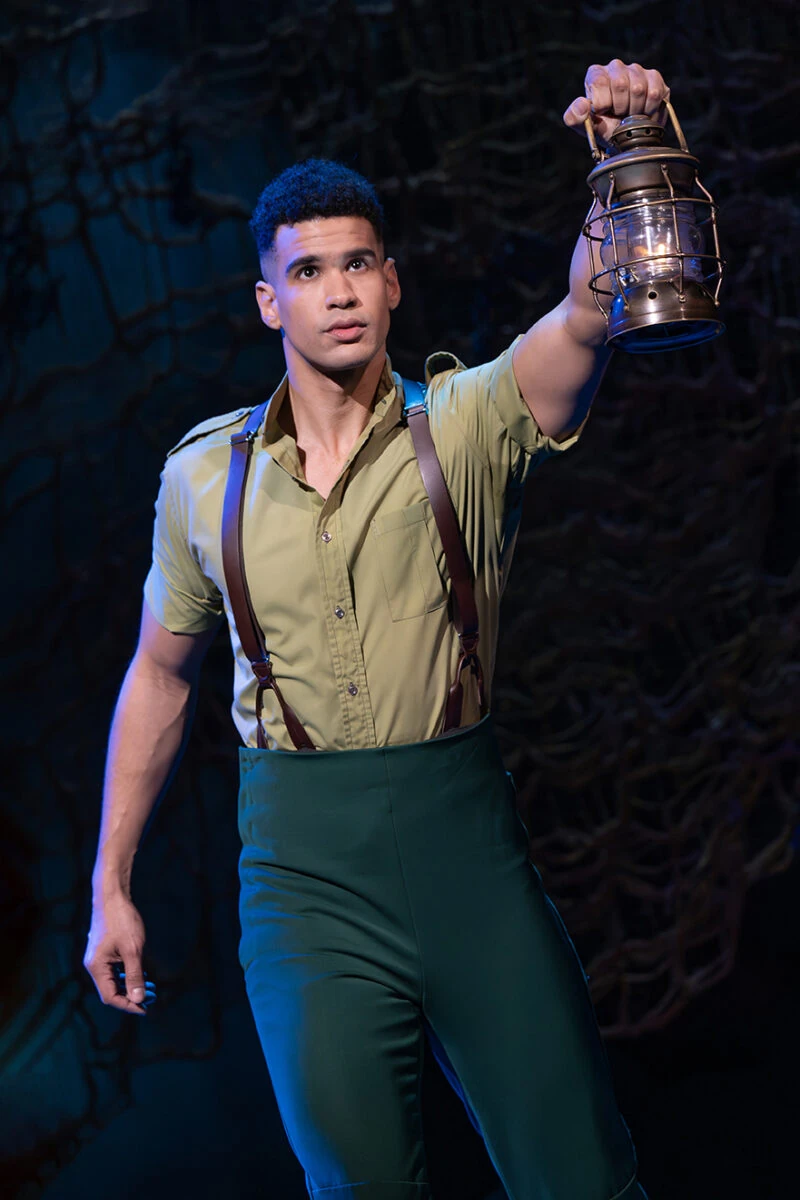
Fiyero is a carefree, wealthy prince who believes in living without much worry. He is popular and relaxed, similar to Glinda, making him stand out among the students at Shiz University.
Like Glinda, he, too, develops more awareness and self-reflection over time, influenced by Elphaba’s direct and compassionate nature.
The book gives Fiyero a more complex political role, and his story ends with death. The musical strengthens his connection to Elphaba.
His transformation into the Scarecrow is unique to the musical and film, creating a satisfactory arc representing sacrifice, survival, and enduring loyalty.
The Wizard of Oz
In the musical, the Wizard is similar to the version we see in The Wizard of Oz. He appears charming at first, but then is revealed to be ordinary, with no magic, and morally weak.
Then we find out more: he manipulates Oz through fear, misinformation, and propaganda, hiding his true nature and maintaining his image at the expense of others.
In the book, the character is portrayed with a more sinister side.
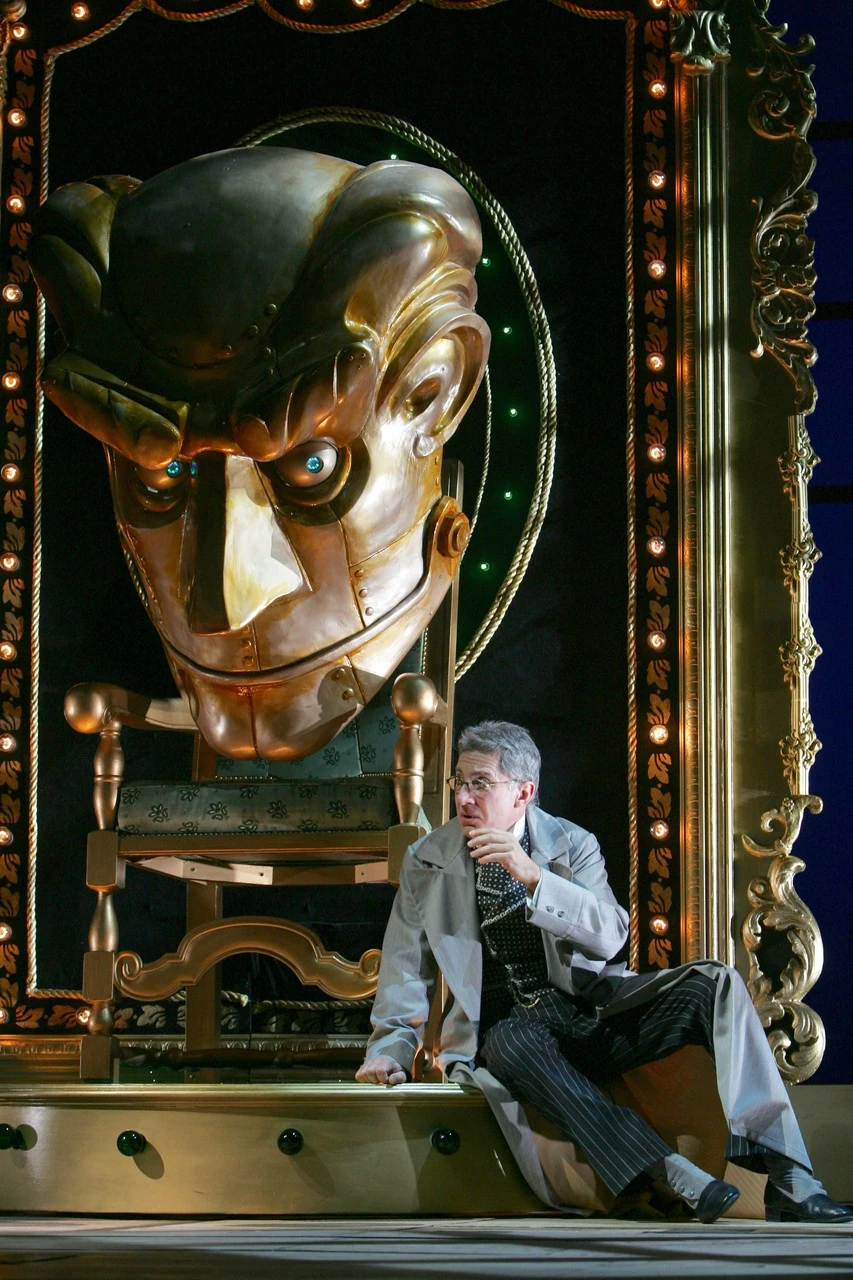
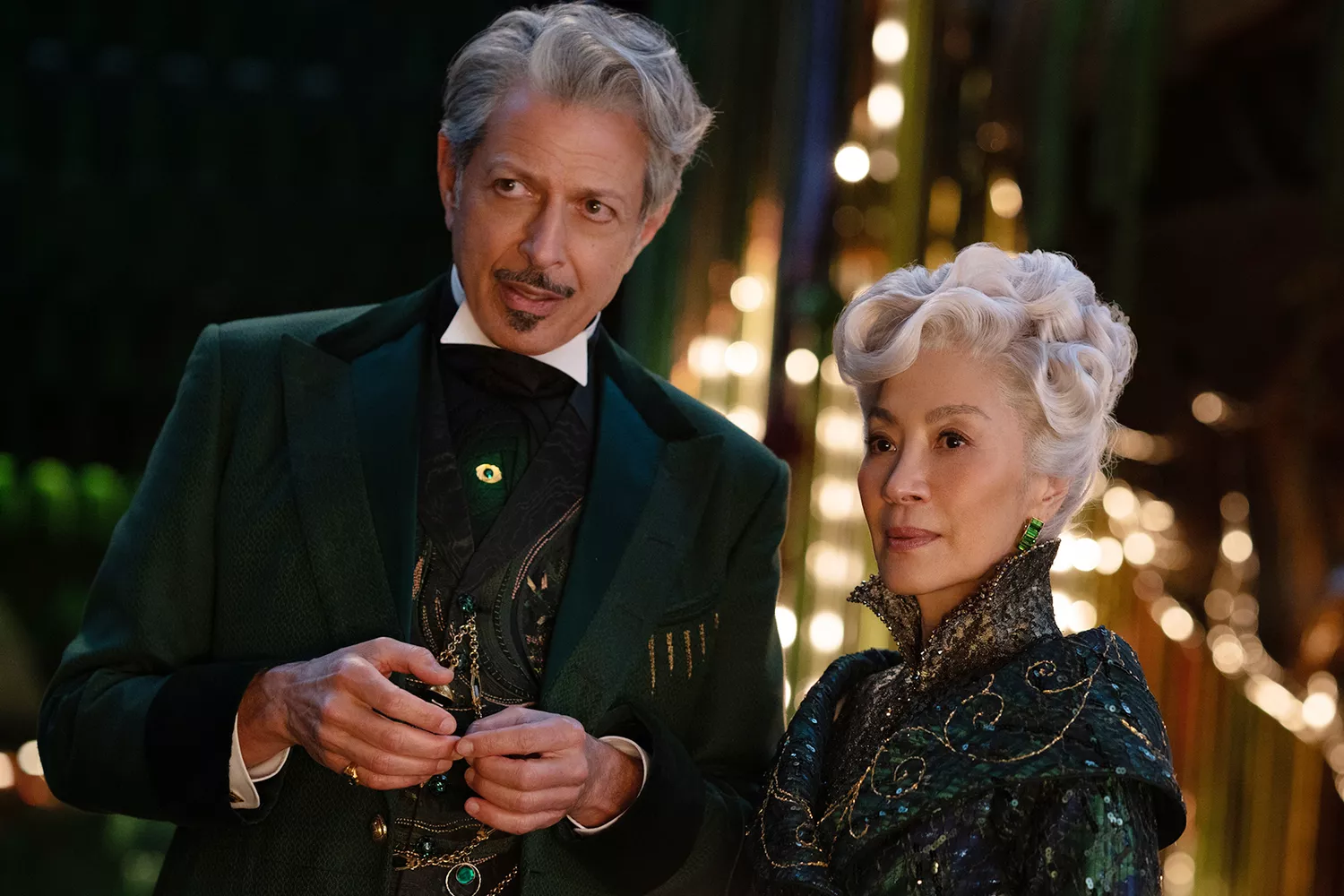
Joel Grey originated the role in the Broadway production, with Robert Morse as the San Francisco actor. In the film, Jeff Goldblum gives the Wizard a mix of charisma and insecurity.
The best way to bring folks together is to give them a real good enemy.
The Wizard
Madame Morrible
Madame Morrible is the headmistress of the college Elphaba and Glinda attend at Shiz University. Students want her attention because it means they are noteworthy and talented, destined for fame, fortune, and influence.
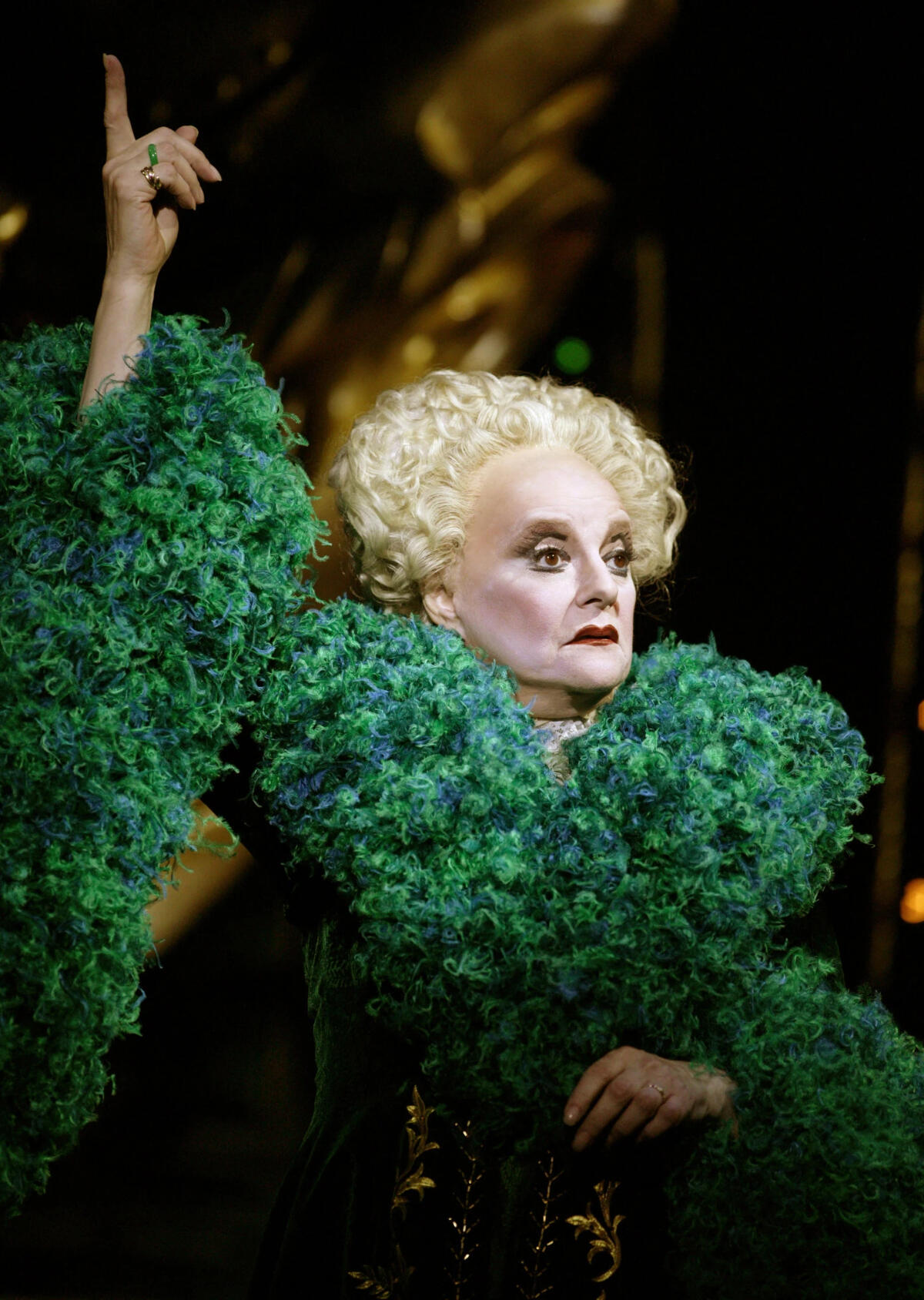
Morrible at first dotes on Elphaba, noticing her magical power (and no doubt planning to use it for political gain).
But she quickly flips when Elphaba disobeys her and the Wizard, spreading the rumor that Elphaba is “wicked” and needs to be captured or killed.
She then manipulates Glinda in the same way, giving attention and praise and heaping expectations on the young witch.
She declares Glinda “good,” forcing her to live up to a public expectation.
The book depicts Morrible as more overtly dangerous, while the musical portrays her as a master manipulator. The film adaptation keeps her political influence and shows more about her manipulation tactics than the stage show.
Nessarose Thropp: The Wicked Witch of the East
Nessarose is Elphaba’s younger sister.
In the book, her disability is that she was born with no arms. In the musical and movie, she is born paraplegic.
She was the clear favorite child, with their father, Governor Thropp, treating the sisters very differently. His treatment shaped both Elphaba and Nessarose’s personalities.
She relies heavily on the approval of others, especially while feeling personally insecure, which leads to strained relationships. Crucially, the musical focuses on her desire to gain the ability to walk, which is granted when Elphaba gives her the enchanted silver shoes. However, the film takes a modern view of Nessarose’s disability and desires, granting her flight instead.
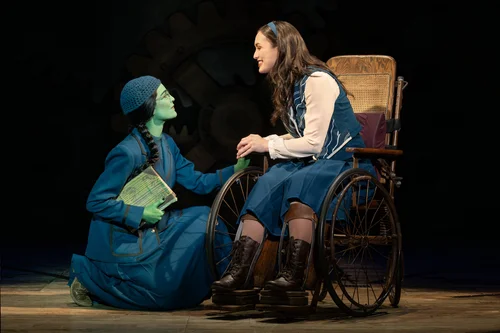
In the musical, Nessarose was originally portrayed by Michelle Federer. In the film, the role is played by Marissa Bode.
The book gives Nessarose a more severe temperament and a stricter religious background. The musical focuses on her loneliness and increasing frustration with the world around her. In both versions, she is seen as a bit spoiled and codependent, and she doesn’t seem to extend the same care to Elphaba as she receives, showing her self-centeredness. She starts out very innocent, but by her end she devolves into a ruthless dictator of Munchkinland, the Wicked Witch of the East, before meeting her demise.
Boq: The Munchkinlander
Boq Woodman is a fellow student of Shiz who has an unrelenting crush on Glinda. Glinda encourages him to be kind to Nessarose, which he does, and which causes Nessarose to become obsessed with him. Nessarose tries to cast a love spell on him, but she botches it, causing his heart to shrink, ultimately resulting in his turning into the Tin Man.
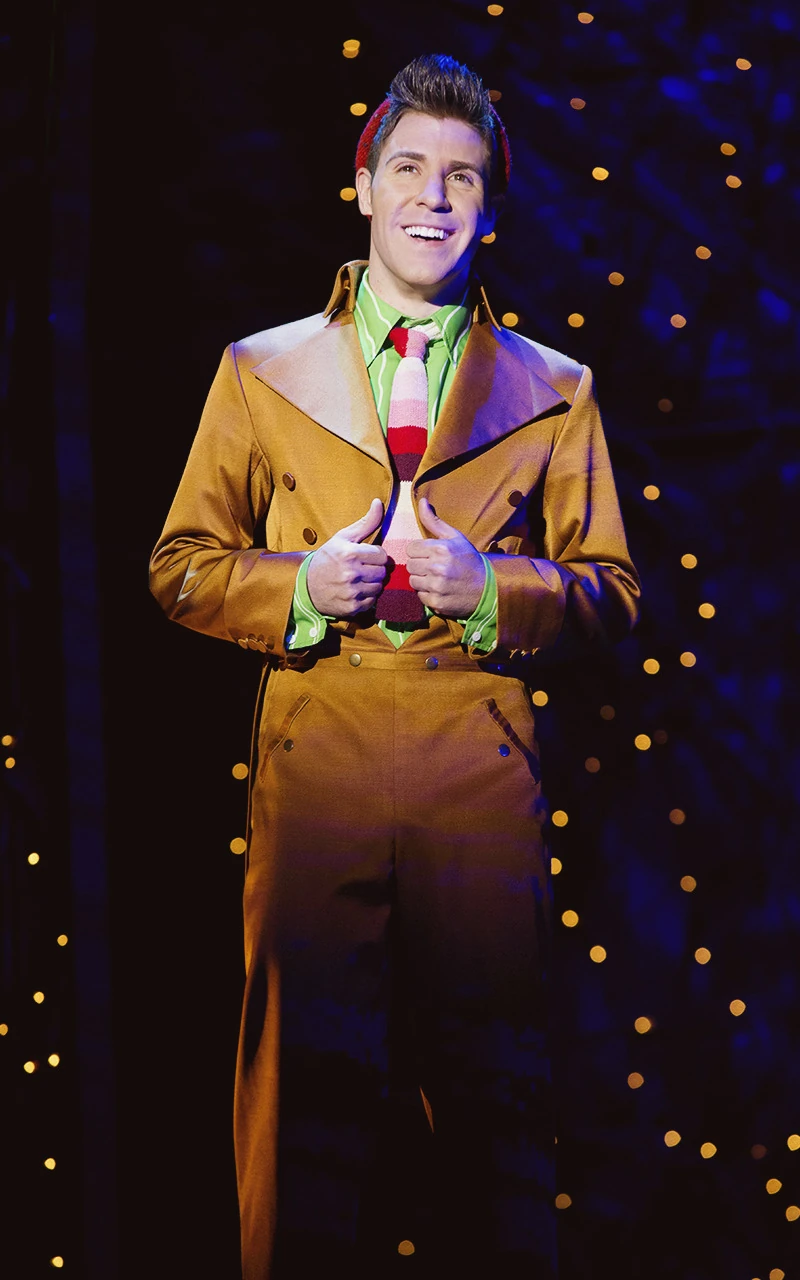
Nessarose loses sight of what’s right because of her continued obsession with him.
Christopher Fitzgerald first played Boq on Broadway. The film adaptation features Ethan Slater in the role.
The book’s version of Boq is quieter and more introspective than the versions shown in the musical and film. The musical adds more humor and an emotional backstory. The film gives him more screentime by including his presence and reactions to the events going on around him.
Pfannee of Phan Hall
Pfannee is one of the popular Shiz students often seen with Glinda.
Pfannee reflects the social expectations of students and, by extension, average members of society. In the musical, they are part of Glinda’s inner circle, often appearing in group scenes, especially with fellow Glinda-follower Shenshen. In the film, Pfannee acts as a comedic relief as well as a demonstration to show how the students at Shiz feel about Elphaba. He makes it clear that he doesn’t like her green skin and acts accordingly.
Supporting Characters
The supporting characters in Wicked help build the world, explain character relationships and backstories, and serve storytelling purposes. Together, they create a rich, complex world.
In Shiz University, other important characters include:
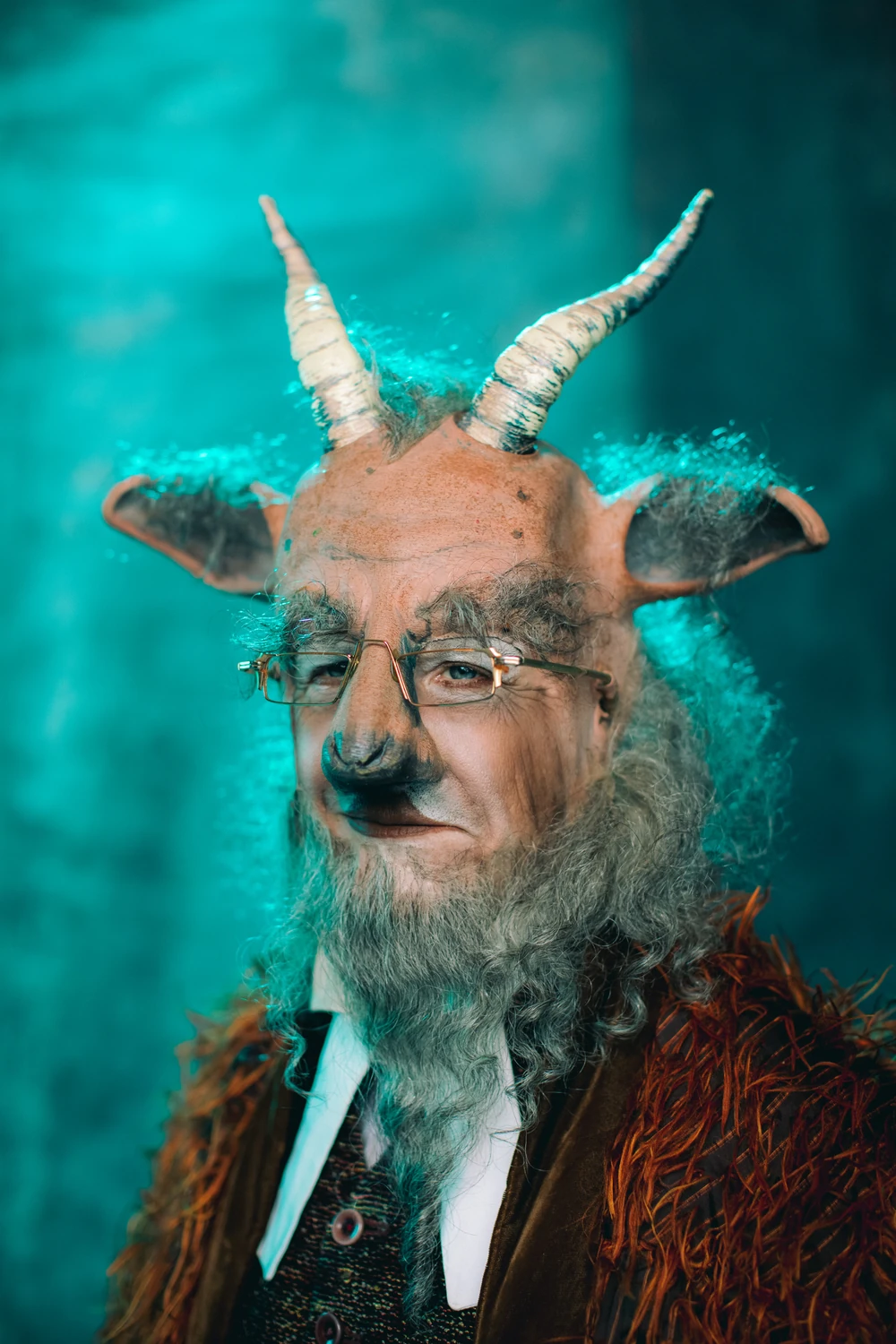
Doctor Dillamond: The history professor is a talking goat (played by William Youmans in the Broadway production and voiced by Peter Dinklage in the film).
His forcible removal from his teaching position is a catalyst that lets the students and audience know something sinister is happening.
It sparks Elphaba’s commitment to Animal freedom.
Shenshen: The other half of the duo of Glinda-followers, Shenshen, portrayed by Bronwyn James, is another measure of the student’s feelings as a whole. She and Pfannee are catalysts for some plot and character developments. They also represent how the propaganda affects the general population in Oz.
Chistery: Chistery is the first monkey that is turned into a flying monkey by Elphaba. She believes she is helping, and at the same time, proving herself to Madam Morrible and the Wizard by casting a spell from the Grimmerie. However, she realizes the spell is painful for Chistery, and it leads to her learning that the Wizard and Morrible do not have good intentions.
Both main and supporting characters’ roles shift slightly across the book, musical, and film. In each instance, they are written to enhance the story they appear in with regard to the medium. In each instance, they are important for conveying the themes and plot of the story.
In Wicked, it’s revealed that the cowardly lion is likely the cub named Brrr that Elphaba and Fiyero saved from a cruel teacher in one of their classes. They set the cub free in the forest, and not much is known about the time between then and when he meets Dorothy. Why does he hate Elphaba if she helped free him? It’s likely because he has been swayed by everyone around him to believe that she is wicked, especially by the Tin Man, further showing how social narratives shape opinions.
Character Evolution and Themes
Above all, Wicked is meant to be a story that teaches the audience and asks them to examine the world around them with contemporary themes. Maguire wrote the story with many things in mind, including war, murder, the AIDS crisis, and the general yet pervasive question: how do we define the difference between “good” and “evil?” He built upon the pre-existing world of Oz to explore these ideas and more, with the musical building upon the book, and the movie upon the musical.
Here are some of the biggest character evolutions and themes tackled in the musical and movie.
Character Evolutions
The people of Oz represent individuals and society as a whole in different contexts. Wicked asks audiences to consider in what ways they have been or encountered these character types in their own lives. The characters are constructed to allow viewers to reflect, and hopefully make more mindful, empathetic decisions in their thoughts and actions.
Elphaba: Shunned Outsider to Empowered Activist
Elphaba spends her entire life receiving ill treatment from others because of her appearance. She learns to be defensive and stay closer to the background to avoid increasing others’ scorn.
She is easily swayed by Madame Morrible because it’s the first time someone treats her like she is special. Critically, she also sees the removal of Dr. Dillamond from the classroom, which forces her to realize the insidious injustices happening in Oz. When she meets the Wizard and is tricked into performing a painful spell on an unsuspecting animal, and furthermore discovers the Wizard to be a fraud, she utilizes her expertise as an outsider to fight for what’s right instead of conforming to what’s expected of her.
Everyone deserves a chance to fly!
Elphaba
Elphaba’s actions come from her sense of justice and responsibility as she sees through Oz’s lies. She wants to protect the Animals from their systematic enslavement. She works to overcome a lifetime of feeling “not good enough” to realize that she deserves to succeed. And in fact, when she allows herself to believe she is worthy, it means she can help others, too.
Morrible’s branding of Elphaba as “wicked” shows how those in power can make things appear different from what they really are and influence our feelings.
Glinda: Superficial Socialite to Responsible Leader
At the beginning, Galinda values status and approval most of all. She makes choices and behaves according to habit, especially behaviors that improve her popularity and social standing.
When she is forced to interact with Elphaba, she initially behaves like all the others: actively unfriendly. But, over time, she comes to realize that there is value in sympathy, empathy, and compassion, thanks to Elphaba. She sees how her actions can affect others, positively or negatively, especially those with less power than herself.
She is forced into the role of “Good Witch,” which causes a moral crisis. She is forced to balance pleasing Madame Morrible and the Wizard, protecting her own safety, and being required to speak ill of Elphaba. She has to choose between comfort and integrity.
In the end, she chooses conviction, acting in ways that personally damage her but are better for Oz, proving just how much she has changed.
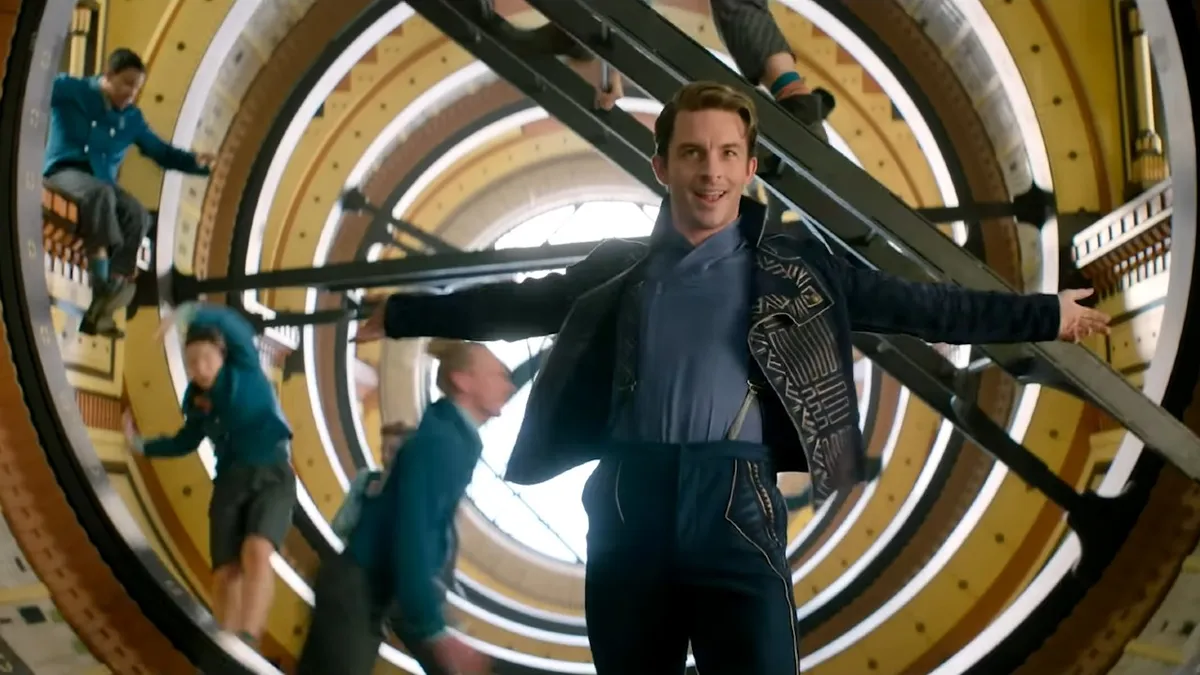
Fiyero: Accepting the Call to Leadership
Fiyero starts out rather hedonistic and a little nihilistic: a stifled thinker using detachment as a defense mechanism to avoid admitting he cares deeply about everything. Over time, especially with Elphaba’s influence, he is forced to examine his own behavior. She influences Fiyero to have a spark for life that had been missing. When given the opportunity to free the caged lion cub, he doesn’t hesitate at all, which inspires his interest in making positive change in the world.
His transformation into the Scarecrow symbolizes his enduring dedication to living with a purpose and doing as much as he can to help the world, even at the risk of his own life.
Nessarose: Descent into Fear and Control
Though the favorite child in the household, Nessarose was not spared from a dysfunctional upbringing. Her father made her strive for approval above all else, leaving her unable to think for herself. She has good intentions, but due to her fear of rejection, she doesn’t advocate for her beliefs, including defending her sister.
When she becomes Governor of Munchkinland, she rules through power and authority, since she herself is too afraid to rule with confidence. Her fear of losing Boq, whom she believes she loves, means her controlling actions end up harming him. Her devolvement contrasts with Elphaba and Glinda, showing how insecurity can turn into cruelty.

Themes
Gregory Maguire wanted to make Oz as well-developed as fictional lands like Middle Earth in The Lord of the Rings. So, naturally, it’s full of political intrigue and complex webs of relationships and consequences. In the musical and movie, audiences are shown themes with the intent of making them think about the world around them.
Friendship and Learning From Others
The second overarching theme is the bond between Elphaba and Glinda. Eventually, they gain compassion and understanding for one another. Their friendship helps each of them develop their personal identities.
Elphaba learns more about self-confidence, while Glinda gains more empathy. Their connection and positive development show how genuine connections can be the key to improving a person’s self as well as how they interact with the world.
What is “Good” and “Wicked?”
The top theme in the story revolves around the instability of moral labels. How does a person define what is “good” and what is “evil?” How can this opinion be swayed by things like experience, perception, prejudice, and other people’s remarks or misleading campaigns?
The story shows how public perception of what is good or evil can be dictated by political motivations rather than truth. The Wizard controls information, and Madame Morrible starts a campaign to label Elphaba and Glinda “wicked” and “good,” respectively, influencing the opinions of the citizens of Oz.
Power, Responsibility, and the Cost of Leadership
Several characters in the story gain power at different times: Elphaba, Glinda, Nessarose, Fiyero, the Wizard, and Morrible, to name the most prominent. Each is left to determine how they should use their influence, and each shows different types of people who gain power. The story shows how leadership is shaped by intention and action.
The Wizard: At heart, he is lonely and cowardly. He builds up a facade of power and prestige to convince others he is adept. Behind the scenes, he uses propaganda and manipulation to make the residents of Oz revere him and depend on his “goodness” more.
Madame Morrible: While we might not know her exact reasons for being the way she is, Morrible is the clear real villain of the story. She uses her position to manipulate her students, making them want to impress and obey her, and by extension, the Wizard. Her aim is to control others for personal gain.
Nessarose: She starts with very little power, made even weaker by her own opinion of herself. When she is made Governess, she uses her power to try to force everyone to obey her. Perhaps it’s because she hadn’t had good leadership modeled to her before, or maybe it’s because she is incredibly insecure inside, but she becomes an authoritative leader. She even ends up hurting the person she loves with her controlling behavior.
Fiyero: Though he was always a Prince and therefore politically powerful, Fiyero was completely disempowered by his nihilistic views. They rendered him too apathetic and inept to be a good leader. In Shiz, he develops his sense of duty and learns to take charge and make positive changes. He becomes the captain of the guards and uses his position to combat the Wizard’s propaganda. Even when he is made into a Scarecrow, he follows his sense of duty to do what’s right.
Some things I cannot change but ‘til I try I’ll never know.
Elphaba
Glinda: Glinda always had a certain type of power because of her charisma and reputation. She used that power to perpetuate norms such as ostracizing Elphaba. However, she later learned that she could and should use her influence to extend compassion to others instead of blind aggression.
When she is named the “Good Witch” of Oz by Morrible, she suddenly gains a lot more prestige and power. For a while, she performs her duties as expected to stay safe and comfortable, even though her actions perpetuate harm against Elphaba. Eventually, though, she realizes what she’s doing is wrong and ultimately overthrows Oz’s oppressors.
Elphaba: She has an enormous innate power, but lacks the self-confidence to wield it. By the end of Act I, she has honed both her magical powers and her inner power to achieve new mastery, finally becoming a force to be reckoned with in her own right. Her unwavering commitment to justice and compassion, especially for the Animals of Oz, means she immediately uses her power to fight for the cause.
Wicked is one of the most timely Broadway stories, filled with deep meaning and messages. Maguire's novel was meant to address heavy subjects, asking readers not to look away from the things in the world that need their attention. The musical and movies remind audiences of these original points.
Discover adult singing lessons and learn how to belt the musical numbers from Wicked!
Summarize with AI:
Did you like this article? Leave a rating!


 Loading...