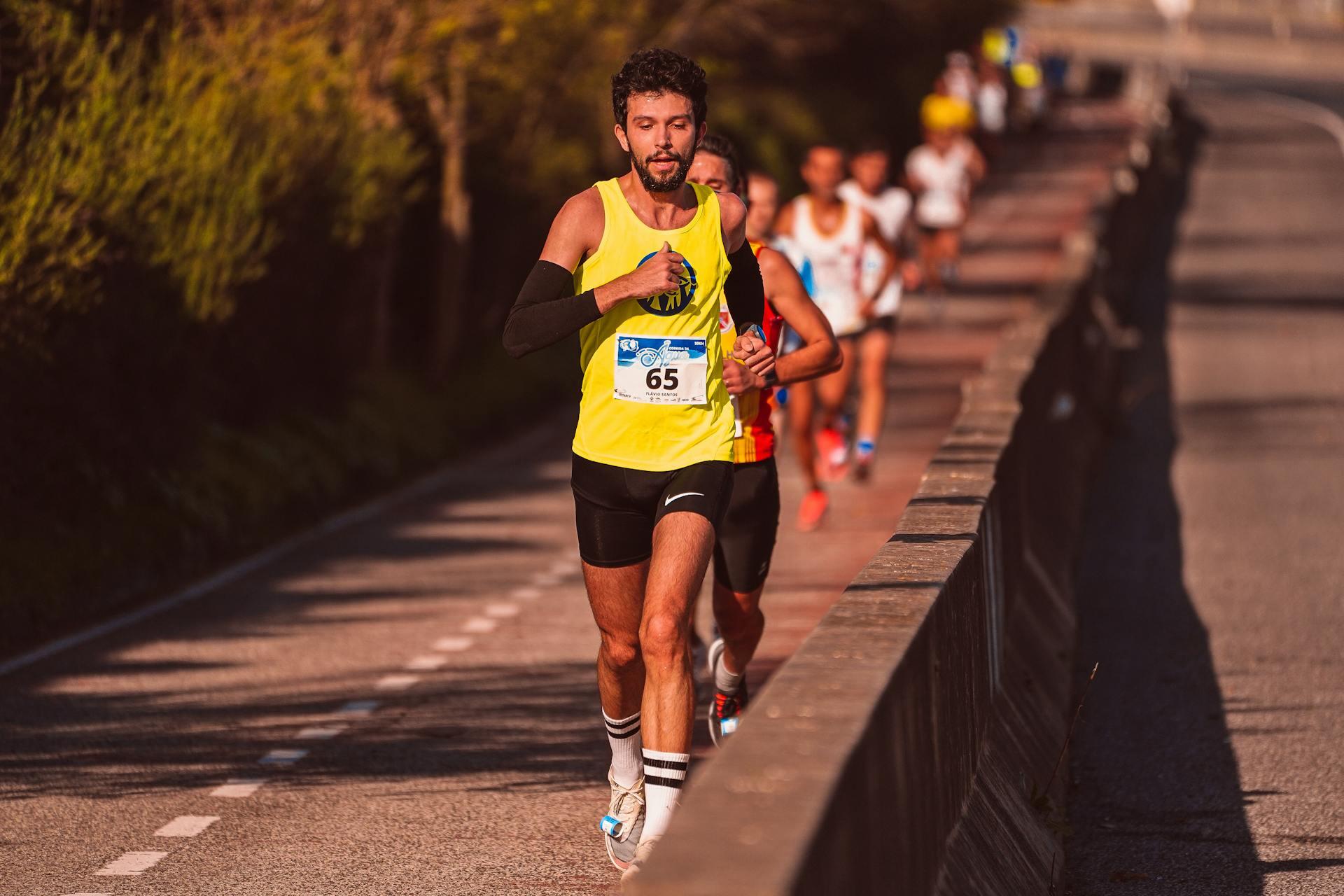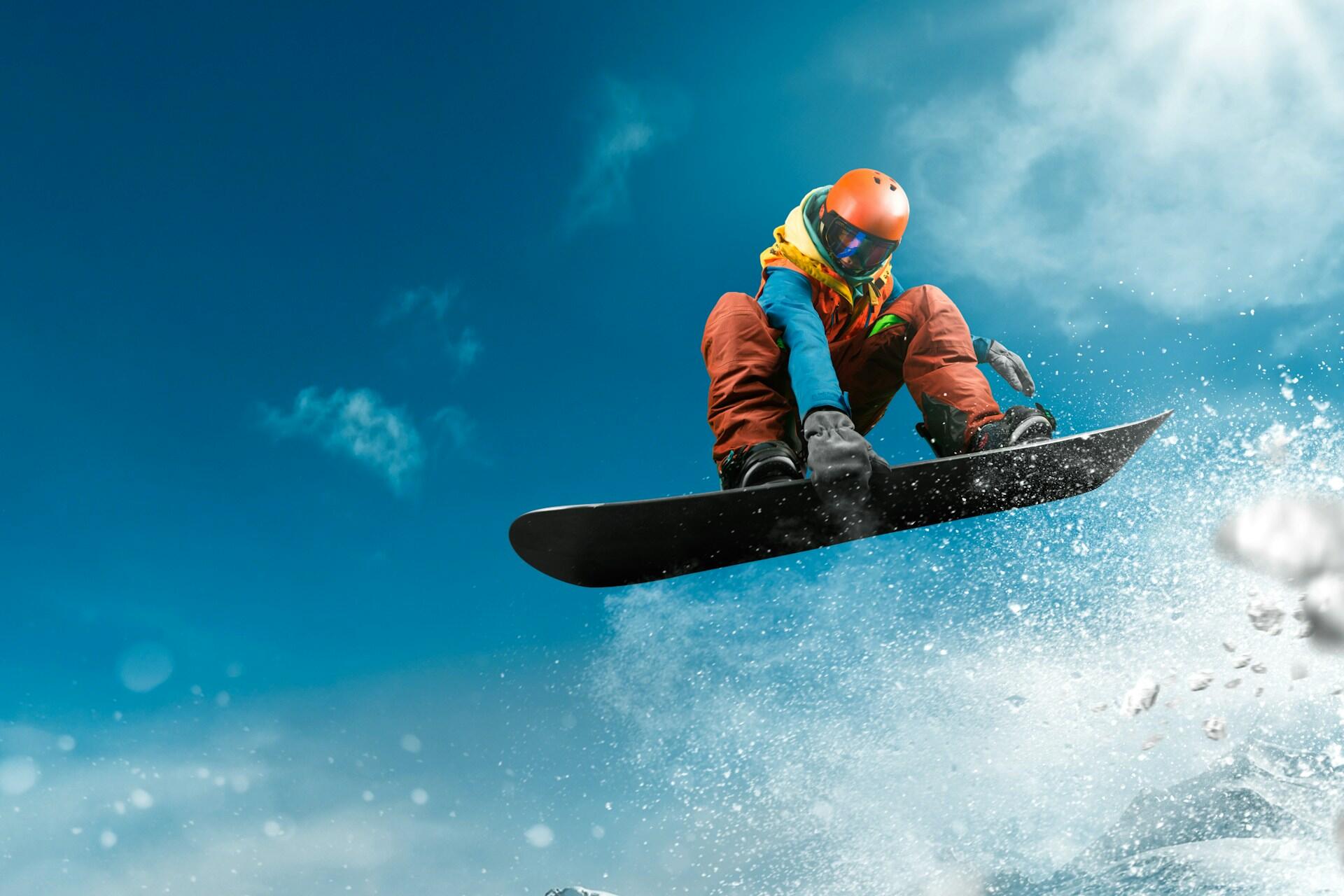

The 2026 Milan-Cortina Winter Olympics are not only a great celebration of sport, but also a real journey through snow, ice, mountains, and cities. For over two weeks, Italy will host athletes from all over the world, ready to compete in 16 disciplines that combine technique, endurance, precision, and spectacle ❄️🎿. Here is the complete list:
[table “781” not found /]In this article, you will find a detailed guide to the sports featured in the 2026 Winter Olympics, with a clear focus on which disciplines will be included, a description of each sport, and the date on which it became part of the Winter Games1.
An overview designed for those who want to really understand how the Games' sports program will be structured, divided into:
- Snow sports, related to the alpine environment and outdoor competitions
- Ice sports, mostly hosted in indoor facilities
Read on and find out everything you need to know about Milan-Cortina 2026!


❄️ Snow Sports
Snow sports are the essence of the Winter Olympics: they take place outdoors, in mountainous environments, and require a combination of physical strength, technique, control, and the ability to adapt to natural conditions.
INSERT CANVA IMAGE
At Milano-Cortina 2026, these disciplines, represented, like those on ice, by FISI2, will take center stage in Alpine resorts, promoting areas historically linked to winter sports.
🎿 Alpine Skiing
🗓️ Olympic sport since: 1936
📍 Location: Bormio (men's events), Cortina d'Ampezzo (women's events)
📅 When: mainly between February 7 and 15, 2026
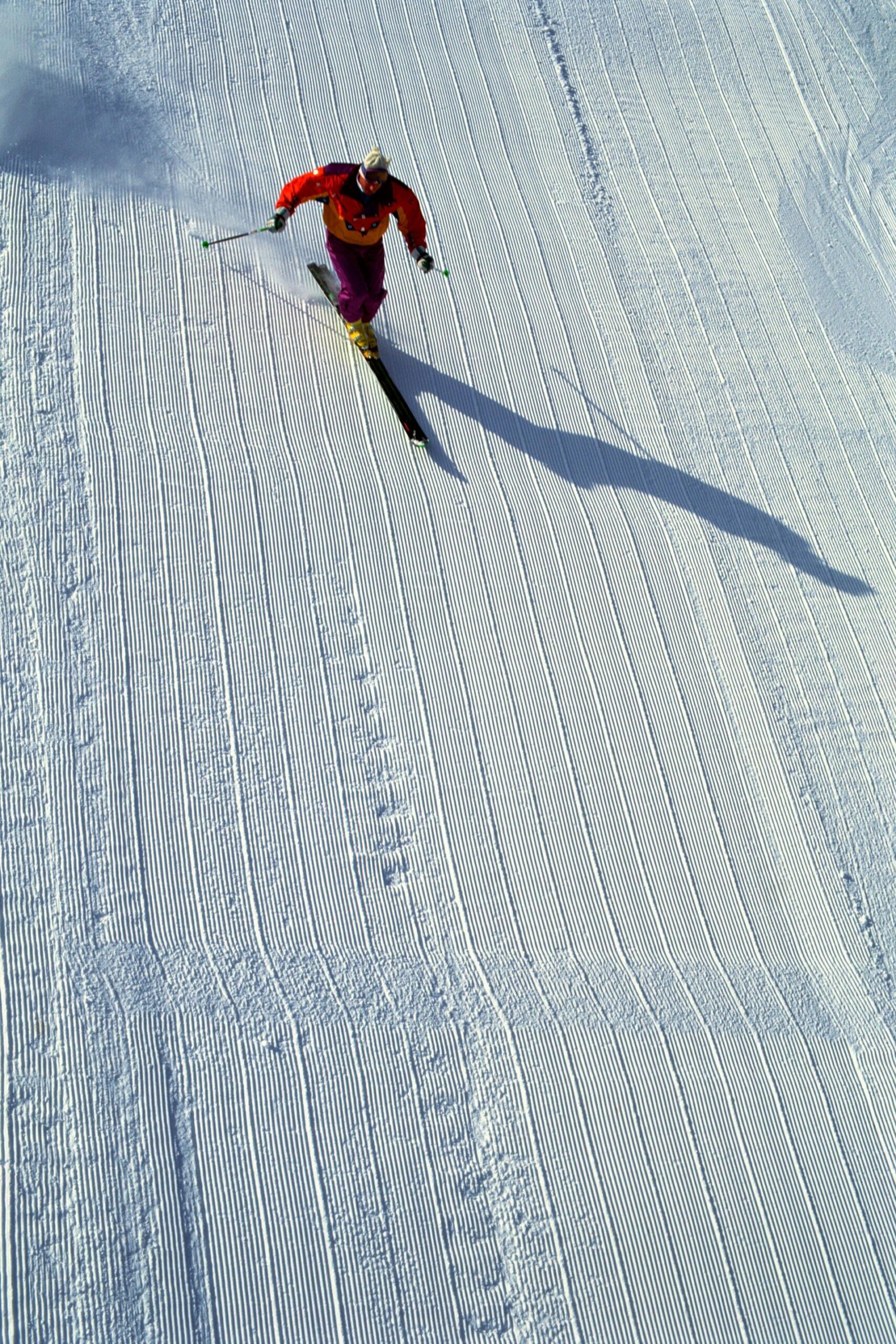
Alpine skiing is probably the best known and most popular winter sport. Athletes race down a snow-covered slope, trying to complete the course in the shortest time possible, tackling tight turns, steep slopes, and high-speed sections.
At the Olympics, alpine skiing includes several disciplines, each with its own characteristics: downhill, the fastest and most spectacular; super-G, which combines speed and technique; giant slalom and special slalom, which are more technical and rhythmic; and combined, which combines a speed event and a technical event. It is a discipline that rewards precision, courage, and the ability to read the terrain, and is often the focus of media attention at the Games.
🎿 Cross-country Skiing
🗓️ Olympic sport since: 1924
📍 Location: Val di Fiemme
📅 When: competitions spread between February 8 and 21, 2026
Cross-country skiing is one of the most physically demanding sports. Athletes cover long snow-covered trails, pushing themselves with skis and poles, tackling climbs, descents, and flat sections.
There are different types of races: short and long distances, sprints, individual races, and relays. In addition, athletes can compete in classic technique or free technique, which involve different movements.
It is a discipline that requires great endurance, effort management, and strategy, and Val di Fiemme is considered one of the most prestigious venues in the world for this sport.
⛷️ Ski jumping
🗓️ Olympic sport since: 1924
📍 Location: Predazzo (Val di Fiemme)
📅 When: mainly in mid-February 2026
In ski jumping, athletes launch themselves from a large springboard, gain speed and try to “fly” as far as possible before landing on the slope below. The final score depends not only on distance, but also on flying style and the quality of the landing.
The Olympics feature individual and team competitions. It is a sport that impresses with its visual spectacle and the precision required: a few seconds of competition encapsulate months of training and body control.
🏔️ Nordic combined
🗓️ Olympic sport since: 1924
📍 Location: Val di Fiemme
📅 When: between February 11 and 19, 2026
Nordic combined is a unique discipline because it combines two different sports: ski jumping and cross-country skiing. The competition begins with the jump, the results of which determine the starting order for the cross-country skiing event: those with the best scores start in the lead.
This format makes the competition very exciting, because the rankings can change right up until the last mile. Athletes must be well-rounded, skilled in both jumping technique and cross-country skiing endurance.
🎯 Biathlon
🗓️ Olympic sport since: 1960
📍 Location: Antholz
📅 When: February 8-21, 2026
Biathlon combines two contrasting activities: cross-country skiing and target shooting. Athletes alternate between high-intensity skiing and stops at the shooting range, where they must hit targets with a rifle.
Each missed target results in a penalty in the form of additional laps or extra time. This makes biathlon extremely tense and unpredictable: even a very fast athlete can lose positions due to a few shooting errors. Antholz is one of the world's most iconic venues for this discipline.
🤸 Freestyle skiing
🗓️ Olympic sport since: 1992
📍 Location: Livigno
📅 When: starting on February 7, 2026
Freestyle skiing is one of the most spectacular disciplines of the Winter Olympics. Athletes tackle jumps, moguls, and artificial structures, performing acrobatic figures that are judged on difficulty and execution.
Specialties include moguls, aerials, ski cross, slopestyle, halfpipe, and big air. Here, it's not just speed that counts, but also creativity, jump height, and precision of movement. It is a sport much loved by younger audiences, and Livigno offers an ideal setting for this type of competition.
🏂 Snowboarding
🗓️ Olympic sport since: 1998
📍 Location: Livigno
📅 When: mainly in the first days of the Games
Snowboarding began as an alternative sport, but its popularity soon earned it a place in the history of the Winter Olympics. Athletes compete on a board, tackling technical or acrobatic courses.
The Olympics feature disciplines such as halfpipe, slopestyle, big air, snowboard cross, and parallel giant slalom. It is a dynamic, modern, and highly visual sport, bringing a more informal and spectacular style to the Olympics.
🆕 Ski Mountaineering
🗓️ Olympic sport since: 2026
📍 Location: Bormio
📅 When: in the second half of February 2026
Ski mountaineering will make its Olympic debut at Milan-Cortina 2026. It is a discipline that takes place in a mountain environment and involves ascents on skis, sections on foot, and technical descents on natural snow. Athletes must change their stance several times, manage their effort on variable routes, and demonstrate great autonomy.
The introduction of ski mountaineering at the 2026 Winter Olympics in Milan-Cortina is a rather rare event. The Olympic program, in fact, changes very little from one edition to the next: a new discipline is only included when a sport demonstrates international popularity, competitive stability, and consistency with Olympic values.
Its introduction to the Games represents a return to the origins of winter sports, which are deeply linked to the mountains.
🧊 Ice Sports
Ice sports are played on artificial ice surfaces, usually inside arenas or indoor rinks. Compared to snow sports, they are less affected by weather conditions, but require great technical precision, body control, and often teamwork.
CANVA IMAGE
At Milan-Cortina 2026, these disciplines will mainly take place in urban venues, with a few exceptions in Alpine locations. Discover with us the dates and venues of the 2026 Winter Olympic Games.
⛸️ Figure Skating
🗓️ Olympic sport since: 1908 (then permanently since 1924 at the Winter Games)
📍 Location: Milan
📅 When: between February 6 and 20, 2026
Figure skating is a discipline that combines sport and art. Athletes perform choreographed routines on ice accompanied by music, combining jumps, spins, and step sequences.
ADD VIDEO
There are four categories at the Olympics:
- men's singles
- women's singles
- pairs
- ice dancing
Performances are judged by a panel of judges based on technical difficulty and artistic expression. It is one of the most watched sports on television because it is easy to understand even for those who do not know the rules in detail.
⏱️ Speed Skating
🗓️ Olympic sport since: 1924
📍 Location: Baselga di Piné
📅 When: mainly in the second half of the Games
In speed skating, athletes compete on a long oval track, trying to complete a certain distance in the shortest time possible. The races are timed and cover various distances, from the shortest to endurance races.
This discipline requires:
- great leg power
- sliding technique
- ability to manage effort
For spectators, it is a very straightforward sport that is easy to follow: the fastest skater wins.
⚡ Short Track
🗓️ Olympic sport since: 1992
📍 Location: Milan
📅 When: between February 10 and 21, 2026
Short track is a more spectacular variant of speed skating. The track is shorter and more athletes compete at the same time, making the competitions very dynamic.
The races are characterized by:
- Great Power in the legs
- Sliding technique
- Ability to manage effort
For spectators, it is a very straightforward sport that is easy to follow: the fastest person wins.
🏒 Ice hockey
🗓️ Olympic sport since: 1920 (at the Winter Games since 1924)
📍 Location: Milan and Valtellina
📅 When: from February 5 to 21, 2026
Ice hockey is one of the most popular team sports at the Olympics and Paralympic Winter Games. Two teams face off, trying to score as many goals as possible by hitting a puck with their sticks.
At the Olympics, there are:
- a women's tournament
- a men's tournament

The competitions last several days because they involve a group stage followed by direct eliminations. It is a fast-paced, physical sport that is very exciting even for those watching it for the first time3.
🌀 Curling
🗓️ Olympic sport since: 1924 (reintroduced permanently in 1998)
📍 Location: Cortina d'Ampezzo
📅 When: February 5–19, 2026
Curling is often referred to as “chess on ice.” Two teams slide heavy granite stones toward a target, trying to position them in the most advantageous way possible.
Strategy is key:
- each shot influences the next
- teams can sweep the ice to change the trajectory
It is a surprisingly engaging sport, especially once you begin to understand the logic behind it.
🛷 Luge
🗓️ Olympic sport since: 1964
📍 Location: Cortina d'Ampezzo
📅 When: between February 7 and 12, 2026
In luge, athletes slide down an icy track lying on a sled, reaching very high speeds.
The competitions include:
- men's singles
- women's singles
- doubles
- relay
It is a sport that requires great control and precision, because every slightest movement affects the trajectory.
🚀 Bobsleigh
🗓️ Olympic sport since: 1924
📍 Location: Cortina d'Ampezzo
📅 When: in the second half of February 2026
Bobsleigh is a team sport that combines power and coordination. After a very intense initial push, the athletes climb into the bobsleigh and tackle the track, seeking the fastest trajectory.
The following events are contested at the Olympics:
- two-man bobsleigh
- four-man bobsleigh
Team synchronization is essential: a few tenths of a second can make all the difference.
🦴 Skeleton
🗓️ Olympic sport since: 1928 (reintroduced in 2002)
📍 Location: Cortina d'Ampezzo
📅 When: in the heart of the Games
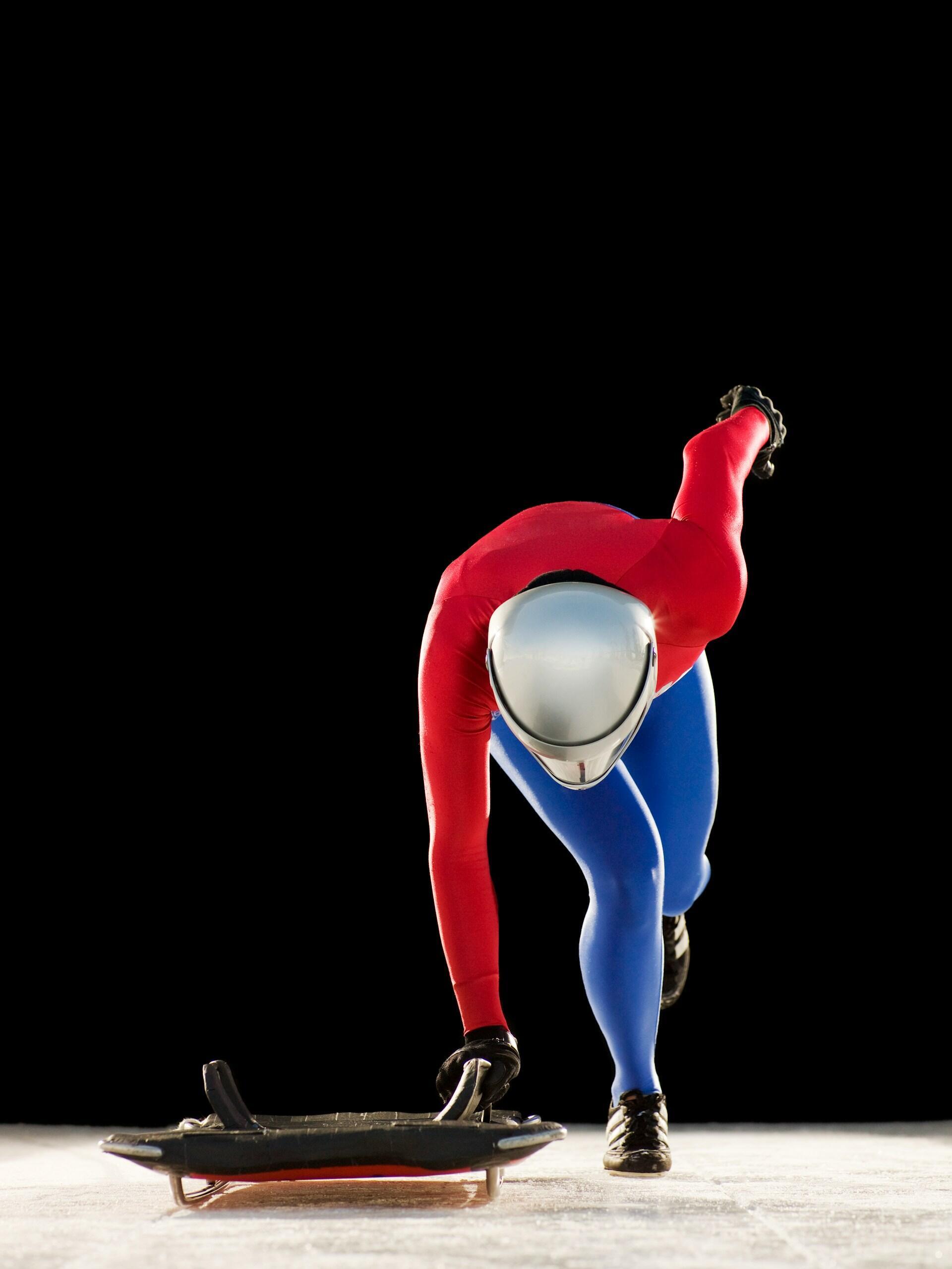
Skeleton is one of the most extreme disciplines in the Winter Olympics. Athletes race down the track on a small sled, head first, reaching very high speeds.
Body control and the ability to maintain the ideal trajectory are essential. It is a short but extremely intense sport, which leaves a lasting impression even on those watching it for the first time.
The 2026 Milan-Cortina Winter Olympics are not just a calendar of competitions, but a great story made up of very different sports, territories, and disciplines. From the more traditional snow sports, such as alpine skiing and cross-country skiing, to ice disciplines and the new addition of ski mountaineering, each competition contributes to creating a rich, varied Olympics that is also accessible to those approaching this world for the first time.
Knowing which sports will feature in the 2026 Winter Olympics, where they will take place and how they work is the best way to follow the Games with greater awareness, choose which competitions to watch or which locations to visit, and truly appreciate the sporting spectacle. Milano-Cortina 2026 will be a unique opportunity to see some of the most fascinating disciplines in international sport in action, immersed in the Italian landscape.
Sources
- Winter Olympic Sports List | Olympics.Com, www.olympics.com/en/sports/winter-olympics. Accessed 29 Jan. 2026.
- Federazione Italiana Sport Invernali (FISI). Sito ufficiale. FISI.org, https://www.fisi.org.
- Owayo Magazine. Regole dell’hockey su ghiaccio. Owayo.it,
https://www.owayo.it/magazine/regole-hockey-ghiaccio-it.html.
Summarize with AI:
Did you like this article? Leave a rating!


 Loading...