
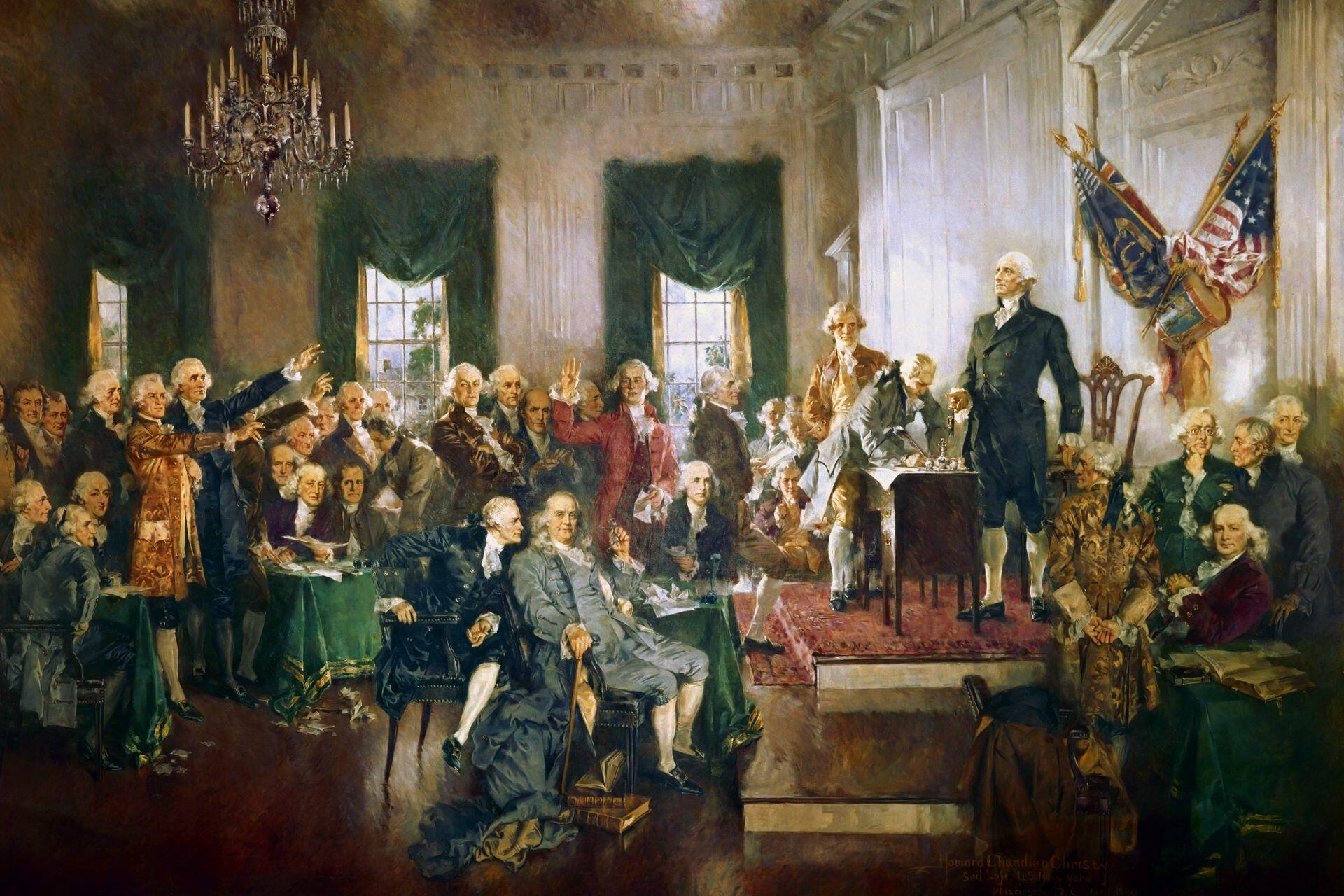

The Founding Fathers were the people who helped turn the British Colonies into the United States of America. The term typically refers to writers, politicians, diplomats, soldiers, and convention delegates who supported independence, shaped the nation's founding documents, and built its first government. There's no official list of the founding fathers of America, but let's explore who belongs on it anyway.
Key Takeaways
- The Founding Fathers were the leaders who helped secure American independence and shape the United States government.⁶
- There is no single official number of Founding Fathers because the term can refer to different founding-era groups.⁶
- The Declaration of Independence was signed by 56 men in 1776.¹⁰
- Fifty-five delegates attended the Constitutional Convention, while 39 signed the United States Constitution.⁷
- The best-known Founding Fathers are often Washington, Adams, Jefferson, Madison, Hamilton, Franklin, and Jay.⁸
- Their legacy includes independence, constitutional government, federal institutions, individual rights, and ongoing debate over who was included in the founding vision.¹





Defining the Founding Fathers
Those who would give up essential Liberty, to purchase a little temporary Safety, deserve neither Liberty nor Safety.
Benjamin Franklin
Before we can even discuss who the Founding Fathers are, we need a clear definition. Generally, the figures who took America from British colonies to an independent sovereign nation are considered the Founding Fathers. They're generally statesmen, writers, diplomats, soldiers, lawyers, and convention delegates, and not just those who were president.⁶
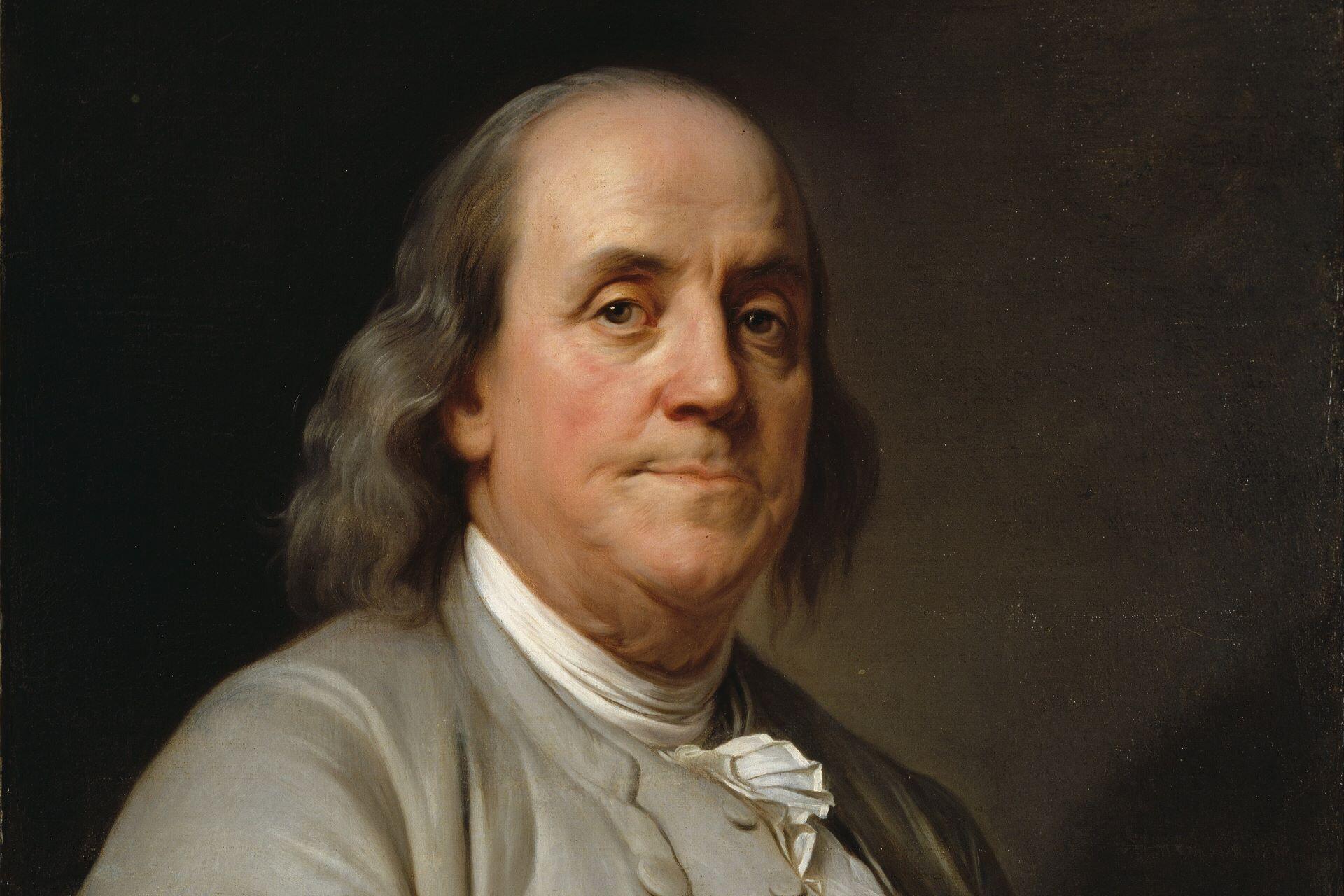
There is no fixed list of Founding Fathers because the term can describe several overlapping groups. Some people use it for the seven best-known founders, while others include the 56 signers of the Declaration of Independence, the 39 signers of the Constitution, military leaders, diplomats, and early government figures who helped create the United States.
Determining who's a founding father and who isn't depends on context. In school, the seven most famous will likely be known. It's worthwhile, for better context, to include the signers of major documents, the delegates at the Constitutional Convention, and the leaders who served in the Continental Congress. That way, you can better understand how founding America was longer and more complicated than a group of seven heroes signing a document.⁷
The phrase “Founding Fathers” became widely known after Warren G. Harding used it in a 1916 speech. Historian Richard B. Morris later helped shape the familiar “core seven” grouping in his 1973 book Seven Who Shaped Our Destiny, which focused on Washington, Adams, Jefferson, Madison, Hamilton, Franklin, and Jay.
A good way to understand the Founding Fathers is to start with the signatories of the Declaration of Independence. These signatories included lawyers, merchants, planters, physicians, and public officials. If you’re wondering how old were the Founding Fathers, it is worth knowing that they were a range of ages, so they weren't all elderly statesmen, but a mix of younger and older revolutionary figures.¹⁰
men in 1776.
Key Figures Among the Founding Fathers
With 56 signatories, we won't go through them all here. Instead, let's look at the key ones and some of the significant (albeit less famous) others. Some were leaders during the Revolutionary War, defenders of independence in Congress, and architects of the Constitution, the courts, finance, diplomacy, and early political debate in the new United States. We'll start with the "core seven", but it's worth seeing the wider founding generation.⁸
Prominent Leaders
Commander of the Continental Army, president of the Constitutional Convention, and first president of the United States.
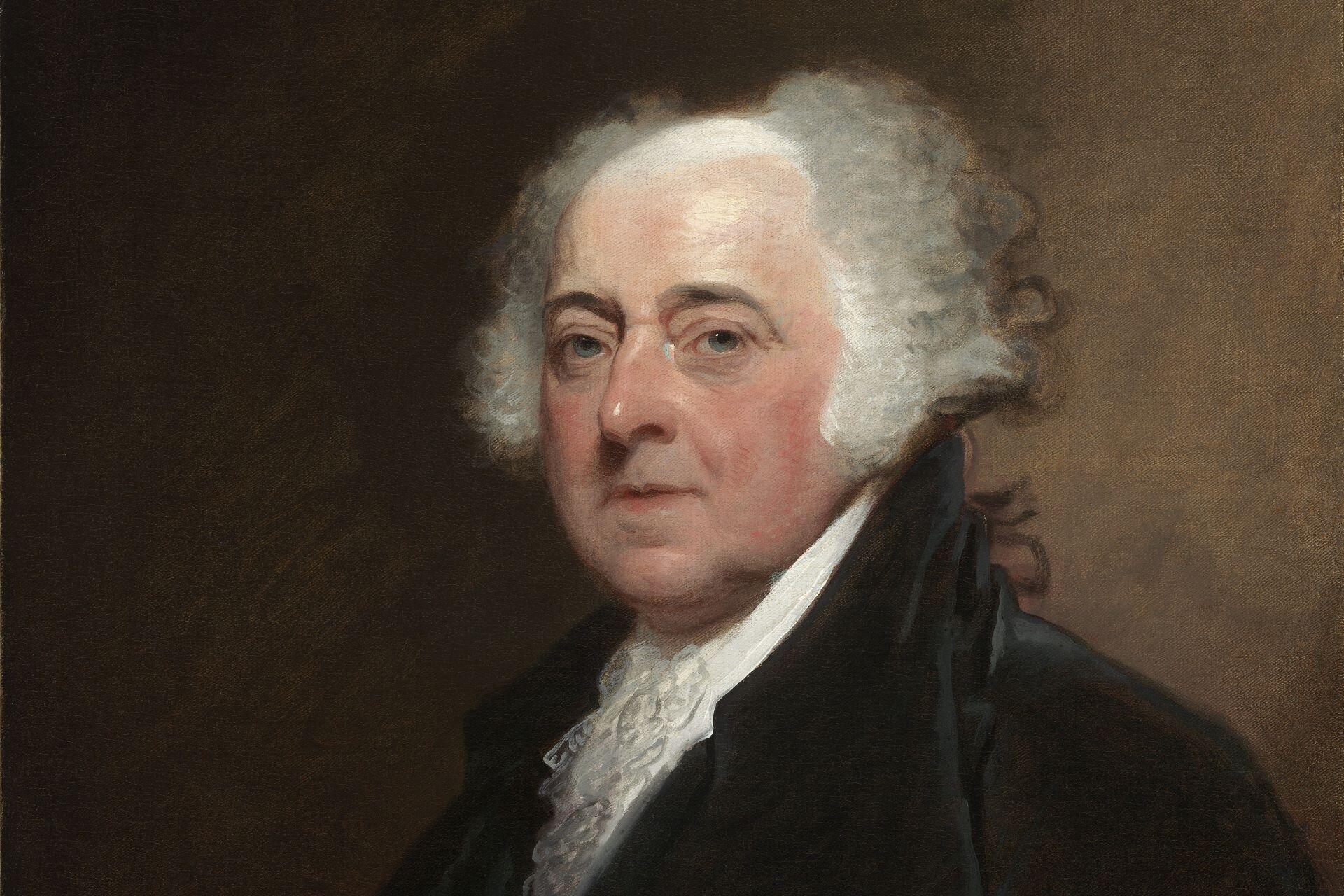
A leading voice for independence, a diplomat during the Revolutionary War, and the second president of the United States.
Principal author of the Declaration of Independence and later the third president of the United States.
A major architect of the Constitution, co-author of The Federalist Papers, and later the fourth president.
A Revolutionary War officer, co-author of The Federalist Papers, and the first Secretary of the Treasury.
A diplomat, inventor, writer, and one of the few founders connected to both the Declaration and the Constitution.
A diplomat, co-author of The Federalist Papers, and the first Chief Justice of the United States.
Lesser-Known Contributors
Not every Founding Father is in what we'd consider the "core seven". Others were part of the revolutionary momentum gathered by committees, speeches, colonial networks, and protest politics before independence was formally declared. Figures like Samuel Adams connected local resistance, including the Boston Tea Party, to the wider movement against British authority.⁶
A Connecticut statesman and the only founder to sign the Continental Association, Declaration of Independence, Articles of Confederation, and Constitution.
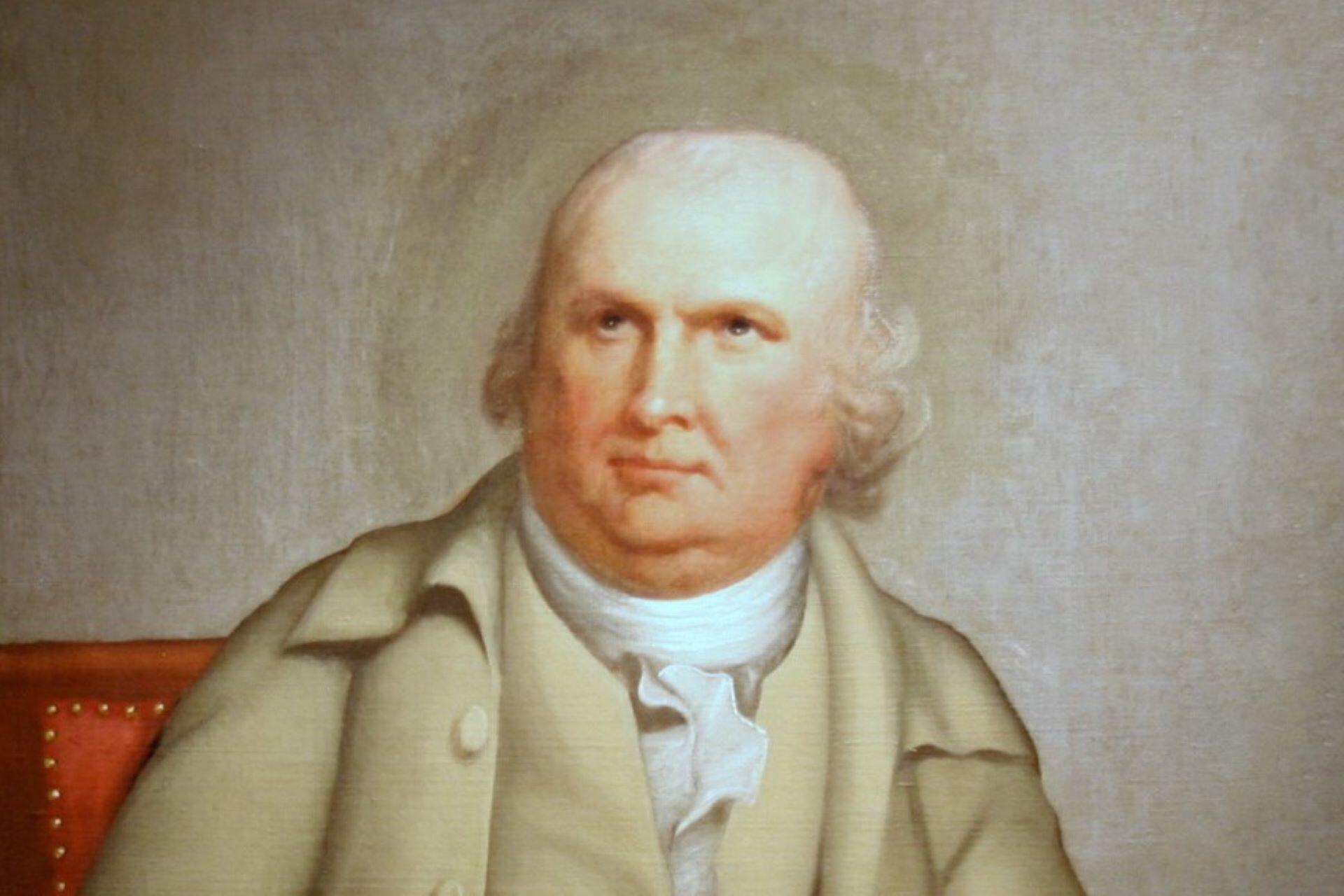
A Pennsylvania merchant and public official who served as Superintendent of Finance during the Revolutionary War.
A Constitutional Convention delegate who helped draft the final wording of the Constitution and shaped the Preamble.
A Virginia political thinker whose objections to the Constitution helped push the demand for a Bill of Rights.
A Massachusetts revolutionary who represented the colony at the First Continental Congress and helped organize resistance to British authority.
President of the Continental Congress and the first person to sign the engrossed copy of the Declaration of Independence.
A Pennsylvania delegate who signed the Constitution and later became one of the first Associate Justices of the Supreme Court.
Contributions to American Independence
So what did the “founding” fathers actually found? They contributed to independence in a range of different ways. This went from writing about how a new nation could be possible and drafting the Declaration of Independence to leading troops, negotiating alliances, and helping design the first federal institutions. From the Second Continental Congress to the Constitutional Convention and into the early years of the United States government, each influenced the country in undeniable ways.
Drafting Foundational Documents
The Declaration of Independence announced the colonies' break from Britain. Thomas Jefferson wrote the main draft, with input from John Adams, Benjamin Franklin, Roger Sherman, and Robert R. Livingston.³
The Articles of Confederation created the first national government of the United States. Their limits later helped drive calls for a stronger Constitution.⁹
delegates in 1787.
Military Leadership
Independence was achieved through war and founding documents such as the Declaration of Independence. Naturally, George Washington became one of the most famous through his involvement in the Revolutionary War and its key battles, but he also went on to lead the country as President.⁴
Washington commanded the Continental Army and became the Revolution's leading military figure. His wartime role helped shape his later reputation as "Father of His Country."⁴
The Revolution depended on more than famous generals. Local officers, militias, and state leaders helped sustain resistance across the colonies.
Diplomacy was also vital to independence. Benjamin Franklin and other envoys helped secure foreign support, especially from France.
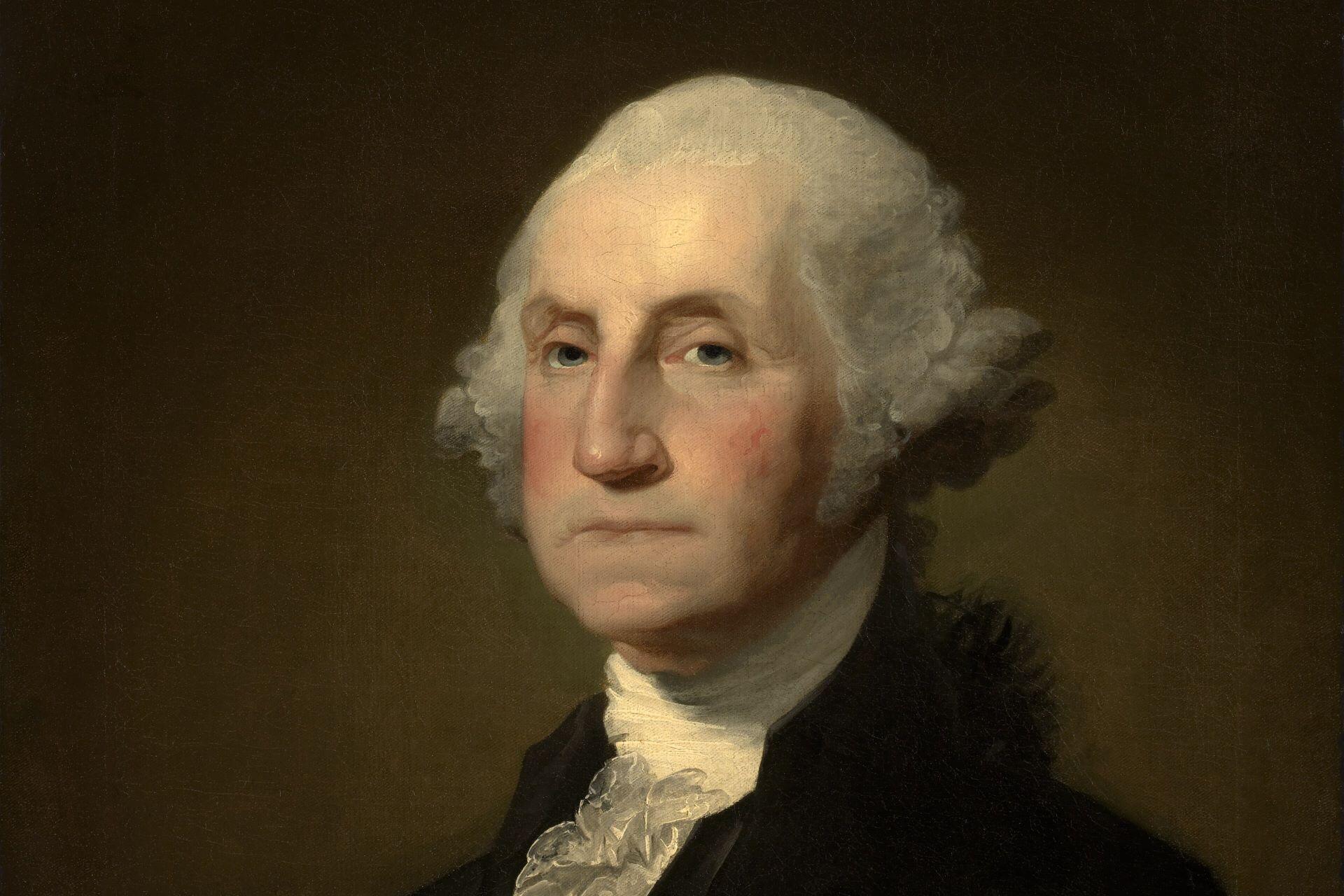
Establishing Government Institutions
If men were angels, no government would be necessary.
James Madison
Hamilton, Madison, and Jay wrote The Federalist Papers to defend the Constitution and encourage ratification.⁵
James Madison introduced proposed amendments in 1789. The Bill of Rights was ratified in 1791.¹
The founders turned the Constitution into a working government. Washington shaped the presidency, Hamilton shaped the Treasury, and Jay became the first Chief Justice.
essays written by Hamilton, Madison, and Jay.
Legacy and Impact of the Founding Fathers
The preservation of the sacred fire of liberty
George Washington
The institutions, documents, and political debates of the Founding Fathers still shape the United States today. However, while their ideas on independence, constitutional government, representative authority, and individual rights helped define the early republic, that was over two centuries ago, which complicates their legacy. Just look to the exclusion of women, enslaved people, Indigenous peoples, and many others from the rights they helped describe to see how their ideas were right for the time, but may need to be adapted for more modern contexts.⁶
Executive power, peaceful transfer of power, and national unity were the crowning achievements of Washington's leadership. American liberty was shaped by Jefferson's words in the Declaration. However, his own life exposed the contradiction between those ideals and slavery.² Madison helped frame federal power, rights, and the role of government through the Constitution and Bill of Rights.¹
The founding fathers of America are important, but like any idea, they should be regularly critiqued and evaluated. They created a political system that has stood the test of time, but no system is perfect and can always be improved. Their legacy is exactly what their unofficial title indicates; they founded the United States, but perhaps they always understood that they were creating something, not finishing it.
| Founding Father | Colony or state represented | Founding documents signed | Why they matter |
|---|---|---|---|
| George Washington | Virginia | United States Constitution | Commander of the Continental Army, president of the Constitutional Convention, and first president of the United States |
| John Adams | Massachusetts | Declaration of Independence | Leading voice for independence, wartime diplomat, and second president of the United States |
| Thomas Jefferson | Virginia | Declaration of Independence | Principal author of the Declaration of Independence and third president of the United States |
| James Madison | Virginia | United States Constitution | Major architect of the Constitution, co-author of The Federalist Papers, and fourth president of the United States |
| Alexander Hamilton | New York | United States Constitution | Revolutionary War officer, co-author of The Federalist Papers, and first Secretary of the Treasury |
| Benjamin Franklin | Pennsylvania | Declaration of Independence; United States Constitution | Diplomat, writer, inventor, and one of the few founders tied to both the Declaration and the Constitution |
| John Jay | New York | No signature on the three documents listed here | Diplomat, co-author of The Federalist Papers, and first Chief Justice of the United States |
| Roger Sherman | Connecticut | Declaration of Independence; Articles of Confederation; United States Constitution | Only founder to sign the Continental Association, Declaration, Articles, and Constitution |
| Robert Morris | Pennsylvania | Declaration of Independence; Articles of Confederation; United States Constitution | Financier and public official who served as Superintendent of Finance during the Revolutionary War |
| Gouverneur Morris | New York and Pennsylvania | Articles of Confederation; United States Constitution | Constitutional Convention delegate who helped shape the final wording of the Constitution |
| George Mason | Virginia | No signature on the three documents listed here | Constitutional Convention delegate whose objections helped drive support for a Bill of Rights |
| Samuel Adams | Massachusetts | Declaration of Independence; Articles of Confederation | Revolutionary organizer and Continental Congress delegate who helped sustain resistance to British authority |
| John Hancock | Massachusetts | Declaration of Independence; Articles of Confederation | President of the Continental Congress and first signer of the engrossed Declaration of Independence |
| James Wilson | Pennsylvania | Declaration of Independence; United States Constitution | Constitution signer and one of the first Associate Justices of the Supreme Court |
References
- “Bill of Rights: How Did It Happen?” National Archives, 27 Apr. 2023, https://www.archives.gov/founding-docs/bill-of-rights/how-did-it-happen. Accessed 2 May 2026.
- “Brief Biography of Thomas Jefferson.” Thomas Jefferson’s Monticello, https://www.monticello.org/biography-of-jefferson. Accessed 2 May 2026.
- “Declaration of Independence (1776).” National Archives, 20 Sept. 2022, https://www.archives.gov/milestone-documents/declaration-of-independence. Accessed 2 May 2026.
- “Father of His Country.” George Washington’s Mount Vernon, https://www.mountvernon.org/library/digitalhistory/digital-encyclopedia/article/father-of-his-country. Accessed 2 May 2026.
- “Federalist Papers: Primary Documents in American History.” Library of Congress, 30 Mar. 2026, https://guides.loc.gov/federalist-papers/full-text. Accessed 2 May 2026.
- “Founding Fathers, Mothers, and Others.” Encyclopedia Virginia, 26 May 2021, https://encyclopediavirginia.org/founding-fathers-mothers-and-others/. Accessed 2 May 2026.
- “Meet the Framers of the Constitution.” National Archives, 18 Feb. 2026, https://www.archives.gov/founding-docs/founding-fathers. Accessed 2 May 2026.
- Morris, Richard B. Seven Who Shaped Our Destiny: The Founding Fathers as Revolutionaries. Harper and Row, 1973. Internet Archive, https://archive.org/details/sevenwhoshapedou00morr. Accessed 2 May 2026.
- “Signers of the Articles of Confederation.” History, Art and Archives, U.S. House of Representatives, https://history.house.gov/People/Continental-Congress/Signers_Articles_Confederation/. Accessed 2 May 2026.
- “Signers of the Declaration of Independence.” National Archives, 10 July 2024, https://www.archives.gov/founding-docs/signers-factsheet. Accessed 2 May 2026.
Summarize with AI:
Did you like this article? Leave a rating!

 Loading...
