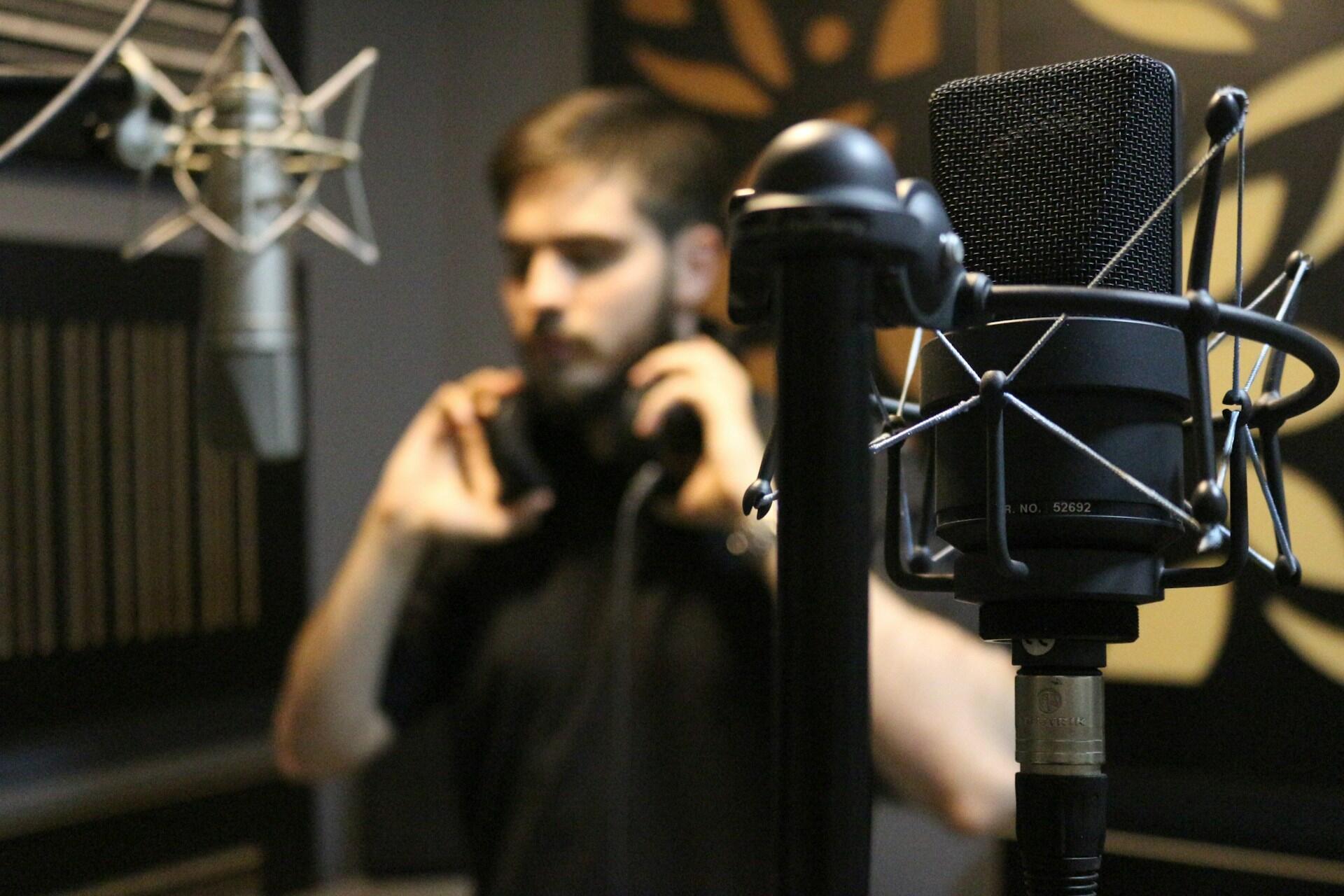

Recording engineers, also called studio engineers, help capture instrumental and vocal performances into clear, usable recorded audio. The role requires musical competence, creativity, and technical knowledge. Recording engineers select microphones and other studio equipment suitable for the performers and desired sound quality. They also operate recording software and may have a hand in editing and mixing. Find out more about recording engineering and opportunities!


What Does a Recording and Mixing Engineer Do?
The primary role of a recording engineer is to capture live sound during a studio session. An audio mixing engineer takes the recordings and edits and adjusts them to be usable in the mastering and production process. These jobs sound simple, but there are dozens of decisions to be made before, during, and after the session to achieve the desired results. Some of the typical responsibilities of a recording engineer working at a studio include:
🎤 Before artists arrive for their session:
- Choosing and positioning microphones that suit each specific instrument and vocalist
- Setting up headphones and monitoring systems
- Prepping the digital audio workstation (DAW) for the type of work about to be done
- Testing studio equipment, including amplifiers and instruments
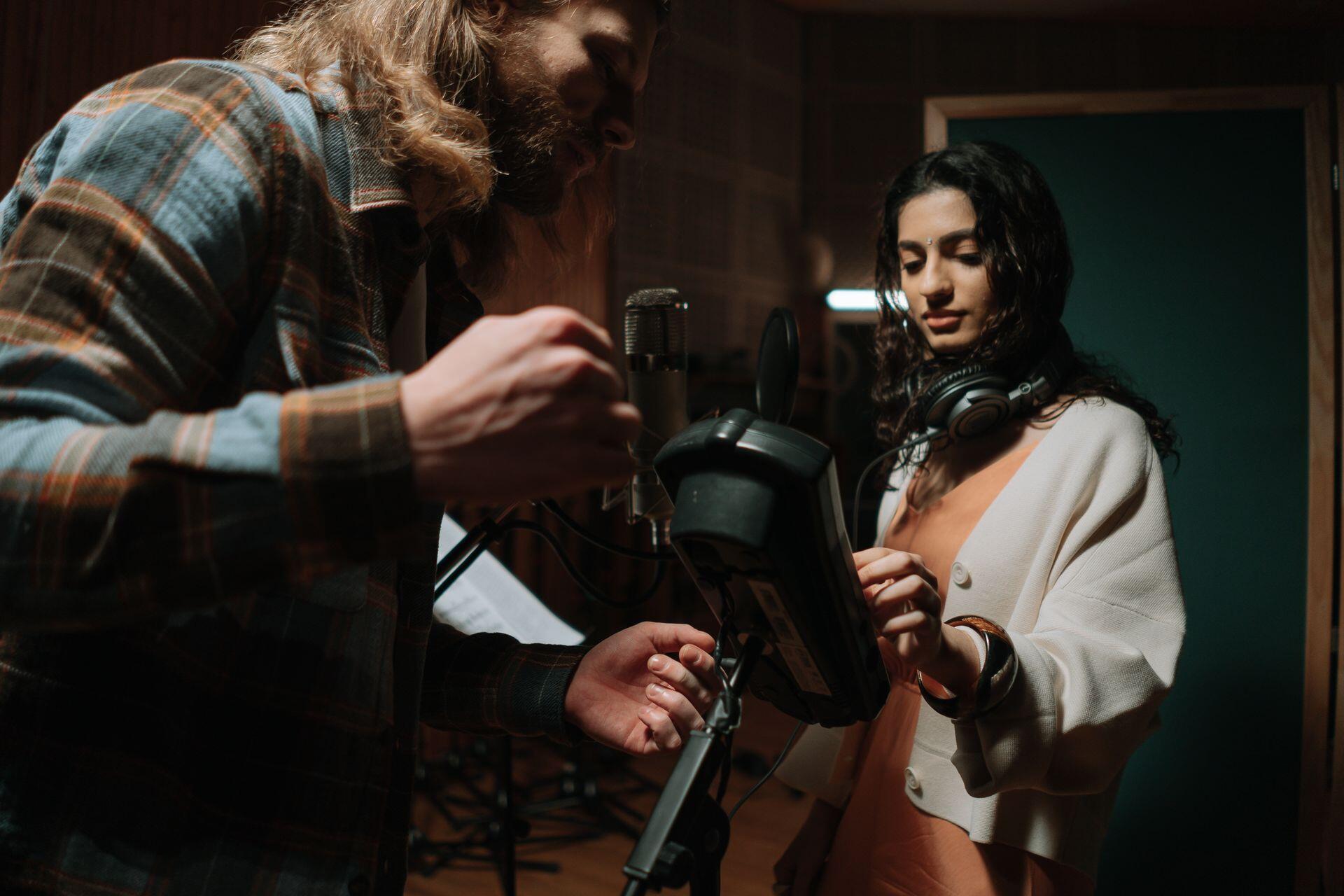
🎛 During the recording session:
- Understanding the artists’ visions and goals, and ensuring the setup is conducive
- Listening and watching the DAW carefully to make adjustments and ensure the audio is being properly recorded; managing signal flow
- Directing performers to make adjustments or repeat sections (as appropriate) to achieve the recording they want
- Checking and ensuring the recordings are being saved and backed up correctly
💿 After the session:
- Creating and labeling tracks
- Prep tracks for mixing and mastering
- Mixing engineers layer tracks together to create a rough draft of a comprehensive song
- Sometimes editing, usually alongside mastering engineers and producers
Recording engineers help artists bring their ideas to life. They need to understand the artists’ sound qualities and choose the proper equipment to capture the sound they intend.
When mixing, engineers are responsible for compiling all the separate recorded tracks together with proper timing. They do the biggest edits to the sound, while the mastering engineers polish the flattened track later.
While we are focused on recording music in this article, recording engineers are not restricted to only recording music. They may also work on projects like audio dramas, audiobooks, podcasts and radio, voice overs and voice acting, and acoustics engineering on TV and movie sets or live productions, among other things. Projects can include dialogue editing, sound effects, and recording for animation and video games.
Recording Engineers vs Mixing Engineers vs Audio Engineers
These terms are often used interchangeably, and sometimes the roles may overlap, but they are distinct positions. One person may perform multiple duties, or there could be three (or more) people in each position. It also depends on the type of sound being recorded: is it a solo singer in a studio? A full band? What about a voice over artist for an animated movie? A live speech given at a conference? The environment and stage of production will inform which type of engineer is in charge.
Recording Engineer
This role mainly focuses on capturing sound. They are responsible for prepping the studio with equipment, adjusting microphones to be closer or farther away from vocalists and instruments, and managing signal flow. Recording engineers are the ones choosing the right equipment to achieve a certain sound. They also ensure that the session produces high-quality audio files that can be used in mixing and mastering.
Mixing Engineer
Some recording engineers also perform mixing tasks. They work with the recorded tracks after the session, combining the vocals and instruments into a balanced mix. Mixing engineers adjust the volume, equalisation, compression, panning, reverb, and delay to achieve a coherent listening experience aligned with the artists’ vision.
Audio Engineer
This is a broader term that often refers to professionals who work with sound in any capacity. They may record, edit, mix, and manage sound. Audio engineers may work in studios on projects such as film, television, radio, games, and podcasts. They can also work in live events such as concerts, seminars, or graduations, for example.
Educational Pathways and Training
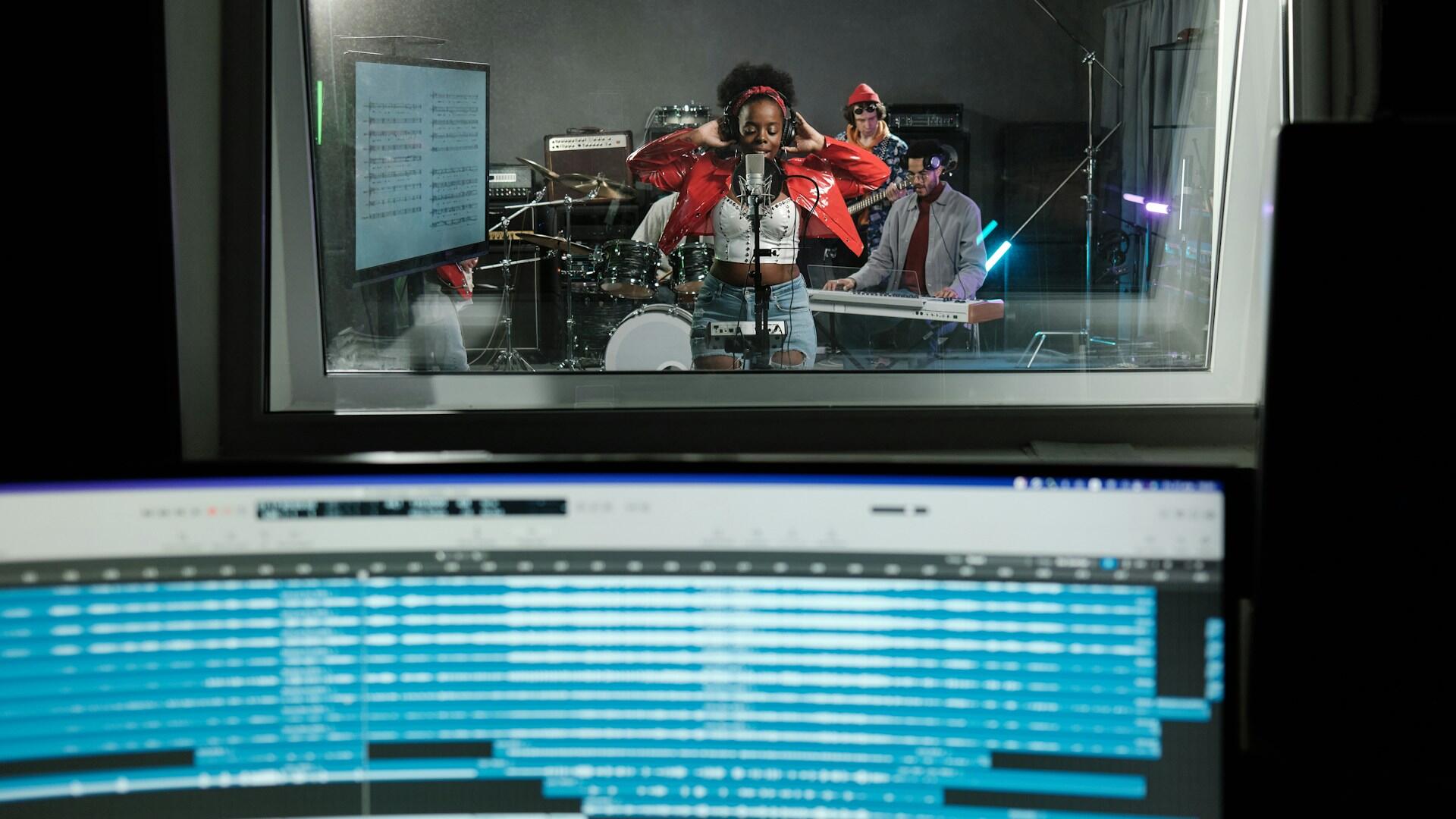
Getting into recording engineering doesn’t require a ‘traditional’ approach. Some professionals study audio production at college or university, or through a certificate program. Many choose to learn through apprenticeships, internships, assistant roles, short courses, private training, or self-teaching.
Formal Education
A post high school recording engineer degree can be a wise choice for many reasons. It gives students the opportunity to learn technical information with guidance from professionals. Usually, they’ll also have access to expensive equipment they may not be able to afford on their own, which is a major hindrance for those looking to self-teach.
Formal recording engineer school programs usually give students access to equipment and facilities like recording rooms, microphones, mixing consoles, paid DAWs, and other equipment. Students can build their portfolios through educational projects and opportunities through the university while receiving feedback from their professors and networking with people in the industry as well as classmates.
Self-Teaching
Self-learning is a completely viable way of pursuing a career in audio engineering, assuming you have the talent and passion to help you learn everything you need to know. Even with limited equipment, you can still record great material and understand the acoustics and other technical information that makes a competent engineer.
Try using equipment you already have, like a laptop and phone and a free DAW. There are many decent options in terms of microphones, sound treatment, and other vital aspects of sound design and recording engineering that cost much less than the high-end options.
Work with local musicians, create demos, rebuild mixes and compare your work with professional recordings. You can also practice a lot on your own. Some ideas include making songs with live instruments, singing and using digital instruments, and recording yourself speaking like your favorite podcaster or news anchor.
Learn from YouTube, books and blogs, connecting with people in the audio engineering industry, and experimenting with what you have. Short courses and tutoring can also be good choices for cost-effective and time-efficient learning.
Training and Experience
If you can, find a job or internship/assistantship with any company that requires you. It’s common for engineers to begin as assistants in charge of prepping microphones, testing cables, organizing tracks, maintaining session notes, and helping to solve basic technical problems. This work gives you hands-on experience and the opportunity to learn from professionals while building your network.
A useful training plan for any aspiring engineer, whether self-taught or in a degree program, should include:
- Technical study: Learning about acoustics, microphones, preamps, converters, consoles, and DAWs
- Musical study: Understanding music theory, rhythm, harmony, arrangement, and the sounds of different instruments and recording tech implications
- Professional practice: Learn to communicate, manage sessions, meet deadlines, protect files, and best practices
Making a Portfolio
In the music industry, qualifications and credentials don’t mean anything without a strong portfolio. An engineer’s proven body of work is more valuable than any degree. Putting together a strong portfolio with limited resources can even be more impressive than a decent one made with ‘better’ equipment. It shows your dedication and a deep understanding of how to achieve what you want.
Whether you make your body of work with top-notch equipment in a university program or on your own with the cheapest mic you can get, the technical and creative quality will be what makes you stand out. What should you put in your recording engineering or mixing portfolio? Include samples from projects such as:
- Songs: that you’ve written and/or performed, or from collaborations with other people
- Live sessions: Music or speaking recorded in a live setting that requires real-time adjustments to ensure optimal sound quality for the audience and the recording software
- Podcasts: Whether real or practice made for the sole purpose of a portfolio
- Short films: Live action or animated
- Audio storytelling: Sample news segments, interviews, comedy or dramas, or other genres
Your work should highlight your technical control and creative decisions. Good organization and an understanding of the project’s purpose will inform your approach.
Career Opportunities for Audio Engineers
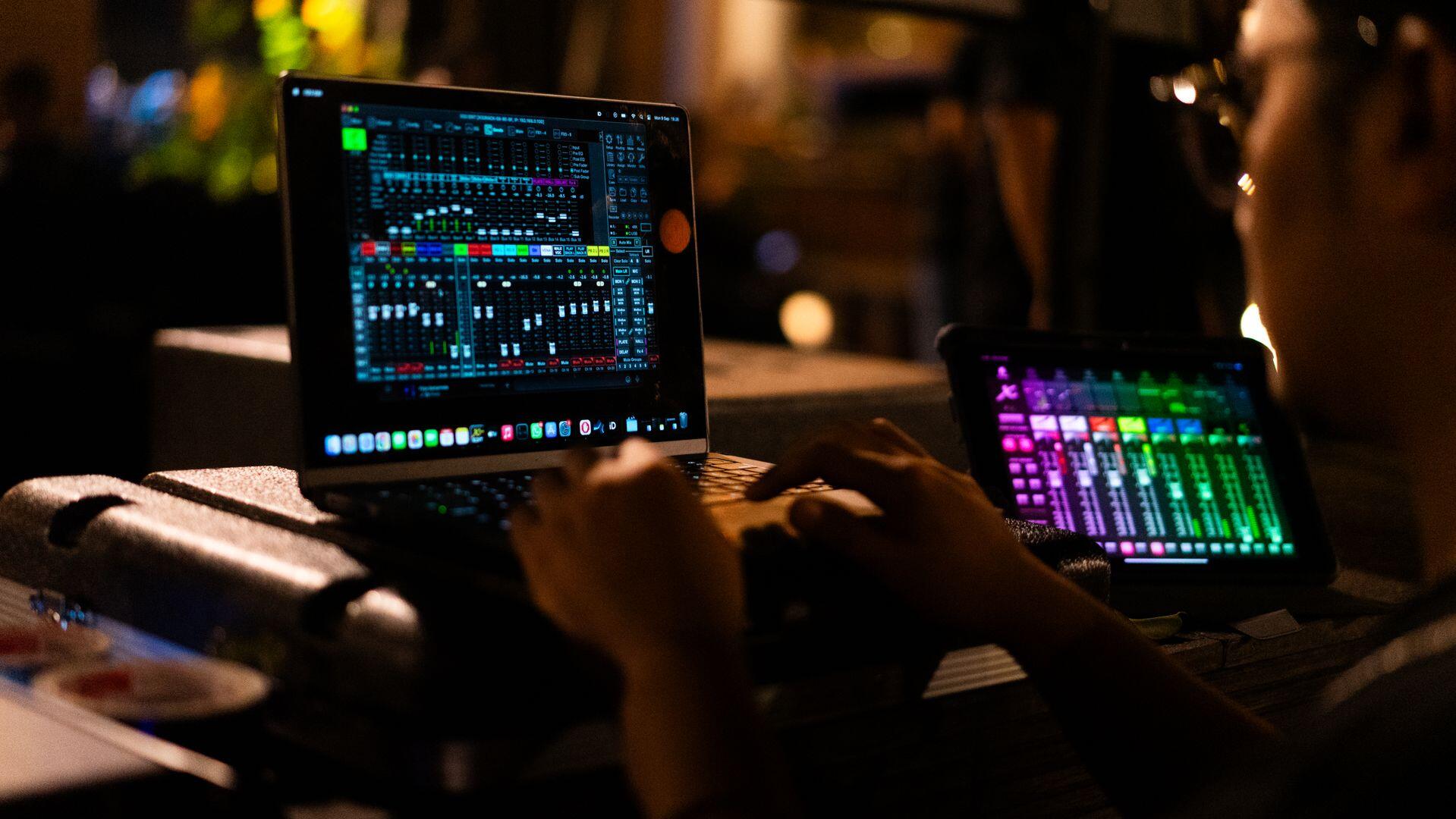
Recording engineers can work across many areas in music and media. Salaries depend heavily on experience, location, specific field, and the project. Choosing a field usually depends on personal interests, technical strengths, the local job market, and luck. Recording engineers can usually transition into other realms in the music industry, such as becoming a music producer.
Recording Studios
Commercial studios typically employ engineers for music, voice recording, and other professional projects. Here, you may work with independent musicians, record labels, producers, advertisers, local businesses, and media companies.
Depending on the studio, you may be able to work full-time, part-time, or as a freelancer or independent contractor. You might be in-house, assigned to several projects managed by the company, or on a per-project or per-session basis. Many studio employees work long days, including evening and weekend sessions.
By far my favorite part is that you get to be in the room with a band when something magical happens and that is an absolute privilege, especially if it’s a band you really like or if it’s a band you don’t know but they happen to be really good musicians. You get to hear that vocal take that gives you goosebumps.
Katie May (Assistant Mix Engineer at Real World Studios and Freelance Mix Engineer) for dBs Institute of Music
Freelance and Small Business
Many recording engineers work independently. Or, the they may have a small team to help them with business matters and some technical work.
You can rent professional recording rooms on an ongoing basis, like an office, or however many hours or days you need for a particular project. Building a good home studio is also an option. Or, you can travel to a client’s location and use their studio or a rental.
You’ll need to handle all the creative work and business side, including setting rates, writing contracts, invoicing clients, budgeting, marketing and promotion, scheduling, paying taxes, and payroll, if you have employees.
Specific Services
Within the employee at a company, freelance, and entrepreneurial employment tracks, recording engineers jobs can focus on high-value services. These services can be completed as a subcontractor for a bigger company, or as a freelancer. Specific roles and services you can offer include:
As discussed in this article, you can offer recording services to musicians and vocal artists for various projects.
As part of your recording services, or as a separate one, you can provide mixing and mastering. Engineers with strong editing and listening skills can specialize in mixing engineer jobs, though you’ll need to learn the ins and outs of that aspect of the industry. Mastering could be offered alongside mixing or as a separate service. This task involves preparing the track’s final mix for distribution across different playback systems.
A specialty that involves restoring old recordings through niche old and new technology. Clients could include libraries, historical societies, museums, and individuals seeking to preserve old home videos, for example.
Specialize in providing audio management for concerts, festivals, theaters, clubs, and corporate events to expand your offerings. You’ll need to set up microphones accounting for the unique acoustics of each room. You’ll mix the sound in real time for the audience, and if the event is being recorded, you can monitor that, too. This work can be physically demanding and stressful, but is great for people who enjoy a fast pace and interacting with performers.
Salary Expectations
Since there are so many factors in recording engineering, your salary can vary widely. Beginner engineers working part-time for smaller companies will obviously make less than someone with 10 years of experience working at a big-name recording studio. Freelancing engineers may make very little, especially when they first start out, or become a well-known local must-have who always has a lot of demand for their high-quality niche services.
Annually, depending on experience level and niche
Skills Needed to Become a Recording Engineer
When pursuing your education to become a recording engineer, or any type of audio engineer, there are several skills you must be sure to obtain. If you’re going to attend a formal university course, audit their curricula to ensure they cover at least these essentials. If learning on your own, do the research to find quality education materials and equipment to practice with.
Technical Skills
These are the skills that must be learned. There are a lot of different types of equipment and setups out there, so learning the foundations and then how to adapt them to each situation on a technical level is the expertise you’re hired for at a job. Vital skills to know include:
- Signal flow: How sound moves from a source through a microphone and preamp into a recording system, and finally, headphones or speakers.
- Technical problem solving: How to identify and resolve problems like noise, clipping, feedback, incorrect routing, and weak signals.
- Equipment knowledge: Being familiar with different types and brands of microphones, preamps, monitoring systems, analogue and digital audio equipment, various instruments, maintenance, etc.
- Software knowledge: Understanding how to use at least one popular type of MIDI and DAW; working knowledge of various programs is more valuable. File formats and backups knowledge are also critical.
- Scientific expertise: Gain structure, equalization, compression, studio acoustics, etc.
Musical and Listening Skills
Successful people in the music industry begin with an innate knowledge, talent, and ear for music. While it can be improved through learning and experience, the natural ability must be there in the first place. Practise these musical skills:
- Musicality: Identify changes in pitch, timing, tone, balance, noise, and dynamics
- Music emotions: Understand how a recording supports the emotional purpose and subtle conveyances of a song
- Music theory: Rhythm, harmony, arrangement, and instrumentation knowledge helps with creating cohesive recordings, anticipating recording needs, and working with musicians
Communication and Teamwork Skills
Unless you only ever record for yourself, you’ll be working with a lot of different people all collaborating on each project. A recording engineer should remain calm, attentive, and respectful. Learn how to clearly communicate. Understand when to offer suggestions and alternatives, and when to let the artists work.
Avoid trying to make everything sound the way you want it to be, and instead let it sound the way the client wants or what is needed for the project. You can develop your signature sound with your own projects and specific clients who are on board with the idea.
Organization and Problem-Solving Skills
Get in the habit of utilizing industry best-practices as early on as possible. This way, it will be easy for you to remember all the necessary steps in a professional setting. The industry can also be very chaotic and demanding; building a strong organizational foundation will serve you well.
- Digital filekeeping: Learn how to name and organize files at each step
- Backup habits: Keep session notes to help navigate through files in retrospective and save regular backups properly
- File types: Know what different file types are for and which ones you should send to the client for different purposes
- Tried-and-true troubleshooting approach: There will always be some technical difficulty; learn what things are the most likely culprits, systematically check cables, equipment, and computers and know how to fix the most common recurring issues
How to Become a Mixing and Recording Engineer
Getting into recording engineering usually requires building a strong portfolio and getting a foot in the door through internships or assistantships. It can be difficult to enter the industry, especially as a full-time worker, since there are usually limited permanent positions. Many people work freelance. Nevertheless, here’s the typical roadmap for people who want to get into recording engineering:
- Learn the fundamentals: As discussed in this article, educate yourself on the foundations of hardware, software, theory, and industry standards.
- Practice regularly: Record your own voice or instrumentals, local artists or events, or street-sounds. Use different microphones and headphones to understand their impact on the audio recording and experiencing.
- Build a portfolio: Make at least 3-5 well-polished finished projects to demonstrate your strongest work. Include different styles to show your range. Include WIPs to show your creative process and improvement over time.
- Gain experience: Apply for assistant roles, internships, volunteer sessions, or university studio placements to get studio hours.
- Networking: All the while, be sure to make and maintain connections with helpful people. Work respectfully with musicians, producers, and other engineers to find opportunities through recommendations and repeat collabs.
- Focus on a niche: After you’re more well-versed in the industry, try specialising in a niche such as studio music recording, mixing, live sound, film audio, podcast production, or another area. Often, recording engineers with expert skills in 1-2 areas are more highly sought out than a jack-of-all.
- Make it sustainable: Set realistic rates and schedules, use written legal agreements, protect client files with professional-level care, and track your expenses. Being reliable for yourself and others determines longevity and return clients.
The career is most suitable for people who enjoy sound, technology, music, and problem-solving. It usually involves irregular, sometimes gruelling, hours and modest pay at the beginning. With experience, the work can become more regular and engineers can move towards higher-value sessions, specialist work, and studio ownership.
References
- “Careers in the Music Industry: Recording Engineer.” WaterBear College of Music, 10 July 2026, waterbear.org.uk/music-industries/careers/recording-engineer. Accessed 7 Aug. 2026.
- “Career spotlight: Studio Engineer/Producer.” dBs Institute of Music, https://www.dbsinstitute.ac.uk/career-spotlights/studio-producer-engineer. Accessed 19 Aug. 2026.
- “Studio Sound Engineer.” National Careers Service, nationalcareers.service.gov.uk/job-profiles/studio-sound-engineer. Accessed 7 Aug. 2026.
- “What Does a Recording Engineer Do?” Career Explorer, 9 Oct. 2025, www.careerexplorer.com/careers/recording-engineer. Accessed 7 Aug. 2026.
Summarize with AI:
Did you like this article? Leave a rating!

 Loading...