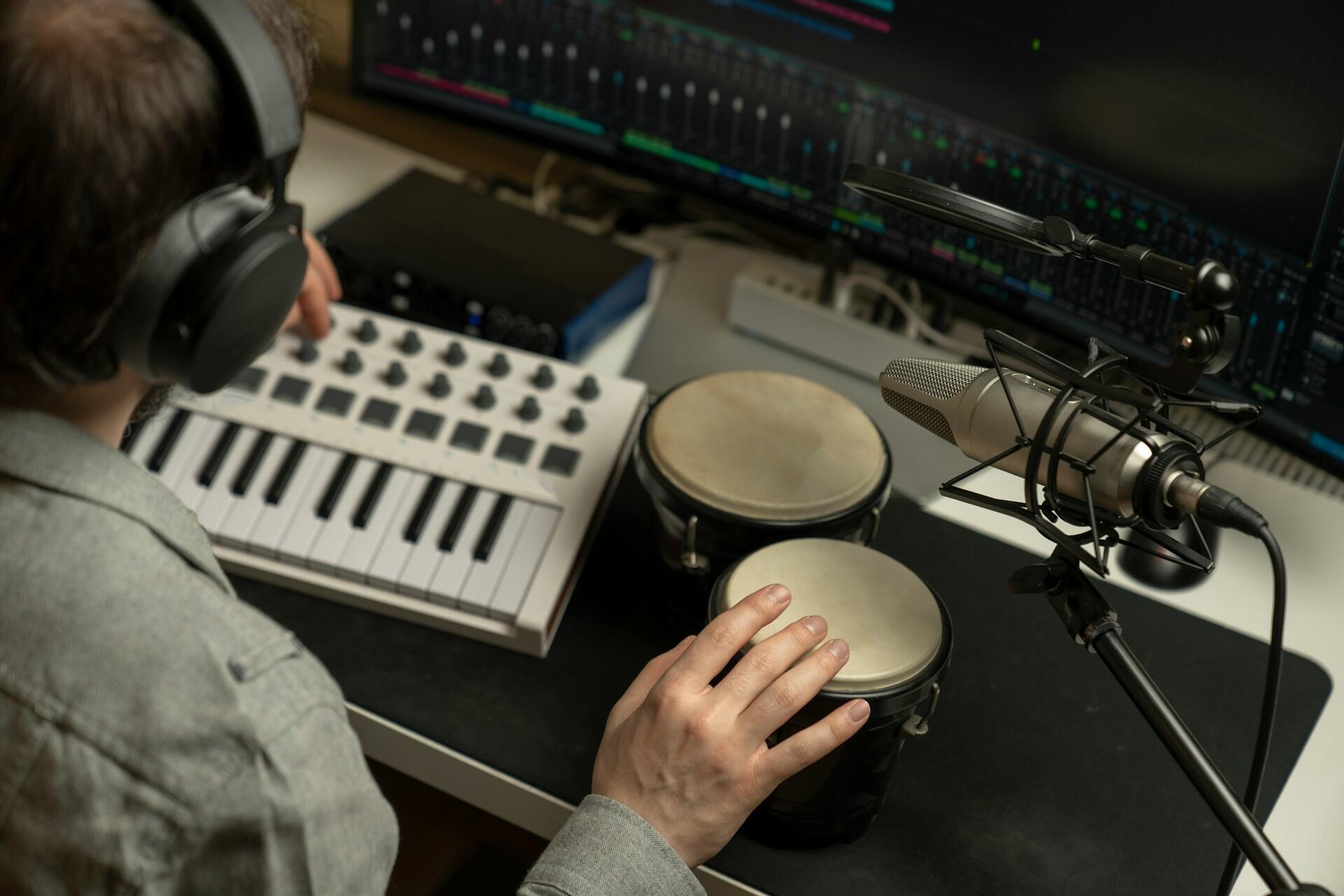

Sound designers are responsible for shaping the audio art behind films, games, theater, music, and more. Their input helps shape a piece of media's story and impact. Find out what sound designers do, what skills are required, and how you can become one of the most important types of artists in media.


What Exactly Does a Sound Designer Do?
Sound designers have a direct say in the music, dialogue, and sound effects heard in a given piece of media. Unlike in audio engineering which focuses mainly on recording the audio as it is presented according to someone else’s vision, sound engineering involves planning what will be recorded.
Sound designers can work in any industry that requires thoughtful sound effects. Examples include film and TV, video games, theater, radio, podcasts, audio drama, advertising, interactive media, and occasionally music. It also expands into other areas, like the automobile industry, toys, interactive displays, and technology.
This means that sound designers generally craft what you hear beyond just the music and dialogue. They decide on, create, and record foley sounds, make creative decisions about what sounds different things should make, and edit the mix files to ensure proper timing and volume.
Beyond media, sound designers also work on projects like deciding sounds for phones, apps, appliances, and vehicles, usually in the realm of digitally-produced sounds but sometimes physical sounds as well (such as the particular ‘thunk’ a car door should make when closed). Though, most jobs are found in media.
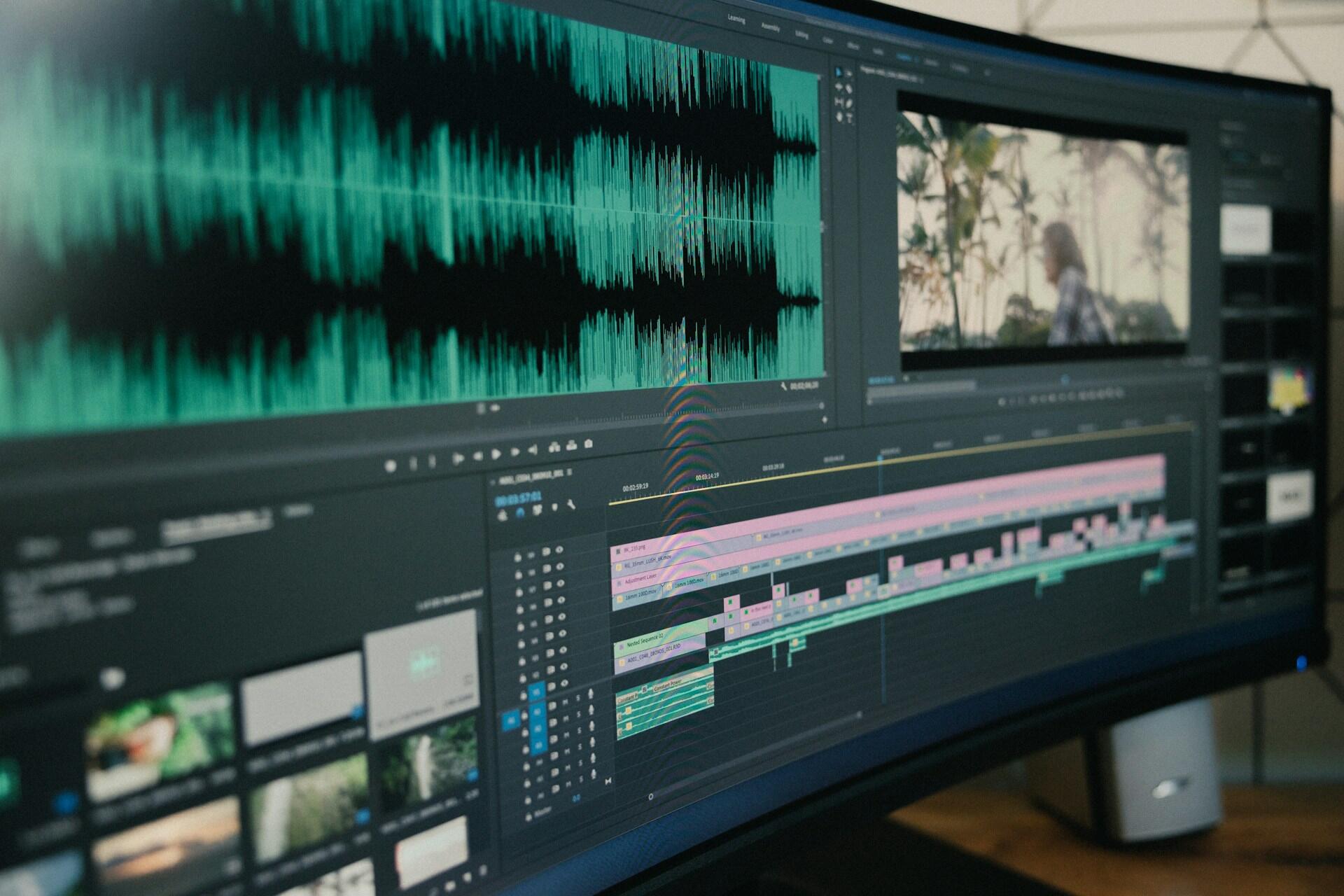
Sound designer responsibilities will vary depending on their specific job and industry, but in general, they:
- Create, update, and maintain sample and sound libraries
- Decide where sound effects should be added to musical tracks, film & TV scenes, games, etc.; record the effects; add the effects
- Develop a “sound map” from a script or brief
- Use DAWs to mix and process audio
- Synthesize and edit sounds with DAW, plug-ins, samplers, and effects
- Collaborate with sound engineers, editors, composers, directors, and performers
- In live sound design, skillfully amplify and suppress different microphones and amps at specific moments; play sound effects and/or musical tracks at the right time
They may develop a plan for what non-music and non-dialogue or vocal sounds are needed for a song or other project and be in charge of collecting the recordings, or having a recording engineer do it. Often, sound designers work with mastering engineers, producers, and artists to execute a creative vision.
These three roles often overlap, but have different focuses:
Sound designers: create a shape individual sounds and soundscapes to help tell the story in a piece of media; adds audio texture
Audio engineer: focuses on the act of recording, including signal flow, mixing, and technical quality of the audio
Composer: writes music
How to Become a Sound Designer
Like many careers in the music and audio industries, it’s usually possible to enter through an educational pathway as well as an experienced-based one. In both cases, structured training and a strong portfolio are required for success.
Formal Education
Do you need a degree to become a sound designer? Not necessarily. However, it can help, especially if you need help learning technical information, getting access to equipment, and making connections.
Many entrants into the field hold HNDs or bachelor’s degrees in sound design or a related field. Other options include short courses and certifications. When selecting a course or university degree, look at the curriculum to ensure they teach foundational skills and provide opportunities for practical, hands-on learning.
Informal Education
Another pathway into the industry involves self-teaching and making connections. Many professionals in the audio and music industries are mostly self-taught, or have picked up information from a variety of mentors and experiences.
Instead of a degree or certification, you can learn the basics on your own through YouTube videos, blogs, books, self-paced courses, and practising with equipment. Use microphones, sound-modifying tools (like dampeners, as well as unconventional things as per your imagination), and free DAW programs to discover the foundations. Apply for internships, apprenticeships, or volunteer opportunities to shadow professionals and learn from them.
Gain Experience & Invest in Networking
Making connections with people in the sound industry is imperative. In this field, personal recommendations are usually more important than a resume. Making a strong positive impression during your internships, apprenticeships, and freelance gigs can help spread your name around and get you future opportunities. Many sound designers get their first experience as runners, assistants, or junior editors, before transitioning to sound editing and then sound design.
Places you can seek experience at include:
- Theater
- Broadcasting studio
- Music recording studio
- Advertising agency
- TV, film, or game studio
- Company specializing in live productions (festivals, concerts, weddings, graduations, seminars, etc.)
Breaking into sound design can begin with an adjacent specialty, like event sound production or mixing. From there, you can work your way into the lane you want to be in, which usually looks like audio design alongside other tasks like editing, mixing, mastering, and recording.
Doing a good job and having a good attitude will make you stand out. Top-notch organizational skills will further set you apart and make people want to work with you again.
Beyond just jobs, you can make more network connections by attending local events and talking with the musicians or other artists, their sound technicians, and event organizers. Collaborate with artists and other people in the industry online and showcase your projects on social media.
As a sound designer I get to work creatively, I get to express myself through audio - I get to make tiny designed sounds which are almost like small musical compositions...
Bjørn Jacobsen, Video Game Sound Designer (for dBs Institute of Music)
Craft a Portfolio
Whether you have a formal education or not, a portfolio is crucial. Include 3-5 strong examples of your skills on finished projects. Include a variety of projects to highlight your range, such as:
- Sound effects in a live action or animated short
- Sound design pieces put over existing film or game clips
- A song you wrote, recorded, edited, mixed, and/or mastered
- A small selection from your library of recorded sounds
- Sound packs uploaded to a simple website or somewhere like SoundCloud/Vimeo
- Works from student films, theater productions, radio projects, or indie games
- A recording of a live event (like a theatrical production) you provided sound services for
Getting your work out to the right people is the best way to land a job. You may choose to have a website or social media profile highlighting your work, which creates more than just the polished portfolio for prospective employers and clients to look at.
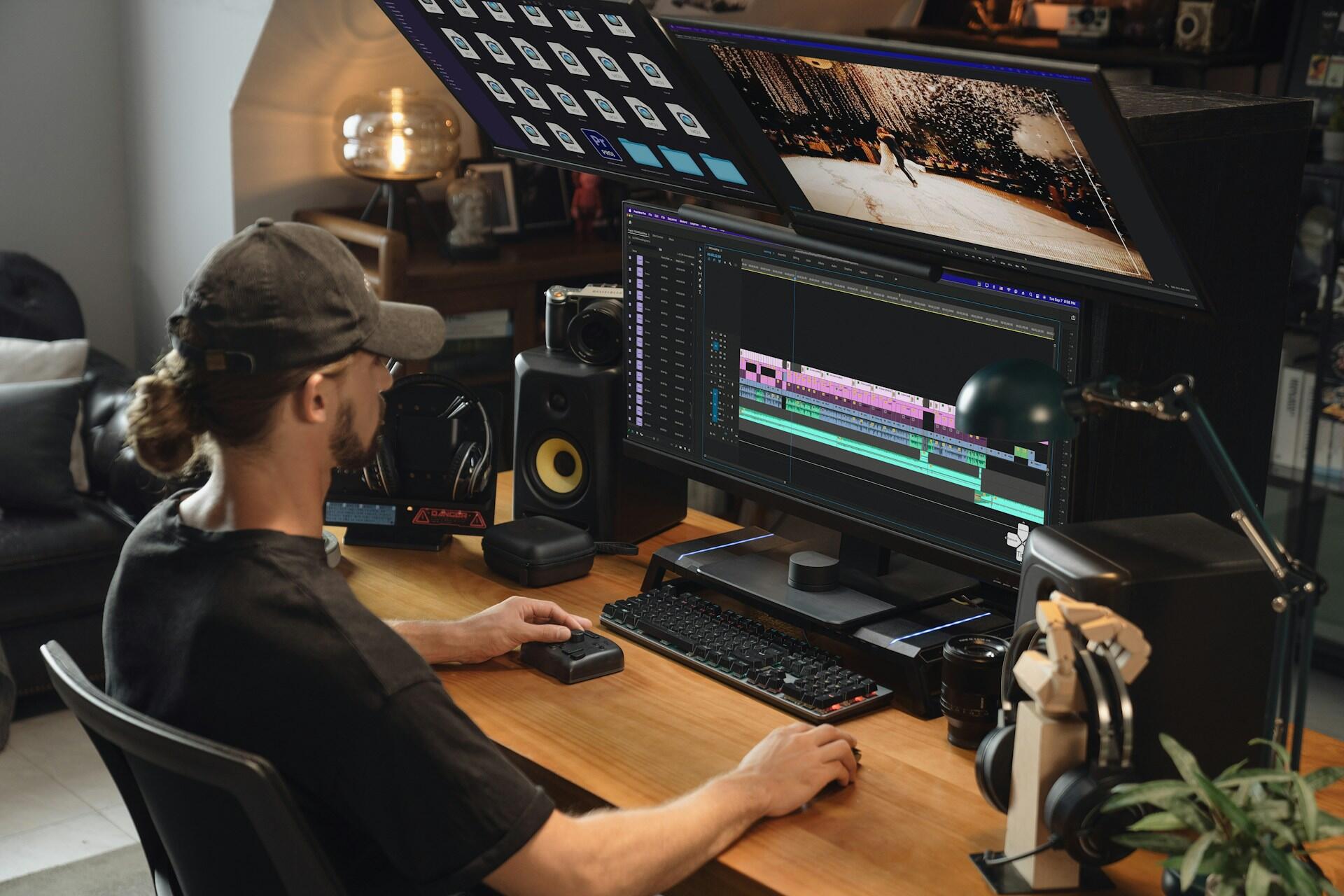
Sound Designer Job and Career Opportunities
Sound design is an often-overlooked career, but it’s actually very prevalent! Anything that has a sound component (music, radio and podcasts, live events, art exhibits, films, TV shows, video games, toys, apps, phones and computers, interfaces and interactive machines, etc.) has sound design. Whether they hire a professional and achieve a good result or not is another story.
Sound design jobs are most often found in:
- Film and TV production companies and post-production houses
- Game studios (especially AAA and indie)
- Theaters, touring productions, and live event companies
- Radio stations, podcast and audio drama producers, advertising agencies
- Technology companies that make things like toys, automobiles, appliances, self-serve kiosks, loudspeaker announcements, etc.
- Music production studios, especially for artists and genres that incorporate more than just traditional vocals and instrumentation
Sound design is a niche industry even though it’s found in many places. This is because it doesn’t take very many people in each company to achieve the required and desired outcomes. Making connections, working on volunteer, indie, or solo projects, and having a strong online presence can help you find opportunities and secure positions.
Most positions are freelance or contractual, available on a per-project basis; though, some lucky sound designers may find in-house positions with production studios.
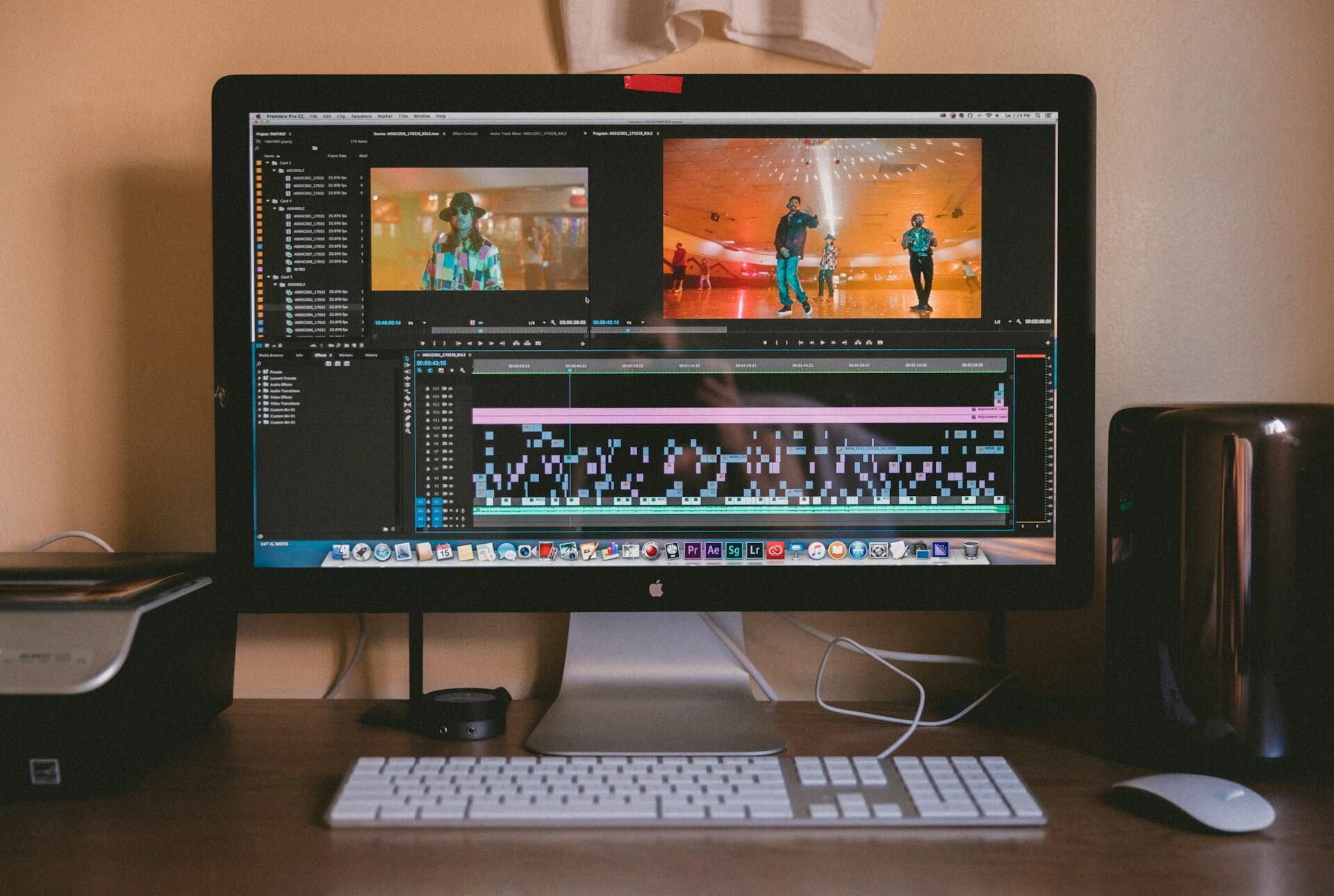
What Does a Sound Designer Do on a Daily Basis?
You know where sound designers work, you know they use recording equipment, DAW, and edit audio, but what precisely do they do? The specific tasks and procedures will vary depending on the industry, employer, clients, and project, but here are just a few examples of what you might do as a sound designer:
Decide which sounds need to be included in a film, TV show, animation, audio production, or game; choose options from an audio library; create new sounds using your creativity and recording skills; record sounds in a studio and/or via field recording; create sounds with DSP; edit sounds to create the exact effect you envision; splice audio effects into the tracks at the right timing and volume
Many audio designers work remotely either part time or entirely. They have adequate home studios or rent space at a studio when needed while completing non-studio work on their computers. Hours can be grueling and long, especially as deadlines near. Most sound designers report normal working hours (roughly 8 per day) most of the time, but may work as many as 15 hours per day nearing deadlines. Excellent time management can mitigate some of the problems.
Selecting music and other sounds for scenes in TV, movies, games, etc.; balancing the sounds to create a cohesive experience; using 3D audio landscaping techniques to create an immersive experience for those listening with headphones or surround sound
Ensuring audio quality and balance in a project is cohesive and coherent; ensuring dialogue and music levels are adequately balanced, etc.
Creating or selecting sounds for things like cars, phones, apps, computers, art exhibits, etc.
Creating music and effects for a production in advance; rehearsing with the actors; setting up sound equipment for the live performance; balancing music and dialogue in real time by turning different mics and amps up and down, for example; playing music and sound effects at the right moments and at the right volume
Sound Designer Salary
Pay can vary due to many factors, like experience, sector, whether you’re freelance, contract, or a part- or full-time employee, and location. Salary varies greatly by experience level and status.
0-5 years experience
5+ years experience
10+ years experience
Essential Skills for a Sound Designer
Getting into the sound design business requires certain technical, creative, and practical skills. You’ll do well to learn at least one professional tool and software for each step of the sound design process. You should understand the principles and techniques, so you can quickly pick up new tools as needed.
Technical Skills
- At least one DAW (Pro Tools, Logic, Ableton, Reaper, Cubase, etc)
- Working knowledge of microphones, preamps, and audio flow
- Recording skills
- Knowledge of video editing with popular programmes
- For games: Knowledge of Steam, Unreal and Unity, scripting systems
Creative Skills
- A strong ear for emotion and sound
- Understanding sound and music theory and concepts (timbre, tone, acoustics, etc.)
- Inventive skills for creating new and unique sound effects
- Knowledge of sampling, synthesis, and audio processing
- Innate understanding of how a sound should behave, especially as an accompanying element for a visual medium
Practical Skills
- Organization: clear file naming, versioning, and library management
- Communication: ability to explain to management, colleagues, and clients; taking feedback well and pivoting; collaboration
- Entrepreneurial (for freelancers): clear, meaningful correspondence, making contracts and agreements, timeliness and availability, budgeting, client relations
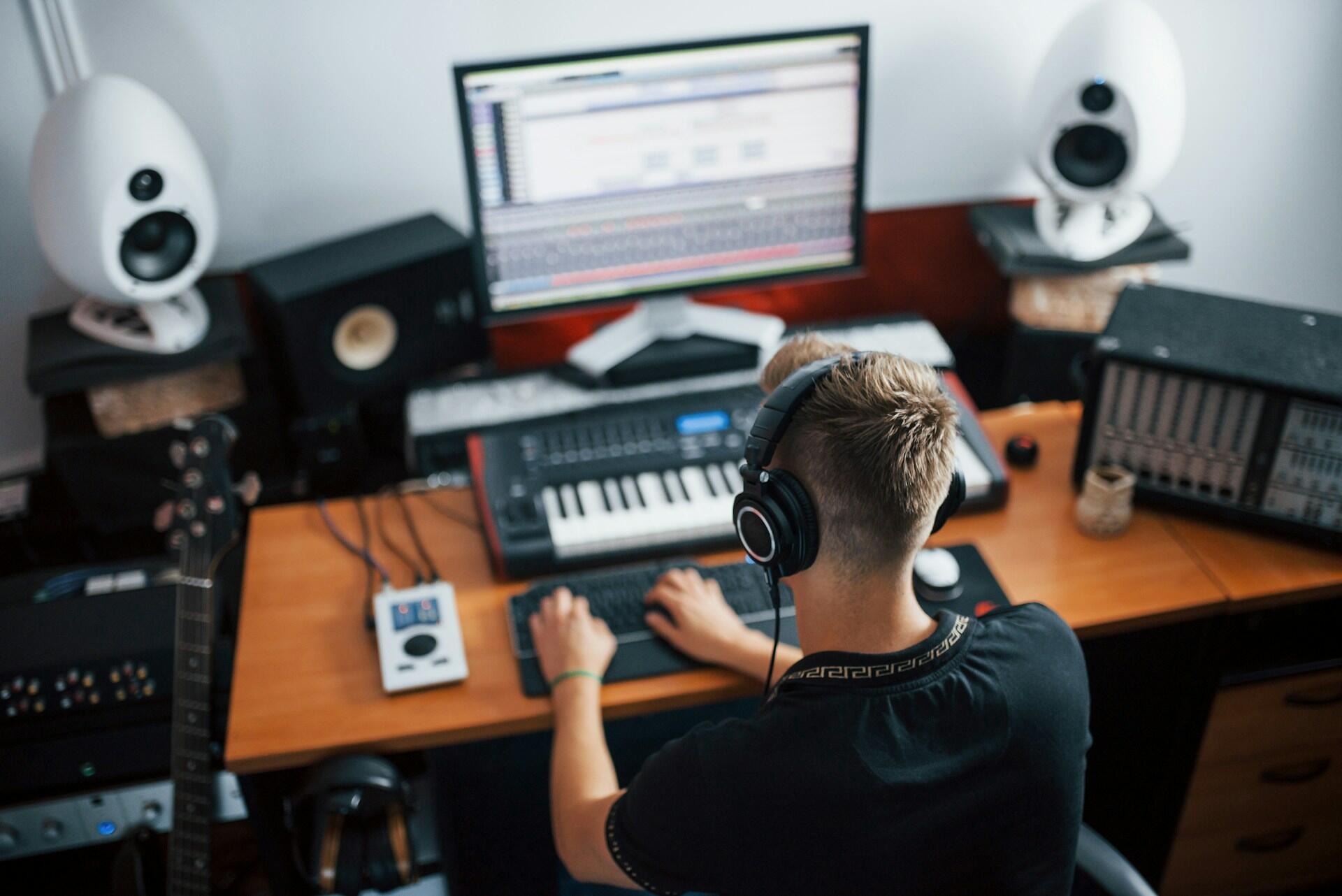
Tools and Software Used in Sound Design
When getting started, you don’t need to know every tool. But, you should know at least one from each category for the types of sound design you want to be involved in. Most professionals develop expert understandings of a core set of their preferred tools, especially freelancers who don’t need to adhere to the standard tools as dictated by a company.
Here are some of the top options to get started with:
- DAWs: Pro Tools, Logic Pro, Ableton Live, Reaper, Cubase
- Synths and samplers: Serum, Vital, Massive X, Omnisphere, Kontakt, Ableton Sampler
- Effects: EQ, compression, reverb, delay, distortion, modulation (FabFilter, Soundtoys, Valhalla)
- Field recording: portable recorders (Zoom, Tascam) and microphones for original source material
- Game audio: Wwise, FMOD, Unity, Unreal Engine
- Film/TV: tools for working to picture, dialogue editing and spatial audio (Dolby Atmos)
You can get certified in certain tools, like Pro Tools and Wwise. These credentials are often sought by employers, so it’s worth getting them whether you pursue formal or informal education.
Sound design is a rewarding career with a high level of satisfaction. If you’re passionate about being creative with audio and want to be able to enhance media with your personal touch, this field can be a great option.
References
- “Career Spotlight: Sound Designer.” dBs Institute of Music, www.dbsinstitute.ac.uk/career-spotlights/sound-designer. Accessed 9 Aug. 2026.
- Graduate Futures Institute, editor. “Sound Designer.” Prospects.ac.uk, 2025, www.prospects.ac.uk/job-profiles/sound-designer. Accessed 9 Aug. 2026.
- “Sound designer.” Skills Development Scotland | My World of Work, www.myworldofwork.co.uk/search-job-profiles/job-profiles/sound-designer. Accessed 9 Aug. 2026.
- “What is a sound designer for theatre?” Association for Sound Design and Production, www.associationofsounddesigners.com/whatis. Accessed 9 Aug. 2026.
Summarize with AI:
Did you like this article? Leave a rating!

 Loading...