
The music industry is full of possibilities. Creatives, technical workers, and those with leadership aspirations can all find a place in making and distributing music. Discover the top music production jobs, find out what skills you need, and learn about opportunities across the US and beyond.


The Different Roles in Music Production
Music production requires dozens of different roles to go from ideation to distribution. Many roles are quite niche and even more of them may overlap with one another. There are a few typical jobs that you should know and explore; learning more about these positions can help you understand the industry and possibilities better.
Music Producer
| Role | Responsibilities | US Median (Annual USD) |
|---|---|---|
| Music Producer | Guide creative direction of tracks/albums; arranges, records, mixes; collaborate with artists and labels | $74,000 |
| Recording Engineer | Set up mics and recording studio equipment; manage signal flow; record performances; edit and comp takes | $73,100 |
| Mixing Engineer | Balance individual tracks; apply EQ, compression, effects; create polished stereo mix for clients/mastering engineers' | $73,100 |
| Mastering Engineer | Prepare final mix for release; ensure consistency, loudness, and format compliance | $85,000 |
| Sound Designer | Create sound effects, atmospheres, sonic identities for film, TV, games, and apps; use synthesis and editing | $85,000 |
| Live Sound Engineer | Set up PA systems; run sound checks; mix at live shows | $60,000 |
| Spoken-Word Audio Producer | Record, edit, mix, master podcasts and voice content | $65,000 |
| DJ | Perform live sets at clubs, festivals, weddings, corporate events, etc.; select and mix tracks | $44,900 |
| Field Recordist | Captures location audio for film, TV, games, and libraries; record ambiance, Foley, and custom sound-effects | $60,000 |
| Studio Manager | Run daily operations; book sessions; maintain gear; support clients; manage staff; manage invoices | $65,000 |
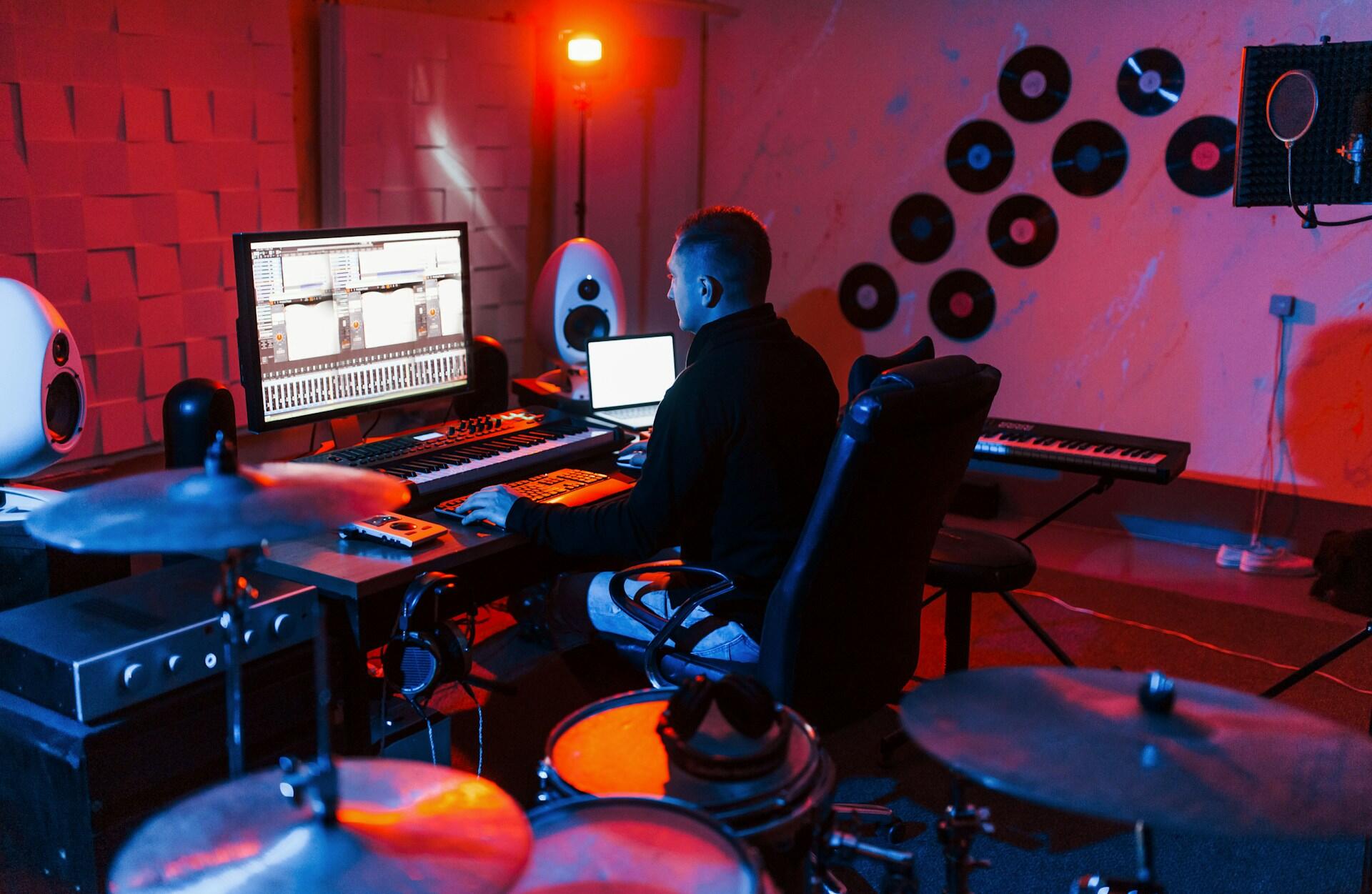
This may be the top position you think of when you imagine music production. Music producers guide the overall creative direction of a track or album. From pre-production to final touches in the mastering stage, a producer can have a hand in any or all stages of the process in making music.
For certain projects, producers may ideate with artists or bands, suggesting themes and aiding in developing songs. They often handle arranging, recording, and sometimes mixing, along with mastering. Producers usually oversee specialized employees (like recording technicians, mixing engineers, and mastering engineers) who also help with the process, though select projects might require a more one-person approach.
Producers need to be able to communicate effectively with anyone they might meet in the business, including artists, studio interns, technicians, engineers, manufacturers, distributors, and label executives. Having a diplomatic and winning personality is helpful, but being reasonable, reliable, and undeniably good at the job goes a long way.
Audio Engineer or Recording Engineer
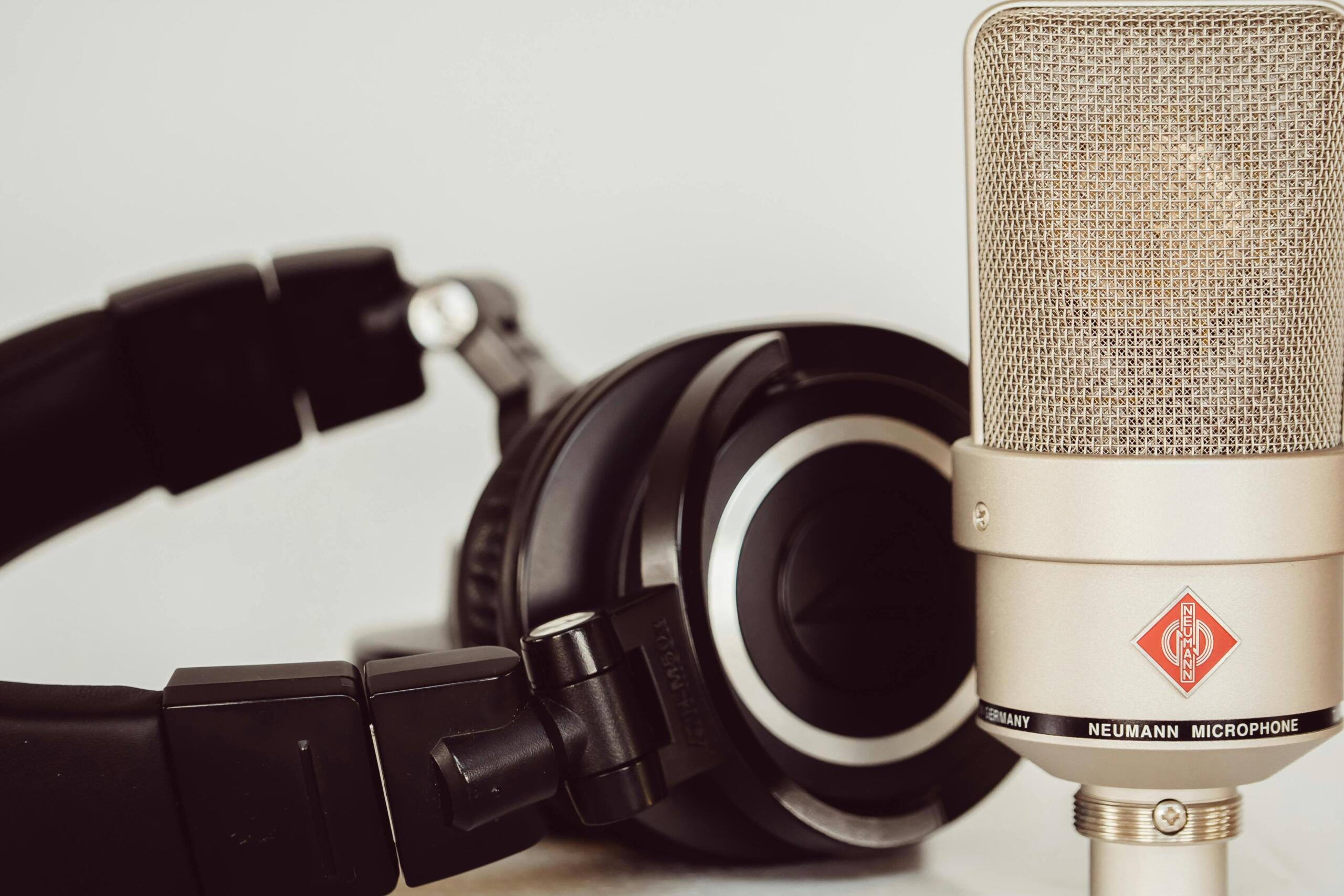
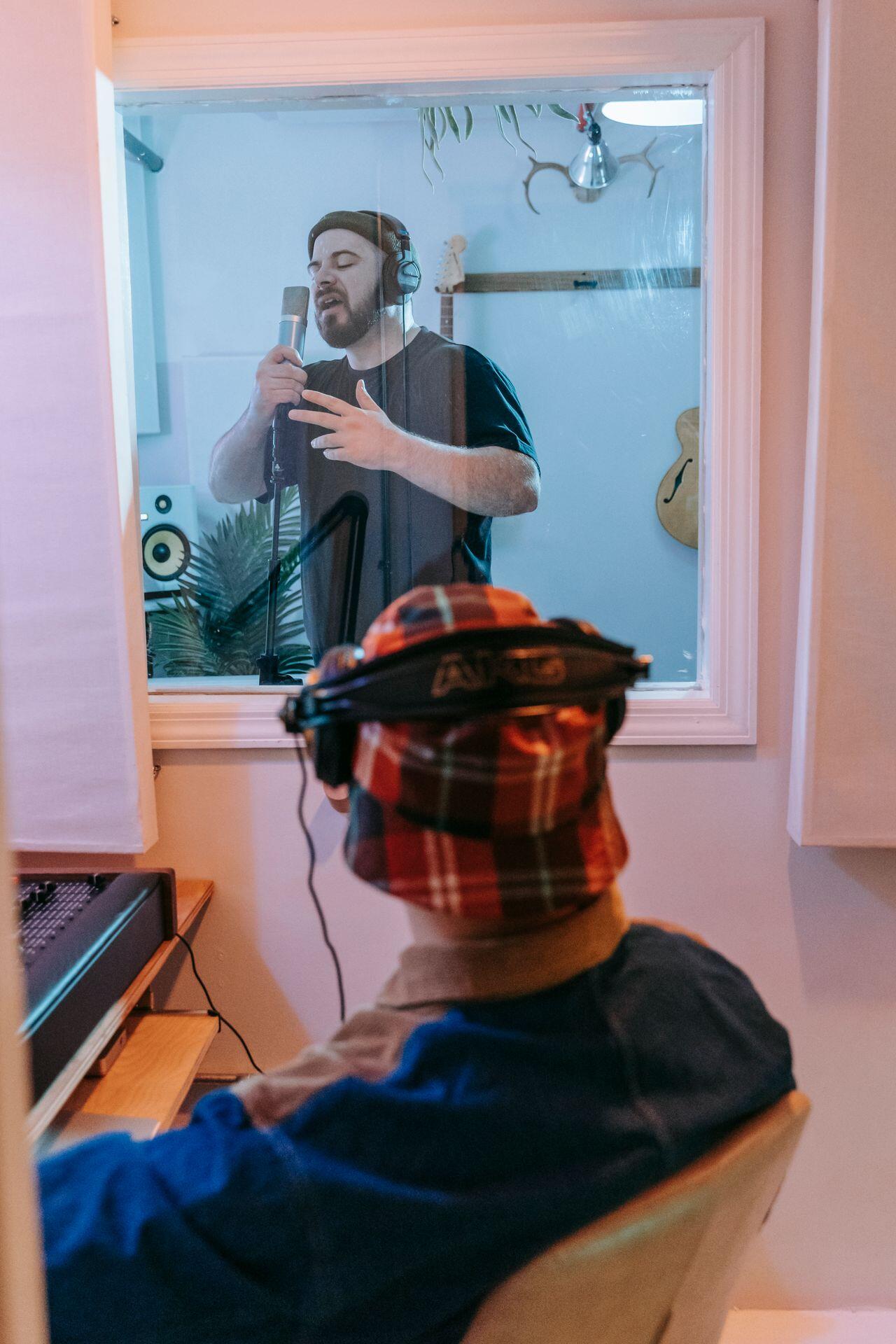
These engineers, also called Studio Engineers, oversee the technical aspects of recording. They place microphones, manage signal flow, choose and calibrate equipment, and ensure the best possible audio capture. Most of the time, this recording takes place in the controlled environment in a recording studio, but it can sometimes be done at live events.
They direct or assist in directing artists to play their music in all the ways required for the mixing process. This means that each instrument and vocalist will likely be recorded multiple times solo, with the microphones and other equipment calibrated to each one specifically.
Recording requires a knowledge of Pro Tools or comparable DAWs. Many audio engineers also have a hand in editing the tracks after recording, even if it’s just cleaning up the roughest edges for the mixing engineer. They are usually responsible for clearly labeling each track and session for easy access.
If you’re pursuing music production degree jobs, these positions can provide a solid foundation for career advancement.
Mixing Engineer
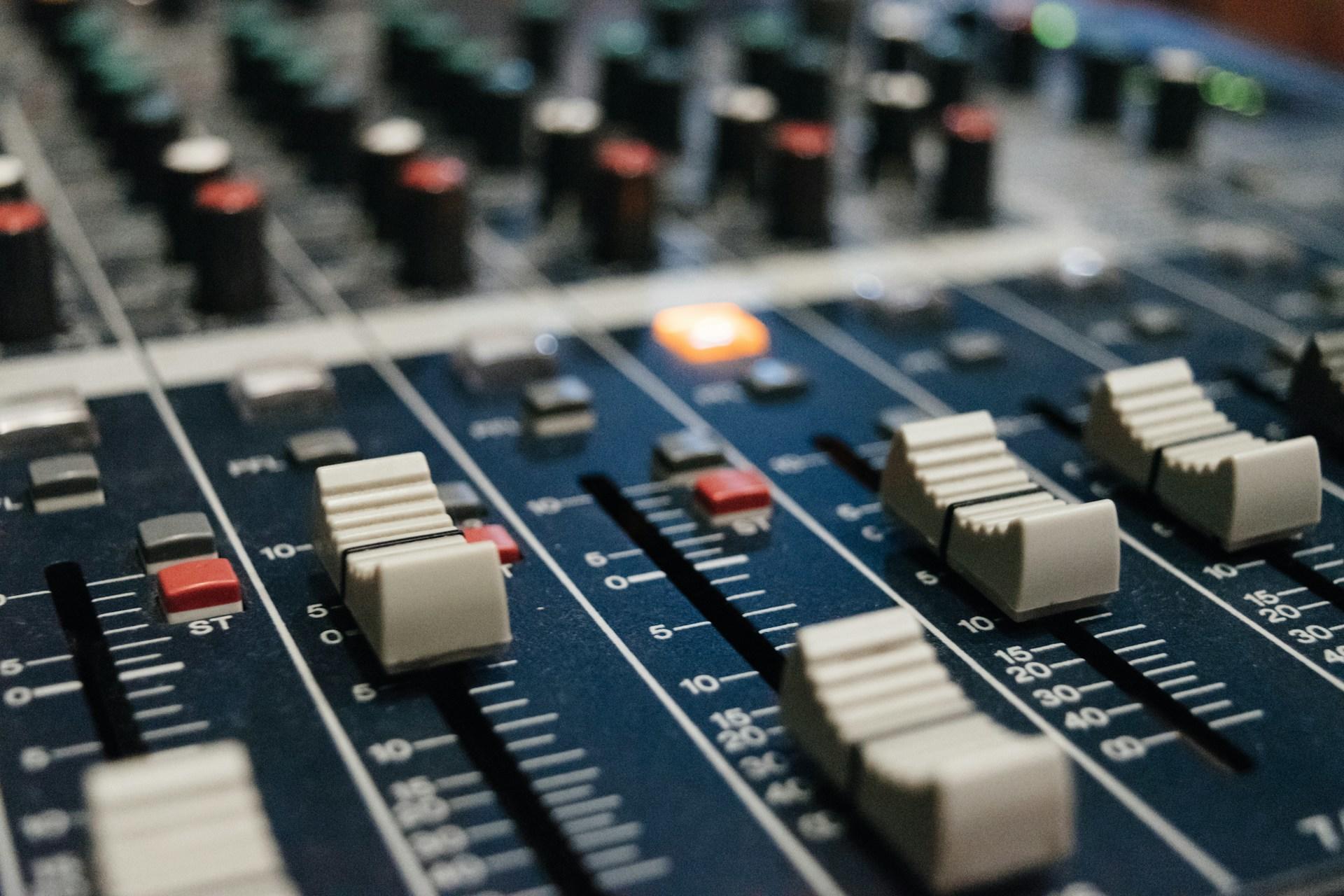
Using the different tracks made by the recording engineer, mixing engineers arrange them together in ways that sound good and achieve the artistic vision.
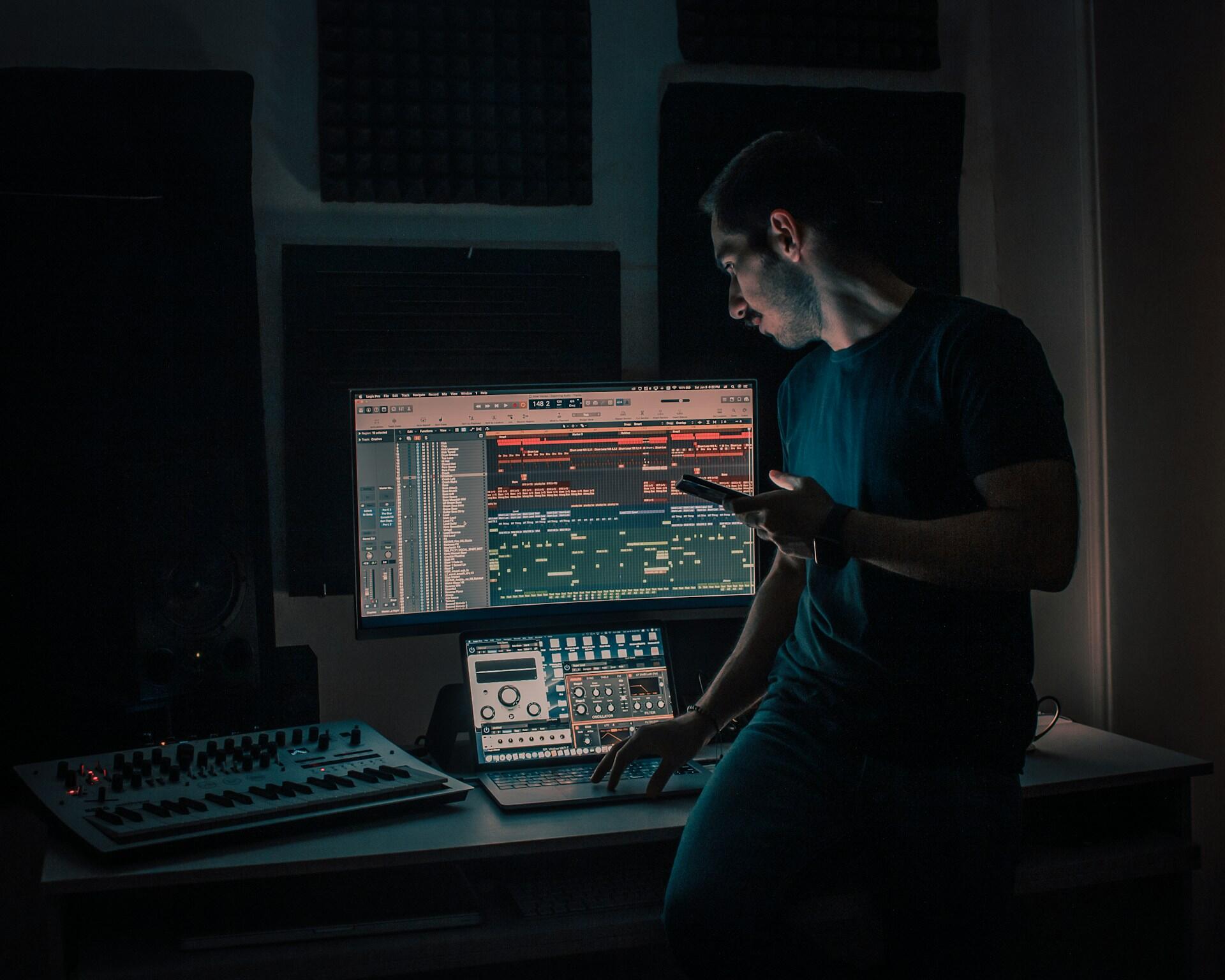
They lay tracks over one another, keeping composition and timing in mind. The volume and EQ of each track is carefully adjusted. Compression and effects like reverb and delay can be added at this step of the process.
They are responsible for developing the realized emotion and impact of the song. Mixers must collaborate with producers and artists to create an initial mix that satisfies all parties.
Technical skills with DAW, good ears, instinct, organisation and collaboration skills are imperative for the role.
Mastering Engineer
After mixing, the mixdown (all tracks compressed into one) is passed to the mastering engineer. In this stage, the tracks are prepped for final release.
Mastering engineers ensure consistency across tracks when making an album. They optimize the audio for different playback systems, like car stereos, CDs, online streaming, and vinyl. Masterers arrange the tracks, ensuring a cohesive flow from one song to the next, and cut out errors like long silences at the beginning or ends of songs.
They often make small adjustments to volume and other technical aspects, but to the entire track as a whole rather than layer-by-layer as mixers do. Mastering engineers need detailed knowledge of the recording, mixing, and production processes, as well as technical skills with various mastering software, good ears, and effective collaboration.
Spoken-Word Audio Producer
Audio dramas, podcasts, journalism pieces, audiobooks, and other non-musical pieces of audio require a different touch than music-based productions. Like music producers, they may have a hand in each step of the process including ideation, scriptwriting, recording, editing, mixing, and mastering; or, they may only deal with one of some steps of the process.
Typically, they record voice artists, ensuring the microphones and other equipment capture the best possible audio. They also edit the tracks, removing noise, balancing levels, and stitching separate sessions together. Producers for spoken-word audio need to be able to edit recordings to create a pleasant, interesting narrative flow. They may also add music and effects (often working in tandem with sound and music designers) to the tracks.
Sound Designer
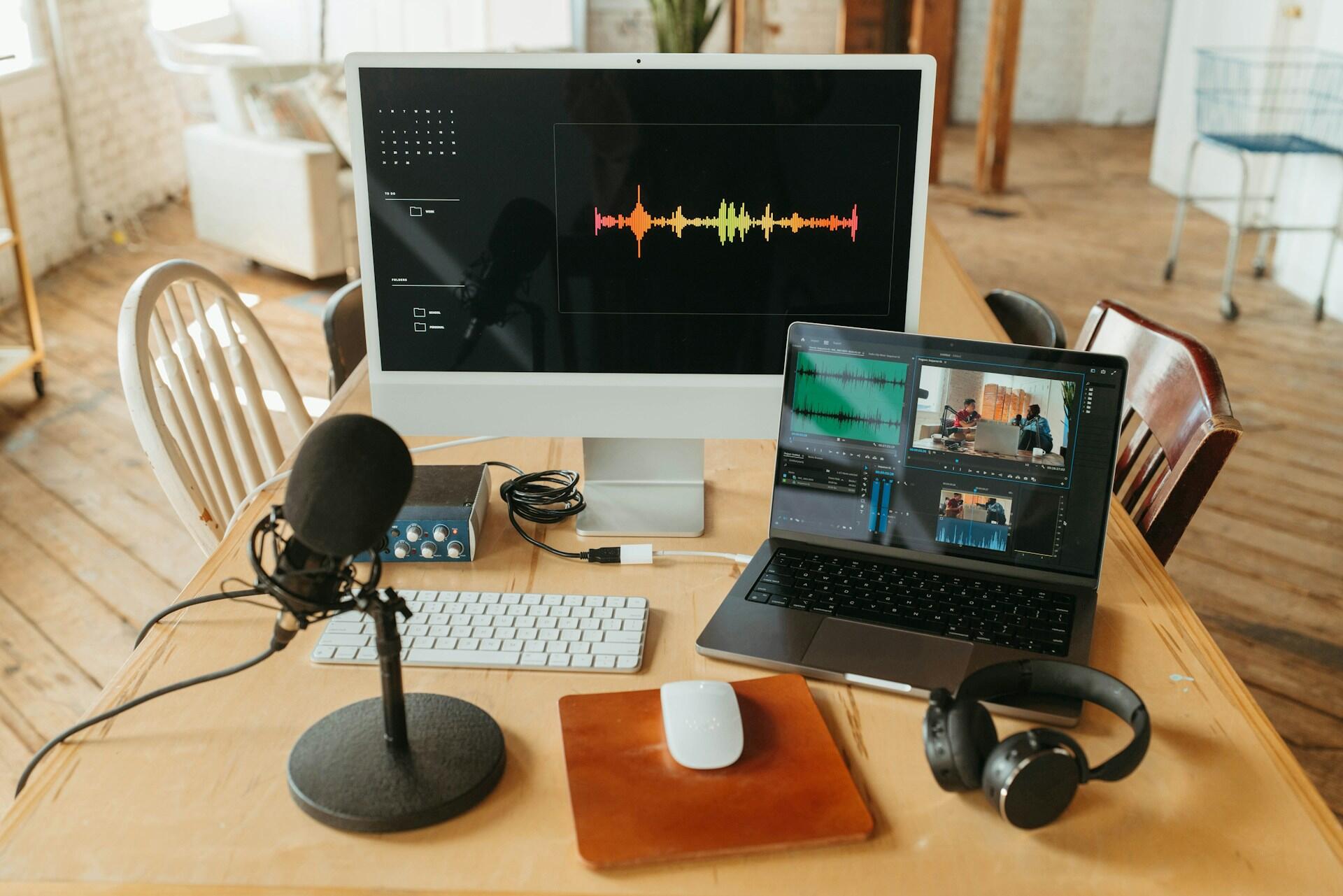
There are many kinds of sound designers, such as live design, audio programrs for video games and tech, and designers for film and TV. In each instance, sound designers create audio for their respective media. They plan what audio should happen when and where in the production.
One well-known aspect of this realm is Foley, where designers record effects, often using various objects to create clean, useful bites. Sound designers may craft everything, from music to the click of a button being pressed, and even dialogue.
The job often spans over various responsibilities: recording, editing, mixing, and implementing/programming. It’s a developing field that often overlaps with others, especially in video games. Sound designers need to be creative and imaginative, with a knack for audio storytelling, and have technical skills with DAWs, audio implementation software (like Wwise or FMod), and compiling sound libraries.
Live Sound Engineer
While some sound designers do craft music and effects designed for live use, these engineers implement the recordings. They also manage the live audio, setting up PA systems, microphones, amplifiers, and maintaining signal flow. They need to be quick problem-solvers who can think on their feet to resolve any technical issues as fast as possible.
Many responsibilities may overlap with live playback engineers, who ensure the music played at a show sounds the way it’s meant to.
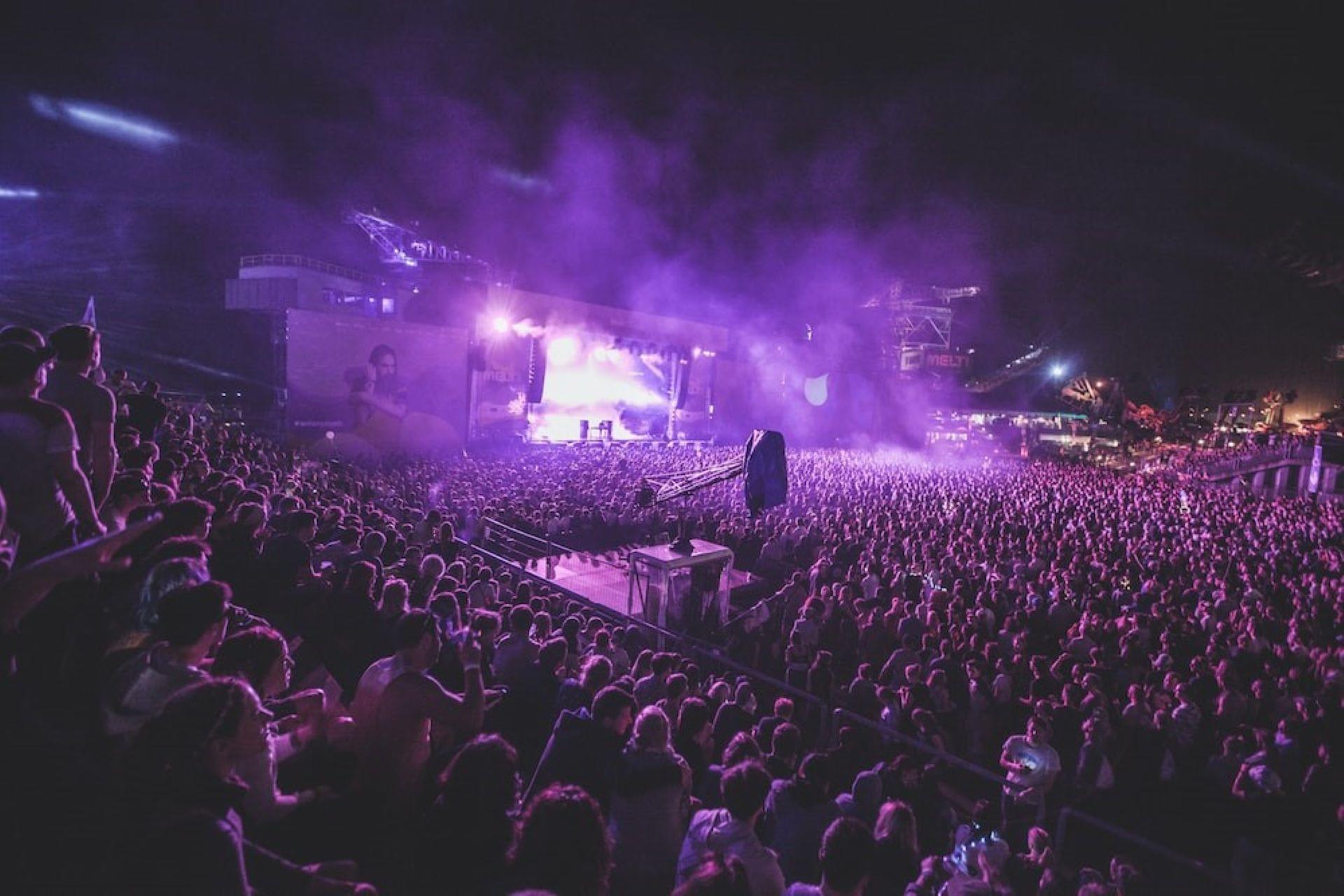
Concerts, festivals, theater performances, and events like seminars or weddings are some of the most common work spaces for live sound engineers. Many tour with artists or theater companies, or find employment with specific venues. Collaboration, teamwork, and the ability to thrive under pressure is essential.
DJ
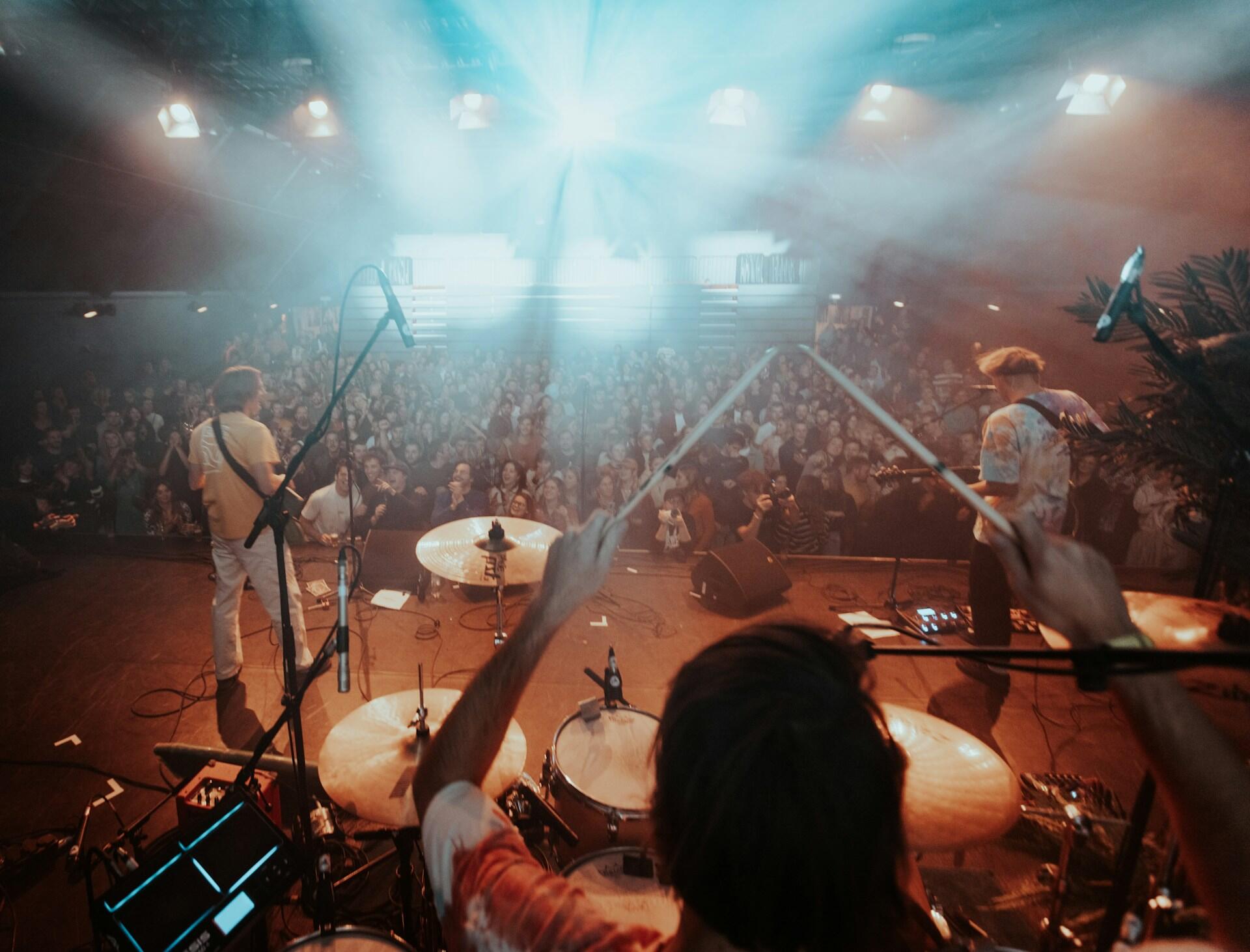
Whether recording in the studio, selecting tracks for radio, or giving a live performance, DJs can create an experience through music. There are several different main types of DJs:
- Club DJs: Artists who often create original tracks or heavily mix existing music together to create something new and showcase them at clubs and festivals to create exciting live experiences. Sets are usually two or three hours long.
- Mobile DJs: Usually found at weddings and parties, these DJs typically curate existing music to create a fun atmosphere. They can also support performers by running sound and acting as sound technicians.
- Turntablists: These artists play short routines for competitions, usually using the latest technology and performance techniques. They can create pre-rehearsed music or come up with new mixes on the spot during live remixing.
Many DJs are also bedroom producers (solo creators) who record their own music at home and complete all the editing, mixing, mastering, and distribution on their own. As far as entry level music production jobs go, DJ has the lowest barrier to entry. Many DJs start just by creating music mixes at home and playing them at small gigs. Getting your name out there leads to more connections and bigger gigs with opportunities to enter the professional field.
Field Recordist
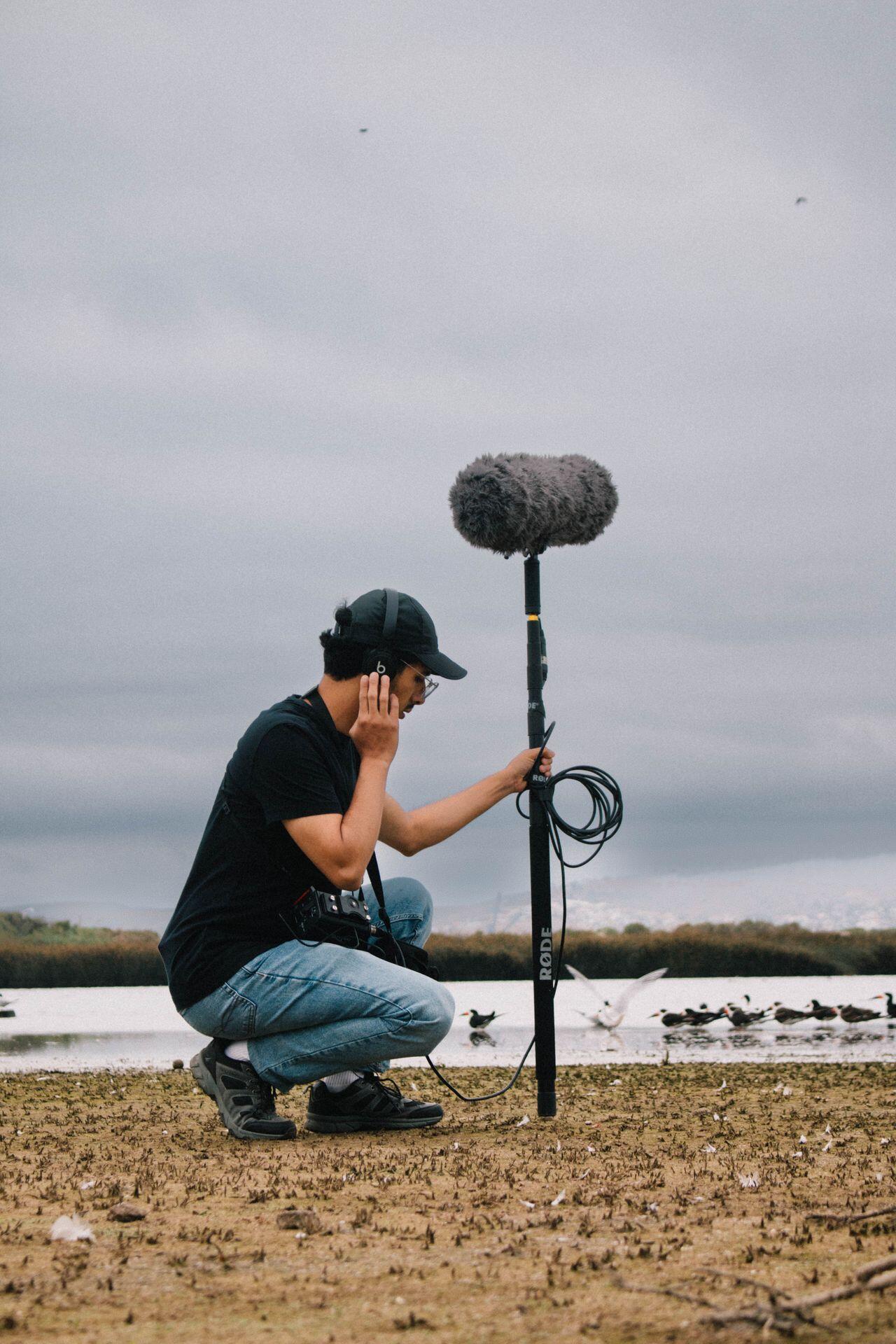
Similar to Foley, field recordists collect clean audio that is usually not music. Uniquely, they work exclusively outside of the studio (unless they’re recording sounds found in a recording studio!).
Field recordists use high-end equipment to intentionally record sounds found in the environment. Everything from the chaos of traffic, the ambiance of a busy coffee shop, the call of a wild bird, the water slapping the side of a boat, and just about anything else can be the focus of a field recording.
With multiple microphones to capture depth, field recordists can seek out specific sounds for projects like TV, films, video games, music sound effects, and other audio formats. They also build sound libraries for easy access.
Studio Manager
Studio managers oversee daily operations at recording studios. Depending on the size of the studio, they may be very hands-on, booking sessions, coordinating with clients/artists, maintaining equipment, and supporting engineers and producers. Large studios with lots of staff to handle scheduling, maintenance, payroll, and other elements of running a business, may see managers take a more hands-off approach.
In both cases, managers are in charge of ensuring the studio runs properly. The larger aspects, like building maintenance, hiring specialists (like piano-tuners), managing staff, and ensuring recording sessions and quality are up to snuff are universal responsibilities.
The Various Work Environments in the Music Production Industry
There are many different locations for those in the sound and music industry. Some positions require attending the same location each day, while others involve travel and flexibility. Workers may find themselves in state-of-the-art studios, on site at a concert, in remote wilderness, or in their own living rooms.
Recording Studios
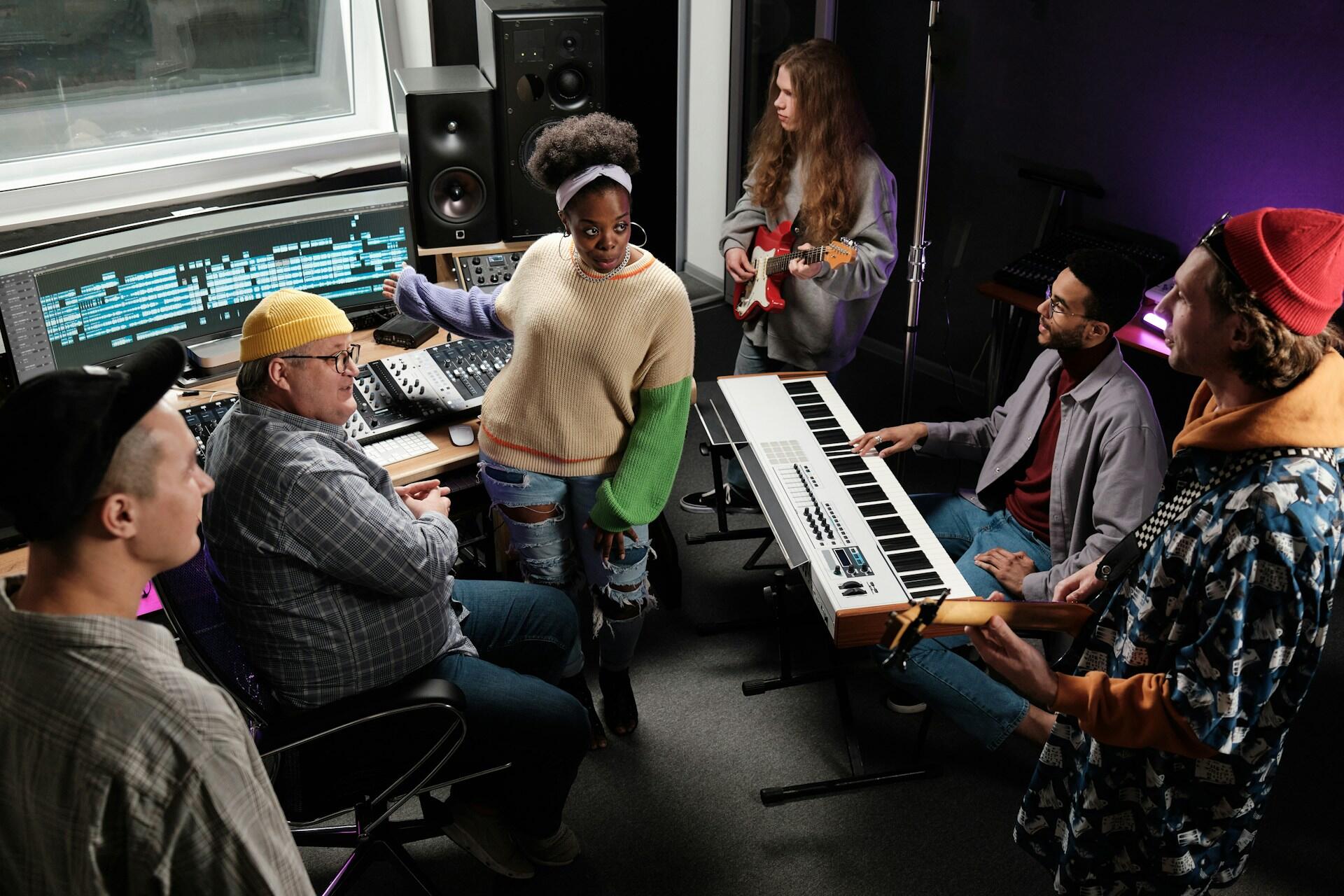
The most typical location for music production, professional studios offer high-end equipment, acoustic room treatment, and experienced staff. Studios host sessions for artists in their professional recording rooms, capturing the audio with microphones and advanced recording machines (analogue and/or digital).
Roles here include recording engineers, mixing and mastering engineers, producers, assistants, and managers. Employees may be hired part-time, full-time, or on a contract or freelance basis. They may complete most or all of their tasks at the studio, or may sometimes work remotely from home.
Studios can be independent or part of larger companies, which can influence the facilities and culture. Many studios offer internships, assistantships, and entry-level roles, making them a great place to begin your career.
Many jobs in music production are on a freelance basis, especially editing, mixing, mastering, and various recordings. Freelancers may be hired per hour, per project, or on an ongoing basis with a certain studio or artist.
Live Events
For those in the live event recording, engineering, technician, or production tracts, the workplace often consists of concerts, festivals, and other locations. Teams of live sound specialists collaborate to create sound designs, build the audio systems on-site, maintain them, and deliver clear, powerful results.
This dynamic can be travel-heavy, especially for employees who work with specific artists who may go on tour or travel around the area. Though, it’s possible to work for a specific venue and always tend to the same space.
These positions sometimes entail some office hours, especially above an entry-level assistant. Paperwork, planning, and gathering materials and bringing them back to the warehouse are some of the things that might need to be done in an office. Entry-level assistants and techs might only be called to location and not present in the office.
Remote Work
Since much of music mixing and mastering is done with digital tools, remote production has become common. Producers, mixers, and editors can work from home and collaborate partly or entirely online.
Remote work is common for freelancers. It offers lots of flexibility, but requires even more self-discipline and strong communication. Create music from Los Angeles, or anywhere across the world with remote digital tools.
Working remotely may require a small investment into equipment like powerful computers, MIDI, DAWs, and various high-quality headphones. If your job is direct with a company, they may provide this equipment to you.
Post-Production Houses
Roles like dialogue editing, sound designing, and re-recording mixing can be done at post-production studios. Typically, these jobs are done for film, TV, ads, and games; not so much for music.
These roles usually involve syncing sound to picture and meeting broadcast standards. Workers usually need the high-end, specialized equipment found at the production house, and are usually not allowed to take work home, since it can be confidential. This environment is where you’ll find the most jobs with a music production degree.
Apprenticeships, internships, working with small, local artists, and learning on your own are all the first steps into the field. Build a strong portfolio and showcase your skills on social media to spread the word. Join an online or in-person group of aspiring music producers and musicians to learn tips and make connections.
Skills and Qualifications for the Music Production Industry
Each role will naturally require a unique set of creative and technical skills, as well as qualifications and experience. One thing that’s unique about music production, however, is that you don’t always need formal education or a degree. Training can help, but experience can come from a university, specialized course, or through apprenticeships, entry-level experience, and making music on your own.
Every video, song, podcast, or digital experience includes sound, and that sound needs to be recorded, edited, and produced professionally.
AIMM.edu
Technical Skills
Learning about industry best-practices and standards can be done with formal education or through self-learning. Specific technical skills that can help you be a successful music producer include:
- DAW (Pro Tools, Logic, Ableton, etc.)
- Acoustics and recording science (signal flow, mic placement, etc.)
- Mixing, editing, and mastering skills
- File organization
Creative Skills
Beyond the technical aspects, working in music production means you must have strong creativity. Some skills can be taught and honed, but some must be innate, such as having a good ear and sense of pitch. These creative skills serve well in music production:
- Strong musical ear (perfect pitch, instinct for balancing volume and instruments, etc.)
- Ability to tell a story and shape emotion through sound
- Recognizing a bad take and knowing the solution (re-recording, editing)
- Finding the right effect
- Developing your own style and techniques
If you’re passionate about music, bringing artists together, and the sonic arts, a career in music production can be right for you! It’s a thriving field full of various genres and interesting projects. Developing your unique creative touch over time is deeply satisfying, since you can have a real, lasting impact on the entire industry just by being yourself.
References
- “Careers in Music Production and Engineering.” Berklee College of Music, college.berklee.edu/mpe/careers. Accessed 17 Aug. 2026.
- “Careers in Music Production: The Complete Guide to Jobs, Roles, and Opportunities.” AIMM, 5 May 2026, aimm.edu/blog/careers-in-music-production. Accessed 17 Aug. 2026.
- “Careers in the Music Industry.” UK Music, 20 May 2026, www.ukmusic.org/education-skills/careers-in-the-music-industry. Accessed 17 Aug. 2026.
- “Music Producer.” Prospects.ac.uk, www.prospects.ac.uk/job-profiles/music-producer. Accessed 17 Aug. 2026.
Summarize with AI:
Did you like this article? Leave a rating!

 Loading...