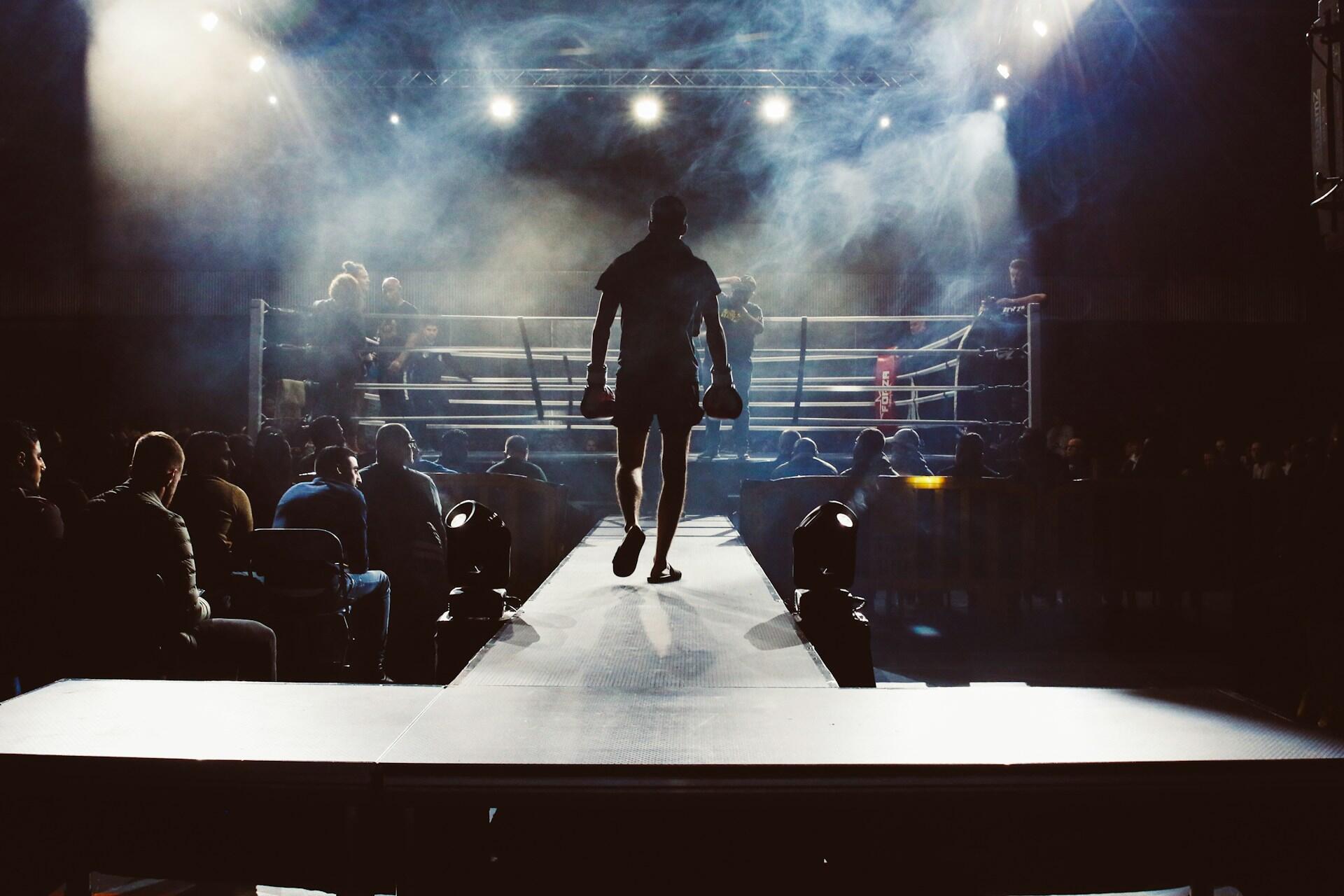

Champions aren’t made in gyms. Champions are made from something they have deep inside them.
Muhammad Ali
American boxing has always been shaped by contrast. Speed versus power. Discipline versus chaos. Fame versus grind. From Madison Square Garden to packed arenas in Las Vegas, fighters from the United States have defined how boxing is fought, promoted, and remembered. This list focuses on ten American boxers who represent excellence across eras and divisions. It includes five men and five women, selected for what they achieved inside the ring. Championships matter. So do opponents, consistency, and the ability to perform when pressure is highest. Rather than ranking them numerically, each fighter is presented on equal footing. Their styles, careers, and weight classes differ, but each influenced American boxing in their own way.
| Boxer | Gender | Era | Primary Division | Key Achievement |
|---|---|---|---|---|
| Muhammad Ali | Male | 1960s–1970s | Heavyweight | Three-time world heavyweight champion |
| Floyd Mayweather Jr. | Male | 1990s–2010s | Multiple divisions | Retired undefeated with 50 wins |
| Joe Louis | Male | 1930s–1940s | Heavyweight | Record 25 heavyweight title defenses |
| Sugar Ray Robinson | Male | 1940s–1950s | Welterweight | Considered pound-for-pound standard |
| Mike Tyson | Male | 1980s–1990s | Heavyweight | Youngest heavyweight champion ever |
| Claressa Shields | Female | 2010s–present | Middleweight | Two-time Olympic gold medalist |
| Laila Ali | Female | 1999–2007 | Super Middleweight | Retired undefeated |
| Christy Martin | Female | 1990s–2000s | Super Welterweight | First major U.S. women’s boxing star |
| Holly Holm | Female | 2000s–2010s | Welterweight | Multiple-time world champion |
| Mikaela Mayer | Female | 2010s–present | Super Featherweight | World titleholder and Olympian |


Muhammad Ali
Muhammad Ali changed boxing long before the final bell rang. As a heavyweight, he moved with the foot speed of a lighter fighter and fought with a rhythm that confused opponents and crowds alike. Ali won the world heavyweight title three times, but his influence goes far beyond belts. His early victory over Sonny Liston marked a turning point in the sport. Ali refused to stand still, refused to fight cautiously, and refused to follow the image expected of champions at the time. Later wins over Joe Frazier and George Foreman showed range and adaptability.
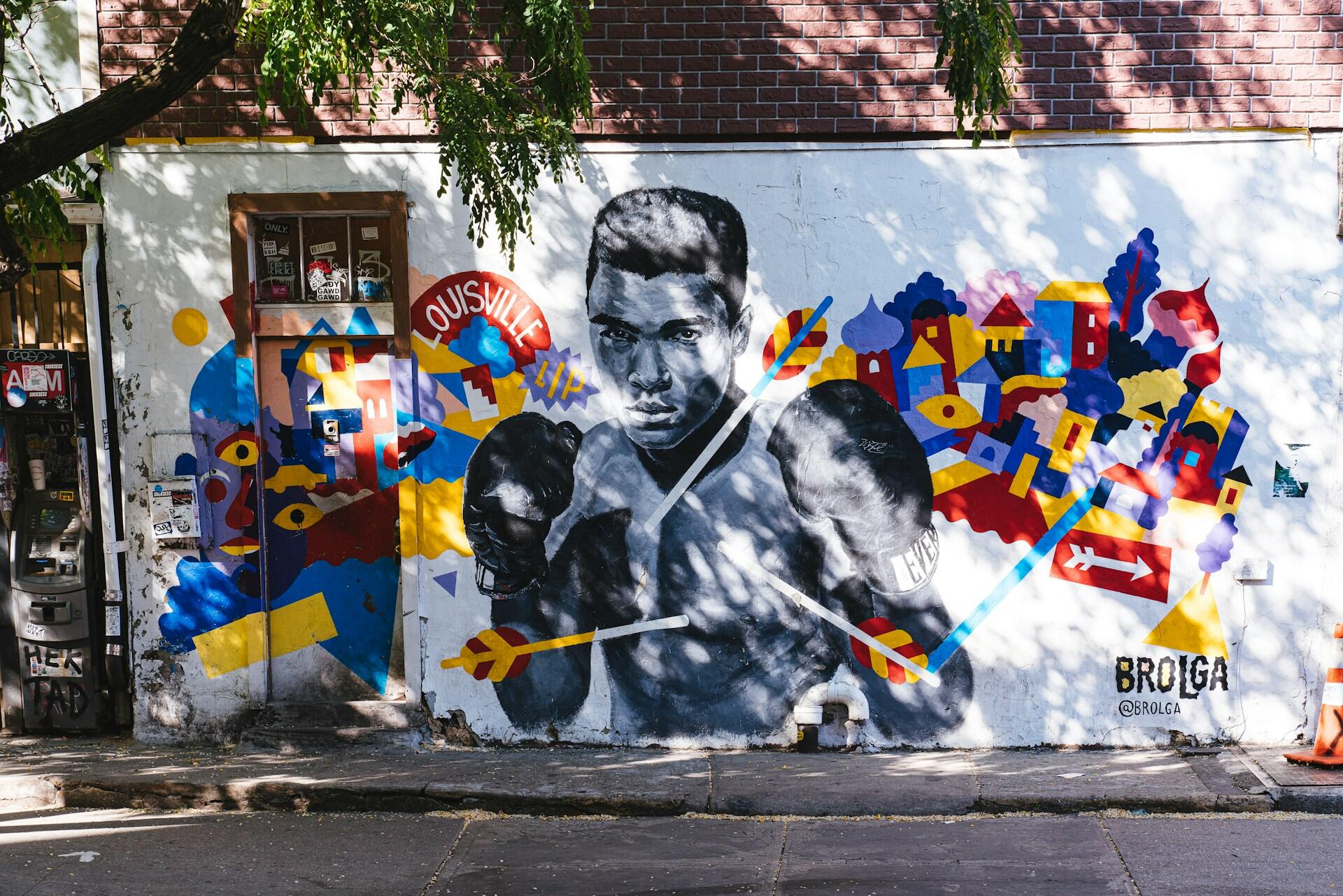
He could box on the outside, fight in close or absorb pressure until an opening appeared. Ali competed during a deep heavyweight era filled with elite talent. He beat multiple champions across different phases of his career, including after forced time away from the sport. That ability to return and reclaim dominance is rare. Outside the ring, Ali gave boxing a voice. His confidence, humor, and willingness to speak openly reshaped how fighters were seen. Modern boxing promotion and personality-driven stardom owe much to the space Ali created.
1964:
Wins first heavyweight title against Sonny Liston
1974:
Defeats George Foreman in the Rumble in the Jungle
1975:
Wins the Thrilla in Manila against Joe Frazier
Who are the best female American boxers of all time?
Floyd Mayweather Jr.
Floyd Mayweather Jr. built his career on control and precision. Competing across several weight classes, he retired undefeated with a record that reflects long-term discipline rather than short bursts of dominance. Mayweather’s defense defined his style. He limited damage, dictated pace, and forced opponents into mistakes. Fighters such as Oscar De La Hoya, Canelo Alvarez, and Manny Pacquiao entered the ring with physical advantages, but most left frustrated and outmaneuvered.
Mayweather trained all year-round, preparing for every detail. Critics often focused on entertainment value, but longevity and results speak louder. Beyond fighting, Mayweather reshaped boxing business models. He controlled promotion, revenue and scheduling. Whether admired or criticized, his approach changed how American champions manage their careers today.
Joe Louis
Joe Louis carried the heavyweight division through one of the most demanding periods in American history. Known as the Brown Bomber, he defended his world title 25 times, a record that still stands. Louis fought with balance and efficiency.
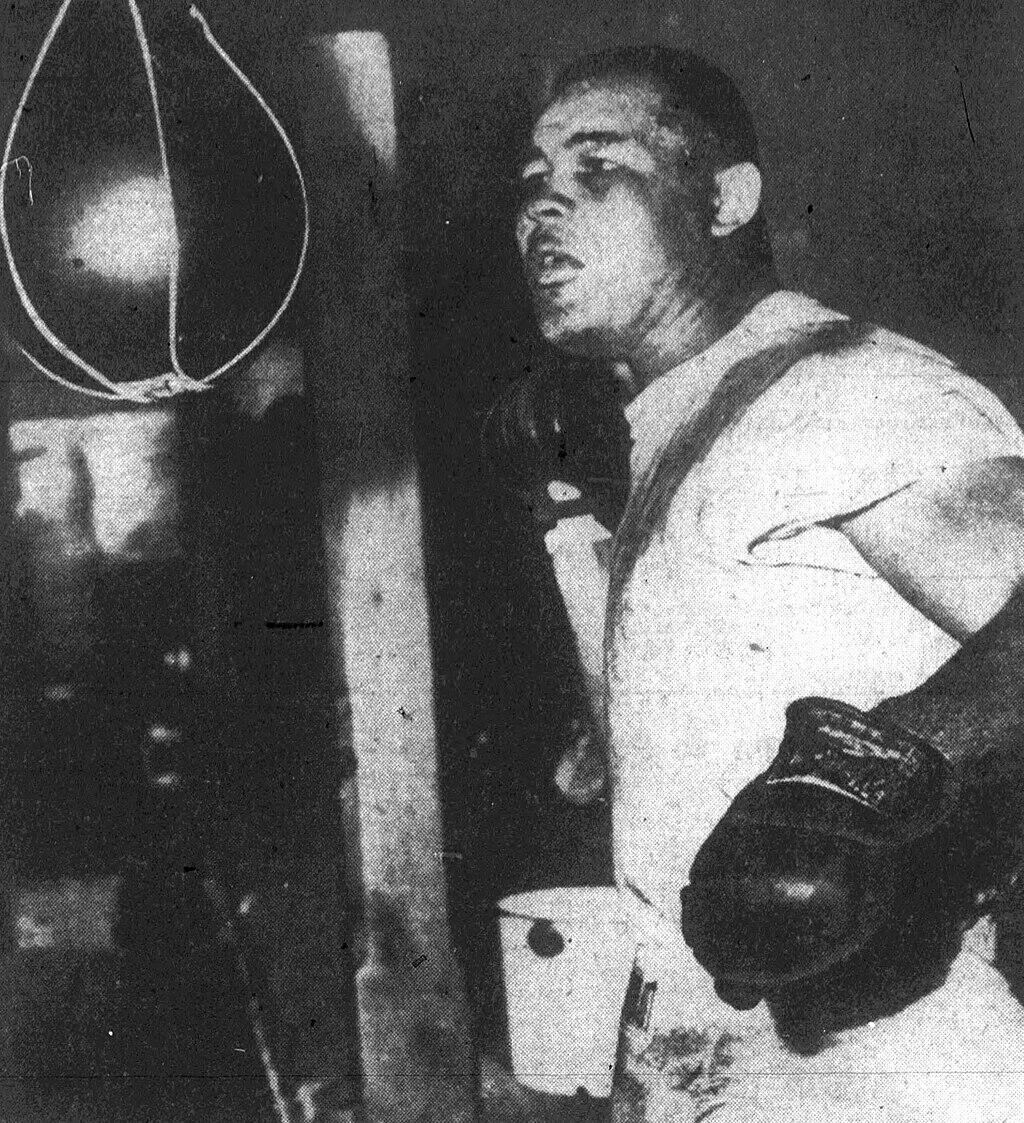
His punches were short and direct, and his composure rarely faltered. While many champions relied on intimidation, Louis relied on preparation and execution. His fights held national importance.
During World War II, Louis symbolized stability and resilience, representing the United States both in uniform and in the ring. Victories over Max Schmeling elevated him beyond sport. Inside the ropes, he beat contenders from across the world.
Outside them, he helped establish professionalism and discipline as the standard for champions who followed.
Here is a list of our top 25 American boxers in history, men's and women's.
Sugar Ray Robinson
Sugar Ray Robinson is often described as the most complete American boxer ever. Fighting primarily at welterweight and middleweight, he blended speed, power, timing, and endurance with rare balance. Robinson fought frequently and against top competition. His record reflects activity rather than careful matchmaking. Losses occurred, but they led to adjustments rather than decline. His footwork created angles before opponents could respond. His combinations flowed naturally and carried stopping power. Many modern boxing techniques trace their roots to Robinson’s approach. When fighters and trainers discuss pound-for-pound greatness, Robinson remains the reference point.
Robinson’s longevity further strengthens his case as one of boxing’s most complete fighters. He competed across eras, adapting to changes in opponents, training methods, and public expectations. Few fighters maintained effectiveness after such a high volume of bouts, yet Robinson continued to perform at elite levels well into his career.
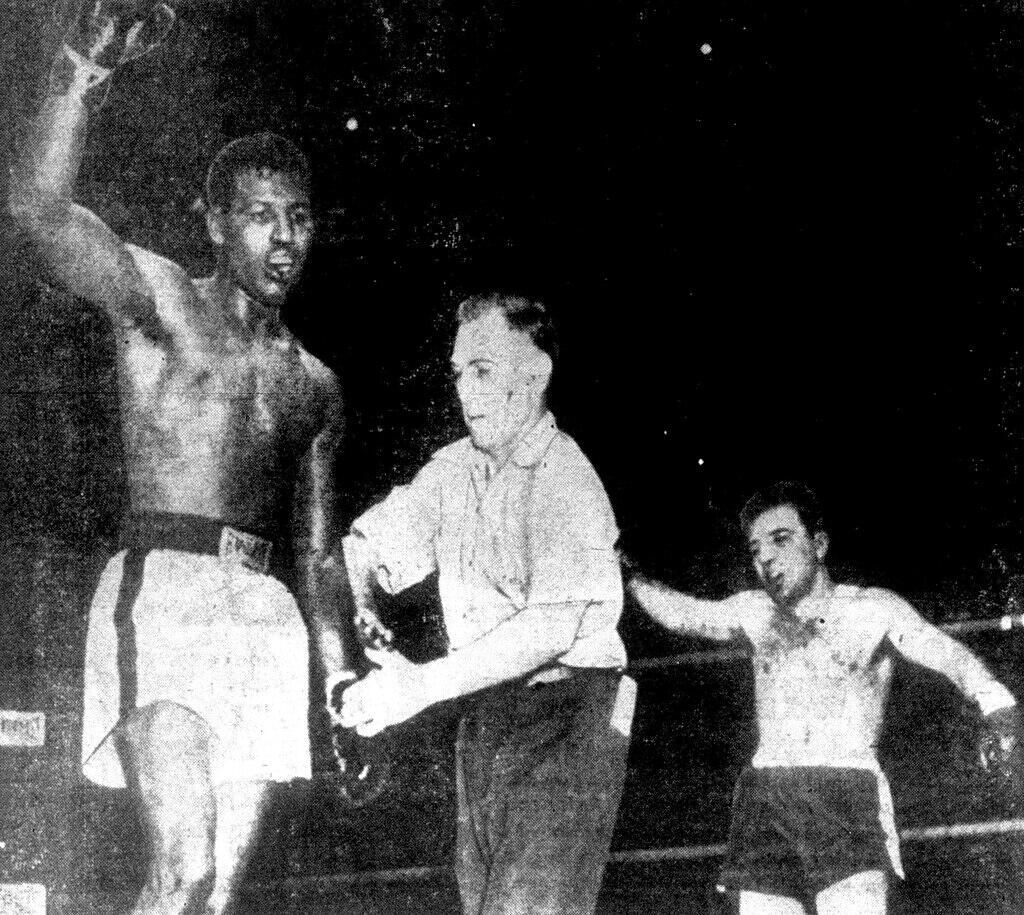
His willingness to fight frequently against top contenders shaped a standard of competitiveness that modern boxing rarely matches, reinforcing his reputation as a true benchmark of excellence.
Mike Tyson
Mike Tyson’s rise was immediate and destructive. He became the youngest heavyweight champion in history by overwhelming opponents with speed, movement, and power. At his peak, Tyson closed distance quickly and punished the body before finishing upstairs.
His aggression forced opponents into survival mode from the opening round. His career also shows how dominance depends on structure and discipline. Changes outside the ring affected consistency, but they did not erase what he accomplished early. Tyson remains one of the most recognizable figures in American boxing history, synonymous with knockout power and intensity.
Tyson’s early success was closely tied to his training under Cus D’Amato, whose emphasis on discipline, defensive movement, and mental conditioning shaped Tyson’s peak years. The peek-a-boo style allowed him to slip punches while staying close enough to counter with devastating force. When structure faded later in his career, the contrast highlighted just how essential preparation had been to his dominance. Even so, Tyson’s influence on heavyweight boxing remains unmatched in terms of intimidation and cultural reach.
1986:
Becomes youngest heavyweight champion in history
1988:
Undisputed heavyweight champion
2002:
Final heavyweight title challenge
Who are the best American boxers of all time in the lightweight division?
Claressa Shields
Claressa Shields owns one of the strongest resumes in American boxing. A two-time Olympic gold medalist, she became an undisputed champion across multiple divisions as a professional. Shields controls fights through positioning and volume. She applies pressure without losing structure and rarely gives opponents room to dictate terms. Her willingness to face top competition early separated her from peers. Titles were unified quickly, and defenses were clear statements rather than close calls. Shields also changed expectations for women’s boxing in the United States by demanding visibility and respect through performance.
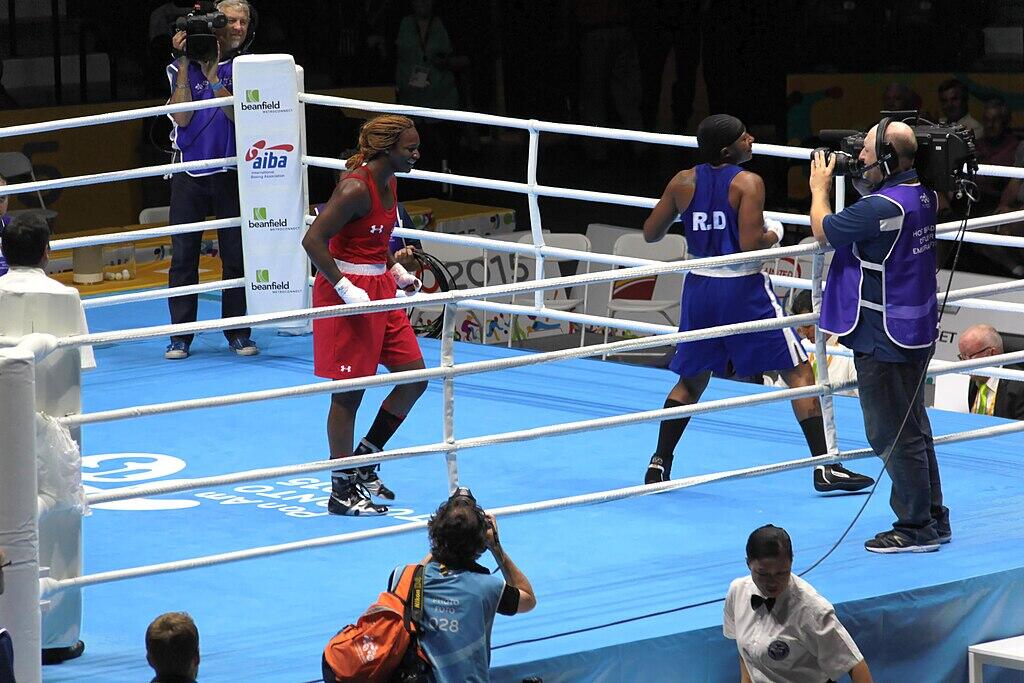
Unlike many power-focused fighters, Shields builds victories round by round, often widening the gap as fights progress. Her confidence in skill rather than spectacle has helped redefine what dominance looks like in women’s boxing. She also remains active in advocating for better conditions and opportunities for American female fighters entering the sport.
2012:
First Olympic gold medal
2016:
Second Olympic gold medal
2023:
Becomes undisputed champion in multiple divisions
Laila Ali
Laila Ali built her career under intense scrutiny and retired undefeated. Competing mainly at super middleweight, she relied on strength, reach, and composure. Ali controlled fights with a disciplined jab and steady pressure. She rarely rushed exchanges and finished bouts when opportunities appeared. Her victories helped legitimize women’s boxing during a time of limited exposure. She brought credibility without relying on novelty. After retirement, Ali continued to support combat sports visibility, helping bridge early pioneers and modern champions.
While critics questioned the depth of women’s divisions during her era, Ali consistently handled available competition with authority. Her composure under pressure and refusal to engage emotionally inside the ring contributed to her undefeated record and reinforced her reputation as a disciplined, methodical champion.
Christy Martin
Christy Martin played a central role in bringing women’s boxing into the American mainstream. Competing primarily at super welterweight and middleweight, she fought during a time when female boxers received little promotion, limited television coverage, and few financial opportunities. Despite that, Martin’s performances forced attention. Her aggressive style made her stand out. Martin was willing to trade punches, push the pace, and fight through adversity. She became widely recognized after appearing on major boxing cards in the 1990s, including high-profile events promoted by Don King. These appearances were rare for women at the time and helped normalize female fighters sharing the biggest stages.
Martin held the WBC female super welterweight title and defended it multiple times against experienced opposition. Her fights were not framed as novelty acts but as competitive contests that delivered action and intensity. That distinction mattered. Beyond titles, Martin’s impact was cultural. She opened doors for future American women boxers by proving there was an audience for skilled, tough, and professional female fighters. Many of today’s champions cite her visibility as a turning point. In the history of American boxing, Christy Martin stands as a foundational figure whose influence extends far beyond her record.
Holly Holm
Before crossing into other combat sports, Holly Holm was a dominant boxing champion.

She held multiple titles across weight classes and defended them repeatedly. Holm relied on footwork and timing. Her straight punches and ring control frustrated aggressive challengers. Her boxing foundation shaped later success, showing the value of discipline and adaptability over time. Longevity and preparation defined her career more than spectacle. Holm’s success was rooted in preparation and adaptability. She studied opponents closely and adjusted tactics rather than relying on a single approach. Her ability to manage distance allowed her to neutralize pressure fighters while conserving energy over longer fights.
Holm also demonstrated durability, rarely appearing overwhelmed even when facing aggressive challengers. This steady approach made her a reliable champion and reinforced the importance of fundamentals over raw power in elite-level boxing.
Who are the American heavyweight champions in the US?
Mikaela Mayer
Mikaela Mayer represents the modern generation of American women’s boxing. Competing at super featherweight, she blends size, fundamentals, and composure. Her amateur background built a technical base that translated steadily into professional success. Progression mattered more than shortcuts.
Mayer uses range effectively and builds rounds with consistency. Her style reflects control rather than risk.
As women’s boxing continues to grow in the United States, fighters like Mayer provide depth and long-term sustainability. Mayer’s development reflects patience and structure rather than rapid escalation. She focused on refining technique before chasing high-profile bouts, which strengthened her long-term consistency. Her jab remains central to her success, setting rhythm and limiting counters. Mayer also shows composure in close rounds, staying disciplined rather than forcing exchanges. As her career progresses, she represents a model for sustainable growth within American women’s boxing rather than short-term momentum.
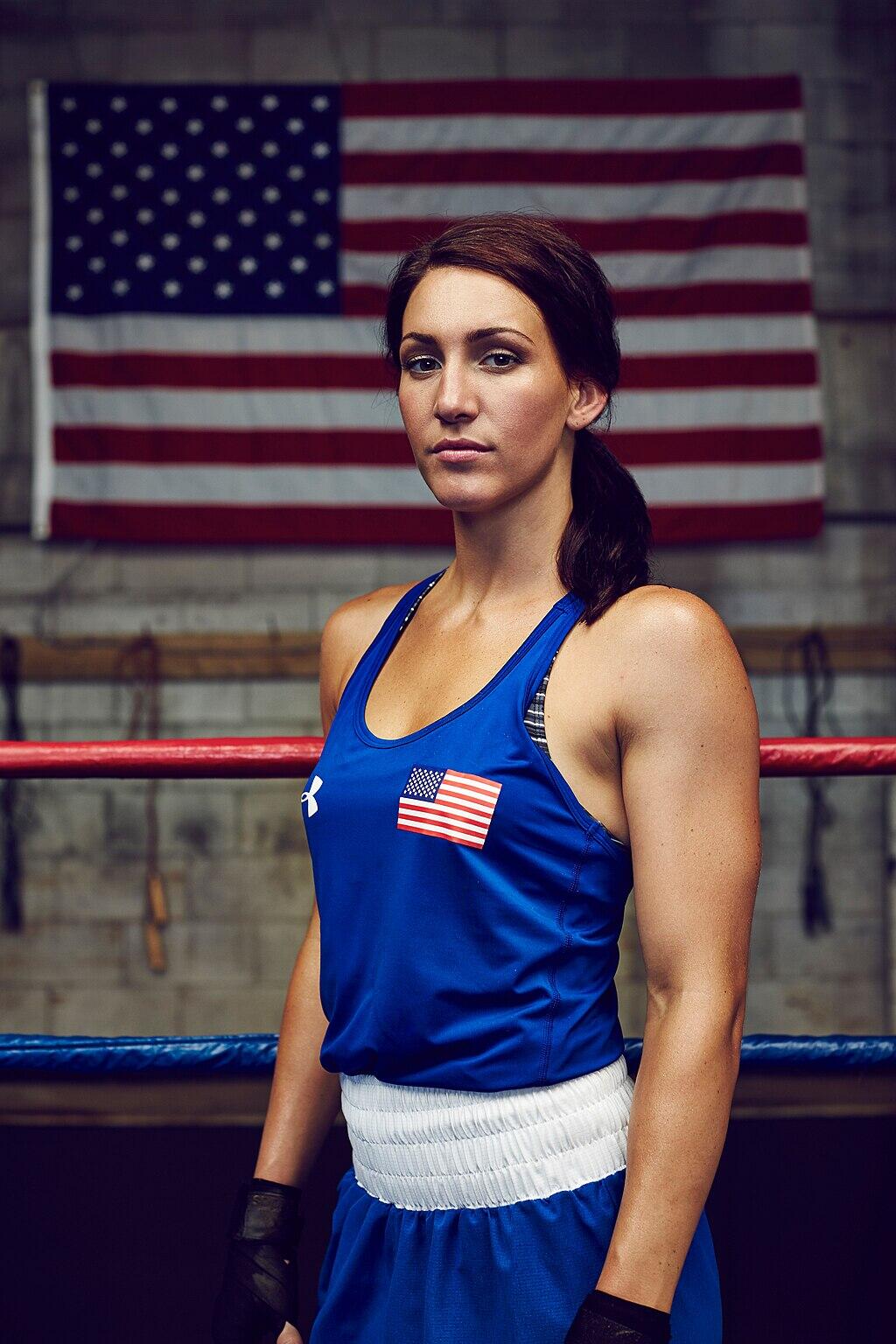
American boxing has never belonged to one style or one generation. It has been shaped by heavyweights and lightweights, defensive specialists and pressure fighters, pioneers and modern champions. The ten boxers highlighted here represent different paths to excellence, united by discipline, resilience, and achievement. For those inspired by these careers, boxing remains accessible at every level. Across the United States, Superprof offers boxing tutoring sessions for beginners and experienced fighters alike. Whether the goal is fitness, technique, or competitive development, learning from experienced boxing tutors allows students to build skills safely and progressively, following the same fundamentals that shaped the champions of the sport.
Summarize with AI:
Did you like this article? Leave a rating!

 Loading...