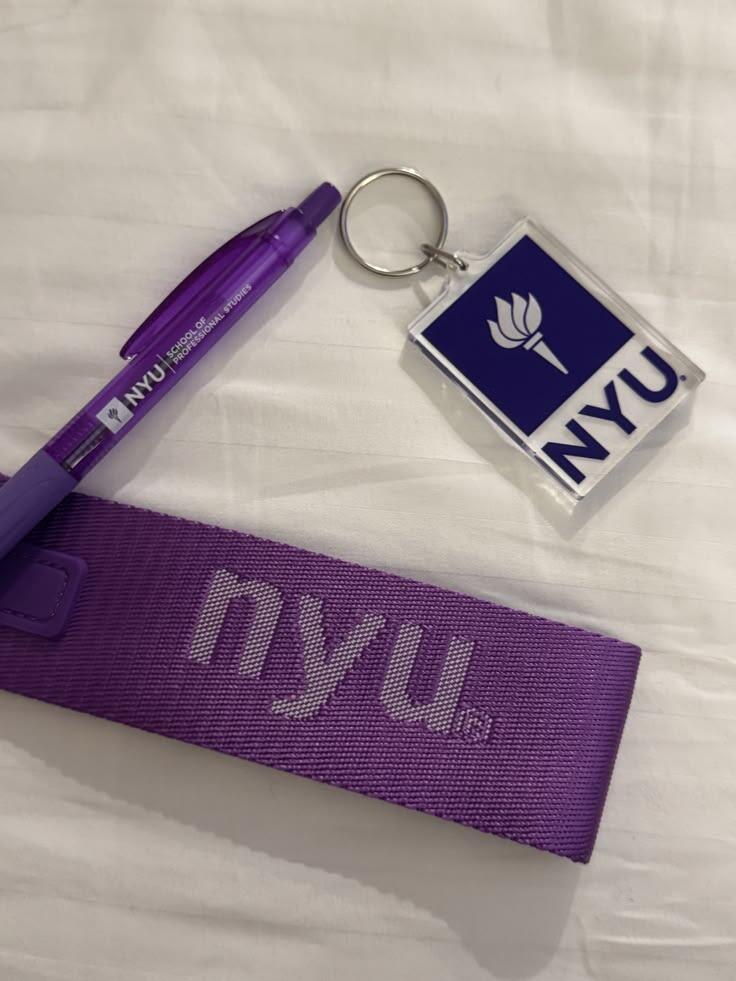

No state offers a broader or more varied landscape for medical training than New York, and the diversity of medical schools in New York state reflects the full spectrum of American medicine. From elite research institutions in Manhattan to SUNY public programs with competitive in-state tuition, and from Long Island's growing health systems to established upstate centers in Rochester, Buffalo, and Albany; aspiring physicians have exceptional options at every level of selectivity and cost. 🏥
The table below covers all 16 accredited allopathic and osteopathic programs in New York state, with current median MCAT scores, GPA, and tuition figures.
| Institution | Location | MCAT | GPA | Tuition | Type |
|---|---|---|---|---|---|
| NYU Grossman School of Medicine | New York, NY | 522 | 3.96 | $0 (full scholarship) | MD |
| Columbia University Vagelos College of Physicians and Surgeons | New York, NY | 522 | 3.93 | $102,286 | MD |
| Weill Cornell Medicine | New York, NY | 520 | 3.91 | $96,068 | MD |
| Icahn School of Medicine at Mount Sinai | New York, NY | 518 | 3.89 | $90,354 | MD |
| Albert Einstein College of Medicine | Bronx, NY | 516 | 3.86 | $0 (full scholarship) | MD |
| SUNY Downstate Health Sciences University | Brooklyn, NY | 514 | 3.78 | $78,321 (in-state) | MD |
| New York Medical College | Valhalla, NY | 516 | 3.75 | $91,864 | MD |
| Touro College of Osteopathic Medicine | New York, NY | 506 | 3.47 | $61,580 | DO |
| Donald and Barbara Zucker School of Medicine at Hofstra/Northwell | Hempstead, NY | 519 | 3.86 | $91,818 | MD |
| Renaissance School of Medicine at Stony Brook University | Stony Brook, NY | 517 | 3.89 | $81,210 (in-state) / $102,700 (out-of-state) | MD |
| NYU Long Island School of Medicine | Mineola, NY | 515 | 3.84 | $0 (scholarship-based) | MD |
| New York Institute of Technology College of Osteopathic Medicine | Old Westbury, NY | 506 | 3.62 | $63,589 | DO |
| University of Rochester School of Medicine and Dentistry | Rochester, NY | 517 | 3.89 | $90,455 | MD |
| Jacobs School of Medicine and Biomedical Sciences | Buffalo, NY | 512 | 3.73 | $81,669 (in-state) / $103,159 (out-of-state) | MD |
| Albany Medical College | Albany, NY | 510 | 3.77 | $83,112 | MD |
| SUNY Upstate Medical University | Syracuse, NY | 511 | 3.77 | $76,133 (in-state) / $97,623 (out-of-state) | MD |
For a national overview of where these programs rank relative to the country's top tier, our guide to best medical schools in the US covers the full national landscape.


Best Medical Schools in New York
New York's programs span an unusually wide range of selectivity, cost, and educational philosophy. The city's top-ranked institutions compete nationally for the most competitive applicants, while SUNY public programs offer strong clinical training at a fraction of the tuition. Two programs (NYU Grossman and Albert Einstein) are now effectively tuition-free, transforming the financial calculus for thousands of applicants who might otherwise have chosen lower-ranked but more affordable alternatives elsewhere.
More than any other US state, spanning MD and DO degrees across NYC, Long Island, and upstate.
Medical Schools in New York City
Eight programs call New York City and its immediate metro area home, making it the single most densely concentrated hub for medical education in the United States. The breadth of clinical environments (from world-class academic medical centers to public hospitals, community health centers, and global health networks) gives students extraordinary exposure regardless of which institution they attend.
NYU Grossman School of Medicine
- Program: MD
- MCAT: 522
- GPA: 3.96
- Tuition: Free
- Full-tuition scholarship for all MD students since 2018
Columbia University Vagelos College of Physicians and Surgeons
- Program: MD
- MCAT: 522
- GPA: 3.93
- Tuition: $102,286
- One of the oldest MD programs in the US; strong in surgery and oncology
Weill Cornell Medicine
- Program: MD
- MCAT: 520
- GPA: 3.91
- Tuition: $96,068
- Affiliated with NewYork-Presbyterian; international campuses in Qatar
Icahn School of Medicine at Mount Sinai
- Program: MD
- MCAT: 518
- GPA: 3.89
- Tuition: $90,354
- Known for FlexMed early assurance and physician-scientist training

Albert Einstein College of Medicine
- Program: MD
- MCAT: 516
- GPA: 3.86
- Tuition: Free
- Became tuition-free in February 2024 following a major endowment gift
SUNY Downstate Health Sciences University
- Program: MD
- MCAT: 514
- GPA: 3.78
- Tuition: $78,321
- SUNY public program; strong clinical access in Brooklyn's diverse communities
New York Medical College
- Program: MD
- MCAT: 516
- GPA: 3.75
- Tuition: $91,864
- Westchester-based; affiliated with Touro University; strong primary care focus
Touro College of Osteopathic Medicine
- Program: DO
- MCAT: 506
- GPA: 3.47
- Tuition: $61,580
- Osteopathic program with campuses in Harlem and Middletown, NY
Columbia: NewYork-Presbyterian/Columbia University Irving Medical Center — one of the largest teaching hospitals in the country
Weill Cornell: NewYork-Presbyterian/Weill Cornell — shares campus with Rockefeller University and Memorial Sloan Kettering
NYU Grossman: NYU Langone Health — consistently ranked among the top 10 US hospitals
Icahn/Mount Sinai: Mount Sinai Health System — eight hospitals across New York City
Albert Einstein: Montefiore Medical Center — a major safety-net hospital serving the Bronx
SUNY Downstate: SUNY Downstate University Hospital and Kings County Hospital Center — Brooklyn's primary public health care institutions
For applicants also considering the Southeast, Emory University School of Medicine, the Medical College of Georgia, and Morehouse School of Medicine make Georgia a compelling region to explore. Our guide to medical schools in Georgia covers all five accredited programs in the state.
Medical Schools on Long Island
Long Island is home to four accredited programs, including two that offer scholarship-supported tuition. The region's growing health systems (particularly Northwell Health, the largest in New York state) make it an increasingly attractive hub for clinical training outside Manhattan.
Donald and Barbara Zucker School of Medicine at Hofstra/Northwell
- Program: MD
- MCAT: 519
- GPA: 3.86
- Tuition: $91,818
- Joint program with Northwell Health; emphasis on patient-centered care
Renaissance School of Medicine at Stony Brook University
- Program: MD
- MCAT: 517
- GPA: 3.89
- Tuition: $81,210
- Public SUNY program; strong research environment on Long Island
NYU Long Island School of Medicine
- Program: MD
- MCAT: 515
- GPA: 3.84
- Tuition: Free
- Three-year accelerated MD program with scholarship support; clinical training at NYU Langone
New York Institute of Technology College of Osteopathic Medicine
- Program: DO
- MCAT: 506
- GPA: 3.62
- Tuition: $63,589
- One of the largest DO programs in the country by enrollment
Zucker School (Hofstra/Northwell): a relatively young program launched in 2011, gaining national recognition quickly through its partnership with Northwell Health's 21-hospital system.
Stony Brook (Renaissance): a SUNY flagship with strong in-state tuition advantages and a research-focused curriculum tied to Stony Brook University's broader sciences infrastructure.
NYU Long Island: an accelerated 3-year MD that combines NYU's scholarship model with community medicine in Nassau County — one of the most financially advantageous options in the state.
NYIT-COM: the state's largest osteopathic program by enrollment, training DO graduates who compete in the same residency match as their MD counterparts.
Medical Schools in Upstate New York
The four upstate programs serve a geographically vast region and produce a large share of primary care and rural medicine physicians for communities across northern, central, and western New York. Public SUNY programs in this region offer some of the most competitive in-state tuition in the state, making them strong choices for New York residents focused on cost. Students who also want to compare options in other states with comparable program landscapes may find our guides to top medical schools in California and other major states useful for context.
University of Rochester School of Medicine and Dentistry
- Program: MD
- MCAT: 517
- GPA: 3.89
- Tuition: $90,455
- Known for the Double Helix Curriculum and bioinformatics research
Jacobs School of Medicine and Biomedical Sciences
- Program: MD
- MCAT: 512
- GPA: 3.73
- Tuition: $81,669
- University at Buffalo's public program; strong upstate New York residency pipeline
Albany Medical College
- Program: MD
- MCAT: 510
- GPA: 3.77
- Tuition: $83,112
- Oldest private medical college in New York; combined degree options available
SUNY Upstate Medical University
- Program: MD
- MCAT: 511
- GPA: 3.77
- Tuition: $76,133
- Public SUNY program serving central and northern New York's healthcare needs
How to Choose the Right Medical School for You
With 17 accredited options in a single state, New York applicants face an unusually rich (and complex) set of choices. These are the factors that most consistently determine whether a particular institution is the right fit for a given student.
💰 In-state Tuition vs. Private Tuition: The Numbers Matter
- New York's SUNY programs (Downstate, Stony Brook, Upstate, Jacobs) charge in-state tuition ranging from roughly $76,000 to $82,000 per year — significantly less than private programs that often exceed $90,000.
- NYU Grossman and Albert Einstein are tuition-free for all students, making them among the most financially advantageous programs in the country regardless of residency status.
- NYU Long Island also offers scholarship coverage, making the Long Island campus an attractive option for applicants focused on cost.
- For New York residents, the total cost difference between a SUNY program and a top private program can exceed $100,000 over four years — a factor that significantly affects specialty choice and early career financial flexibility.
Illinois and Georgia are two other major hubs worth comparing if you are weighing out-of-state options. Northwestern Feinberg, University of Chicago Pritzker, and seven other accredited institutions make Illinois one of the strongest Midwest destinations for applicants who want competitive programs outside of New York. Our guide to medical schools in Illinois covers each program with current admissions data.
📝 Your Personal Statement and Secondary Essays
Every accredited program in New York requires a personal statement through AMCAS (for MD programs) or AACOMAS (for DO programs). Read each program's secondary essay prompts carefully; many ask school-specific questions about mission fit and clinical goals. Programs with strong public health or primary care missions (SUNY Downstate, Albany, SUNY Upstate) will look for evidence in your essays that your career goals align with those values.
Research-focused programs (Columbia, Weill Cornell, NYU Grossman, Icahn) expect applicants to articulate a coherent research trajectory in their personal statement and work/activities sections. Icahn School of Medicine's FlexMed early assurance program allows sophomore college students to apply before taking the MCAT — read the program's specific requirements carefully if this interests you.
🎓 MD vs DO: Understanding the Difference
New York has two DO programs: NYIT-COM on Long Island and Touro in Harlem. Both produce osteopathic physicians who complete the same residency match as MD graduates. DO programs use the AACOMAS application system, not AMCAS. Secondary essay requirements, interview formats, and selection criteria differ from MD programs.
The osteopathic curriculum includes additional training in osteopathic manipulative medicine (OMM). For students whose clinical interests align with this approach, DO programs are a genuine and respected pathway.
Both NYIT and Touro have lower median MCAT and GPA thresholds than the MD programs listed here, making them viable options for applicants who may not meet the admissions benchmarks of MD programs but are committed to careers in medicine.
📍 Location and Residency Match: Think Regionally
- Residency programs recruit heavily from affiliated institutions and nearby programs. Training in New York City significantly increases your visibility to Manhattan-based residency directors.
- If you want to practice in a specific region of New York after graduation (upstate, Long Island, or a particular borough) choosing a program with clinical affiliations in that area is a genuine advantage.
- New York City has one of the most competitive residency landscapes in the country. Students from SUNY programs regularly match into NYC residencies, but the process is competitive regardless of where you train.
- For applicants open to training elsewhere in the country, our guides to best medical schools in Texas and other major states cover programs with different regional placement profiles.
References
- "Medical School Admissions Requirements (MSAR)." Association of American Medical Colleges (AAMC), 2025, www.aamc.org/msar.
- "Best Medical Schools." U.S. News & World Report, 2026, www.usnews.com/best-graduate-schools/top-medical-schools.
- "NYU Grossman School of Medicine." NYU Langone Health, 2025, med.nyu.edu.
- "Medical Schools in New York." MedSchoolCoach, 2025, www.medschoolcoach.com/resource/medical-schools-in-new-york.
- "Albert Einstein College of Medicine." Albert Einstein College of Medicine, 2025, www.einsteinmed.edu.
Summarize with AI:
Did you like this article? Leave a rating!

 Loading...