
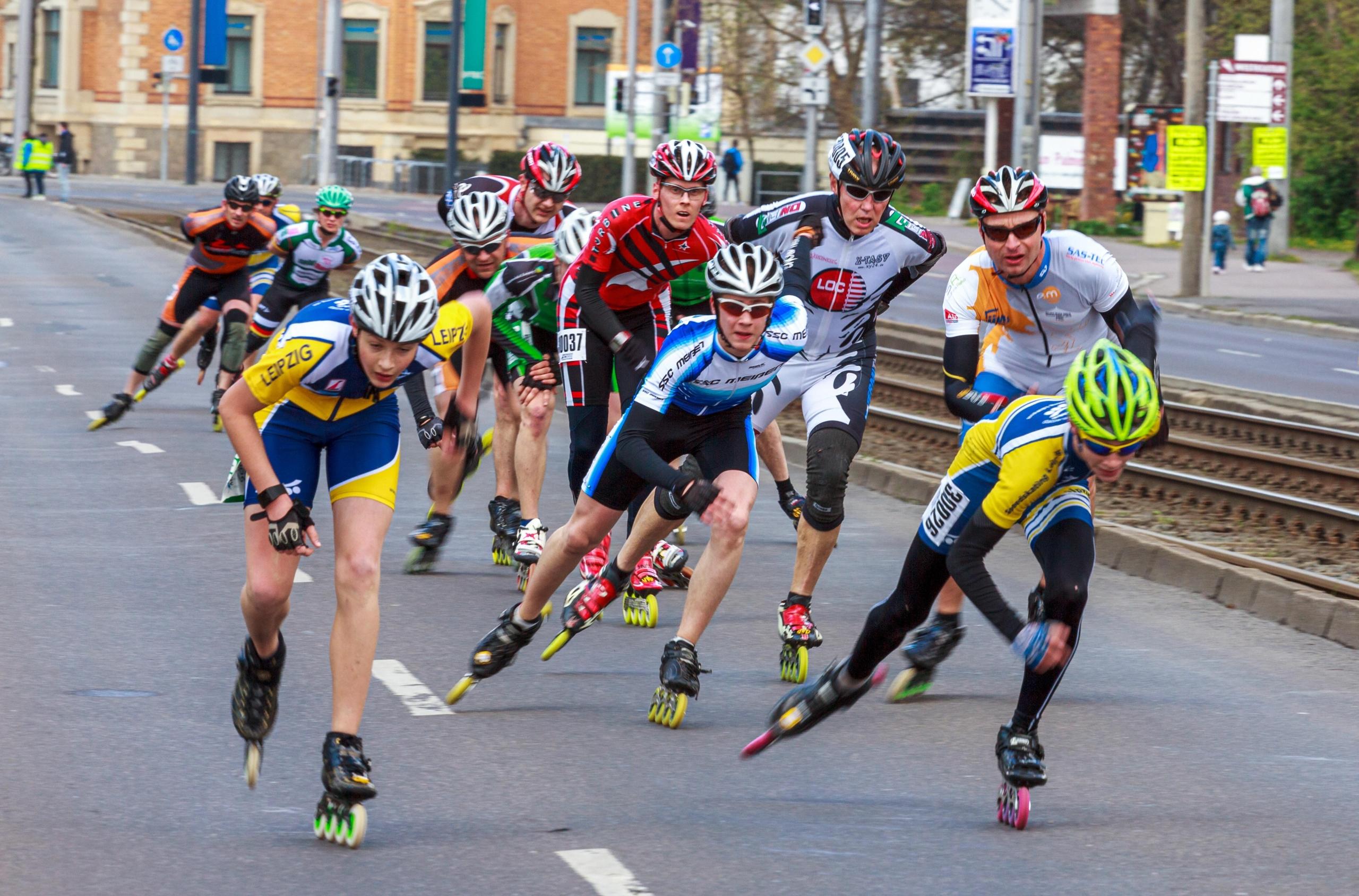

A complete beginner setup, a pair of skates plus basic protective gear, usually costs around $100-150, roughly the price of a month or two at many gyms. After that first purchase, the pavement is free, which makes roller skating one of the most budget-friendly ways to stay active.
Of course, the sticker on a pair skates ranges from pocket money to a serious investment, and knowing where your needs fall on that scale saves you from both overspending and buying gear you will quickly outgrow. Here is what roller skates cost at every tier in order to learn how to skate, plus the extras that make up the full price of getting started.


How Much Roller Skates Cost by Tier
The single biggest variable in your budget is the skates themselves. Prices climb with materials, wheel and bearing quality, and whether the skates are built for casual rolling or serious performance. Understanding the tiers is the key to answering how much do roller skates cost for your situation.

Need help gliding into your first roller skating lesson? Reach out to one of Superprof's expert Atlanta roller skating tutors to learn more.
💵 Beginner Skates
Entry-level quad and inline skates typically run from about forty to one hundred dollars. They use simpler materials and standard wheels and bearings, which is exactly what a new skater needs. A pair in this range is more than enough to learn on and will handle rinks and smooth pavement without complaint.
💳 Mid-Range Skates
Once you are hooked, mid-range skates from roughly one hundred to two hundred fifty dollars offer better boots, smoother bearings, and more durable wheels. This is the sweet spot for regular skaters who want gear that keeps up as their skills grow without paying for professional features.
💎 Premium and Specialty Skates
High-end artistic, speed, and derby skates start around two hundred fifty dollars and can climb past five hundred. They feature custom-fit boots, precision bearings, and specialized wheels tuned for a specific discipline. Unless you are competing or skating seriously, this tier is more than most people ever need, and many lifelong recreational skaters happily stay in the mid-range bracket for their entire skating life without ever feeling held back.
The Cost of Protective Gear
Skates are only part of the bill. Protective equipment is a small but essential line item, and it is the last place you should cut corners. The good news is that safety gear is inexpensive relative to the skates.
Take roller skating lessons throughout the US with the help of Superprof! Book your first lesson today.
Helmets
A certified skating or multi-sport helmet generally costs between twenty and sixty dollars. It is the most important protective purchase you will make, and a mid-priced certified model protects your head just as well as a premium one.
Pads and Wrist Guards
A set of wrist guards, knee pads, and elbow pads usually runs from twenty to fifty dollars together. Wrist guards in particular are worth every penny, since wrists are the most commonly injured area for skaters. For a fuller look at what to buy and wear, it helps to plan your clothes made for skaters alongside your protective gear.
The Cost of Skating Clothes and Extras
Clothing is where the budget becomes truly flexible. You can skate happily in athletic wear you already own, or lean into the vibrant fashion the sport is known for.
Skating culture has always celebrated bold, personal style, from the roller disco era to today's rink nights, so many skaters enjoy dressing the part. That said, fashion is entirely optional spending. A simple T-shirt, shorts or leggings, and supportive socks work perfectly well, and you can add retro-inspired outfits or brand-name pieces only if and when you want to. The sport looks great at every budget.
Practical extras add up modestly: padded socks to prevent blisters, a bag to carry your gear, and eventually replacement wheels or bearings as your originals wear down. None of these are expensive on their own, and spreading them out over time keeps the ongoing cost low. Softer wheels for outdoor grip or harder wheels for indoor speed are inexpensive upgrades that noticeably change how your skates perform.
Roller skating asks for one honest investment up front and very little after that. Few sports give you so many hours of activity for so small of a price
Roller Skating Association, Getting started guidance
The Full Cost of Getting Started and Ways to Save
Add it up and a sensible beginner budget lands near one hundred dollars for skates and safety gear, with rink sessions costing only a few dollars each after that. If you are still on the fence and just thinking about learning, renting skates at a rink lets you test the waters before spending anything at all.
To stretch your budget, buy quality boots you can re-wheel rather than replacing whole skates, shop end-of-season sales, and consider gently used gear from reputable sellers. As your skills climb toward carving skateparks on a half-pipe, you can upgrade one component at a time. A little advice from experienced skaters also helps you avoid buying gear you do not actually need.
Ongoing Costs and When to Upgrade
The first purchase is the big one, but skating does carry small ongoing costs worth planning for. Knowing what they are keeps your budget realistic well past your first season.
Replacement Parts
Wheels and bearings are wear items. Depending on how often and where you skate, a set of replacement wheels every so often is normal, and each set is inexpensive compared with new skates. Because these parts are swappable, a good boot keeps serving you while you refresh only what wears out.
When It Is Worth Upgrading
Upgrade when your gear starts holding you back, not just because a newer model exists. If your beginner skates feel unstable at the speeds you now reach, or your wheels no longer suit where you skate, stepping up to mid-range gear is money well spent. Until then, maintaining what you own is almost always the smarter financial move when learning how to roller skate.
Smart Ways to Spend Less
Beyond the big purchases, a few habits keep long-term costs low:
- Rotate your wheels so they wear evenly
- Clean your bearings instead of replacing them
- Store your gear properly so it lasts longer
Additionally, buying protective pads and accessories during off-season sales, when demand is lower, often shaves a meaningful amount off the total. And because skate boots outlast wheels and bearings by years, spending a little more on a solid boot up front usually costs less than repeatedly replacing cheap complete skates. Keep this helpful tips in mind when you make a list of the gear you need.
Roller skating stays refreshingly affordable at every level. A beginner can get fully equipped for around one hundred dollars, a committed skater can invest in mid-range gear that lasts for years, and only competitors really need the premium tier. Rent first if you are unsure, buy quality you can maintain, and enjoy a sport that delivers a lot of joy for a modest price.
References
- Encyclopaedia Britannica. "Roller Skating." Britannica, https://www.britannica.com/sports/roller-skating.
- Harvard Health Publishing. "Calories Burned in 30 Minutes of Leisure and Routine Activities." Harvard Health, https://www.health.harvard.edu/diet-and-weight-loss/calories-burned-in-30-minutes-for-people-of-three-different-weights.
Summarize with AI:
Did you like this article? Leave a rating!

 Loading...
