
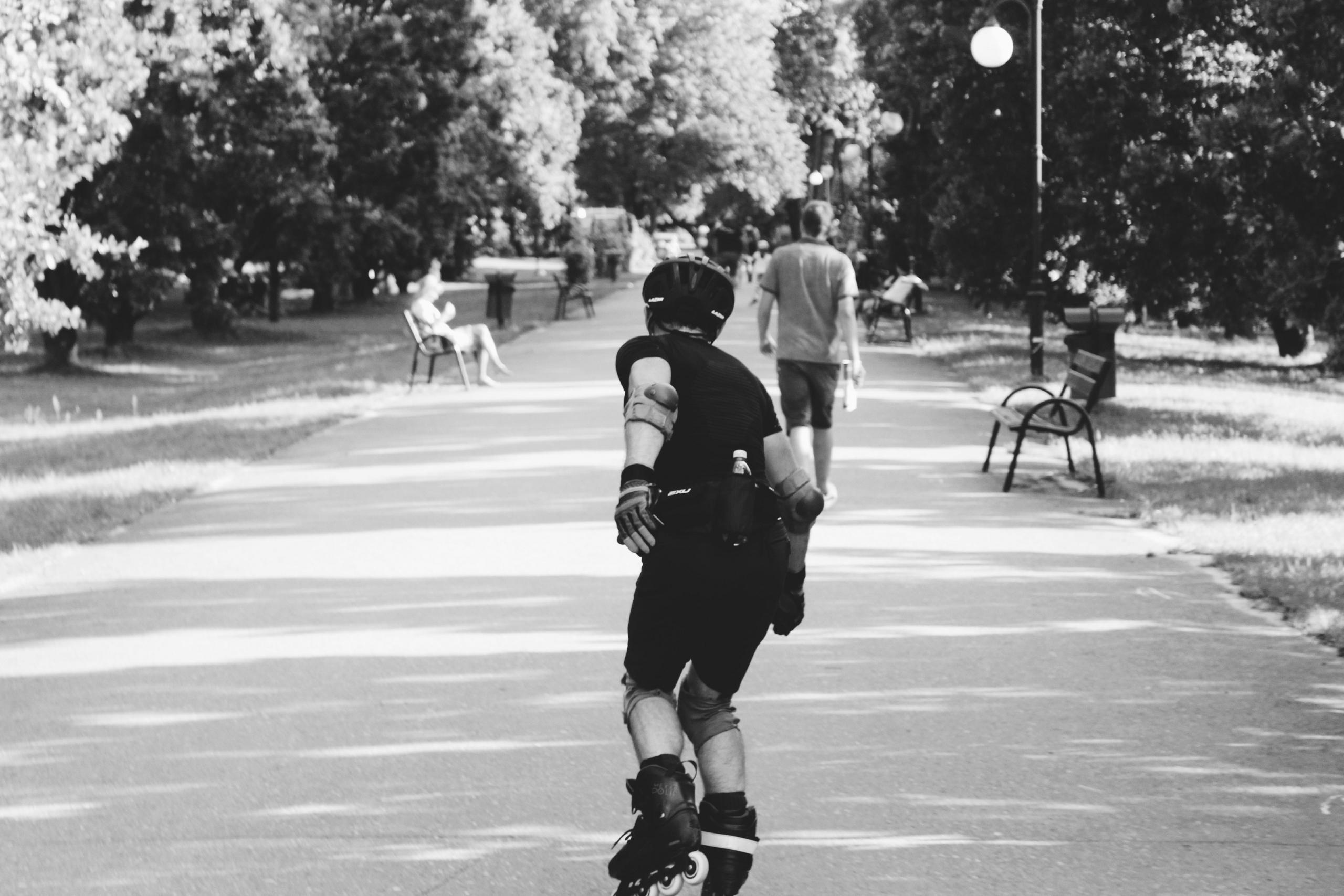

What is the real difference between a skater who glides smoothly across the rink and one who spends the whole session fighting for balance? Almost never raw talent. It comes down to a short list of habits: fitted gear, a low and forward stance, and a few drills repeated until they feel automatic.
Most rollerskating tips floating around online stop at "bend your knees," but the skaters who improve quickly treat technique, equipment, and conditioning as one connected system. Dial in all three and progress stops feeling random and starts feeling earned.


Technique Tips That Turn Wobbling into Gliding
This is where real improvement lives. Good tips for roller skating come back again and again to a handful of fundamentals, and skaters at every level keep refining them. Master these and everything from crossovers to backward skating gets easier.
Roll into a world of excitement and skill-building with Superprof's roller skating lessons!
Skate with the Proper Equipment
As far as tips go a great tip for you would be to let you know what things you can buy to make learning to skate much easier. There are also things that you can get or wear that will make skating much more comfortable in other words clothes and apparel used for roller skating. It's recommended that you should wear comfortable athletic clothing that is easy to move in and won't get caught underneath your wheel.
The good news is that learning to roller skate is fairly inexpensive and only requires a few pieces of equipment including:
- Roller skates
- A certified helmet
- Knee pads
- Wrist guards
Stay Low and Forward
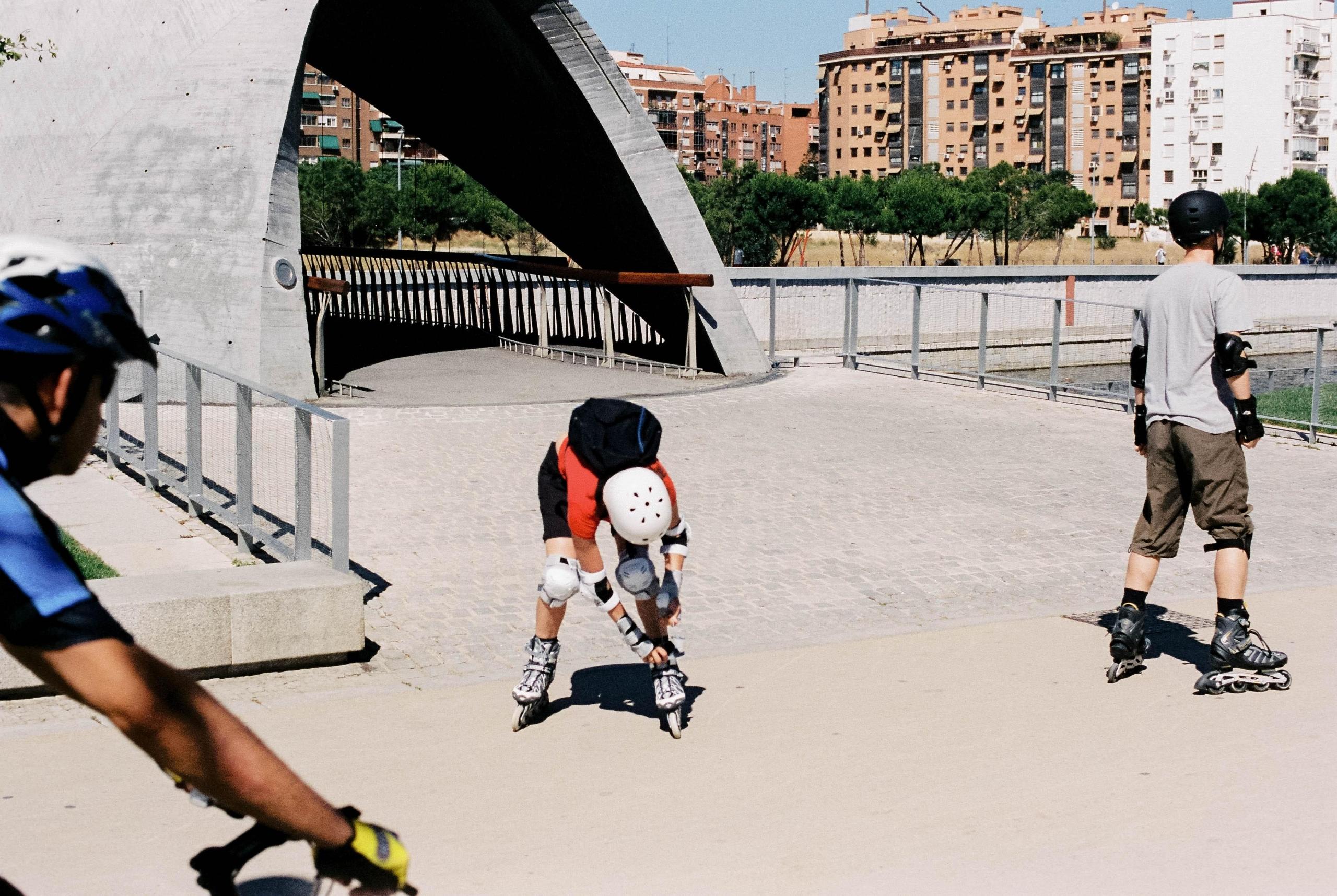
Something that you may not have considered about skating and is probably the first thing you will need to correct is your body posture while skating. It's normal for a beginner to be nervous the first time they skate, but having the correct body posture will help you gain your balance and stay on your feet.
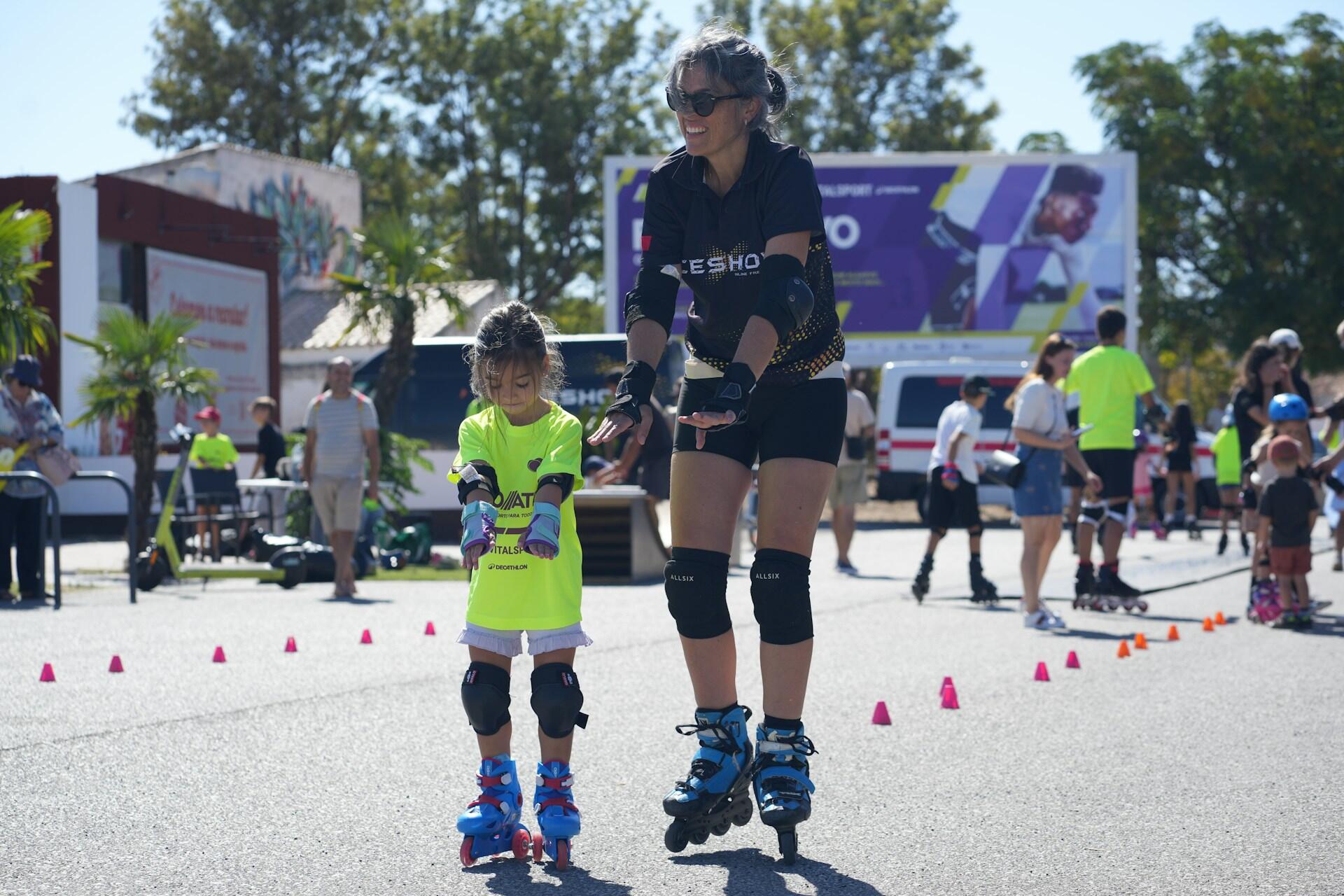
Bend your knees and lean your weight slightly forward over the balls of your feet. A low center of gravity keeps you stable and ready to react, while standing upright leaves you rigid and easy to tip. Think of the athletic, ready stance a defender uses in basketball, knees soft and eyes up.
Use Your Arms for Balance
New skaters often forget their arms entirely, keeping them stiff at their sides or flailing them when they feel unsteady. Your arms are actually a built-in balance system, so put them to work. Hold them slightly out from your body, roughly waist to chest height, and let them shift naturally opposite your leg movements. If you start to lean in one direction, extending your arms that way helps you recover without having to stop and reset your feet.
Master the Skater Step
Another common mistake for beginners is trying to imitate the movement of walking. On wheels, you're going to have to be moving quite a bit differently. You do not want to try to imitate walking if you try to do that you will definitely have the risk of falling down more times than moving forward.
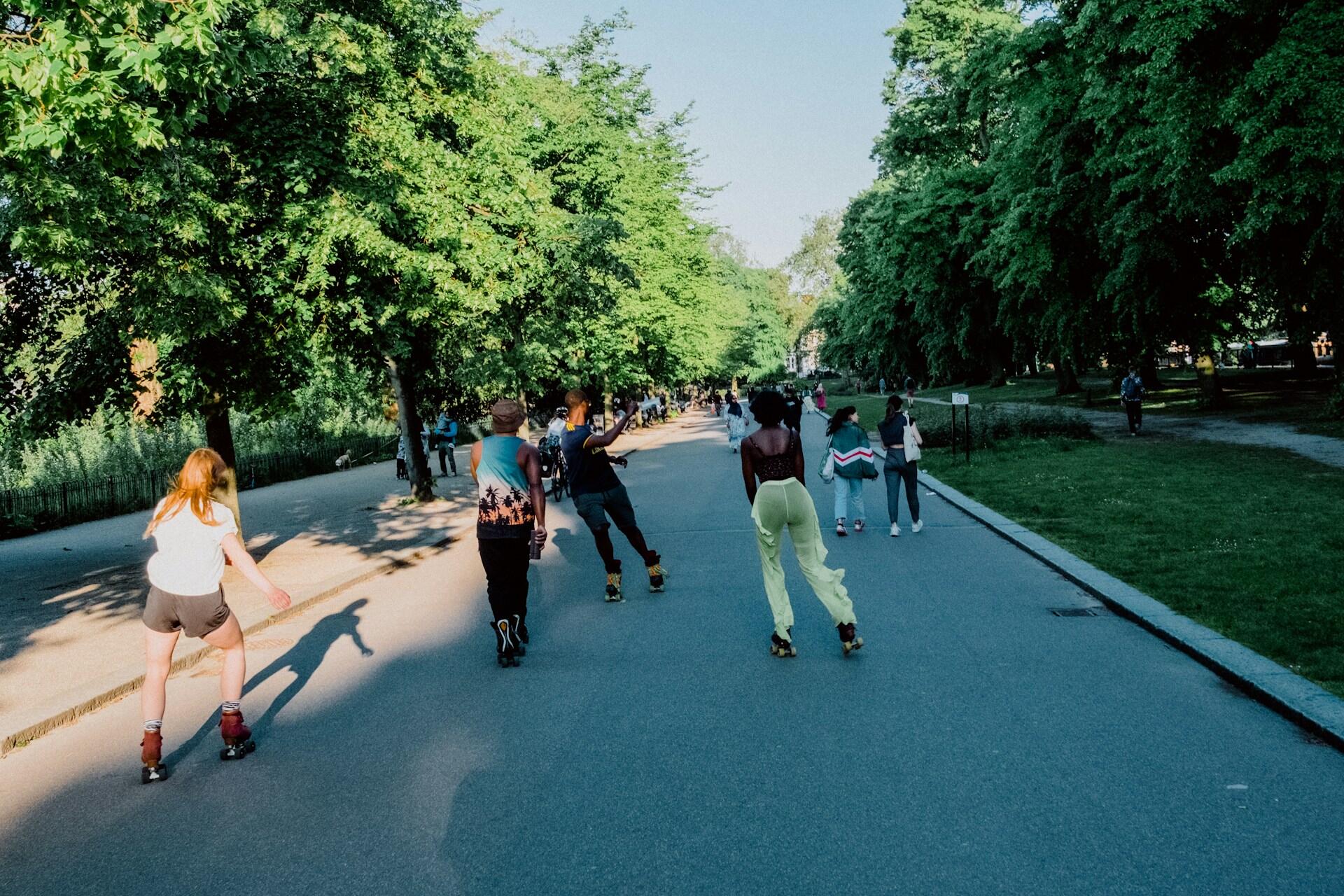
Rather than walking on your wheels, push out to the side at a slight angle and glide, then bring your feet back together and push with the other foot. This diagonal push is what creates those long, efficient strides. Practice it slowly until the glide between pushes stretches out on its own.
Learn to Turn with Crossovers
Skating in a straight line is only half the skill set. At some point you'll need to turn a corner, follow a curve, or navigate around other skaters, and simply leaning won't cut it at higher speeds. Crossovers are the answer: as you enter a turn, cross your outside foot over your inside foot, pushing off with each step to maintain momentum through the curve. It feels awkward at first since it goes against your instinct to keep your feet parallel, but practicing slow, wide loops will get your feet comfortable with the motion.
Learn to Fall and to Brake
Falling is part of skating, so learn to do it well. Sink toward your knee and wrist pads instead of throwing an arm straight back, and try to stay compact. Learning how to brake to avoid falling or going too fast is also an extremely important piece of advice. You should learn how to stop skating in an instant. A very good way of doing this is called a "T-Stop". You can greatly reduce your speed quickly by moving one of your feet behind the other foot in a way that your feet are shaped like a T.
Whether you are a beginner or advanced skater, make sure you roller skate with a certified helment and knee and wrist pads.
If you are also searching for instruction nearby, consider roller skating lessons near me.
Exercises to Skate Faster and With More Control
Off-skate and on-skate drills are how roller skating tips for athletes translate into measurable gains. A little structured practice builds the leg strength, balance, and endurance that make advanced moves feel effortless.
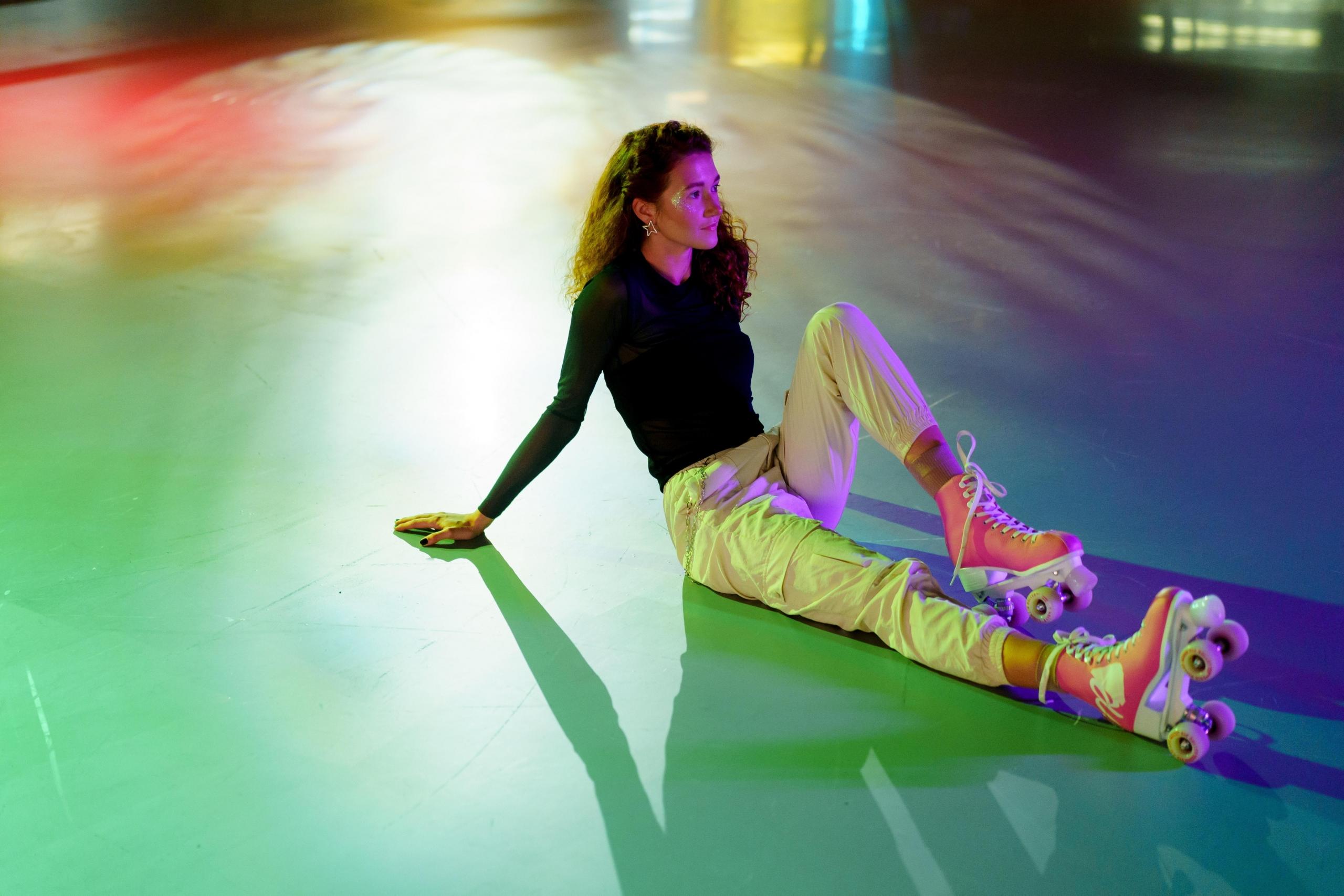
Learn how to rollerskate perfectly with the help of a Superprof roller skating tutor.
Interval Training
Alternate short bursts of fast skating with easy recovery laps. These intervals build the cardiovascular fitness and leg power that let you skate longer without fading, and they are one of the quickest ways to improve overall performance.
Balance and Edge Drills
Practice rolling on one foot for a few seconds at a time, weaving through a line of cones or cups, and shifting your weight from edge to edge. These drills sharpen the control that separates a tidy skater from a shaky one, and they carry directly into turns, crossovers, and eventually some tricks.
Cone Skating
Just like for sports that you would play with a ball like a soccer or basketball cones can come in handy as great obstacles. If you place cones in your path you can practice turning and swerving which is very important for learning how to roller skate.
Setting up different obstacle paths when you are learning can be a great way to improve your agility in your roller skates, all you need to do is find some traffic cones.
Common Beginner Mistakes and How to Fix Them
Some of the fastest progress comes not from learning new skills but from dropping bad habits. Most new skaters make the same handful of mistakes, and each one has a simple fix once you know to watch for it.
- Standing too upright: a straight, stiff posture invites backward falls, so keep your knees bent and your weight forward,
- Looking down at your feet: staring at your skates throws off your balance, so lift your gaze and look where you want to go,
- Pushing straight back: effective power comes from pushing out to the side at an angle, not straight behind you,
- Skipping the warm-up: cold muscles react slowly, so a few minutes of easy rolling and light stretching lowers your injury risk,
- Practicing on rough ground too soon: cracked pavement magnifies every wobble, so master smooth surfaces first.
Fixing these is less about effort and more about awareness when learning how to roller skate. Pick one habit to correct each session, ask a friend to film a short clip so you can see your posture, and compare it against what good form should look like. Small, deliberate corrections compound quickly, and within a few outings the fixes become second nature rather than something you have to think about.
Practice Smart and Get the Right Help
How you practice matters as much as how often. Warm up before you push hard, pick smooth surfaces while you are learning, and set one small goal each session rather than trying to fix everything at once. Knowing the basics from a solid beginner guide covers many things that keep early practice safe and productive.
Budget also shapes how you build your kit, so it helps to understand roller skating equipment costs before upgrading skates or wheels. And when you hit a plateau, a Superprof coach can spot the one posture tweak that unlocks the next level far faster than trial and error alone.
Better skating is not a mystery, it is a stack of small, repeatable habits: well-fitted gear, a low and forward stance, a clean skater step, and regular drills that build strength and balance. Focus on one fundamental at a time, practice a little and often, and the improvement takes care of itself. Give your edges something to say and they will carry you further than you expect.
Summarize with AI:
Did you like this article? Leave a rating!

 Loading...
