
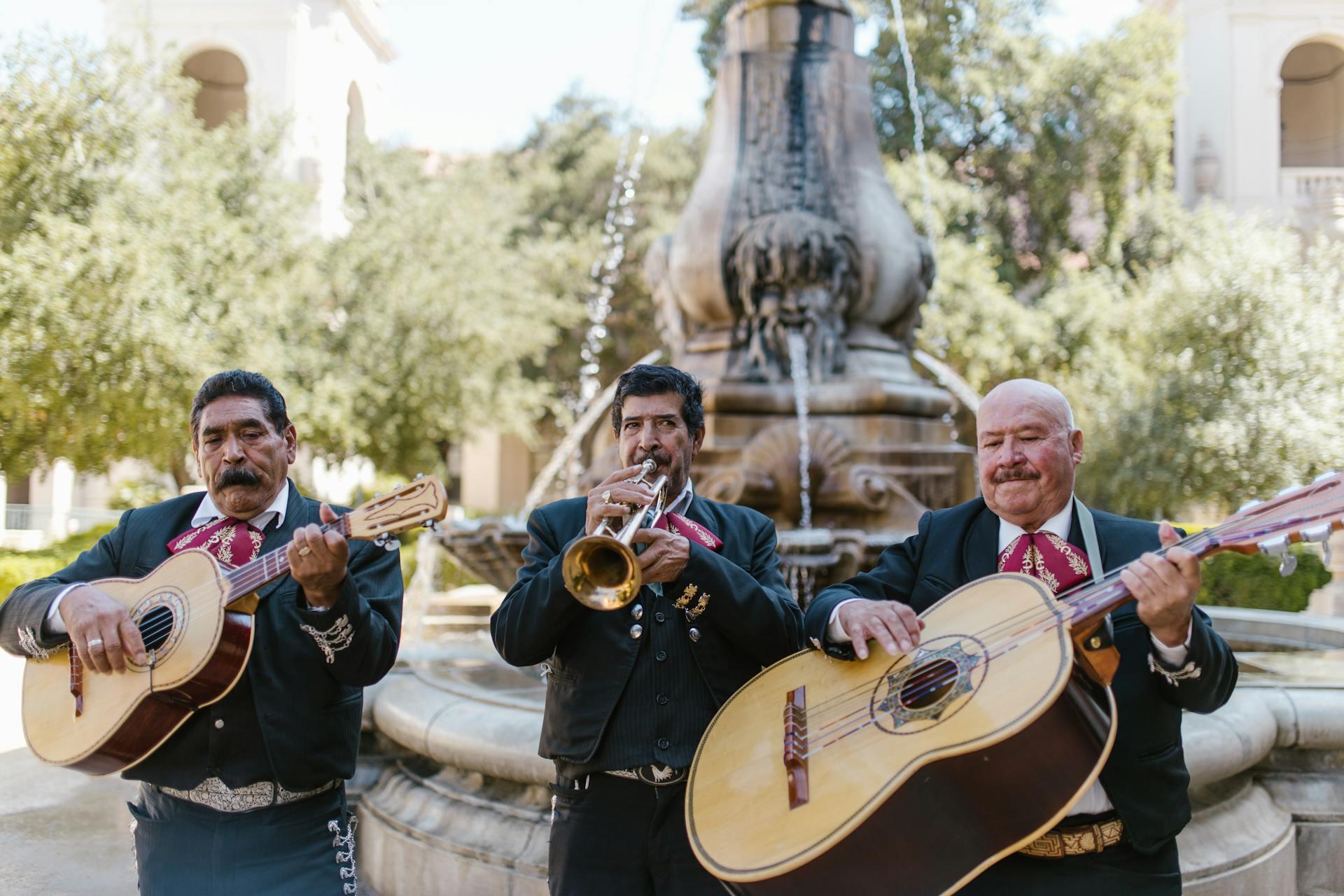

As American audiences are getting accustomed to Latin beats, more and more people are beginning to take an interest in their music. However, this is nothing new. Musicians and songs from Mexico have always dominated the charts in Latin America and led to pioneering recent music trends.
Here is our list of the top Mexican singers, in no particular order, to grace the industry and carve out a name for themselves in the Hispanic music world:
| # | 🎤Singer | 🗓Active | 🎵Genre | 🏆Highlight | Era |
|---|---|---|---|---|---|
| 1 | Vicente Fernández | 1940–2021 | Ranchera / Mariachi | 50M+ records sold | Classic |
| 2 | Thalía | 1971– | Latin Pop | 25M+ records sold | Modern |
| 3 | Juan Gabriel | 1950–2016 | Pop / Ranchera / Norteño | 60M+ records sold | Classic/Modern |
| 4 | Anahí | 1983– | Pop / Latin Pop | 15M+ records (RBD) | Modern |
| 5 | Paulina Rubio | 1971– | Latin Pop / Dance | 15M+ records sold | Modern |
| 6 | Lila Downs | 1968– | Folk / Indigenous / World | Grammy + 3 Latin Grammys | Modern |
| 7 | Marco Antonio Solís | 1959– | Pop / Grupero / Ballad | Hollywood Walk of Fame | Classic/Modern |
| 8 | Luis Miguel | 1970– | Pop / Bolero / Mariachi | 60M+ records sold | Classic/Modern |
| 9 | Alejandro Fernández | 1971– | Ranchera / Pop | 30M+ records sold | Modern |
| 10 | Selena Quintanilla | 1971–1995 | Tejano / Pop / Cumbia | 65M+ records sold | Classic |
| 11 | Natalia Lafourcade | 1984– | Folk / Pop / Indie | 12 Latin Grammys | Contemporary |
| 12 | Christian Nodal | 1999– | Regional Mexican / Mariachi Urbano | Grammy Latino 2022 | Current |
| 13 | Jenni Rivera | 1969–2012 | Regional Mexican / Banda | 15M+ records sold | Modern |
| 14 | Maná | 1986– | Rock en Español / Latin Pop | 40M+ records sold | Classic/Modern |
| 15 | Pedro Infante | 1917–1957 | Ranchera / Bolero / Mariachi | Golden Era icon | Pioneer |
These artists are just one part of Mexico's extraordinary cultural output. For Mexico's most famous people across music, film, sport, and beyond, the full overview covers the country's greatest icons together.


1. Vicente Fernández
Vicente Fernandez, nicknamed El Charro de Huentitán, started his career as a busker and has gone on to become a household name in Mexico, winning accolades for his ranchera music.
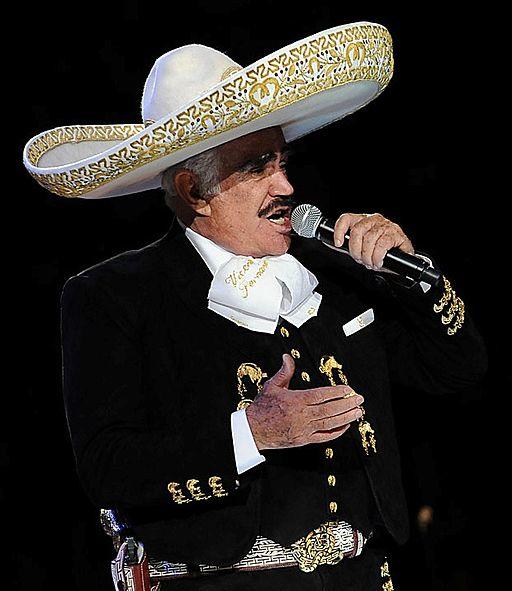
He has more than 50 albums to his name, with his music being used in more than 30 top Mexican movies.
With more than 50 million copies sold under his name worldwide, he is one of the highest-selling artists in the country, counted among the top Mexican singers of all time.
Before his death in 2021, Fernández had retired from public performances but continued to record music. If you're wondering if you've seen him, he was often accompanied by a mariachi band.
Vicente Fernández's Achievements
Beyond his discography, Vicente Fernández is remembered as a cultural institution. He starred in more than 34 films, hosted sold-out concerts at Madison Square Garden, and was inducted into the Billboard Latin Music Hall of Fame in 1996. His son Alejandro Fernández went on to become a known Mexican singer in his own right, and his grandson Alejandro Fernández Jr. is also pursuing music; making the Fernández family one of the most influential dynasties in Mexican music history. His 2021 death prompted an outpouring of tributes from world leaders and artists across Latin America.
2. Thalía
Thalía, born in Mexico City, is a recognized Mexican singer, former actress, and businesswoman. She started her music career as a member of the successful pop band Timbiriche, and sang in the band from 1986 to 1989.
Often credited as the queen of Latin pop, she is one of the top Mexican musicians locally and internationally, with 25 million records sold under her name.
Besides her mother tongue, Thalía has recorded music in English, French, Tagalog, and Portuguese, extending her reach beyond her home country!

Her worldwide infamy comes from her work with international singers like Robbie Williams, Tony Bennett, and Marc Anthony. Additionally, she also had a popular acting career, marked with several successful telenovela roles, helping her gain recognition among international audiences.
Thalía's Achievements
Thalía's global reach is evidenced by the fact that she is one of the only Mexican music artists to have performed in Japan, the Philippines, and across Europe to sold-out venues. Her telenovelas (particularly María la del Barrio, Marimar, and María Mercedes) were broadcast in over 180 countries, creating a fanbase that preceded her music career internationally. In 2012, she launched her own fashion and home goods collection with Macy's, becoming one of the first Mexican singers to establish a major US retail brand. She continues to record and perform, remaining one of the most recognizable top Mexican singers of her generation.
3. Juan Gabriel
Alberto Aguilera Valadez, popularly known as Juan Gabriel, was a Mexican songwriter, actor, and singer.
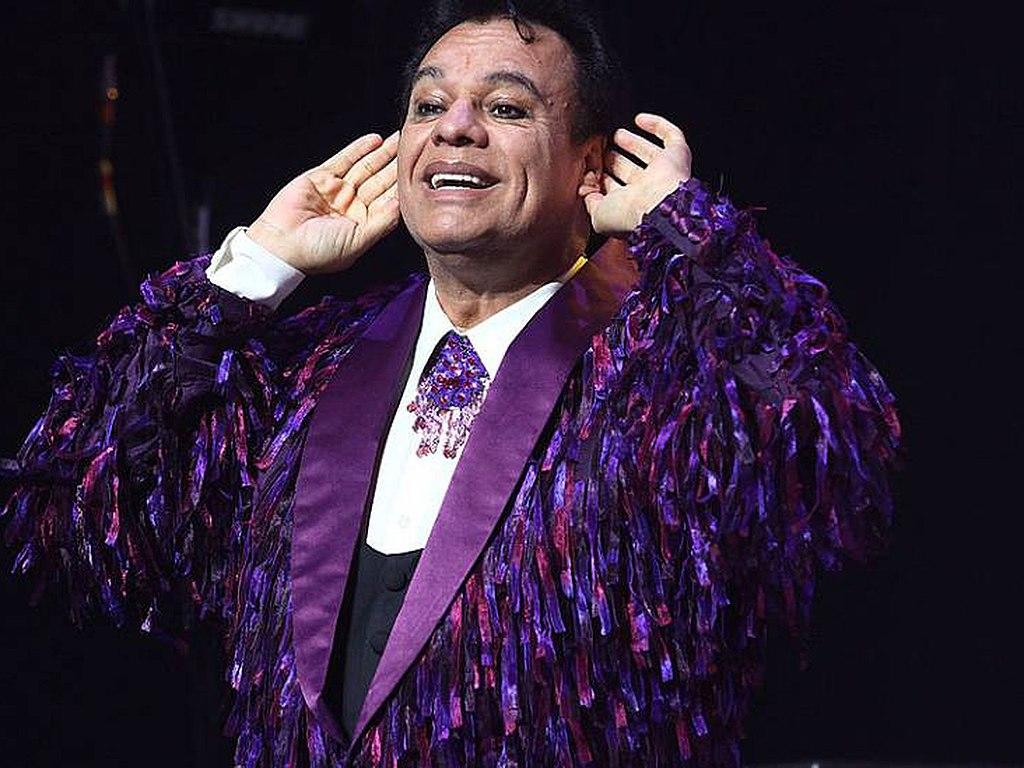
As one of the top Mexican musicians of the 1970s and 1980s, he was known for his flamboyant style, which proved to be monumental by Mexican pop culture standards.
Perhaps the stand-out factor of Gabriel's music was that it challenged the status quo within the Latin music industry. He is regarded as one of the top Mexican singers and composers of all time, with around 60 million records sold under his name. His nineteenth studio record has the honor of being Mexico's best-selling record in history, with more than 8 million copies sold.
Juan Gabriel wrote over 1,800 songs during his lifetime; a staggering creative output that made him one of the most prolific composers in the history of Latin music. His compositions were recorded by artists including Rocío Dúrcal, Lucha Villa, and Vikki Carr, extending his influence well beyond his own discography. He performed 21 consecutive sold-out nights at the National Auditorium in Mexico City in 2012, a record that has not been broken. He was posthumously awarded the Grammy Lifetime Achievement Award in 2017, cementing his status as one of the most recognized Mexican musicians of all time.
No canto para los críticos. Canto para la gente. (I don't sing for the critics. I sing for the people.)
Juan Gabriel
4. Anahí
Anahí Giovanna Puente Portilla de Velasco, popularly known by her mononym Anahí, is a known Mexican singer and actress among the younger millennial demographic.
She kicked off her career in the showbiz industry very young – as a child actress aged two – on a television show Chiquilladas.
Her trajectory has been phenomenal, being one of the most followed Mexican celebrities on social media.
She has been awarded the title of the "Queen of Twitter" by the tabloids, being the first Mexican personality to reach one million followers online.
As a singer, she sings in her native language, but also English, Portuguese and Italian.

Anahí was a part of the well-known Mexican music group RBD (the band that launched her to international fame), selling over 15 million records internationally and winning 7 Billboard Latin Music Awards. As a solo artist, she has 5 million record sales to her name and remains the most popular and best-selling member from RBD, both in Mexico and the United States.
RBD made a celebrated comeback in 2023 with a world tour that grossed over $180 million, becoming one of the highest-grossing Latin tours in history. Anahí's role as Mía Colucci in the telenovela Rebelde made her a cultural touchstone for an entire generation of Latin American audiences, and the RBD reunion confirmed that her fanbase had not diminished in the years since. As a solo Mexican singer, she has consistently topped sales charts in Mexico and the United States, and her social media following remains among the largest of any Mexican music artist.
5. Paulina Rubio
Another member of the recognized pop group Timbiriche, Paulina Rubio is a known Mexican singer, songwriter, model, businesswoman, and actress.
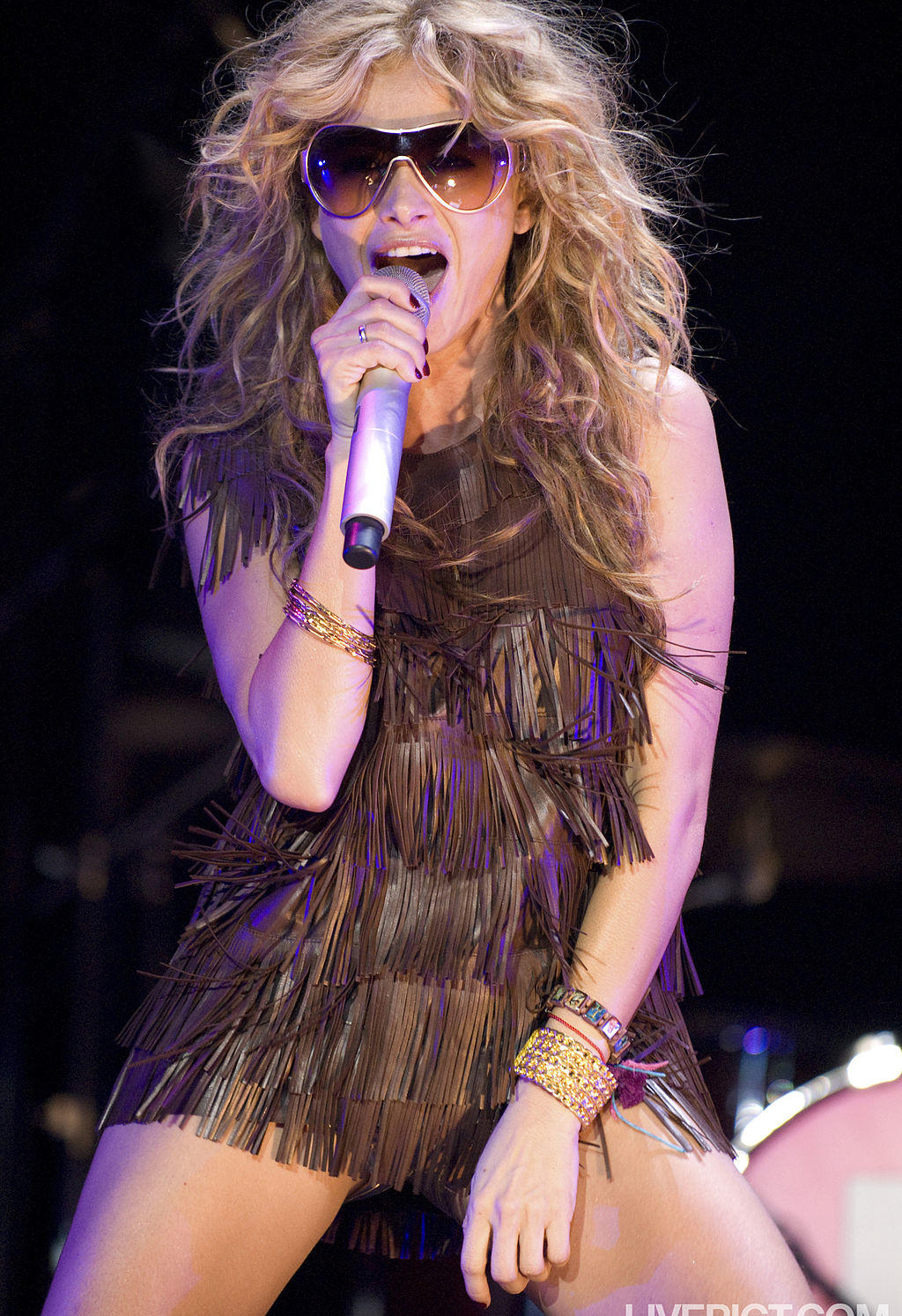
She was born in Mexico City and got her music break with Timbiriche. After leaving the group, she went solo, selling over 15 million records.
Rubio is widely recognized among the best-selling Mexican singers; however, she debuted as an actress in Mexican movies in 1995.
More recently, specifically in the past decade, she has participated as a coach on La Voz Kids and a judge on X-Factor while also making appearances in Mexican tv shows.
Paulina's Award Show Achievements
Paulina Rubio's crossover appeal is perhaps best illustrated by her 2002 hit "Don't Say Goodbye," which became one of the first songs by a Mexican singer to reach the top 10 on the Billboard Hot 100 in both Spanish and English simultaneously. Her record Border Girl (2002) was her English-language breakthrough, produced by Norwegian duo Stargate, who would go on to produce Rihanna and Beyoncé. She remains one of the few Mexican music artists to have sustained commercial success across four decades, and her influence on the aesthetic of Latin pop (her blonde image, provocative style, and dance-focused performances) is credited by many younger Mexican singers as a major inspiration.
6. Lila Downs
Ana Lila Downs is a Mexican singer, songwriter, and actress. She is known for performing her own compositions and her distinctly traditional flair, incorporating elements of indigenous Mexican music.
Her catalog of music contains songs in many of the indigenous languages of Mexico, such as Mayan, Nahuatl, Zapotec, and Mixtec.
Lila Downs' music reflects her upbringing, as she was born and educated in Oaxaca. She enrolled and studied at the University of Minnesota before returning to Mexico to focus on her music career.
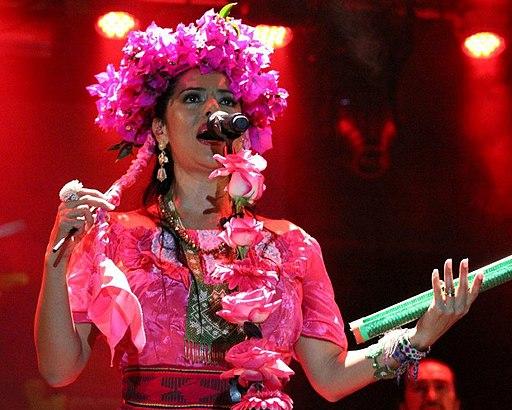
Her big break came in Oaxaca City, reaching international fame in 2001 when her record went viral in the Latin American world. Inspired by traditional artists like Chavela Vargas and Lucha Villa, Downs is known for her striking folk fashion and music, adopting the indigenous heritage and traditions of Mexico's native cultures.
She has gone through tremendous struggles (including activist work) to preserve indigenous languages like Mixtec. Her music performances reflect her work for the native heritage of her country. Furthermore, Downs' has won international accolades in the form of a Grammy award and 3 Latin Grammy awards, making her slightly shy of a global icon!
She is also heavily involved in political activism and humanitarian causes that deal with the problems of Mexico's indigenous people.
Lila Downs has collaborated with some of the most respected names in world music, including Paul Simon, Café Tacvba, and Ry Cooder. Her Grammy-winning album La Cantina (2006), co-created with composer Calexico, introduced her to international audiences beyond Latin America. She performed at the Mexico City concerts marking the 2024 US presidential inauguration season and has been a cultural ambassador for Mexico at events including the Academy Awards, where she sang during the In Memoriam segment in 2015.
Among top Mexican musicians, she is unique in having successfully built a global audience for indigenous Mexican musical traditions without compromising their authenticity.
7. Marco Antonio Solís
Marco Antonio Solís is a recognized Mexican singer, composer, and record producer. He was born and raised in Ario de Rosales, Michoacán, where he started his music career.
Like most others on this list, he did it as a child singer, specifically, as a member of the Los Hermanitos Solís with his family.
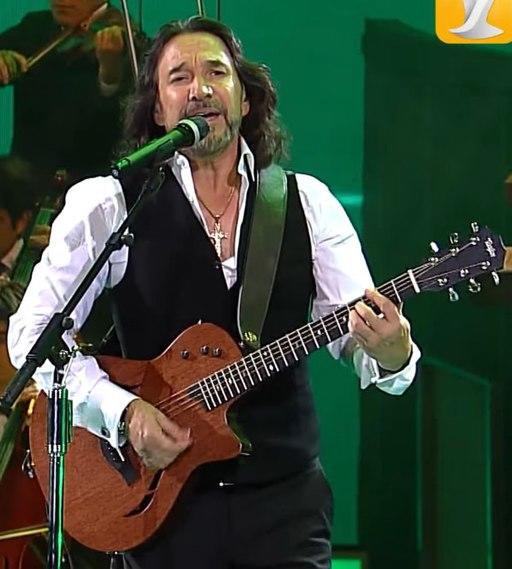
Solís left his family's music group and co-founded the Los Bukis band. This is where he honed his skills as a lead singer and guitarist.
Los Bukis went on to amass substantial commercial success and stayed relevant to the charts for two decades.
After his successful career as a band member of Los Bukis, he finally left the group to embark on a solo career, releasing his first album in 1996.
Since then, he has received 2 Lo Nuestro, 5 Latin Grammys, and a star on the Hollywood Walk of Fame.
Marco Antonio Solís has written songs that have become permanent fixtures of Mexican popular culture. "Si No Te Hubieras Ido," "La Venia Bendita," and "No Mames, Wey" have each generated over 100 million streams on Spotify alone, demonstrating that his songwriting resonates as powerfully with younger streaming-era audiences as it did with the radio audiences of the 1980s and 90s.
His star on the Hollywood Walk of Fame (awarded in 1997) makes him one of only a handful of Mexican music artists to receive that honor. He continues to tour regularly to sold-out venues across the United States and Mexico.
8. Luis Miguel
Luis Miguel is a Mexican singer born in Puerto Rico and popularly referred to as El Sol de Mexico (The Sun of Mexico). His musical career spans many different genres and styles, including popular global genres like jazz, pop, ballads, and local genres like boleros and mariachi.
He is known to be the only recognized Latin singer of his generation who did not transition to the American music scene during the famous Latin Explosion of the 1990s. This era saw many artists like Jennifer Lopez and Ricky Martin make it big in the English-speaking world.

Miguel continued singing in his language and solidified his place among the top Mexican musicians, with the most numbers of records sold in the 1990s. Furthermore, the credit for introducing and popularizing the bolero genre to Mexican audiences also goes to his name. With 60 million records sold under his name, he remains among Latin America's best-selling artists and the youngest to win a Grammy (at 14 years of age in 1991).
He is also credit for the longest tour in Mexican history with his Luis Miguel Tour in 2010, where he visited 22 countries and performed in 223 shows internationally.
Luis Miguel's cultural impact was dramatically amplified by the Netflix biographical series Luis Miguel: La Serie (2018), which introduced a new generation to his life and music and broke streaming records in Latin America. His decision to perform exclusively in his native tongue throughout the 1990s Latin pop explosion (when contemporaries like Ricky Martin and Marc Anthony were courting English-speaking audiences) is widely credited with preserving the prestige of Spanish-language pop at a critical moment. He returned to touring in 2023 after a years-long absence, and his shows sold out within minutes across Mexico, the United States, and Latin America, confirming his status as one of the top Mexican singers of any era.
Luis Miguel's Netflix biopic is proof of how powerfully Mexican storytelling translates to screen. The top 10 Mexican movies make an equally compelling watch for anyone who wants to explore Mexico's cinematic tradition.
9. Alejandro Fernández
Alejandro Fernández —nicknamed El Potrillo (The Colt)— is the son of Vicente Fernández and one of the most successful male Mexican singers of his generation.
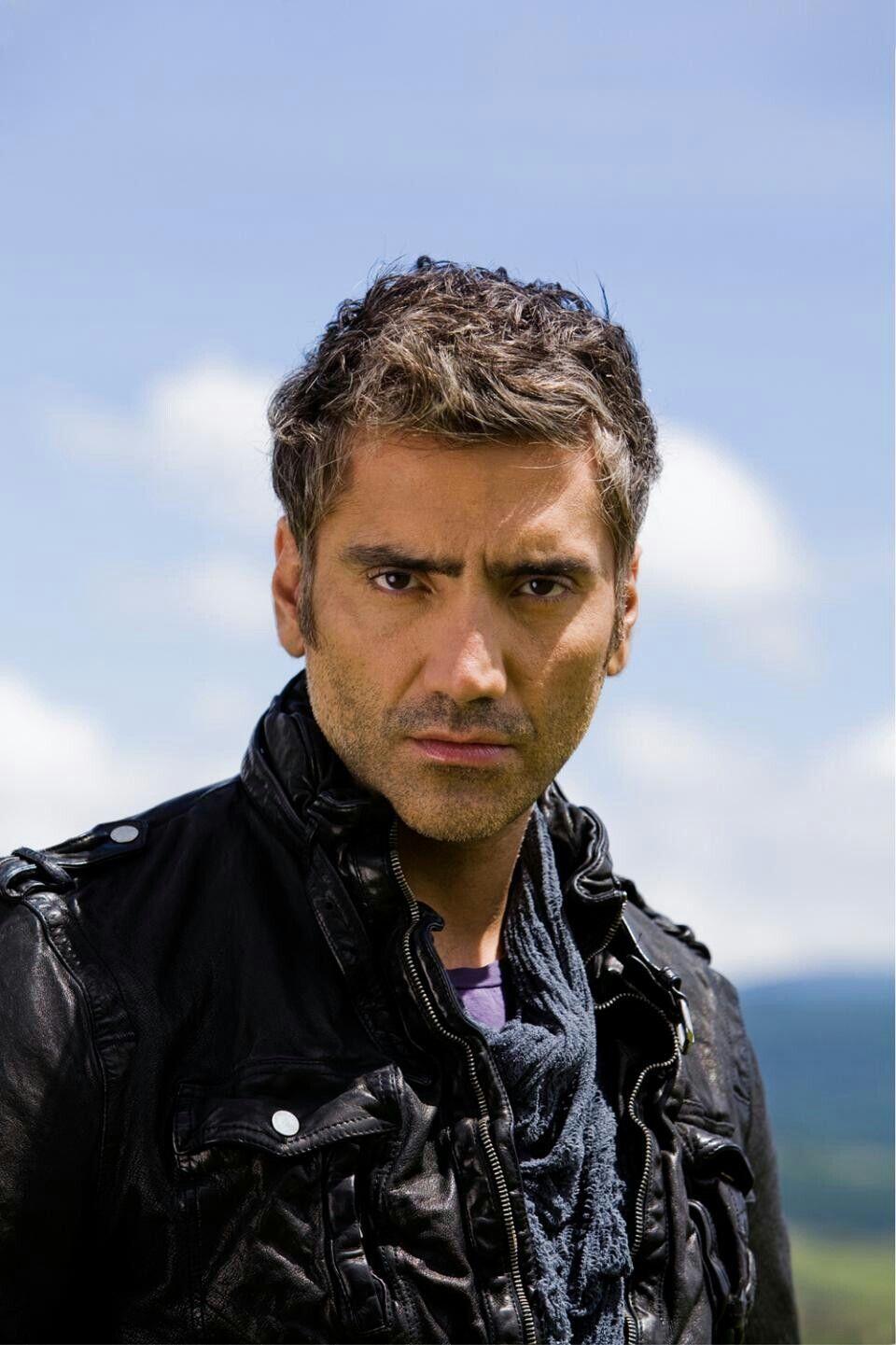
Where his father built his legacy on traditional ranchera music, Alejandro successfully navigated both the ranchera tradition and contemporary Latin pop, releasing albums that dominated charts across both formats.
His 2000 record Íntimo reached number one in multiple countries and his 2013 duet with Christina Aguilera, "Hoy Tengo Ganas de Ti," demonstrated his crossover appeal. With over 30 million records sold, 8 Lo Nuestro, and multiple Grammy nominations, he has carved out a legacy entirely distinct from his father's while continuing the family's ranchera tradition.
10. Selena Quintanilla
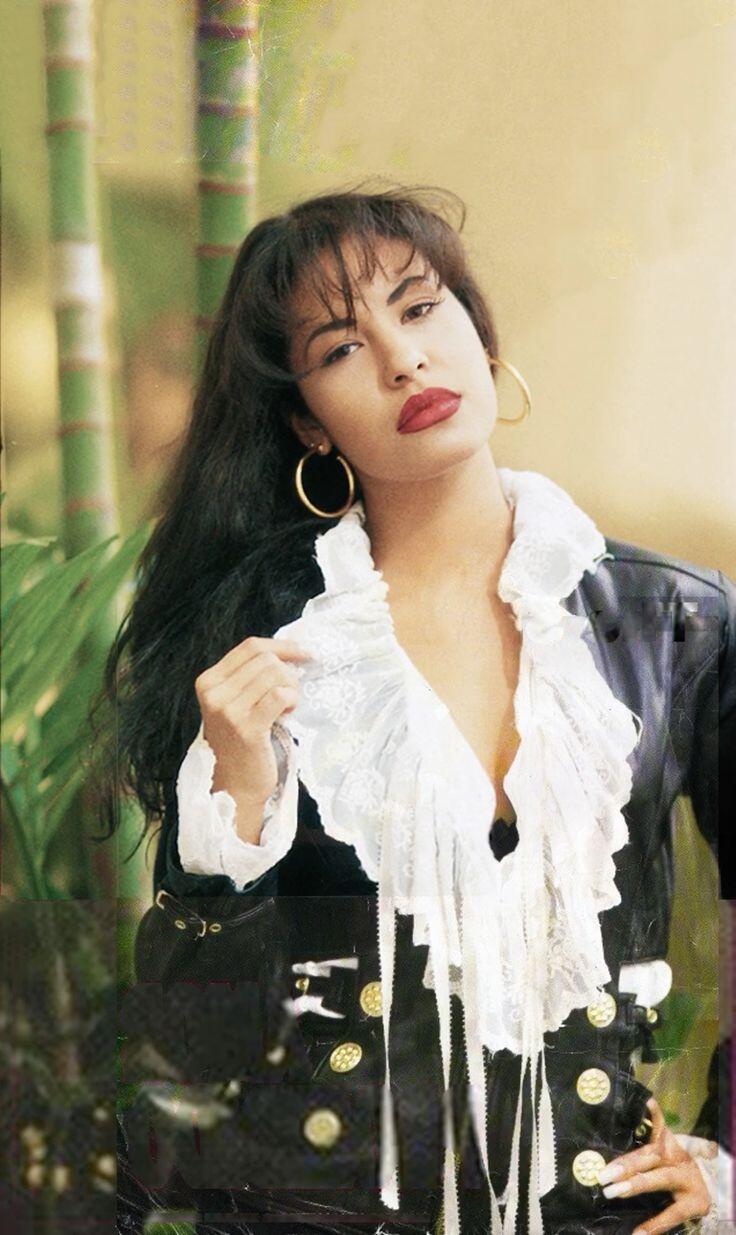
Selena Quintanilla (known simply as Selena) is the best-selling Mexican music artist of all time and one of the most influential figures in the history of American music.
Born in Texas to Mexican-American parents, she grew up speaking English and had to learn Spanish to connect with the Tejano music tradition she would go on to redefine. By the early 1990s, she was the highest-paid Latin singer in the United States, with an estimated annual income of $5 million.
Her crossover into mainstream pop, signaled by the 1994 record Amor Prohibido, was cut tragically short by her murder in 1995 at age 23. Her posthumous album Dreaming of You (1995) debuted at number one on the Billboard 200 (making her the first Latin artist to achieve that distinction) and she has sold over 65 million records worldwide since her death.
Mexico's legacy of excellence isn't limited to music. The country has also produced extraordinary athletes who brought the same passion and determination to their sports. Discover Mexico's top sports athletes and the records they set.
Ranchera — traditional Mexican folk genre, closely linked to mariachi. Vicente Fernández, Pedro Infante.
Tejano / Regional Mexican — music of the Texas-Mexico border tradition. Selena Quintanilla, Jenni Rivera.
Latin Pop — contemporary Spanish-language pop. Thalía, Paulina Rubio, Anahí.
Folk / Indigenous — music rooted in Mexico's pre-Colombian cultures. Lila Downs.
Rock en Español — Spanish-language rock. Maná.
Mariachi Urbano — modern fusion of mariachi with pop and regional Mexican. Christian Nodal.
11. Natalia Lafourcade
Natalia Lafourcade is the most critically acclaimed Mexican singer of the 21st century and the most decorated Mexican music artist in Latin Grammy history.

Born in Mexico City, she began her career as a teen pop artist before gradually evolving toward a folk and roots-oriented sound that drew on the bolero, son jarocho, and Nueva Canción traditions.
Her albums Hasta la Raíz (2015) and Musas (2017 and 2018) won consecutive Latin Grammy Album of the Year awards, making her the first artist to win that award three times. With 12 Latin Grammy Awards in total, she has been described by Pitchfork and Rolling Stone en Español as one of the most important Mexican music artists of her generation.
Albums of the Year
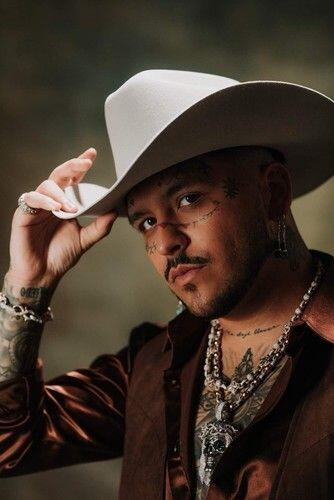
12. Christian Nodal
Christian Nodal is the most commercially successful young Mexican singer of his generation and the leading figure of mariachi urbano; a fusion of traditional mariachi with regional Mexican music, pop, and contemporary production.
Born in Sonora in 1999, he signed his first major record deal at 16 and released his breakthrough single "Adiós Amor" in 2016, which spent 17 weeks at number one on the Billboard Regional Mexican Airplay chart.
He has since become one of the most-streamed Mexican music artists globally, with multiple Latin Grammy nominations and a Grammy Latino win in 2022 for Best Regional Mexican Music Album. His ability to honor traditional sounds while making them accessible to younger audiences has made him one of the most important male Mexican singers in the current era.
13. Jenni Rivera
Jenni Rivera was the most successful female Regional Mexican artist of her generation and one of the most beloved figures in Mexican-American music.

Born in Long Beach, California to Mexican parents, she built her entire career singing in Spanish for a predominantly working-class audience, becoming a symbol of empowerment for Mexican-American women on both sides of the border.
She sold over 15 million records across genres including banda, norteño, and ranchera, and at the time of her death in a plane crash in 2012 was preparing to make the jump to English-language mainstream music. Her 2011 Billboard Latin Music Awards Album of the Year win for La Diva de la Banda cemented her legacy as one of the most famous Mexican musicians of the modern era. A biographical film, Jenni Rivera: Mariposa de Barrio, was released in 2017.
14. Maná
Maná is the most successful Mexican rock band in history and one of the highest-selling Latin acts of any genre worldwide. Formed in Guadalajara in 1986, the band (led by vocalist Fher Olvera) pioneered rock en Español and helped make Spanish-language rock a commercially viable genre internationally.
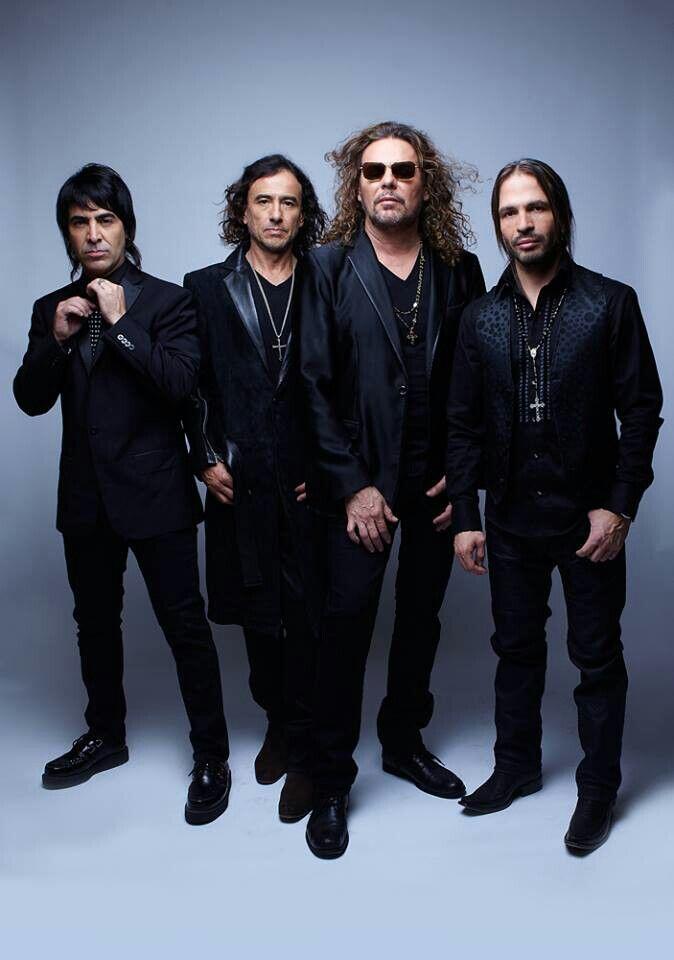
Their 1992 record ¿Dónde Jugarán los Niños? became the best-selling Spanish-language rock album in history, a record it held for over two decades. With over 40 million records sold, four Latin Grammy Awards, two Grammy Awards, and a star on the Hollywood Walk of Fame, Maná stands as one of the most decorated Mexican music artists of any era. Their music blends rock, reggae, and pop with politically conscious lyrics, a combination that has made them enduringly popular across multiple generations of Latin music fans.
Maná opened the door for a generation of Mexican rock acts that followed. For more on the groups that have defined Mexico's musical landscape, must-listen Mexican bands goes deeper into the country's band tradition.
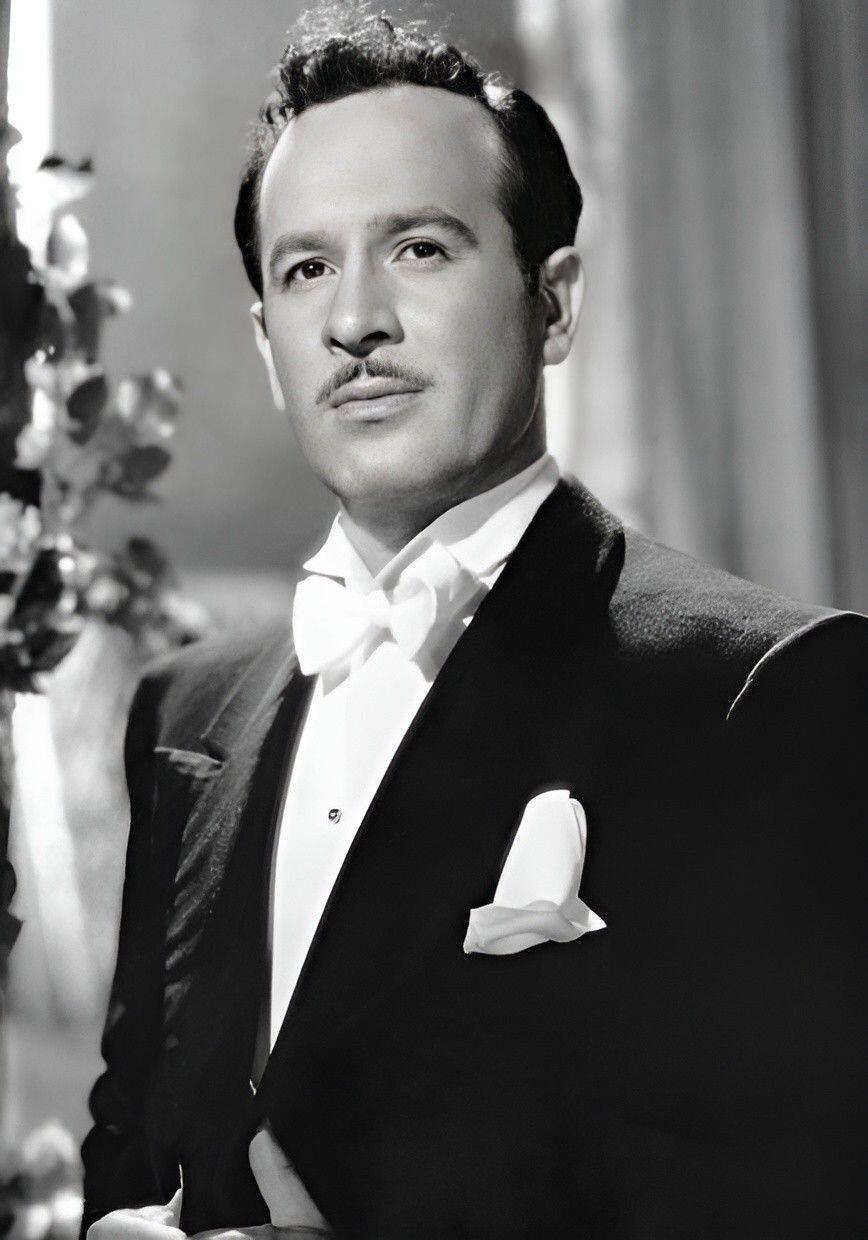
15. Pedro Infante
Pedro Infante is the most beloved Mexican singer of the golden era of Mexican cinema and music, and his cultural presence in Mexico remains undiminished more than six decades after his death.
Born in Mazatlán in 1917, he rose to prominence in the 1940s as both a singer and a film actor, becoming the defining male voice of ranchera and bolero music during Mexico's artistic golden age.
He starred in over 60 films alongside other golden era icons including Jorge Negrete and María Félix, and his recordings of songs like "Amorcito Corazón," "Cien Años," and "La Que Se Fue" remain staples of Mexican radio to this day. In polls consistently conducted across decades, Infante is named the most beloved figure in the history of Mexican popular culture; a distinction that speaks to the permanent place he holds in the national imagination.
Listening to these artists is also one of the best ways to immerse yourself in their language. If you want to deepen your understanding of Mexican music and Spanish lyrics, find a qualified Spanish tutor on Superprof and start connecting with the culture that produced these iconic songs.
Summarize with AI:
Did you like this article? Leave a rating!


 Loading...
