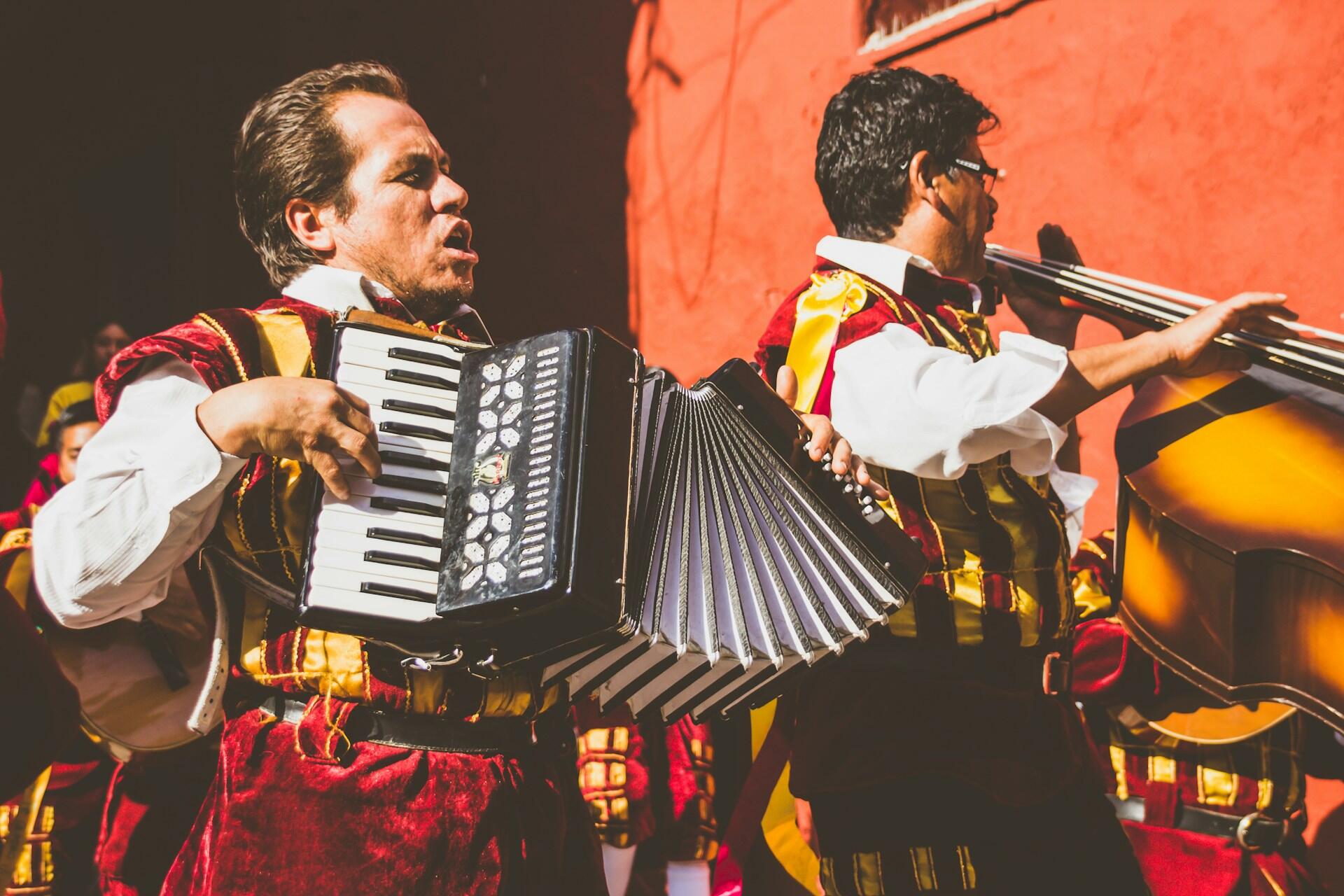

Mexico has produced some of the most distinctive and genre-defying acts in Latin America. The country's musical geography is extraordinarily varied (from the norteño corridors of Sinaloa to the underground punk and metal scenes of Mexico City and Monterrey) and these groups have consistently pushed boundaries and built global fanbases without compromising their roots. 🎸
The 15 groups below span rock, punk, metal, ska, alternative, and traditional regional sound; a deliberate cross-section of what the country's scene actually sounds like when you look beyond the mainstream.
| 🎸Band | 📍Origin | 🎵Genre | 🗓Active | 🏆Known For |
|---|---|---|---|---|
| Maná | Mexico City | Rock / Pop Rock | 1986–present | ¿Dónde Jugarán Los Niños? |
| Café Tacvba | Mexico City | Alternative / Indie Folk | 1989–present | La Ingrata, Eres |
| Caifanes / Jaguares | Mexico City | Post-Punk / New Wave | 1985–present | La Negra Tomasa, Aviéntame |
| El Tri | Mexico City | Classic Rock / Blues Rock | 1968–present | Abuso de Autoridad |
| Los Tigres del Norte | Sinaloa | Norteño / Banda | 1968–present | Contrabando y Traición |
| Molotov | Mexico City | Punk / Rap Rock | 1995–present | Gimme tha Power, Puto |
| Zoé | Mexico City | Indie / Progressive Rock | 1994–present | Noche de Brujas, MTV Unplugged |
| La Maldita Vecindad | Mexico City | Ska / Rock | 1985–present | Kumbala, El Circo |
| Panteon Rococo | Mexico City | Ska / Punk / Mariachi | 1995–present | La Dosis Perfecta |
| Brujería | Los Angeles / Mexico City | Death Metal / Grindcore | 1989–present | Matando Güeros |
| Kinky | Monterrey | Indie Rock / Electronic | 1998–present | Cornman, Soun Tha My DJ |
| División Minúscula | Monterrey | Alternative Rock / Emo | 2002–present | Bello Embustero |
| Tijuana NO! | Tijuana / Mexico City | Ska Punk | 1989–2002 | Transgresores de la Ley |
| Santa Sabina | Mexico City | Alternative / Art Rock | 1989–present | No (Zapatos), Hombre Sintetizado |
| Banda MS de Sergio Lizárraga | Mazatlán | Banda / Regional Mexican | 2003–present | Amor Genuino, Me Vas a Extrañar |
For a full picture of Mexico's most famous people across music, film, and sport, the branch article covers the country's greatest icons together.


1. Maná
Maná is the most successful band from Mexico in history by commercial metrics and arguably the most famous acts the country has produced internationally.

Formed in Guadalajara in 1986, they have sold over 40 million records worldwide, won four Grammy Awards and eight Latin Grammy Awards, and hold the record for the best-selling Spanish-language rock album of all time: ¿Dónde Jugarán Los Niños? (1992). Their blend of melodic rock, pop songs, and reggae elements gave them a crossover appeal that few acts in the region have matched.
Their social and environmental activism (particularly around ocean conservation through the Selva Negra Foundation) has given them a public profile that extends well beyond their albums.
Lead singer Fher Olvera's distinctive falsetto and the group's arena-ready production made them the Latin equivalent of U2 in terms of stadium-filling power throughout the 1990s and 2000s. They remain among the most streamed famous Mexican bands on all major platforms.
the best-selling Mexican band in history!
2. Café Tacvba
Café Tacvba (spelled with a 'v' in homage to a Mexico City cantina) are the most critically acclaimed Mexican music band of the past 35 years and a defining force in the alternative and indie scenes of Latin America. Formed in Mexico City in 1989, they built a sound unlike anything else: blending traditional folk music, punk energy, bolero, cumbia, and experimental noise into albums that refused categorization.
Their second album Re (1994) is regularly cited as one of the greatest Latin American albums ever made, and its lyrics set a new standard for Spanish-language songwriting.
Vocalist Rubén Albarrán's elastic voice and the group's absolute refusal to repeat themselves have earned them a devoted following that spans generations. They were among the first acts to bring indigenous folk sounds to a mainstream audience, and their influence on subsequent Mexican rock bands is immeasurable.
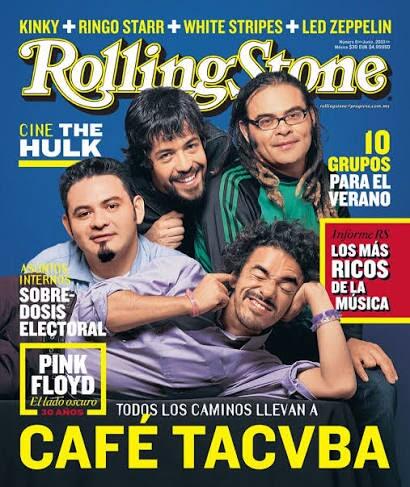
Mexico's most famous singers (from solo artists to full ensembles) cite Café Tacvba as a foundational influence.
3. Caifanes / Jaguares
Caifanes proved that rock acts from Mexico could fill major venues and dominate national culture on their own terms. Formed in Mexico City in 1985 under the influence of British post-punk (particularly The Cure and Siouxsie and the Banshees) they developed a distinctly local take on new wave that blended dark atmospheric production with Latin percussion and Spanish-language poetry.
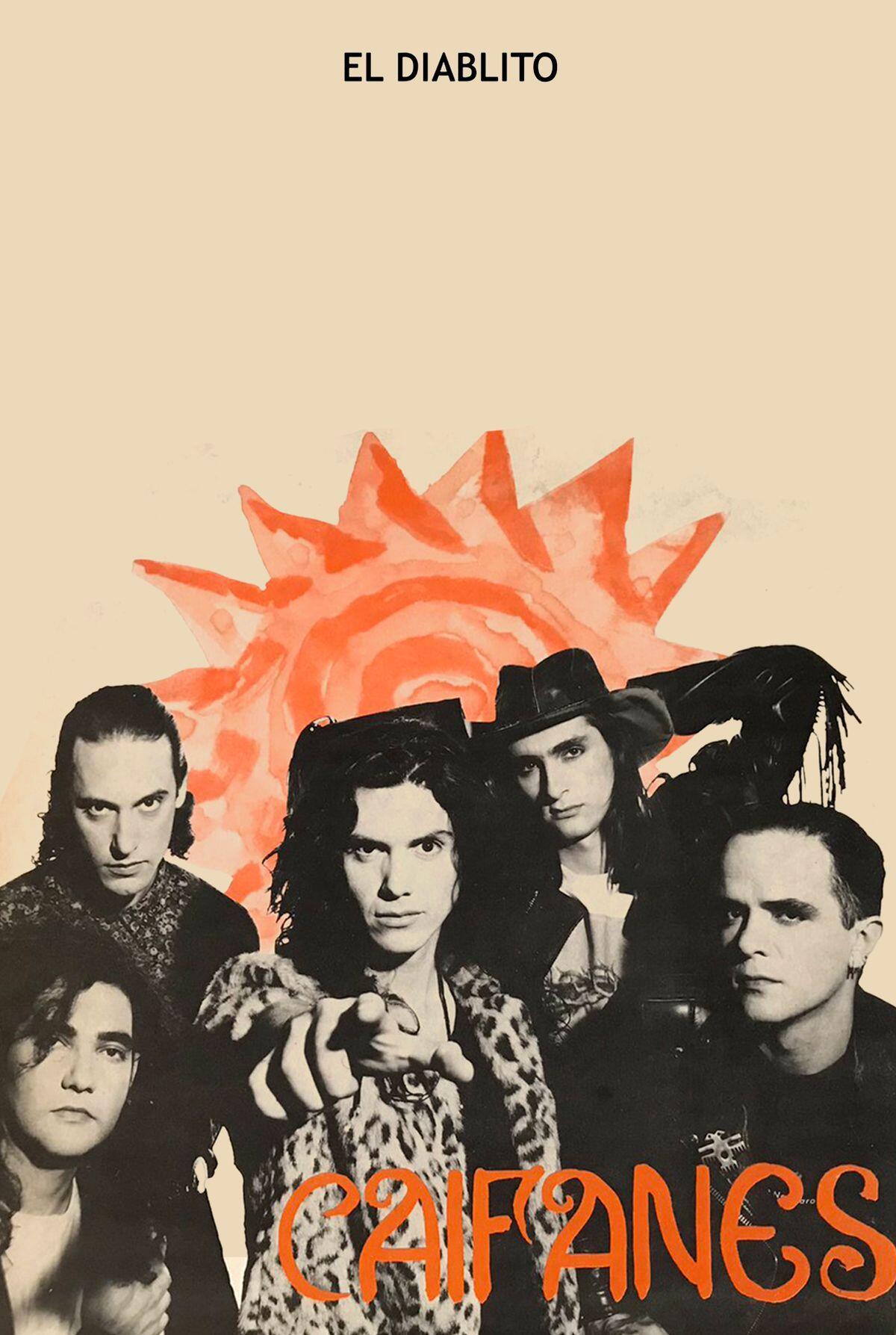
They were the first act to sell out two consecutive shows at the Auditorio Nacional, a 10,000-capacity venue in Mexico City.
After disbanding in 1995, vocalist Saúl Hernández continued as Jaguares, producing a body of work that carried the Caifanes sonic identity into the 2000s. The original lineup reunited in 2011 and has since performed to sold-out crowds across Latin America and the United States. Their album El Nervio del Volcán (1994) is considered their masterpiece.
4. El Tri
El Tri, led by Alex Lora, is the oldest and most enduring of all Mexican rock bands: a blues-rock outfit that has been playing continuously since 1968 and shows no signs of stopping.
Lora is the closest thing the country's rock has to a folk hero: a working-class voice who has spent 55 years singing about life in Mexico City's streets with a rawness and directness that no other Mexican music band has matched. Their influences (the Rolling Stones, the Kinks, early British rock) are worn openly, but the sound is entirely their own.
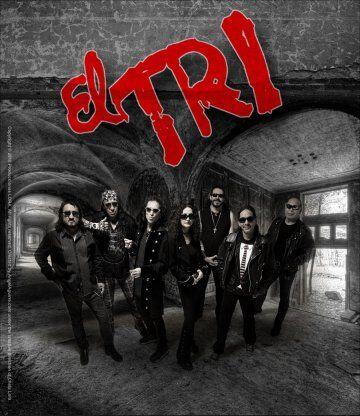
El Tri's longevity is partly explained by their independence from the major label system and their relentless touring style across the country. They are the emblematic example of a group with no real international crossover profile but an almost mythological status at home.
El rock and roll mexicano no le pide prestado nada a nadie.
Alex Lora, founder of El Tri — Translation: 'Mexican rock and roll doesn't owe anything to anyone.'
Rock en tu Idioma (1980s) — the movement that made Spanish-language rock commercially viable in Mexico
Avanzada Regia (1990s) — a Monterrey-based rock movement that produced Café Tacvba, Caifanes, and El Gran Silencio
Onda Grupera — regional music movement that ran parallel to rock and influenced banda and norteño
5. Zoé
Zoé are the defining rock act of the 2000s from Mexico City and the group most responsible for bringing progressive and indie rock sound to a mainstream Latin American audience.

Formed in 1994, they spent years building a cult following before their album Memo Rex Commander y el Corazón Atómico de la Vía Láctea (2006) broke them through nationally. Their MTV Unplugged recording, released in 2013, became one of the most watched unplugged sessions in the region's history.
Zoé's sound is cinematic and layered, drawing on Radiohead and Pink Floyd as much as on local tradition.
They collaborate with visual artists and film directors to create multimedia experiences around their albums; one of the most artistically ambitious acts of their generation. The best Mexican TV shows have frequently used their songs on their soundtracks.
6. Molotov
Molotov are the most politically provocative of all Mexican punk bands; a rap-rock quartet formed in Mexico City in 1995 whose confrontational lyrics about corruption, police brutality, and social inequality made them simultaneously the most controversial and most important act of their era.
Their debut album ¿Dónde Jugarán Las Niñas? (1997) (a deliberate punk riposte to Maná's ¿Dónde Jugarán Los Niños?) was banned by several radio stations but sold over a million copies. The song "Gimme tha Power" became an anthem of political protest. Molotov occupy a unique position in the punk canon: too radio-friendly for the underground and too confrontational for mainstream acceptance, which is precisely where the best punk lives.

Their mix of Spanish and English, reggae breakdowns, and hard rock guitar makes them genuinely difficult to categorize; and consistently interesting.
7. La Maldita Vecindad y los Hijos del Quinto Patio
La Maldita Vecindad are Mexico City's defining ska-rock act: a quintet that emerged from the same mid-1980s underground that produced Caifanes and Café Tacvba, but with a distinctly more festive sound rooted in working-class folk tradition.

Their album El Circo (1991) is one of the great records of the era, blending ska, mambo, rock, and traditional música tropical into something that felt entirely original. It is perfect for dancing and deeply political at the same time. Lead singer Roco Pachukote became one of the most charismatic frontmen in the country, and the group's theatrical live performances (incorporating circus elements, dance, and political commentary) made them as much a cultural event as a concert.
Their influence on subsequent punk and ska acts is direct and widely acknowledged.
8. Panteon Rococo
Panteon Rococo are the most genre-defying of Mexico's Mexican punk bands; a large ensemble that blends ska, punk, mariachi, and norteño music into a sound they call "rock con banda."
Formed in Mexico City in 1995, they became one of the most beloved live acts in Mexico and across Latin America, known for shows that mix political intensity with genuine joy and dance energy. Their album La Dosis Perfecta and the song of the same name became a staple of alternative radio.
Their ability to incorporate traditional folk forms into a punk context makes them genuinely distinctive; and one of the clearest examples of how the country's scene refuses the genre boundaries that organize music elsewhere.
9. Tijuana NO!
Tijuana NO! are named after the border city that defined their aesthetic and politics. Formed in 1989, the group became one of the most important Mexican punk bands of the early 1990s with a ska punk sound and lyrics that directly addressed immigration, border violence, and political corruption.
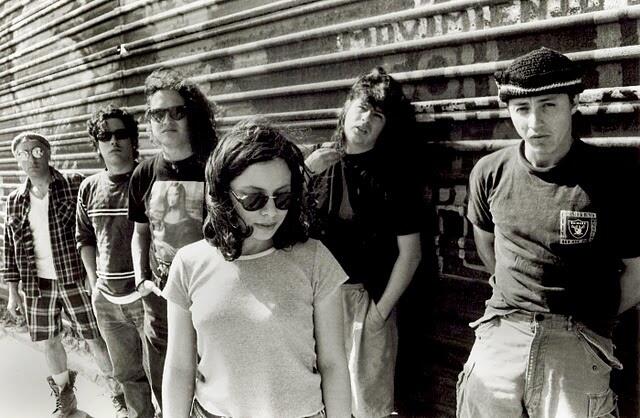
The group featured singer Julieta Venegas in its early years before her successful solo career: her keyboard work and vocals gave the act a melodic accessibility that set them apart from harder punk outfits.
They officially disbanded in 2002, but their albums and songs remain influential in the punk community and their political themes (immigration, inequality, institutional violence) have only grown more relevant since their active years.
10. Brujería
Brujería are the most internationally recognized of all Mexican metal bands; a death metal and grindcore group whose deliberately provocative style and extreme sound made them cult figures in the global underground from their formation in 1989.
Operating out of Los Angeles with strong ties to Mexico City, the group performed in masks and built a mythology around narco-culture and Satanism. Their debut album Matando Güeros (1993) remains one of the most notoriously transgressive records in extreme metal history.
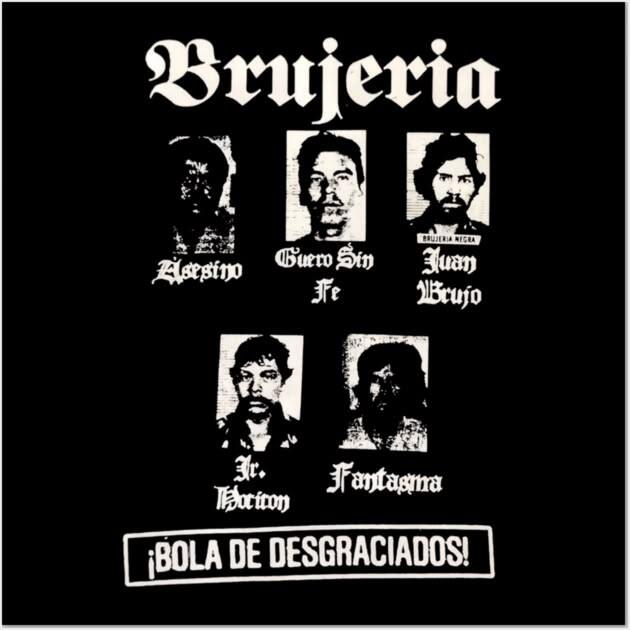
Brujería's membership has always included prominent figures from other metal and punk acts operating under pseudonyms, adding to their mystique. Their influence on subsequent extreme metal acts across Latin America is significant; and as Mexican metal bands go, they are the most purely underground in their approach
11. Kinky
Kinky emerged from Monterrey's Avanzada Regia scene in 1998 with a sound that blended indie rock, electronic production, pop sensibility, and Latin rhythms in a way that felt simultaneously cosmopolitan and deeply local.

Their self-titled debut album, released internationally on Nettwerk Records, earned them a Grammy nomination for Best Latin Rock Album in 2003 and introduced them to audiences well beyond the country.
Songs like "Cornman" and "Soun Tha My DJ" appeared on US film and television soundtracks; one of the few acts from the country to achieve genuine crossover into American alternative media.
Kinky's visual style (art-directed videos, inventive album artwork) placed them in the tradition of stylish indie rock acts of the era, and their records have aged exceptionally well.
12. División Minúscula
División Minúscula are the most beloved alternative act to emerge from Monterrey in the 2000s; a group whose emotionally direct songwriting and clean melodic production gave them a loyal following across the country and Latin America without ever requiring major label support.
Their song "Bello Embustero" is one of the most-played alternative tracks from the decade and remains a defining document of the indie scene. Their ability to write about heartbreak with genuine literary care made them stand out in a crowded field.
They represent the broader ecosystem of independent acts that existed outside the Mexico City-dominated mainstream and built real audiences through touring, early online distribution, and word of mouth.

13. Santa Sabina
Santa Sabina are the most artistically adventurous alternative group from Mexico City; formed in 1989 around the extraordinary voice and vision of singer Rita Guerrero, one of the most important vocalists in the country's musical history.
Their sound blended art rock, classical music, darkwave, and experimental noise in ways that had no precedent in the era. Guerrero's operatic soprano voice over distorted guitars was startling and entirely original.

Guerrero passed away in 2011 at age 44, ending the group's active chapter. Santa Sabina's catalogue -particularly No (Zapatos) (1994) and Babel (1996)- has grown in critical stature since her death and is now recognized as among the finest work the country's alternative scene has produced, and Mexico's top films share the same ambitious creative tradition.
14. Los Tigres del Norte
Los Tigres del Norte are the most important traditional norteño group in the country's history; a conjunto from Sinaloa that has been recording and touring continuously since 1968 and has sold over 32 million records.
Their speciality is the corrido (a folk ballad tradition with roots in the Mexican Revolution) and they have used it to document the lives of migrants, narcos, and working-class people in a way no other act has approached. Their corrido "Contrabando y Traición" (1972) is considered the song that invented the narcocorrido genre. The group's members include brothers José, Hernán, Eduardo, Luis, and Oscar Hernández.
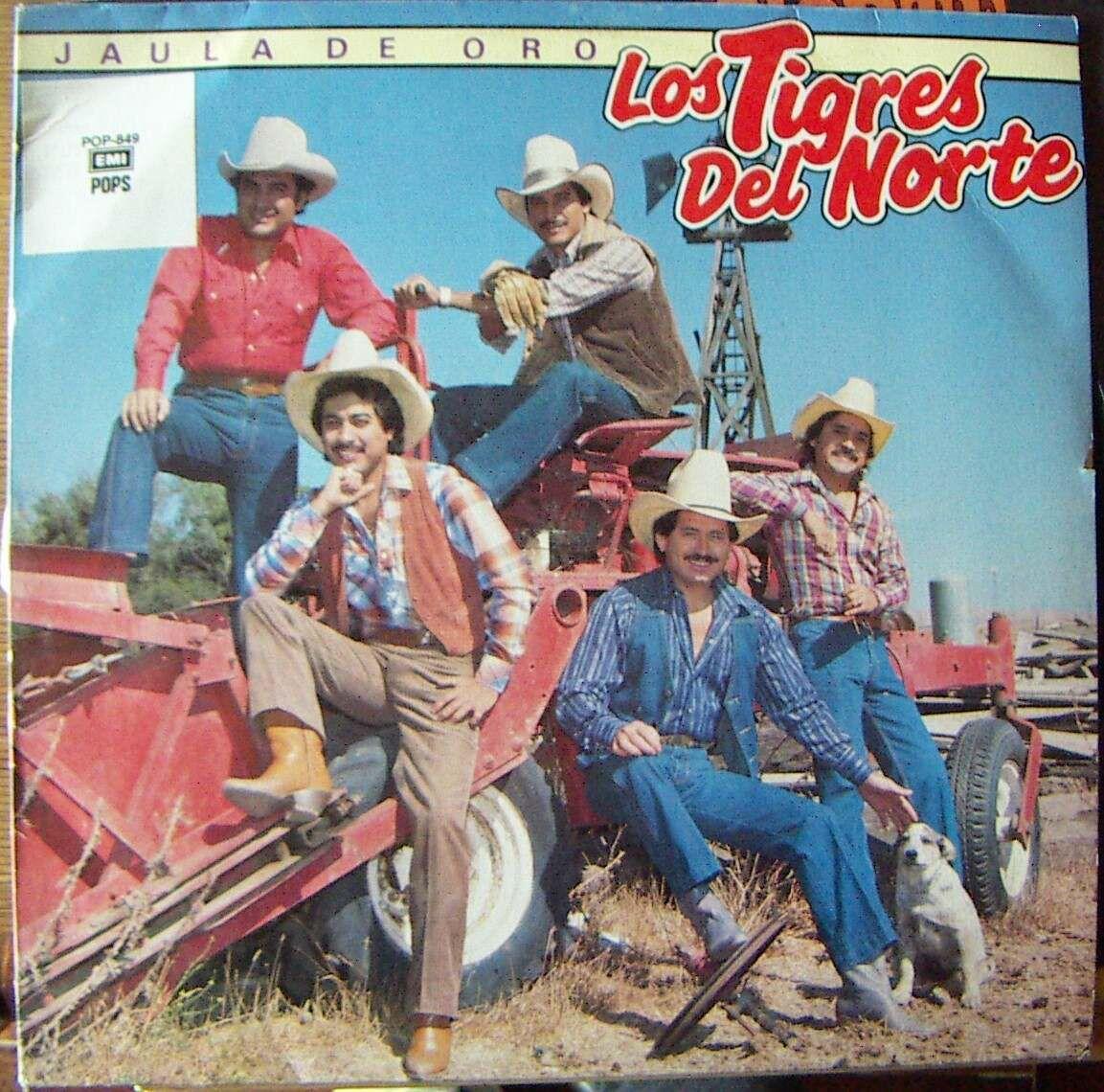
Los Tigres have won multiple Grammy and Latin Grammy awards and performed at the 2016 Coachella Festival, introducing their songs and stories to a new generation of listeners. They are the definitive answer to what traditional norteño sounds like; and evidence that "traditional" does not mean static.
Mexico's pride in its cultural heritage runs just as deep in sport; Mexico's greatest sports athletes have carried that same national identity onto the world stage.
15. Banda MS de Sergio Lizárraga
Banda MS are the most commercially successful regional act of the 21st century; a group from Mazatlán, Sinaloa, formed in 2003 that has broken streaming records, sold out stadiums, and positioned traditional banda sound at the center of global Latin conversations.

Their song "Me Vas a Extrañar" (2012) introduced them to audiences beyond their core fanbase, and subsequent hits including "Amor Genuino," "El Mismo Aire," and "Oye Nena" have made them one of the most streamed acts on Spotify globally. The regional wave they helped lead also brought artists like Gerardo Ortiz and groups like Arrolladora Banda El Limón to international attention; a full ecosystem of modern norteño and banda talent.
Banda MS represent the extraordinary reach of regional style in the streaming era: a genre once considered too local for international attention but proven to be one of the most resilient and commercially powerful in Latin music. Their success, alongside modern stars like Christian Nodal and Alejandro Fernández who carry similar traditional roots, challenges the assumption that acts from the country need to sing in English or adopt international pop production to reach global audiences.
Mexican rock bands: Maná, Café Tacvba, Caifanes, El Tri, Zoé
Mexican punk bands: Molotov, La Maldita Vecindad, Panteon Rococo, Tijuana NO!
Mexican metal bands: Brujería
Alternative / Indie Mexican music bands: Kinky, División Minúscula, Santa Sabina
Traditional / Regional Mexican bands: Los Tigres del Norte, Banda MS
Summarize with AI:
Did you like this article? Leave a rating!

 Loading...