

A marketing designer creates visuals for companies to promote their products, services, events, campaigns, and brands. This may include social media graphics, website visuals, email assets, adverts, presentations, brochures and other digital or printed materials. Interested in becoming a marketing designer? Want to find out more? Read on.
Key Takeaways
- A marketing designer creates visual assets that support campaigns, brand awareness and business goals.
- The role can include social media graphics, website banners, email designs, digital adverts, brochures, presentations and campaign templates.
- Strong marketing designers combine layout, typography, branding, digital design and communication skills.
- There is no single route into the career, so university, college, apprenticeships, short courses, certifications and portfolio projects can all help.
- The average marketing designer salary in the US is $50,000 according to Payscale.⁵
- Career progression can lead towards senior designer, creative lead, art director, freelance consultant or creative director roles.


What Does a Marketing Designer Do?
A marketing designer is the conduit between creative graphic design and commercial strategy. They have to understand what a business needs to communicate, who it is trying to reach and how visual choices can make that message clearer, faster and more memorable. They need to think about the audience, the platform and the purpose of each asset before they start designing.
Marketing design is not just about making a brand look polished. A strong marketing designer creates visuals that support a clear campaign goal, such as brand awareness, clicks, enquiries, sales, event sign-ups or customer retention. That can mean adapting one campaign idea into social media graphics, website banners, email layouts, paid adverts and printed materials while keeping the brand consistent across every format.¹
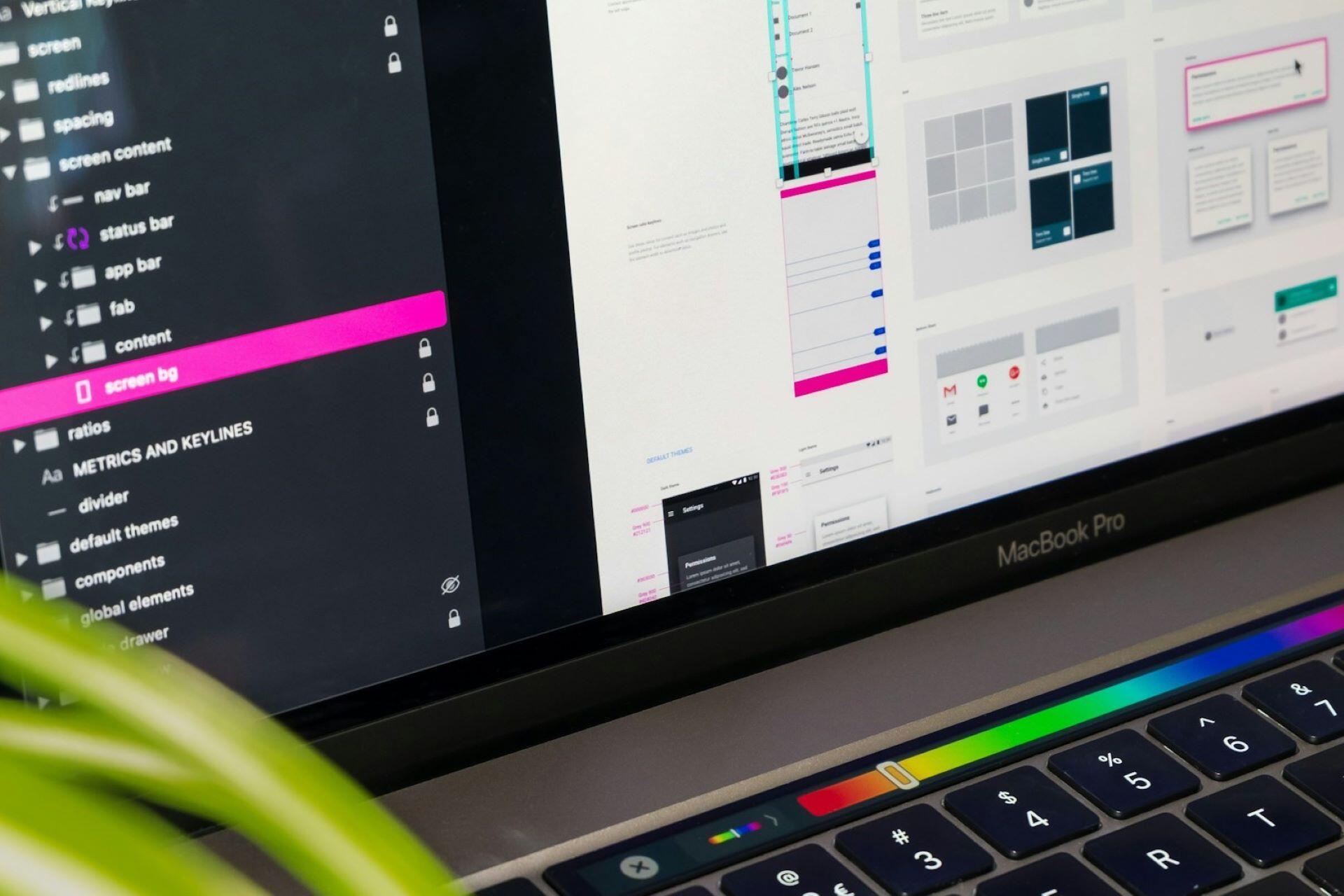
The role of a marketing designer depends on the project. They may focus on creative ideas one day, refine assets the next, and work with UX design teams another. They may work on their own or support the wider marketing teams, especially when a campaign needs several visual elements delivered on a deadline. Their remit may require them to:
- Create campaign visuals for social media, email, websites, adverts, brochures and presentations.¹
- Adapt one campaign concept across digital and print formats while maintaining brand style consistency.¹
- Design website banners, landing page graphics, display ads and other assets that support marketing goals.
- Work with marketers, copywriters, developers and creative leads to turn campaign ideas into finished visual materials.⁹
- Apply typography, layout, color, imagery and visual hierarchy to make messages clearer and more persuasive.⁷
- Prepare artwork for different channels, file types and sizes so each asset works where it will be published.
- Update existing templates, brand elements and campaign graphics when a company launches new services, offers or content.
- Build a portfolio of campaign-style projects that shows the brief, the finished design and the thinking behind the work.²
Required Education for a Successful Career Path
Marketing design is one of those careers where there are different routes for getting started. For students from creative and business backgrounds, it's always an option. You can start with graphic design and then learn marketing, or start with content, advertising or digital campaigns before strengthening your visual skills, including motion graphics. There are marketing executive routes through university, apprenticeships, direct application and work experience, which makes it a useful pathway to consider if you are approaching the role from the marketing side.⁸
A degree, apprenticeship, or Google certification can all help a new marketing designer build useful skills, especially when combined with creative training and marketing knowledge. However, employers still need to see practical proof of what you can create, so a portfolio should show finished work, explain the brief and make your design decisions easy to understand.²
The best route will depend on you. What kind of role do you want to target? Are you more interested in a studio or an agency? Would you prefer to work in an in-house marketing team?
Design Education
A degree, college course or apprenticeship in graphic design, digital media, visual communication, advertising or marketing can help you build the creative foundation for this career. Universities, colleges, apprenticeships, and work experience as possible routes into graphic design.
Marketing and Digital Training
A marketing designer also benefits from understanding campaigns, audiences, brand positioning and digital channels. Qualifications can help students and professionals build recognized marketing knowledge. Google Skillshop offers training across Google tools for digital campaigns.³
Portfolio Experience
A portfolio is essential because it shows employers what you can actually create. The American Institute of Graphic Arts (AIGA) recommends using your portfolio to show strong work, explain your thinking and present the story behind each project.²
Essential Skills for a Marketing Designer
Marketing designers need a broad set of skills. They can't just have design software skills; they have to know how their choices affect attention, readability, brand recognition and campaign performance. Here are a few of the skills worth developing.
| Skill Area | What It Means | Why It Matters |
|---|---|---|
| Visual design | Using layout, color, composition and imagery to communicate a clear message. | Marketing designers need strong visual communication skills because graphic designers create materials for branding, websites, social media and print.⁷ |
| Typography | Choosing and arranging type so content is easy to read and visually consistent. | Good typography helps campaign messages feel polished, readable and on-brand. |
| Branding | Applying a company’s visual style across different marketing assets. | Adobe Express highlights the importance of keeping campaign assets consistent with the brand.¹ |
| Campaign design | Creating visuals for launches, promotions, events, content campaigns and adverts. | Marketing design works best when every asset supports a clear campaign goal. |
| Digital marketing knowledge | Understanding channels such as search, social media, email, display ads and websites. | Digital marketing, advertising and marketing communications are useful areas for marketing careers.⁸ |
| Website asset design | Designing banners, landing page graphics, icons and other website visuals. | Website visuals help users understand offers, services and calls to action quickly. |
| Social media design | Creating graphics, templates and short-form visual content for different platforms. | Social content often needs to be adapted into different sizes, formats and campaign styles. |
| Collaboration | Working with marketers, copywriters, developers, clients and creative leads. | Prospects notes that graphic designers often work with clients, printers, copywriters, photographers and marketing specialists.⁹ |
| Project management | Handling deadlines, file versions, feedback and multiple campaign assets. | Marketing designers often work across several projects at once, so organisation matters. |
| Portfolio presentation | Showing completed work, the brief and the thinking behind each project. | AIGA recommends using a portfolio to show the story and reasoning behind the work.² |
Salary Insights for a Marketing Designer
Before you commit to any career, it's worth knowing how much you can expect to earn. Earnings will vary based on several factors, but knowing roughly how much can be helpful. Pay for marketing designers will depend on whether the role leans more towards graphic design, campaign production, digital marketing, brand management or creative leadership. The company may have additional UI design requirements and be willing to pay a premium. Perhaps you'll be the only creative there or part of a larger team. These can all affect what you earn.
though pay can vary by location, seniority, employer and role responsibilities.⁵
according to Payscale.⁵
To compare salaries, never look at the job title. Look at the job's requirements. Two marketing designer roles can have very different expectations. Designing packaging, for example, won't necessarily pay the same as designing UI or motion graphics. So much can affect what companies will offer and what you should accept.
A marketing designer's salary can vary because the same job title may sit inside different teams. An in-house designer, agency designer, digital designer, senior graphic designer, or creative lead may all work on marketing assets, but pay can vary depending on experience, location, responsibilities, and whether the role includes strategy, campaign planning, or team leadership.⁵
Steps on How to Become a Marketing Designer
If you want to become a marketing designer, build a foundation in design fundamentals. Add an understanding of how marketing campaigns work with the brand identity. Here are the steps you should take to get there.
Learn the basics of layout, color, typography, hierarchy, branding and visual communication. Graphic design routes through university, college, apprenticeships and work experience are a common for students.⁷
Study how audiences, campaign goals, brand positioning, content formats and calls to action work together. Qualifications can help students build recognized marketing knowledge.³
Get comfortable creating social graphics, email assets, adverts, landing page visuals, banners and campaign templates. Google Skillshop can also help you understand the tools and platforms used in digital campaigns.⁶
Build portfolio projects that show campaign thinking, not just attractive visuals. AIGA recommends using a portfolio to show the story, purpose and reasoning behind your work.²
Look for junior graphic designer, marketing assistant, digital designer, studio assistant, content designer or freelance project opportunities. Prospects notes that graphic designers can work in design agencies, in-house teams, publishing, advertising, packaging and digital media.⁹
Use feedback, analytics and campaign results to improve your future designs. Over time, this can help you move towards senior design, creative lead, art director or freelance roles.

References
- Adobe Express. “Launching On-Brand Campaigns.” Adobe, 11 Feb. 2025, https://www.adobe.com/uk/express/learn/blog/launching-on-brand-campaigns. Accessed 29 May 2026.
- AIGA. “4 Easy Steps to Create a Beautiful Design Portfolio.” AIGA, https://www.aiga.org/resources/4-easy-steps-to-create-a-beautiful-design-portfolio. Accessed 29 May 2026.
- Chartered Institute of Marketing. “Qualifications.” CIM, https://www.cim.co.uk/learn-develop/qualifications/. Accessed 29 May 2026.
- Design Council. “Design Economy.” Design Council, https://www.designcouncil.org.uk/our-work/design-economy/. Accessed 29 May 2026.
- “Average Marketing Designer Salary.” PayScale, www.payscale.com/research/US/Job=Marketing_Designer/Salary. Accessed 5 June 2026.
- Google Skillshop. “Skillshop.” Google, https://skillshop.withgoogle.com/. Accessed 29 May 2026.
- National Careers Service. “Graphic Designer.” Explore Careers, https://nationalcareers.service.gov.uk/job-profiles/graphic-designer. Accessed 29 May 2026.
- National Careers Service. “Marketing Executive.” Explore Careers, https://nationalcareers.service.gov.uk/job-profiles/marketing-executive. Accessed 29 May 2026.
- Prospects. “Graphic Designer.” Prospects.ac.uk, https://www.prospects.ac.uk/job-profiles/graphic-designer/. Accessed 29 May 2026.
Summarize with AI:
Did you like this article? Leave a rating!

 Loading...