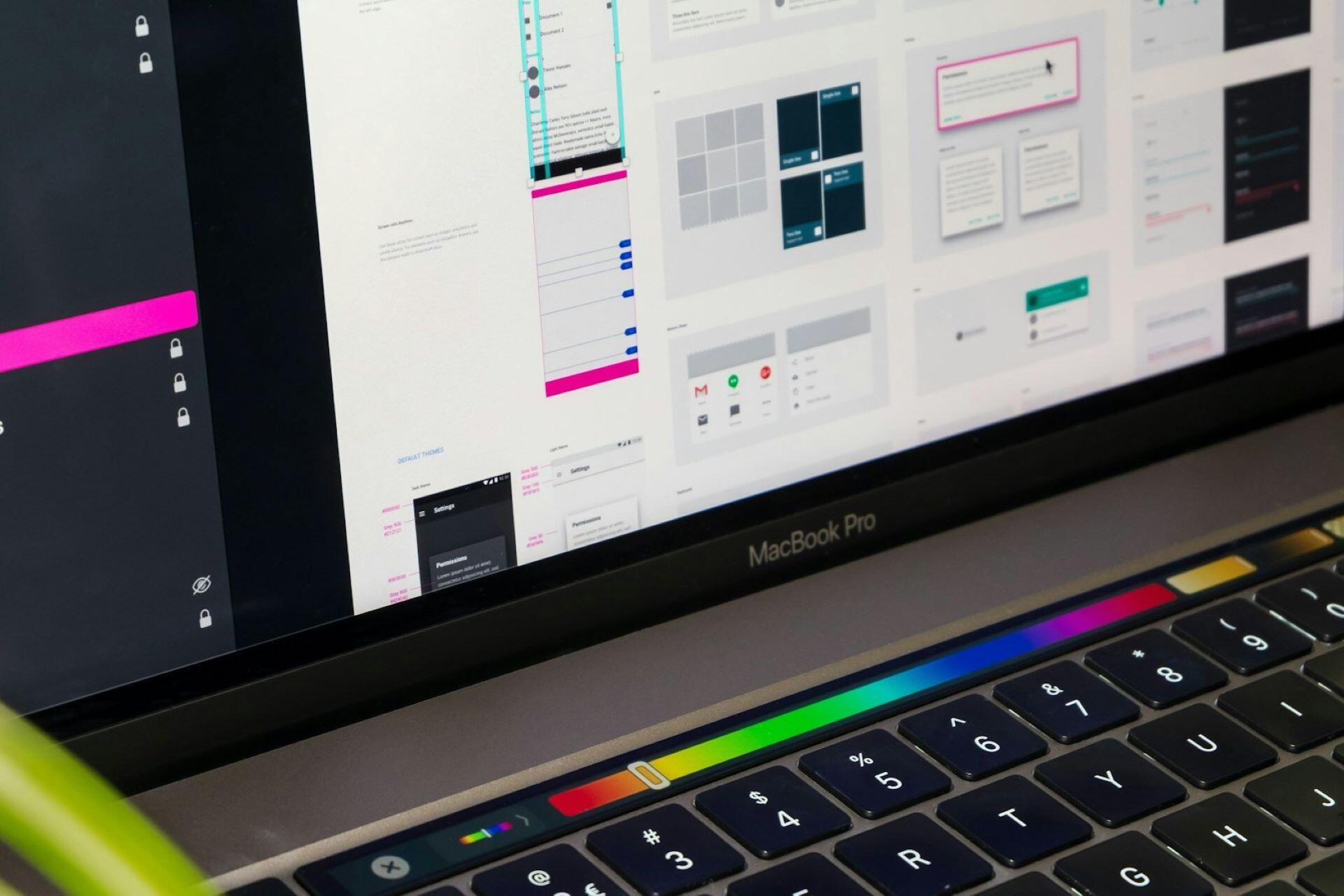

A UX designer makes websites, apps, software, and digital products easier and more satisfying to use. The job is about using user research, usability testing, structure, accessibility, and design thinking to make products work for real people, not just the teams making them. Let's explore what they do and how you can become one.
Key Takeaways
- A UX designer improves how people use digital products by researching user needs, shaping journeys, testing ideas, and refining the final experience.
- UX design is not the same as UI design, although the two often overlap in digital product teams.³
- The average starter salary for a UX designer in the US at $68,000, rising to $114,000 for experienced designers.⁵
- Key UX designer skills include user research, usability testing, wireframing, prototyping, accessibility awareness, communication, and problem-solving.
- Accessibility is part of good UX because digital services should work for as many users as possible, including people with access needs.²


What Is the Role of a UX Designer?
'User experience' encompasses all aspects of the end-user's interaction with the company, its services, and its products.
Don Norman and Jakob Nielsen, Nielsen Norman Group⁶
In a sense, a UX designer is a type of graphic design role. Part of their job is to influence how people experience digital products, which extends far beyond the graphical sense. In the US, the role uses research to understand users and to create websites, applications, and software that meet their needs.⁵ What a UX designer does is more than just making something polished.

A UX designer does not only choose colors, buttons, or layouts. The role examines the full user experience, including how people find information, complete tasks, navigate a product, and feel while using a website, app, or digital service. Good UX design brings together research, structure, usability, accessibility, and visual clarity so the final product works for real users.³
UX design is often confused with visual design, graphic design, or UI design. There's certainly some overlap, but UX work focuses on how products work for the people who use it. User experience isn't limited to a single screen or moment of interaction, by the way.³
UX design focuses on the whole experience a person has when using a product, while UI design focuses more closely on the screens, buttons, menus, layouts, and visual elements that help users interact with it. In many smaller teams, one designer may handle both areas, but they are not the same discipline. A good interface supports the wider user experience, but UX also includes research, structure, testing, accessibility, and problem-solving.³
Key Responsibilities in the Workplace
The UX designer uses evidence to make design decisions based on user needs, organisational goals, brand identity, and research findings.¹ The designer will clarify what the product is for, what users need to do, and where the current experience may be failing. From there, the team can commit to a layout, feature, or user journey.
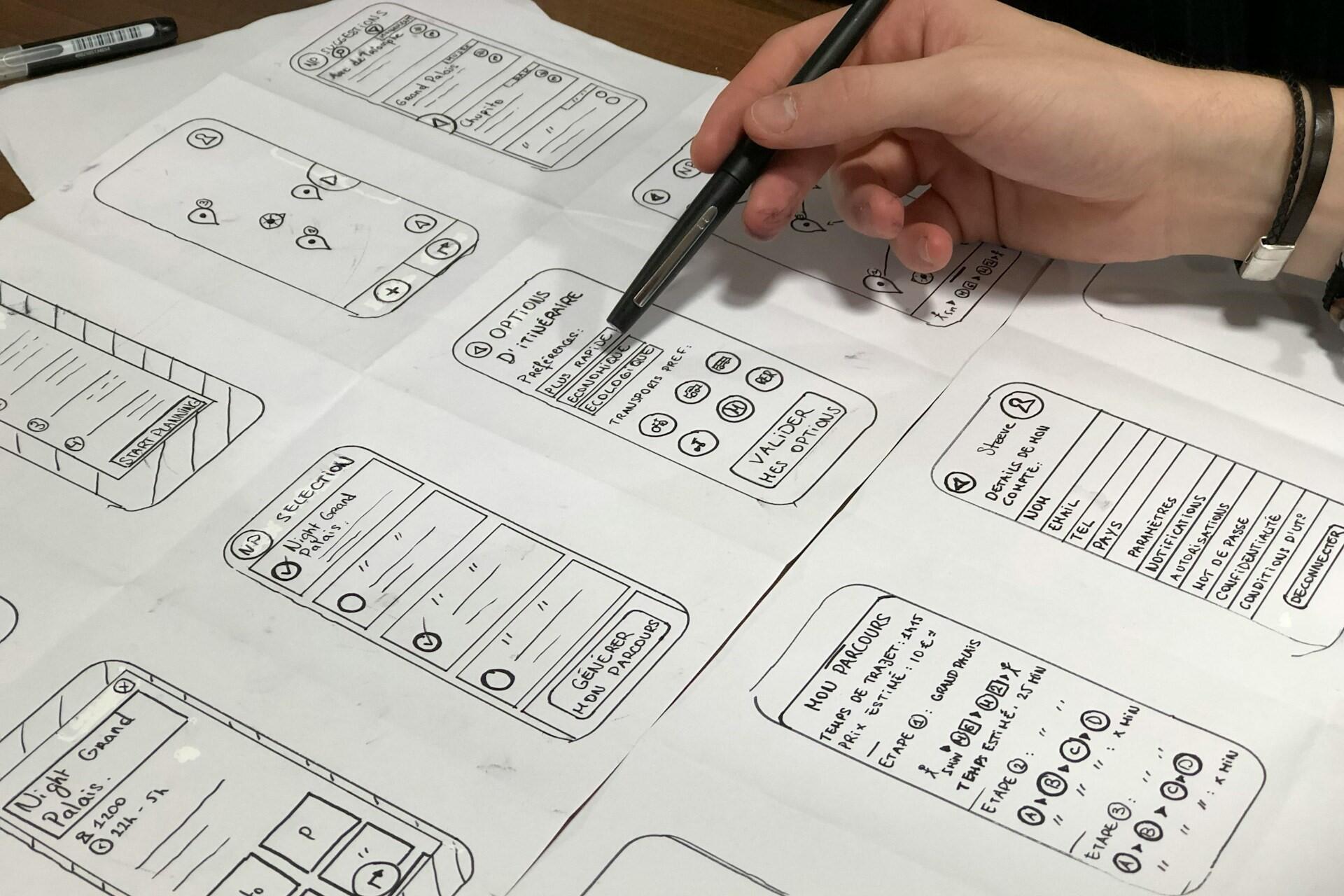
A UX designer should not begin with personal taste or assumptions about what looks good. Research helps designers understand what users need, where they get stuck, and what information they expect to find. This can include interviews, surveys, usability testing, analytics, competitor reviews, and feedback from customer-facing teams.⁴
Essential Skills for a UX Designer
UX Designer Salary Insights
The salary a UX designer earns in the US will depend on their experience, location, sector, and the level of responsibility in the role. Whether you're doing marketing design, UX, or another design role, junior designers who focus on research support, wireframes, prototypes, and usability testing are unlikely to be paid as much as more experienced designers who lead projects, shape product strategy, and manage parts of the design process.
according to Indeed.⁵
As UX designers gain experience, their salaries are likely to increase. Senior roles usually include more responsibility and are better paid. Senior UX designers and consultants earn more, especially if they bring specialist knowledge, such as motion graphics skills, or broader project experience.⁷
according to Indeed.⁵
How to Become a UX Designer
There are different ways to get into UX design. However, the most common ways are through universities and colleges, apprenticeships, or direct application. Your path will depend on your current experience and learning style.⁵ There are courses in the US on everything from packaging design to more business-oriented specialization.
Step 1
Learn what UX design involves
Start with the basics of user experience, user research, usability, accessibility, information architecture, wireframing, and prototyping. This will help you understand how UX differs from visual design or general graphic design.
Step 2
Choose a learning route
You could study a relevant degree, take a college course, complete an apprenticeship, follow an online course, or learn independently through guided projects. The best route is the one that helps you build practical skills and portfolio evidence.⁵
Step 3
Practise with real design problems
Create sample projects around common digital tasks, such as booking an appointment, signing up for a service, comparing products, or improving a checkout process. Focus on the problem, not just the finished screens.
Step 4
Build a UX portfolio
Show your research, user journeys, wireframes, prototypes, testing notes, and final improvements. Employers need to see how you think, how you make decisions, and how you respond to feedback.
Step 5
Learn common UX tools
Practise with tools used for wireframing, prototyping, collaboration, research notes, analytics, and presentation. Tools change over time, but the underlying design process matters more than memorizing one platform.
Step 6
Apply for junior UX roles
The UX job market increasingly rewards designers who can combine research, product thinking, communication, and practical design skills.⁸ Look for junior UX designer, product designer, interaction designer, UX researcher, or digital designer roles, depending on your strengths.

If you'd like help with UX or any other graphic design concepts, look for a tutor on Superprof. There are tutors all over the country and around the world who can help you. Start shortlisting potential tutors and look for those who offer a free first session (most do). From there, you can try a few out before choosing the perfect UX tutor for you!
References
- Government Digital and Data Profession. “Interaction Designer.” Government Digital and Data Profession Capability Framework, https://ddat-capability-framework.service.gov.uk/role/interaction-designer. Accessed 28 May 2026.
- GOV.UK Service Manual. “Making Your Service Accessible: An Introduction.” GOV.UK, https://www.gov.uk/service-manual/helping-people-to-use-your-service/making-your-service-accessible-an-introduction. Accessed 28 May 2026.
- Kaplan, Kate. “What Is User Experience, and What Is It Not?” Nielsen Norman Group, 15 Nov. 2024, https://www.nngroup.com/articles/what-is-user-experience/. Accessed 28 May 2026.
- Moran, Kate. “Usability (User) Testing 101.” Nielsen Norman Group, 1 Dec. 2019, https://www.nngroup.com/articles/usability-testing-101/. Accessed 28 May 2026.
- User Experience Designer Salary in United States, www.indeed.com/career/user-experience-designer/salaries. Accessed 5 June 2026.
- Nielsen, Jakob, and Don Norman. “The Definition of User Experience.” Nielsen Norman Group, 8 Aug. 1998, https://www.nngroup.com/articles/definition-user-experience/. Accessed 28 May 2026.
- Prospects. “UX Designer.” Prospects.ac.uk, https://www.prospects.ac.uk/job-profiles/ux-designer/. Accessed 28 May 2026.
- UX Design Institute. “The UX Job Market in 2026: The Most In-Demand Skills and Roles.” UX Design Institute, 20 Mar. 2026, https://www.uxdesigninstitute.com/blog/the-ux-job-market-in-2026-2/. Accessed 28 May 2026.
- World Wide Web Consortium. “WCAG 2 Overview.” Web Accessibility Initiative, https://www.w3.org/WAI/standards-guidelines/wcag/. Accessed 28 May 2026.
Summarize with AI:
Did you like this article? Leave a rating!

 Loading...