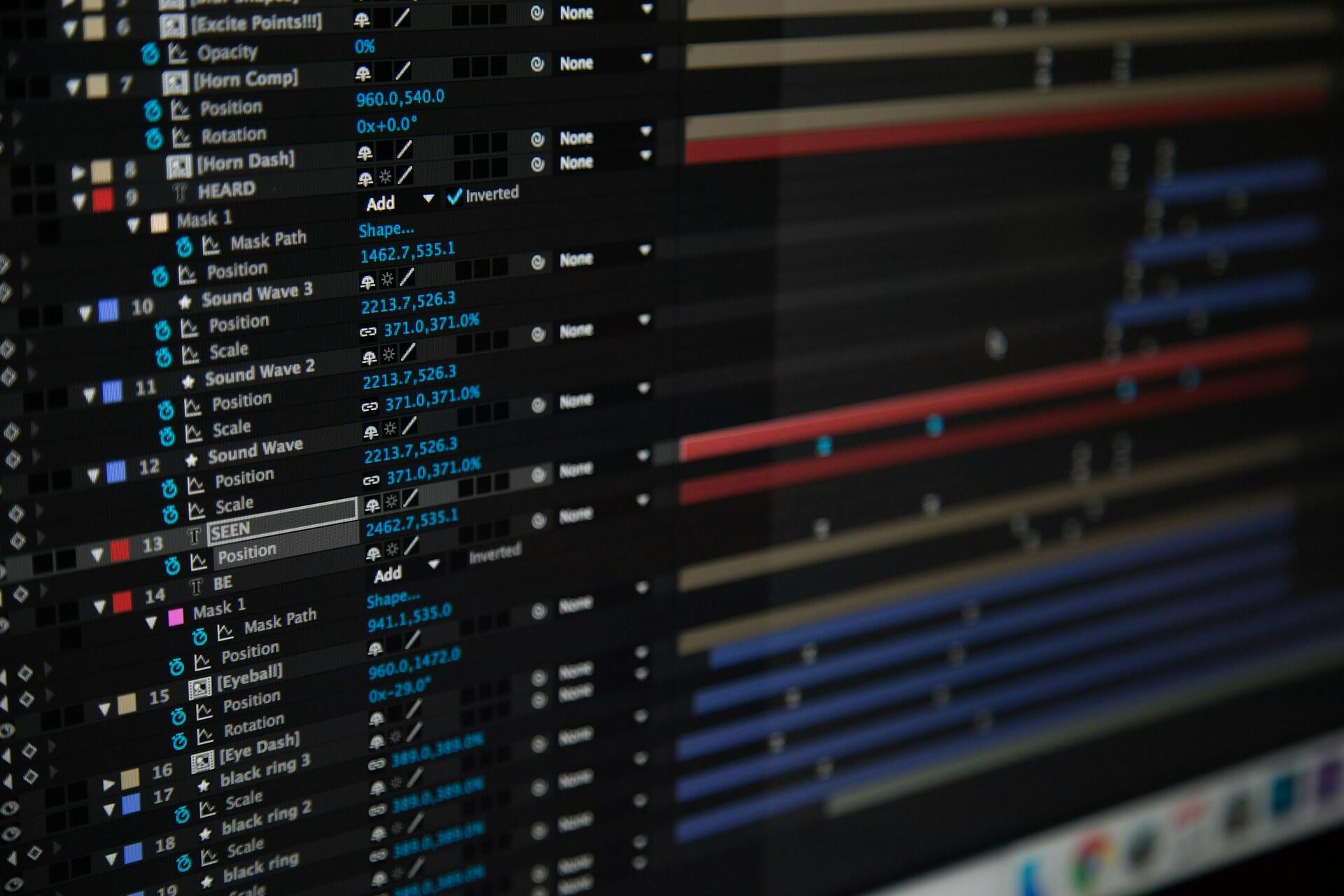

Motion graphic designers create moving visual elements. Thinking about becoming a motion graphic designer, or want to know more about what one does? We've got you covered!
Key Takeaways
- A motion graphics designer creates animated visual content for film, television, advertising, social media, brand campaigns and digital platforms.
- The role requires design judgement, animation skills, software confidence, visual communication and the ability to work from a brief.⁷
- A degree can help, but apprenticeships, college courses, self-led training and portfolio-led routes can also lead into the field.³
- US salary expectations vary by experience, location, industry and role type, with graphic designer benchmarks starting around $61,500.⁴
- A short, focused showreel is one of the most important tools for finding work, especially for junior roles and freelance opportunities.⁶


What Is a Motion Graphics Designer?
Motion graphics designer is a role under the broader umbrella of graphic design roles. They do more than make things look nice; they turn static messages into content viewers can follow on screen. They have to consider rhythm, hierarchy, movement and context for different types of content. This can include brand videos, explainers, adters, film sequences, or social media campaigns.
Motion graphics combines graphic design, animation and video production to make visual information move. A motion graphics designer might create opening titles, animated logos, captions, credits, social media graphics, brand visuals or screen-based design elements for film, television, online video and digital campaigns.⁷
Essential Skills and Qualifications
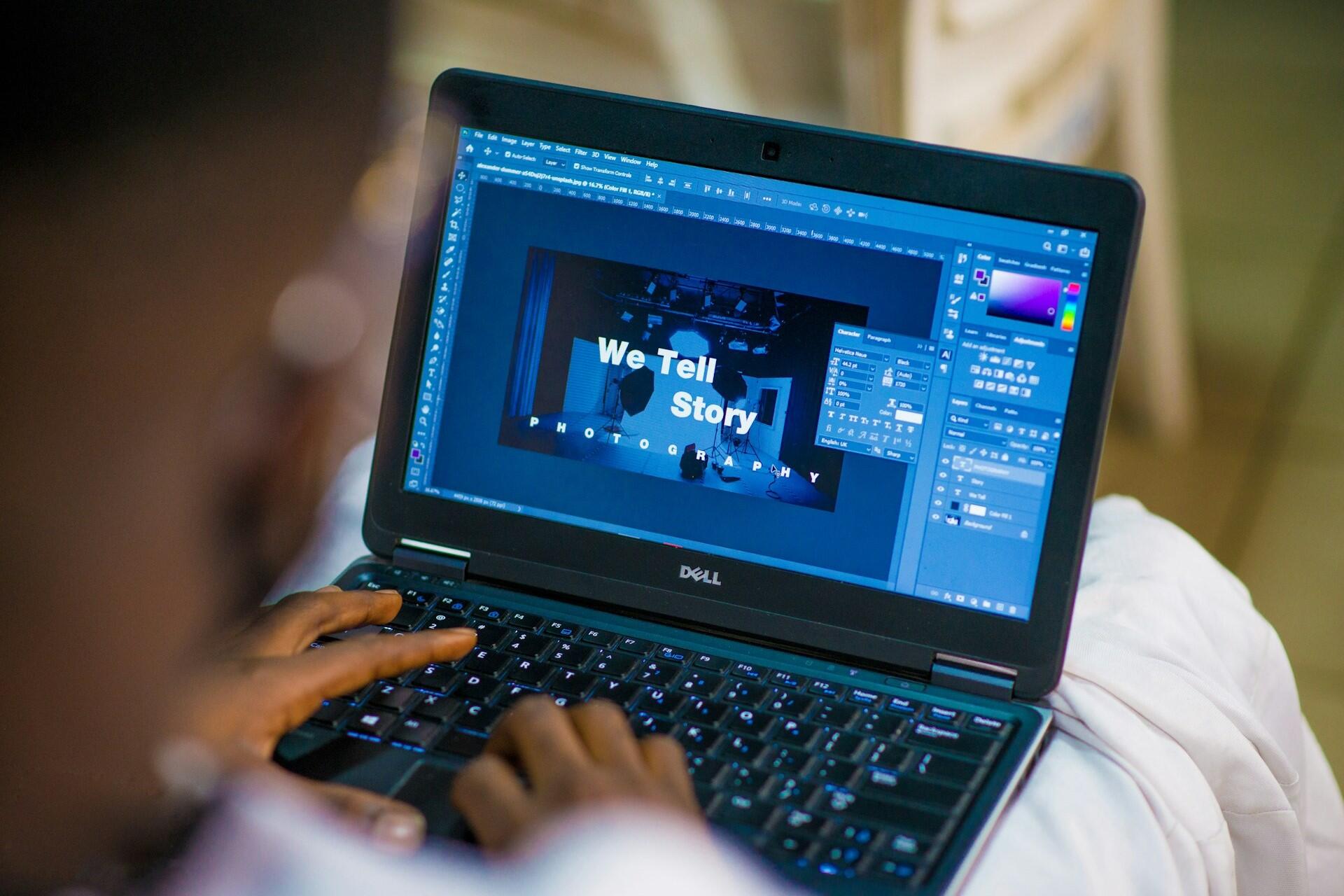
Motion design requires a range of skills, from creative design to animation and production. You have to be able to respond to briefs, work with other production specialists like UX designers, and use your visual judgement to make decisions. Beginners need more than just software knowledge.⁷
A degree, course or apprenticeship can help you build technical skills. However, employers still need to see what you can actually create. A strong portfolio or short showreel should showcase your best work first, make your role in each project clear, and demonstrate your ability to use design, timing, animation, and visual storytelling together.⁶
Technical Skills for Motion Design
Creative Skills and Visual Communication
Education Background and Training Routes
| Route | Best For | What You Build | Useful Next Step |
|---|---|---|---|
| University degree | Students who want a structured route into animation, visual effects, graphic design or motion graphics | Design theory, animation skills, project work, software confidence and a portfolio | Compare US courses look for modules in motion graphics, visual effects, animation or digital design.⁹ |
| College course | Beginners who want practical creative training before work, university or an apprenticeship | Basic design, video, animation, editing and creative software skills | Use each assignment as portfolio material rather than treating it as coursework only. |
| Apprenticeship | Learners who want to earn while training in a creative digital role | Client work, digital assets, brand-guided design, storyboards, video and production-ready creative outputs⁸ | Search for creative digital design apprenticeships and prepare a small portfolio before applying. |
| Portfolio-led route | Self-taught designers, video editors or graphic designers moving into motion work | A showreel, personal projects, mock briefs and proof of technical skill | Keep the showreel short, put the strongest work first and make your role in each project clear.⁶ |
| Graphic design transition | Designers who already understand layout, branding, typography and visual communication | Moving brand assets, animated social posts, title cards and campaign visuals | Start by animating logos, posters, typography and simple brand systems. |
| Video editing transition | Editors who already understand timing, pacing, sound and production workflow | Titles, lower thirds, transitions, animated explainers and post-production graphics | Add motion graphics to existing edits so your reel shows practical production value. |
| Freelance route | Designers who want flexibility, client variety and project-based work | Client communication, pricing, feedback management and repeatable production systems | Build a simple services page, define packages and collect testimonials from early clients. |

Career Path and Opportunities
There are a few ways to build a career in motion graphics design. Before you make any career decisions, it's worthwhile to know what the job involves and that there are roles for you to fill once you're ready. The best route will depend on experience, portfolio strength, preferred working style and whether you want the structure of a team or the flexibility of client-based projects. For example, if you don't have that strong of an interest in moving images, the static images used in packaging design might also be worth considering.
Entry-Level Motion Design Jobs
Senior Roles and Specialist Opportunities
Freelance vs Full-Time Employment
Freelance motion designers need the same creative and technical skills as studio-based designers, but they also need to find clients, manage feedback, price projects, meet deadlines and keep their workload steady. Full-time roles can offer more structure, while freelance work gives more flexibility but usually requires stronger self-management.⁵
Full-Time Motion Design
A full-time motion graphics designer usually works inside a studio, agency, broadcaster, production company or in-house creative team. This route offers more structure, a steadier income, regular feedback and the chance to learn from editors, producers, creative directors and senior designers. It can be a good early-career option because you build habits around deadlines, briefs, brand guidelines, and production workflows.
Freelance Motion Design
A freelance motion graphics designer has more control over clients, projects, working hours and creative direction, but the work is less predictable. Freelancers need to manage pricing, proposals, feedback, invoices, revisions and client relationships alongside the design work itself. This route can suit experienced designers who already have a strong portfolio, a reliable network and the confidence to manage several projects at once.
Salary Expectations for Motion Graphics Designers
Make sure you understand your salary expectations when you start your career and how they can progress. Earnings can vary widely depending on location, studio size, software skills, portfolio quality, and whether the role is focused on social video, advertising, film, television, post-production, or in-house brand content, but it's worth knowing what salary you'll start at. The starting salary is a benchmark; consider it in the context of your potential earnings later in your career.
for graphic designers in the US.⁴
As with every role in marketing design, motion graphics designers' potential salary increases with experience. However, experience isn't just how long you've been a motion graphics designer; it's the sum of your developed skills, your portfolio and completed work. As you develop as a motion graphics designer, you can move into specialist motion design, lead animation, creative direction, freelance work or wider visual content roles, where pay can depend heavily on project scope and client demand.⁵
with higher earnings possible for senior, specialist, freelance or creative lead roles.⁴
Steps to Becoming a Motion Graphics Designer
So, do you think that becoming a motion graphics designer is right for you, instead of become a user interface designer? Good! Now you need to choose the right path, gain experience, and start building your portfolio.
Choose the Right Education or Training Route
Gain Practical Experience
Build a Strong Motion Design Portfolio
Apply for Jobs and Keep Improving Your Skills
How to Become a Motion Graphics Designer
Step 1
Learn the basics of visual design
Start with layout, color, typography, composition and branding. Motion design builds on graphic design, so your work needs to look clear and balanced before it starts moving.
Step 2
Study animation and video principles
Learn timing, pacing, transitions, keyframes, movement, sound syncing and how animated graphics work inside a video project. This can be through a degree, college course, apprenticeship, online course or self-led practice.
Step 3
Choose your core software
Build confidence with tools used for motion graphics, video editing and digital design. After Effects is a common starting point, but it helps to understand editing, illustration, image editing and 3D tools as your work develops.¹
Step 4
Practice with real-style briefs
Create animated logos, title sequences, lower thirds, social posts, lyric videos, explainers and brand assets. These projects help you show that you can respond to a brief, not just follow tutorials.
Step 5
Build a short showreel
Put your strongest work first and keep the reel focused. Make it clear what you created, especially if a project involved other people.
Step 6
Look for junior roles or freelance projects
Apply for junior designer, motion designer, video editor, animator, post-production assistant or content creator roles. Early work helps you build confidence, understand deadlines and learn how creative teams handle feedback.
Step 7
Keep improving your style and skills
Update your portfolio as your work gets stronger. Motion design changes quickly, so keep learning new formats, tools, platforms and visual trends.
References
- Adobe. “Adobe After Effects: Motion Graphics Software.” Adobe, https://www.adobe.com/products/aftereffects.html. Accessed 29 May 2026.
- Department for Culture, Media and Sport. “Economic Estimates: Employment in DCMS Sectors, April 2024 to March 2025.” GOV.UK, 9 Oct. 2025, https://www.gov.uk/government/statistics/economic-estimates-employment-in-dcms-sectors-april-2024-to-march-2025. Accessed 29 May 2026.
- National Careers Service. “Animator.” National Careers Service, https://nationalcareers.service.gov.uk/job-profiles/animator. Accessed 29 May 2026.
- User Interface Designer Salary in United States, www.indeed.com/career/user-interface-designer/salaries. Accessed 5 June 2026.
- Prospects. “Graphic Designer.” Prospects, https://www.prospects.ac.uk/job-profiles/graphic-designer/. Accessed 29 May 2026.
- ScreenSkills. “Build Your Animation Portfolio.” ScreenSkills, https://www.screenskills.com/starting-your-career/building-your-portfolio/build-your-animation-portfolio/. Accessed 29 May 2026.
- ScreenSkills. “Motion Graphic Designer in the Post-Production Industry.” ScreenSkills, https://www.screenskills.com/job-profiles/browse/post-production/other-roles/motion-graphic-designer-post-production/. Accessed 29 May 2026.
- Skills England. “Creative Digital Design Professional (Integrated Degree).” Apprenticeship Standards, https://skillsengland.education.gov.uk/apprenticeship-standards/st0625-v1-0. Accessed 29 May 2026.
- UCAS. “Visual Effects and Motion Graphics with Placement.” UCAS, https://www.ucas.com/explore/courses/c4d9b879-614e-56ba-16f3-67979d434145/visual-effects-and-motion-graphics-with-placement?studyYear=2027. Accessed 29 May 2026.
Summarize with AI:
Did you like this article? Leave a rating!

 Loading...