
A private pilot certificate costs $6,000 to $20,000 or more, according to the Aircraft Owners and Pilots Association (AOPA). The FAA minimum is 40 hours of flight time, but most students need 50 to 70. A full career track, from zero to airline-ready, runs about $60,000 to $120,000, according to Plane & Pilot.
The official FAA term is “certificate,” but most people say “license,” and both terms appear in this guide. Below, you’ll find the cost of every certificate and rating, published school prices, and ways to pay for training.
AOPA’s estimate for a private pilot certificate
$6,000–$20,000+Most students log 50 to 70 hours of flight time
Compared
What Each Pilot Certificate Costs
| Certificate or rating | Typical published cost | FAA minimum flight time | You must already hold |
|---|---|---|---|
| Student pilot | Free from the FAA (medical exam $75 – $200) | None | Nothing (minimum age 16) |
| Sport pilot | $12,500 all-inclusive at the EAA Sport Pilot Academy | 20 hours | Nothing (a U.S. driver’s license can serve as your medical) |
| Recreational pilot | Less than a private certificate | 30 hours | Student pilot certificate |
| Private pilot | $6,000 – $20,000+ | 40 hours (35 at a Part 141 school) | Student pilot certificate |
| Instrument rating | $12,810 – $15,364 | 40 hours of instrument time | Private pilot certificate |
| Commercial pilot | $36,321 at one Oregon school | 250 hours | Private pilot certificate |
| Flight instructor (CFI) | $9,748 – $12,714 | No set minimum | Commercial certificate with instrument rating |
| Airline transport pilot | $60,000 – $120,000 for the full career track | 1,500 hours | Commercial certificate with instrument rating |
| Private helicopter | About $22,500 – $28,000 | 40 hours | Student pilot certificate |
| Private glider | Club rates: glider rental from $23 an hour, tows from $36 | 10 hours, including 20 glider flights | Student pilot certificate |
| Remote pilot (drone) | About $175 for the knowledge test | None | Nothing |
Private pilot range from AOPA. Career-track range from Plane & Pilot. Other costs are published 2026 school and club rates, and FAA minimums come from 14 CFR Part 61. Full references in the Sources section.
- Certificates are the licenses themselves, such as sport, private, commercial, or airline transport pilot.
- Ratings are added to a certificate. They let you fly other types of aircraft, or fly in clouds and low visibility.
- Endorsements come from a flight instructor. They unlock specific privileges, such as flying a tailwheel or high-performance airplane.


What Does Each Type of Pilot License Cost?
Hours drive the price of every certificate. The more flight time the FAA requires, and the more complex the aircraft, the higher the bill. The chart below shows an earlier estimate for the most common licenses.
Prices have risen since that chart was drawn. Use the sections below for current figures, each checked against published rates and FAA rules.
Private Pilot License Cost
Most pilots start with the private certificate. It lets you fly alone or with passengers, day or night, but you can’t fly for hire. AOPA puts the total at $6,000 to $20,000 or more, and Plane & Pilot gives a similar range of $10,000 to $20,000.
Budget
Private Pilot Certificate: Where the Money Goes
| Expense | AOPA estimate |
|---|---|
| Airplane rental | $5,000 – $15,000 |
| Flight and ground instruction | $1,000 – $5,000 |
| Exams (knowledge test and checkride) | $750 |
| Flight gear | $500 |
| Study materials | $250 |
| Total | $6,000 – $20,000+ |
Figures published by the Aircraft Owners and Pilots Association (AOPA), checked Sept 28, 2026. Your total depends on your aircraft, your location, and how often you fly.
Under 14 CFR 61.109, a private pilot certificate for a single-engine airplane requires at least 40 hours of flight time. A Part 141 school can train you in 35 hours with an FAA-approved syllabus. Your flight time must include:
- 20 hours of flight training with an authorized instructor
- 10 hours of solo flight, including 5 hours of solo cross-country time
- One solo cross-country flight of 150 nautical miles with full-stop landings at three points
- 3 hours of cross-country training and 3 hours of night training
- 3 hours of flight by reference to instruments alone
- 3 hours of checkride preparation within two calendar months of the test
Plan your flights with care. A single cross-country trip can meet more than one requirement at once. Every hour you log also counts toward the 250 hours you need later for a commercial certificate.
Instrument Rating Cost
An instrument rating lets you fly in clouds and low visibility by reference to the aircraft’s instruments. You need a private pilot certificate first. Published course prices range from $12,809.50 at Hillsboro Aero Academy to $15,364 at UND Aerospace.
Under 14 CFR 61.65, the instrument-airplane rating requires:
- 50 hours of cross-country time as pilot in command, 10 of them in an airplane
- 40 hours of actual or simulated instrument time
- 15 hours of that instrument time with an instrument instructor
- One instrument cross-country flight of 250 nautical miles, with an approach at each airport and three different kinds of approaches
Without an instrument rating, you fly under Visual Flight Rules (VFR). That means you need clear weather and visual references outside the cockpit. If clouds build along your route, you must go under or around them, or divert.
Commercial Pilot License Cost
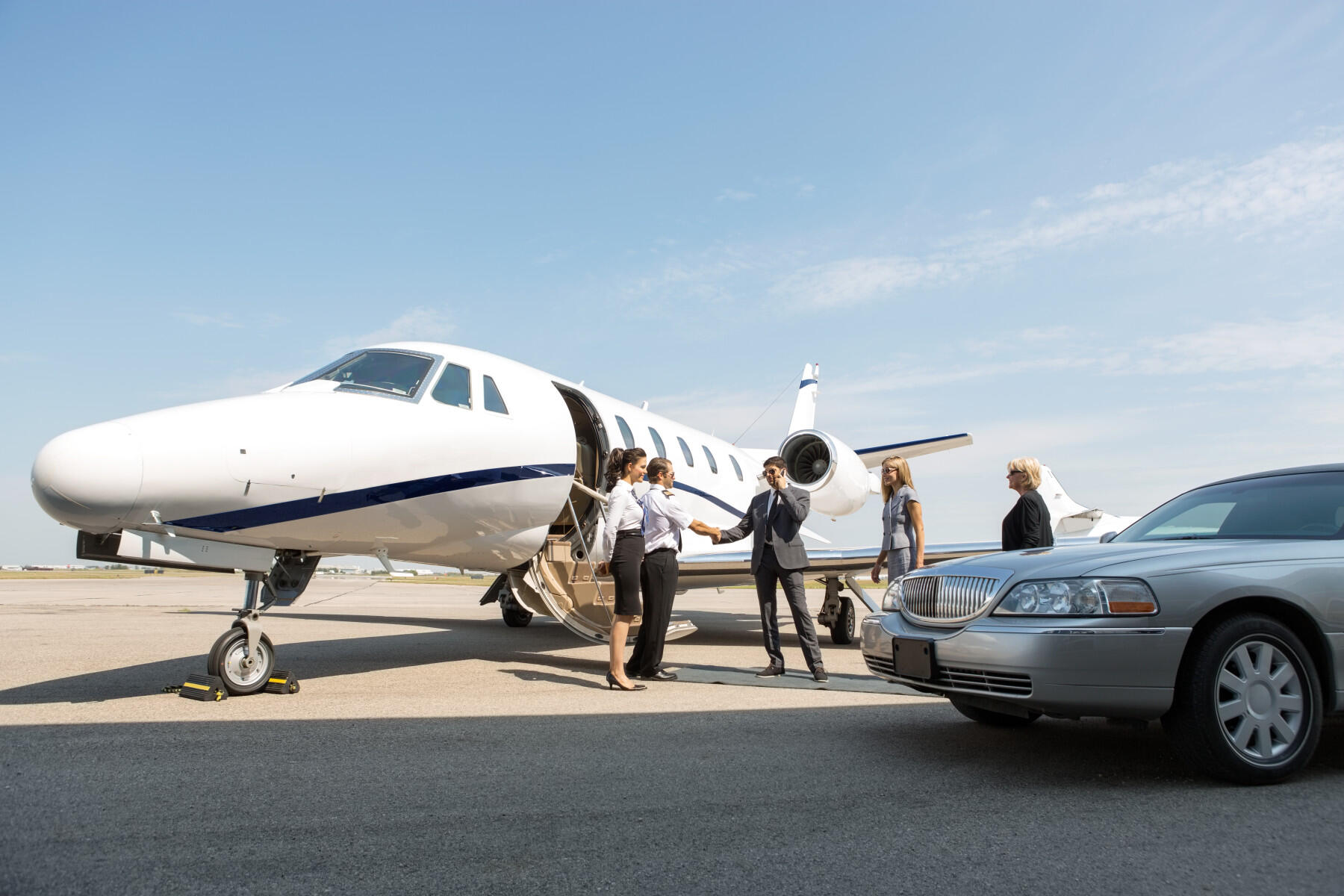
A commercial certificate is the minimum you need to be paid to fly. It requires 250 hours of flight time and a private pilot certificate. Hillsboro Aero Academy publishes a commercial course price of $36,320.50 at a standard pace.
Most students earn an instrument rating first. Without one, the FAA bars you from carrying passengers for hire at night or on cross-country flights over 50 nautical miles. Commercial pilots fly charter trips, aerial tours, agricultural flights, and banner towing, among other jobs.
Under 14 CFR 61.129, the 250 hours for a single-engine commercial certificate must include:
- 100 hours as pilot in command, including 50 hours of cross-country time
- 10 hours of instrument training
- 10 hours in a complex, turbine-powered, or technically advanced airplane
- One 2-hour daytime and one 2-hour nighttime cross-country flight of more than 100 nautical miles
- One cross-country flight of at least 300 nautical miles, with one landing at least 250 nautical miles from the start
- 5 hours of night flight with 10 takeoffs and 10 landings at a towered airport
- 3 hours of checkride preparation within two calendar months of the test
Flight time from your private certificate and instrument rating counts toward the 250-hour total. Careful planning keeps you from paying for hours you don’t need.
Certified Flight Instructor Certificate Cost
Flight instructor training costs $9,747.50 at Hillsboro Aero Academy and $12,714 at UND Aerospace. You need a commercial or airline transport certificate first, with an instrument rating for airplane instruction. Many new pilots teach to build hours toward an airline job.
Under 14 CFR 61.183, the CFI certificate requires two FAA knowledge tests:
- The Fundamentals of Instructing test
- The flight instructor knowledge test for the rating you want to teach
Two add-on ratings widen what you can teach. Published prices vary a lot from school to school:
- Instrument instructor (CFII): $3,623 at Hillsboro and $9,548 at UND, to teach instrument flying
- Multiengine instructor (MEI): $10,096 at Hillsboro and $11,891 at UND, to teach in twin-engine airplanes
Multi-Engine Rating Cost
A multiengine rating lets you act as pilot in command of an airplane with more than one engine. UND Aerospace publishes a course price of $11,281.80, which covers 18 hours in the aircraft. Twin-engine airplanes cost far more to rent than trainers, and Hillsboro lists its Piper Seminole at $475 an hour.
Airline Transport Pilot (ATP) Certificate Cost
Airline transport pilots fly passengers for regional and major airlines, and cargo for shipping carriers. The ATP certificate requires 1,500 hours of total flight time, including 500 hours of cross-country and 100 hours at night. You must be at least 23.
Most pilots build those hours while working as flight instructors or commercial pilots. Before the ATP knowledge test for multiengine airplanes, you also complete an approved course. It includes at least 30 hours of classroom work and 10 hours in a flight simulator.
beenhereA shorter route for some pilotsFormer U.S. military pilots can qualify for a restricted ATP certificate with 750 hours of total time. Graduates of approved aviation degree programs can qualify with 1,000 hours.
Sport Pilot License Cost
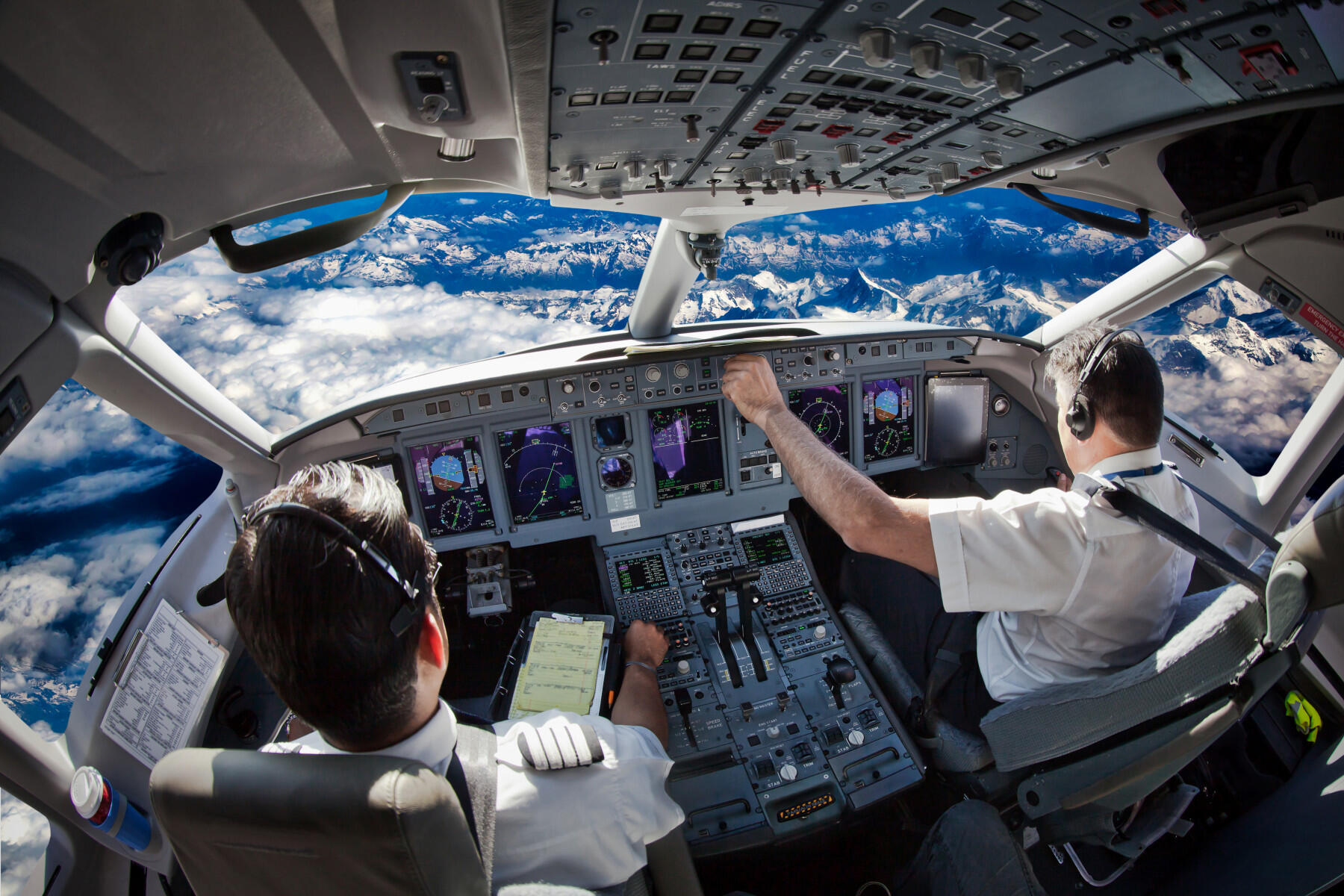
The sport pilot certificate is the fastest and cheapest way into the air. It needs only 20 hours of flight time, and a valid U.S. driver’s license can take the place of a medical certificate. The EAA Sport Pilot Academy charges $12,500 for three weeks in Oshkosh, Wisconsin, including aircraft, fuel, instruction, lodging, and meals.
Sport pilot privileges widened under the FAA’s MOSAIC rule, which took effect for sport pilots on Oct 22, 2025. Sport pilots can now fly airplanes with up to four seats, as long as the airplane meets the rule’s speed limits.
This landmark rule aims to increase the availability of safe, modern, and affordable aircraft for recreational aviation, flight training, and certain aerial work.
Bryan Bedford, FAA Administrator, on the MOSAIC final rule (July 2025)
Some limits remain under 14 CFR 61.315. As a sport pilot, you can’t:
- Carry more than one passenger
- Fly for compensation or hire
- Fly at night without the extra training the rule requires
- Fly above 10,000 feet above sea level, or 2,000 feet above the ground if that is higher
- Fly when visibility is under 3 statute miles or without visual reference to the surface
- Fly in Class B, C, or D airspace without an instructor’s endorsement
To apply under 14 CFR 61.313, you must log:
- 20 hours of flight time, including 15 hours with an instructor
- 5 hours of solo flight training
- 2 hours of cross-country training
- 10 takeoffs and landings to a full stop
- One solo cross-country flight of at least 75 nautical miles, with one leg of at least 25 nautical miles
- 2 hours of checkride preparation within two calendar months of the test
You also pass the FAA knowledge test, which costs about $175, and a checkride with an examiner.
Recreational Pilot License Cost
A recreational certificate needs at least 30 hours of flight time, 10 fewer than a private certificate. That makes it cheaper, so ask each school for a quote. You also need a third-class medical certificate.
Recreational pilots can carry one passenger and fly airplanes of up to 180 horsepower with four seats. They can’t fly at night, and they need extra training to fly more than 50 nautical miles from home or into towered airports.
Student Pilot License Cost
A student pilot certificate is free from the FAA. You need one before you fly solo, but not for your first lessons, and you must be at least 16. The main cost is the medical exam, which runs about $75 to $200.
Apply through the FAA’s Integrated Airman Certification and Rating Application (IACRA) website, or on paper with FAA Form 8710-1. A Flight Standards District Office processes it free. A flight instructor, pilot examiner, or Part 141 school can also process it for a reasonable fee.
Helicopter License Cost
A private helicopter certificate costs about $22,500 to $28,000 at published 2026 school rates. Lessons in a Robinson R22 with an instructor run about $375 to $415 an hour. Our guide to helicopter pilot training costs breaks down every stage, from private to instructor.
Glider Pilot License Cost
Soaring clubs keep glider training affordable. At the Puget Sound Soaring Association in Washington, members get free instruction and rent gliders for $36 to $70 an hour. An aerotow to 1,000 feet costs $36, plus $1.57 for each extra 100 feet, and annual dues are $960.
Under 14 CFR 61.109, a first-time pilot needs at least 10 hours in a glider, including 20 flights. If you already have 40 hours in powered aircraft, you need only 3 hours in a glider, including 10 solo flights.
Drone Pilot Certification Cost
A drone pilot license is officially an FAA Remote Pilot Certificate. You need it to fly a drone for any non-recreational purpose. Knowledge testing centers charge about $175 for the initial test, according to the FAA.
Recreational flyers take the free Recreational UAS Safety Test instead, also known as TRUST. All FAA-approved test administrators offer it online at no charge.
Pilot School and Training Cost Breakdown
Every hour of training has two main charges: the airplane and the instructor. Exams, gear, and apps add a smaller share. Here is what each item typically costs.
Rates
Pilot Training Fees Item by Item
| Cost item | Typical range | Example: Hillsboro Aero Academy |
|---|---|---|
| Trainer airplane rental (wet rate) | $120 – $200 an hour | $221 an hour (Cessna 172) |
| Multiengine airplane rental | $300 – $400+ an hour | $475 an hour (Piper Seminole) |
| Flight instructor at a school | $50 – $70 an hour | $90 an hour |
| Ground instruction | $40 – $80+ an hour | $90 an hour, or $710 for group ground school |
| Simulator | Varies by device | $98 an hour |
| FAA knowledge test | About $175 per test | $175 |
| Checkride with an examiner | $800 – $1,000 (private pilot) | $1,000 – $1,400+ |
| Medical exam | $75 – $200 | Set by the examiner |
| Aviation headset | $150 – $1,000+ | Not listed |
Typical ranges reported by Plane & Pilot. Example column from Hillsboro Aero Academy’s published rate sheet, checked Sept 28, 2026.
- Airplane rental: the biggest cost. A wet rate includes fuel, and a dry rate leaves it out.
- Flight instructor: billed for time in the air and on the ground, including briefings before and after each flight.
- Simulator time: cheaper than an airplane hour, and the FAA lets you log some of it toward each certificate.
- Ground school: covers aerodynamics, weather, regulations, and navigation, and prepares you for the knowledge test.
- Checkride fees: paid to a Designated Pilot Examiner, who sets the fee. Aircraft rental for the test is extra.
- Renter’s insurance: many schools require it. Ask about coverage before you start.
- Flight apps: ForeFlight costs $130 to $390 a year, and it runs on Apple devices only.
- Gear: plan for a headset, logbook, kneeboard, flight computer, sectional charts, and a flashlight with a red light for night flying.
Flight School Cost
Flight school prices follow the same hourly rates, bundled into a course. See our breakdown of flying lesson costs for hourly rates alone. Two schools that publish full price lists show how totals compare from course to course.
Course prices
Published Pilot Course Prices at Two Flight Schools
| Course | Hillsboro Aero Academy (Oregon) | UND Aerospace (North Dakota) |
|---|---|---|
| Private pilot | $16,337.50 | $21,183.15 |
| Instrument rating | $12,809.50 | $15,364.00 |
| Commercial pilot | $36,320.50 | Priced as a multi-course block |
| Multiengine rating | Not listed separately | $11,281.80 |
| Flight instructor (CFI) | $9,747.50 | $12,714.00 |
| Instrument instructor (CFII) | $3,623.00 | $9,548.00 |
| Multiengine instructor (MEI) | $10,096.00 | $11,891.00 |
| Full professional program | $75,215.00 (private through CFI) | $125,057.41 (private through multiengine, with ground school) |
Standard-pace estimates published by each school, checked Sept 28, 2026. Both schools note that actual costs vary from student to student.
Schools train under Part 61 or Part 141 of the Federal Aviation Regulations. A Part 141 school follows an FAA-approved syllabus, which lowers its minimum hours. Part 61 training is more flexible and suits students who fly part time.
Part 61 vs. Part 141
How the Two Types of Flight School Compare
| Feature | Part 61 training | Part 141 school |
|---|---|---|
| Private pilot minimum | 40 hours of flight time | 35 hours of training |
| Commercial pilot minimum | 250 hours of flight time | 120 hours of approved flight training |
| Curriculum | Flexible, set by your instructor | FAA-approved syllabus |
| Pace | Train when it suits you | Structured, often full time |
| Best for | Part-time and hobby students | Students on a career track |
Minimums from 14 CFR 61.109, 61.129, and Appendixes B and D to Part 141 (airplanes). Most students need more than the minimum under either rule.
FAA Tests and Exam Prices
Every certificate ends with two FAA tests: a written knowledge test and a practical test, known as the checkride. Most certificates also need a medical exam first. Here is what each one costs.
- Medical exam: $75 to $200. The FAA sets no fee, and each aviation medical examiner sets their own.
- Knowledge test: about $175 per test. Flight instructors take two.
- Checkride: $800 to $1,000 for a private pilot, and up to $1,400 or more at some schools. Aircraft rental is extra.
Examiners are not FAA employees, so their fees vary by region and certificate. Ask your school for the local rate before you book.
Can I Get Financial Aid for Pilot Training?
Yes. Several kinds of aid can lower the cost of flight school:
- Federal student loans and Pell Grants for programs at eligible schools
- Scholarships from aviation groups
- Flight training financing through AOPA
- Private flight training loans
- Payment plans offered directly by some flight schools
Federal aid only covers programs at eligible schools. Ask each school whether its program qualifies before you apply for loans.
Pilot Training Loans
Start with the FAFSA form to apply for federal aid. Then compare private lenders for any remaining gap. Options include:
- Federal Direct Loans, via the FAFSA
- Federal Direct PLUS Loans for parents, via the FAFSA
- Sallie Mae Smart Option Student Loan
- Meritize flight school loans
- AOPA flight training financing
- American Airlines Credit Union student loans
Some flight schools partner with specific lenders. Ask which ones your school works with before you sign.
Pilot Training Scholarships
Many aviation groups offer scholarships and grants for flight school. The FAA’s aviation scholarships page points to a searchable list of opportunities. Students in eligible programs can also apply for a Federal Pell Grant, which you don’t repay.
The AOPA Foundation offers awards from $250 to $14,000 for AOPA members. Apply to several, and treat each application like a job.
Finding and Joining a Pilot School
The right school saves you money and time. Before you sign up with a flight instructor, work through these steps:
- Visit small airports in your area to see which training programs they offer.
- Ask local pilots to recommend flight instructors.
- Read instructor reviews on Superprof and Google.
- Find out which aircraft and simulators the school uses.
- Confirm whether aircraft rental rates include fuel.
- Confirm whether the aircraft and instructor rates are billed together.
- Take an introductory flight lesson to gauge the teaching style.
- Get a written contract that lists everything the program includes.
Questions to Ask
Bring this list to your first visit. The answers make it easy to compare schools side by side.
- What certifications does your flight school hold?
- Are you a Part 61 or Part 141 school?
- What kind of medical certificate do I need?
- How long does a typical lesson last?
- What gear and supplies should I bring?
- Can I take the knowledge test before my first lesson?
- How long will my training take in total?
- Can I train at my own pace, or does your program follow a fixed schedule?
- Which aircraft will I train in, and is the rental rate wet or dry?
- Do you have a flight simulator, and what does simulator time cost?
- Do you offer scholarships, loans, or payment plans?
- Which aircraft will my certificate let me fly, and how many passengers can I carry?
- Will I be allowed to fly at night?
Sources
- "Pilot License Cost," Aircraft Owners and Pilots Association. Available at: https://www.aopa.org/training-and-safety/students/pilot-license-cost. Accessed 28 Sept. 2026.
- "Understanding the True Cost of Learning to Fly," Ryan, Matt. Plane & Pilot, 2025. Available at: https://planeandpilotmag.com/cost-of-flight-lessons/. Accessed 28 Sept. 2026.
- "Airplane Flight Training Rates and Fees," Hillsboro Aero Academy, 2026. Available at: https://flyhaa.com/airplane-rates/. Accessed 28 Sept. 2026.
- "Flight Costs," UND Aerospace Foundation Flight Training Center, 2026. Available at: https://airlinepilot.training/costs/. Accessed 28 Sept. 2026.
- "14 CFR 61.109 Aeronautical Experience," Electronic Code of Federal Regulations, 2026. Available at: https://www.ecfr.gov/current/title-14/section-61.109. Accessed 28 Sept. 2026.
- "14 CFR 61.103 Eligibility Requirements: General," Electronic Code of Federal Regulations, 2026. Available at: https://www.ecfr.gov/current/title-14/section-61.103. Accessed 28 Sept. 2026.
- "14 CFR 61.65 Instrument Rating Requirements," Electronic Code of Federal Regulations, 2026. Available at: https://www.ecfr.gov/current/title-14/section-61.65. Accessed 28 Sept. 2026.
- "14 CFR 61.123 Eligibility Requirements: General," Electronic Code of Federal Regulations, 2026. Available at: https://www.ecfr.gov/current/title-14/section-61.123. Accessed 28 Sept. 2026.
- "14 CFR 61.129 Aeronautical Experience," Electronic Code of Federal Regulations, 2026. Available at: https://www.ecfr.gov/current/title-14/section-61.129. Accessed 28 Sept. 2026.
- "14 CFR 61.133 Commercial Pilot Privileges and Limitations," Electronic Code of Federal Regulations, 2026. Available at: https://www.ecfr.gov/current/title-14/section-61.133. Accessed 28 Sept. 2026.
- "14 CFR 61.183 Eligibility Requirements," Electronic Code of Federal Regulations, 2026. Available at: https://www.ecfr.gov/current/title-14/section-61.183. Accessed 28 Sept. 2026.
- "14 CFR 61.153 Eligibility Requirements: General," Electronic Code of Federal Regulations, 2026. Available at: https://www.ecfr.gov/current/title-14/section-61.153. Accessed 28 Sept. 2026.
- "14 CFR 61.156 Training Requirements: Airplane Category, Multiengine Class," Electronic Code of Federal Regulations, 2026. Available at: https://www.ecfr.gov/current/title-14/section-61.156. Accessed 28 Sept. 2026.
- "14 CFR 61.159 Aeronautical Experience: Airplane Category Rating," Electronic Code of Federal Regulations, 2026. Available at: https://www.ecfr.gov/current/title-14/section-61.159. Accessed 28 Sept. 2026.
- "14 CFR 61.160 Aeronautical Experience: Airplane Category Restricted Privileges," Electronic Code of Federal Regulations, 2026. Available at: https://www.ecfr.gov/current/title-14/section-61.160. Accessed 28 Sept. 2026.
- "14 CFR 61.23 Medical Certificates: Requirement and Duration," Electronic Code of Federal Regulations, 2026. Available at: https://www.ecfr.gov/current/title-14/section-61.23. Accessed 28 Sept. 2026.
- "14 CFR 61.99 Aeronautical Experience," Electronic Code of Federal Regulations, 2026. Available at: https://www.ecfr.gov/current/title-14/section-61.99. Accessed 28 Sept. 2026.
- "14 CFR 61.101 Recreational Pilot Privileges and Limitations," Electronic Code of Federal Regulations, 2026. Available at: https://www.ecfr.gov/current/title-14/section-61.101. Accessed 28 Sept. 2026.
- "14 CFR 61.313 Aeronautical Experience for a Sport Pilot Certificate," Electronic Code of Federal Regulations, 2026. Available at: https://www.ecfr.gov/current/title-14/section-61.313. Accessed 28 Sept. 2026.
- "14 CFR 61.315 Privileges and Limits of a Sport Pilot Certificate," Electronic Code of Federal Regulations, 2026. Available at: https://www.ecfr.gov/current/title-14/section-61.315. Accessed 28 Sept. 2026.
- "14 CFR 61.316 Performance Limits and Design Requirements for Sport Pilot Aircraft," Electronic Code of Federal Regulations, 2026. Available at: https://www.ecfr.gov/current/title-14/section-61.316. Accessed 28 Sept. 2026.
- "Appendix B to Part 141: Private Pilot Certification Course," Electronic Code of Federal Regulations, 2026. Available at: https://www.ecfr.gov/current/title-14/chapter-I/subchapter-H/part-141/appendix-Appendix%20B%20to%20Part%20141. Accessed 28 Sept. 2026.
- "Appendix D to Part 141: Commercial Pilot Certification Course," Electronic Code of Federal Regulations, 2026. Available at: https://www.ecfr.gov/current/title-14/chapter-I/subchapter-H/part-141/appendix-Appendix%20D%20to%20Part%20141. Accessed 28 Sept. 2026.
- "U.S. Transportation Secretary Sean P. Duffy Announces Improvements to Recreational Aviation Safety, Expansion of Light-Sport Sector," Federal Aviation Administration, 2025. Available at: https://www.faa.gov/newsroom/us-transportation-secretary-sean-p-duffy-announces-improvements-recreational-aviation. Accessed 28 Sept. 2026.
- "Become a Pilot: Student Pilot’s Certificate Requirements," Federal Aviation Administration, 2026. Available at: https://www.faa.gov/pilots/become/student_cert. Accessed 28 Sept. 2026.
- "What Does It Cost to Get a Medical Certificate?," Federal Aviation Administration. Available at: https://www.faa.gov/faq/what-does-it-cost-get-medical-certificate. Accessed 28 Sept. 2026.
- "How Much Does It Cost to Get a Remote Pilot Certificate?," Federal Aviation Administration. Available at: https://www.faa.gov/faq/how-much-does-it-cost-get-remote-pilot-certificate. Accessed 28 Sept. 2026.
- "The Recreational UAS Safety Test (TRUST)," Federal Aviation Administration. Available at: https://www.faa.gov/uas/recreational_flyers/knowledge_test_updates. Accessed 28 Sept. 2026.
- "Aviation Scholarships," Federal Aviation Administration, 2026. Available at: https://www.faa.gov/education/grants_and_scholarships/aviation. Accessed 28 Sept. 2026.
- "Sport Pilot Academy Information," Experimental Aircraft Association. Available at: https://www.eaa.org/eaa/learn-to-fly/sport-pilot-academy/information. Accessed 28 Sept. 2026.
- "Flight Training Scholarships," Aircraft Owners and Pilots Association. Available at: https://www.aopa.org/training-and-safety/students/flight-training-scholarships. Accessed 28 Sept. 2026.
- "Helicopter Rental Rates and Fees," Hillsboro Aero Academy, 2026. Available at: https://flyhaa.com/helicopter-rates/. Accessed 28 Sept. 2026.
- "R22 Training," AMS Flight School. Available at: https://amsflightschool.com/flight-school/r22/. Accessed 28 Sept. 2026.
- "Rates," Puget Sound Soaring Association, 2026. Available at: https://www.pugetsoundsoaring.org/rates. Accessed 28 Sept. 2026.
- "Pricing," ForeFlight, 2026. Available at: https://foreflight.com/pricing/. Accessed 28 Sept. 2026.
- "Airline and Commercial Pilots," Occupational Outlook Handbook, U.S. Bureau of Labor Statistics, 2026. Available at: https://www.bls.gov/ooh/transportation-and-material-moving/airline-and-commercial-pilots.htm. Accessed 28 Sept. 2026.
Summarize with AI:
Did you like this article? Leave a rating!

 Loading...