


Statistics jobs span finance and technology, healthcare, research, and government. With a statistics degree, you'll have learned how to investigate evidence, work with uncertainty, and use quantitative information to solve practical problems. Ultimately, this means you'll have the choice of careers involving research, programming, business decisions, financial risk, or other data-related applications.
Key Takeaways
- Statistics jobs span data science, finance, research, government, healthcare and business, giving graduates several different career tracks to explore.
- A statistics degree can lead to work as a statistician, data scientist, financial analyst, market research analyst, actuary, risk analyst or operations research analyst.
- Many positions combine statistics, mathematics, computer skills and data analysis, so employers often value experience with tools such as Python, R, SQL and visualization software.
- Salary, education, and experience requirements vary by position: some analyst jobs are open at the bachelor's level, while many statistician roles require graduate education, and actuarial careers involve professional exams.
- Federal and state government agencies, universities, scientific organizations and private companies all employ statisticians and other professionals whose work depends on quantitative analysis.
- Entry-level graduates should search for more than the job title “statistician.” Analyst, research assistant and junior data positions can provide valuable employment experience and a route into more specialized work.
- Academic statistics careers often require advanced study, particularly for professorial or faculty positions, while applied careers are available across business, technology, and the sciences.
| Career | What they do | 2025 median pay | Projected growth (2025–35) | Typical entry education |
|---|---|---|---|---|
| Statistician | Collects, analyzes, and interprets data to solve problems and support decisions | $105,650 | 11% | Master's degree typically; some positions accept a bachelor's degree |
| Financial Analyst | Evaluates financial data, investments, and business performance | $103,570 | 7% | Bachelor's degree |
| Data Scientist | Uses statistics, programming, and analytical models to extract insights from data | $120,230 | 35% | Bachelor's degree |
| Market Research Analyst | Studies consumers, competitors, and market conditions using data | $78,760 | 7% | Bachelor's degree |
| Business Analyst | Uses data to identify problems and improve business processes and decisions | $101,860* | 10%* | Bachelor's degree; related experience is often useful |
| Operations Research Analyst | Uses mathematical and statistical models to improve complex operations | $88,940 | 12% | Bachelor's degree |
| Actuary | Uses mathematics and statistics to measure financial risk and uncertainty | $130,000 | 9% | Bachelor's degree plus actuarial exams |
| Risk Analyst | Measures and evaluates financial risks using quantitative methods | $117,330** | 7%** | Bachelor's degree |


What Jobs Can You Get with a Statistics Degree?
There's a range of statistics jobs. They might have you focusing on understanding people or markets, while others involve optimizing systems, assessing financial risk, or building predictive models. The work behind each job title is more important than the title, so look at what's actually involved. Even if you study at a top school for statistics, you'll still have to consider your career choices carefully.
A degree in statistics can lead to careers in technology, finance, insurance, government, healthcare, marketing, and research. Many graduates work under titles such as data scientist, analyst, or actuary rather than simply "statistician."
You might be drawn to coding, finance, consumer behavior, or scientific research. The same statistical foundation can actually lead in many different directions. Here are the different jobs that you could do.
openings each year across mathematical occupations from 2025 to 2035.⁷

Statistics careers are not just about calculating figures. Professionals use data to identify patterns, test ideas, predict outcomes, and help organizations decide what to do next.
A statistics graduate may apply the same core analytical skills to technology, finance, healthcare, government, or another field.
Statistician
A statistician creates or uses mathematical theories, models, and statistical techniques to address issues in business, science, and other industries. Using computers and specialized software, statisticians analyze data to identify patterns and correlations that can inform decisions. They frequently collaborate closely with others to find solutions to complex problems.
Financial Analyst
A financial analyst is a finance specialist who advises businesses on financial matters, including market trends, a company's financial health, and the expected outcomes of specific deals. Financial analysts perform microeconomic and macroeconomic research to predict the performance of companies, markets, and industries. They offer suggestions on how the business can gain an edge.
Data Scientist
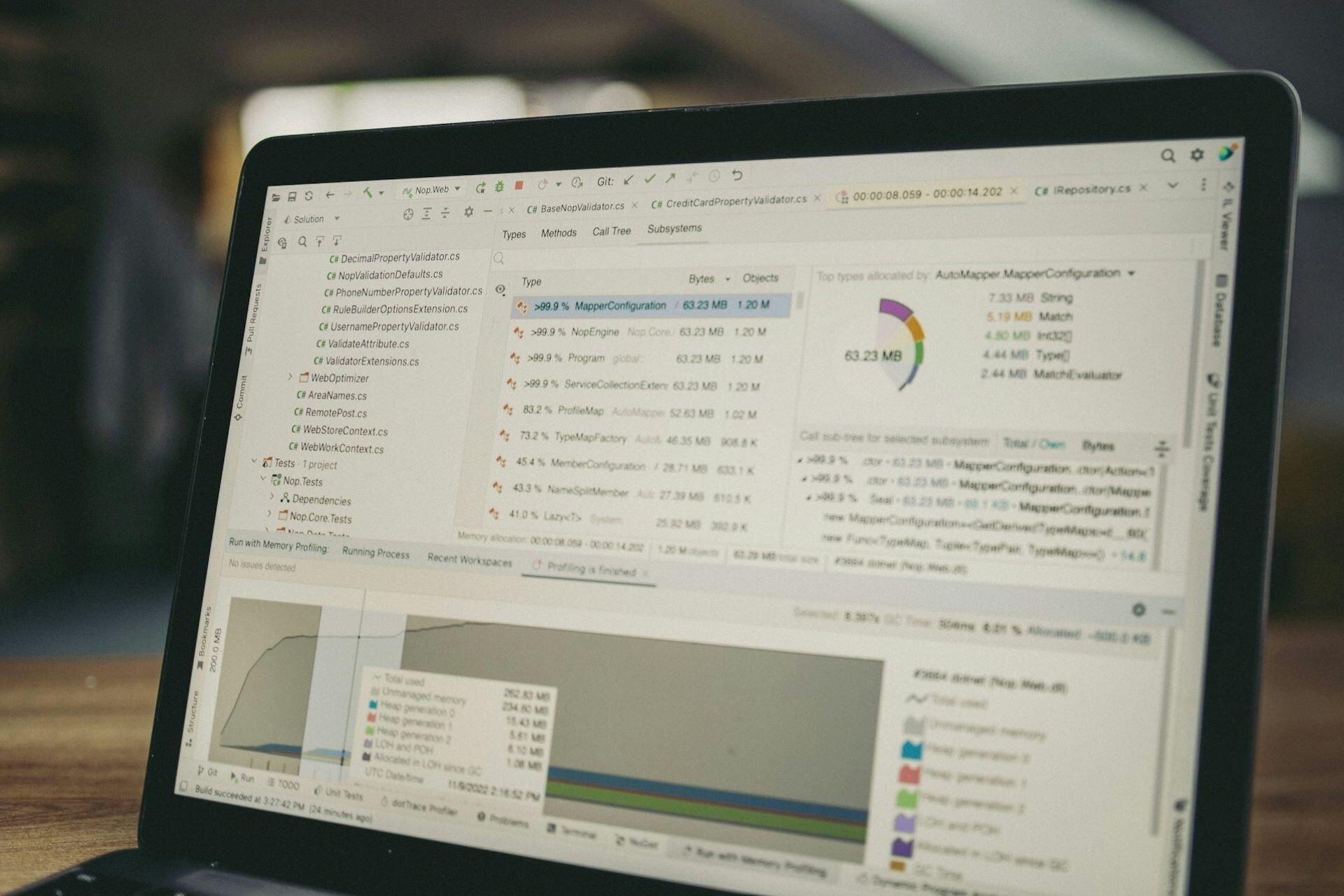
Data scientists require programming, visualization, machine learning, and other technical skills. Their technological expertise enables them to obtain information that can help solve complex challenges. Analytical specialists, known as "data scientists," gather and analyze vast volumes of both organized and unstructured data. Incorporating their expertise in computer technology, mathematics, and science, they assist businesses in developing workable strategies and solutions based on their findings.
Market Research Analyst
Market research analysts help organizations by studying existing and new markets for their goods, forecasting sales, drawing inferences from relevant historical data, and evaluating the success of marketing initiatives. A market research analyst must have organizational, critical thinking, and communication skills.
Business Analyst
Finding and resolving problems is a business analyst's main duty. They are responsible for identifying advantageous options for the entire business and developing a strategy to implement them.
Operations Research Analyst
An operations research analyst tackles problems in which an organization must decide how to use limited resources effectively. They'll look at supply chains, schedules, logistics, pricing, and resource allocation, then compare possible solutions before presenting recommendations to decision-makers. This is a good job if you feel you'd enjoy applying mathematics to practical systems rather than studying data in isolation.
Actuary
Actuaries have to apply probability, statistics,s and financial theory to the economic consequences of risk and uncertainty. Actuaries often work in insurance, since they can help determine prices, evaluate future claims, and assess whether sufficient funds are available to meet financial obligations. This role can also include enterprise risk management, helping organizations understand risk. Actuaries need to take professional examinations in addition to their mathematical and business education.²
Risk Analyst
Statistics graduates interested in finance could consider risk analysis. This is different from actuarial work, as the areas of focus differ. Their job is to assess exposure to credit and market risk. They may use statistical software or econometric models to quantify an organization's vulnerability to potential losses.
Entry-Level Statistics Jobs
You can put your degree to work even if the job title doesn't contain the word "statistician". Some entry-level statistics jobs allow graduates to build experience with real datasets before specializing further. Formal statistician roles are often subject to postgraduate study, so search for what roles require rather than the job title. It'll also be worth considering whether statistics classes are challenging.
What Entry-Level Jobs Are Available for Statistics Majors?
Where to Find Entry-Level Statistics Jobs
As we mentioned, the role might not have the term "statistics" in it, so make sure you search beyond that. There are plenty of resources, including internships, to get you started. Internships can be particularly useful if you need to demonstrate how you selected a method, analyzed the results, and communicated what the findings did and did not show. In the absence of an internship, your college coursework and class content should also provide useful examples of what you can do in statistics.
Statistics graduates can look beyond general job boards. University career services, internships, graduate recruitment programs, American Statistical Association career resources, and federal opportunities through USAJOBS can all help you find relevant openings.¹
Skills Employers Look for in Statistics Graduates
Useful skills include statistical analysis, R or Python, SQL, Excel, data visualization, probability, regression, research methods, and clear communication. The exact mix depends on whether you want to work in data science, finance, research, business, or another field.
Remote Statistics Jobs
Remote statistics jobs help you expand your geographical reach. Some teams need to collaborate in person, whereas others can work remotely. Just remember that when sensitive company data is involved, remote opportunities may be limited.
Which Statistics Jobs Can Be Done Remotely?
Many analytical tasks can be completed using databases, statistical software, and collaboration tools, making some statistics-related careers compatible with remote work.
However, roles involving restricted data, classified information, laboratory work, or substantial in-person collaboration may still require employees to work on-site.

Where to Find Remote Statistics Jobs
A remote job may still restrict where you can live because of payroll, tax, security, or data-access requirements. Check whether an advertised role is fully remote, hybrid, or simply telework-eligible before applying.¹⁰
What Skills Do You Need for Remote Statistics Work?
Which Industries Have Jobs That Use Statistics?
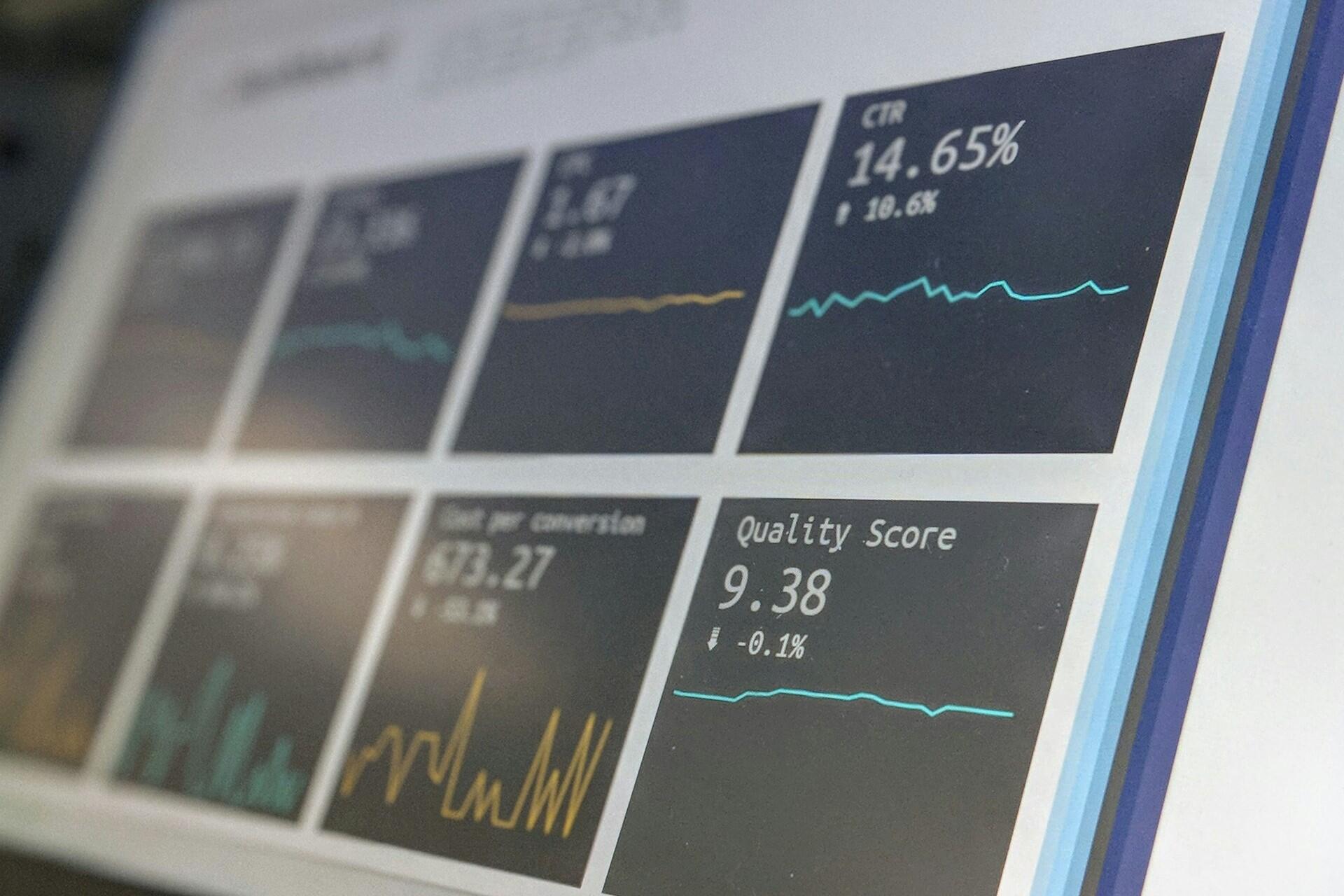
You'll find plenty of industries that use statistics. So many different organizations need to understand evidence and make decisions based on it. From your first AP Statistics class to graduation, you'll start seeing more and more potential careers where you could use your statistics studies. The key difference lies in which questions are asked.
Technology and Research
- Data science
- Statistical analysis
- Product analytics
- Scientific research
- Healthcare research
Business and Finance
- Financial analysis
- Market research
- Business analysis
- Risk analysis
- Actuarial work
Government and Operations
- Government statistics
- Policy analysis
- Operations research
- Logistics
- Economic analysis
How to Prepare for Statistics Jobs
Start by taking appropriate classes and even majoring in statistics. Your coursework should demonstrate what you can do. From there, programming practice, internships, and experience with real-world data can help you explore different jobs in statistics before you graduate. Remember that some jobs can only be done with postgraduate options. Check the educational pathway first.
References
- American Statistical Association. “Statistics Students.” American Statistical Association, https://www.amstat.org/education/statistics-students. Accessed 2 Sept. 2026.
- U.S. Bureau of Labor Statistics. “Actuaries.” Occupational Outlook Handbook, U.S. Department of Labor, https://www.bls.gov/ooh/math/actuaries.htm. Accessed 2 Sept. 2026.
- U.S. Bureau of Labor Statistics. “Data Scientists.” Occupational Outlook Handbook, U.S. Department of Labor, https://www.bls.gov/ooh/math/data-scientists.htm. Accessed 2 Sept. 2026.
- U.S. Bureau of Labor Statistics. “Financial Analysts.” Occupational Outlook Handbook, U.S. Department of Labor, https://www.bls.gov/ooh/business-and-financial/financial-analysts.htm. Accessed 2 Sept. 2026.
- U.S. Bureau of Labor Statistics. “Management Analysts.” Occupational Outlook Handbook, U.S. Department of Labor, https://www.bls.gov/ooh/business-and-financial/management-analysts.htm. Accessed 2 Sept. 2026.
- U.S. Bureau of Labor Statistics. “Market Research Analysts.” Occupational Outlook Handbook, U.S. Department of Labor, https://www.bls.gov/ooh/business-and-financial/market-research-analysts.htm. Accessed 2 Sept. 2026.
- U.S. Bureau of Labor Statistics. “Math Occupations.” Occupational Outlook Handbook, U.S. Department of Labor, https://www.bls.gov/ooh/math/. Accessed 2 Sept. 2026.
- U.S. Bureau of Labor Statistics. “Mathematicians and Statisticians.” Occupational Outlook Handbook, U.S. Department of Labor, https://www.bls.gov/ooh/math/mathematicians-and-statisticians.htm. Accessed 2 Sept. 2026.
- U.S. Bureau of Labor Statistics. “Operations Research Analysts.” Occupational Outlook Handbook, U.S. Department of Labor, https://www.bls.gov/ooh/math/operations-research-analysts.htm. Accessed 2 Sept. 2026.
- USAJOBS. “What Is a Remote or Telework-Eligible Job and How Do I Find One?” USAJOBS Help Center, U.S. Office of Personnel Management, https://help.usajobs.gov/how-to/search/filters/remote. Accessed 2 Sept. 2026.
Summarize with AI:
Did you like this article? Leave a rating!

 Loading...

A statistics degree can lead to diverse career opportunities across industries. Graduates can work as data analysts, statisticians, business analysts, financial analysts, market researchers, actuaries, or data scientists. Their skills in data interpretation, probability, and quantitative analysis are valuable in healthcare, finance, technology, education, government, and research, offering flexible career pathways.
A statistics degree can lead to careers in data analysis, finance, research, healthcare, business intelligence, market research, and many other data-driven fields.