

When choosing a college or university for statistics, you can't go off general reputation alone. You should consider the degree structure, course flexibility, access to research, and the balance between theory and applied work. Here, we'll look at the following schools and their routes into statistics, from dedicated majors to interdisciplinary programs.
- Stanford University
- Harvard University
- University of California, Berkeley
- University of Washington
- University of Chicago
- Carnegie Mellon University
- Duke University
- University of Michigan–Ann Arbor
- Columbia University
- Cornell University


Top Universities for Statistics in 2026
You'll find that each school teaches statistics differently. Some will focus on mathematical foundations, while others connect statistics closely with computing, data science, or applications. Start your research by looking more closely at these differences. Of course, if you'd like a taster of statistics before college, there's always AP Statistics.
| University | Location | Undergraduate statistics route | Standout feature |
|---|---|---|---|
| Stanford University | Stanford, California | Data Science BS + Statistics minor | Probability and statistics combined with computing and mathematics |
| Harvard University | Cambridge, Massachusetts | Statistics concentration | Four tracks: General, Data Science, Biostatistics and Computational Biology, and Machine Learning |
| University of California, Berkeley | Berkeley, California | Statistics major | Dedicated statistics curriculum within the College of Computing, Data Science, and Society |
| University of Washington | Seattle, Washington | Statistics BS | Three tracks: Mathematical Statistics, Data Science, and Applied Statistics |
| University of Chicago | Chicago, Illinois | Statistics BA or BS | Strong training across statistical methodology, mathematics, and computation |
| Carnegie Mellon University | Pittsburgh, Pennsylvania | Five Statistics & Data Science BS pathways | Multiple routes spanning statistics, data science, machine learning, mathematics, neuroscience, and economics |
| Duke University | Durham, North Carolina | Statistical Science BA or BS | BS concentrations available in Mathematical Statistics and Data Science |
| University of Michigan–Ann Arbor | Ann Arbor, Michigan | Statistics major | Core training in applied, theoretical, and computational statistics |
| Columbia University | New York, New York | Statistics major | Probability and statistical theory paired with practical methods, study design, and data analysis |
| Cornell University | Ithaca, New York | Statistical Science BA or Biometry and Statistics BS | Two undergraduate routes with shared statistical core coursework |
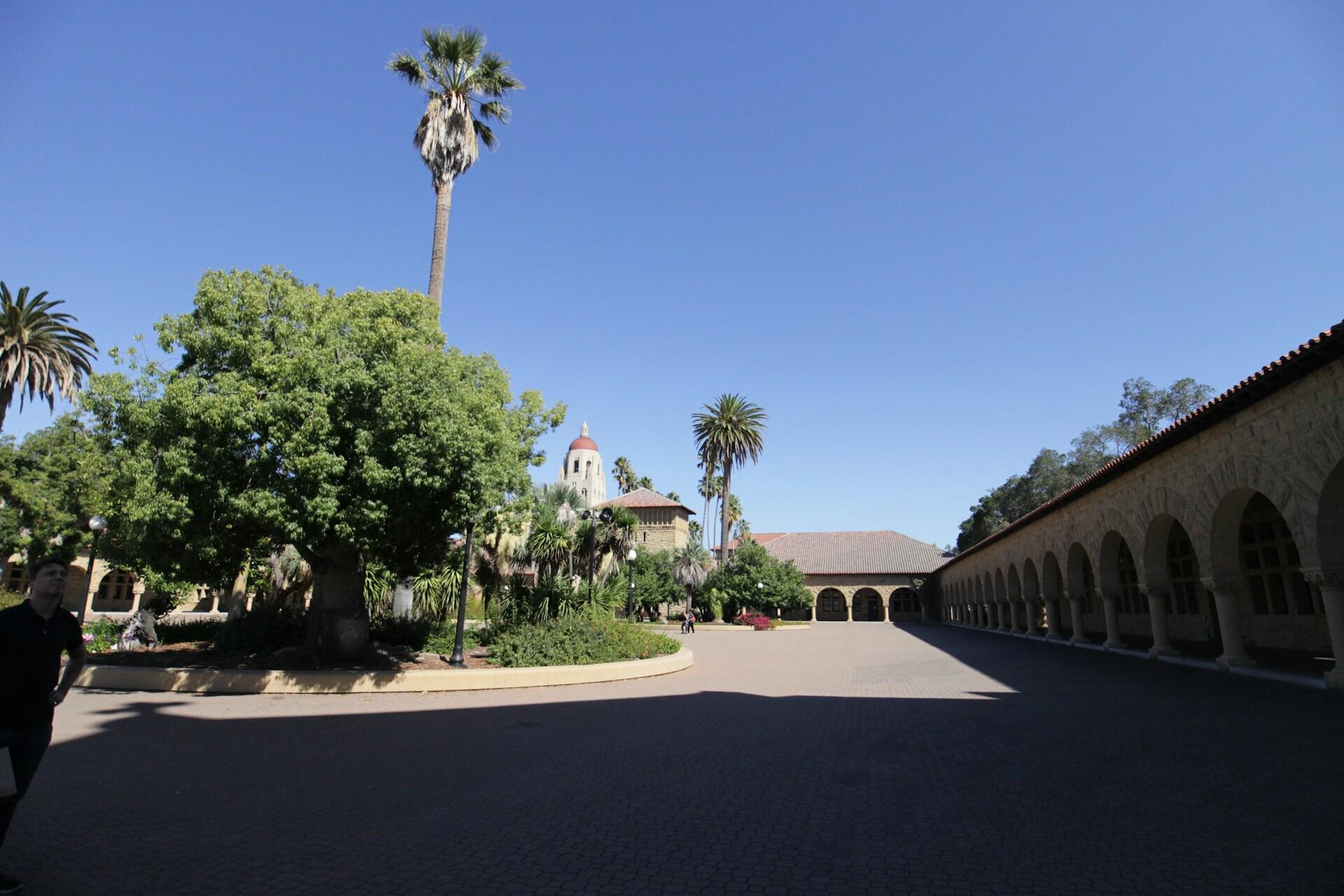
Stanford University
Stanford is a good fit if you want to study statistical training as part of a broader education. The program can connect with computing, engineering, and other fields. If you want flexibility beyond the statistics pathway, this is a good choice.⁶
Stanford does not currently offer a standalone undergraduate Statistics major. Students who want a concentration in probability and statistics are encouraged to consider the Data Science BS, while the Statistics Department also offers a Statistics minor.⁶
Harvard University
At Harvard, students have the flexibility to shape statistics around other quantitative interests. Common combinations include statistics with economics, computer science, or the social sciences. It's a good option if you're still developing your longer-term academic goals.⁵
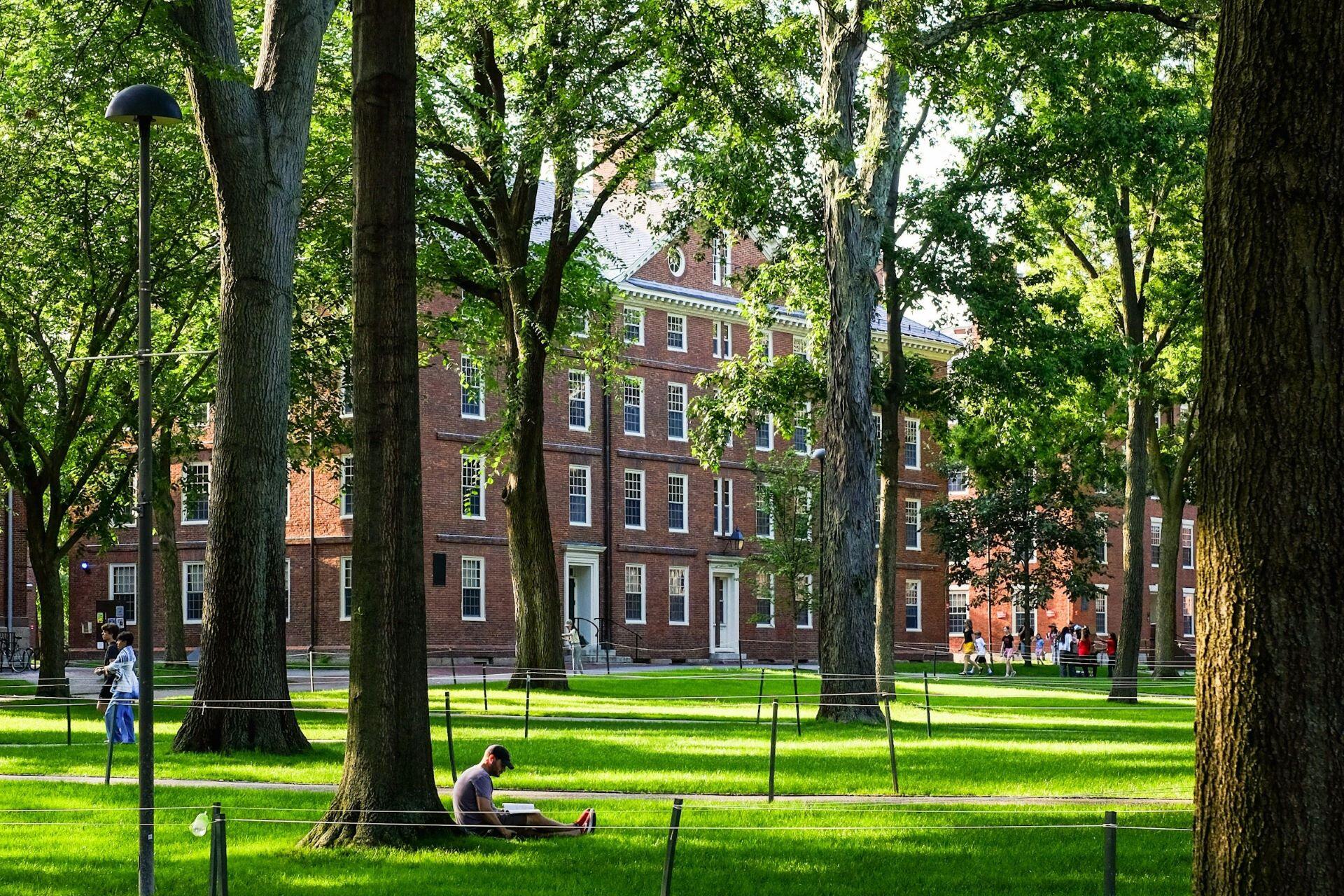
Harvard Statistics concentrators choose from 4 tracks: General, Data Science, Biostatistics and Computational Biology, or Machine Learning.⁵
University of California, Berkeley
Berkeley is another great choice for majoring in statistics, with a wider data-focused program. You'll gain a good foundation in statistical reasoning, computation, and data analysis. From there, you can explore more specialized areas after completing the core requirements.⁷
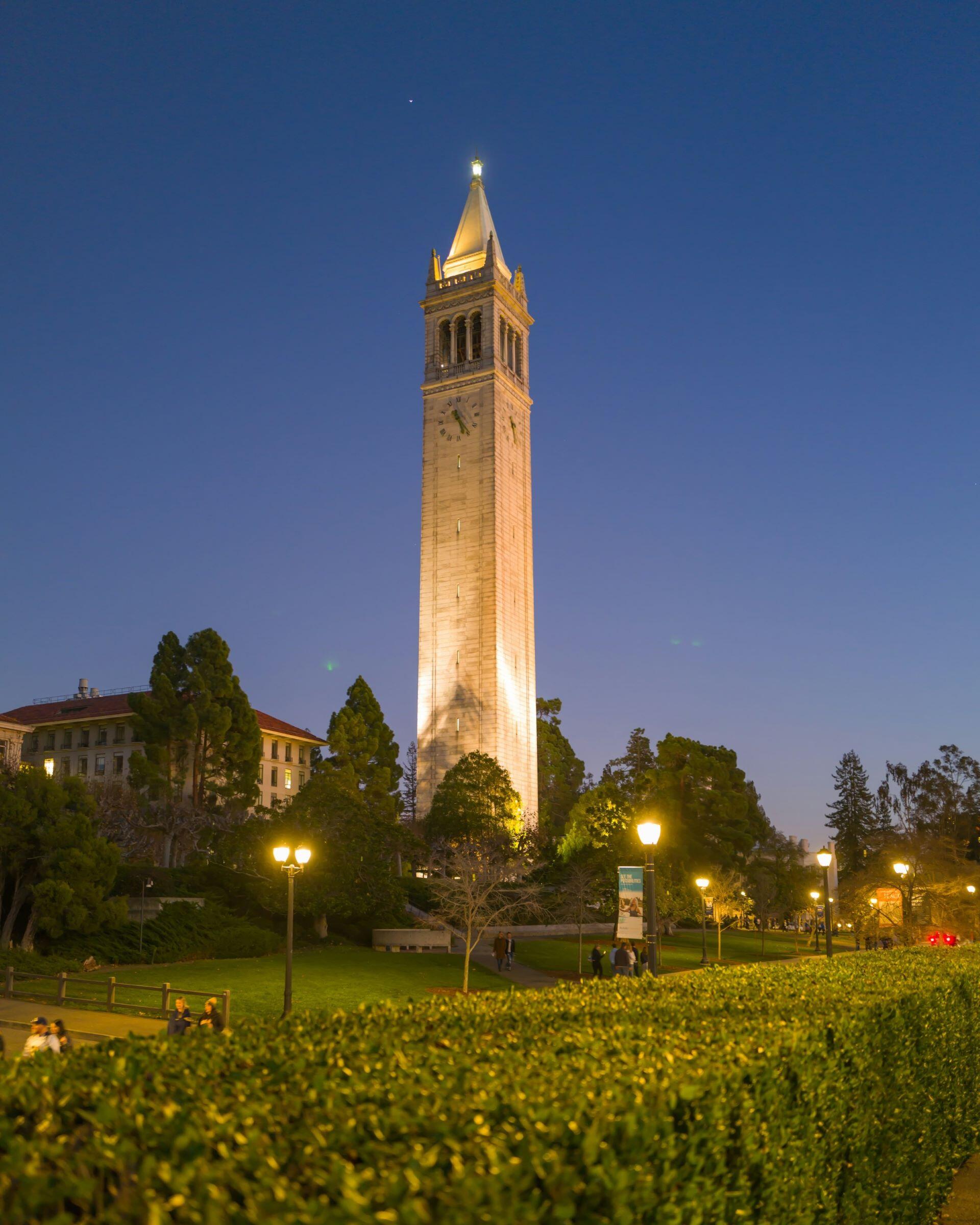
Berkeley's Statistics major is within the College of Computing, Data Science, and Society, integrating statistics into a broader academic environment focused on computation and data.
The major combines lower-division mathematics and statistics with an extensive set of upper-division courses.⁷
University of Washington
The University of Washington has a defined statistics curriculum with options in later study. You can steer toward mathematical, computational, or applied work as your interests become clearer. If you need structure but still want options, this is a good choice.⁹
The University of Washington organizes its BS in Statistics into 3 tracks: Mathematical Statistics, Data Science, and Applied Statistics. Each route changes the emphasis of the degree, from mathematical foundations to computing or applications in other disciplines.⁹
University of Chicago
The University of Chicago offers a mathematically rigorous environment. Here, statistical reasoning sits within a broader quantitative education. If you need a program that provides the theory alongside computation and applications, choose Chicago.
Carnegie Mellon University
Carnegie Mellon connects statistics with data science and computing. There are also natural connections to areas like economics and machine learning. If you are interested in technical, interdisciplinary work, this could be a good option.¹
statistics and data science majors to choose from.¹
Duke University
Duke is a great choice if you're still choosing between a broader liberal arts route and a more quantitatively specialized statistics education. Here, you can connect statistics to other areas of study. The flexibility is really good if you don't want to give up your interdisciplinary options.⁴
Duke offers both BA and BS routes in Statistical Science. Students pursuing the BS can also choose a concentration in Mathematical Statistics or Data Science, allowing them to pursue more theoretical or computational study.⁴

University of Michigan–Ann Arbor
After you meet the core requirements at Michigan, you'll have options. Advanced electives give you a chance to pick the statistical topics that interest you the most. This is another option that provides a solid foundation followed by room for specialization.⁸
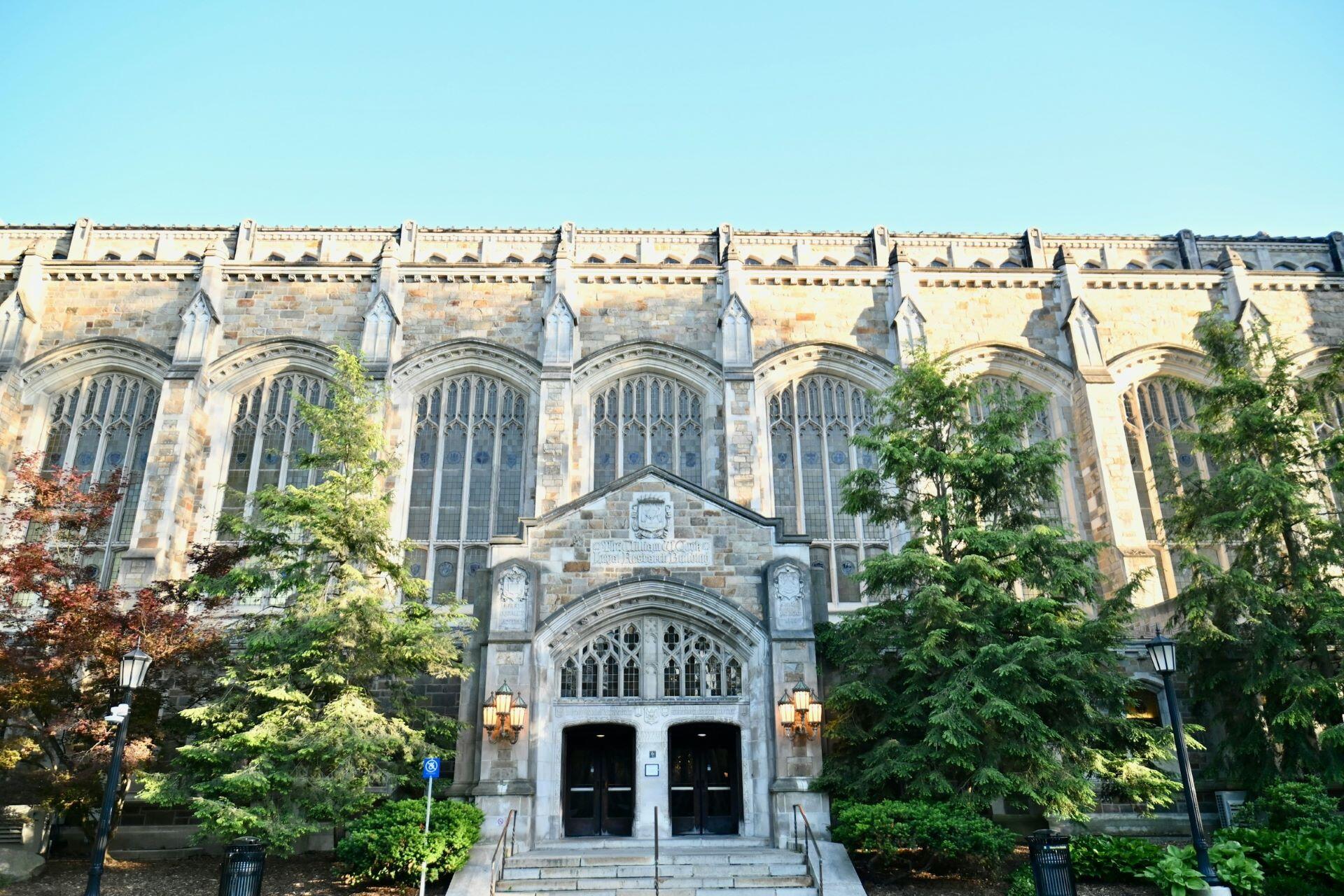
Michigan's Statistics major combines applied statistics, statistical theory, and computational statistics, followed by advanced electives and a capstone course. This gives the program a broad foundation rather than concentrating exclusively on one branch of the subject.⁸
Columbia University
Columbia offers students a rigorous statistical foundation. You'll have opportunities to connect statistics with research across other academic fields, too. It's a good combination if you're considering graduate study, research, or a career in statistics.²
Columbia builds its Statistics major around probability and statistical theory before moving on to statistical methods, study design, and data analysis. The structure gives students both theoretical grounding and practical experience working with statistics.²

Cornell University
The environment at Cornell is well-suited to combining statistics with related disciplines and research interests. The academic pathways here offer students a broader perspective.³ This is a good school with statistics pathways for different types of students.
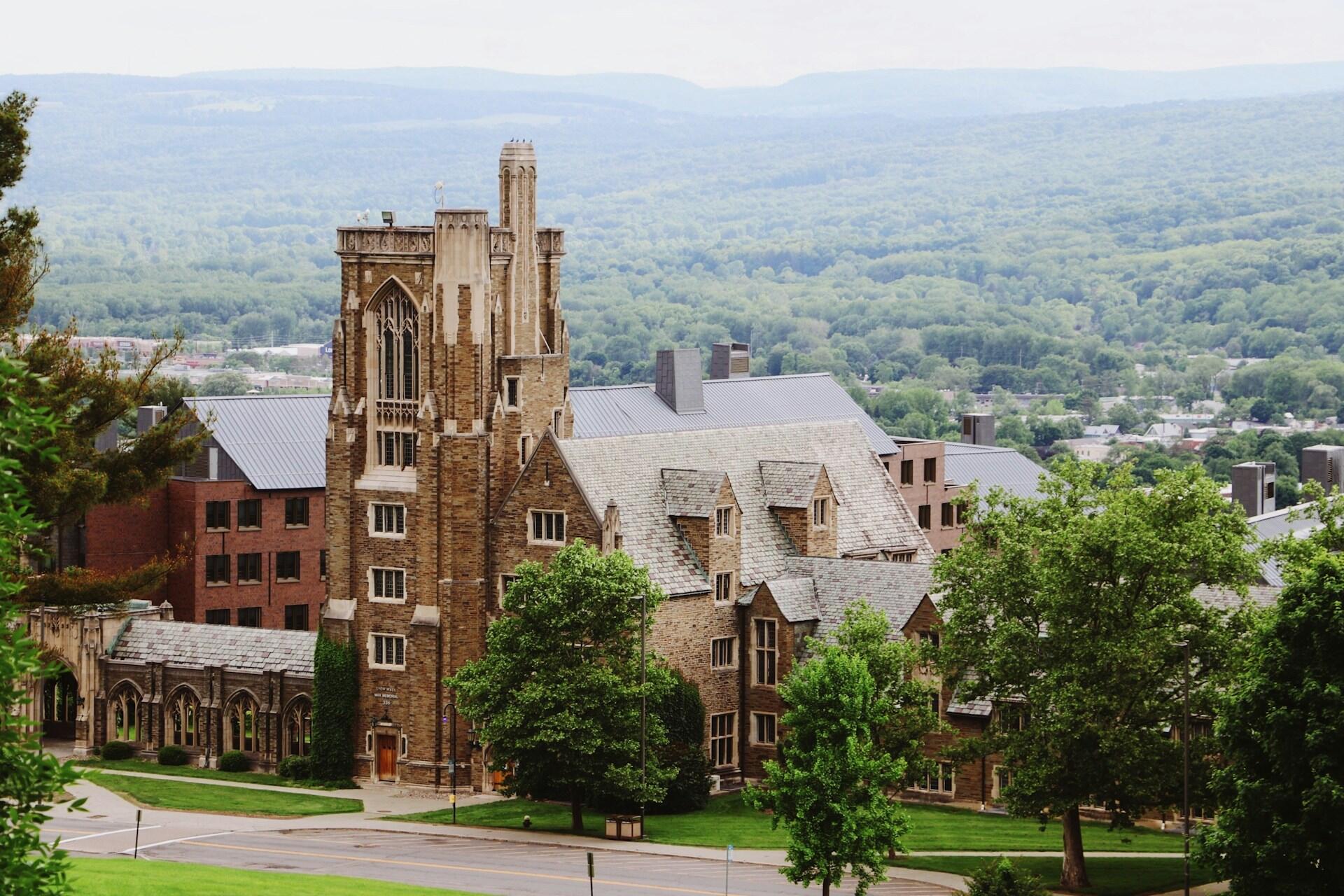
Cornell offers 2 undergraduate statistics routes: a BA in Statistical Science through the College of Arts and Sciences and a BS in Biometry and Statistics through the College of Agriculture and Life Sciences. The core statistics coursework is closely aligned, while each college has different wider degree requirements.³
How to Choose the Best Schools for Statistics Majors
The best school for you isn't necessarily the best school. Think about what kind of statistics you want to study and how interested you are in theory, computation, or applications. Then compare how the schools structure the program, not forgetting practical considerations like cost, admissions requirements, and location.
Compare Statistics Degree Options
Think about the qualifications themselves. Is it a BA, BS, concentration, or interdisciplinary program? These all have different mathematical requirements and lead to different elective or related subject options.
Mathematical and Theoretical Statistics
- Probability
- Statistical theory
- Mathematical statistics
- Graduate study preparation
Data and Computing
- Statistical programming
- Data science
- Machine learning
- Computational statistics
Applied Statistics
- Business and economics
- Health and life sciences
- Social sciences
- Scientific research
Look at Courses and Specializations
Consider Faculty and Research Opportunities
Compare Admissions, Cost, and Financial Aid
Think About Career and Graduate Study Goals
If you find statistics challenging, and there are many reasons you could do so, you might want to consider working with a private tutor. On Superprof, you can find statistics tutors all over the country and online who are ready to help you with your studies, study skills, or even just getting on top of your college statistics program. With most offering the first session for free, you can even try a few and collect your own data before making an informed decision on the best option for you, your budget, how you like to study, and what you need to learn.
What matters most when choosing a statistics program?
References
- Carnegie Mellon University. “Statistics & Data Science Majors/Minor.” Statistics & Data Science, Dietrich College of Humanities and Social Sciences, https://www.cmu.edu/dietrich/statistics-datascience/academics/undergraduate/majors-minor/index.html. Accessed 2 Sept. 2026.
- Columbia University. “Programs.” Department of Statistics, https://stat.columbia.edu/programs/. Accessed 2 Sept. 2026.
- Cornell University. “Bachelor of Arts in Statistical Science.” Cornell Bowers CIS, Department of Statistics and Data Science, https://stat.cornell.edu/bachelor-arts-statistical-science. Accessed 2 Sept. 2026.
- Duke University. “Degree Options.” Statistical Science, https://stat.duke.edu/undergraduate/degree-options. Accessed 2 Sept. 2026.
- Harvard University. “Statistics Concentration Requirements.” Department of Statistics, https://statistics.fas.harvard.edu/statistics-concentration-requirements. Accessed 2 Sept. 2026.
- Stanford University. “Undergraduate Programs.” Department of Statistics, https://statistics.stanford.edu/academic-programs/undergraduate-programs. Accessed 2 Sept. 2026.
- University of California, Berkeley. “Statistics Major.” Department of Statistics, https://statistics.berkeley.edu/academics/undergrad/major. Accessed 2 Sept. 2026.
- University of Michigan. “Major in Statistics.” LSA Department of Statistics, https://lsa.umich.edu/stats/undergraduate-students/undergraduate-programs/majorstatistics.html. Accessed 2 Sept. 2026.
- University of Washington. “Statistics B.S.” Department of Statistics, https://stat.uw.edu/academics/undergraduate/statistics-bs. Accessed 2 Sept. 2026.
Summarize with AI:
Did you like this article? Leave a rating!

 Loading...

